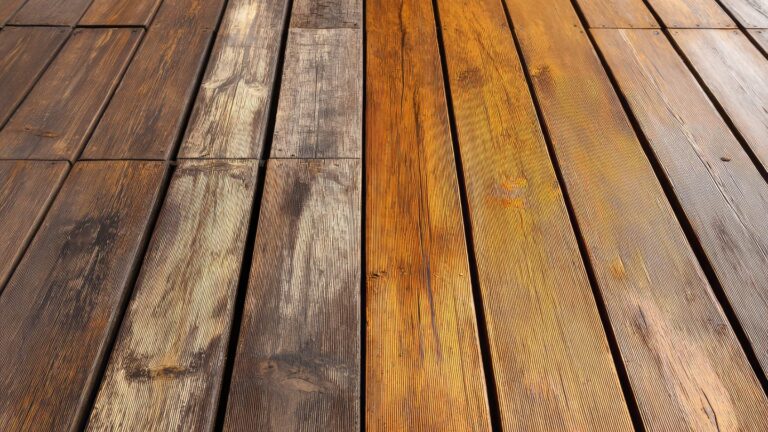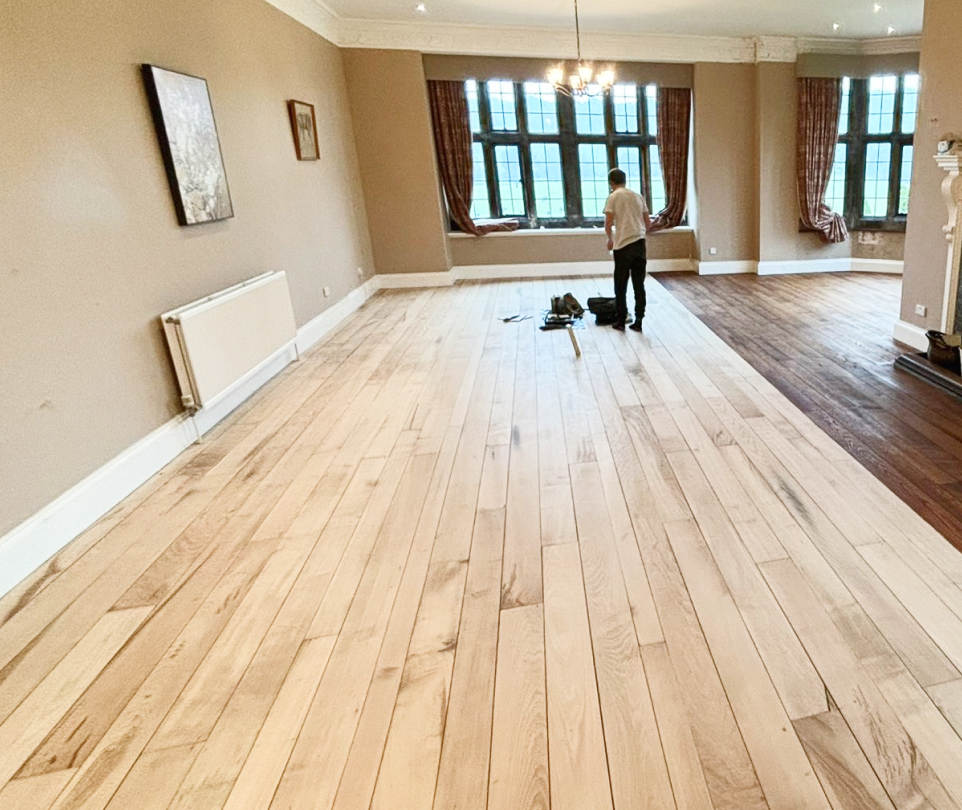
Wood Floor Polishing

Professional Wood Floor Polishing by Ryans Restoration

QUICK QUOTATION

What People Mean by Wood Floor Polish

Polish is one of those words that means three different things depending on who is saying it, and getting them mixed up is how floors end up ruined.

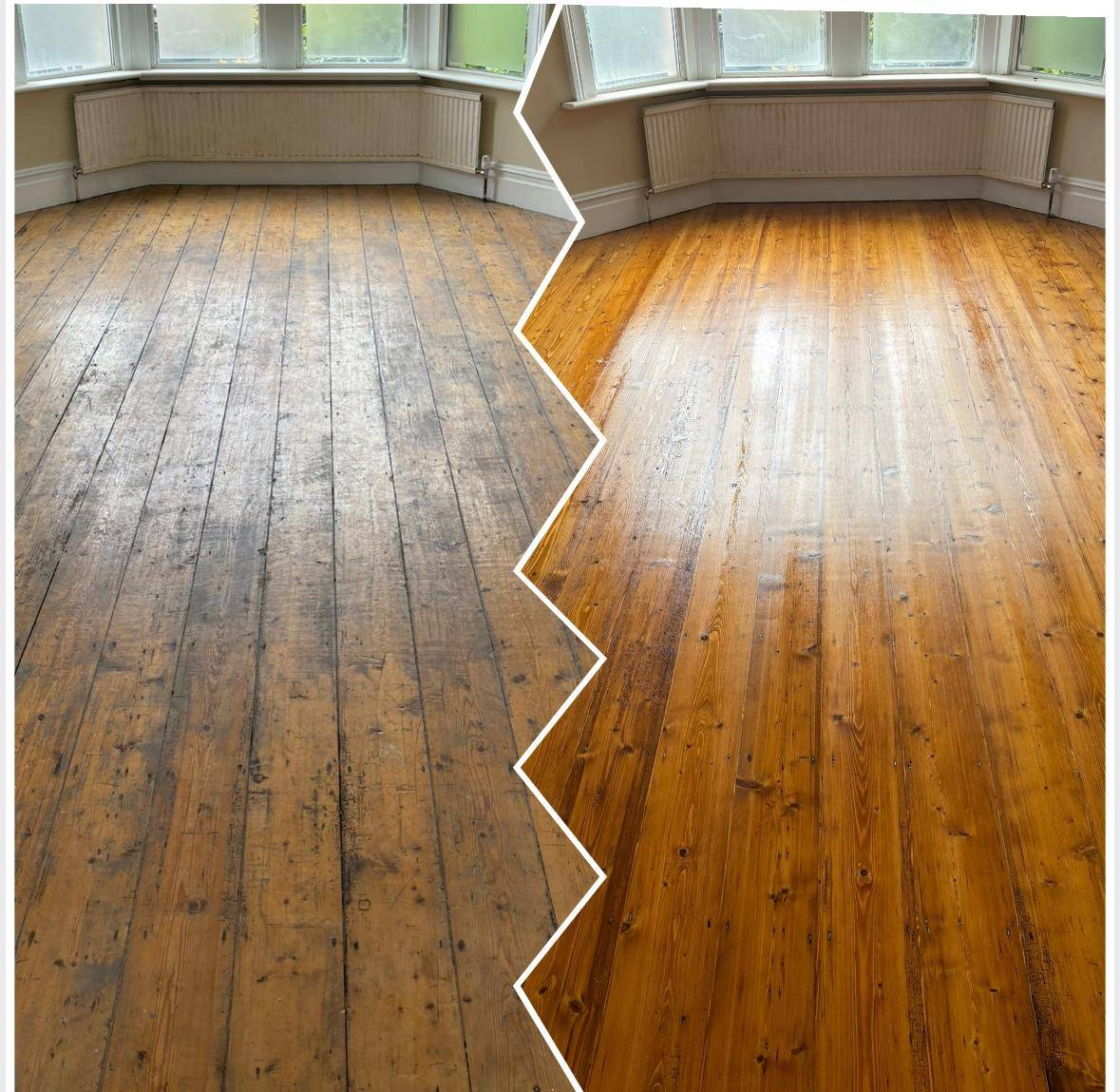
Some people mean a shop-bought bottle of wooden floor polish, the sort you pour on and spread about. Some mean machine buffing, where a rotary polisher and the right pad bring the shine back out of a finish that has gone dull. And some mean a full refinish — taking the old coating back and laying down fresh lacquer or oil so the floor looks like new.

When we talk about hardwood floor polishing, we mean the second and third of those. What we will not do is pour a supermarket product over your boards, because most of them contain acrylics or silicone that build up in layers, go cloudy, attract dirt and eventually have to be stripped off at your expense. If a product promises a shine in one wipe, it is almost certainly leaving something behind.

Tell us what your floor looks like and we will tell you which of the three it actually needs.
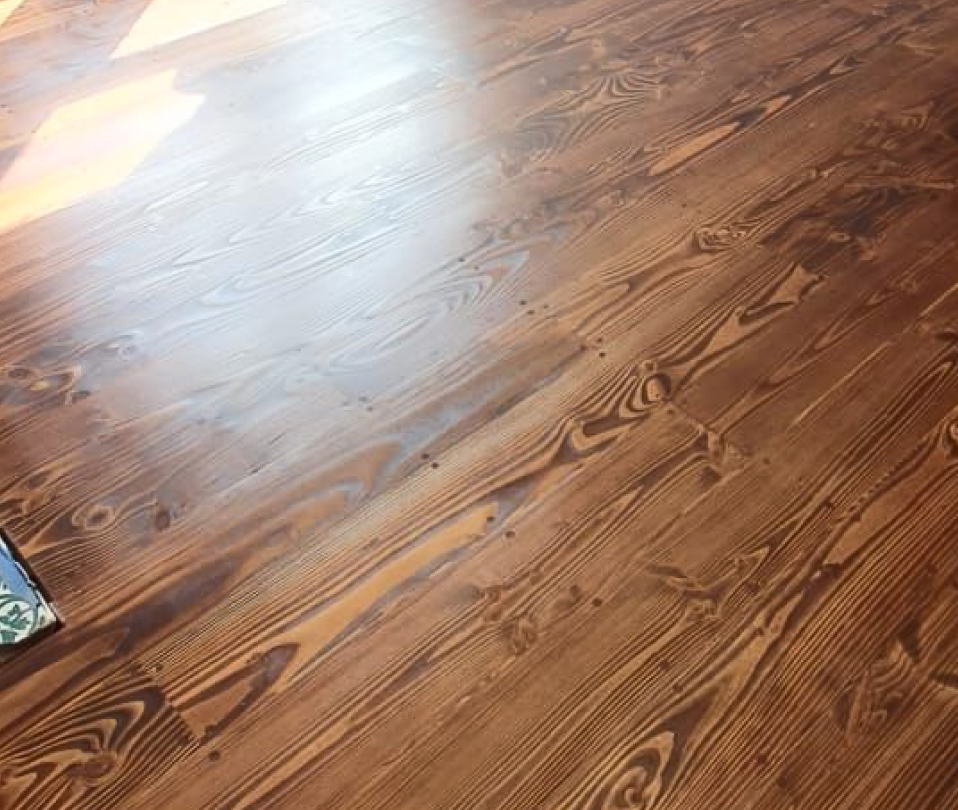
Machine Buffing: Bringing Back the Shine

Most dull floors are not worn out. They are scratched at a microscopic level, thousands of tiny scuffs from grit walked in on shoes, and light scatters off that instead of reflecting. Buffing flattens those scuffs and the shine comes back.

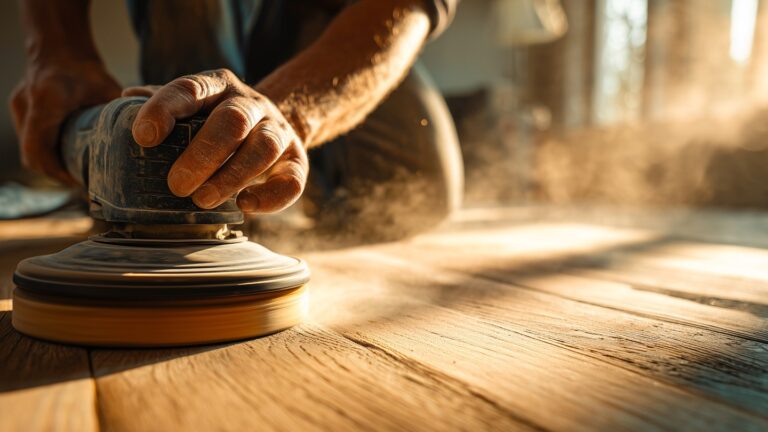
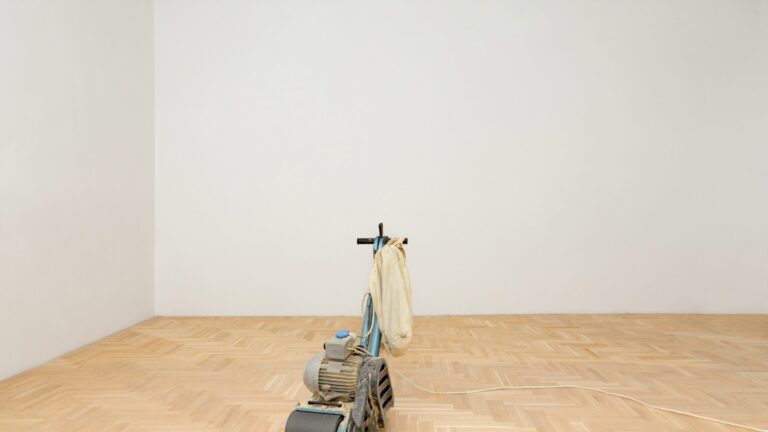
We use a slow-speed rotary machine with pads chosen for the finish that is on your floor. On lacquer, a fine white or beige pad will lift the gloss noticeably in a single pass. On an oiled floor, buffing works the existing oil back into the surface and evens out the patchiness that develops in walkways.

It is quick, it is inexpensive, and it removes nothing. A typical living room takes a couple of hours and you can walk on it the same day. Where buffing alone will not get you there — usually because the finish has thinned rather than dulled — we combine it with a fresh coat, which is the screen and recoat process.

Buffing is also the maintenance step most people skip. Done every couple of years it holds a floor in good order almost indefinitely.

Wood floor waxing

Choosing the Right Sheen

The level of shine is worth thinking about properly, because it changes how a room feels and how much work the floor makes for you afterwards.

High gloss reflects the most light and looks striking in a hallway or a formal room. It also shows every speck of dust, every paw print and every scratch, and it makes an uneven floor look more uneven because the reflections bend. In a period property with boards that have moved over a century, gloss is rarely the kind choice.

Satin sits in the middle and is what most of our customers end up with. Enough warmth and depth to look finished, forgiving enough to live with.

Matt has become popular in the last few years, particularly on oak and in newer homes. It hides marks best of all and looks contemporary, though it can read a little flat in a room with limited natural light.

We keep sample boards in the van in each sheen. Seeing them in your own light, in your own room, settles the question in about a minute.

Our Wood Floor Polishing Process

We start by working out what is on the floor. Lacquer, oil, wax and older sealers all behave differently and all need different treatment, and putting the wrong product over the wrong base is the most common cause of a polishing job going wrong. A few small tests in a corner tell us what we are dealing with.

Next the floor gets cleaned properly. Not mopped — cleaned, with a solution that lifts old residue, household spray build-up and the greasy film that collects in kitchens. Polishing over that residue simply seals it in and the floor looks worse than when we started.

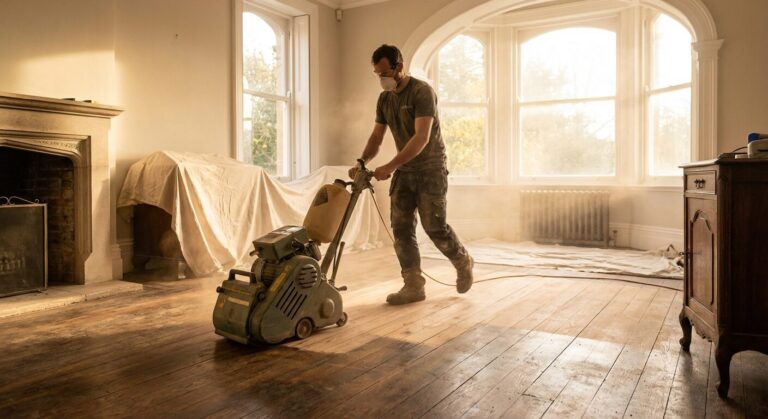
Then we buff, with the pad and speed matched to the finish, working in overlapping passes so there are no swirl marks. Where a fresh coat is going on, the floor is screened first to key the surface, vacuumed with extraction and tack-wiped before anything wet touches it.

Finally we check the whole floor at a low angle with a light, which shows up anything missed. It is a small thing and it is the difference between a good job and one you notice every morning.

Wood floor waxing
Wood floor waxing

How Often Should You Polish a Wooden Floor?

In an average family home, a buff every two to three years keeps a floor looking after itself. Hallways, kitchens and anywhere with a door to the garden will want it sooner, sometimes annually, because that is where the grit comes in.

Commercial floors are a different calculation entirely. A restaurant, gym or shop floor can need buffing every few months, and it is almost always cheaper to keep on top of it than to let it go and pay for a full sand later.

The signs to watch for are dullness that does not lift when you clean, a floor that has stopped feeling smooth underfoot, and scratches becoming visible in the traffic routes. When water stops beading on the surface and soaks in instead, the finish has gone and you are past polishing — that floor needs recoating or sanding.

Between professional visits, the useful habits are simple: mats at every outside door, felt pads under furniture, sweep or vacuum regularly, and a barely damp mop with a pH-neutral wood cleaner. Never a steam mop.

Why Choose Ryans Restoration for Floor Polishing

Forty-five years of working on wood floors means we have seen most of what can go wrong with them, including a good deal of damage caused by well-meaning polishing with the wrong product.

We will tell you honestly what your floor needs. Sometimes that is a buff, which is the cheapest thing we do. Sometimes it is a recoat. Occasionally the answer is that the floor needs sanding properly and no amount of polish will hide it, and we would rather say that at the quoting stage than take your money twice.

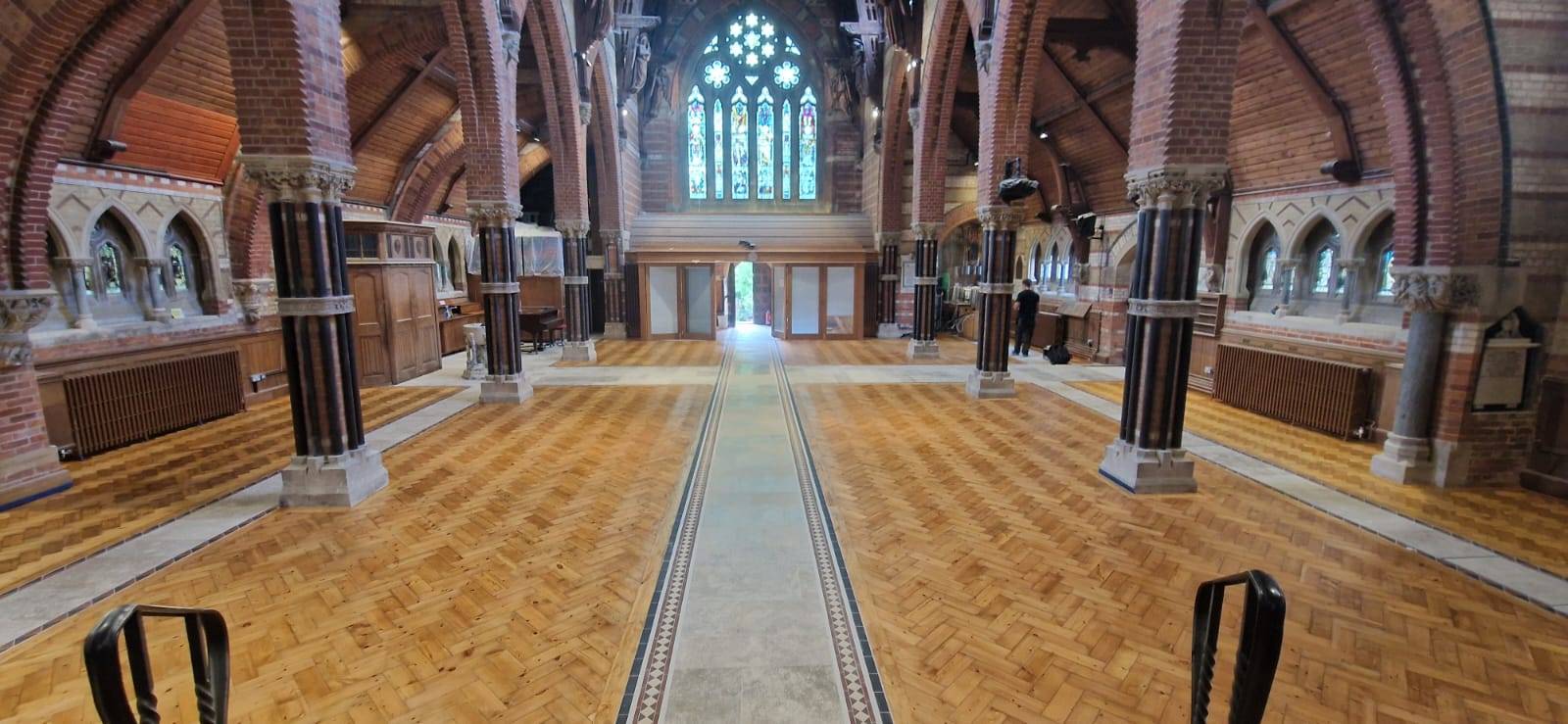
Every visit runs with dust-free extraction, including buffing, which throws up finer particles than most people expect. We work in homes, restaurants, shops, gyms, village halls and offices across Somerset, Devon, Cornwall, Dorset, Bristol, Bath, South Wales, London and the Home Counties.

Wood floor waxing
Wood floor waxing

Book Wooden Floor Polishing

Send us a photograph of the floor taken with the light coming across it at a low angle — early morning or late afternoon is ideal — because that shows the scratching and dullness far better than an overhead shot.

Tell us the rough size of the area and whether you know what finish is on there. We will come back with a price and an honest view on whether polishing will get you the result you are after.

Call 01823 674562, email info@ryansrestoration.co.uk, or fill in the form on this page. Quotations are free and there is no obligation.

Where to find us

Most of this happens in Bridgwater, Wells, Dorchester, Newquay, Falmouth, Weston-super-Mare, Gloucester and Cheltenham, though we travel further when a job warrants it. The full list is on areas we cover.

You may also want buffing and recoating, floor waxing or scratch repair. We have written this up properly: How to Polish Wooden Floors After Sanding Perfectly, and How to Polish Wooden Floors After Sanding Perfectly.

FAQ: Wood Floor Polishing

In professional terms it means machine buffing the existing finish to bring back its shine, and where needed applying a fresh coat of lacquer or oil. It is not the same as pouring on a bottled floor polish, which builds up in layers and eventually has to be stripped off.

Most of them are, yes. Products containing acrylics or silicone leave a film that goes cloudy, attracts dirt and stops any future coating bonding properly. If a floor has been treated with them for years, it usually has to be stripped before it can be refinished. A pH-neutral cleaner and professional buffing is the safer route.

Polishing works on the finish sitting on top of the wood. Sanding removes timber. Polishing costs a fraction as much, takes hours rather than days and can be repeated indefinitely, whereas a floor only has a limited number of sands in it.

Buffing is one of the cheapest things we do, usually well under half the cost of sanding the same area. The price depends on the size of the floor, its condition and whether a fresh coat of finish is going on afterwards. Send us photographs and we will give you a figure.

A typical living room takes a couple of hours to buff and you can walk on it the same day. If a fresh coat of finish is being applied it becomes a one-day job, with the floor walkable in socks that evening and ready for furniture after three or four days.

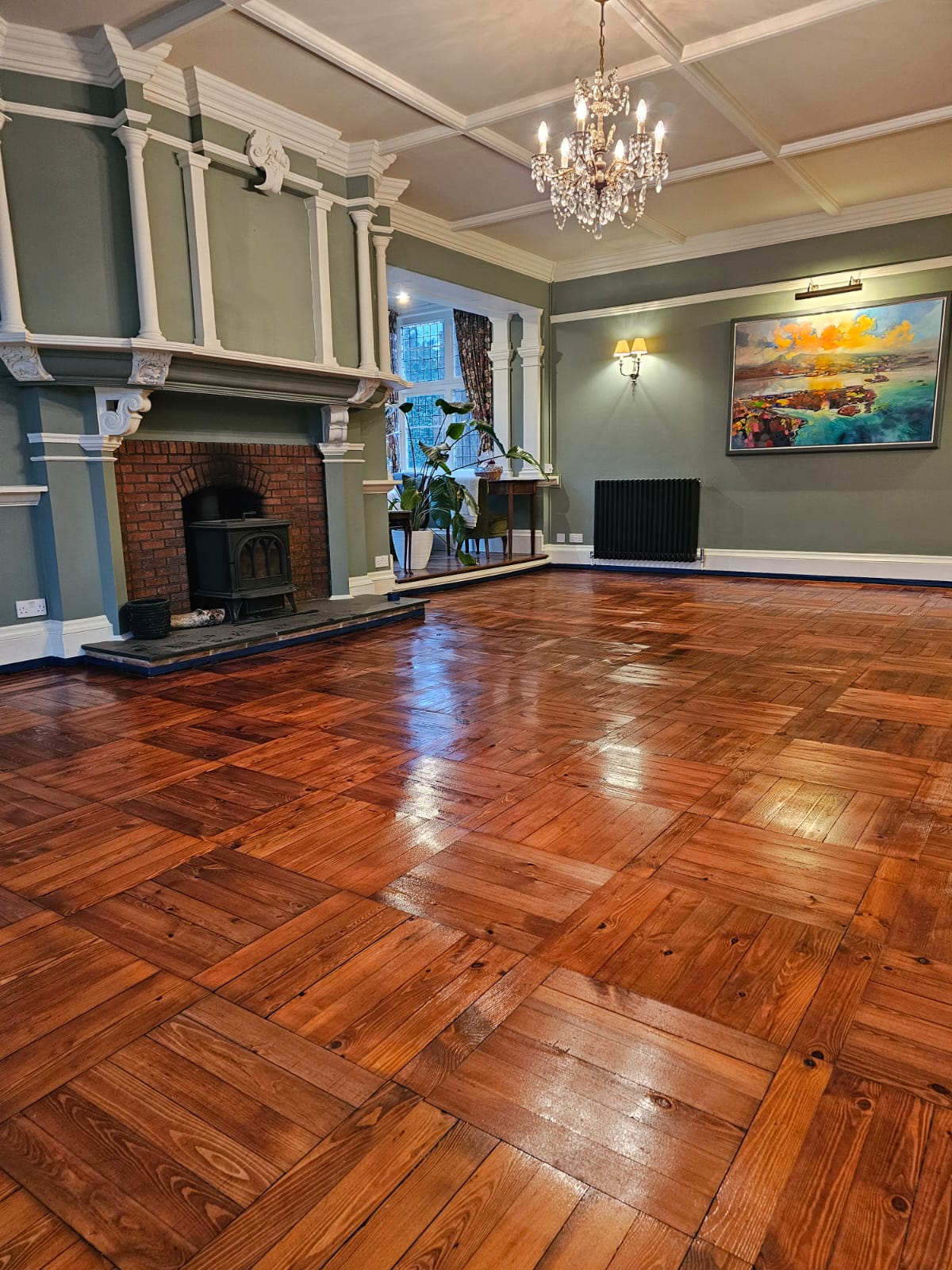
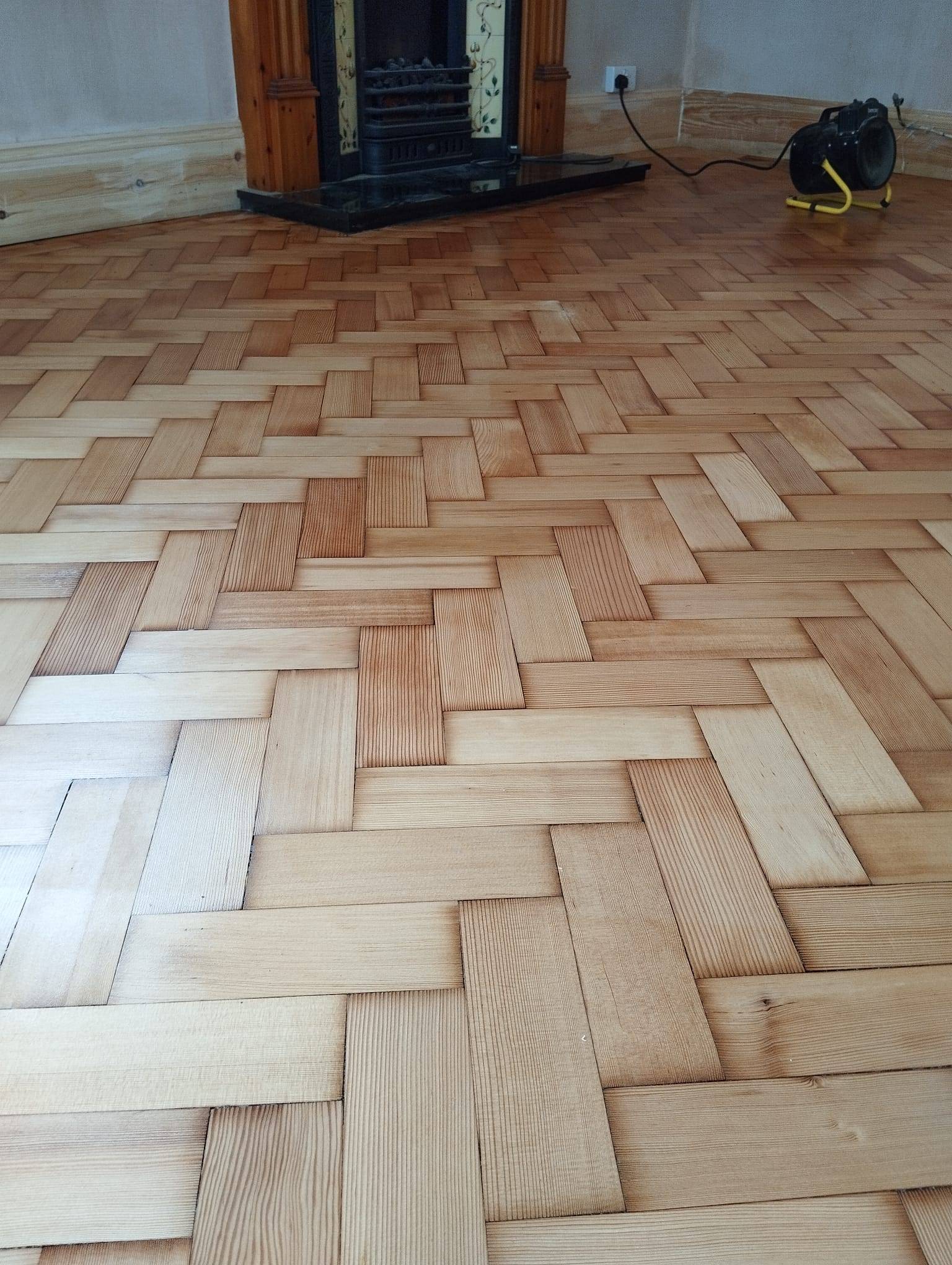
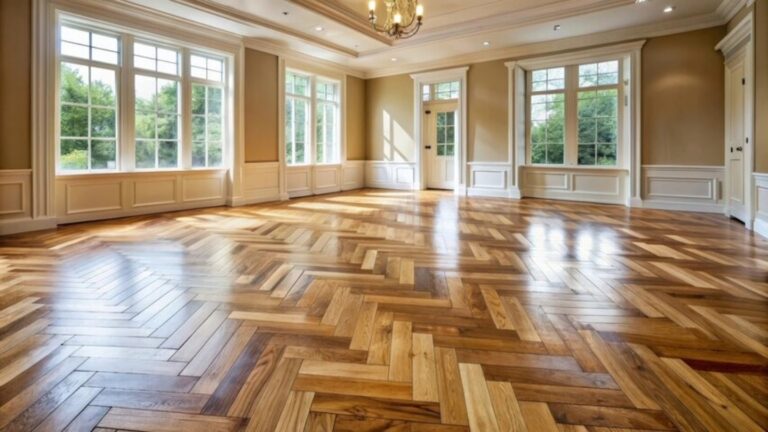
Yes, all three, though the approach differs. Parquet needs care because the blocks run in several directions and an aggressive pad can leave swirl marks across the pattern. Old floorboards with a lot of movement sometimes need working in sections.

Matt, satin or gloss. Satin is the most popular because it looks warm without showing every mark. Gloss reflects most light but highlights dust, scratches and any unevenness in the boards. Matt hides marks best and suits modern interiors. We carry sample boards so you can see them in your own light.

Every two to three years in an average home, and annually in hallways, kitchens and anywhere that opens onto a garden. Commercial floors often need it every few months. Keeping to that sort of cycle is far cheaper than letting a floor go and paying for a full sand.

Light surface scratching in the finish, yes. Wet the floor with a damp cloth — if the scratches vanish, buffing will deal with them. Scratches still visible when wet are in the timber itself and need sanding.

Usually, and that is exactly what it is for. Dullness is normally thousands of microscopic scuffs scattering the light. Buffing flattens them and the shine returns. If the floor stays dull after buffing, the finish has thinned and needs a fresh coat.

Yes — restaurants, shops, gyms, offices, village halls and schools. We work evenings and weekends where needed so you can keep trading, and we run full dust extraction so neighbouring areas stay usable.

Very much so. Buffing works the existing oil back into the surface and evens out the patchy look that develops in walkways. Oiled floors also take maintenance coats without visible joins, which makes them the easiest of all to keep looking well.

You can buff a floor with a hired machine, but the two things that go wrong are pad choice and pressure. The wrong pad leaves swirl marks and too much dwell in one place burns the finish. If you are applying any product afterwards, compatibility with the existing coating is critical.

Some, and it is fine dust that stays airborne longer than coarse sanding dust. We run extraction throughout for exactly that reason, so the mess is minimal and nothing settles onto a wet finish.

Mats at every outside door, felt pads under furniture legs, regular sweeping or vacuuming with a hard-floor head, and a barely damp mop with a pH-neutral wood floor cleaner. Never use a steam mop — it drives moisture into the boards and causes cupping.

Ryan's Restoration
4.9
Based on 114 reviews
×
js_loader