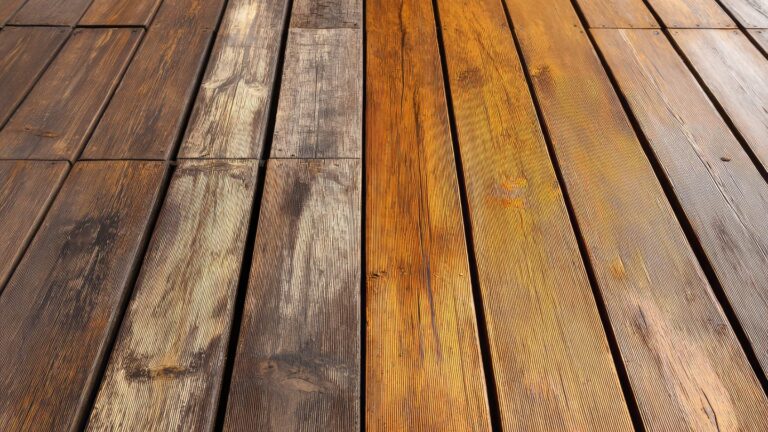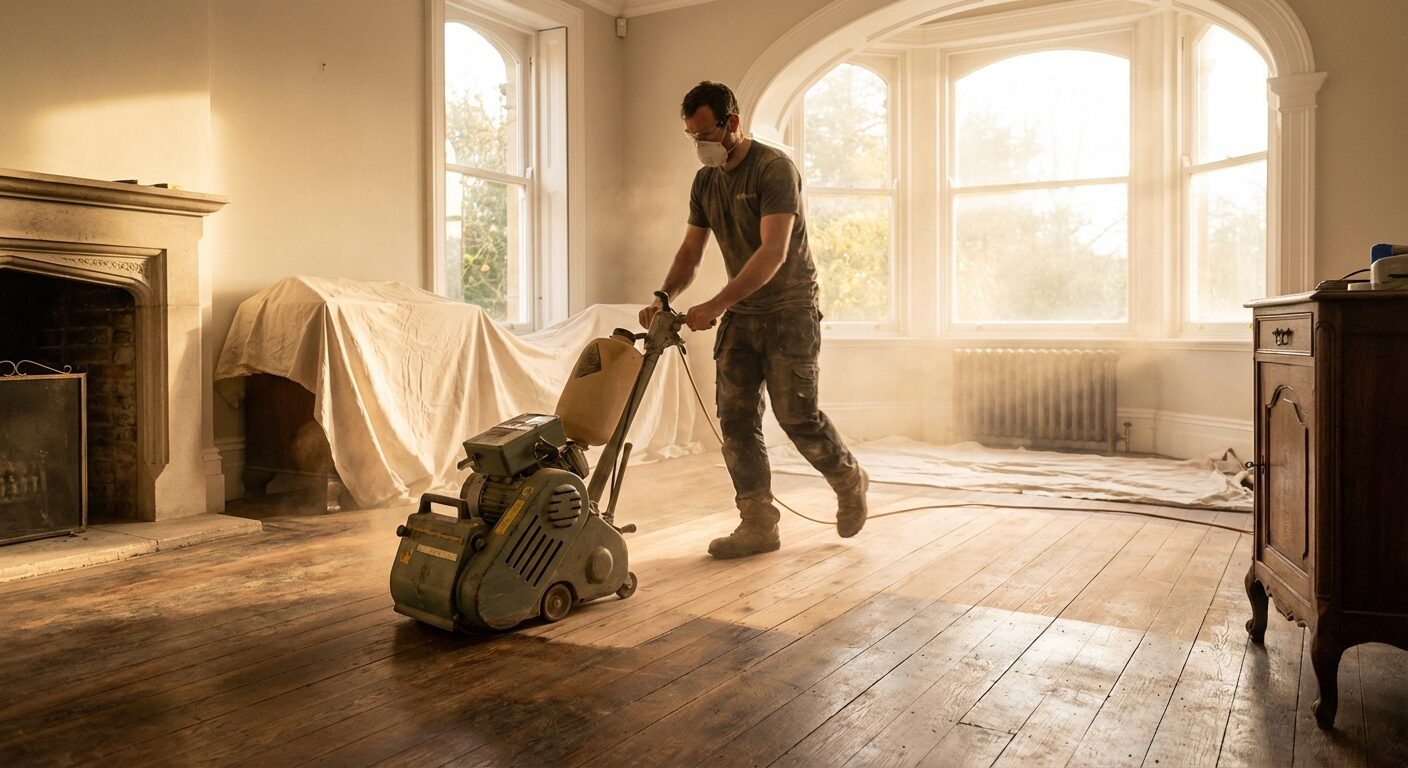
1. Floor Sanding
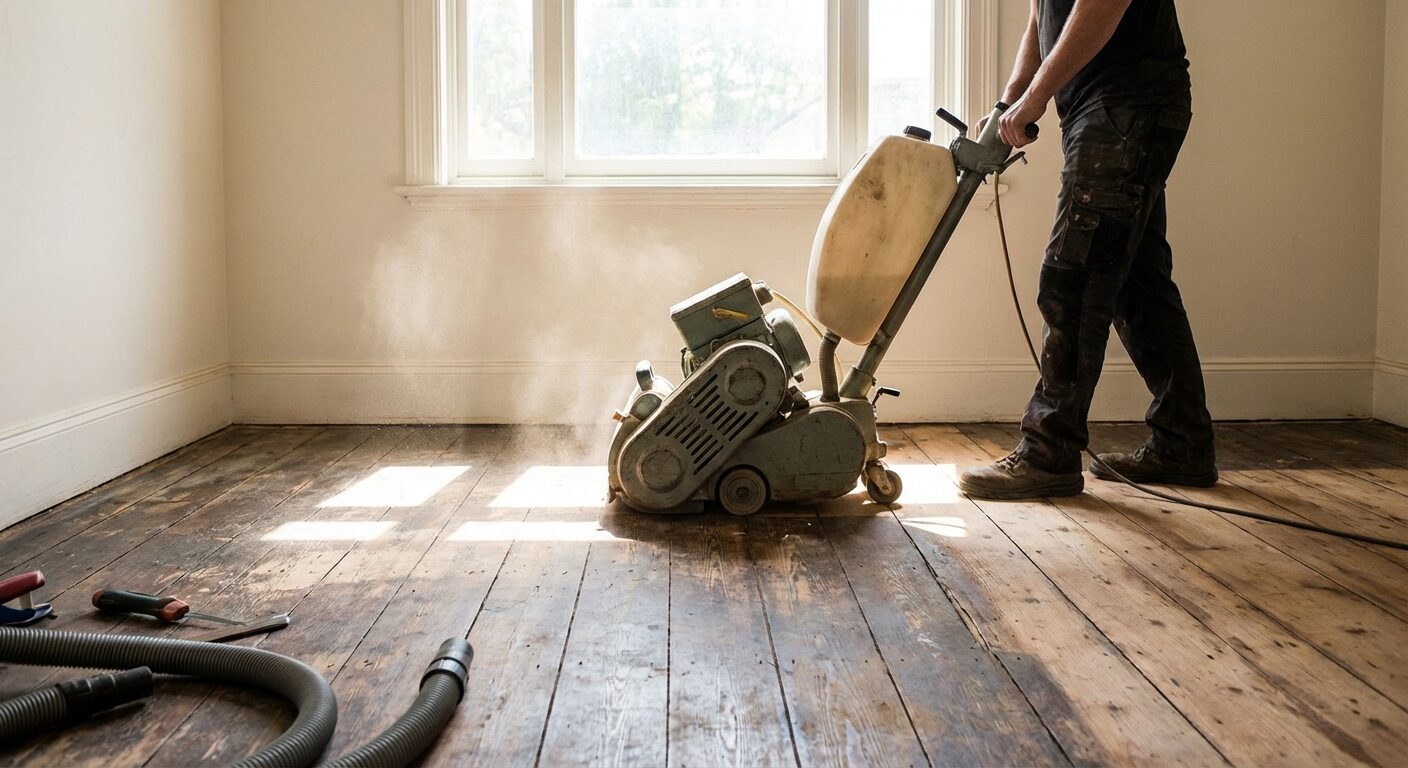
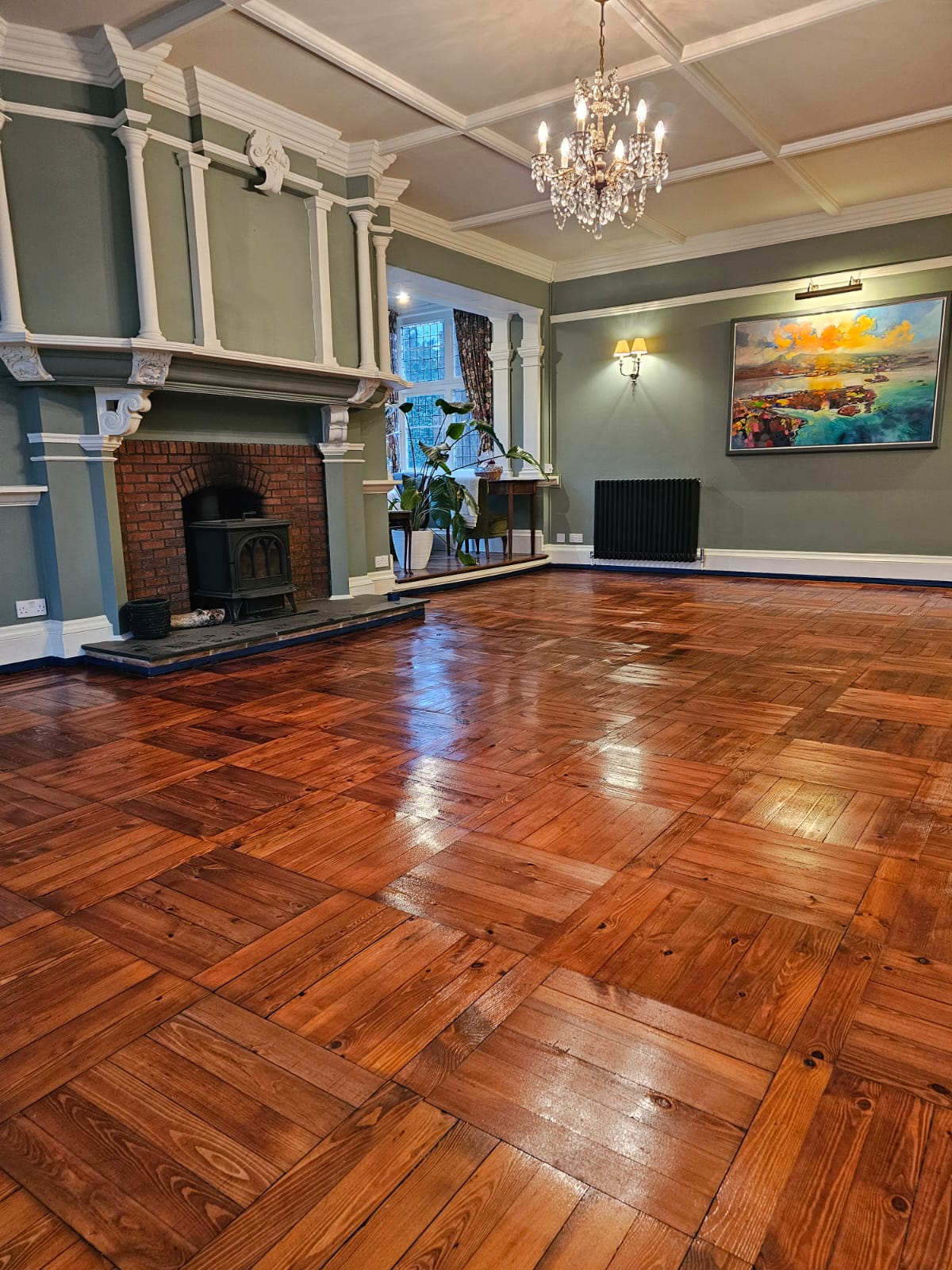
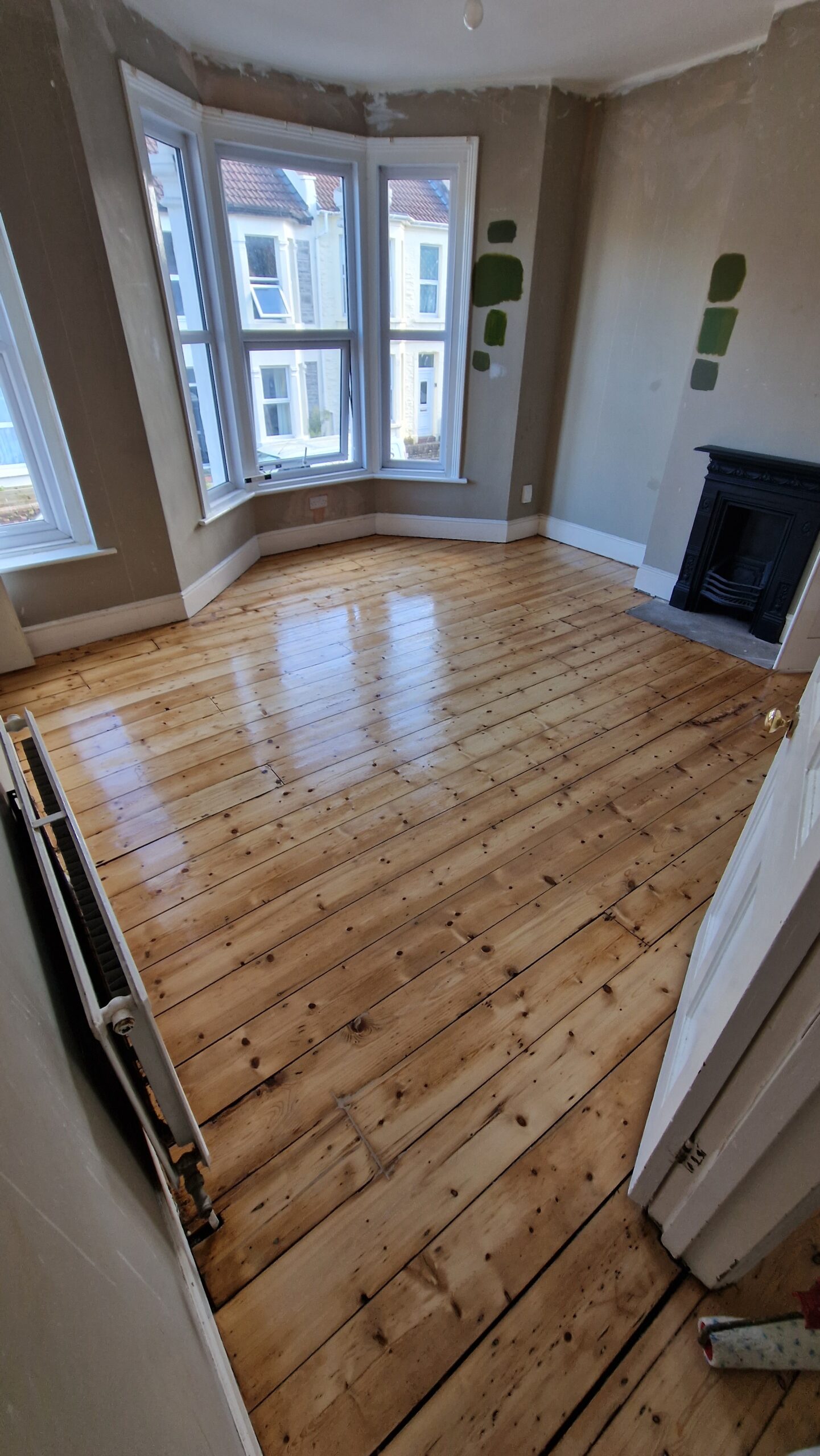
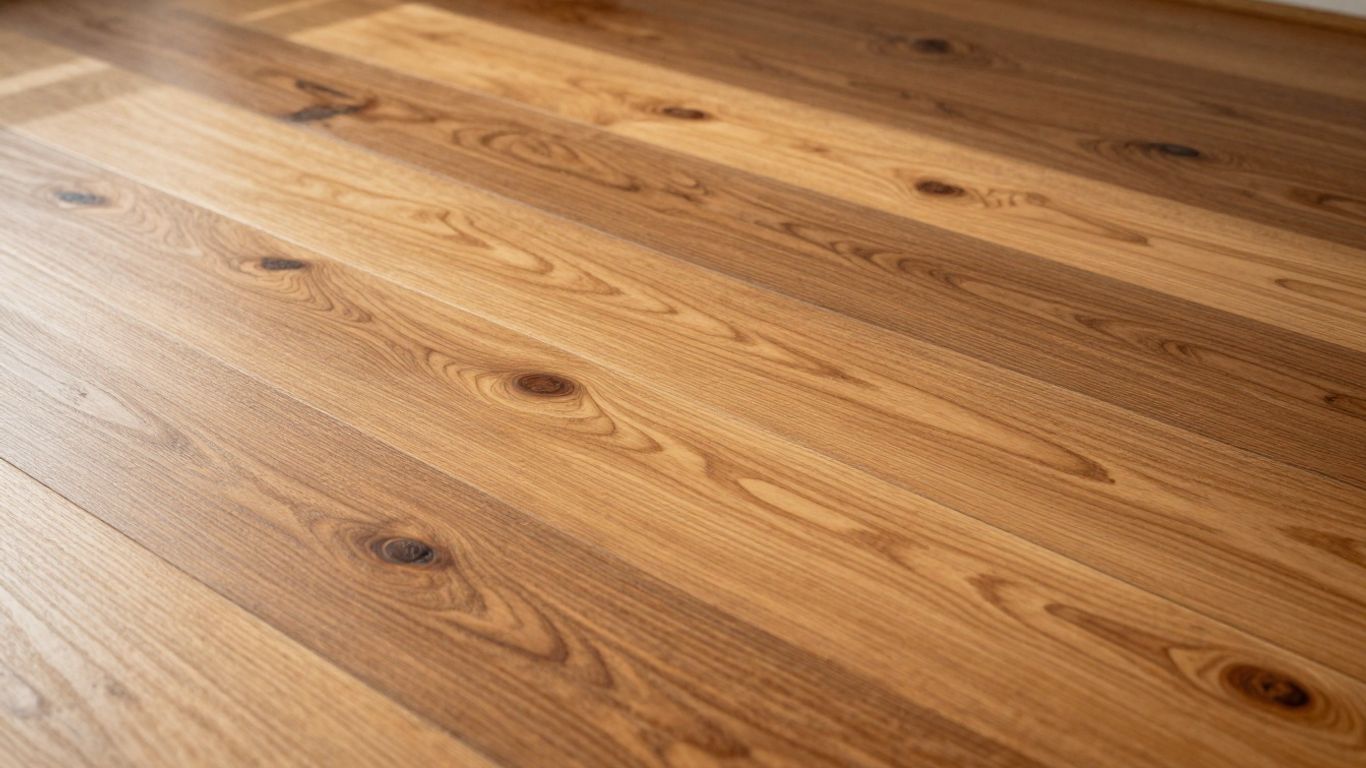
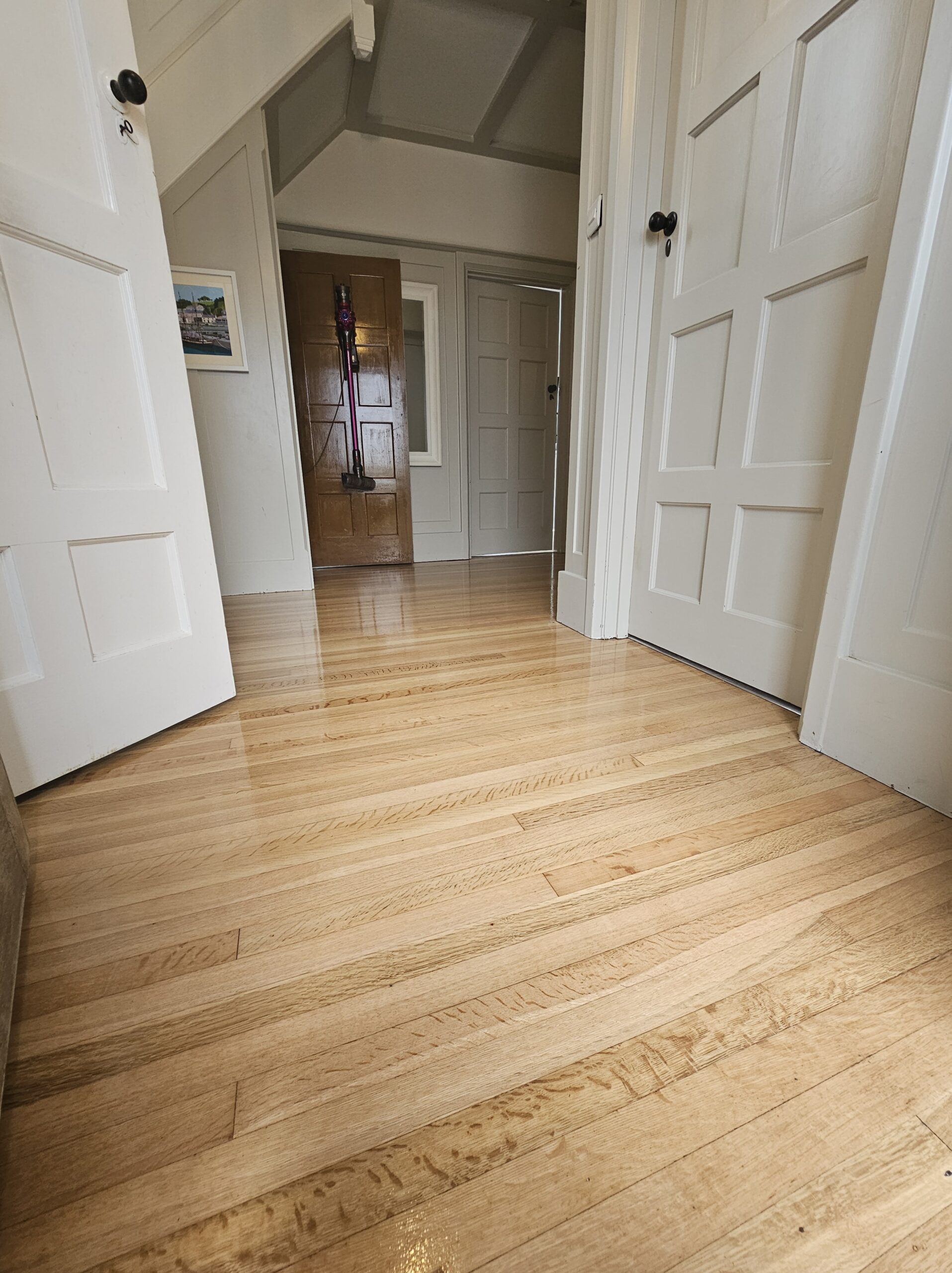
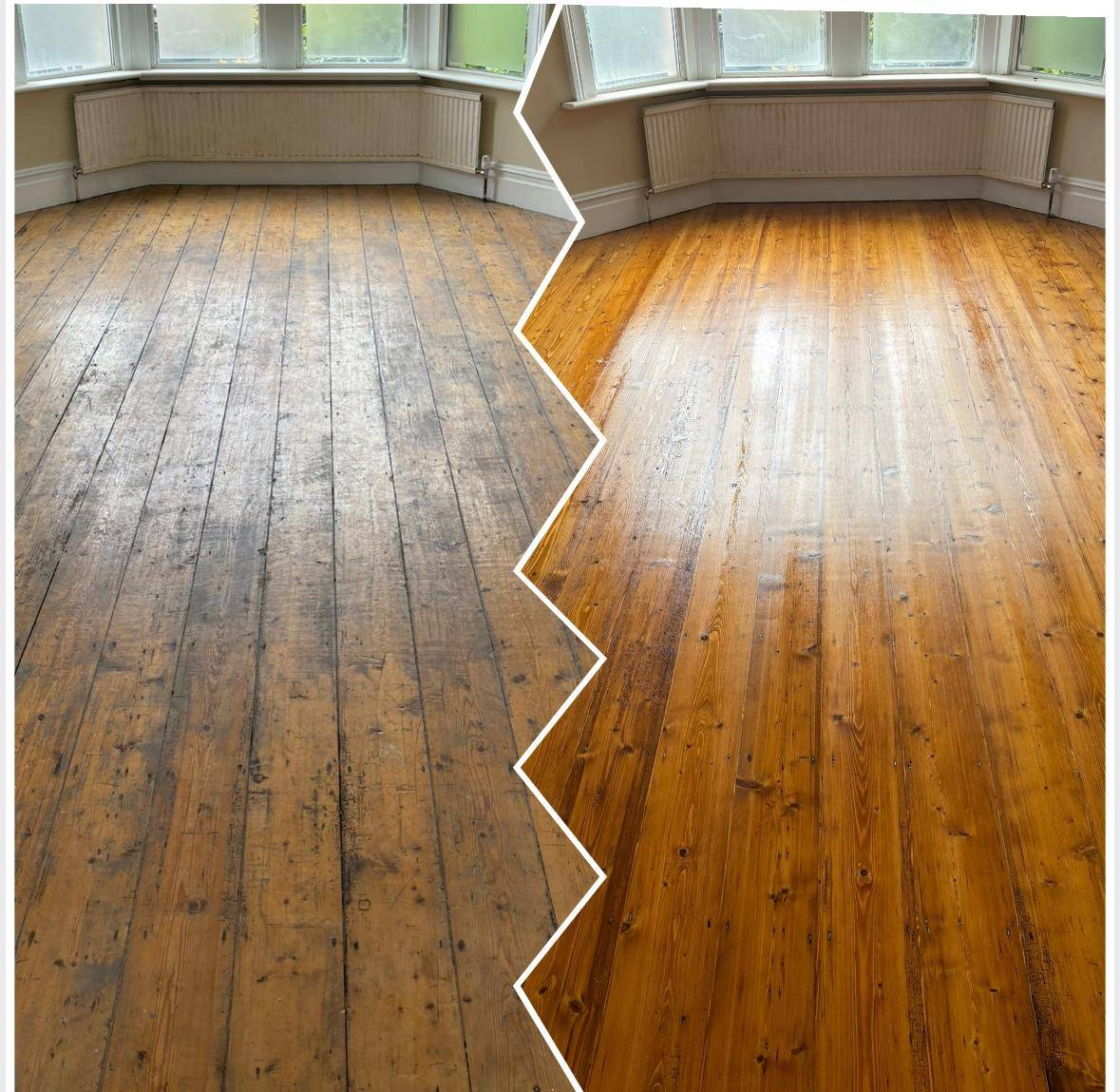
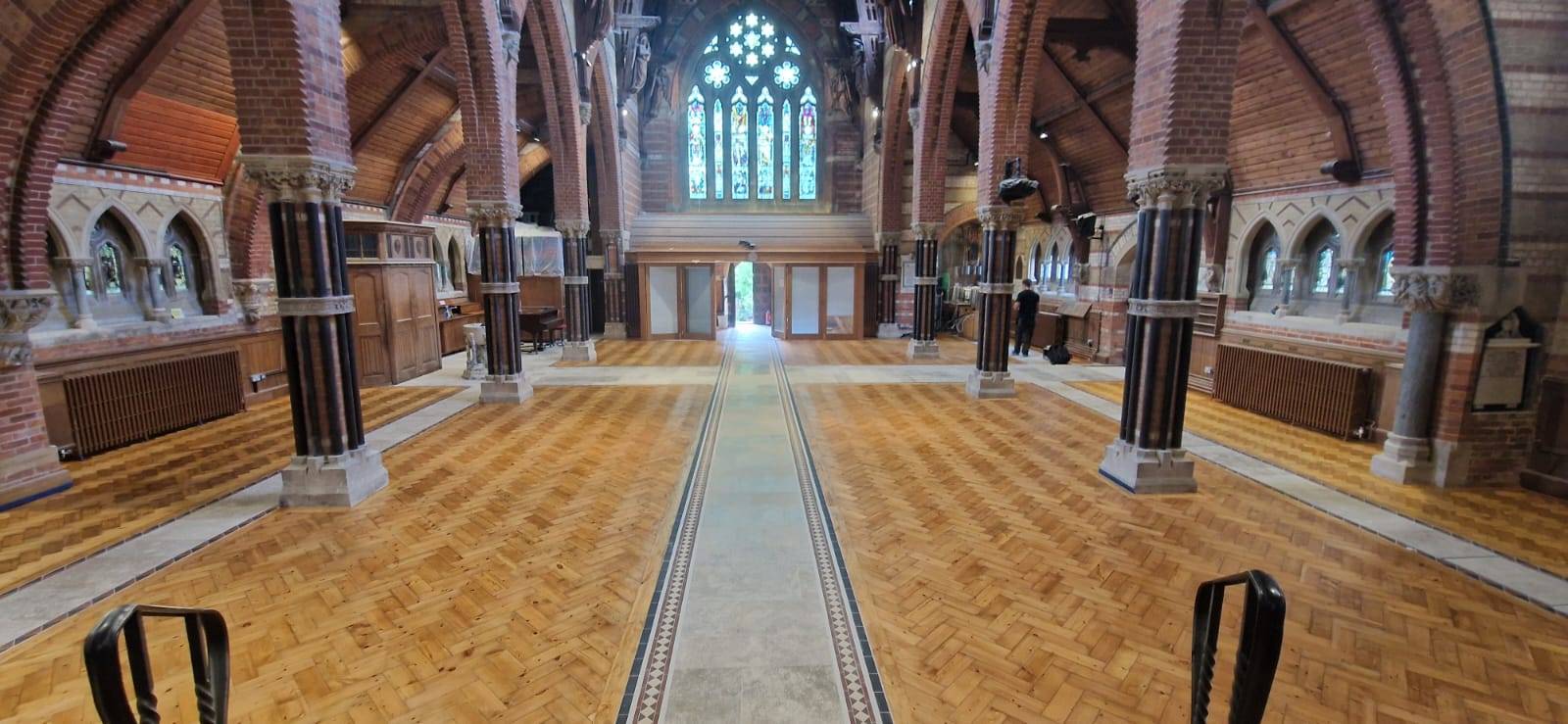
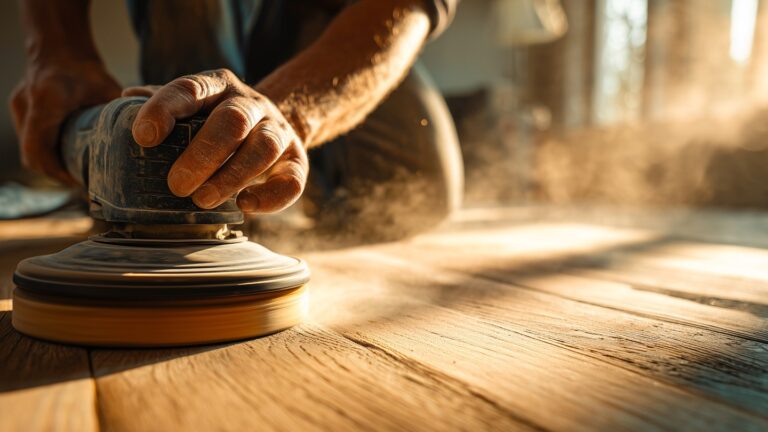
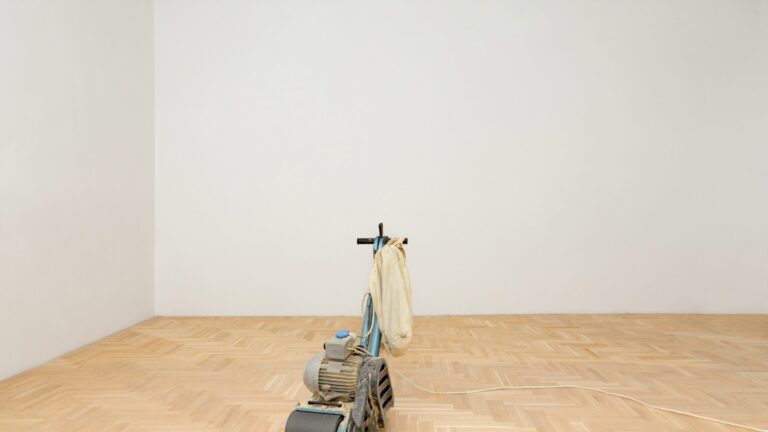
So, you’re thinking about getting your wood floors sanded? It’s a big step, and honestly, it makes a huge difference. Think of it like giving your floors a really good scrub, but on a whole new level. We’re talking about removing all the old finishes, scratches, and general wear and tear that happens over the years. It’s not just about making things look pretty, though that’s a big part of it. Sanding gets down to the bare wood, ready for a fresh start.
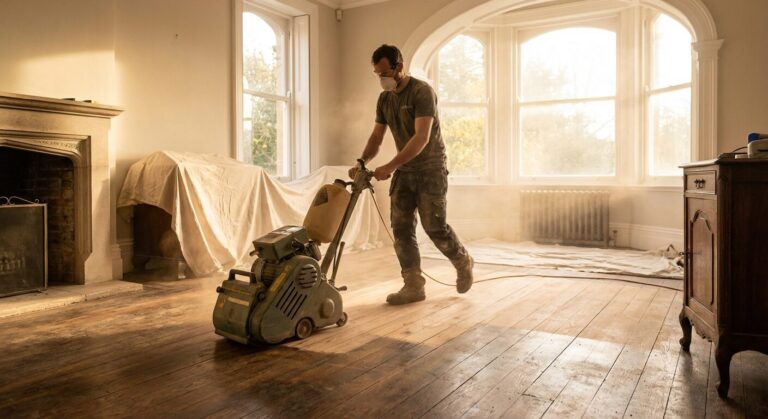
When a pro sands your floors, they’re not just running a big machine over them. There’s a bit more to it. They’ll usually start with a coarser grit sandpaper to get rid of the tough stuff, then move to finer grits. This process is key to getting that smooth, even finish we all want.
Here’s a quick rundown of what goes into it:
- The Initial Pass: This is where the heavy lifting happens. Using a drum sander, the team takes off the old finish and any deep scratches. It’s noisy work, but necessary.
- Edge and Detail Sanding: The big sander can’t get into corners or right up against the walls. So, they use smaller, specialised sanders for those tricky spots.
- Final Smoothing: After the main sanding, they’ll do a final pass with a very fine grit sandpaper. This makes the wood feel super smooth and prepares it perfectly for whatever finish you choose next.
It’s a messy job, no doubt about it. Dust gets everywhere, which is why good sanding services use dust containment systems. But the end result? Floors that look almost new again. It really sets the stage for staining, sealing, or whatever you plan to do to protect and beautify them.
2. Wood Floor Repair
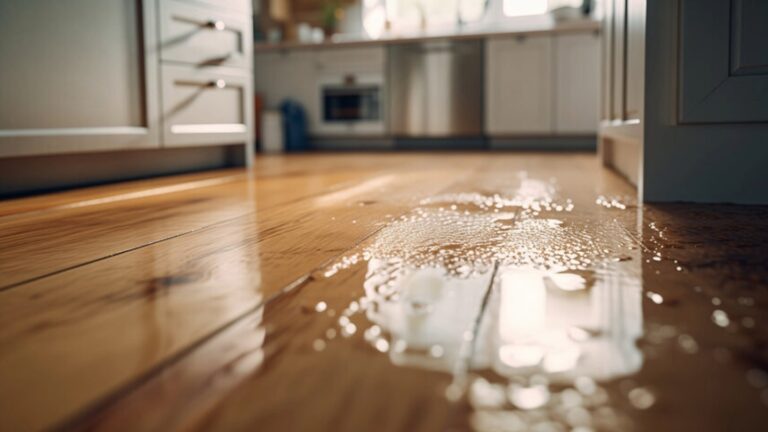
Sometimes, wood floors get more than just scratches. They can have bigger issues that need fixing. Think about boards that are loose, cracked, or even missing. These aren’t just cosmetic problems; they can be tripping hazards and let moisture get in, causing more damage.
When we talk about wood floor repair, we’re looking at a few common things:
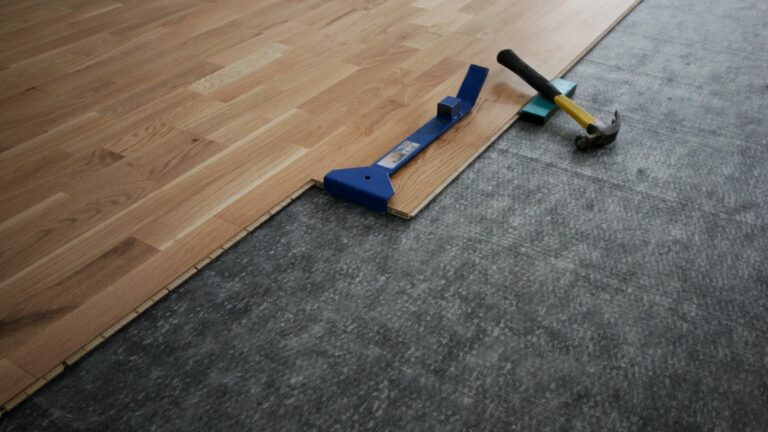
- Board Replacement: If a board is too far gone (maybe it’s warped, split badly, or rotted), we’ll need to take it out and put in a new one. This sounds simple, but matching the wood type, age, and finish so it blends in can be tricky. We have to be careful not to damage the boards around it.
- Crack and Split Repair: Small cracks and splits happen. Sometimes, we can fill these with a special wood filler or epoxy. For bigger splits, we might need to use a technique called ‘spline repair’ where we cut a groove and insert a thin piece of wood to bridge the gap. It takes a steady hand.
- Loose Board Fixing: A loose board is annoying and can get worse. Usually, we can fix this by re-securing it. This might mean using screws from underneath if possible, or sometimes carefully nailing it down and then filling the nail holes so you can’t see them. It’s about making sure the floor feels solid underfoot again.
Getting these repairs done right is important. A good repair job not only makes your floor look better but also protects it from further damage and keeps it safe to walk on. It’s often the first step before we can think about sanding or finishing the floor.
3. Floor Staining
So, you’ve got your wood floors all sanded and looking fresh. Now comes the fun part: adding some colour! Staining your wood floors can totally change the look of a room, giving it a whole new vibe. It’s not just about making things look pretty, though. Staining can also help protect the wood a bit, though it’s not a standalone finish.
When you’re thinking about staining, there are a few things to keep in mind:
- Colour Choice: This is a big one. Do you want to go darker, lighter, or maybe something totally different like a grey or even a hint of colour? Think about your furniture, wall colours, and the overall style of your home. It’s a good idea to test stain colours on a scrap piece of wood or an inconspicuous area of the floor first. What looks good in the can might look different on your actual floor.
- Type of Stain: There are oil-based and water-based stains. Oil-based stains tend to penetrate the wood more deeply and offer a richer colour, but they take longer to dry and have stronger fumes. Water-based stains dry much faster, have less odor, and are easier to clean up, but they might not give quite the same depth of colour.
- Application Method: How the stain is applied makes a difference. You can use brushes, rags, or even special applicators. The goal is to get an even coat without lap marks. This often means working in sections and keeping a wet edge.
Remember, staining is usually just one step. After the stain dries completely, you’ll need to apply a protective topcoat, like varnish or oil, to keep your beautiful new colour looking good for years to come.
4. Floor Sealing
So, you’ve got your beautiful wood floor looking fresh after sanding and maybe some repairs. Now, what’s next? Sealing. Think of it as putting a protective coat on your floor. It’s not quite as heavy-duty as some other finishes, but it does a good job of keeping everyday wear and tear from messing up your wood.
Sealing is all about creating a barrier. This barrier helps stop spills from soaking in right away, which is a lifesaver if you’ve got kids or pets. It also gives the floor a bit more resistance to scuffs and scratches. It’s a pretty straightforward process, usually involving a few coats of a liquid sealant applied with a roller or a brush.
Here’s a bit more on what sealing does for your floor:
- Protection against spills: It gives you a little breathing room if something gets spilled. You can usually wipe it up before it stains.
- Wear resistance: It adds a layer that can take some of the daily foot traffic, keeping the wood underneath looking good for longer.
- Ease of cleaning: A sealed floor is generally easier to sweep and mop. Dirt doesn’t tend to stick as much.
When you’re looking at costs for sealing in South West England, remember that the size of your floor is the biggest factor. The type of sealant used also plays a part; some are more durable than others. And, of course, if your floor needs a lot of prep work before sealing, that will add to the time and cost.
5. Floor Oiling
So, you’re thinking about oiling your wood floors? It’s a great way to bring out the natural beauty of the wood and give it a nice, matte finish. Unlike varnishes or lacquers that sit on top, oil soaks right into the wood. This means it protects from the inside out, which can make repairs down the line a bit simpler.
When you oil a floor, you’re essentially feeding the wood. It helps prevent it from drying out and cracking, especially in drier climates or during winter when heating systems are running. Plus, the look is pretty special: it feels more natural and less ‘plasticky’ than some other finishes.
Here’s a bit of what goes into it:
- Preparation is Key: Just like with any finishing job, the floor needs to be clean and smooth. Any old finish needs to be gone, and the wood sanded to the right grit. Dust is the enemy here, so a good vacuum and tack cloth are your best friends.
- Application: You can apply wood oil with a brush, roller, or even a cloth. The trick is to work it into the wood evenly. You’ll usually apply a coat, let it soak in for a bit, and then wipe off any excess that hasn’t been absorbed. This step might need repeating, depending on the wood and the oil.
- Drying and Curing: This is where patience comes in. The floor will feel dry to the touch fairly quickly, but it takes time for the oil to fully cure and harden. You’ll want to avoid heavy foot traffic and placing furniture for a few days, sometimes even longer, to let it do its thing.
Oiling does require a bit more upkeep than, say, a polyurethane finish. You’ll likely need to reapply a maintenance coat every year or two, depending on how much wear and tear the floor gets. But honestly, for that warm, natural look and feel, many people find it totally worth the effort.
6. Floor Varnishing
So, you’ve got your wood floor looking pretty good after all that sanding and maybe some repairs. Now, what about protecting it? Varnishing is a popular choice, and for good reason. It gives your floor a tough, clear coat that really holds up against daily life.
Think of varnish as a shield. It’s a liquid that dries into a hard, protective layer. When you apply it to your wood floor, it seals the surface, making it resistant to spills, scuffs, and general wear and tear. This is especially handy in busy areas like hallways or kitchens where floors take a beating.
Here’s a bit about what goes into varnishing:
- Preparation is Key: Just like with sanding, you can’t just slap varnish on. The floor needs to be clean, dry, and free of dust. Any leftover grit will get trapped under the varnish, and nobody wants that.
- Application: Varnish is usually applied with a brush, roller, or sometimes a special applicator. You’ll typically need a few coats, and it’s important to let each coat dry properly before applying the next. Light sanding between coats can help create a smoother finish.
- Types of Varnish: There are different kinds, like water-based and oil-based. Water-based ones dry faster and have less smell, which is nice. Oil-based ones can be a bit tougher and give a warmer look, but they take longer to dry and have a stronger odor.
Choosing the right varnish and applying it correctly means your floor will look great and be protected for years to come. It’s a solid way to finish off a restoration project.
7. Floor Lacquering
So, you’ve got your wood floor looking pretty good after all the sanding and maybe some repairs. Now, what about protecting it and giving it that final look? Lacquer is one of the options out there, and it’s a pretty popular choice for a reason. It’s basically a type of finish that dries really hard and forms a protective layer on top of the wood.
When you’re thinking about lacquering, there are a few things to keep in mind. It’s not just a quick slop-on job; there’s a bit of a process to it.
- Preparation is Key: Just like with sanding, you can’t just start lacquering over a dirty or uneven floor. You’ll want to make sure it’s clean, dust-free, and smooth. Any imperfections will show up under the lacquer, and you don’t want that.
- Application Method: Most lacquers are applied with a brush, roller, or sometimes a sprayer. The type of applicator you use can affect the finish. For a really smooth, even coat, a good quality roller or sprayer is often best, but you’ll need to be careful with drips and runs, especially on edges and corners.
- Drying Times and Coats: Lacquer needs time to dry between coats, and you’ll usually need more than one coat to get good protection and a nice sheen. The drying time can vary depending on the type of lacquer and the humidity in the room, so always check the product instructions. Rushing this part can lead to a weak finish.
- Durability and Look: Lacquer is known for being tough. It holds up well against wear and tear, which is great for busy areas. It also gives wood a nice, often slightly glossy, appearance. You can get different sheens, from matte to high gloss, so you can pick the look you’re going for.
Compared to some other finishes, lacquer can sometimes be a bit trickier to repair if it gets damaged later on. If you get a deep scratch, you might have to sand down a larger area to fix it properly, rather than just touching up a small spot. But for a durable, good-looking finish that stands up to daily life, lacquering is definitely worth considering for your South West England home.
8. Floor Waxing
Waxing a wood floor is a bit of a classic approach, and for good reason. It gives that lovely, soft sheen that many people associate with older, well-loved wooden floors. It’s not just about looks, though; wax does offer a layer of protection against spills and general wear and tear. It’s a finish that can be built up over time, and importantly, it’s relatively easy to repair if it gets scratched or worn in spots. You don’t usually need to sand the whole floor down to fix a patch.
When you’re thinking about waxing, here are a few things to keep in mind:
- Type of Wax: There are paste waxes and liquid waxes. Paste waxes tend to be a bit more durable and offer better protection, but they can be more work to apply. Liquid waxes are easier to spread but might need more frequent reapplication.
- Application Process: It’s usually a matter of applying a thin, even coat with a cloth or applicator, letting it dry to a haze, and then buffing it to a shine. You might need a few coats, especially on a new or stripped floor.
- Maintenance: This is where waxing differs from some other finishes. Instead of a full refinish, you’ll typically ‘re-wax’ areas that look dull or worn. This means you can keep your floor looking good without a major overhaul every few years. Just remember to buff regularly to keep that shine.
While it’s a beautiful finish, it’s worth noting that wax isn’t as tough as some modern sealants or varnishes. It can be more susceptible to water damage if spills aren’t wiped up quickly, and it might not hold up as well in very high-traffic areas compared to, say, a polyurethane finish. But for a warm, natural look and a finish that’s forgiving to maintain, waxing is still a solid choice for many homeowners in South West England.
9. Floor Gap Filling
Gaps between floorboards can be a real nuisance. They let in drafts, collect dust bunnies, and can even make your floor creak more. Filling these gaps is a common part of wood floor restoration, and it makes a big difference to how your floor looks and feels.
So, what’s involved in filling those spaces?
- Assessing the Gaps: First, we look at how big the gaps are. Small ones might be filled differently than really wide ones. We also check what kind of wood your floor is made of, as this affects the filler we use.
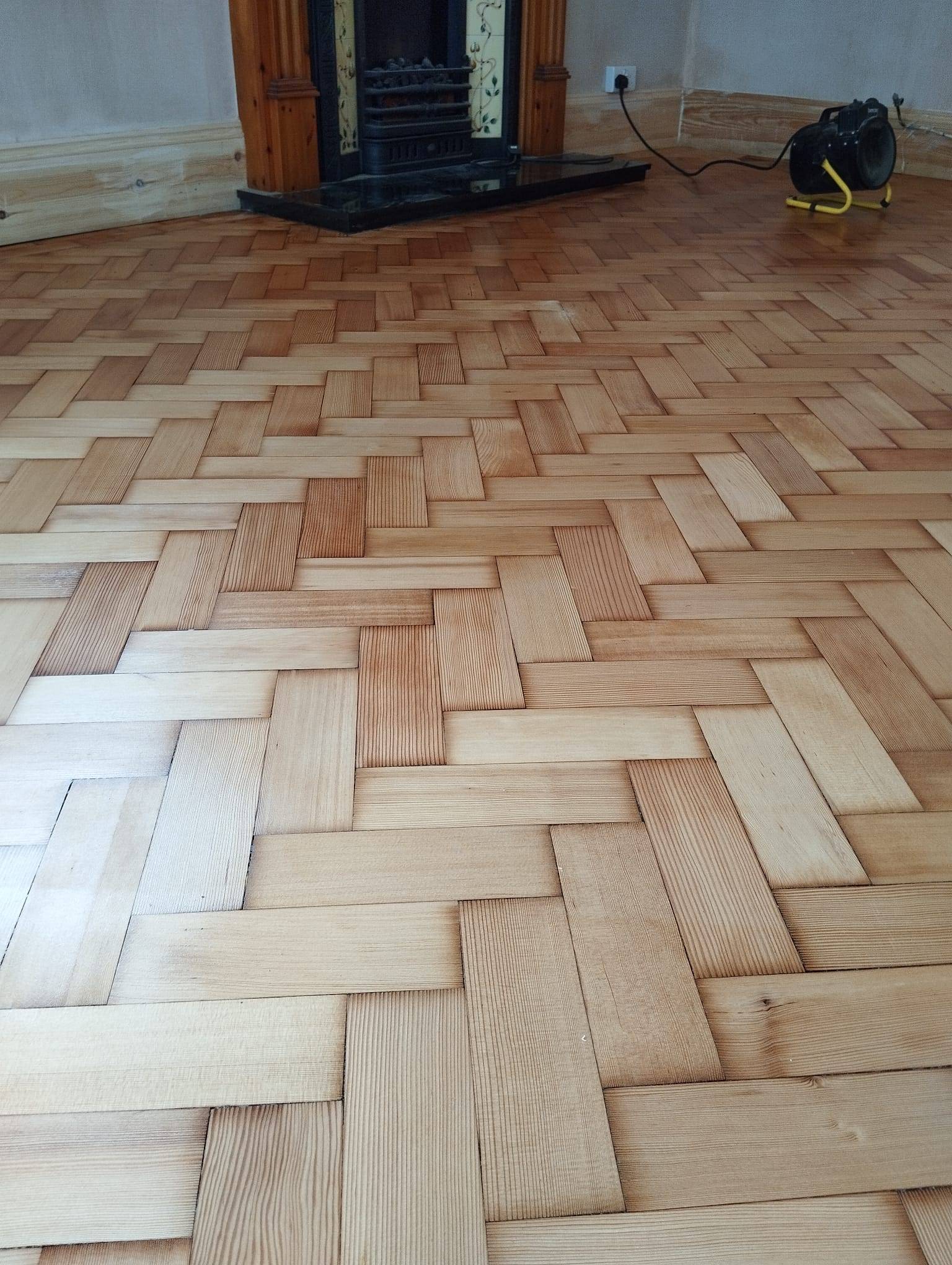
- Choosing the Right Filler: There are a few ways to go about this. Sometimes, we use a special wood filler that’s mixed to match your floor’s colour. Other times, especially for wider gaps, we might use wood slivers or dust mixed with a binder. The goal is to make it look as natural as possible, almost like the gap was never there.
- The Filling Process: This isn’t just slapping some goo in there. It involves carefully applying the filler, making sure it gets right into the gap without leaving lumps or a messy surface. After it dries, we usually sand it down smooth so it’s level with the rest of the floor.
It’s a bit of a detailed job, but getting it right really tidies up the whole floor. It stops those drafts and makes cleaning a lot easier too. Plus, a floor with filled gaps just looks more solid and finished.
10. Floor Board Replacement
Sometimes, wood floors get more than just scratches. You might have a board that’s warped, rotten, or just plain broken. Replacing individual floorboards is a common fix, but it’s not always straightforward. The cost can really add up depending on what’s going on.
Here’s what usually affects the price:
- Type of Wood: Is it a common pine, or a more exotic hardwood? Matching the existing wood is key, and rarer woods cost more to source. If you don’t match it, you’ll see the difference, and that’s usually not what people want.
- Extent of Damage: Are we talking about one board or a whole section? The more boards that need replacing, the more labour and materials you’ll need. Sometimes, a small problem can spread, so it’s good to catch it early.
- Location of Boards: Boards in high-traffic areas or those that are hard to get to might take longer to replace, which means more time for the tradesperson, and more money for you.
- Subfloor Condition: If the problem goes deeper than just the surface board, and the subfloor underneath is damaged, that adds another layer of work and cost. You might need repairs or even a new subfloor section before new boards can go down.
It’s a job that requires precision. Getting the new boards to fit perfectly with the old ones, especially if the floor has settled over time, is important for both looks and stability. Don’t underestimate the skill involved here.
Whereabouts we work
Prices shift a little with access, condition and distance, so treat the figures above as a guide. There are pages with more local detail for south east London, Worcester Park, Guildford and Farnham, and for London and the south east as a whole.
The town by town list is on areas we cover, and the detail of the work itself sits on wood floor restoration.