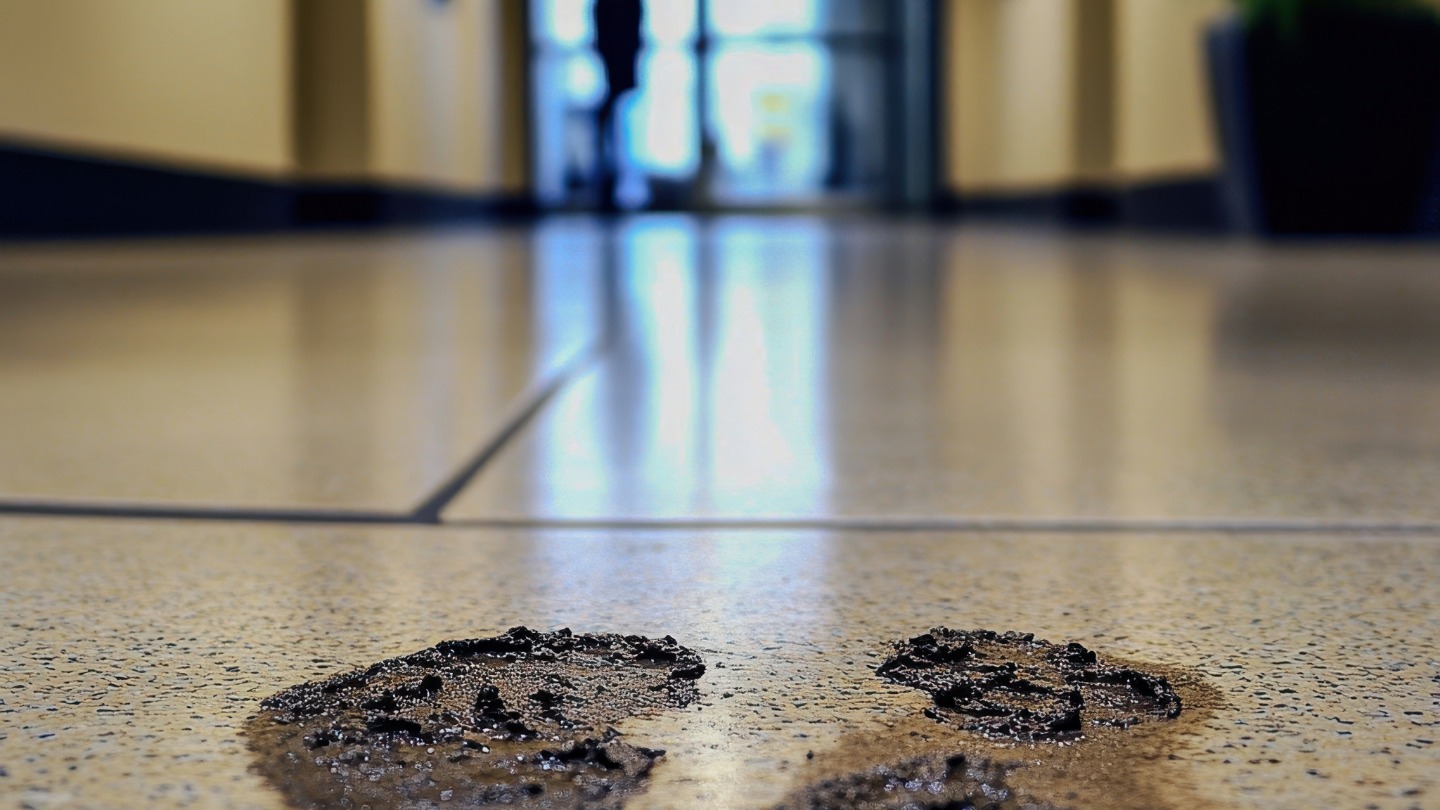
Cardiff can get pretty wet, right? And when it rains, people track all sorts of stuff into the office. We’re talking water, mud, and those nasty de-icing salts from the roads. It’s a real pain for keeping your office floors looking good. If you’re in charge of keeping the place tidy, you know it’s a constant battle. This article is all about making that job a bit easier and keeping your office floor maintenance in Cardiff top-notch, even when the weather’s trying its best to ruin things.
Key Takeaways
- The Welsh weather means wet feet and salty shoes are a regular problem for Cardiff offices.
- Good mats at entrances are your first line of defense against dirt and moisture.
- De-icing salts are bad news for many floor types, so you need a plan to stop them.
- Regular cleaning, like sweeping and mopping, is key for everyday office floor maintenance in Cardiff.
- Sometimes, you need a deeper clean or protective coatings to really keep floors in shape.
Battling the Welsh Weather: Keeping Your Cardiff Office Floors Pristine
Alright, let’s talk about Cardiff. We all love this city, right? But when the rain hits, and let’s be honest, it hits often, our office floors take a serious beating. It’s not just about looking nice; it’s about protecting your investment and keeping the place safe.
The Soggy Season Challenge
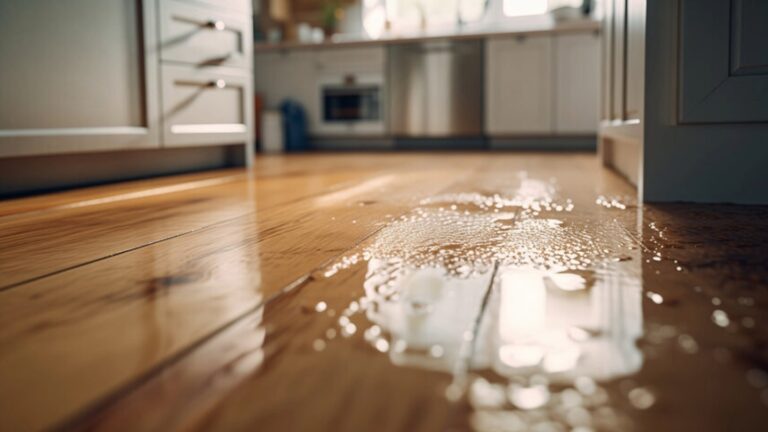
Cardiff’s weather can be pretty wild, especially during the autumn and winter months. We get a lot of rain, and that means people are tracking water, mud, and all sorts of other dampness into the office. This constant moisture is a silent killer for many types of flooring. It can seep into grout, warp wood, and dull the shine on tiles. Plus, with the winter comes the dreaded de-icing salts, which are even worse for your floors.
Why Your Floors Deserve Extra Love
Think about it. Your office floors are the first thing clients and employees see when they walk in. A clean, well-maintained floor makes a great first impression. But beyond looks, there’s the practical side. Slipping hazards increase dramatically when floors are wet. Also, the wear and tear from constant foot traffic, especially when it’s wet and gritty, can shorten the lifespan of your flooring, leading to costly replacements down the line. It’s really about preserving the look and function of your workspace.
Understanding the Enemy: Water and Salt
So, what exactly are we up against? It’s a two-pronged attack:
- Water: Seems harmless enough, but prolonged exposure can lead to:
- Stains and discoloration
- Mold and mildew growth in damp areas
- Damage to wood and laminate flooring
- Weakening of adhesives in carpet tiles or vinyl
- De-icing Salts: These are the real villains. They’re corrosive and abrasive. When they dry on the floor, they leave a gritty residue that grinds away at protective finishes and can even etch into the flooring material itself. They also attract more moisture, creating a vicious cycle.
The combination of water and salt is particularly nasty. It creates a sort of slurry that spreads easily and does double damage. It’s not just about cleaning up a mess; it’s about preventing long-term damage that can be expensive to fix.
Smart Strategies for Wet Weather Entryways
Okay, so Cardiff’s weather can be a bit of a drama queen, right? One minute it’s sunny, the next it’s pouring. This means your office entryway is basically the front line against all that wetness and grime. We need to get smart about how we handle it before it turns your nice floors into a slippery mess. The right entryway setup can make a huge difference.
The Power of a Welcoming Mat
Think of mats as your first line of defense. They’re not just there to look pretty; they’re workhorses! A good mat does a couple of things. First, it scrapes off the big chunks of mud and grit from shoes. Second, it soaks up a good amount of water. Without one, all that stuff just gets tracked straight inside. We’re talking about moisture and dirt, which are the main culprits.
Strategic Placement of Mats
Where you put your mats matters. Don’t just plonk one down randomly. You want mats both outside the main door and inside. The outside mat is for the heavy lifting – getting the worst of the muck off. The inside mat is for catching what’s left and soaking up any drips. It’s like a two-stage filter for your office.
Here’s a simple plan:
- Outside: A rougher, scraper-style mat to get rid of mud and debris.
- Inside: A more absorbent mat to catch water and finer dirt.
- High Traffic Areas: Consider a second mat just inside the main walkway if your office gets a lot of foot traffic.
Beyond the Mat: Boot Scrapers and Trays
Sometimes, mats alone aren’t enough, especially after a really bad storm or if people are coming in from muddy areas. That’s where boot scrapers and trays come in handy. A simple boot scraper outside can knock off caked-on mud before anyone even steps on the mat. And trays placed under mats, especially absorbent ones, can catch any water that seeps through, protecting your floor underneath. It’s an extra layer of protection that really pays off.
Dealing with wet weather entryways isn’t just about keeping things clean; it’s about preventing damage. Water and dirt can wear down floor surfaces over time, and nobody wants that. A little bit of planning goes a long way in keeping your office looking sharp and your floors in good shape, no matter what the Welsh weather throws at you.
Tackling Those Pesky De-Icing Salts
The Corrosive Nature of Salt
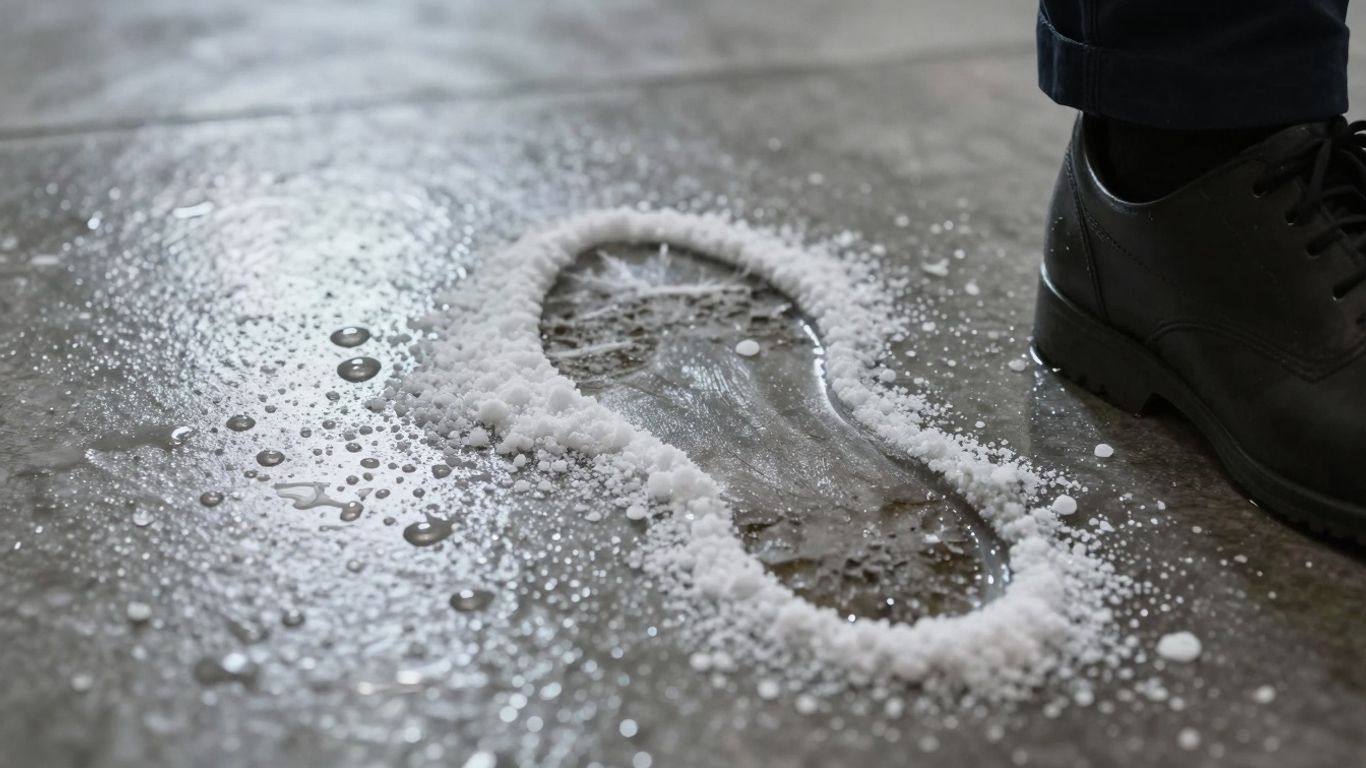
Alright, let’s talk about the real villain of the wet season: de-icing salt. You know, that stuff they sprinkle everywhere to keep the roads from turning into ice rinks? Turns out, it’s not so friendly to your office floors. Salt, especially the kind used for de-icing, is pretty corrosive. It doesn’t just sit there; it actively breaks down materials. Think of it like a tiny, persistent attacker, slowly eating away at whatever it touches. This stuff can do some serious damage if you let it sit around.
Salt’s Impact on Different Floor Types
Different floors react differently to salt. For instance, if you have hardwood floors, salt can leave behind a dull, chalky residue that’s tough to get rid of. It can also seep into the wood grain, causing discoloration and weakening the finish over time. Tile and grout? Salt loves to get into those grout lines, making them look dingy and potentially causing them to crumble a bit. Even vinyl and linoleum aren’t immune; salt can dull their shine and even cause them to become brittle. Stone floors can also be etched by the salt, losing their natural luster.
Here’s a quick rundown:
- Hardwood: Dullness, discoloration, finish damage.
- Tile/Grout: Stains, grout erosion.
- Vinyl/Linoleum: Dullness, brittleness.
- Stone: Etching, loss of shine.
Preventing Salt Buildup
The best defense is a good offense, right? Preventing salt from even getting a foothold is key. This means being proactive. When people walk in from the outside, they’re tracking in that salty slush. So, the first step is to stop it at the door. Think about those super absorbent mats right outside and inside entrances. They’re like the first line of defense, soaking up a lot of that wet, salty mess before it can spread further into the office. Also, consider having a designated area near the entrance where people can leave wet umbrellas and boots. This contains the mess and makes cleanup much easier. Don’t underestimate the power of a good entryway system.
Keeping salt off your floors isn’t just about looks; it’s about preserving the investment you’ve made in your office space. Those tiny salt crystals are like little agents of destruction, and they’ll work tirelessly to degrade your flooring if given the chance. A little bit of effort upfront can save you a lot of headaches and money down the road.
Daily Defense: Routine Cleaning for Office Floor Maintenance Cardiff
Okay, so we’ve talked about stopping the wet stuff from getting in, but what about keeping things tidy day-to-day? It’s not just about looking good, though that’s a big part of it. Keeping your Cardiff office floors clean regularly is actually super important for making them last longer and avoiding those nasty salt stains we’ll get to later.
Quick Sweeps and Vacuums
This is your first line of defense. Think of it as a quick tidy-up before things get out of hand. A good sweep or a quick run with the vacuum in high-traffic areas can pick up a surprising amount of grit and dampness before it has a chance to really settle in. Don’t underestimate the power of a daily sweep! It makes a huge difference.
Spot Cleaning Spills and Mud
Accidents happen, right? Someone spills their coffee, or a bit of mud gets tracked in. The key here is to tackle it immediately. Don’t let it sit. Grab a damp cloth or a paper towel and blot it up. For mud, a quick wipe with a damp mop or even just a wet cloth works wonders. The longer you leave it, the harder it is to get out, and the more damage it can do.
The Importance of Regular Mopping
Beyond the quick sweeps, you need a proper mop-up. How often depends on how busy your office is and what the weather’s like, but aiming for a good mop at least a couple of times a week is a solid plan. Use a floor cleaner that’s right for your floor type – you don’t want to use something too harsh. A good mop gets rid of that thin film of dirt and moisture that builds up, especially after a rainy spell. It really helps keep the overall look of your office looking sharp and prevents that dull, grimy appearance.
Keeping up with the little things daily really pays off. It’s way easier to do a quick sweep and wipe than to deal with a big, stubborn stain later on. Think of it like brushing your teeth – a little bit every day keeps the dentist away (or in this case, keeps your floors looking great!).
Deep Cleaning and Protection for Lasting Results
Okay, so you’ve got your daily routine down pat, which is awesome. But even with the best daily efforts, sometimes your office floors in Cardiff need a bit more TLC. Think of it like giving your car a proper wash and wax, not just a quick rinse. This is where deep cleaning and protection come into play.
Periodic Deep Cleans
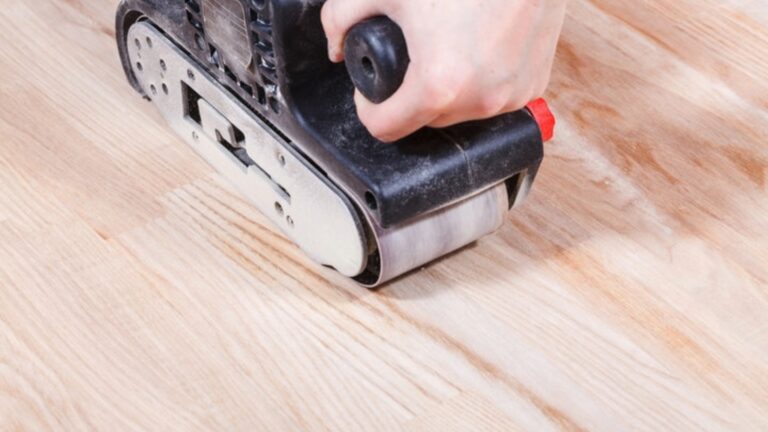
This isn’t something you need to do every week, maybe once or twice a year, depending on how much traffic your floors see. A deep clean goes beyond just mopping. It’s about getting into the nitty-gritty, lifting out those stubborn stains and ground-in dirt that regular cleaning just can’t touch. For tile and grout, this might mean using a special cleaner and a stiff brush to scrub away the grime that makes your entryway look tired. For hard floors like vinyl or linoleum, it could involve a floor machine to really get a good scrub. The goal is to bring your floors back to their former glory.
Protective Sealants and Finishes
Once your floors are sparkling clean, it’s a great time to think about protecting them. Applying a good quality sealant or finish acts like a shield. It fills in the tiny pores in the floor material, making it harder for dirt, water, and those pesky de-icing salts to penetrate and cause damage. Different floor types need different treatments, of course. A good sealant can make future cleaning a breeze because spills and dirt just won’t stick as easily. It’s a bit of an investment upfront, but it can save you a lot of hassle and money down the line by extending the life of your flooring.
When to Call the Professionals
Look, we all like to DIY, but sometimes, you just need to call in the cavalry. If your floors are looking really rough, or if you’re dealing with a type of flooring that’s a bit tricky (like natural stone or delicate wood), it might be time to bring in the pros. They have the heavy-duty equipment and the know-how to tackle serious issues without damaging your floors. Plus, they can often apply commercial-grade sealants that are way more effective than anything you can buy off the shelf. It’s not a sign of failure; it’s just smart maintenance.
Sometimes, the best way to protect your investment is to know when to hand it over to someone with more experience. They can get results that are hard to achieve on your own, especially with tough jobs.
Here’s a quick rundown of what professionals can often do better:
- Advanced Cleaning Techniques: Using specialised equipment for deep stain removal.
- Professional-Grade Sealants: Applying durable finishes that offer superior protection.
- Damage Assessment: Identifying and addressing any underlying issues with the flooring itself.
- Time Savings: Freeing up your staff to focus on their actual jobs.
Choosing the Right Tools for the Job
Okay, so we’ve talked about the problems and some strategies, but let’s get real about what you actually need to keep those Cardiff office floors looking good. It’s not just about having something there; it’s about having the right something. Using the wrong gear can actually make things worse, or at least make your job way harder than it needs to be.
Absorbent Mats That Work
Forget those flimsy welcome mats that just push the water around. You need mats that actually soak it up. Think heavy-duty, high-traffic stuff. The best ones have a rubber backing so they don’t slide all over the place, and a surface that can really grab onto dirt and moisture.
Here’s a quick rundown of what to look for:
- Material: Look for polypropylene or nylon. They’re tough and dry fast.
- Backing: Rubber or vinyl is your friend. It keeps the mat in place and stops leaks.
- Pile Height: A slightly deeper pile can trap more dirt and water, but don’t go too high or it’ll be a tripping hazard.
- Size: Make sure it’s big enough to actually wipe your feet on – at least a couple of steps worth.
Effective Cleaning Solutions
When it comes to cleaning up the mess, you don’t need a chemistry degree. For everyday stuff, plain old water and a good mop usually do the trick. But for those stubborn salt stains or muddy footprints, you might need a little extra help.
Always test any cleaning solution in an inconspicuous spot first. You don’t want to find out it discolors your floor the hard way.
For salt, a mild vinegar and water solution can work wonders. Just mix about one part vinegar to four parts water. For general grime, a pH-neutral floor cleaner is usually safe for most surfaces. Avoid anything too harsh, like bleach or ammonia, unless you know for sure your floor can handle it.
Durable Mops and Buckets
Your mop and bucket are your frontline defense. A good mop head, like one made of microfiber, is super absorbent and picks up dirt like a magnet. They’re also washable, which is a big win for the environment and your wallet.
When you’re choosing a bucket, think about ease of use. A wringer that actually works without splashing water everywhere is a game-changer. Some buckets even have separate compartments for clean and dirty water, which is pretty neat for keeping your cleaning water effective for longer. Having the right tools makes all the difference.
Picking the right tools for your project is super important. It’s like using a hammer for nails and a screwdriver for screws – you need the right one for the job! Making sure you have the best gear can save you time and make your work look way better. Ready to find out which tools are perfect for your next task? Visit our website to explore our top picks and get started!
So, What’s the Takeaway?
Alright, so we’ve talked about how to keep those Cardiff office floors looking good, even when the weather outside is doing its worst. It’s not rocket science, really. Just a few simple steps like getting some good mats at the entrances and maybe a quick wipe-down now and then can make a huge difference. Nobody wants to walk into a messy office, right? Plus, taking care of the floors now saves you headaches and cash down the road. So, let’s all do our part to keep the place looking sharp, rain or shine. It’s really not that hard to make things last longer.
Frequently Asked Questions
Why is keeping my office floor dry so important in Cardiff?
Cardiff gets a lot of rain, right? All that wetness can really mess up your office floors. Water can make them slippery, leading to accidents. Plus, it can seep into materials, causing damage over time. Keeping things dry is like giving your floors a shield against the constant damp.
What’s the deal with de-icing salts and my office floors?
Those white crunchy bits used to melt ice? They’re super harsh! They can scratch and eat away at many floor types, especially if they’re left to sit. Think of them like tiny little wrecking balls for your nice floors. Getting them up quickly is key.
Are welcome mats really that helpful?
Absolutely! A good mat is like the first line of defense. It traps a ton of the dirt, water, and salt before it even gets tracked further into your office. It’s like a mini-cleaner right at the door, saving your floors a lot of trouble.
How often should I clean my office floors when it’s wet outside?
When the weather’s bad, you’ve gotta be more on the ball. A quick sweep or vacuum at the end of the day is a must. If you see muddy footprints or puddles, tackle them right away. Regular mopping, especially with the right cleaner, helps get rid of any lingering yuckiness.
Can I just mop my floors every day to keep them clean?
Mopping is great, but just plain water might not cut it, especially with salt. You’ll want to use a cleaning solution that’s made for your floor type and can handle grime and salt. Also, sometimes floors need a really good deep clean, not just a daily wipe-down, to get rid of built-up stuff.
When should I think about getting professional floor help?
If your floors look really worn down, have tough stains you can’t get out, or if you’re not sure how to protect them from the weather, it’s time to call in the pros. They have special tools and cleaners that can make a big difference and keep your floors looking good for longer.