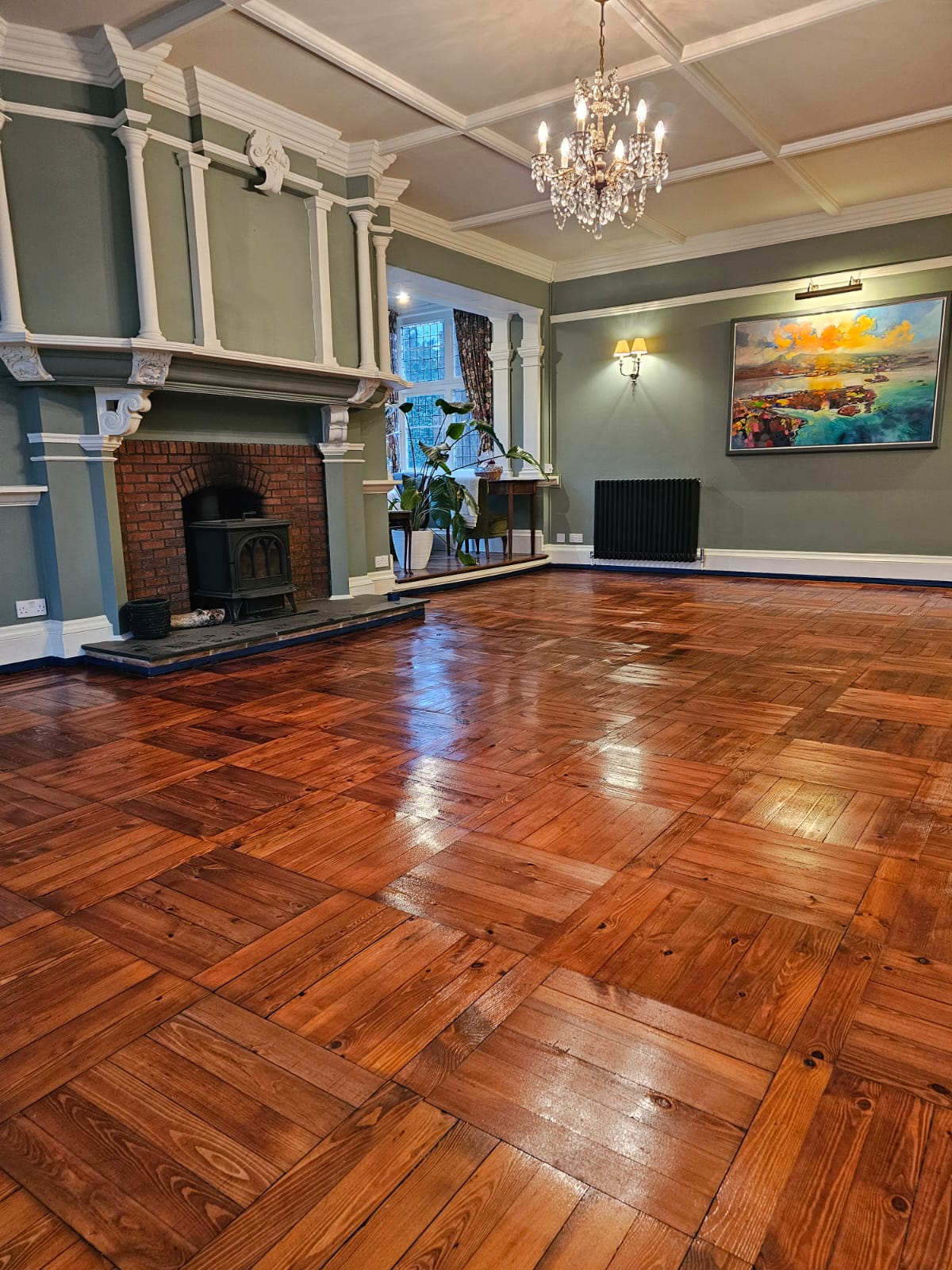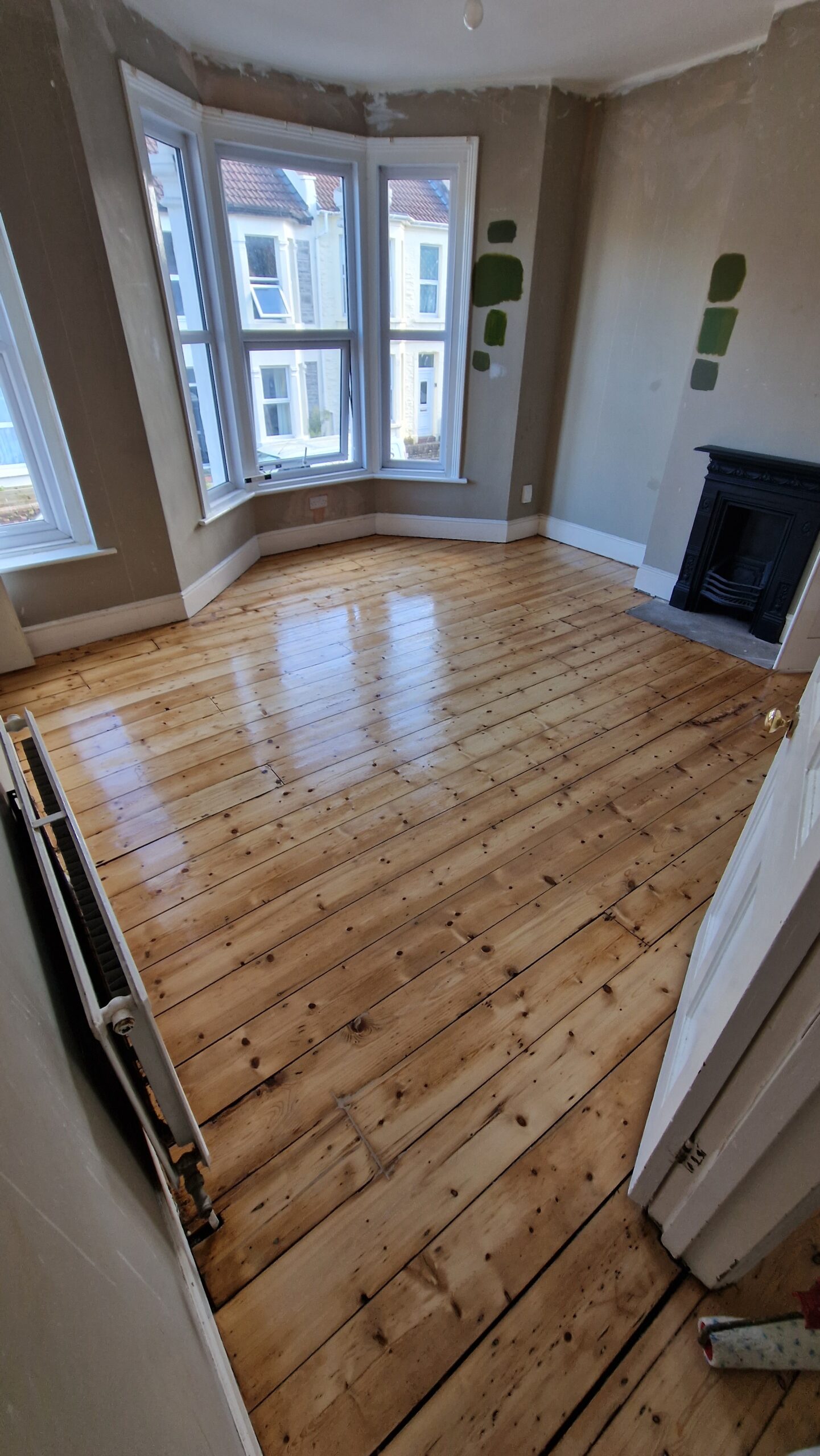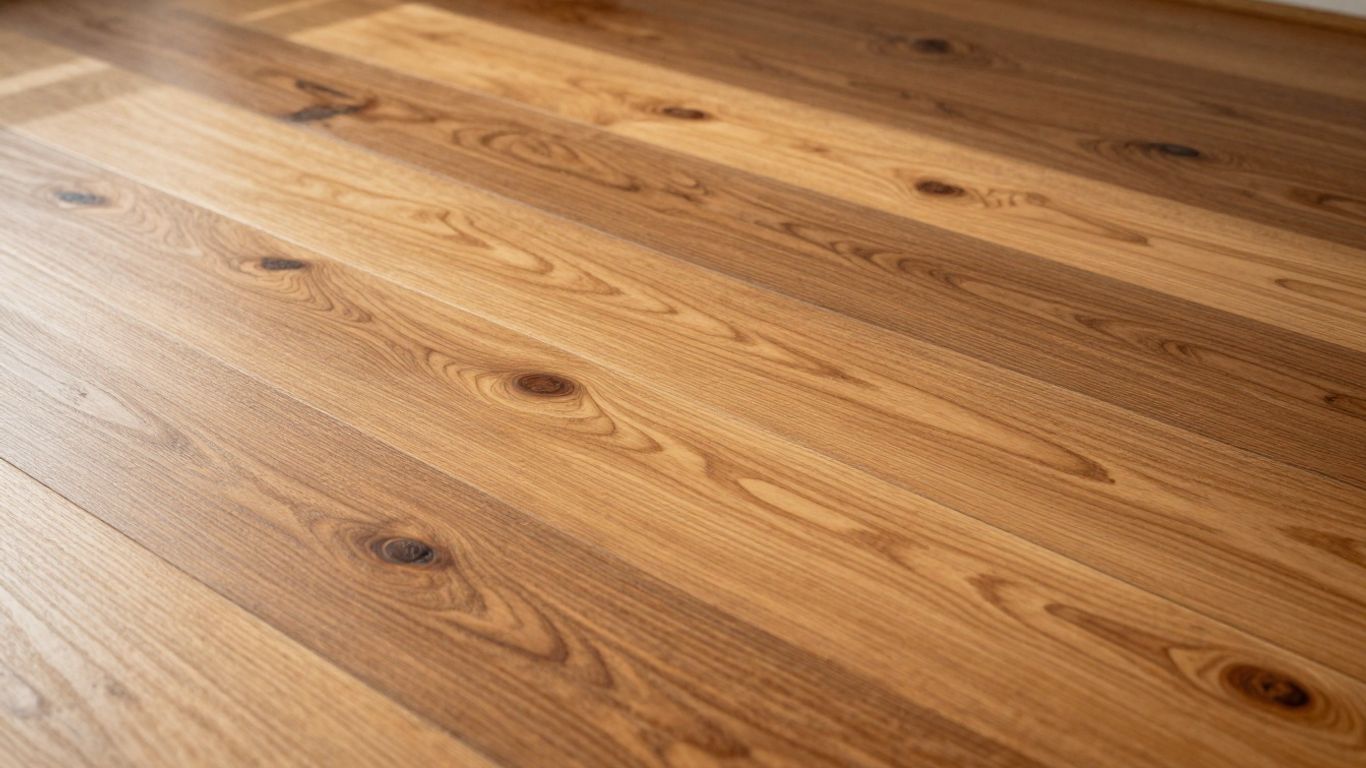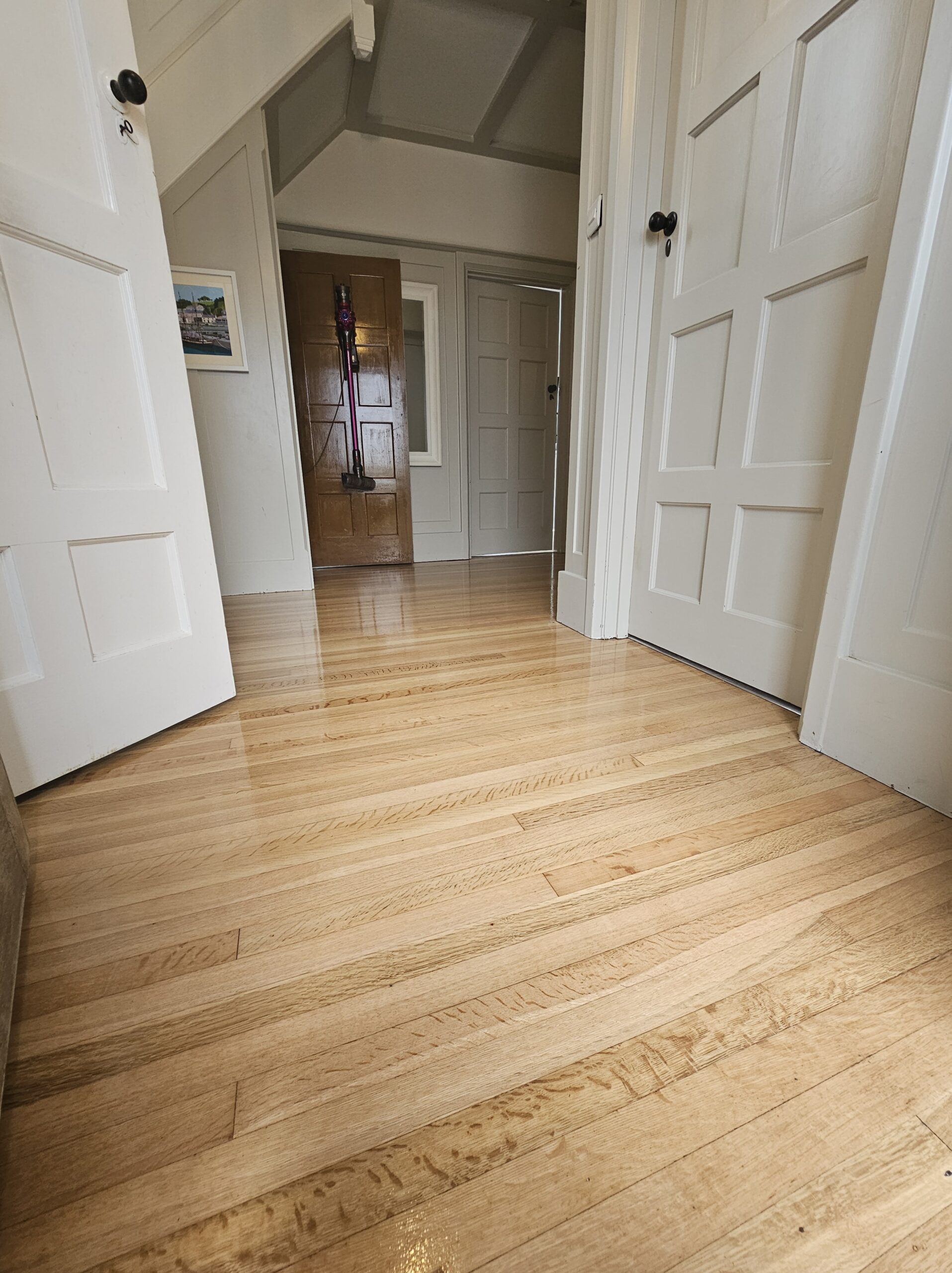
Thinking about putting in new wood floors throughout your house? It’s a big job, especially if you’re in the South West. This guide will help you get a handle on the costs involved, from picking the wood to getting it all installed. We’ll break down what you need to think about so you can budget smart for your house renovation costs Somerset.
Key Takeaways
- Figure out what you already have and what kind of wood you want. This sets the stage for everything else.
- Costs for wood itself vary a lot. Don’t forget to budget for things like underlayment, glue, and trim.
- Decide if you’re doing it yourself or hiring someone. Professional help costs more but saves you time and hassle.
- There are other costs besides the floor. Think about moving furniture, cleaning up old floors, and having a bit extra for surprises.
- Shop around for deals and consider doing the work in stages if your budget is tight. Getting multiple quotes is a good idea.
Understanding Your Flooring Project Scope
Alright, before we even think about fancy wood types or how much sawdust we’ll be making, we gotta get real about what we’re actually doing. This isn’t just slapping down some planks; it’s a whole house project, and knowing the nitty-gritty details upfront saves a ton of headaches (and cash!) down the road. Getting this part right is the foundation for a smooth renovation.
Assessing Your Current Flooring Situation
First things first, what’s underfoot right now? Are we talking old carpet that’s seen better days, some tired laminate, or maybe even existing hardwood that could be refinished? Peeking under that rug is step one. Sometimes, you might find a hidden gem, like original hardwood floors that just need a little TLC. Other times, you might find… well, less than ideal subflooring. It’s good to know what you’re dealing with before you get your heart set on a specific new floor.
- Carpet: Usually needs to be completely removed. Check what’s underneath.
- Laminate/Vinyl: Can sometimes be removed relatively easily, but check the subfloor.
- Tile: Can be a pain to remove and might require significant subfloor repair.
- Existing Hardwood: Can it be sanded and refinished, or is it too damaged?
Deciding on Wood Species and Style
This is where the fun part starts – picking your wood! There are tons of options, and they all have different looks, feels, and price tags. Think about the vibe you’re going for in your home. Do you want something super durable for a busy family, or are you leaning towards a more delicate, elegant look? Consider the wear and tear your floors will see.
Here’s a quick look at some popular choices:
- Oak (Red & White): A classic for a reason. Durable, widely available, and takes stain well.
- Maple: Hard and smooth, great for a modern look, but can be trickier to stain evenly.
- Hickory: One of the hardest domestic woods, very durable with a lot of natural character.
- Walnut: Beautiful, rich color, but softer and more expensive.
- Bamboo: Technically a grass, but often used like wood. Eco-friendly and durable, but quality can vary.
Don’t forget about the finish, too! Matte, satin, semi-gloss – they all change the look and how well the floor hides scratches.
Considering Subfloor Preparation Needs
This is the unglamorous but super important part. Your new wood floor is only as good as the surface it’s laid on. If your subfloor is uneven, damaged, or has moisture issues, you’re asking for trouble. This could mean squeaky floors, gaps, or even warping down the line. Sometimes, you might need to add a layer of plywood or repair damaged sections. It’s better to budget for this now than deal with a costly fix later.
A solid, level subfloor is non-negotiable for a beautiful, long-lasting wood floor. Don’t skimp here!
So, before you pick out the prettiest planks, take a good, hard look at what’s underneath. It’ll make all the difference.
Estimating Material Expenses For Your House Renovation Costs Somerset
Alright, let’s talk about the actual stuff you’ll need to buy for your new wood floors. This is where the numbers can really start to add up, so it’s good to get a handle on it early. Knowing your material costs is key to staying on budget.
Cost Breakdown of Different Wood Types
So, what kind of wood are we talking about? This is probably the biggest factor in your material costs. Hardwoods like oak and maple are popular and generally cost more than softer woods. Engineered wood, which has a real wood veneer over layers of plywood, can sometimes be a bit cheaper and is often more stable in humid conditions, which might be a plus depending on your Somerset home.
Here’s a rough idea of what you might see, but remember prices change and vary by supplier:
| Wood Type | Average Cost Per Square Foot (Materials Only) |
|---|---|
| Oak (Red/White) | $5 – $10 |
| Maple | $6 – $11 |
| Hickory | $7 – $12 |
| Walnut | $8 – $15 |
| Engineered Wood | $4 – $9 |
| Bamboo | $4 – $8 |
Don’t forget to factor in the width of the planks too. Wider planks often cost a bit more per square foot.
Budgeting for Underlayment and Adhesives
Beyond the wood itself, you’ll need things to go underneath and hold it all down. Underlayment is important for sound dampening and providing a smooth surface. You’ve got options like foam, felt, or cork. For solid hardwood, you’ll likely need a good quality adhesive, and for engineered wood, you might be able to float it (no glue needed) or glue it down.
- Foam Underlayment: $0.10 – $0.30 per sq ft
- Felt Underlayment: $0.20 – $0.50 per sq ft
- Cork Underlayment: $0.50 – $1.50 per sq ft
- Wood Flooring Adhesive: $0.50 – $2.00 per sq ft (depending on type and coverage)
Always check what the flooring manufacturer recommends for their specific product.
Factor in Trim and Finishing Materials
This is the stuff that makes your floor look finished and professional. You’ll need baseboards, quarter-round molding, and possibly transition strips for doorways or where your wood floor meets another type of flooring (like tile or carpet). These can be made from wood, MDF, or even vinyl. Don’t skimp here; nice trim makes a big difference.
The cost of trim and molding can add up quickly, especially if you’re going for a specific style or material. It’s easy to overlook, but it’s part of the overall material expense.
Think about stain, sealant, and any other finishing products if you’re going for a natural look or want to protect your investment. These are usually priced per can or gallon and cover a certain square footage.
Navigating Installation Labor Costs
Alright, let’s talk about the folks who actually put the floor down. This is often where a big chunk of your budget goes, and it’s totally worth getting right. Getting good installers can make or break your new wood floors.
Getting Quotes from Local Installers
Don’t just pick the first name you see. It’s smart to shop around a bit. Call up a few different flooring companies or independent installers in the Somerset area. Ask them for a detailed quote for the work. Make sure they’re quoting for the same scope – like, are they including moving furniture, removing old flooring, or just laying the new stuff? A good quote will break down the costs so you know what you’re paying for.
Here’s a rough idea of what you might see in a quote:
- Labor per square foot: This is the main number.
- Subfloor prep: If they need to level or repair anything.
- Old flooring removal/disposal: If you’re not doing it yourself.
- Trim work: Installing new baseboards or quarter-round.
- Travel fees: Sometimes applicable if they’re coming from a ways off.
DIY vs. Professional Installation Decisions
This is a big one. Can you do it yourself? If you’re handy and have the time, you could save a good amount of money. But, and this is a big ‘but’, wood flooring installation isn’t like slapping down some laminate. It takes precision, the right tools, and a good eye. Messing up can cost you more in wasted materials and fixing mistakes than you would have paid a pro in the first place. Think about your skill level and how much time you really have. If you’re unsure, hiring someone is usually the safer bet for a beautiful, long-lasting floor.
Understanding Installation Complexity Factors
Some jobs are just trickier than others, and installers will charge more for them. Things like:
- Room shape: Lots of corners, angles, and closets mean more cuts and more time.
- Stairs: Installing wood on stairs is a whole different ballgame and usually costs extra per step.
- Existing floor type: If you have tricky old flooring that’s hard to remove, that adds time.
- Layout: Laying the wood in a pattern other than straight rows (like herringbone) takes way longer.
Remember that the cheapest quote isn’t always the best deal. Look for installers with good reviews, who communicate clearly, and who seem knowledgeable about wood flooring. A slightly higher price for a job done right is usually worth it in the long run.
Budgeting for Furniture Moving and Protection
Don’t forget this part! You’ll need to get your furniture out of the way. Some installers offer this service, but it often costs extra. If you plan to move it yourself, make sure you have enough help and a safe place to store it. You’ll also want to protect any furniture that stays in the room, maybe with drop cloths or plastic wrap. It’s easy to forget this until the installers show up and you’re scrambling.
Contingency Fund for Unexpected Issues
Seriously, always have a buffer. When you’re ripping up old floors or prepping the subfloor, you might find problems you didn’t expect. Maybe the subfloor is warped, or there’s water damage you didn’t know about. These things add to the labor time and material costs. A good rule of thumb is to set aside an extra 10-20% of your estimated total for these surprises. It’s better to have it and not need it than to run out of cash halfway through.
Potential Costs for Old Flooring Removal
If your current flooring is glued down, like old vinyl or carpet with a thick pad, it can be a real pain to get up. This isn’t just a quick peel-and-stick job. It often requires scraping, chiseling, and sometimes even renting special equipment. If you’re not doing this yourself, factor in the cost for the installers to handle it. Plus, you’ll need to figure out how to dispose of the old stuff, which can also add to the bill if you’re not taking it to the dump yourself.
Additional Expenses to Keep in Mind
So, you’ve got your wood choice, your installation plan, and a pretty good handle on the main costs. Awesome! But hold up, there are a few other things that can sneak up on your budget if you’re not careful. Let’s chat about those.
Budgeting for Furniture Moving and Protection
Unless you’re planning to live out of boxes for a while, you’ll need to move your furniture. Are you going to do it yourself? If you have heavy stuff, like a grand piano or a massive sectional, you might need to hire movers just for that part. Even if you move it yourself, you’ll want to protect your belongings. Think about moving blankets, plastic wrap, or even renting a small storage unit for a bit. And don’t forget to protect the floors you aren’t redoing, or even the new floors if you’re doing it in phases. Drop cloths and sturdy cardboard can save your existing surfaces from scratches or paint drips.
Contingency Fund for Unexpected Issues
This is a big one. No renovation project ever goes exactly as planned. Seriously. You might find some rotten subfloor that needs replacing, discover old plumbing or electrical issues hidden beneath the surface, or maybe the wood you ordered has a slight color variation you can’t live with. It’s always smart to have a little extra cash set aside for these “oops” moments. A good rule of thumb is to add about 10-20% to your total estimated cost for a contingency fund. It might seem like a lot, but trust me, you’ll sleep better knowing you’ve got it.
Potential Costs for Old Flooring Removal
What’s coming up when you pull up that old carpet or tile? Sometimes, it’s a clean break. Other times, you’re dealing with stubborn adhesive, cracked tiles, or even asbestos tiles (yikes!).
Here’s a quick look at what removal might involve:
- Carpet: Usually the easiest. Often just needs to be rolled up and hauled away.
- Vinyl/Linoleum: Can be tricky. Sometimes it peels right up, other times it’s glued down tight and requires scraping.
- Tile: This is often the most labor-intensive. Grout needs to be chipped away, and tiles can break into sharp pieces. The adhesive underneath can also be a pain.
- Old Hardwood: If you’re replacing old wood with new, the old planks might be nailed or glued down, making removal tough.
Don’t forget to factor in the cost of disposal too. Landfill fees can add up, especially for bulky items. If you suspect asbestos, you’ll absolutely need to hire a professional abatement service, which is a separate, significant cost.
It’s easy to get caught up in the excitement of new floors, but taking a moment to think through these less obvious expenses can save you a lot of stress and money down the line. A little planning now means a smoother renovation later.
Tips for Managing Your Flooring Budget
So, you’re ready to tackle that wood floor renovation, but the numbers are starting to look a little… much? Don’t sweat it. A little smart planning goes a long way in keeping your wallet happy. The key is to be proactive, not reactive, with your spending.
Finding Deals on Wood Flooring
Who doesn’t love a good bargain? Keep your eyes peeled for sales, especially around holidays or end-of-season clearances. Sometimes, flooring stores have overstock or discontinued lines that are perfectly good but come at a steep discount. Don’t be afraid to ask about these options. You might also find better prices by buying directly from a mill if you’re doing a large project, though this often means you’ll need to arrange your own transport.
- Check local lumber yards for remnant pieces or special buys.
- Sign up for email lists from your favorite flooring retailers to get alerts on sales.
- Consider slightly less common wood species; they can be just as beautiful and much cheaper.
Phasing Your Renovation Project
If the total cost feels overwhelming right now, think about breaking it down. Maybe you do the main living areas this year and the bedrooms next year. This spreads out the expense and lets you enjoy your new floors sooner, even if it’s in stages. It also means less disruption at any one time.
Sometimes, tackling a project in phases makes it feel way more manageable. You get to enjoy parts of it sooner, and it doesn’t hit your bank account all at once.
Comparing Quotes for Best Value
This is a big one. Don’t just go with the first installer you talk to. Get at least three detailed quotes from different local professionals. Make sure each quote breaks down the costs for materials, labor, and any prep work. This way, you can see exactly what you’re paying for and compare apples to apples. A super low quote might seem great, but make sure it’s not cutting corners on quality or missing important steps.
| Service Area | Quote 1 | Quote 2 | Quote 3 |
|---|---|---|---|
| Material Cost | $5,000 | $5,200 | $4,900 |
| Labor Cost | $3,000 | $3,500 | $3,100 |
| Subfloor Prep | $500 | $700 | $600 |
| Total Estimated | $8,500 | $9,400 | $8,600 |
Remember, the cheapest option isn’t always the best. Look for a good balance of price and reputation. Ask for references and check reviews!
Planning your flooring project doesn’t have to be stressful. By carefully considering your options and setting a clear budget, you can achieve the look you want without breaking the bank. Think about the materials, installation costs, and any future upkeep needed. Making smart choices now will save you money and headaches later. Ready to explore your flooring possibilities? Visit our website to see how we can help you create beautiful floors that fit your budget!
So, What’s the Takeaway?
Alright, so we’ve talked a lot about getting new wood floors all through your place down here in the South West. It’s a big project, no doubt about it, and the costs can add up faster than you think. But honestly, seeing and feeling those beautiful new floors under your feet? It really makes a difference in how your home feels. Just remember to get a few quotes, figure out what kind of wood you really want, and don’t forget to set aside a little extra cash for those surprise things that always pop up. It’s a solid investment in your home, and when it’s done right, you’ll be happy you went through with it for years to come.
Frequently Asked Questions
How much does wood flooring usually cost for a whole house?
The cost can really change depending on the kind of wood you pick and how big your house is. For a whole house, you might be looking at anywhere from a few thousand dollars to well over ten thousand. It’s a big project, so getting a few price estimates is super important.
What’s the difference between cheap and expensive wood floors?
Usually, the pricier woods are harder and last longer, like oak or maple. Cheaper options might be softer woods or even engineered wood, which is real wood layered over other stuff. The look can be similar, but the durability and how long they stay nice can be quite different.
Do I really need to fix my subfloor before putting in new wood floors?
Yep, most of the time! If your subfloor is bumpy, uneven, or damaged, your new wood floors won’t lay flat and could end up creaking or even breaking. It’s way better to fix it first, even though it adds to the cost.
Is it cheaper to install wood floors myself?
Sometimes, doing it yourself can save you money on labor costs. But, installing wood floors is tricky and takes a lot of time and specific tools. If you mess up, you could end up spending more on fixing mistakes or buying extra materials. For a whole house, hiring pros is often worth it.
What extra costs should I look out for?
Don’t forget about things like moving all your furniture out and back in, buying special cleaning stuff for wood floors, and maybe even paying to get rid of your old carpet or flooring. Also, always set aside some extra cash for surprises – things rarely go exactly as planned!
How can I save money on a big wood floor project?
Look for sales on flooring materials, especially if you can buy in bulk. Sometimes contractors offer discounts for bigger jobs. You could also think about doing the project in stages, like one floor at a time, if your budget is tight.