So, you’re looking at your wood floors and wondering if they need a little sprucing up or a full-on makeover. It’s a common question, and honestly, figuring out the difference between a quick buff and a deep sand can save you time and money. We’ll break down what each method involves and help you decide which one is right for your floors, especially when you start thinking about the wood floor screen and recoat cost.
Key Takeaways
- A screen and recoat is a good option for floors with minor wear, like light scratches or dullness, that haven’t gone through the wood itself.
- Full sanding is needed when floors have deep scratches, gouges, stains that won’t come out, or if you want to change the floor’s color.
- If your floor’s finish is worn but the wood underneath is still in good shape, a screen and recoat can bring back its shine.
- The wood floor screen and recoat cost is generally less than a full sanding job, making it a budget-friendly choice for less severe issues.
- Knowing the condition of your floor helps you pick the right refinishing method and avoid unnecessary expenses.
Understanding Wood Floor Refinishing Methods
So, you’ve got wood floors, and they’re looking a little tired. Maybe the finish is dull, or there are a few scuffs. You’re probably wondering what can be done. There are a couple of main ways to bring them back to life, and they’re pretty different in how much work they involve and what they can fix. Think of it like this: you can either give your floors a quick tune-up or a full-blown makeover.
The Purpose of Buffing and Full Sanding
At its core, refinishing wood floors is all about refreshing that protective top layer, the finish. Over time, this layer takes a beating from daily life – shoes, pets, furniture moving. It gets scratched, dulled, and sometimes even worn down to the wood itself. The goal of any refinishing method is to get rid of that tired, damaged finish and put down a fresh, protective coat. It’s not just about looks, though; a good finish also protects the wood underneath from moisture and further wear.
Screen and Recoat: A Lighter Touch
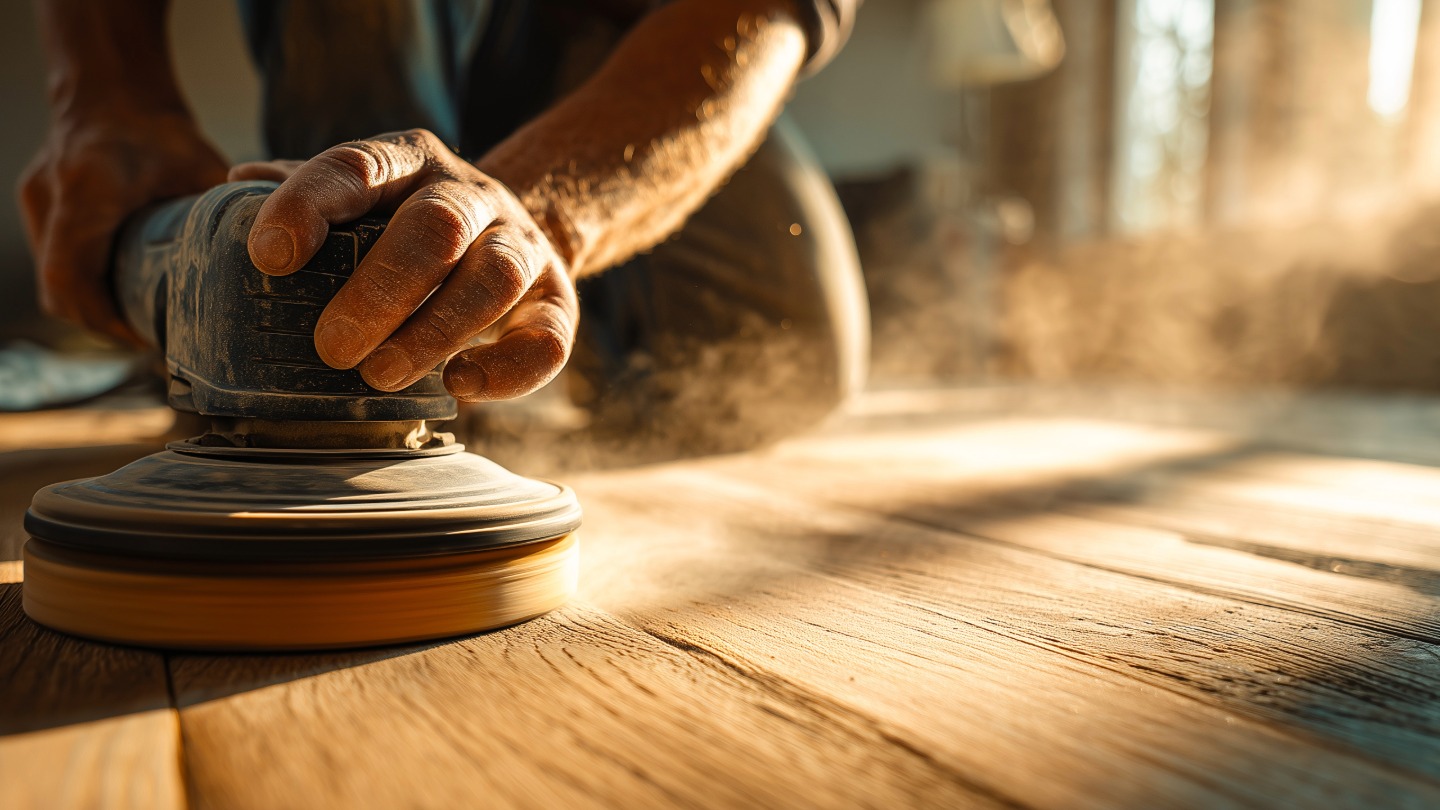
This method is like a spa day for your floors. A screen and recoat is a less aggressive approach. It involves using a special abrasive screen, kind of like a very fine sandpaper, that lightly scuffs up the existing finish. This process creates a surface that the new finish can bond to. It’s designed to address minor wear and tear, like dullness and very light scratches, without removing the original finish entirely. It’s quicker, less messy, and generally cheaper than a full sanding. Think of it as a refresh, not a complete renovation. It’s perfect for floors that are generally in good shape but just need a little pick-me-up.
Full Sanding: A Deeper Restoration
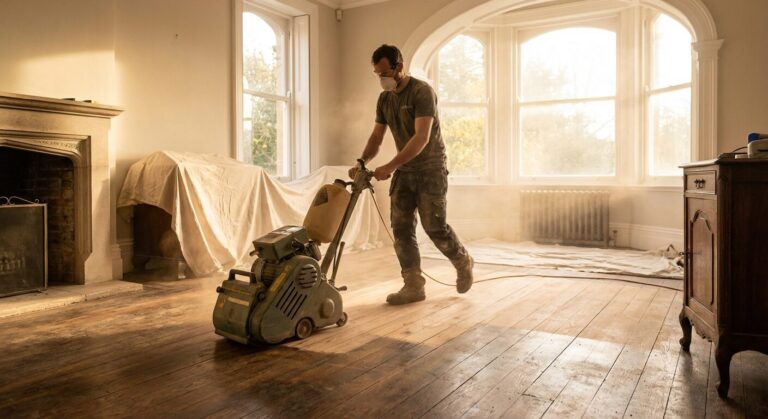
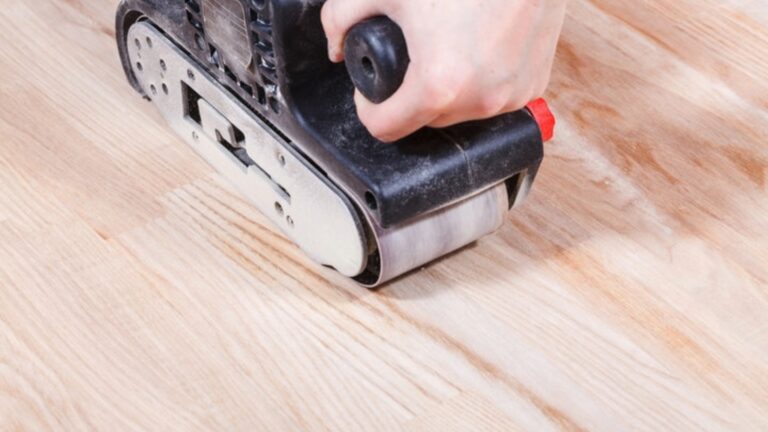
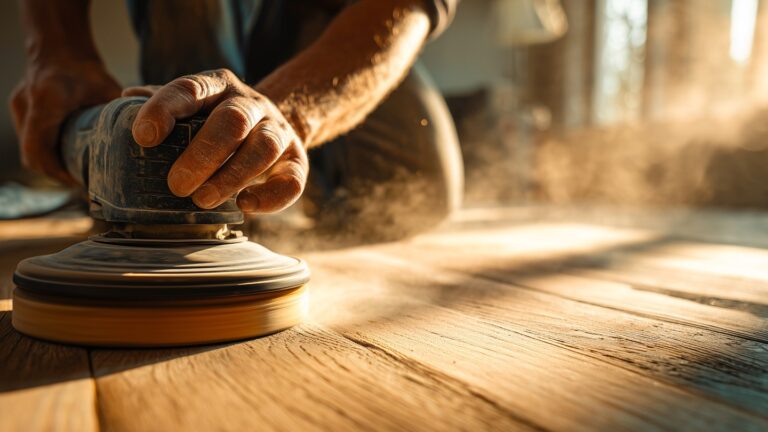
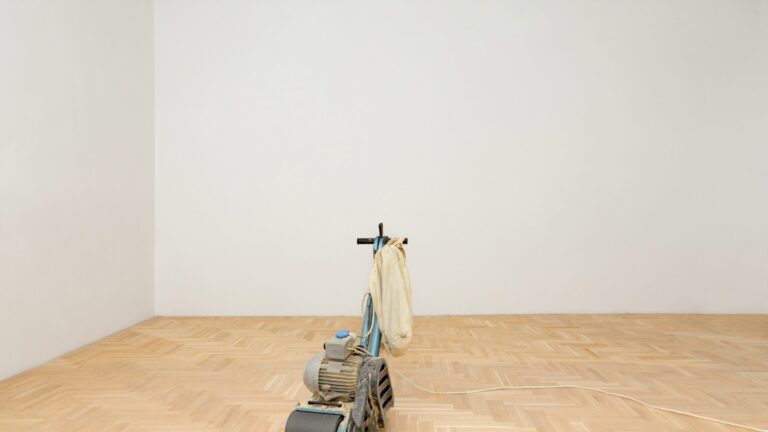
Now, full sanding is the heavy-duty option. This is where you completely strip away the old finish, right down to the bare wood. A powerful sanding machine with progressively finer grits of sandpaper is used to remove every trace of the old coating, as well as any minor imperfections in the wood itself. This method is necessary when your floors have deeper issues. It’s a more involved process, creating more dust (though modern equipment is pretty good at containment) and taking more time. But, it gives you a completely blank canvas to work with, allowing for major repairs, color changes, and a like-new appearance.
Assessing Your Wood Floor’s Condition
Alright, so you’re looking at your wood floors and wondering if they’re just a bit tired or if they need a serious overhaul. It’s not always obvious, right? Sometimes a quick buff and recoat is all you need, other times you’re looking at a full-on sanding job. Figuring out which one is the right move starts with a good, honest look at what’s going on with your floors. Let’s break down what to look for.
Signs of Wear Requiring Attention
Think of your floor like your favorite pair of jeans. Over time, they show wear and tear. For wood floors, this usually shows up in a few key ways. The finish, that protective top layer, is the first thing to go. When it starts to dull, get scuffed, or even peel in spots, it’s a clear signal that something needs to be done. It’s not just about looks, either; a worn finish leaves the wood underneath vulnerable to spills and damage.
- Finish dullness: The shine is gone, and it looks flat or matte all over.
- Scuff marks: These are those gray or black marks that often appear, especially in high-traffic areas.
- Minor scratches: You can see light scratches that haven’t gone through the wood itself.
- Fading: Sunlight can really do a number on wood, making some areas look lighter than others.
Identifying Surface Scratches and Fading
Surface scratches are usually pretty easy to spot. They’re the kind of marks that don’t go deep into the wood itself. You can often feel them with your fingernail, but they don’t create a significant groove. Fading is a bit different; it’s a gradual change in color, often caused by UV rays from sunlight hitting the floor over time. If the color looks uneven, with lighter or darker patches where furniture or rugs have been, that’s fading. These issues are typically addressed by a screen and recoat because they affect the finish, not the wood’s structure.
Evaluating Deep Gouges and Damage
Now, if you’re seeing deeper issues, things get a bit more serious. Deep gouges are those cuts or dents that you can really feel with your fingernail, and they’ve actually penetrated the wood. Think about dropping something heavy or dragging furniture without protection – that’s the kind of damage that creates these. Stains that have soaked into the wood, especially dark ones from pet accidents or spills that weren’t cleaned up quickly, also fall into this category. These kinds of problems usually mean the wood itself is compromised, and a simple recoat won’t fix them. You’ll likely need a full sanding to remove the damaged layer of wood.
When a Screen and Recoat Suffices
So, you’ve taken a good look at your wood floors, and they’re not looking their best. Maybe the shine is gone, or there are a few scuffs here and there. Before you start thinking about a full-blown sanding job, let’s talk about a simpler option: the screen and recoat. This method is like a refresh for your floors, and it’s often all you need.
Preserving the Original Wood Tone
One of the biggest wins with a screen and recoat is that it keeps the original color of your wood. Unlike full sanding, which removes a thin layer of wood, screening just abrades the very top of the existing finish. This means you don’t have to worry about your floors looking drastically different or ending up with an unexpected color change. It’s perfect if you love the natural hue of your hardwood and just want to bring back its luster.
Addressing Minor Surface Imperfections
Think of this method as a way to fix the superficial stuff. If your floors have:
- Light scratches that haven’t gone through the finish
- Fading from sunlight exposure
- A dull appearance due to wear
- Minor scuffs from everyday life
…then a screen and recoat is likely your best bet. It buffs out these surface-level issues without disturbing the wood itself. It’s not designed for deep damage, but for that general wear and tear, it works wonders.
Maintaining the Integrity of the Finish
Your floor’s finish is its shield. Over time, this shield can get worn down, especially in high-traffic areas. A screen and recoat essentially adds a new layer of protection on top of the old one. This revitalises the finish, making it look better and, more importantly, strengthening it against future wear. It’s a proactive step to extend the life of your floors without the invasiveness of sanding. It’s a way to keep your floors looking good for longer, saving you time and money in the long run compared to more intensive methods.
Determining the Need for Full Sanding
Sometimes, a simple screen and recoat just won’t cut it. If your wood floors are showing more than just a bit of wear and tear, you might be looking at a full sanding job. This is the heavy-duty option, the one you turn to when the surface finish is beyond repair or the wood itself has seen better days. Full sanding strips away the old finish and a thin layer of the wood, giving you a fresh canvas to work with. It’s a more involved process, for sure, but it’s often the only way to truly fix significant issues.
Restoring Heavily Damaged Floors
When your floors have been through a lot – think deep scratches, pet stains that have soaked in, or areas where the finish has completely worn away down to the bare wood – a screen and recoat won’t be enough. Those imperfections are part of the wood itself now, not just the top coat. Full sanding is the only way to get rid of them. It’s like giving your floors a brand new start.
Changing the Wood Floor’s Color
Want to go from a dark, traditional look to something lighter and more modern, or vice versa? You can’t do that with just a recoat. A full sand is necessary to remove the existing stain and finish completely. This allows you to then apply a new stain color, completely transforming the look of your room. It’s a big change, but the results can be dramatic.
Removing Deep Scratches and Stains
Minor scuffs and light scratches can often be buffed out or covered by a new coat of finish. But what about those deep gouges that catch your eye every time you walk by? Or those stubborn dark stains from spills that just won’t budge? These usually go deeper than the finish. Full sanding removes that top layer of wood, taking those deep-seated problems with it. It’s the most effective way to deal with significant damage that affects the wood itself.
Factors Influencing Wood Floor Screen and Recoat Cost
So, you’re thinking about giving your wood floors a refresh with a screen and recoat. That’s a smart move to keep them looking good without the big fuss of a full sand. But what’s it actually going to cost? Well, like most things, it’s not a one-size-fits-all answer. Several things play a role in the final price tag.
Estimating Screen and Recoat Expenses
When you’re getting quotes, you’ll notice prices can vary. The size of the area you need done is usually the biggest factor. A small bedroom will naturally cost less than a large open-plan living and dining area. Beyond just square footage, the type of finish you choose makes a difference too. Polyurethane is common, but there are different sheens and brands, some pricier than others. Also, consider the condition of your floors – if there are a few more scuffs than you initially thought, it might take a bit more prep work, which can add to the labor cost.
Comparing Refinishing Options and Budget
It’s always a good idea to get a few estimates from different professionals. This helps you get a feel for the average cost in your area and what’s included. A screen and recoat is generally much cheaper than a full sanding and refinishing job. Think of it as a maintenance service. A full refinish involves sanding down to bare wood, which is labor-intensive and requires more materials. A screen and recoat is more about cleaning up the existing finish and adding a new protective layer on top. So, if your floors are in decent shape, this option can save you a good chunk of change.
The Value of Professional Wood Floor Screen and Recoat Cost Analysis
While DIY is an option for some, hiring a pro usually pays off. They have the right equipment and know-how to get the job done efficiently and without mistakes. A professional analysis of the cost will break down:
- Labor: This covers the time and skill of the technicians.
- Materials: This includes the screening pads, cleaning solutions, and the new top coat of finish.
- Prep Work: Any minor repairs or extra cleaning needed before applying the new coat.
- Travel: Sometimes, if you’re outside their usual service area, there might be a travel fee.
Getting a detailed breakdown helps you understand exactly what you’re paying for and why one quote might be higher than another. It’s about getting a quality job that protects your investment for years to come.
The Screen and Recoat Process Explained
So, you’ve decided a screen and recoat is the way to go for your wood floors. That’s great! It’s a smart choice for giving your floors a fresh look without the heavy work of a full sand. But what exactly does this process involve? Let’s break it down.
Preparing the Surface for a New Coat
First things first, the floor needs to be prepped. This isn’t about stripping everything down to bare wood. Instead, the goal is to create a surface that the new finish can stick to. This usually starts with a process called ‘screening’. Think of it like a very light sanding, but instead of sandpaper, a special abrasive screen is used with a buffer machine. This screen gently scuffs up the existing finish. It removes any dullness, light scratches, and dirt that might be sitting on top. It’s important to get this step right because a clean, slightly roughed-up surface is key for the new coat to adhere properly. After screening, the floor is thoroughly vacuumed and then wiped down with a tack cloth or a specific cleaner to pick up any remaining dust. You want it spotless before the next step.
Applying the Protective Finish
Once the floor is prepped and clean, it’s time for the new coat of finish. This is where the magic happens. The chosen finish – whether it’s polyurethane, water-based, or oil-based – is applied evenly across the floor. Professionals use specialised tools like applicators or rollers to ensure a smooth, consistent layer. Depending on the type of finish and the desired look, you might need one or more coats. Each coat needs time to dry, and sometimes a light buffing or screening might happen between coats if the manufacturer recommends it. This helps ensure a smooth, even sheen throughout.
Achieving a Refreshed Appearance
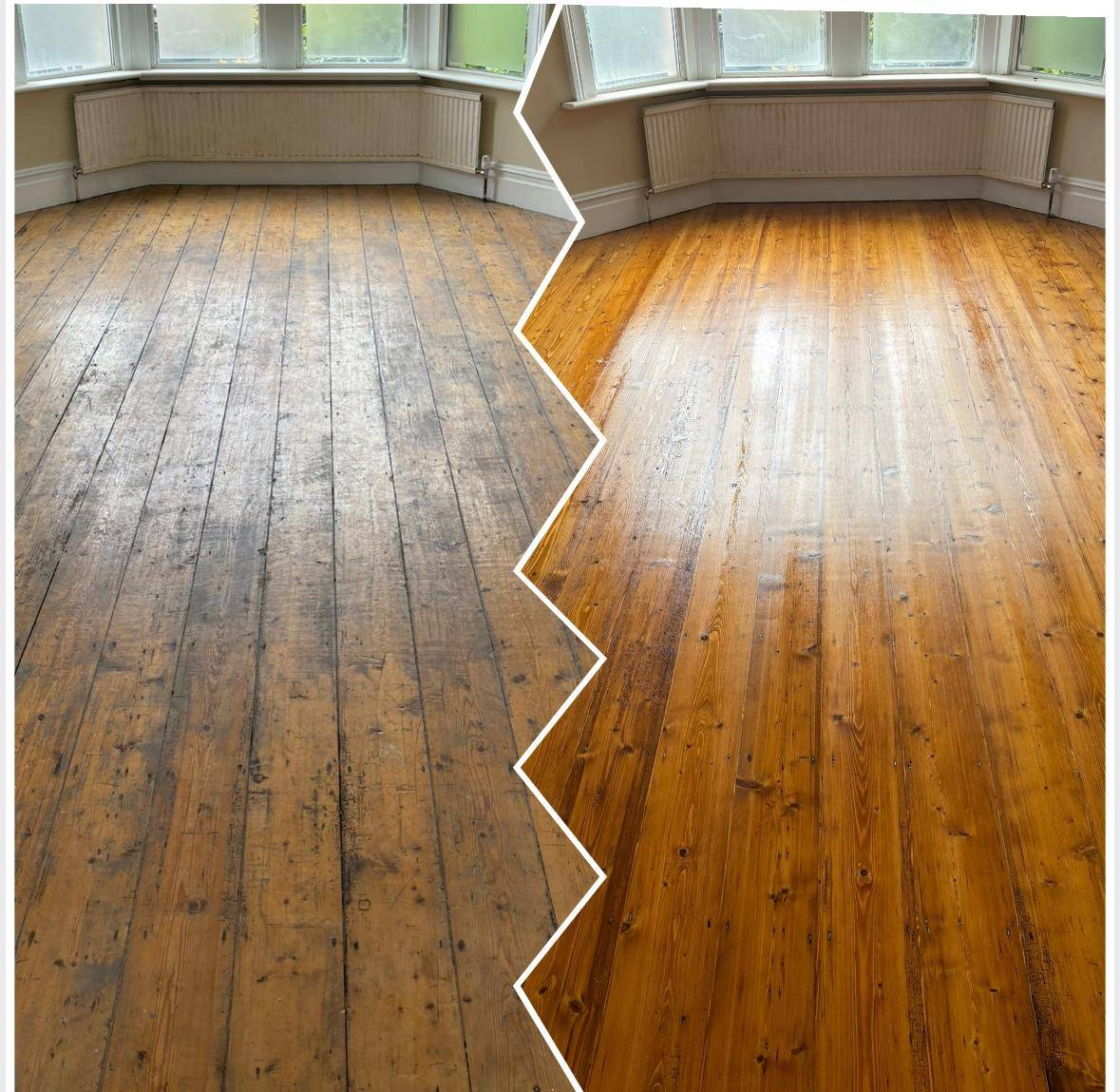
After the final coat has been applied and has had adequate time to cure (this can take a few days to a week, depending on the finish), your floor will look transformed. The dullness will be gone, replaced by a uniform sheen. Minor imperfections will be covered, and the color of the wood will look richer and more vibrant. It’s not a complete overhaul like sanding, but it’s a significant refresh that breathes new life into your floors. You’ll notice a difference right away, and with proper care, your newly coated floors will look great for years to come.
Ever wondered how we make old floors look brand new? Our “The Screen and Recoat Process Explained” section breaks down exactly how we restore your floors. It’s a detailed look at how we refresh your wood floors without a full sanding. Want to see the magic happen? Visit our website to learn more about this amazing process!
So, What’s the Verdict?
Alright, so we’ve talked about buffing versus a full sand. It really comes down to what your floors are showing you. If the finish is just looking a bit tired, maybe a little scuffed up but the wood itself is still in good shape, then a screen and recoat is probably your best bet. It’s quicker, less messy, and saves you some cash. But if you’ve got deeper scratches, dents, or the color has changed a lot, you might need to go the full sanding route. It’s more work, for sure, but it gives you a fresh start. Think of it like this: recoating is like giving your floor a good polish, while sanding is like a complete makeover. Just take a good look, maybe do the scratch test we talked about, and decide what your floors really need. You got this!
Frequently Asked Questions
What’s the difference between buffing and full sanding my wood floors?
Think of buffing, or screen and recoating, as a quick refresh. It lightly scuffs up the top layer of the finish to help a new coat stick. Full sanding is like giving your floors a whole new face, removing the old finish down to the bare wood. It’s a much bigger job!
How can I tell if my floors just need a screen and recoat?
If your floors look a little dull, have some light scuffs, or the finish seems a bit worn but the wood itself looks okay, a screen and recoat is probably your best bet. It’s for when the damage is mostly on the surface, not deep into the wood.
When do I absolutely need to do a full sand and refinish?
You’ll need to go for the full sand if you have deep scratches, dents, or stains that go way down into the wood. It’s also the way to go if you want to change the color of your floors completely or if the current finish is really messed up.
Can a screen and recoat fix deep scratches?
Unfortunately, no. A screen and recoat is more like a touch-up. It can handle minor scuffs and wear, but deep gouges or major damage need the heavy-duty approach of full sanding to be fixed.
Is screen and recoating cheaper than full sanding?
Yep, usually! Because it’s less work and doesn’t involve removing all the old finish, screen and recoating is generally a more budget-friendly option. Full sanding takes more time and materials, so it costs more.
How long does a screen and recoat job take?
It’s pretty quick compared to full sanding! Typically, a screen and recoat can be done in a day or two, depending on how many coats of finish are applied and drying times. Your floors will be back in action much faster.