Cardiff Bay can be a bit damp sometimes, right? And with all the people coming and going in businesses there, floors take a beating. It’s a double whammy that can leave your floors looking sad and worn out. But don’t worry, there are ways to fix it and keep things looking good. We’re going to talk about how to deal with moisture and heavy foot traffic, and why getting professional help, like with commercial floor sanding Cardiff, makes a big difference.
Key Takeaways
- High humidity in Cardiff Bay can really mess with your commercial floors, causing problems like warping and mold.
- Constant foot traffic wears down surfaces quickly, making them look old and unsafe.
- Professional commercial floor sanding Cardiff can bring tired floors back to life, making them look great again.
- Choosing the right finish after sanding is important for protecting your floors from future damage.
- Regular care and preventative steps are the best way to keep your floors looking their best for a long time.
Tackling Cardiff Bay’s Dampness Dilemma
Alright, let’s talk about something that’s a real pain in the neck for businesses around Cardiff Bay: dampness. It’s not just about a bit of condensation; we’re talking about a persistent issue that can really mess with your commercial floors. Humidity is a sneaky problem, and it loves to make itself at home in places like ours.
Understanding Humidity’s Impact on Floors
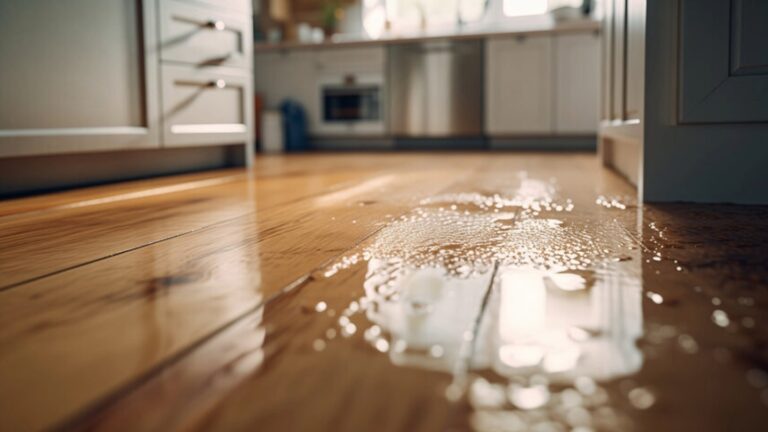
So, what’s the big deal with humidity? Think of it like this: the air around us is always carrying some amount of water vapor. When that moist air hits a cooler surface, like your floor, that vapor turns back into liquid water. This is called condensation. In Cardiff Bay, with its proximity to the water and often changeable weather, this happens more than you might think. This constant moisture can seep into the very fabric of your flooring material, whether it’s wood, concrete, or even some types of tile.
Why Moisture is a Floor’s Worst Enemy
Moisture is basically a floor’s kryptonite. For wooden floors, it means swelling, warping, and eventually, rot. Concrete can get weak and start to crumble. Even sealed floors aren’t entirely safe; water can find tiny cracks and start its destructive work. This isn’t just about looks, either. A damp floor can become a breeding ground for mold and mildew, which is bad for air quality and can even make people sick. Plus, a compromised floor is a safety hazard, leading to slips and falls.
Signs Your Commercial Floor Needs Attention
How do you know if your floor is suffering from too much dampness? Keep an eye out for a few tell-tale signs:
- Visible water stains or discoloration: Especially noticeable on lighter-colored floors.
- Warping or buckling: Wood floors might start to lift or bend.
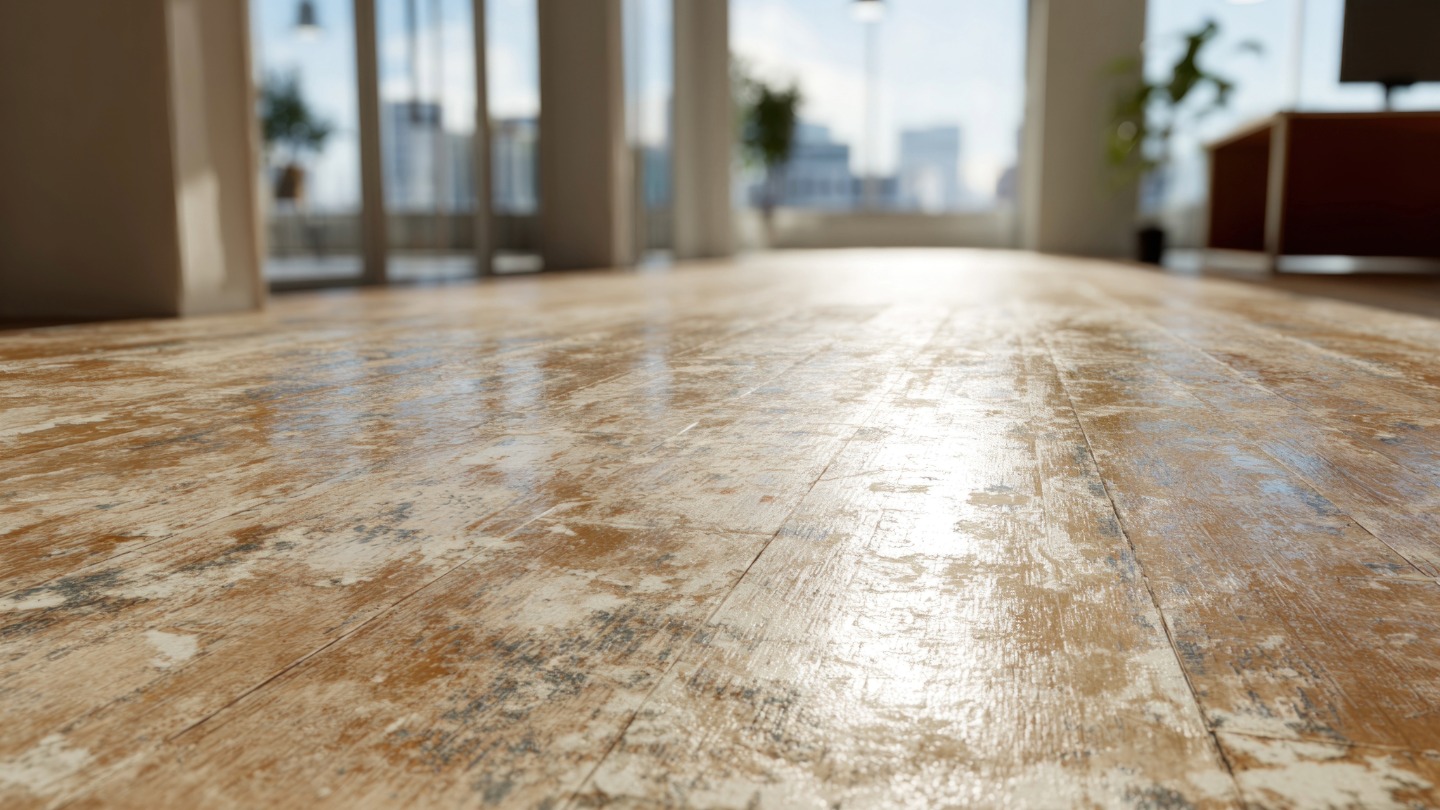
- Peeling or bubbling finishes: Sealants and paints can start to come away from the surface.
- A musty or damp smell: This is a classic indicator of moisture and potential mold growth.
- Soft or spongy areas: Particularly common in wooden or laminate flooring.
If you’re noticing any of these issues, it’s a pretty clear signal that the moisture levels are getting out of hand and your floor needs some serious attention before things get worse. Ignoring it will only lead to more expensive repairs down the line.
The Challenge of Heavy Footfall in Commercial Spaces
Okay, so we’ve talked about the dampness in Cardiff Bay, but let’s switch gears and chat about something else that really puts commercial floors through the wringer: constant foot traffic. Think about it – shops, offices, busy public buildings – people are always coming and going. This isn’t just a little stroll; it’s a relentless pounding that can really take a toll on your floors.
How Constant Traffic Wears Down Surfaces
Imagine walking the same path over and over. Eventually, that path is going to show some wear, right? Commercial floors are no different, except the “walking” is done by hundreds, maybe thousands, of shoes every single day. Dirt and grit get ground into the surface, acting like super-fine sandpaper. Add to that the scuffing from shoes, dropped items, and even the wheels of trolleys or chairs, and you’ve got a recipe for a floor that looks tired way before its time. The constant abrasion is the main culprit here. It’s not just about looking bad; it can actually weaken the floor’s structure over time.
Identifying Wear Patterns from Foot Traffic
Spotting the signs of heavy footfall isn’t usually rocket science. You’ll often see specific areas that look more worn than others. Think about the main pathways, entrances, and areas around desks or counters. These spots might:
- Look dull or faded compared to less-trafficked areas.
- Develop scratches or scuff marks that won’t buff out.
- Feel rough or uneven underfoot.
- Show discoloration, especially if spills aren’t cleaned up quickly.
Sometimes, you might even see grooves forming in softer flooring materials. It’s like the floor is telling you where everyone’s been walking.
The Importance of Durable Flooring Solutions
Because of this constant battering, picking the right flooring is a big deal. You can’t just slap down any old material and expect it to last. You need something that can stand up to the daily grind. This means looking at:
- Abrasion resistance: How well does it resist scratching and scuffing?
- Impact resistance: Can it handle things being dropped on it?
- Ease of cleaning: A floor that’s easy to maintain will look better for longer.
- Slip resistance: Especially important in busy areas for safety.
Choosing a flooring solution that’s built for heavy use from the get-go can save you a ton of headaches and money down the line. It’s about making smart choices now to avoid costly repairs or replacements later.
Expert Solutions for Commercial Floor Sanding Cardiff
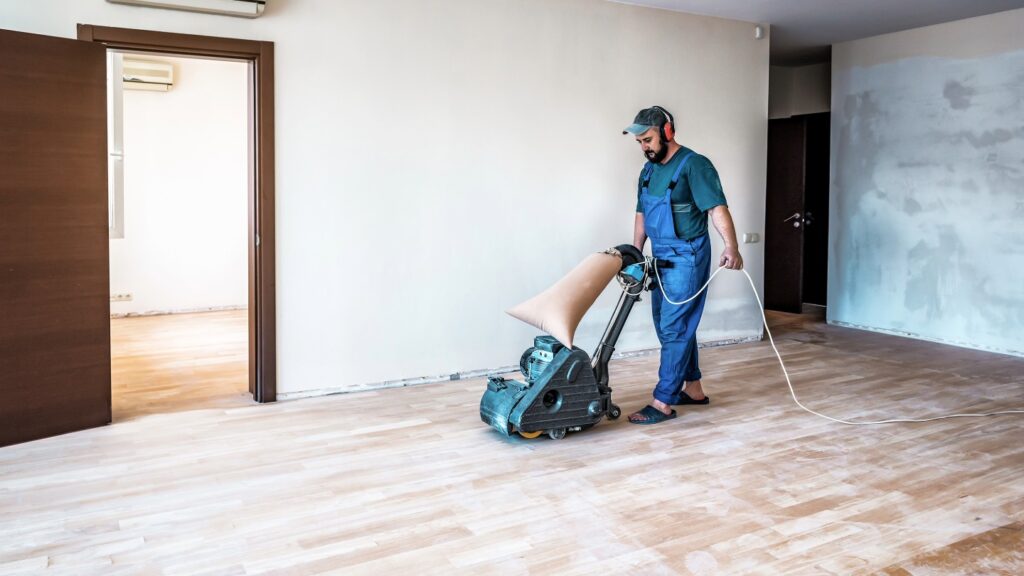
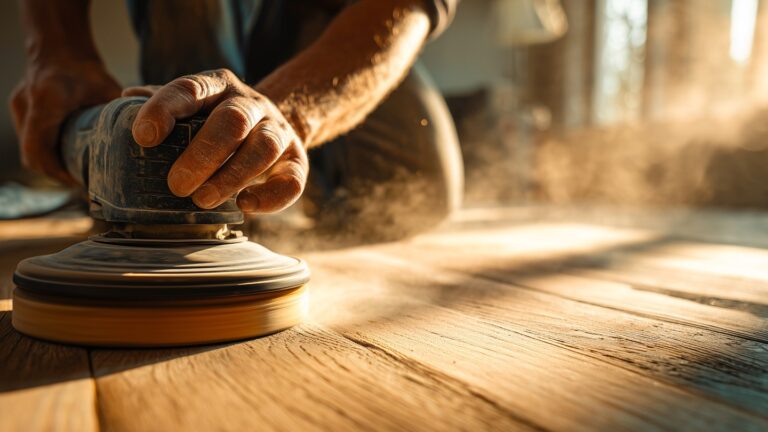
So, you’ve got commercial floors in Cardiff Bay, and they’re looking a bit rough around the edges, right? Maybe the humidity has taken its toll, or the daily grind of people walking all over them has left its mark. That’s where we come in. We’re talking about professional floor sanding, and it’s not just about making things look pretty; it’s about giving your floors a serious makeover.
Why Professional Sanding is Key
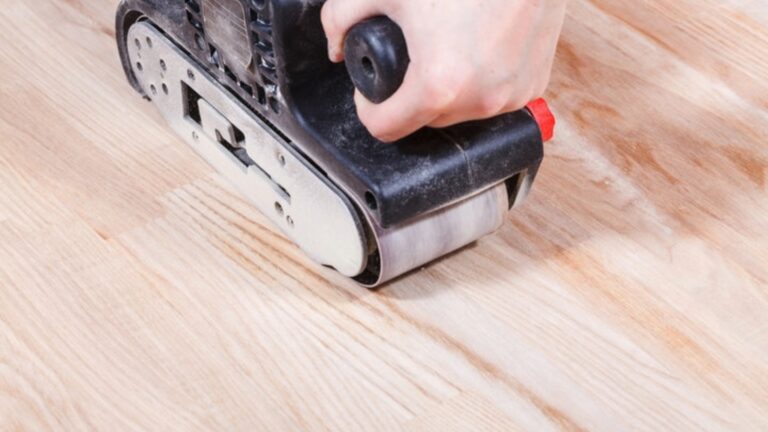
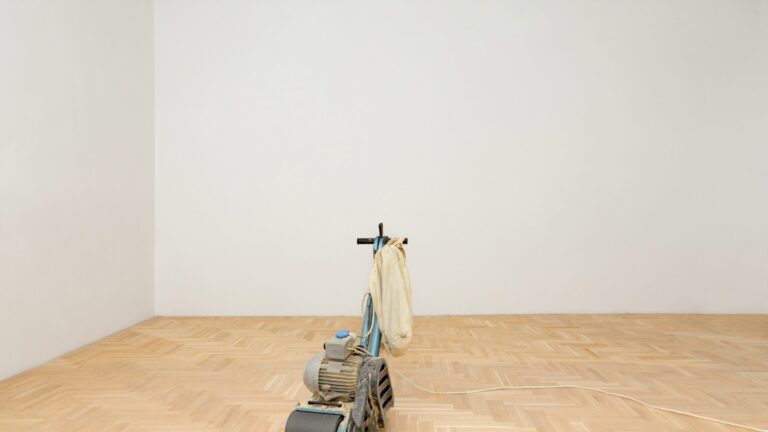
Look, you could try to tackle this yourself, but honestly, it’s a job best left to the pros. Commercial floors are built tough, and they need a specific kind of treatment. Trying to sand them without the right gear or know-how can end up doing more harm than good. We’ve got the heavy-duty equipment and the experience to get it done right the first time. It’s about restoring the integrity and appearance of your floor, not just a quick fix.
Our Approach to Commercial Floor Sanding
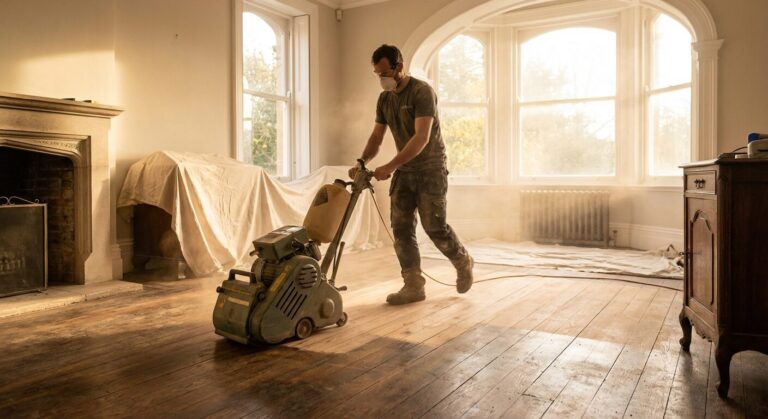
When we get to work, we don’t just slap some sandpaper on a machine and call it a day. We have a whole process:
- Assessment: First, we check out your floor. What kind of wood is it? How bad is the damage? What’s the best way to approach it?
- Preparation: We clear the area, protect your stuff, and make sure everything’s ready for sanding.
- Sanding Stages: We use different grits of sandpaper, starting coarse to get rid of the old finish and any deep scratches, then moving to finer grits to make the surface super smooth.
- Dust Control: Nobody likes a dusty mess. Our machines are designed to capture most of the dust, keeping your space as clean as possible.
- Final Touches: After sanding, we do a final clean-up and get ready for the finishing.
Choosing the Right Finish for Durability
This is a big one. The finish you choose makes a huge difference in how long your floor stays looking good and how well it holds up against all that foot traffic and Cardiff’s damp air. We usually recommend a few types:
- Polyurethane (Water-Based): Dries fast, low odor, and good for high-traffic areas. It’s a solid choice for most commercial spots.
- Polyurethane (Oil-Based): A bit more durable and gives a warmer look, but it takes longer to dry and has a stronger smell.
- Hardwax Oil: This penetrates the wood, giving a more natural look and feel. It’s easier to repair if you get a scratch, but might need more frequent upkeep than poly.
Picking the right finish is like choosing the right armor for your floor. It needs to be tough enough to handle whatever Cardiff Bay throws at it, from soggy shoes to endless footsteps, while still looking good.
We’ll talk through your options based on your specific needs and the kind of wear and tear your floor sees. It’s all about making sure your investment lasts.
Restoring Your Floors to Their Former Glory
The Transformation Process
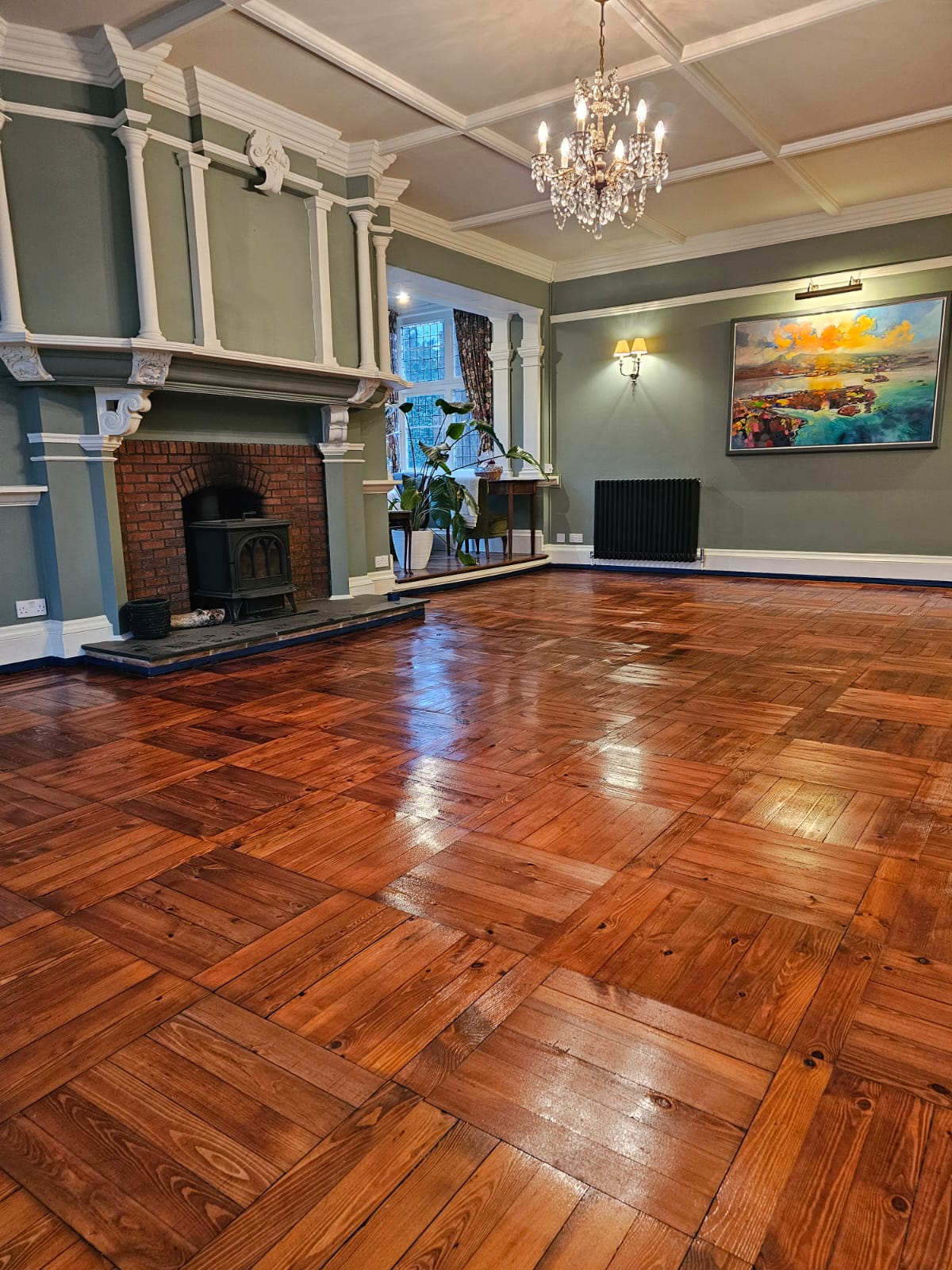
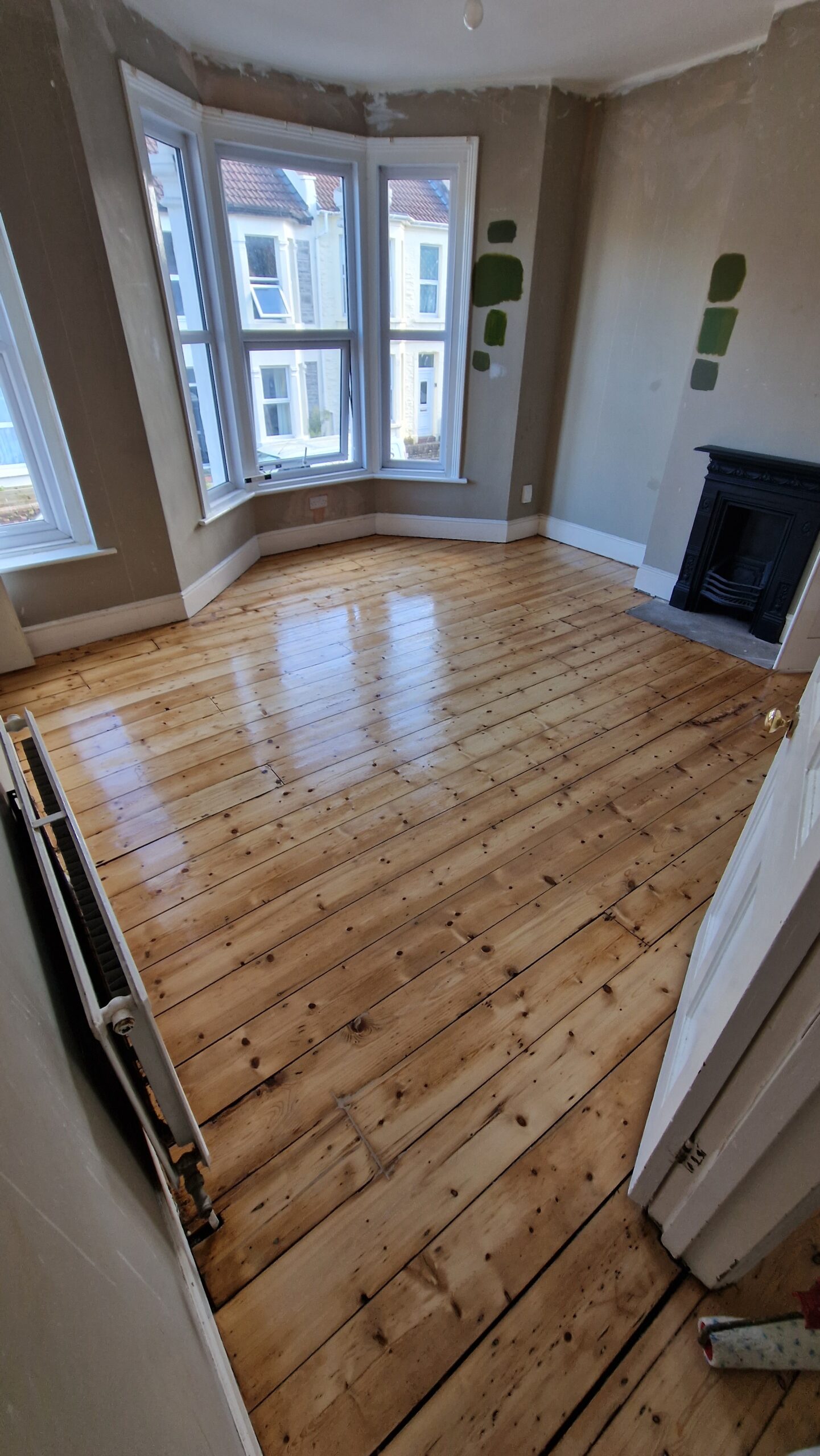
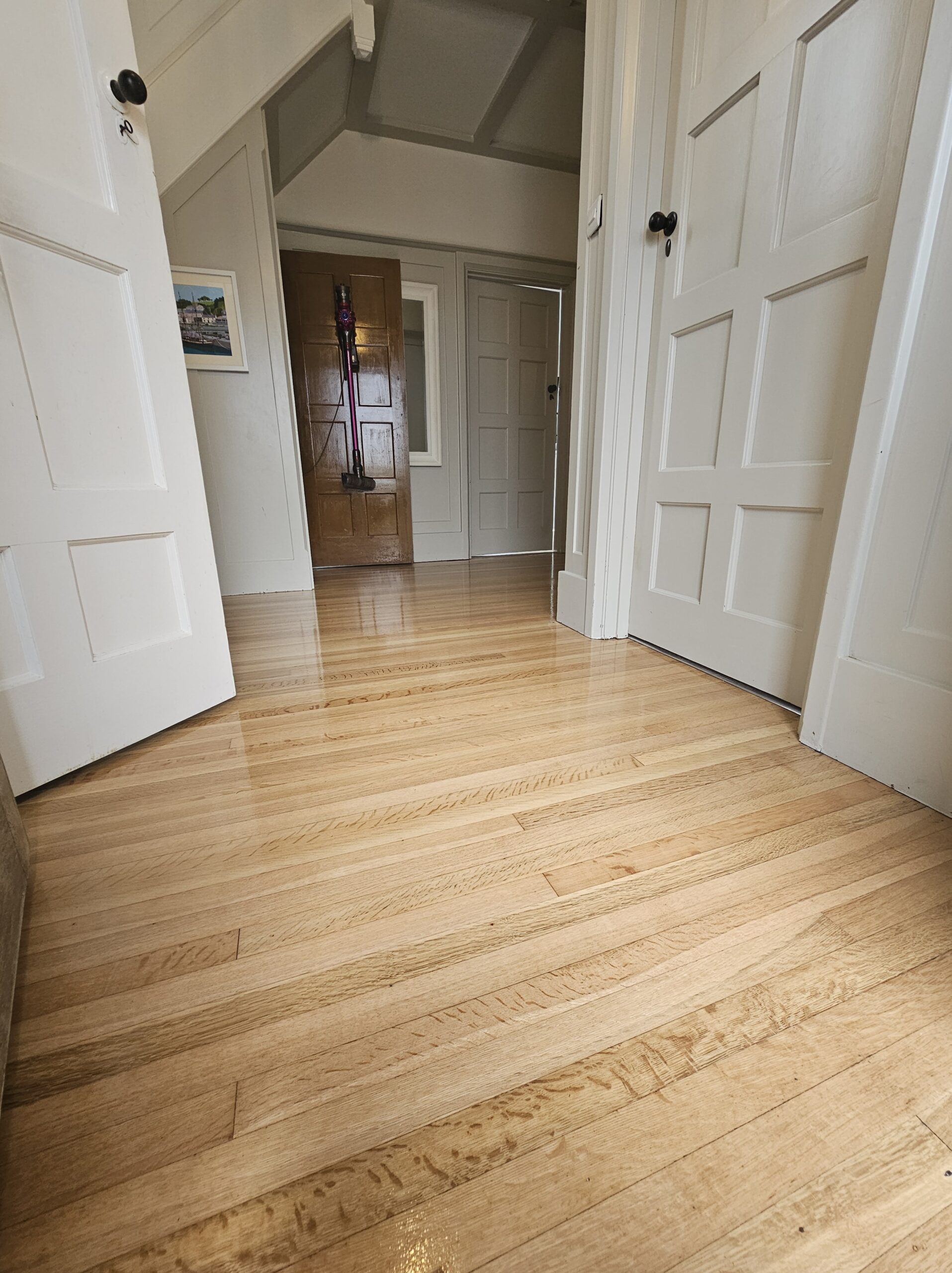
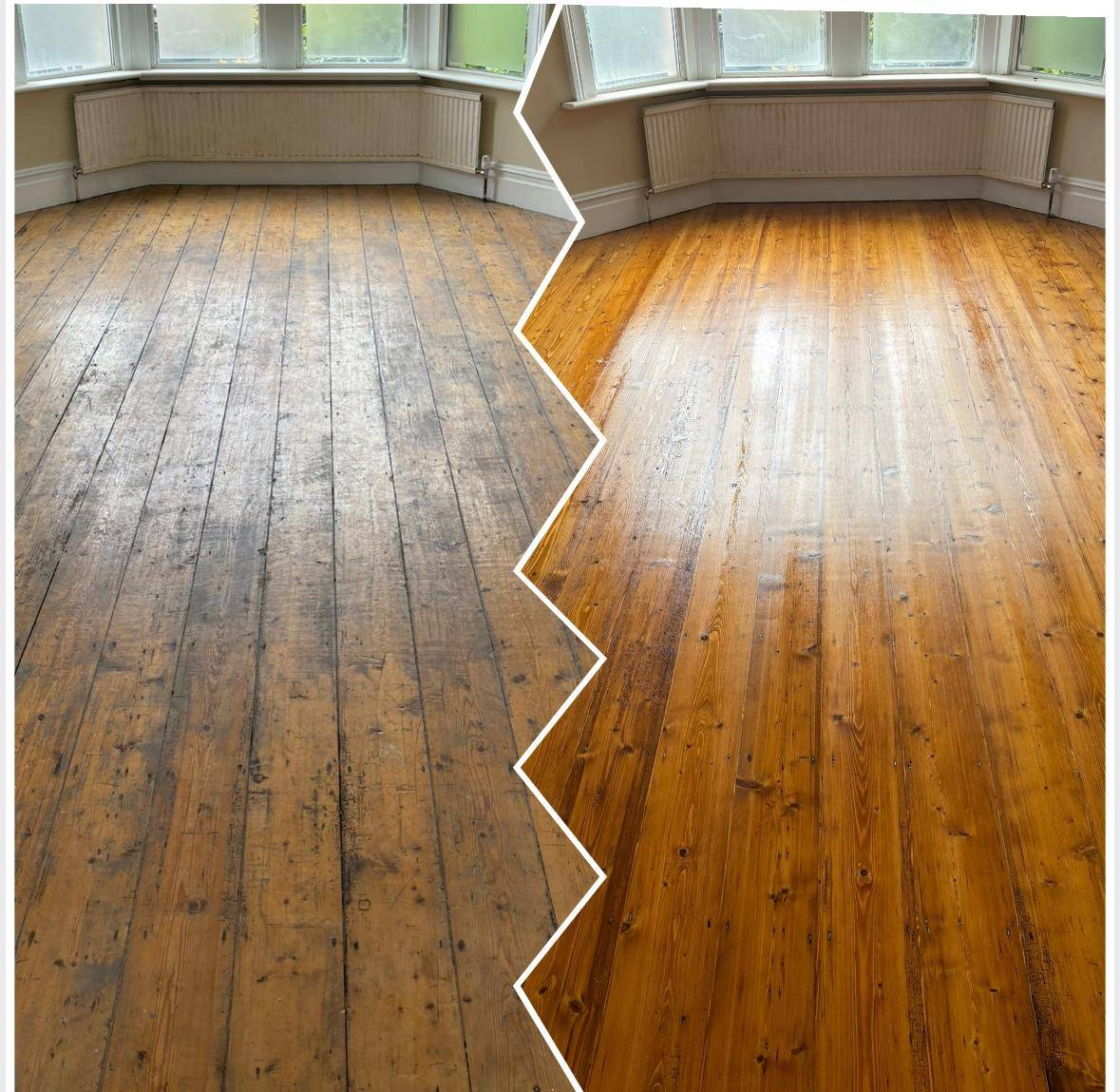
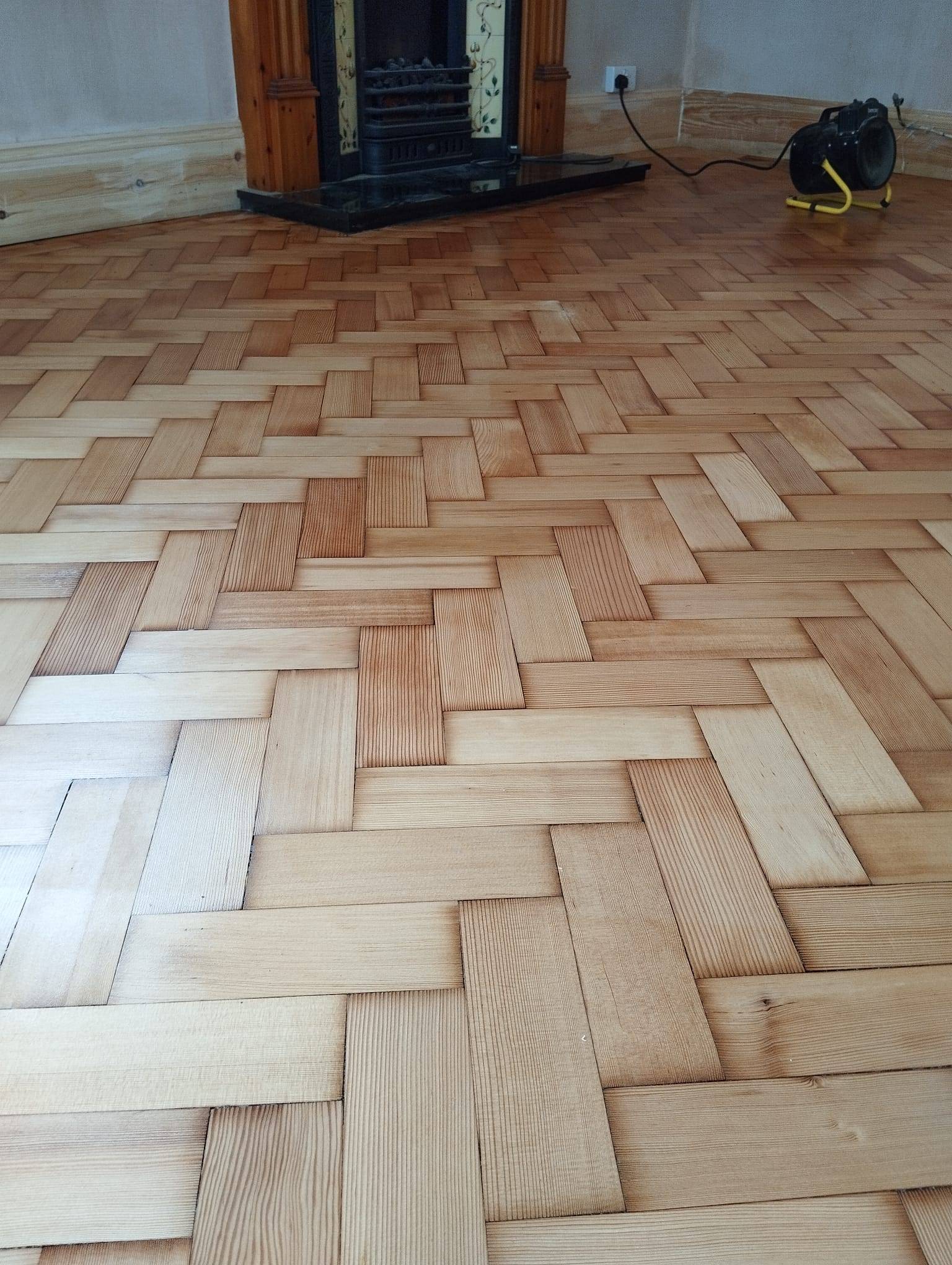
So, your floors have seen better days, huh? Maybe they’re looking a bit dull, scratched up, or just generally tired. That’s where we come in. Our floor sanding process is all about bringing them back to life. It’s not just a quick buff and polish; we’re talking about a real makeover. We start by carefully assessing the floor’s condition. Then, we get to work with specialised equipment to remove the old, worn-out top layer. Think of it like peeling back an onion – layer by layer, we get to the fresh, good stuff underneath. It’s a bit dusty, sure, but the end result is totally worth it.
Benefits of Refinished Commercial Floors
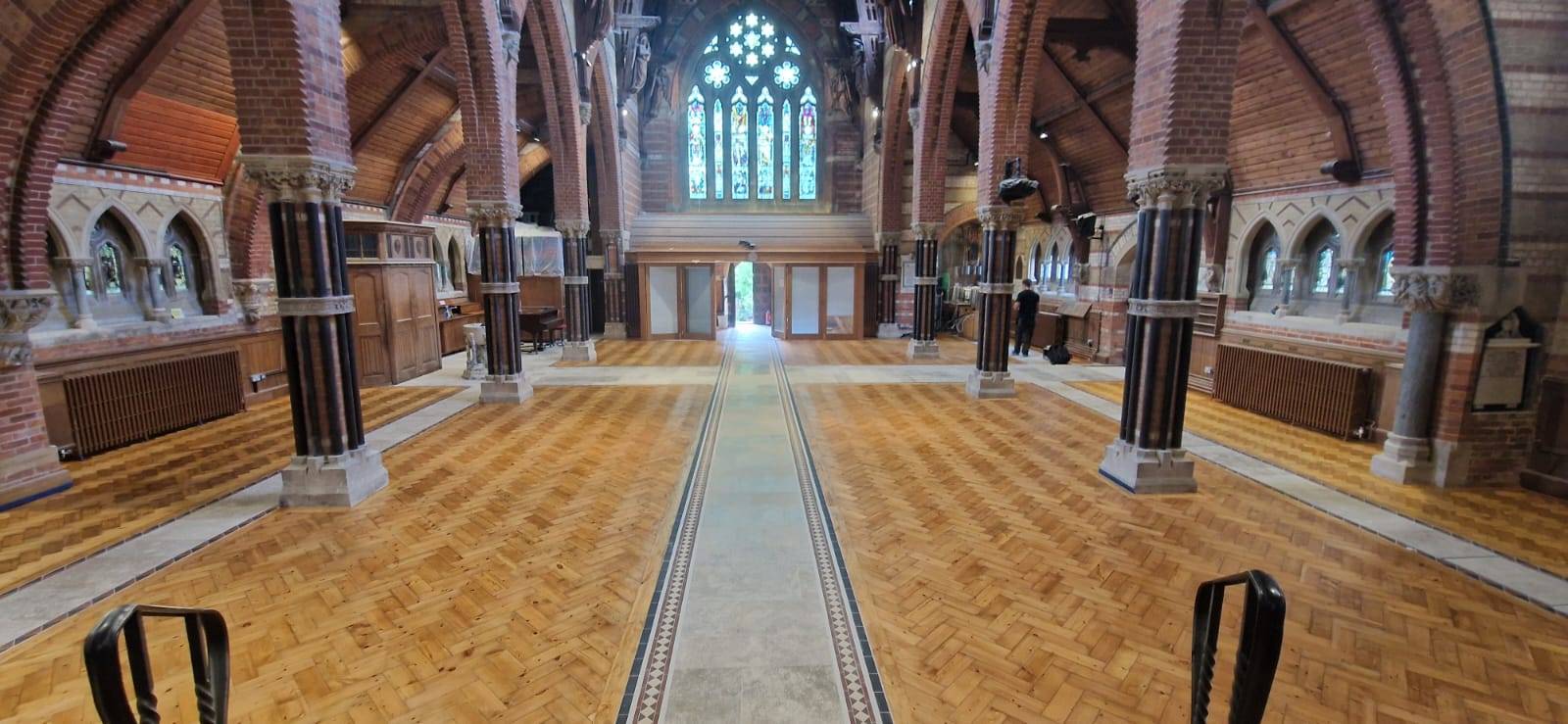
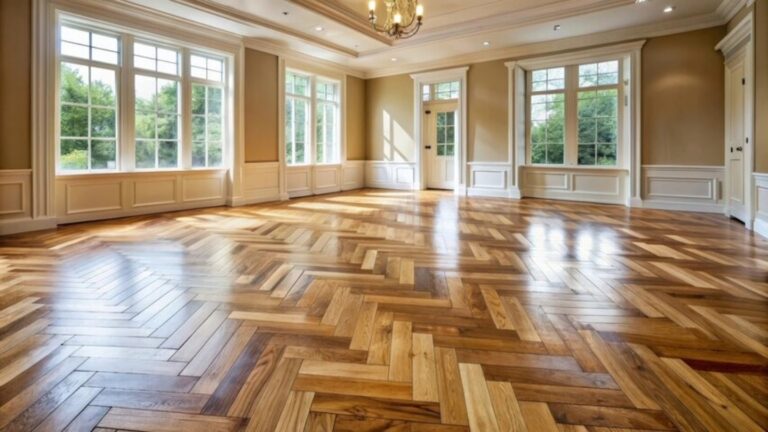
Once we’re done, you’ll notice a big difference. For starters, your floors will look fantastic, like new again. This isn’t just about looks, though. A properly refinished floor is tougher. It can handle more wear and tear, which is a big deal in busy places like Cardiff Bay. Plus, it can actually improve the air quality a bit since we’re getting rid of old grime and buildup. It’s a win-win, really.
Here are some of the perks:
- Aesthetic Appeal: Seriously, they’ll look amazing. It makes the whole space feel cleaner and more professional.
- Increased Durability: The new surface is more resistant to scratches and damage.
- Cost-Effective: It’s way cheaper than replacing the whole floor.
- Improved Hygiene: Gets rid of embedded dirt and makes cleaning easier.
Maintaining Your Newly Sanded Floors
Alright, so we’ve made your floors look spiffy. Now, how do you keep them that way? It’s not rocket science, but a little bit of care goes a long way. The biggest things to watch out for are moisture and grit. Grit is like sandpaper for your floors, and too much water can cause all sorts of problems, especially in a place like Cardiff Bay where humidity can be a factor.
Regular cleaning is key. Sweep or vacuum daily, and mop with a slightly damp mop only when necessary. Avoid harsh chemicals or excessive water, as these can damage the finish and the wood itself.
Here’s a quick rundown on keeping them looking good:
- Wipe Up Spills Immediately: Don’t let liquids sit around.
- Use Mats: Place mats at entrances to catch dirt and moisture before it gets tracked onto the floor.
- Furniture Pads: Put felt pads on the legs of all furniture to prevent scratches.
- Mind the Shoes: Encourage people to remove shoes if possible, or at least be mindful of muddy or wet footwear.
Protecting Your Investment: Long-Term Floor Care
So, you’ve gone through the trouble of getting your commercial floors looking sharp again, right? Awesome! Now, the real trick is keeping them that way. It’s not just about looking good; it’s about saving cash down the line. Think of it like taking care of your car – a little regular maintenance stops big, expensive problems later.
Preventative Measures Against Humidity
Cardiff Bay can be a bit of a damp place, and that moisture is a sneaky enemy for floors. It can warp wood, loosen tiles, and generally make things look sad. The best defense is a good offense, as they say.
- Ventilation is your friend: Open windows when you can, especially after cleaning. Use fans to keep air moving. Good airflow stops moisture from settling in.
- Dehumidifiers are worth it: Especially in areas prone to dampness, a good dehumidifier can make a huge difference. Set it and forget it (mostly).
- Sealant checks: Make sure any sealants or finishes on your floor are still in good shape. Reapply them if they look worn. This creates a barrier against water.
Don’t underestimate how much a little bit of damp can mess things up over time. It’s like a slow leak in a roof – you might not notice it at first, but eventually, it causes major damage.
Strategies for Managing High Footfall
Lots of people walking around is great for business, but it’s tough on floors. Constant traffic grinds away at finishes and can cause wear patterns.
- Entry mats are non-negotiable: Place good quality mats both outside and inside every entrance. They catch a surprising amount of dirt and grit that acts like sandpaper on your floors.
- Strategic furniture placement: Try not to have heavy furniture constantly dragging in the same spots. Use felt pads or coasters under legs.
- Regular cleaning schedule: Don’t let dirt build up. Daily sweeping or vacuuming and a weekly damp mop (with the right cleaner!) makes a big difference.
Regular Maintenance for Lasting Results
This is where you really protect your investment. Consistent care means your floors stay looking great and last way longer.
- Scheduled deep cleans: Plan for professional cleaning or a more thorough DIY clean every few months. This gets into the nooks and crannies.
- Inspect for damage: Keep an eye out for any chips, cracks, or loose tiles. Fixing small issues early stops them from becoming big, costly repairs.
- Reapply protective finishes: Depending on your floor type and how much traffic it gets, you might need to reapply a protective coating or sealant annually or bi-annually. This is the single best thing you can do to extend your floor’s life.
| Maintenance Task | Frequency | Notes |
|---|---|---|
| Sweeping/Vacuuming | Daily | Remove loose dirt and grit |
| Damp Mopping | Weekly | Use appropriate cleaner, avoid excess water |
| Mat cleaning/replacement | Weekly/Monthly | Keep entry mats effective |
| Deep Cleaning | Quarterly | Professional or thorough DIY |
| Finish Reapplication | Annually/Bi-annually | Based on wear and floor type |
Keeping your floors looking great for years to come is important. Regular care helps protect your investment and keeps your home looking its best. Want to learn more about the best ways to care for your floors long-term? Visit our website for expert tips and advice!
Wrapping It Up
So, that’s the lowdown on keeping Cardiff Bay’s floors in good shape. It’s not rocket science, but it does take a bit of know-how. Dealing with all that moisture and the constant foot traffic means you can’t just ignore things. A little bit of attention goes a long way in making sure those floors stay looking good and last for ages. It’s all about picking the right stuff and keeping an eye on it. Pretty straightforward when you break it down, right?
Frequently Asked Questions
Why is my Cardiff Bay floor always feeling damp?
Cardiff Bay can get pretty humid, right? This extra moisture in the air can really soak into your floors, especially if they aren’t sealed properly. Think of it like a sponge – it just keeps absorbing. This dampness can make wood floors swell and even lead to mold if it gets bad.
How does all the walking around mess up my floors?
Imagine walking on the same spot over and over. Eventually, that spot is going to get worn down, right? That’s what happens to your floors with tons of people walking on them every day. It grinds away the surface, making it look dull and scratched, especially in busy areas like entrances and walkways.
What’s the big deal about getting my floors professionally sanded?
Sure, you could try to sand your floors yourself, but it’s a tough job! Pros have the right tools and know-how to get it done smoothly and evenly. They can fix up scratches and old finishes way better than you could, making your floors look amazing and last longer.
What’s the difference between a shiny and a matte floor finish?
A shiny finish, also called gloss, reflects a lot of light and can make a space feel brighter. A matte finish is more low-key, with less shine. For busy places, a matte or satin finish might be better because it hides minor scratches and scuffs more easily than a super shiny one.
How can I stop my floors from getting ruined by dampness and lots of people?
A good way to start is by making sure your floors are sealed well. Using rugs in high-traffic spots helps a lot, too. And try to wipe up any spills right away. Keeping the air not too damp with fans or dehumidifiers can also make a big difference in the long run.
How often should I think about getting my floors redone?
It really depends on how much traffic your floors get and how well you take care of them. For really busy places, you might need sanding and refinishing every few years. For less busy areas, it could be much longer. Keeping up with regular cleaning and quick fixes will help them last longer between big jobs.