So, you’re thinking about sanding your floors in a converted flat and wondering if the Party Wall Act 1996 is going to get involved. It’s a common question, especially when you share walls, floors, or ceilings with your neighbors. Let’s break down when this act might actually apply to something as seemingly simple as party wall act floor sanding.
Key Takeaways
- The Party Wall Act 1996 is about works that affect a ‘party wall’ or ‘party structure’, or excavations near a neighbor’s property.
- Floor sanding itself isn’t usually considered ‘building work’ under the Act, but the noise and vibrations could be an issue.
- If your floor sanding significantly affects the structure of a shared wall or floor, it might fall under the Act.
- Giving your neighbors notice, even if you don’t think the Act applies, is a good idea to keep things friendly.
- If in doubt about whether party wall act floor sanding applies to your situation, getting advice from a party wall surveyor is the safest bet.
Understanding The Party Wall Act 1996
What’s The Big Deal With Party Walls?
So, you’ve got a wall that you share with your neighbor, right? That’s basically what a party wall is. It could be the wall between two houses, or even the floor or ceiling separating flats. The Party Wall Act 1996 is a law in England and Wales that’s all about making sure that when you want to do some work on these shared walls, you don’t end up causing a massive headache for your neighbor. It’s designed to prevent disputes before they even start. Think of it as a way to keep things friendly and above board when you’re messing with something you both own a piece of.
Key Provisions Of The Act
This Act isn’t just some suggestion; it’s a legal framework. It lays out specific rules for what kind of work needs to be notified to your neighbors and how that notification should happen. It also talks about what happens if you can’t agree with your neighbor about the work. Basically, it sets up a process.
Here’s a quick rundown of what the Act covers:
- Notifiable Works: It defines the types of building work that fall under its scope. This isn’t just about knocking down walls; it can include things like cutting into a party wall, raising its height, or even taking it down and rebuilding it.
- Notice Requirements: You have to give your neighbor formal notice before you start certain works. The timeframe for this notice depends on the type of work.
- Dispute Resolution: If you and your neighbor can’t see eye-to-eye on the proposed work, the Act provides a mechanism for resolving these disagreements, often involving appointing surveyors.
- Surveyors’ Role: The Act outlines the duties and powers of surveyors appointed under its provisions. They act impartially to ensure the work is carried out correctly and that your neighbor’s property is protected.
The main goal is to make sure that any building work affecting a shared structure is done with proper communication and consideration for everyone involved. It’s all about avoiding surprises and potential damage.
It’s pretty straightforward, really. If you’re planning work that might affect that shared boundary, you need to follow the Act’s steps. Ignoring it can lead to some pretty awkward situations, and potentially, legal trouble.
When Does Party Wall Act Floor Sanding Come Into Play?
So, when does this whole Party Wall Act thing actually kick in when you’re thinking about sanding your floors, especially in those converted flats? It’s not like you’re building an extension or anything, right? Well, it can get a bit tricky, and it really boils down to a couple of main points.
Is Floor Sanding Considered ‘Building Work’?
This is where things get a little fuzzy. The Act talks about ‘building work,’ and sanding floors isn’t exactly knocking down walls. However, the definition can be broader than you might think. If the sanding is part of a larger renovation project, like redoing a whole floor or making structural changes, then it’s more likely to be covered. But if it’s just a simple sand and varnish job on your existing floorboards, it’s usually not considered ‘building work’ in the traditional sense.
Think of it this way: is the work changing the structure of the building, or is it more like maintenance or decoration? Generally, simple floor sanding falls into the latter category. The Act is really aimed at works that affect the physical structure of the party wall itself or adjoining properties in a significant way.
The Crucial Factor: Affecting Your Neighbor’s Property
This is the big one. Even if your floor sanding isn’t technically ‘building work,’ the Party Wall Act can still get involved if your actions are going to affect your neighbor’s property. What does that mean in practice?
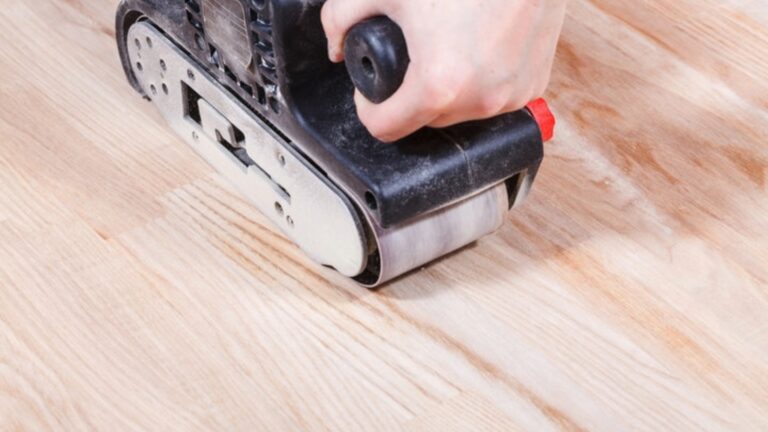
- Vibrations: Really intense sanding, especially with older, heavier machines, can send vibrations through the building. If these vibrations are strong enough to cause damage or significant disturbance to your neighbor’s flat (think cracks in their walls or ceiling), then it could be an issue.
- Noise: While noise is usually covered by general nuisance laws, extremely prolonged or disruptive sanding noise might push it into territory where the Act could be considered, especially if it’s part of a bigger job.
- Structural Impact: If sanding somehow weakens the floor structure that’s shared or affects the integrity of the ceiling below, that’s a direct impact.
The key question is whether your floor sanding will cause damage or a significant nuisance to the adjoining property. If the answer is a definite ‘no,’ then you probably don’t need to worry about the Act. But if there’s even a slight chance it could, it’s better to be safe than sorry and look into it further.
Navigating Floor Sanding In Converted Flats
So, you’ve got a converted flat and you’re thinking about sanding those floors. It sounds like a simple DIY job, right? Well, when the Party Wall Act 1996 comes into the picture, things can get a little more complicated, especially because you’re sharing a building with others. It’s not just about your own space anymore.
What Constitutes A ‘Flat’ Under The Act?
This is where it gets a bit fuzzy. The Act doesn’t specifically define what a ‘flat’ is. Generally, if you’re in a building that’s been divided into separate dwelling units, and these units don’t have their own separate entrance directly from the outside, you’re likely dealing with flats. Think of those old houses that have been split into two or more apartments. The key thing is that you’re sharing parts of the building structure with your neighbors.
Shared Structures And Your Responsibilities
When you live in a converted flat, you’re probably sharing walls, ceilings, and floors with the people next door, above, or below you. The Party Wall Act kicks in when any work you do might affect these shared structures. Floor sanding, especially if it’s a really old building with thin floors or joists that run between properties, could potentially cause vibrations or noise that travels. It’s less about the sanding itself and more about the impact it has on the building’s structure and your neighbors’ peace.
Here’s a quick rundown of what you need to consider:
- Shared Floorboards: If your floorboards are directly above your neighbor’s ceiling, or vice versa, any significant vibration from sanding could be an issue.
- Structural Integrity: While sanding is usually surface-level, very aggressive sanding or issues with the subfloor could theoretically cause problems.
- Noise Levels: The Act is also concerned with preventing nuisance. Constant, loud noise from sanding can definitely be a nuisance.
It’s easy to think of floor sanding as just a cosmetic job, but in a building with multiple dwellings, the potential for it to affect your neighbors is higher than you might initially guess. The Act is there to make sure everyone’s rights are respected and that building work doesn’t cause unnecessary trouble.
If you’re unsure whether your specific situation falls under the Act, it’s always best to get some advice. It’s better to be safe than sorry, especially when it comes to your home and your neighbors.
Practical Steps For Party Wall Act Floor Sanding
Giving Notice To Your Neighbors
So, you’re about to get those floors all spiffy and smooth. Before you fire up that sander, let’s talk about letting your neighbors know. It’s not just being polite; it’s a legal thing under the Party Wall Act, especially if you live in converted flats where floors and ceilings often connect. Giving proper notice is your first big step.
Here’s the lowdown on how to do it:
- Figure out who needs notice: This usually means anyone who shares a wall, floor, or ceiling with you. In flats, this often means the flat directly above and the flat directly below. If you share a structural wall, then that neighbor needs to be informed too.
- What to include in the notice: You’ll need to send a written notice. It should clearly state what work you plan to do (floor sanding), when you plan to start, and how long you expect it to take. It’s also a good idea to include a simple drawing or description of the work. You’ll need to send this at least two months before you plan to start.
- How to deliver the notice: You can hand-deliver it, post it, or even use a process server if you want to be extra sure it’s received. Keep a copy for your records!
What Happens If There’s A Dispute?
Most of the time, your neighbors will just say “go ahead.” But what if they don’t? Or what if they’re worried about the noise, dust, or vibrations? This is where a dispute comes in.
If your neighbor doesn’t respond within 14 days of receiving your notice, or if they dissent (meaning they disagree with the proposed work), you can’t just start sanding. You’ll need to appoint a party wall surveyor. If you and your neighbor can agree on one surveyor, that’s great – they’ll act for both of you. If you can’t agree, you’ll each need to appoint your own surveyor.
The surveyors will then draw up a “Party Wall Award.” This is basically a legal agreement that sets out the terms of the work, how any potential damage will be handled, and who pays for what. It’s designed to protect both parties and make sure the work goes smoothly without causing unnecessary trouble.
Don’t skip this part! It might seem like a hassle, but sorting out disagreements early can save you a lot of headaches (and money) down the line. It’s all about clear communication and following the rules.
Common Scenarios And Party Wall Act Floor Sanding
When You’re Sanding Your Own Floor
So, you’re finally getting around to that floor sanding project in your flat. You’ve got the machine, you’re ready to go, but wait – does the Party Wall Act even care about this? Generally, if you’re just sanding the floor within your own flat, and it’s not going to mess with any shared structures or bother your neighbors in a big way, you’re probably in the clear. The key is whether your work actually affects a party wall or structure. Think about it: if the noise is just a temporary nuisance and the vibrations aren’t shaking your neighbor’s pictures off the wall, it’s unlikely to trigger the Act. It’s more about structural stuff, not just a bit of noise.
When Your Neighbor Is Sanding Their Floor
Now, what if it’s your neighbor who’s doing the sanding? This is where things can get a little more interesting, especially in converted flats where floors and ceilings are often shared. If their sanding work is causing vibrations that you can feel, or if you’re worried about potential damage to the ceiling below or the floor structure above, then the Act might come into play. It’s not just about your actions; it’s about the impact of the work on shared parts of the building. If you’re on the receiving end of some serious floor sanding noise and vibrations, and you think it’s more than just a temporary annoyance, it might be worth looking into whether your neighbor followed the correct procedures.
Here’s a quick rundown of what to consider:
- Noise Levels: Is it just a bit of buzzing, or is it rattling your fillings?
- Vibration: Can you feel it through your floor or walls?
- Potential Damage: Are you seeing cracks or other signs of stress?
- Duration: Is this a weekend job or a month-long ordeal?
Remember, the Act is there to prevent disputes and damage. Even if it’s just sanding, if it’s impacting a shared structure or causing significant disturbance, it’s worth paying attention to.
Seeking Professional Advice On Party Wall Act Floor Sanding
When To Call In The Experts
Look, sometimes you just gotta know when to throw in the towel and call someone who actually knows what they’re doing. Floor sanding in a converted flat can get messy, especially when the Party Wall Act is in the picture. If you’re feeling unsure about whether your sanding project even counts as ‘building work’ under the Act, or if you’re worried about how it might shake things up for your neighbors, it’s probably time to get a pro involved. Don’t guess when it comes to legal stuff; it can cost you way more down the line.
Here are a few signs it’s time to pick up the phone:
- You’re not totally clear on what the Act covers.
- Your neighbor seems pretty upset about the idea of you sanding.
- You’re planning a really big sanding job, like stripping back to bare wood on a large area.
- You live in a really old building where the structure might be a bit dodgy.
Finding A Party Wall Surveyor
So, you’ve decided to get some help. Great! The person you want to talk to is a Party Wall Surveyor. These folks are specialists who know the Act inside and out. They can help you figure out if you need to serve notice, what kind of notice, and how to do it properly. They can also act as a go-between if things get a bit tense with your neighbor.
When you’re looking for a surveyor, try to find someone who:
- Is a member of a professional body, like the Royal Institution of Chartered Surveyors (RICS) or the Faculty of Party Wall Administrators (FPWA).
- Has experience with projects similar to yours.
- Is clear about their fees upfront.
It might seem like an extra cost, but a good surveyor can save you a ton of hassle and potential legal headaches. They’re basically there to make sure everyone plays fair and that your building work doesn’t cause problems for anyone else.
Thinking about sanding your floors but worried about the Party Wall Act? It’s smart to get expert advice before you start. We can help you understand the rules and make sure everything goes smoothly. Visit our website to learn more about how we can assist you with your floor sanding project.
So, What’s the Deal with Floor Sanding and the Party Wall Act?
Alright, so after all that talk, does the Party Wall Act actually come into play when you’re thinking about sanding those floors in your converted flat? Honestly, it’s a bit of a grey area. Usually, the Act is more about structural stuff, like knocking down walls or building extensions. Sanding floors? Probably not. But here’s the kicker: if your sanding job is super loud, goes on for ages, or causes vibrations that shake your neighbor’s place, they might have a case. It really depends on how disruptive you’re being. Best bet? Chat with your neighbor beforehand. A friendly heads-up goes a long way, and it might just save you a headache (and maybe a formal notice) down the line. If you’re really unsure, or if your building’s a bit quirky, a quick call to a surveyor or your local council’s building control can clear things up. Better safe than sorry, right?
Frequently Asked Questions
So, what’s this Party Wall Act all about?
Think of it as a rulebook for when you want to do work on a wall, floor, or ceiling that you share with a neighbor. It’s all about making sure you tell your neighbor what you’re planning and that the work won’t mess up their place. It’s designed to prevent arguments before they even start!
Does sanding my floors count as ‘building work’ under the Act?
Generally, just sanding your own floors isn’t considered ‘building work’ in the way the Act usually means it. The Act is more for bigger stuff like knocking down walls, building extensions, or digging foundations. But, if your sanding is super noisy or shakes things a lot, it *might* cause issues.
When *would* floor sanding trigger the Party Wall Act?
The main thing is if the work you’re doing, like sanding, actually affects a ‘party structure’. A party structure is something you and your neighbor share, like a wall or floor between your flats. If your sanding is so rough that it shakes or damages the shared floor or ceiling, then it could be a problem.
What if I live in a converted house – are my flats considered separate under the Act?
This is where it gets a bit tricky! If your flats are in a converted building, the floor or ceiling between them is often considered a ‘party structure’. So, if your sanding is going to rattle or affect that shared floor/ceiling, you probably need to follow the Act’s rules.
What should I do if I plan to sand my floors and I think it might affect my neighbor?
It’s always best to be a good neighbor! Even if you’re not sure if the Act applies, chat with your neighbor first. Explain what you’re doing and when. If you think it *might* fall under the Act, you’ll need to give them formal notice. It’s like a heads-up letter explaining your plans.
What if my neighbor and I can’t agree about the floor sanding?
If you can’t sort it out by talking, that’s when you might need to get a ‘Party Wall Surveyor’. They’re like neutral experts who can look at the situation and help you both come to an agreement. They can also make sure the work is done properly so no one’s property gets damaged.