Running a shop in the UK means looking out for everyone who walks through your door. The Equality Act is all about making sure your space is safe and easy to use for all your customers, no matter what. This includes things like how your floors meet up and how much grip they have. We’ll chat about how to handle floor changes and pick the right materials, especially when it comes to things like a slip resistant wood floor finish, to keep your shop welcoming and safe.
Key Takeaways
- Watch out for changes in floor height. Small bumps can be big problems for some people. Make sure these transitions are smooth and don’t create a tripping risk.
- Think about how slippery your floors are. The law cares about keeping customers safe from falls, so pick materials and finishes that offer good grip.
- When picking new flooring, safety should come first. Materials have different safety features, so choose wisely for your shop’s needs.
- A good slip resistant wood floor finish can make your wood floors safer without losing their look. It adds grip and lasts a good while.
- Keep an eye on your floors. Regular checks and good cleaning habits help prevent accidents and keep your shop accessible for everyone.
Navigating Floor Transitions for Accessibility
Smooth Sailing: Bridging Different Floor Levels
Okay, so let’s talk about how different floor levels meet up in your shop. It’s not just about looks, you know? When one floor is higher than another, it can be a real pain for some folks. Think about someone using a wheelchair, a parent with a stroller, or even just someone who’s a bit unsteady on their feet. A big jump between floor heights is a no-go.
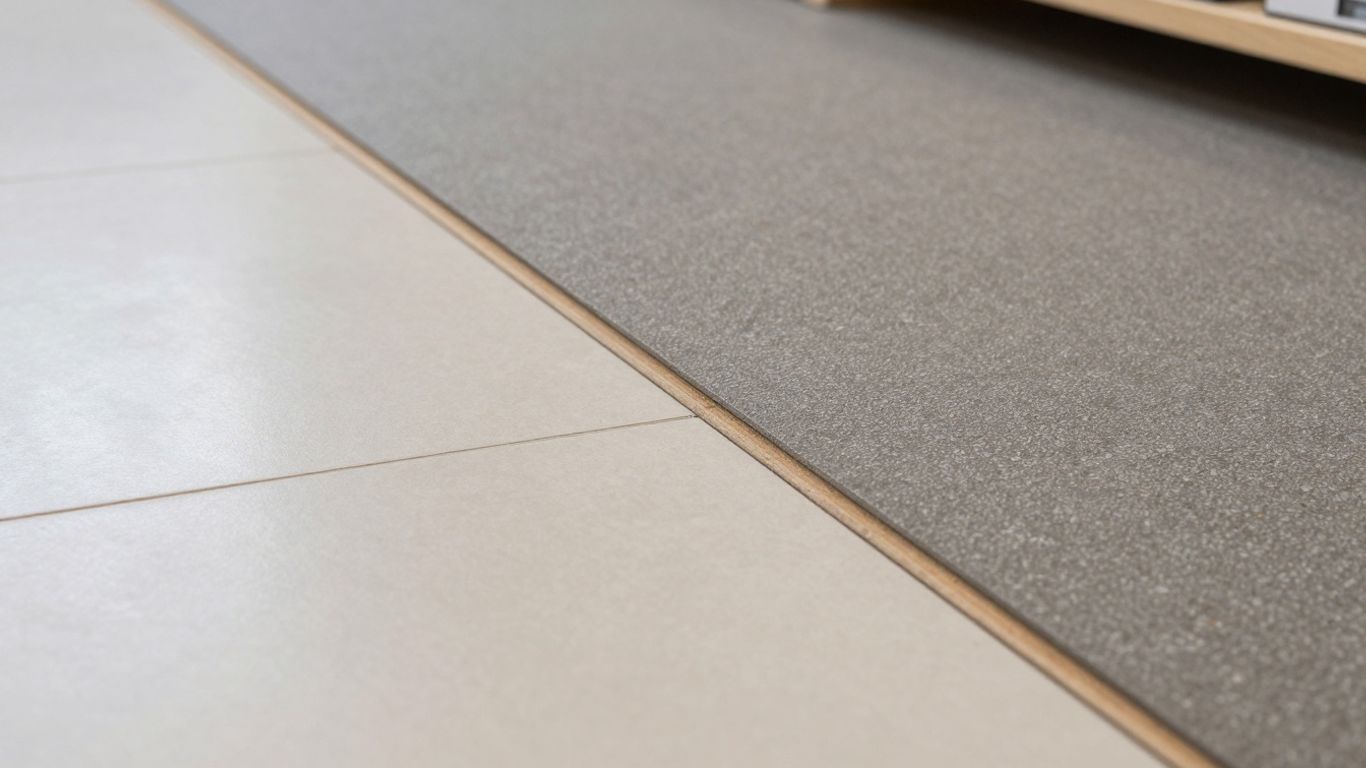
The goal is to make these changes as gentle as possible. We’re talking about ramps or bevelled edges that don’t make people feel like they’re climbing a mountain. The Equality Act is pretty clear on this – you can’t have steps or sudden drops that block people from getting around your store easily.
Here’s a quick rundown of what to aim for:
- Gentle Slopes: If you have to have a height difference, keep the slope really mild. Think about a ramp that’s not too steep.
- Bevelled Edges: For smaller differences, a nice, smooth, angled edge is way better than a sharp corner.
- Level Changes: Ideally, try to keep floors on the same level wherever you can. It’s the easiest for everyone.
Avoiding Trip Hazards: The Importance of Level Changes
This is a big one. You know those little lips or edges where one flooring material meets another, or where there’s a slight difference in height? Those are trip hazards waiting to happen. Someone could easily catch their toe on one and take a tumble. That’s not good for them, and it’s definitely not good for your business.
The Equality Act means you have to think about how people move around your shop. Unexpected bumps or changes in the floor can cause accidents, and that’s something we all want to avoid.
Think about it from a customer’s perspective. They’re coming in to shop, not to worry about where they’re stepping. Making sure these transition points are smooth and safe shows you care about their well-being.
Seamless Entryways: Welcoming All Customers
Your shop’s entrance is the first impression, right? If someone struggles to get through the door because of a tricky floor transition, they might just turn around and go somewhere else. We want everyone to feel welcome from the moment they arrive.
This means looking at:
- The threshold: Is it level? Is it smooth? Does it create a barrier?
- The transition from outside to inside: Is there a sudden drop or a rough patch?
- Any internal doorways: Do they have awkward floor changes?
Making these areas easy to get through is just good business. It means more people can come in, browse, and hopefully, buy something. Plus, it just feels right to make your shop accessible to everyone.
Understanding Slip Resistance Requirements
Alright, let’s talk about keeping your shop floor from turning into an ice rink. When we’re thinking about the Equality Act, one big piece of the puzzle is making sure people don’t take an unexpected tumble. It’s not just about looking good; it’s about safety, plain and simple.
Keeping Your Customers Safe: The Legal Lowdown
So, what’s the deal legally? The Equality Act 2010 basically says you can’t discriminate against people with disabilities. This includes making reasonable adjustments so they can access your shop. A slippery floor? That’s a big barrier for someone with mobility issues, or even just someone wearing certain types of shoes. You’ve got to make sure your floors aren’t a hazard. It’s not about having the fanciest floor, but about having a safe one. Think about it – if someone slips and gets hurt, that’s not just bad for them, it’s bad for your business too. Nobody wants that kind of trouble.
What Makes a Floor Slippery?
Lots of things can make a floor more likely to cause a slip. It’s not always obvious, either. Here are a few common culprits:
- Surface Type: Some materials are just naturally more slippery than others, especially when wet. Think polished tiles or smooth concrete.
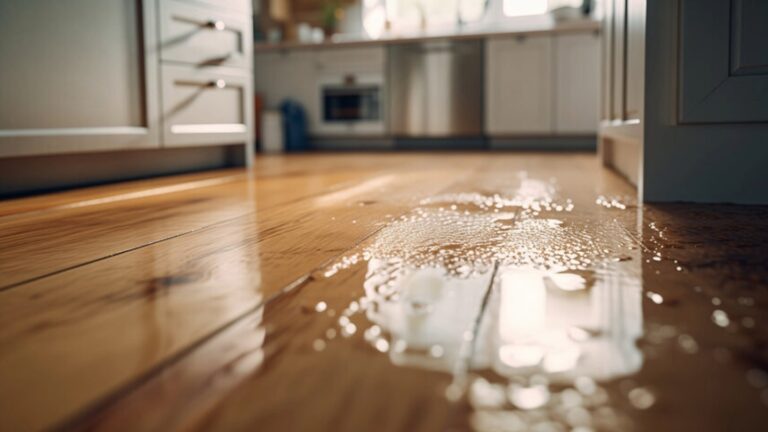
- Contamination: Spills are a big one. Water, oil, grease, food – anything that gets on the floor can reduce the friction.
- Wear and Tear: Over time, floors can get worn down, losing their texture and becoming smoother and more dangerous.
- Cleaning Methods: Using the wrong cleaning products or too much water can actually make floors more slippery, especially if they don’t dry properly.
- Footwear: While you can’t control what people wear, you can control the floor’s ability to handle different types of shoes.
Choosing the Right Grip for Your Shop
This is where you get to be a bit of a detective. You need a floor that offers decent traction without being so rough it’s hard to clean or walk on. The UK has some guidelines, often referencing Pendulum Test Values (PTV). While you don’t need to be a scientist, knowing that there are ways to measure slip resistance is helpful. Generally, you’re looking for a floor that feels secure underfoot, even if it gets a bit damp. It’s about finding that sweet spot between a smooth, clean look and a safe, grippy surface. For most retail environments, a moderate level of slip resistance is usually sufficient, but it really depends on your specific shop and what happens there.
When you’re picking out flooring, don’t just go for what looks best. Think about how it will perform day-to-day, especially when it’s busy or if something gets spilled. A little bit of planning now can save a lot of headaches later on.
Material Matters: Choosing Safe Flooring
Beyond Aesthetics: Safety First in Material Selection
Okay, so you’ve got a shop, and you want it to look good, right? But before you get too caught up in the latest trends or that super cool pattern, let’s talk about what’s underfoot. The material you pick for your shop’s flooring isn’t just about looks; it’s a big deal for safety. Think about it – people are walking in and out all day, sometimes in a hurry, maybe with wet shoes. The wrong material can turn a simple stroll into a slip-and-slide situation, and nobody wants that. We need to make sure our floors are not only attractive but also safe for everyone.
Considering Different Flooring Types
There are tons of flooring options out there, and they all have their pros and cons when it comes to safety. Let’s break down a few common ones:
- Ceramic and Porcelain Tiles: These can be great for durability and cleaning, but some can get really slick when wet. Look for tiles with a textured surface or a specific slip-resistant rating.
- Vinyl Flooring (LVT/Sheet): Often a good choice because it’s generally water-resistant and can have decent grip. Many vinyl products are designed with safety in mind.
- Natural Stone: Think granite, marble, or slate. They look amazing, but some types are naturally smooth and can be a hazard. Honed or textured finishes are usually a better bet than polished ones.
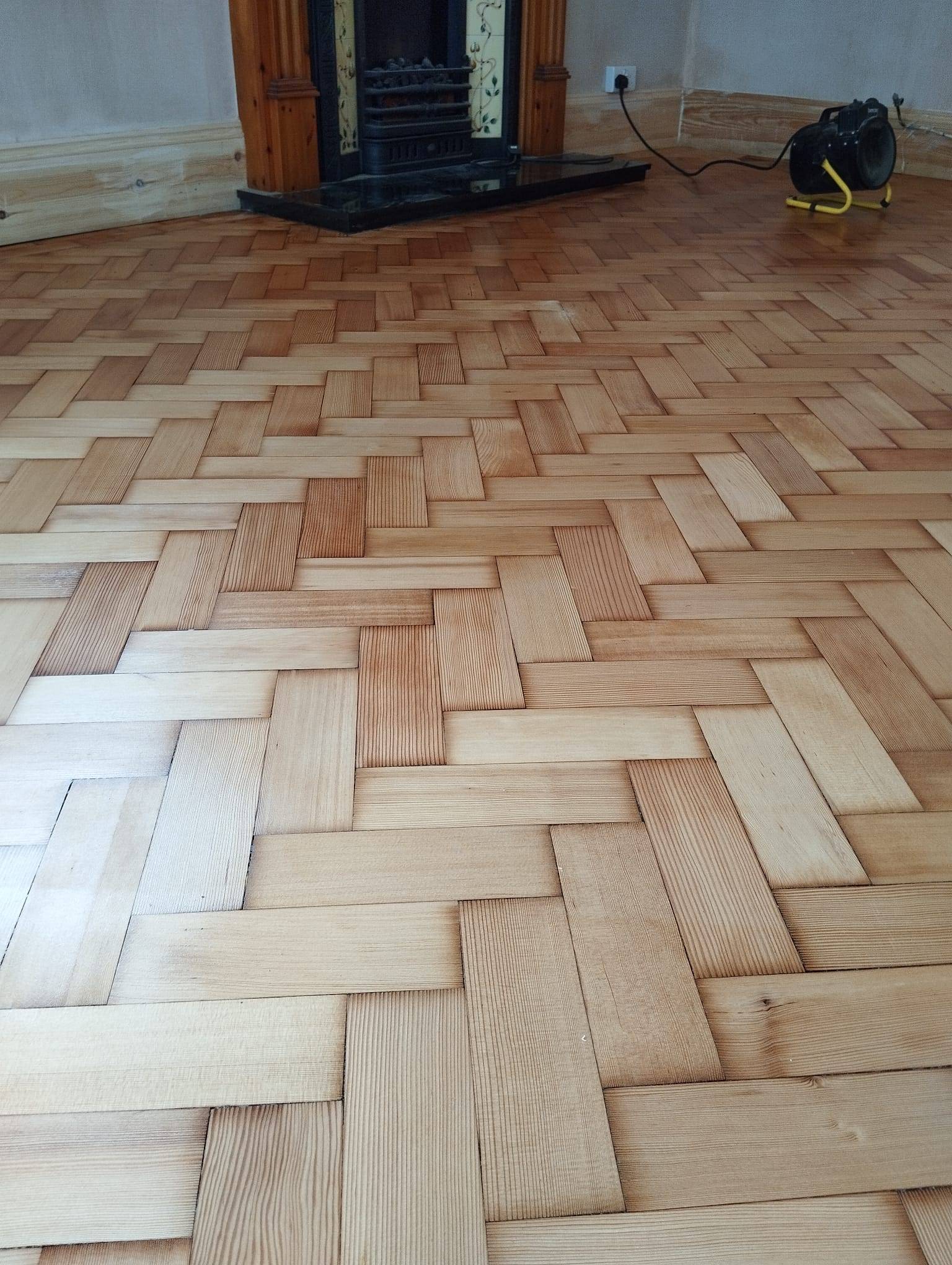
- Laminate and Wood: These can be tricky. While beautiful, they can become very slippery, especially if they have a high-gloss finish. Some newer laminates have better grip, but it’s worth checking.
- Concrete: Polished concrete looks modern, but it can be a real slip risk. Sealed or treated concrete with an anti-slip additive is a much safer option.
The Role of Surface Texture
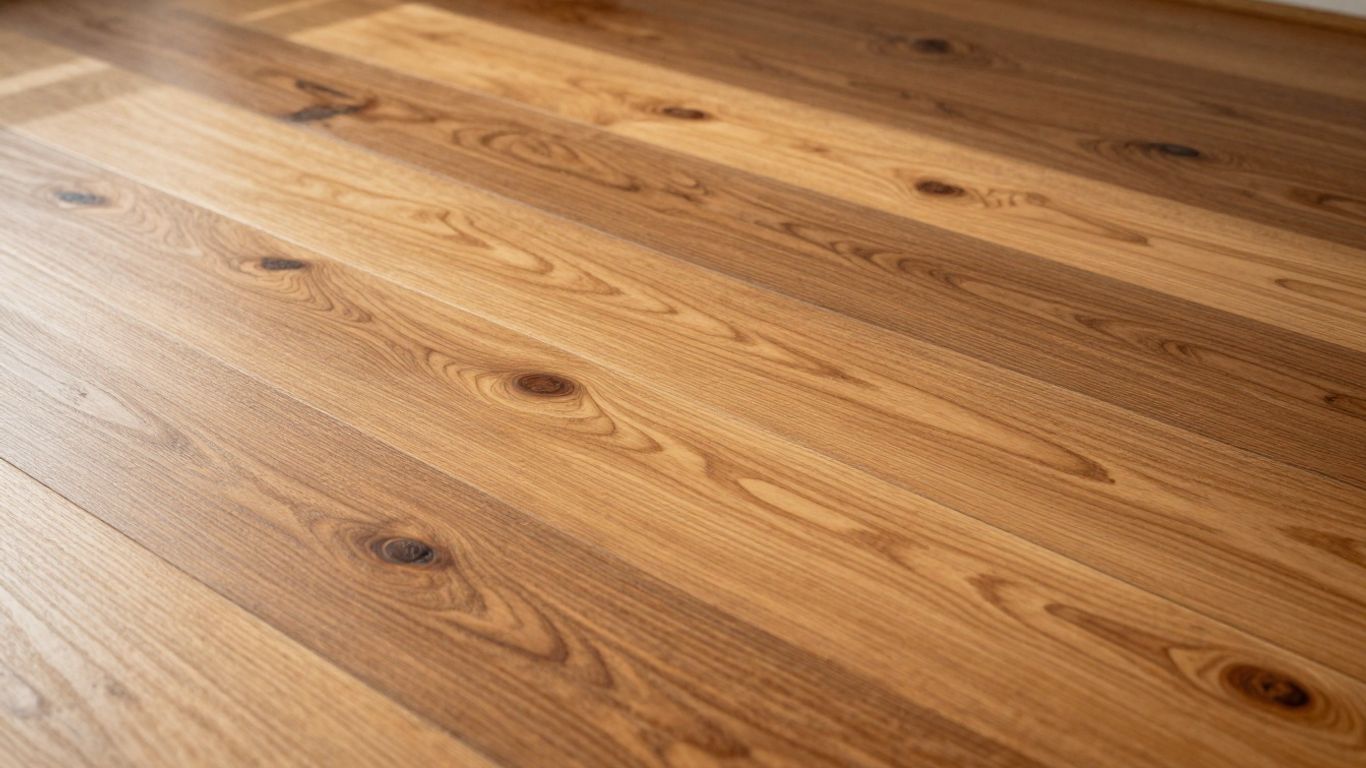
Surface texture is a huge part of slip resistance. A smooth, polished surface might look sleek, but it offers very little friction. On the other hand, a slightly rough or textured surface creates more grip, even when damp.
When you’re looking at flooring samples, don’t just look at them – feel them. Try rubbing your hand across the surface. Does it feel smooth as glass, or is there a bit of drag? Imagine walking on it with a wet shoe. That little bit of texture can make all the difference between a safe step and a nasty fall. It’s the unsung hero of floor safety.
Think about the kind of traffic your shop gets. If it’s a busy cafe that’s always dealing with spills, you’ll need something with a different texture than, say, a quiet bookshop. The goal is to find that sweet spot where the floor looks good, is easy to clean, and most importantly, keeps people on their feet.
The Magic of Slip Resistant Wood Floor Finish
Enhancing Wood Floors for Safety
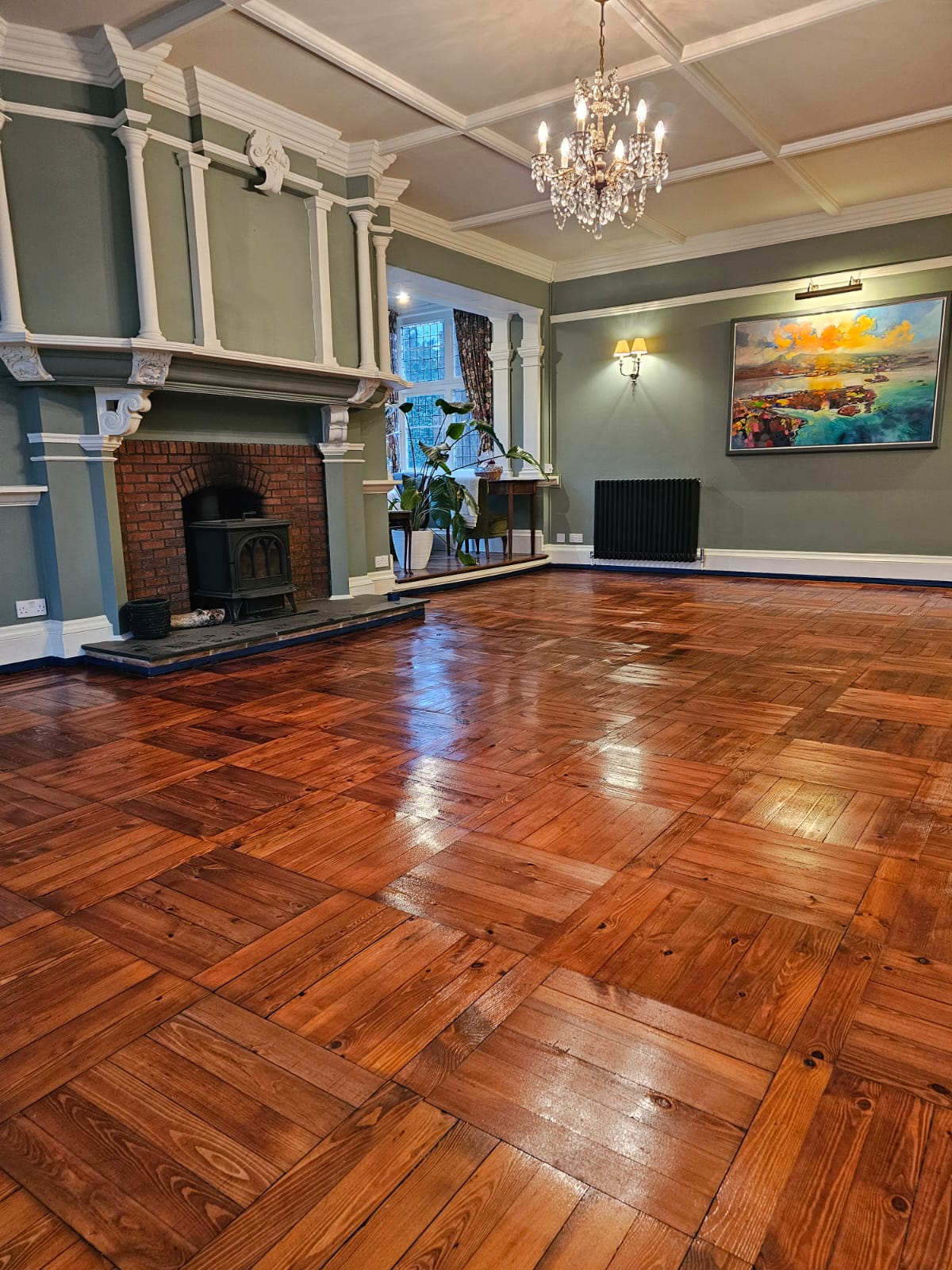
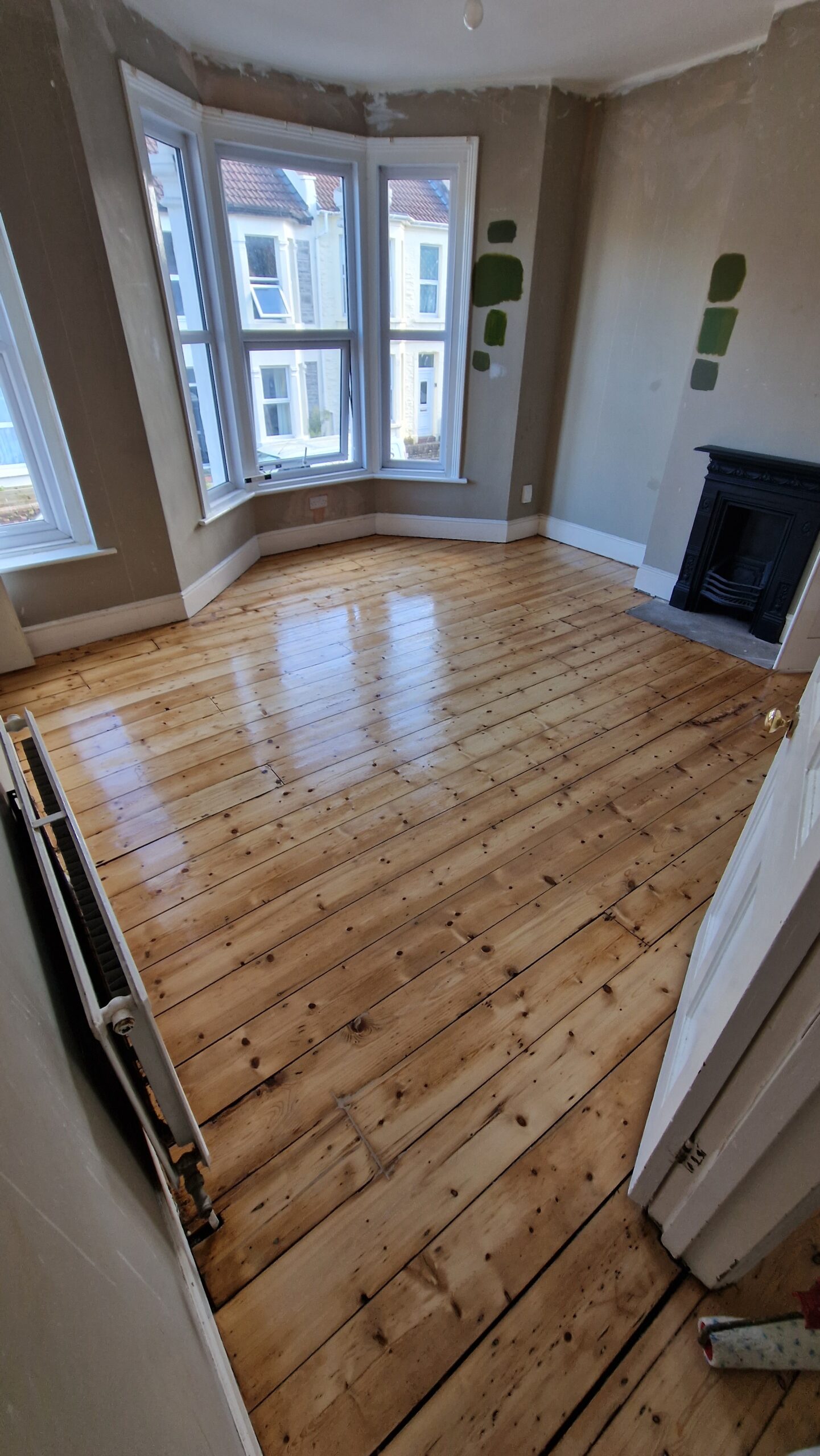
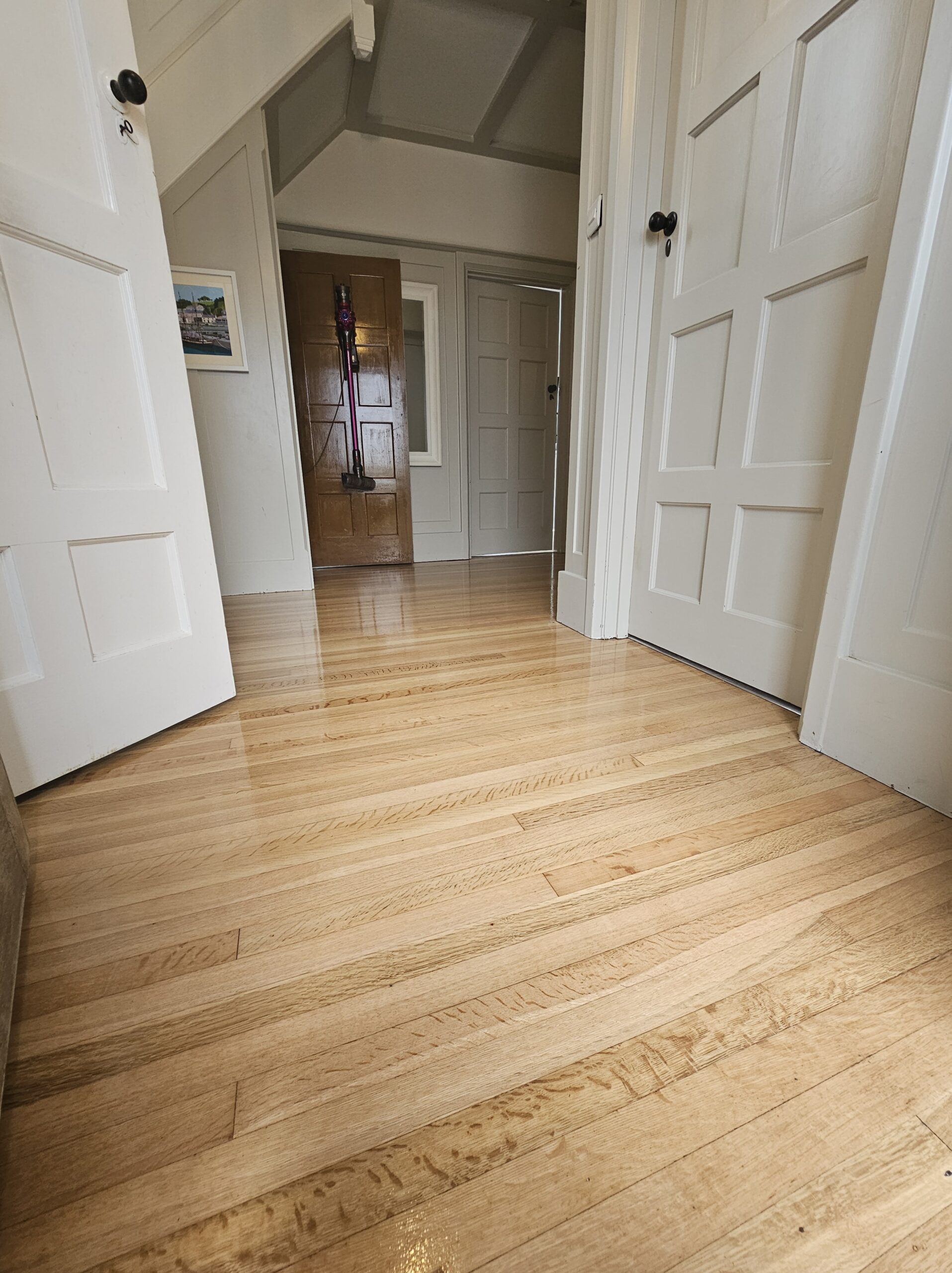
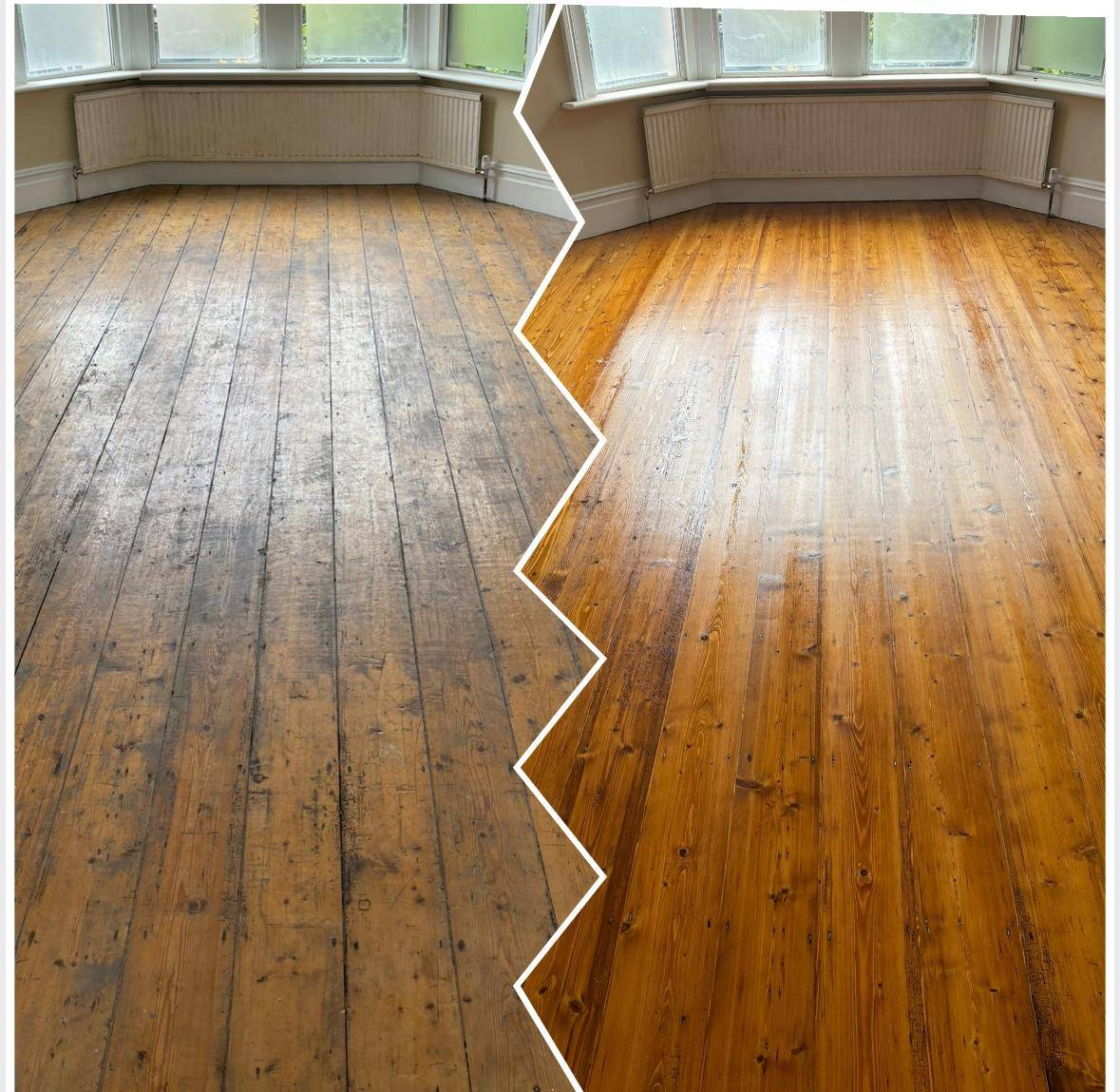
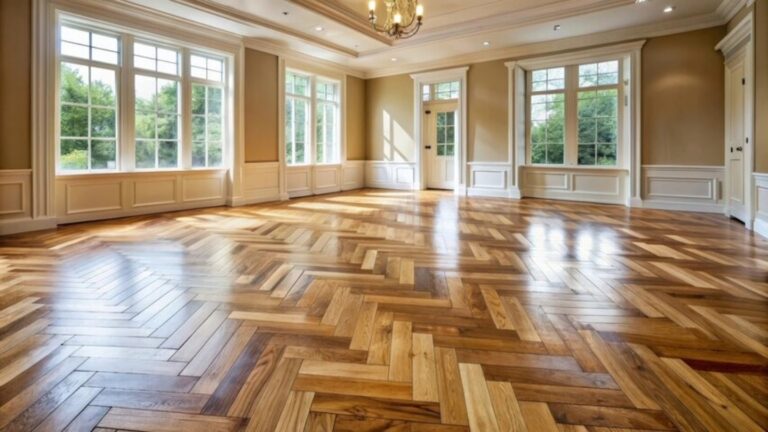
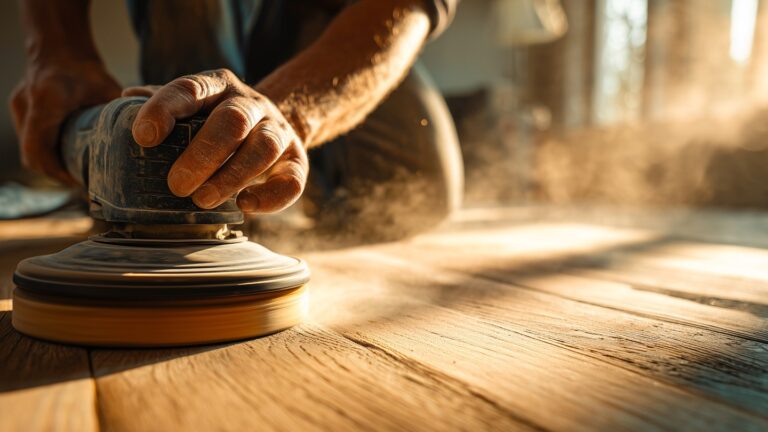
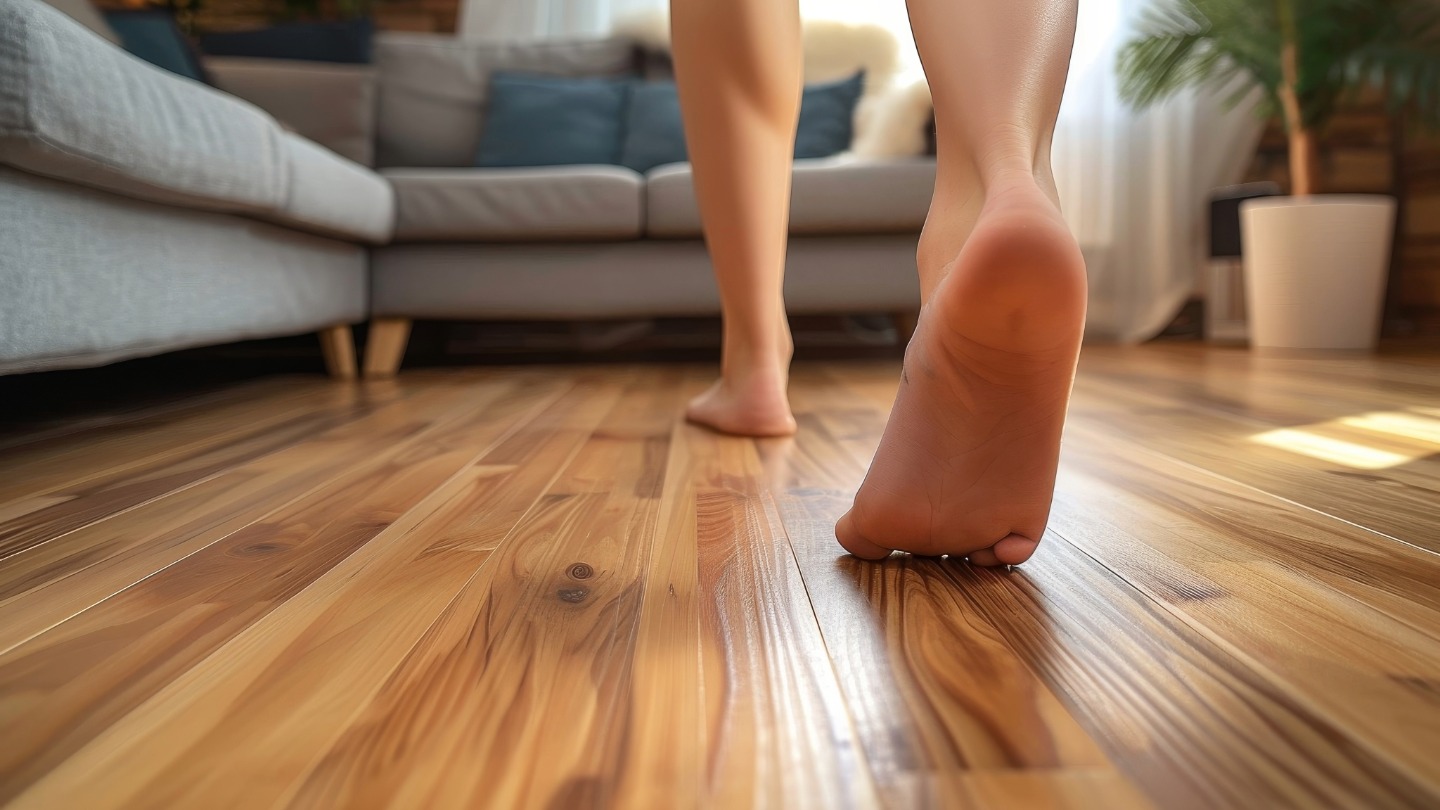
So, you’ve got beautiful wood floors in your shop, which is great! They look classy and all, but let’s be real, wood can get slick, especially when it’s wet or polished to a high shine. That’s where a good slip-resistant finish comes in. It’s not about making your floors look dull; it’s about adding a bit of grip without messing up that natural wood charm. This is key for keeping everyone on their feet, from your staff to your customers. Think of it as a protective layer that’s tough on slips but gentle on the eyes.
Durability and Traction Combined
When you pick the right finish, you’re not just getting better traction. You’re also getting a tougher floor. These finishes are designed to stand up to foot traffic, spills, and all the general wear and tear a shop floor goes through. It’s a win-win: your wood looks good, and it’s much safer to walk on. Plus, a good finish can actually protect the wood itself from stains and damage, meaning less work for you down the line.
Maintaining That Slip Resistant Wood Floor Finish
Keeping that finish working its best is pretty straightforward. It’s mostly about regular cleaning and avoiding harsh chemicals that can break down the protective layer. You don’t need a whole lot of fancy equipment, just the right approach.
- Sweep or vacuum daily: Get rid of dust and grit that can scratch the finish.
- Damp mop weekly: Use a cleaner made for wood floors and a lightly damp mop. Too much water is bad for wood.
- Address spills immediately: Don’t let liquids sit around. Wipe them up right away.
A little bit of regular care goes a long way in keeping your wood floors safe and looking sharp for years to come. It’s not rocket science, just good old-fashioned maintenance.
Maintaining Safe Floors Over Time
So, you’ve got your shop looking great and compliant with all the accessibility rules. Awesome! But here’s the thing: keeping floors safe isn’t a one-and-done job. It’s like keeping your car running smoothly – you can’t just ignore it and expect it to be fine. Regular check-ups and a bit of TLC are key.
Regular Inspections: Catching Issues Early
Think of this as a quick walk-through of your shop, but with a specific mission: spotting potential problems before they become actual hazards. You don’t need to be a flooring expert to do this. Just keep your eyes peeled for anything that looks a bit off.
- Look for loose tiles or carpet edges. These are classic trip hazards waiting to happen.
- Check for any cracks or chips in hard flooring. Even small ones can catch a heel.
- See if any ramps or transition strips have come loose. They need to be firmly in place.
- Notice any areas that seem unusually worn down? This might mean a lot of foot traffic, and the material might be getting slicker.
Doing these quick checks weekly can save you a lot of hassle down the road.
Cleaning Practices for Slip Prevention
Cleaning is more than just making things look nice; it’s a safety measure. The wrong cleaning methods can actually make things worse, creating slippery surfaces.
- Use the right cleaning products. Some cleaners leave behind a residue that makes floors slick, especially when wet. Always check the label and maybe do a small test patch if you’re unsure.
- Wipe up spills immediately. This sounds obvious, but you’d be surprised how often this gets overlooked in a busy shop. Keep a ‘spill kit’ handy.
- Be careful with floor polish or waxes. While they can make floors look good, some can make them incredibly slippery. If you use them, make sure they’re rated for slip resistance.
- Dry floors thoroughly. After mopping, make sure the floor is completely dry before letting customers walk on it. Consider using fans or opening windows if possible.
The goal is to remove dirt and grime without adding a new hazard. Think about the friction you want to maintain, not just the shine.
When to Repair or Replace Flooring
Sometimes, a quick fix isn’t enough. You’ve got to know when a floor has had it and needs a more serious intervention.
- Significant wear and tear: If a section of flooring is visibly worn down, especially in high-traffic areas, it might be time to think about replacing it. This is where that slip resistance rating really matters over time.
- Persistent hazards: If you’re constantly fixing the same loose tile or tripping hazard, it might be a sign that the whole area needs redoing.
- Damage from water or other substances: If your flooring has been compromised by leaks or spills that have caused warping, rot, or staining that affects the surface, it’s probably time for a change.
Don’t wait until someone has a fall. Being proactive about floor maintenance shows you care about your customers’ safety and makes your shop a more welcoming place for everyone.
Creating an Inclusive Shopping Environment
Beyond Compliance: Building Customer Trust
Look, just ticking boxes for the Equality Act is fine and all, but it’s not really the whole story, is it? When you put in the effort to make your shop accessible – thinking about things like those tricky floor transitions and making sure nobody’s going to slip – you’re doing more than just following rules. You’re showing people you actually care. This kind of thoughtful design builds trust. Customers notice when a place feels welcoming and safe for everyone, not just the able-bodied majority. It makes them feel good about spending their money with you, and honestly, that’s just good business.
The Impact of Accessible Design
Think about it from a customer’s point of view. If someone uses a wheelchair, a wobbly ramp or a big step at the entrance is a definite no-go. If someone has trouble with their balance, a super slick floor is a constant worry. Making your shop easy to get around and safe to walk in means you’re not accidentally shutting people out. It opens your doors to a wider range of customers, including families with strollers, older folks, and anyone who just appreciates a bit of extra care. It’s about making sure everyone has a decent shot at browsing your wares without a second thought.
Making Every Visit a Positive Experience
Ultimately, it all comes down to how people feel when they’re in your shop. When you’ve got clear pathways, no unexpected bumps or slippery spots, and everything is easy to reach, people can actually relax and enjoy their shopping trip. They’re not stressed about tripping or getting stuck. This positive vibe? It’s contagious. Happy customers are more likely to come back, tell their friends, and leave good reviews. It’s the little things, like a smooth floor transition or a non-slip surface, that can turn a quick stop into a great memory.
Here’s a quick rundown of what makes a difference:
- Clear Pathways: Make sure aisles are wide enough for wheelchairs and prams.
- Level Changes: Keep them minimal and clearly marked, or use ramps.
- Surface Grip: Avoid overly polished or wet-looking floors, especially near entrances.
- Good Lighting: Helps people see where they’re going and spot any potential hazards.
When you focus on making your shop accessible, you’re not just meeting legal requirements. You’re creating a space where everyone feels respected and valued. That kind of atmosphere is what keeps customers coming back, time and time again.
We believe everyone should feel welcome when they shop. That’s why we’re working hard to make our store a friendly place for all shoppers. Come see how we’re making a difference and find out more about our efforts on our website!
Wrapping It Up
So, that’s the lowdown on making sure your shop floors are safe and sound for everyone. It’s not just about avoiding trouble, though that’s a big part of it. Think about it – nobody wants to slip and fall, right? Keeping those transitions smooth and the floors grippy just makes good sense for your customers and your staff. It’s a bit of work, sure, but it’s worth it to make sure your shop is a place where everyone feels welcome and can move around without a second thought. Plus, it’s the right thing to do. Easy peasy.
Frequently Asked Questions
What’s the big deal about floor transitions?
Think about it like this: if you have different floor heights, it’s super easy to trip! The Equality Act wants shops to make sure these changes are smooth and safe, so everyone, including folks with wheelchairs or walkers, can get around without a problem. No one wants a nasty fall!
How do I know if my shop’s floors are slippery enough?
Basically, you need floors that give people good grip, especially when they get wet. The law says shops have to check and make sure their floors aren’t too slick. It’s all about preventing slips and falls, keeping your customers safe and sound.
What kind of flooring is best for safety?
It’s not just about looking good! You gotta pick materials that are tough and don’t get slippery easily. Things like certain tiles or special coatings can make a big difference. Think about how the floor feels under your feet – that’s key!
Can I make my wood floors less slippery?
Totally! You can add special finishes or coatings to wood floors that give them more grip. It’s a great way to make them look nice *and* be safe. Plus, these finishes can help protect the wood too, making it last longer.
How often should I check my shop’s floors?
You should be checking them regularly, like a mini inspection every so often. Look for any loose tiles, worn-out spots, or anything that looks like a tripping hazard. And, of course, keep them clean! Spills are a big no-no.
What if my floors are old and worn out?
If your floors are looking a bit rough and becoming a safety issue, it’s probably time to fix them up or get new ones. It might seem like an expense, but it’s way better than dealing with accidents or someone getting hurt. Plus, nice floors make customers happier!