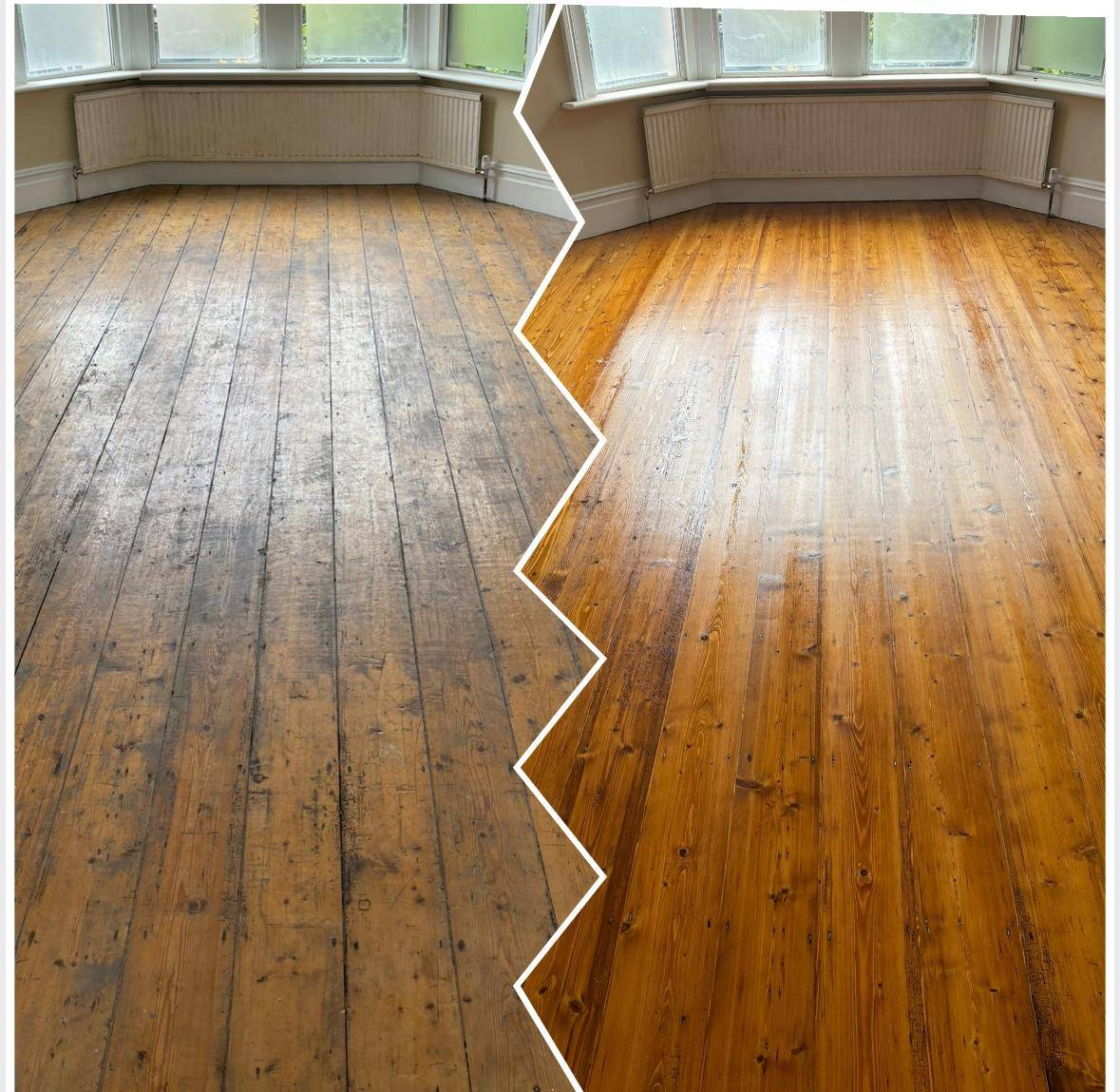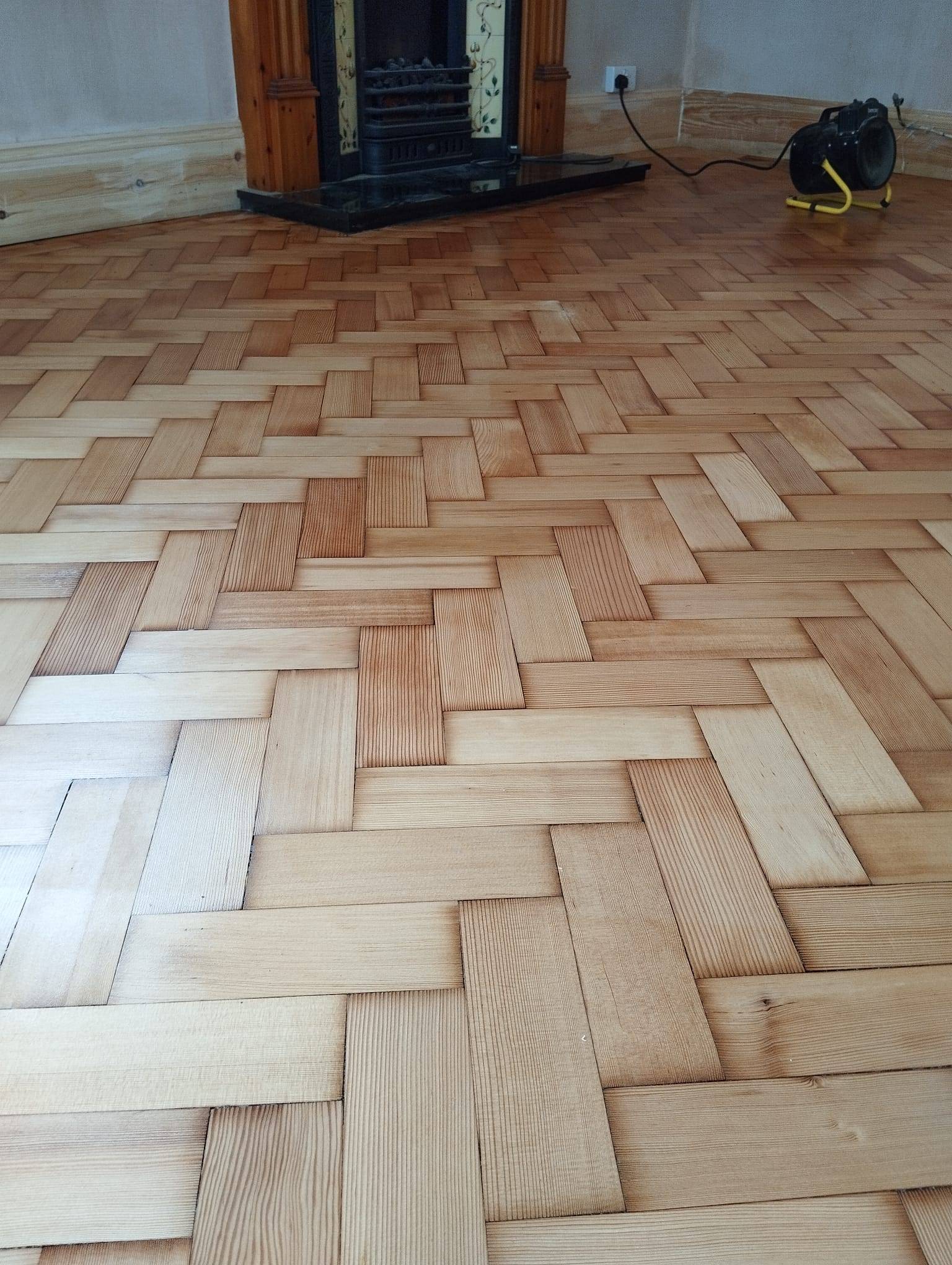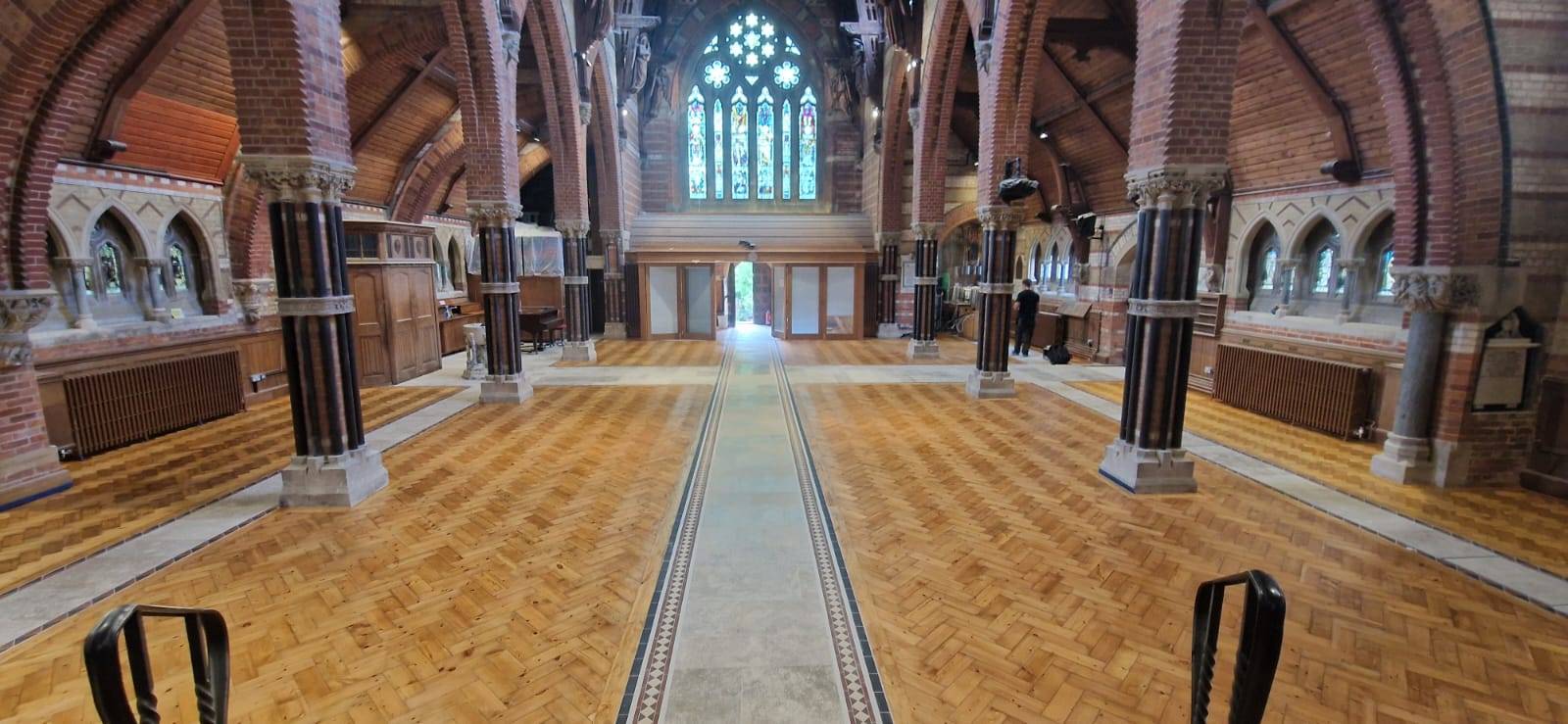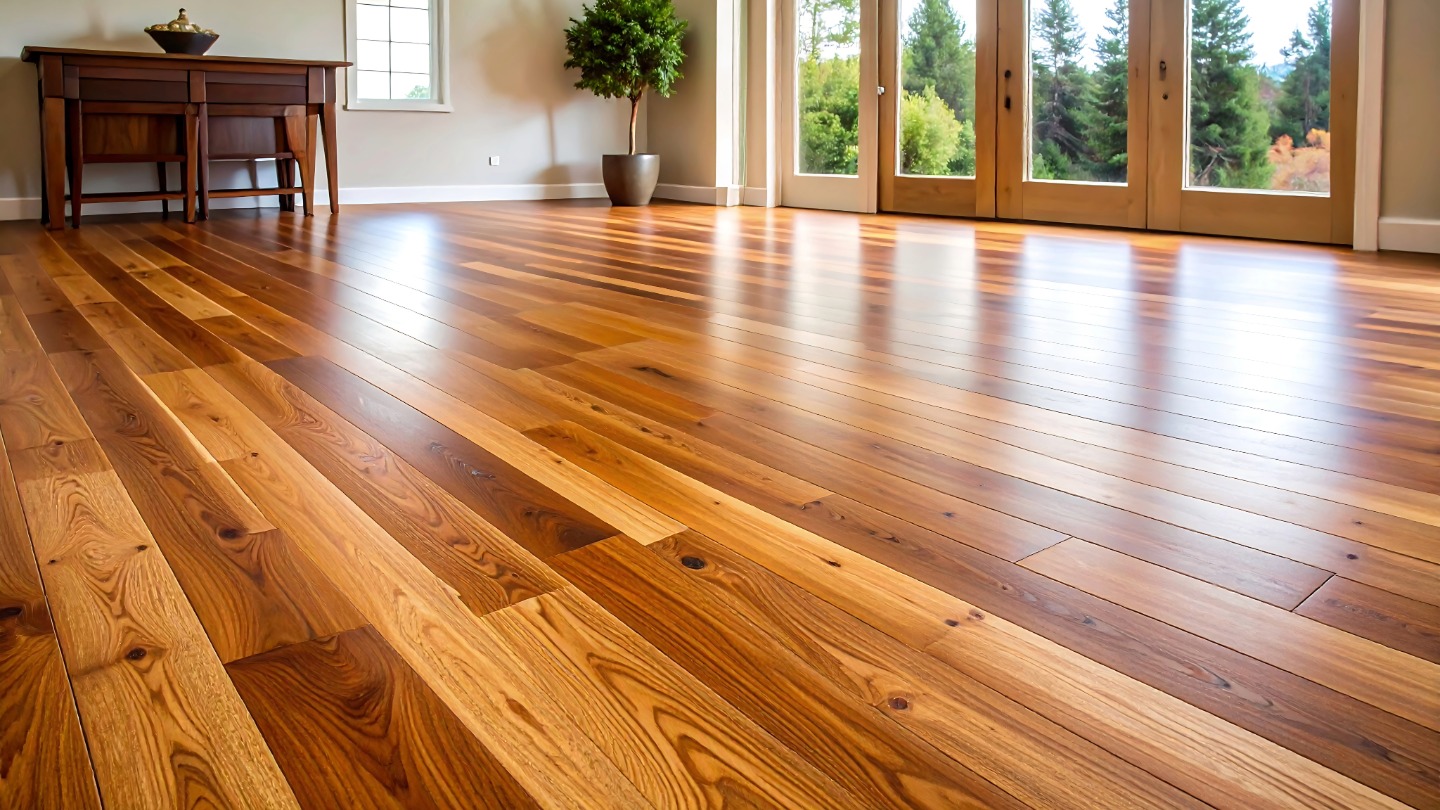
So, 2026 is bringing some new fire safety rules for HMOs here in the UK, and it’s a big deal. Landlords need to pay attention, especially when it comes to things like flooring. We’re talking about making sure everything is up to scratch to keep tenants safe. One of the key things to think about is the finish you put on your floors. It’s not just about looking good anymore; it’s about fire safety. Let’s break down what you need to know about fire retardant floor lacquer and how it fits into the new regulations.
Key Takeaways
- New fire safety rules for UK HMOs kick in in 2026, affecting landlords.
- Choosing the right fire retardant floor lacquer is important for meeting these new rules.
- Look for lacquers that meet specific fire performance standards and are durable.
- Proper application and maintenance of your fire retardant floor lacquer are key for long-term safety.
- Consider a fire retardant floor lacquer as part of a wider fire safety plan for your property.
Understanding The New Fire Safety Rules
What’s Changing for HMOs in 2026?
So, the big news is that starting in 2026, the fire safety rules for Houses in Multiple Occupation (HMOs) in the UK are getting a serious upgrade. Think of it as a much-needed refresh to keep everyone safer. The government’s been looking at what happened in the past and decided it’s time to tighten things up, especially when it comes to how buildings handle fire. This means landlords need to pay closer attention to the materials used in their properties, including things like floor finishes. It’s not just about having smoke alarms anymore; it’s about building in more protection from the ground up.
Why Stricter Fire Safety Matters
Honestly, it’s pretty straightforward: people’s lives are at stake. Fires in shared living spaces can spread incredibly fast, and the consequences can be devastating. The updated regulations are designed to slow down fire spread, give people more time to get out safely, and make it easier for firefighters to do their job. It’s about making sure that a small fire doesn’t turn into a catastrophe. We’ve seen too many incidents where better fire safety measures could have made a huge difference. It’s a responsibility that comes with renting out property, and these new rules just make that clearer.
Key Requirements for Landlords
Alright, so what does this actually mean for you if you’re a landlord? You’ll need to get familiar with the new standards. Here’s a quick rundown of what to expect:
- Material Compliance: You’ll have to make sure that certain materials used in your HMO meet specific fire resistance standards. This is where floor finishes come into play.
- Documentation: Be prepared to show proof that the materials you’re using are compliant. This might mean keeping records of product certifications.
- Risk Assessments: While not entirely new, the emphasis on regular and thorough fire risk assessments will likely increase, looking at all aspects of fire safety in your property.
- Information Sharing: You might need to provide tenants with clearer information about fire safety procedures within the building.
The goal is to create a safer living environment for everyone. It’s not about making life difficult for landlords, but about ensuring that the properties people call home are as safe as they can possibly be. Think of it as an investment in peace of mind, for both you and your tenants.
Choosing The Right Fire Retardant Floor Lacquer
So, you’re looking at floor finishes for your HMOs and need something that plays nice with the new fire safety rules. It can feel a bit overwhelming, right? Let’s break down what makes a floor lacquer ‘fire retardant’ and what you should actually be looking for. It’s not just about slapping on any old varnish; there are specific things to consider to keep your tenants safe and your property compliant.
What Makes A Lacquer Fire Retardant?
Basically, a fire retardant lacquer is designed to slow down how quickly a fire can spread across the floor surface. It doesn’t make the floor fireproof, mind you, but it buys precious time. These finishes usually contain special additives that react when exposed to heat. They might form a char layer that insulates the wood underneath, or they might release gases that dilute the flammable ones in the air. The goal is to reduce the flame spread and heat release rate. It’s a chemical trick to make the material less cooperative with fire.
Performance Standards To Look For
This is where things get a bit technical, but it’s important. You’ll want to see products that meet specific performance standards. In the UK, for building materials, you’ll often see references to European standards, like EN 13501-1. This standard classifies how materials react to fire. For floor finishes, you’re generally looking for a classification that indicates a low contribution to fire spread. While specific classifications can vary based on the exact application and product, a good starting point is to look for products that are tested and certified to meet these standards. Don’t be afraid to ask suppliers for the test certificates or data sheets that show these classifications.
Here’s a simplified idea of what you might see:
| Classification | Meaning |
|---|---|
| A1, A2 | Non-combustible |
| B, C | Limited combustibility |
| D, E, F | Combustible, with increasing levels of fire performance |
For floor finishes, you’re aiming for the better end of the scale, typically something that doesn’t contribute significantly to fire spread. Always check the product’s specific rating for floor applications.
Durability And Aesthetics
Okay, safety first, but let’s be real, you also want your floors to look good and last. A fire retardant lacquer shouldn’t mean sacrificing style or practicality. Many modern formulations offer excellent durability, resisting scuffs and wear, which is a big plus in rental properties. They also come in various finishes – matte, satin, gloss – so you can choose what fits the look of your HMO. Think about the foot traffic your floors get. A finish that’s tough and easy to clean will save you hassle down the line. It’s about finding that sweet spot between safety, looks, and how long it’ll hold up.
When selecting a fire retardant floor finish, always confirm it’s suitable for the specific type of flooring you have. Not all finishes work on all materials, and getting it wrong can affect both performance and appearance.
Installation And Maintenance Best Practices
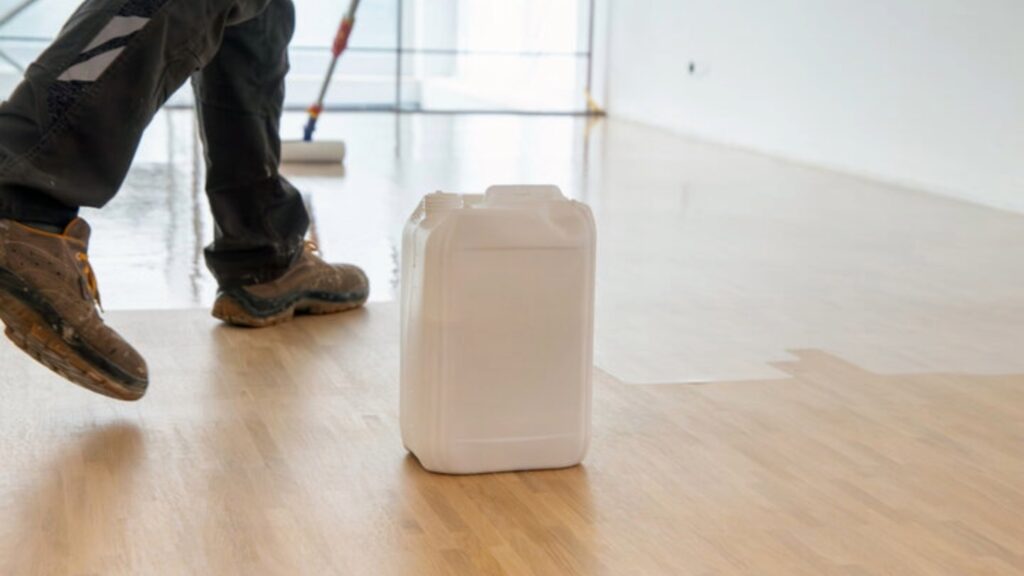
So, you’ve picked out a great fire retardant floor lacquer for your HMO. Awesome! But just slapping it on isn’t going to cut it, especially with these new rules. Getting it right during installation and keeping it in good shape afterwards is super important. Think of it like this: a fancy fire extinguisher is useless if you don’t know how to use it or if it’s out of date.
Proper Application Techniques
This is where things can go sideways fast if you’re not careful. You want that lacquer to form a solid, protective layer, and that means following the steps. Don’t just wing it!
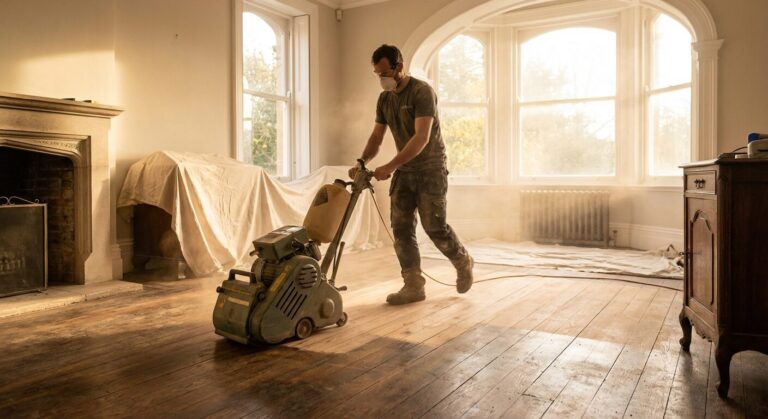
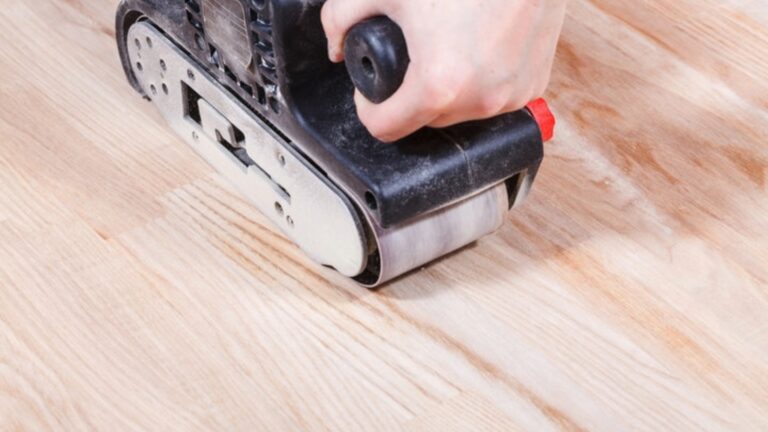
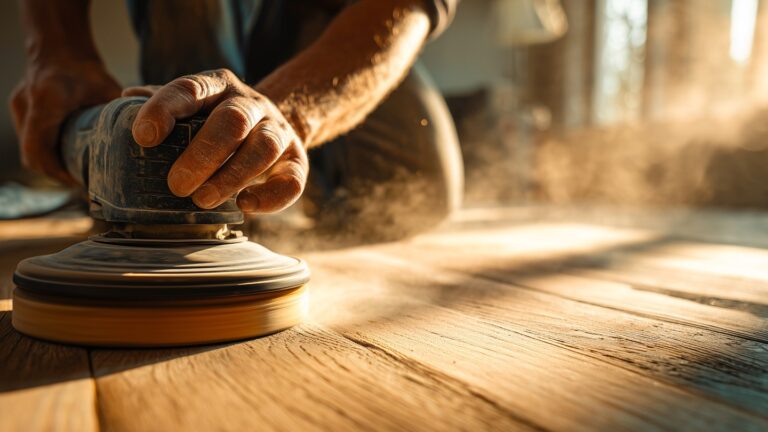
- Prep is Key: Seriously, don’t skip this. The floor needs to be clean, dry, and free of any gunk like old wax, grease, or dust. A good sanding might be needed, depending on what’s already there. If you don’t prep right, the lacquer won’t stick properly, and you’ll have problems later.
- Follow the Can: Every product is a bit different. Read the instructions on the tin or bottle. It’ll tell you how many coats to apply, how long to wait between coats, and the best temperature to work in. Getting the number of coats right is non-negotiable for fire retardancy.
- Ventilation: Make sure the area is well-ventilated while you’re working and during drying. These things can have strong fumes, and you don’t want to be breathing that in all day.
- Tools Matter: Use the right brushes, rollers, or applicators. A cheap, shedding roller is going to leave bits in your finish, and nobody wants that.
Ensuring Long-Term Protection
Once it’s on, you want it to last. A worn-out finish won’t offer the protection it’s supposed to. Regular checks are your friend here.
- Regular Cleaning: Stick to a cleaning routine. Avoid harsh chemicals or abrasive scrubbers that can damage the lacquer. A damp mop with a mild cleaner is usually best.
- Watch for Wear: Keep an eye out for areas that are getting a lot of traffic. Hallways and doorways are prime spots for wear and tear. If you see the finish thinning out, it’s time to think about a refresh.
- Spills Happen: Clean up spills quickly, especially liquids like water or anything that could soak in and potentially damage the wood or the finish over time.
When To Reapply Your Finish
This isn’t something you’ll do every year, but you can’t just leave it forever either. How often you need to reapply depends on a few things.
- Visible Wear: If you start seeing the wood grain showing through in high-traffic areas, or if the finish looks dull and scratched all over, it’s a sign.
- Manufacturer’s Guide: Check the product’s technical data sheet. The manufacturer usually gives a recommended lifespan or reapplication schedule based on typical use.
- The ‘Scratch Test’: A simple way to check is to try scratching a small, inconspicuous area with your fingernail. If it easily scratches or gouges, the protective layer is probably compromised.
Think of the floor finish as a shield. If the shield is cracked or worn thin, it can’t do its job of protecting the underlying material, and in this case, that protection includes fire resistance. So, keeping that shield in good nick is pretty important for meeting those building regs.
Reapplying might involve a light sanding and then another coat or two, depending on the product and the condition of the existing finish. It’s better to do a touch-up or a full reapplication when needed than to wait until the floor is badly damaged and potentially no longer compliant.
Beyond The Floor: A Holistic Approach
So, we’ve talked a lot about floor finishes, which is super important, right? But honestly, just slapping on some fire-retardant lacquer isn’t the whole story when it comes to keeping your HMO safe. Think of it like building a really sturdy house – you need more than just a good foundation. It’s about making sure everything works together.
Integrating Floor Safety With Other Measures
Your fire-retardant floor is a key player, but it needs backup. We’re talking about making sure smoke alarms are working properly, that escape routes are clear, and that everyone living there knows what to do if something goes wrong. It’s a team effort, really. A great floor finish can slow down a fire, but if smoke can’t be detected early or people can’t get out, well, that’s a problem.
- Check your smoke alarms monthly. Seriously, it takes two seconds.
- Make sure hallways and stairwells are always clear of clutter. No bikes, no boxes, nothing.
- Have a clear escape plan and make sure your tenants know it.
The Role Of Fire Doors And Walls
Fire doors are like the bodyguards of your building. They’re designed to keep fire and smoke contained for a good chunk of time, giving people precious minutes to get out. And those walls? They’re not just there to keep the noise down; they’re also built to resist fire spread. If you’ve got gaps around door frames or holes in walls, you’re basically giving fire a highway to travel. So, make sure those doors are closing properly and that there are no sneaky holes anywhere.
It’s easy to focus on one thing, like the floor, but fire safety is a system. If one part fails, the whole thing can fall apart. Think about how a chain works – it’s only as strong as its weakest link.
Regular Property Inspections
This is where you really get to see how everything is holding up. Regular check-ins aren’t just about spotting a leaky tap; they’re your chance to make sure all those fire safety bits are still doing their job. Are the fire doors still in good nick? Are the escape routes clear? Are the fire-retardant finishes on the floors looking okay, or are they getting worn down? Catching small issues early can stop them from becoming big, expensive, and dangerous problems down the line. It’s way better to fix a scuff mark on the floor than to deal with a fire spreading because of it.
Navigating Product Selection For Your HMO
Finding Certified Fire Retardant Floor Lacquer
So, you’ve got the lowdown on why fire retardant finishes are a big deal for your UK HMOs, especially with the new rules kicking in. Now comes the part where you actually pick the stuff. It’s not as simple as just grabbing any old tin off the shelf, though. You need to be sure what you’re buying actually does what it says on the tin, especially when it comes to fire safety. Looking for that certification is your first and most important step. It’s like a stamp of approval that says, ‘Yep, this has been tested and meets the standards.’ Without it, you’re basically guessing, and with fire safety, guessing is a really bad idea.
Understanding Product Data Sheets
Once you’ve found a few lacquers that claim to be fire retardant, you’ll want to dig a little deeper. This is where product data sheets, or PDS, come in. Think of them as the technical manual for the product. They’re usually a bit dry, but they’ve got all the important info. You’ll want to look for details on:
- Fire performance ratings: This is the big one. What tests has it passed? Does it meet the specific UK Building Regulations requirements for floor finishes in HMOs?
- Application instructions: How should it be applied? What surfaces is it suitable for? Getting this wrong can affect its performance.
- Durability and maintenance: How long is it supposed to last? What kind of cleaning does it need to keep it in good shape?
- VOC content: This is more about air quality, but still good to know.
Don’t be shy about asking the supplier for these sheets if you can’t find them easily. They’re there for a reason.
Consulting With Experts
Look, not all of us are chemists or building inspectors, and that’s totally fine. If you’re feeling a bit lost in the technical jargon or just want some peace of mind, talking to someone who knows their stuff is a smart move. This could be:
- The manufacturer or supplier: They should be able to explain their products and certifications.
- A qualified fire safety consultant: They can give you impartial advice on what you need for your specific property.
- A reputable decorator or flooring specialist: Especially one who has experience with commercial or multi-occupancy properties. They might have recommendations based on what works well in practice.
Getting a second opinion or some professional guidance can save you a lot of hassle and potential problems down the line. It’s better to spend a little time and maybe a bit of money upfront than to face issues later on.
Picking the right stuff for your HMO can feel like a puzzle. Our guide, “Navigating Product Selection For Your HMO,” breaks it down so you can make smart choices without the headache. Ready to find exactly what you need? Visit our website today for expert advice and top picks!
So, What’s the Takeaway?
Alright, so we’ve talked about the new fire rules for HMO floors coming in 2026. It might seem like a lot to sort out, especially if you’re managing a few properties. But honestly, it’s all about keeping people safe, right? Getting the right floor finishes isn’t just ticking a box; it’s a pretty big deal for fire safety. So, take a look at what you’ve got, figure out what needs changing, and get it done before the deadline. It’s better to be safe than sorry, and frankly, nobody wants a fire in their building. Just get it sorted.
Frequently Asked Questions
What’s the big deal with fire safety for HMOs starting in 2026?
Basically, the government is making the rules tougher to keep renters safer from fires. They want to make sure buildings, including the floors, don’t help a fire spread too quickly. It’s all about giving people more time to get out if there’s a fire.
What exactly makes a floor finish ‘fire retardant’?
Think of it like a special shield for your floor. A fire retardant finish is designed to slow down how fast a fire can burn or spread across the floor. It doesn’t mean it’s fireproof, but it gives you a much better chance.
Do I really need to worry about the type of floor lacquer I use?
Yep, you sure do! The new rules mean you can’t just pick any old floor finish. You’ve got to choose one that’s been tested and proven to meet specific fire safety standards. It’s a key part of making your HMO safe.
How do I know if a floor lacquer is good enough for these new rules?
Look for labels or info that clearly state it meets certain fire safety ratings. It’s like a stamp of approval. You’ll want to check the product details carefully to make sure it’s certified for fire retardancy.
Besides the floor, what else should I be thinking about for fire safety?
The floor is just one piece of the puzzle! You still need to make sure things like fire doors are in good shape and walls can hold back flames. It’s all about creating a bunch of safety layers throughout the whole building.
How often do I need to check or reapply this fire retardant stuff?
That really depends on the product and how much foot traffic the floor gets. The manufacturer’s instructions are your best bet here. Regular checks are smart to make sure the finish is still doing its job protecting the floor.