Expert Floor Sanding St Albans: Restoring Heritage & Modern Homes

A St Albans floor sanding company with over 45 years experience in commercial and domestic wooden floor restoration.

QUICK QUOTATION

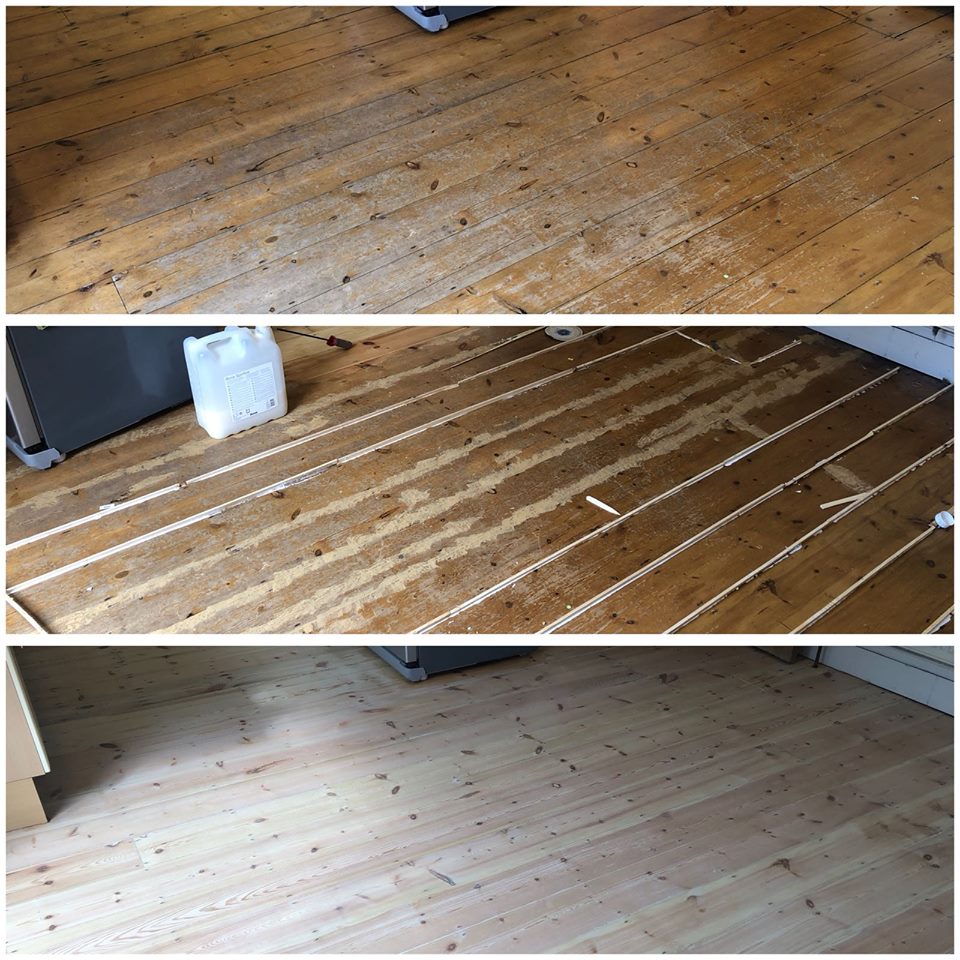
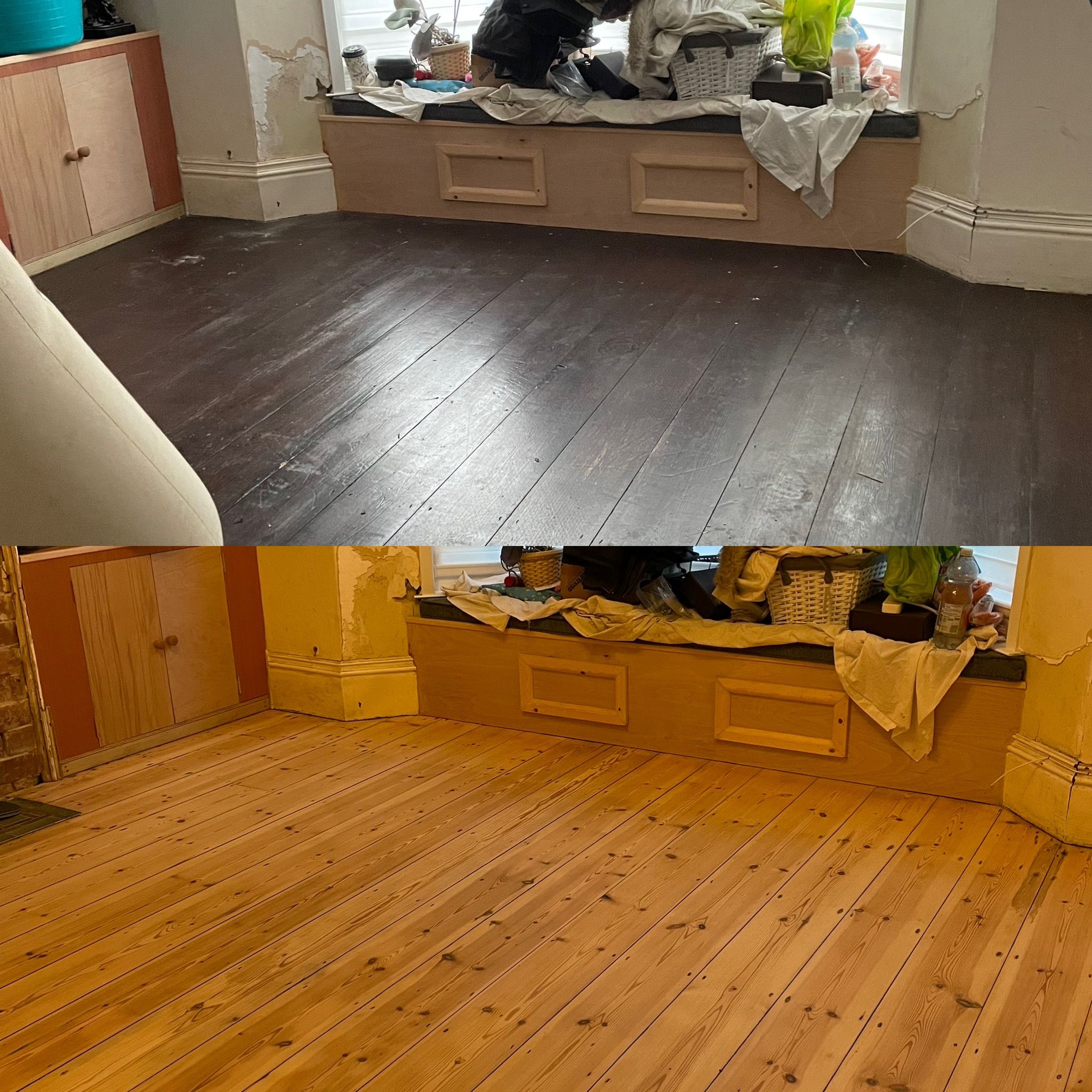
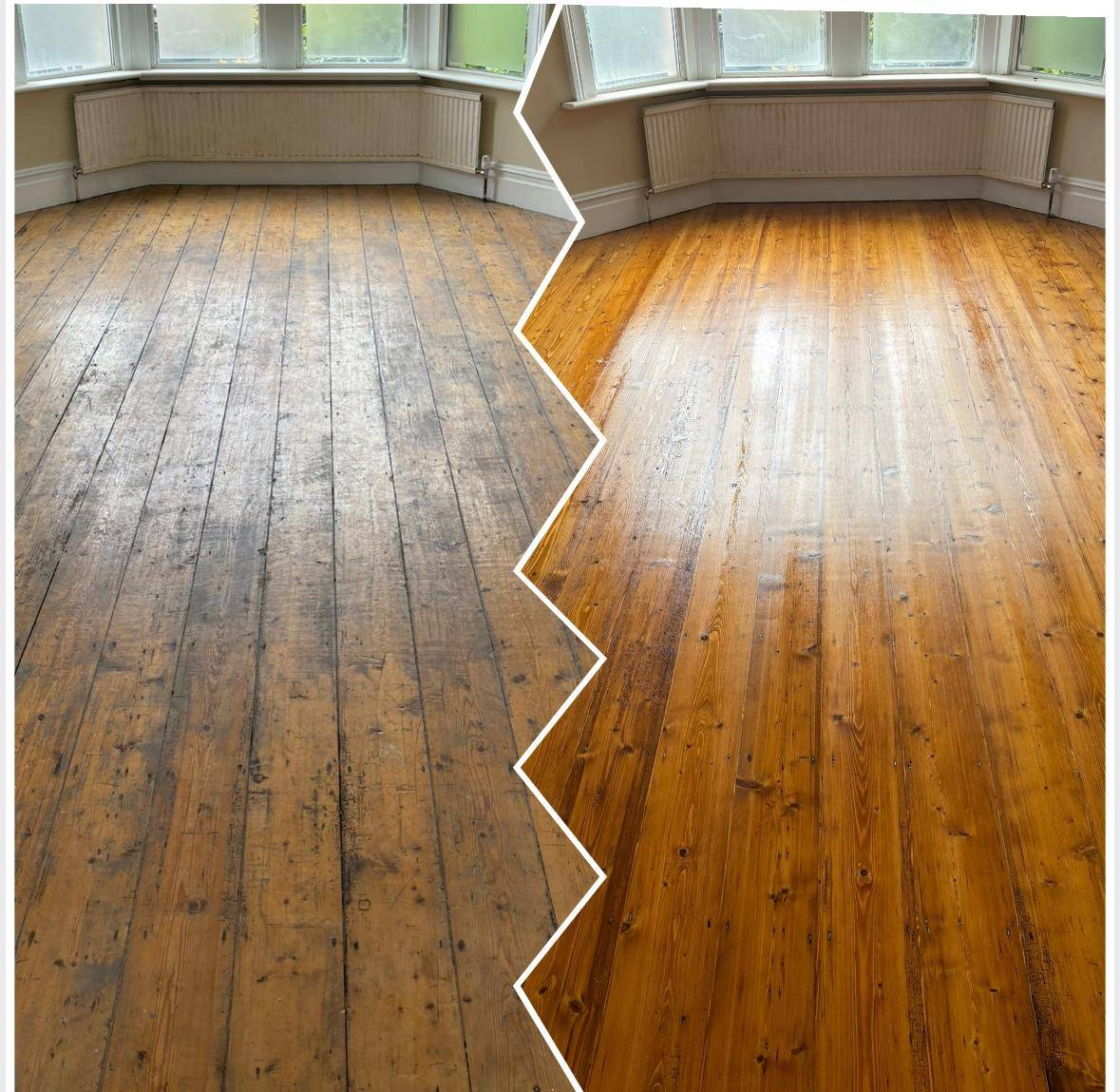
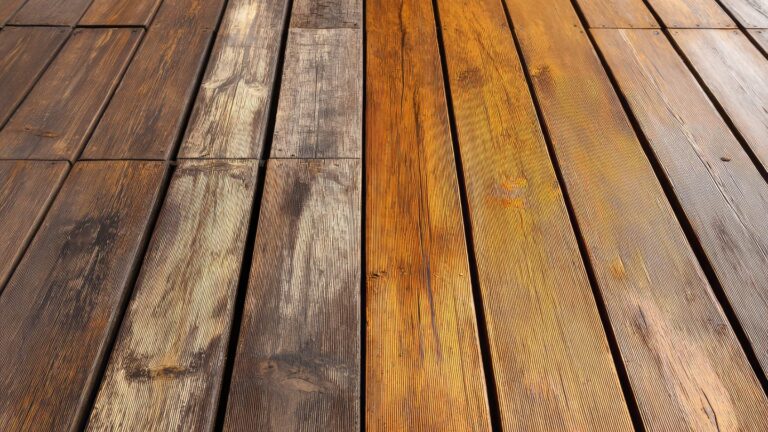
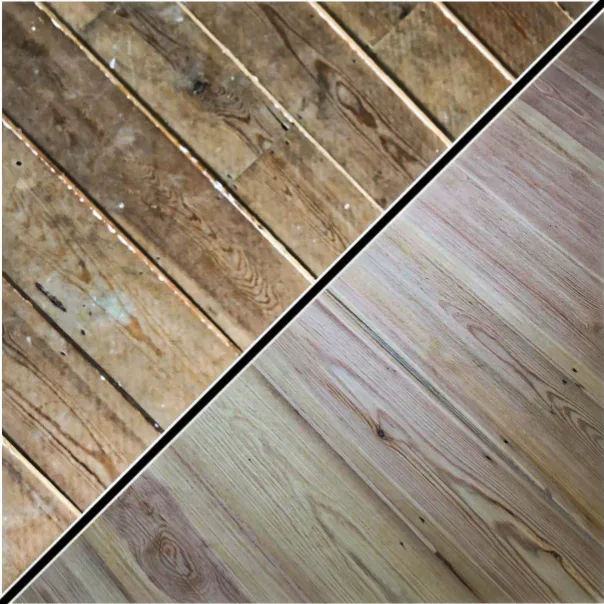
Floor sanding before and after

Floor Sanding in St Albans

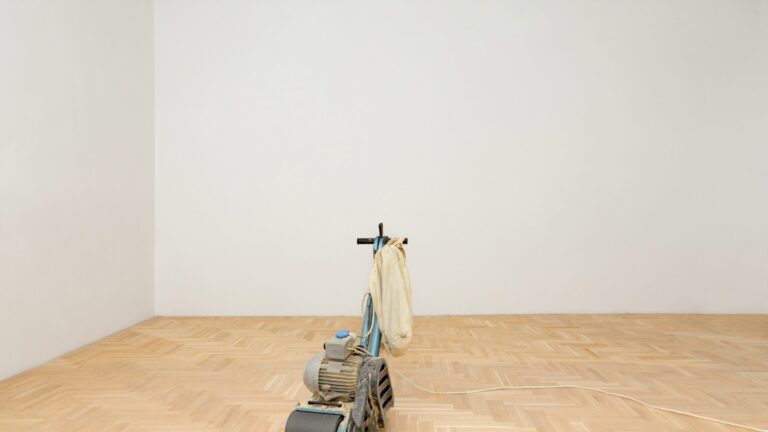
St Albans gives us everything from Victorian terraces around Fishpool Street to great swathes of interwar housing — and it is the interwar stock that makes this city special for floor work, because so much of it was built with oak parquet and solid board floors that are still there under the carpets. Our wood floor sanding service brings all of it back to clean timber and a finish chosen for the room.

Family-run for over 45 years, we work under sealed dust extraction, assess every floor honestly, and put the figure in writing as a fixed quotation before you commit to anything.

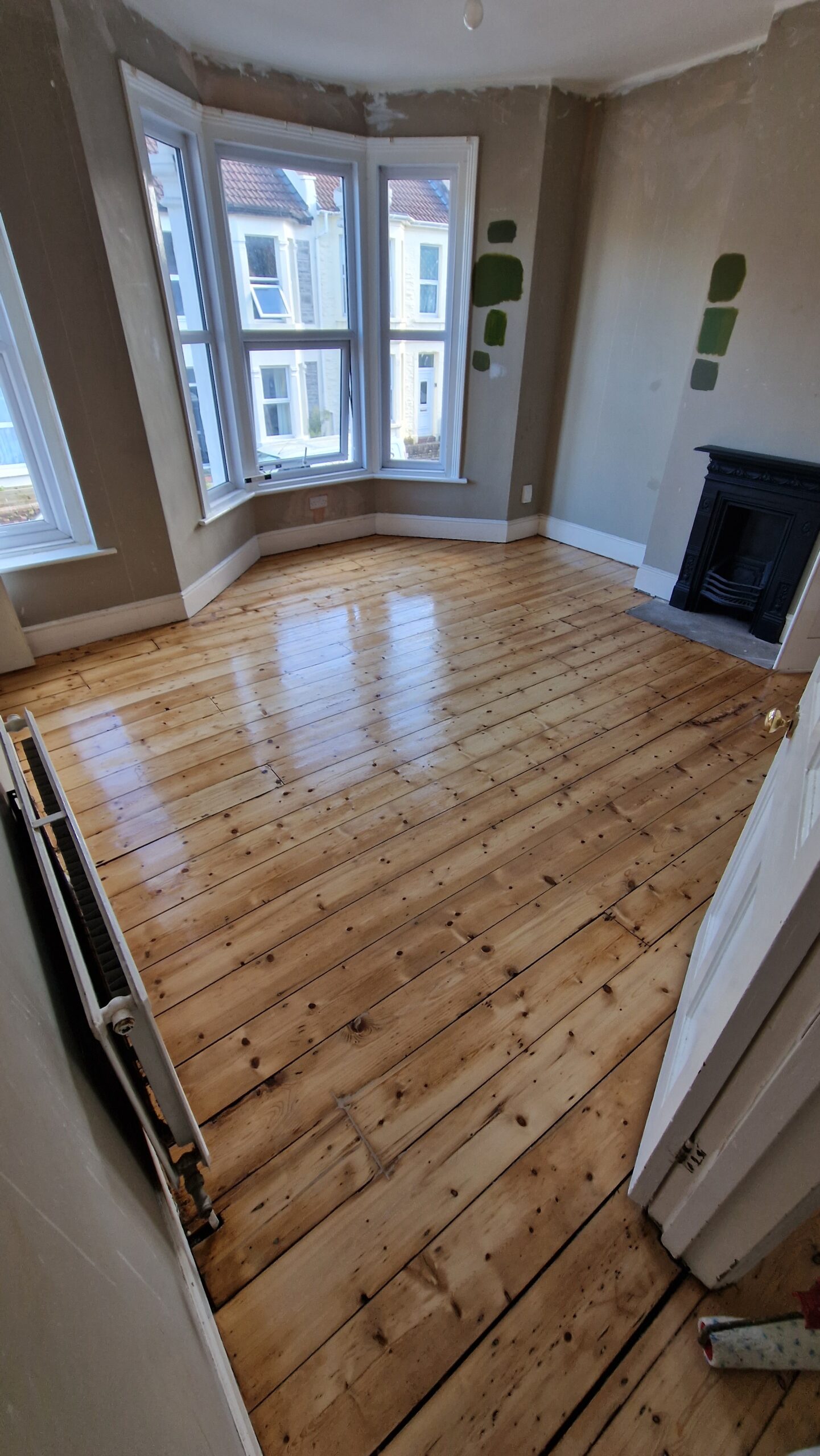
Interwar houses often pair parquet downstairs with oak or pine strip flooring in the bedrooms, and strip floors have a constraint worth knowing: they are tongue-and-grooved and secret-nailed, so the sandable timber is only the material above the tongue. We check that depth at a heating vent or threshold before setting the grit sequence, and on strip that has been sanded before we keep the cut shallow — breaking through to the tongue line is irreversible, and avoiding it is simply a matter of measuring first and machining with restraint.
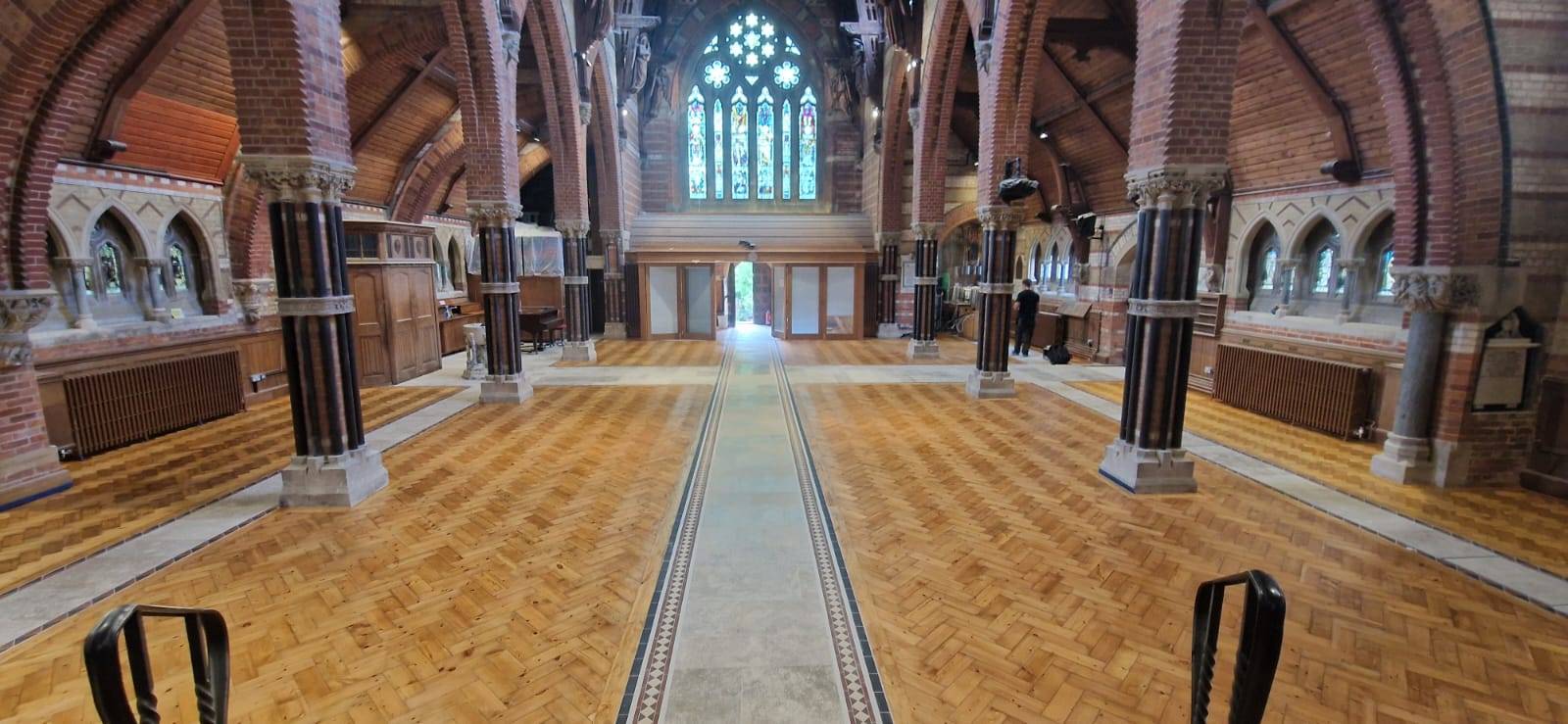
Commercial Floor Sanding in St Albans

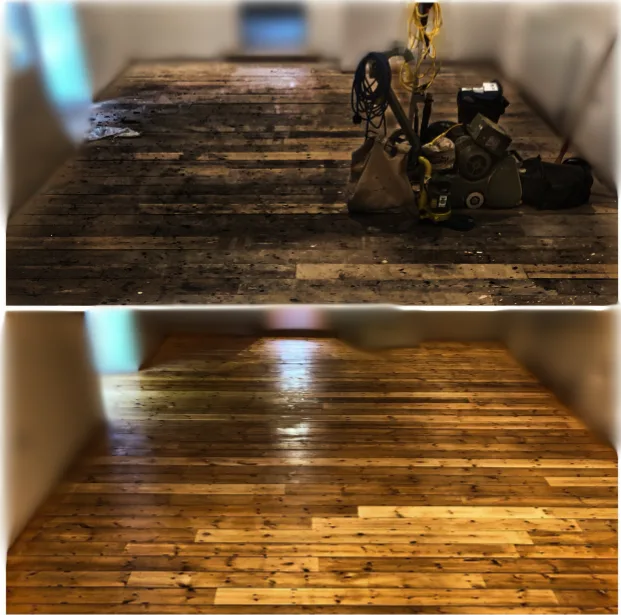
City-centre restaurants, pubs, offices and shops have their floors renewed through our commercial floor sanding service without losing a single day’s trade — the work runs overnight or across a weekend and is sealed with fast-curing finishes. Method statements and insurance documentation are issued before the job starts.

Sector experience includes restaurants, shops, hotels and schools, where hall and court lines are re-marked to governing body specification.

On commercial handovers we pay particular attention to the first three metres inside the door, because that zone fails years before the rest of the floor. The specification loads it accordingly — full-length entrance matting recommended, an additional coat through the threshold area where the client wants it — and the aftercare notes flag it as the place to watch. When that strip eventually dulls, a partial recoat of the entrance can often be done in a single early morning, long before the main floor needs attention.

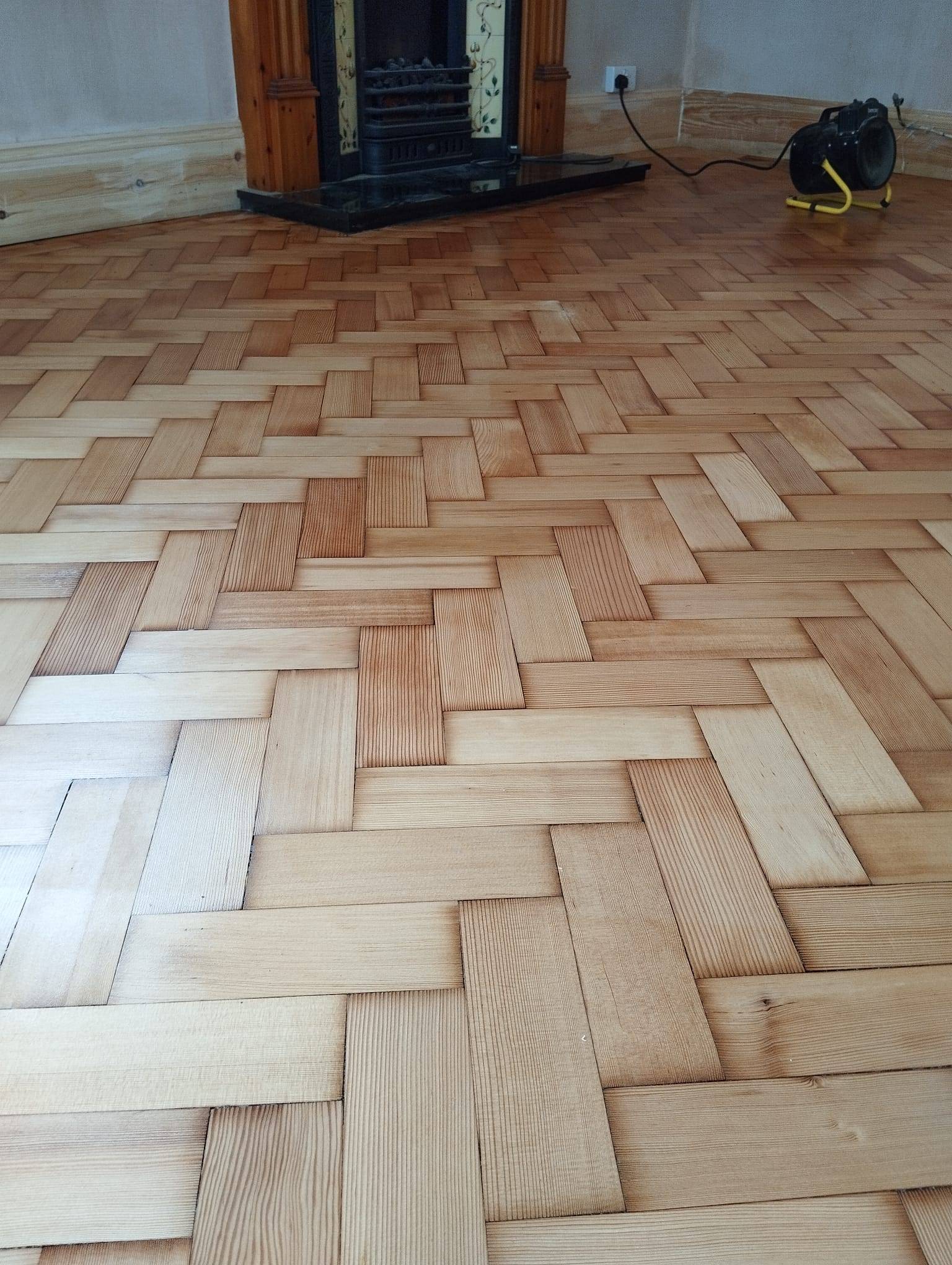
parquet wooden floor sanding
wooden floor sanding

Wood Floor Repairs and Board Replacement

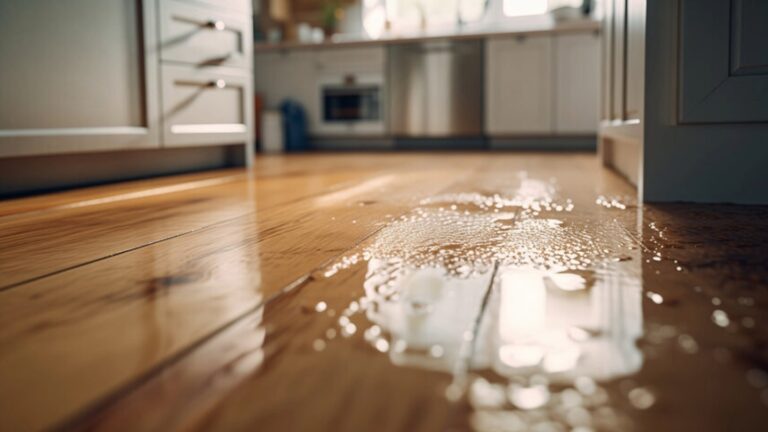
Every restoration starts structurally. Our wooden floor repairs service deals with split, charred and water-damaged boards; squeaky floors are cured by refixing boards to their joists; and scratch repair removes surface damage without a full sand where that is all a floor needs.

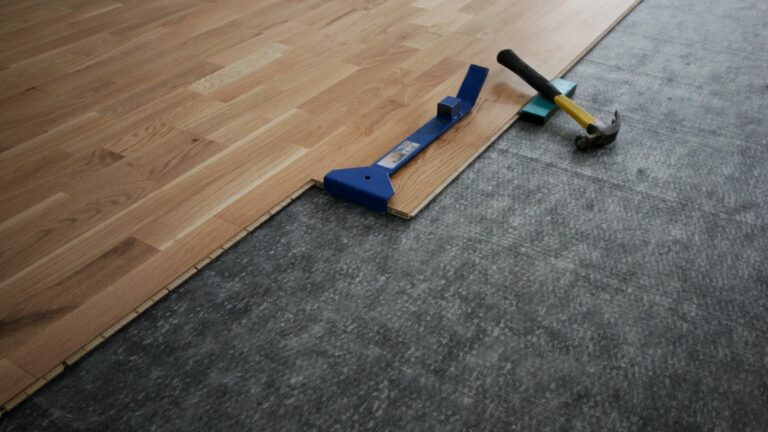
When boards must go, floorboard replacement comes from our stock of reclaimed timber, so a repaired Victorian or Edwardian floor never carries a bright new stripe. Draughty joints are closed with gap filling during the sanding stage.

Charring in front of fireplaces is a classic interwar find — sparks and dropped coals over decades leave a fan of black scars across the hearth boards. Shallow char sands out more often than people expect; deeper burns are cut back to sound timber and pieced with reclaimed stock, keeping the original boards either side. Where an old open fire has gone entirely and left its hearthstone redundant, we can continue the floor across the opening so the room reads as one clean run of timber.

Interwar Parquet: A St Albans Speciality

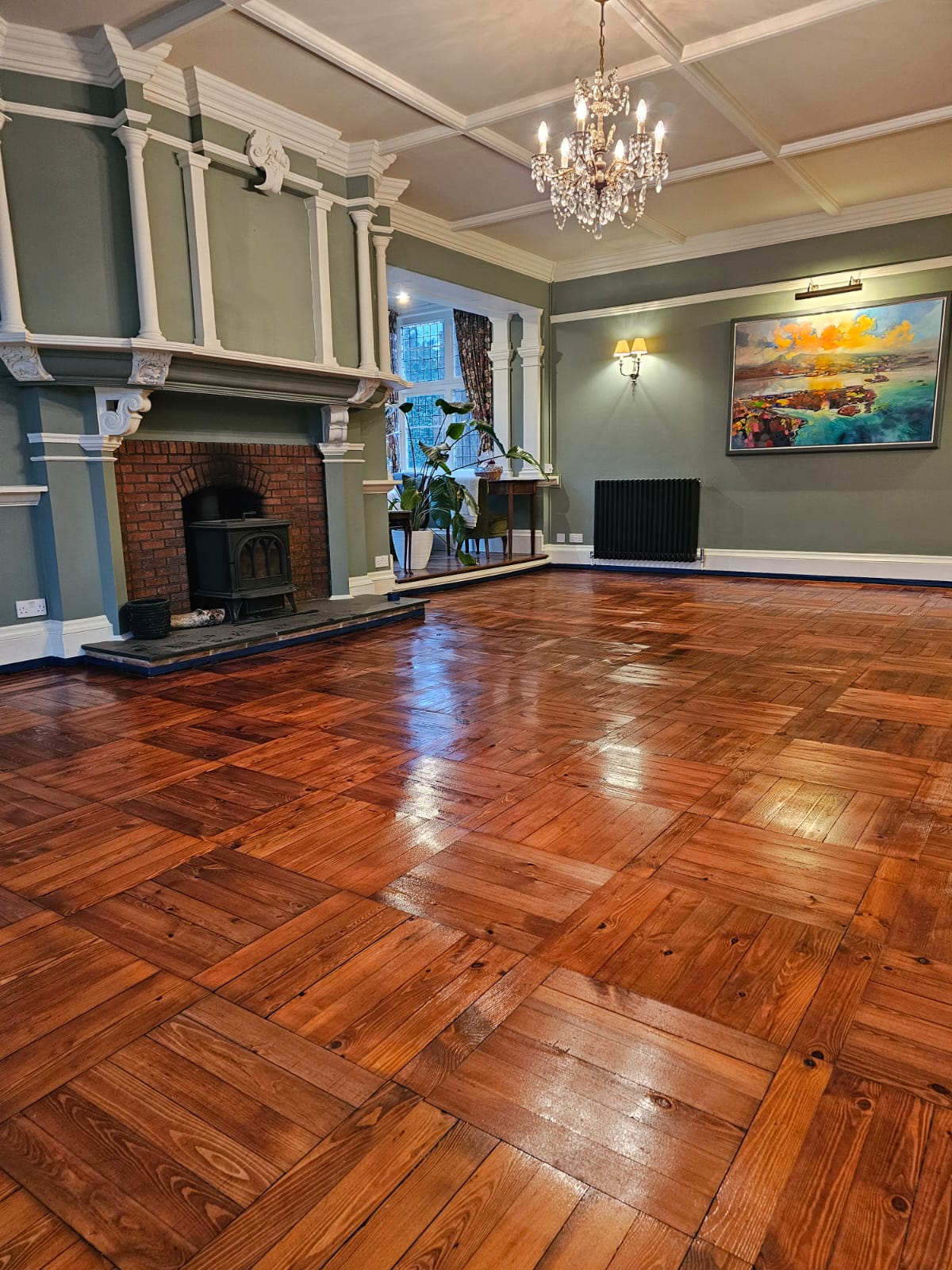
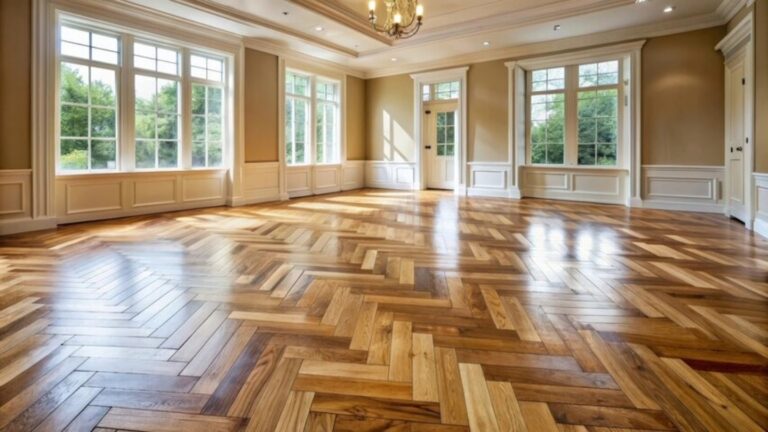
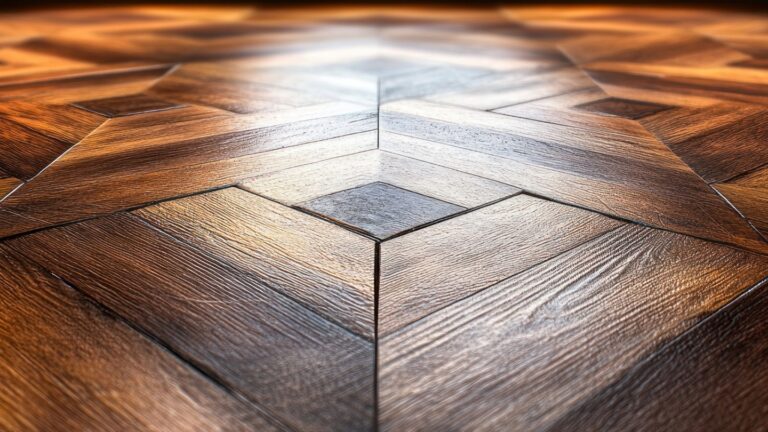
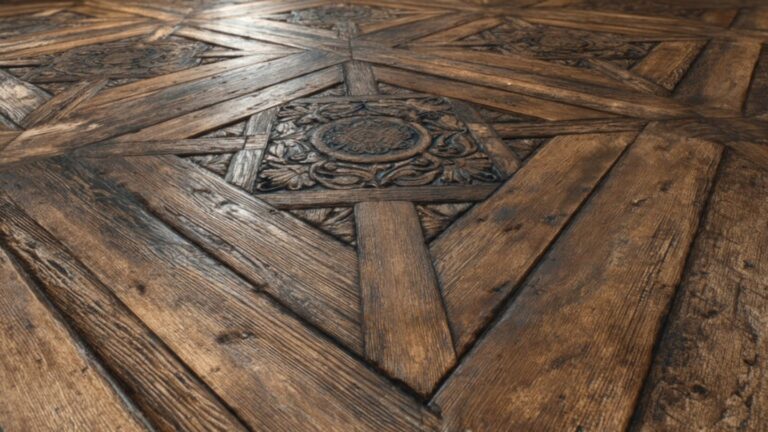
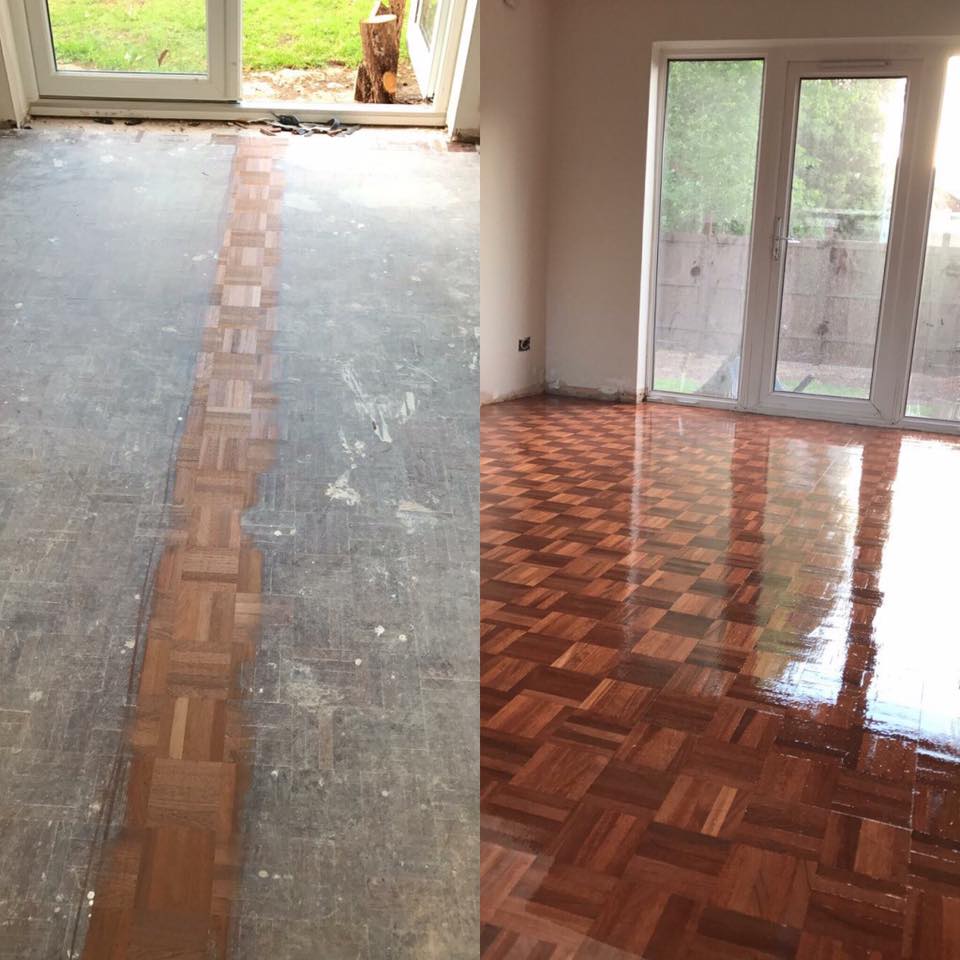
The 1920s and 1930s estates across St Albans were generous with oak herringbone — halls, front rooms, sometimes whole ground floors — and restoring it is the job we do here more than any other. Parquet floor sanding means re-bonding loose blocks, cutting matched replacements for missing ones, machining the pattern flat and sealing it to your chosen sheen.

The black bitumen these floors sit on is expected and manageable. Even parquet that looks beyond hope under decades of carpet glue is usually a strong candidate for restoration.

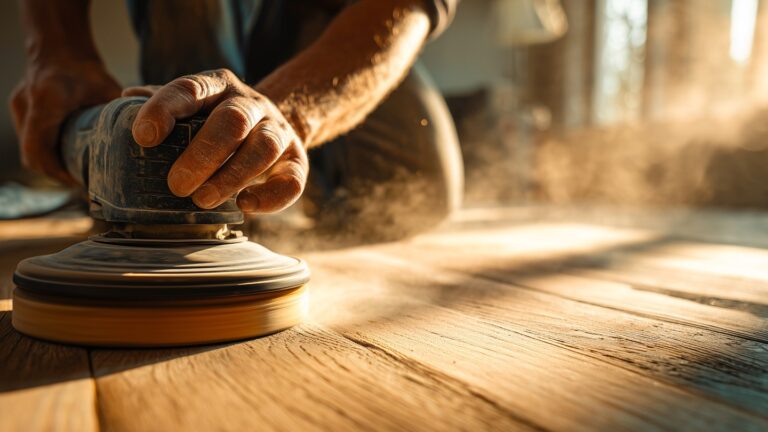
The hardest version of the job is parquet that spent fifty years under glued-down carpet or vinyl. The adhesive sits in a rubbery skin that would clog every belt in the van if we attacked it directly, so it comes off in stages — scraped while cool, then ground away with coarse open-coat abrasives kept moving fast — before the true sanding of the oak beneath even starts. Once clear, the routine asserts itself: diagonal levelling passes so both directions of the pattern cut cleanly, a finishing pass aligned with the room, and every joint packed with filler made from the floor’s own oak dust.

The perimeter matters as much as the field. These floors were laid with a small movement margin at the skirting, and we make sure it is preserved — or reinstated where a previous trade filled it — so the restored floor has room to breathe through the seasons.

flooring sanding company
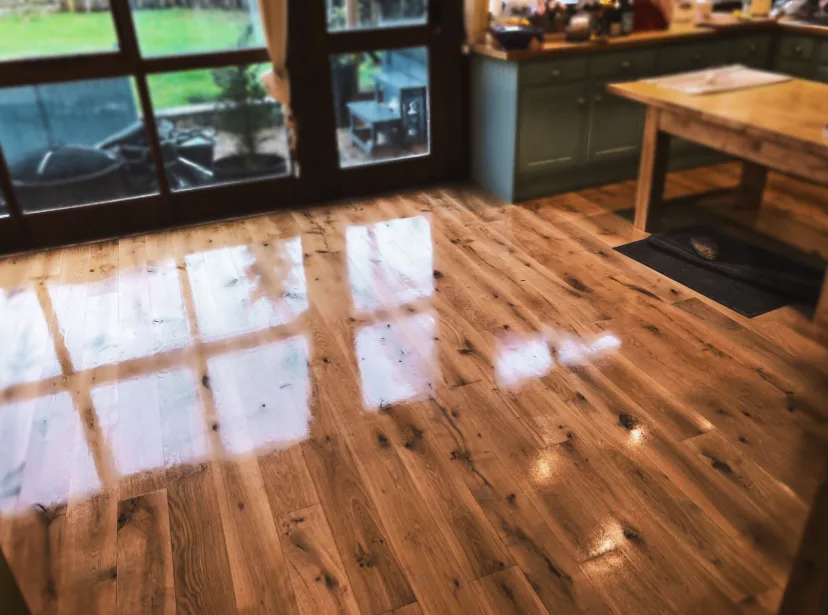
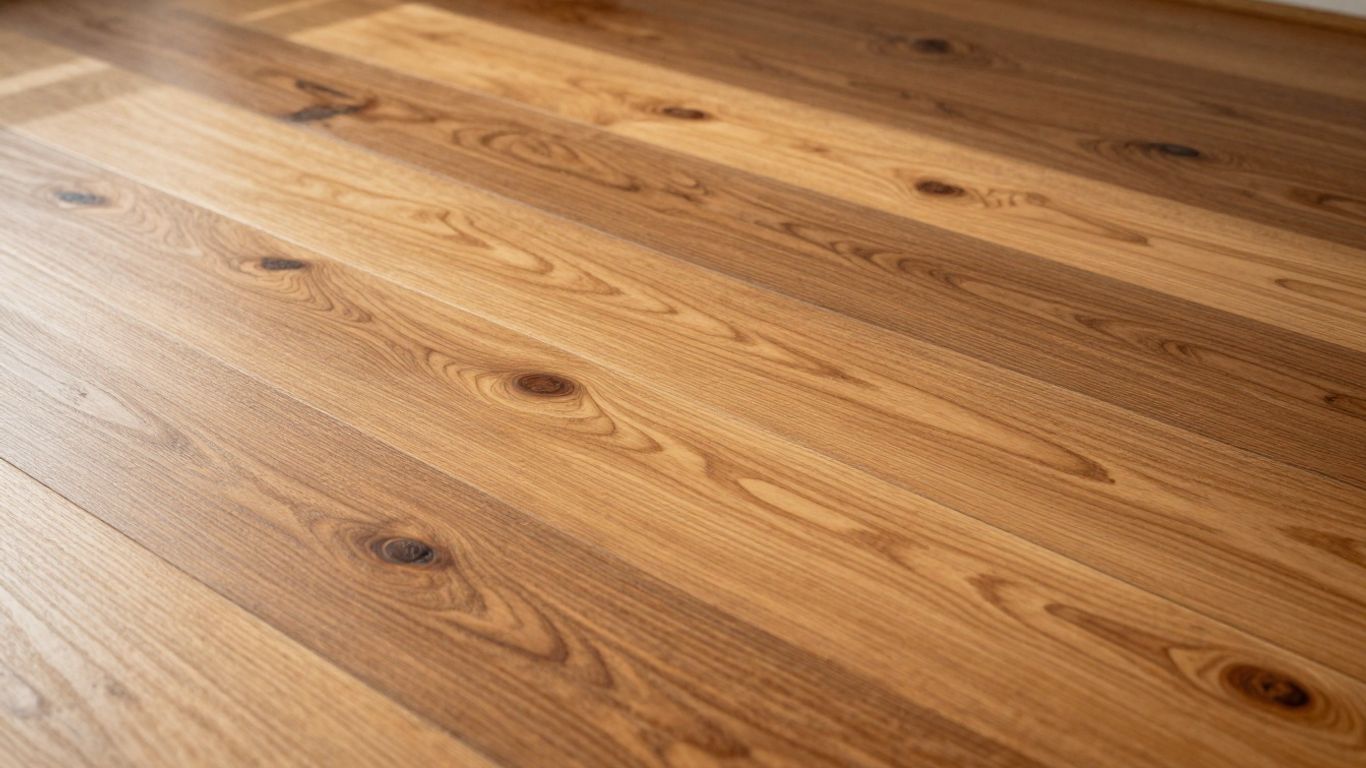
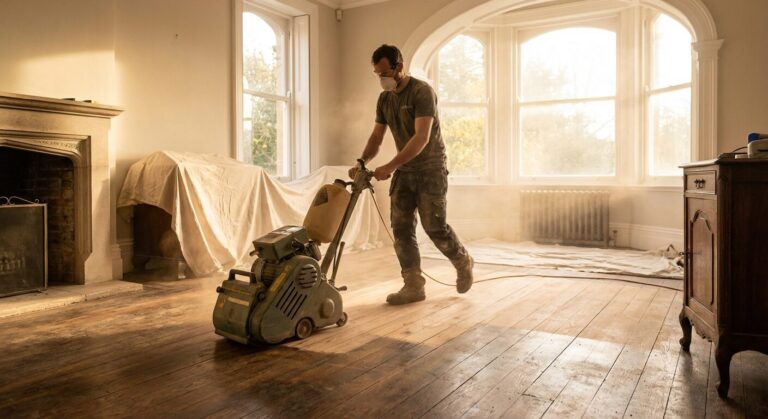
Sunlight across freshly lacquered wooden floorboards

Staining, Sealing, Oiling and Waxing

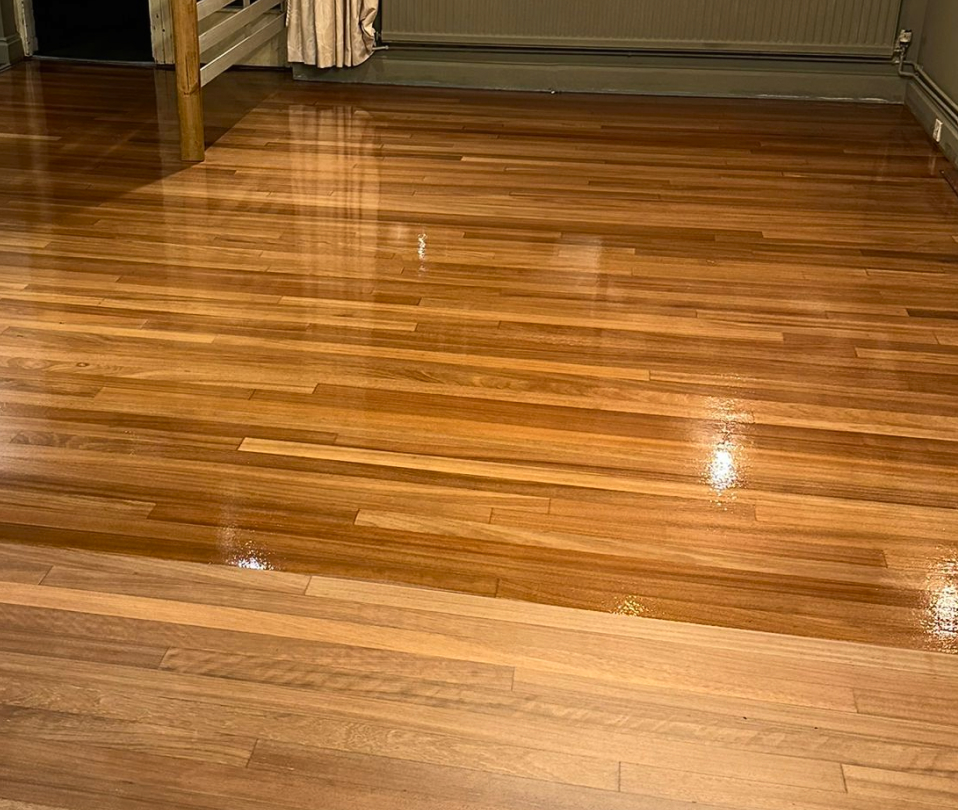
The finishing stage is where taste comes in: staining to darken, cool or lighten the timber — always sampled on your own boards — lacquer sealing where durability leads, hardwax oils for a natural matt surface, and wax for period rooms that suit a soft sheen.

We talk through how each finish behaves with children, dogs and kitchen spills before you choose, because the right answer differs from house to house.

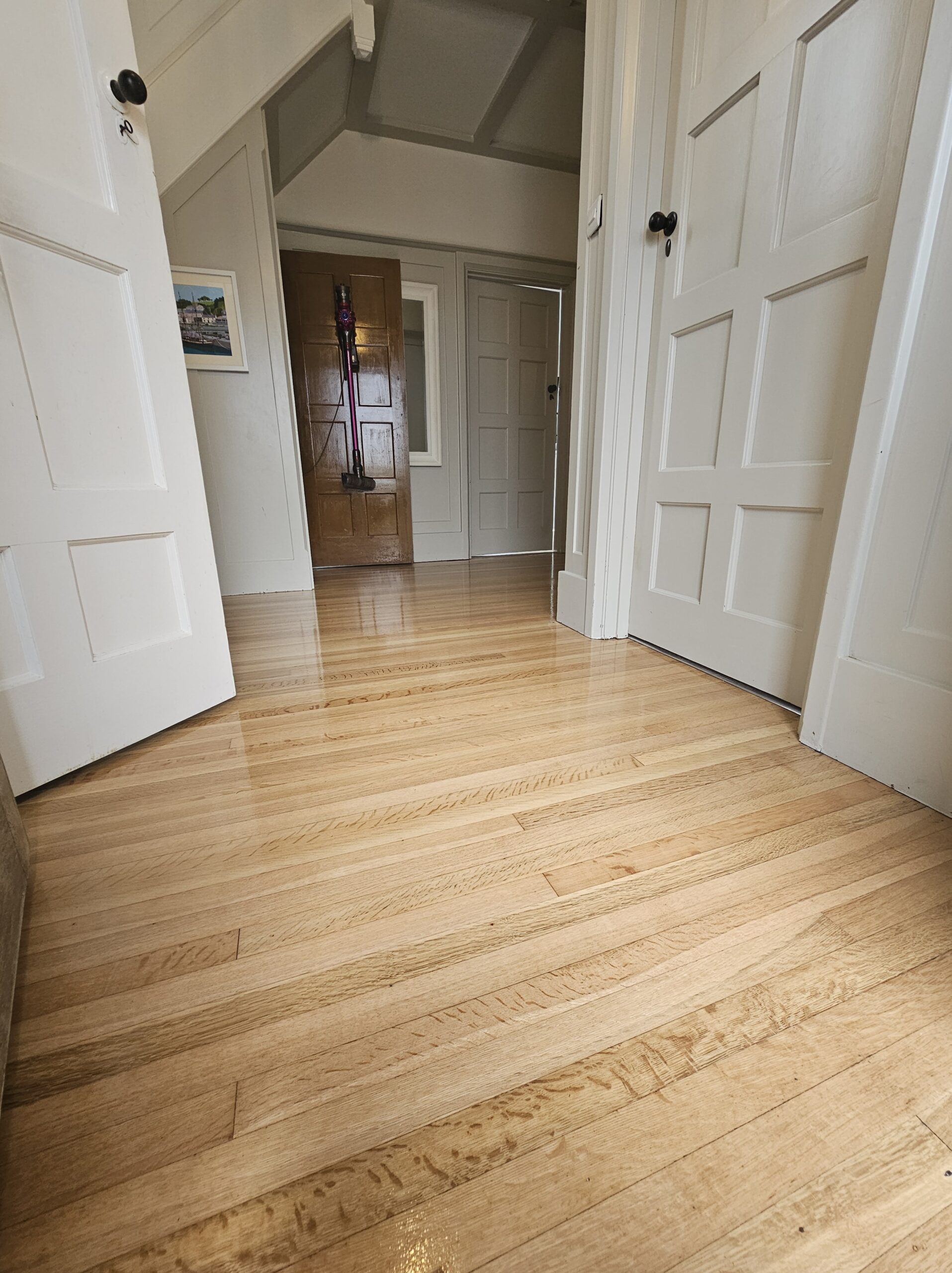
On interwar oak the finish decision often comes down to temperature of tone. A water-based lacquer keeps the oak pale and contemporary — close to how it looks freshly sanded — and will not amber with age; an oil-modified finish or hardwax oil warms it towards the honeyed colour these floors carried originally. Neither is wrong. We sand a test patch, wet it, and put both options beside it so you can see your actual floor in both futures before choosing.

Buffing, Recoating and Aftercare

A sanded floor should not need sanding again for many years — provided the wear layer is renewed before it fails. Our buffing and recoating service abrades the existing finish lightly and lays a fresh coat in a day, and a periodic polish keeps oiled and waxed floors nourished.

Floors that are worn but too thin for another sand can often be rescued the same way — see restoring wood floors without sanding. We advise the right interval for your finish when we hand over.

The recoat visit itself is refreshingly undramatic: furniture shifted in the morning, the floor cleaned and abraded with a fine screen, a vacuum and tack, then the fresh coat rolled on — most rooms are done by early afternoon and walkable that evening. No bare timber is exposed at any point, which is why there is next to no dust and no colour change. Booked at sensible intervals, this one-day habit is what lets a single sanding last a generation.

Wood floor sanding company
Floor sanding taunton

Get a Floor Sanding Quote in St Albans

Send two photographs — the room from the doorway and a close-up of the worst area — and we will reply with an honest opinion and a fixed written quotation. If you would rather we saw the floor first, the site survey is free and entirely without obligation.

Call 01823 674562, email info@ryansrestoration.co.uk, or use the form on this page.

All services available in St Albans: sanding, parquet restoration, repairs, board replacement, gap filling, staining, sealing, oiling, stair sanding, buffing and installation.

Nearby areas we also cover: Harpenden, Watford, Hitchin and Hertfordshire. There is a page for each, and the full list of towns is on our areas we cover page.

FAQ: Floor Sanding in St Albans

Sanding and refinishing, parquet restoration, repairs, floorboard replacement, gap filling, squeak and scratch repair, staining, sealing, oiling, waxing, stair sanding, buffing and new floors.

Yes — we work between close and open, overnight if needed, with finishes that cure fast enough for a normal morning service.

Almost certainly. Interwar oak herringbone is solid hardwood and restores superbly — even blocks caked in bitumen or carpet adhesive.

No — we fit reclaimed boards of similar age and grain, and after sanding and finishing the repair reads as part of the original floor.

Yes — pale stains and white-tinted oils do exactly that, and we test the effect on your own boards before treating the room.

Engineered floors sand once or twice depending on the wear layer we measure first. Laminate cannot be sanded, though we can replace it with real wood.

Very little — sealed extraction captures the overwhelming majority of dust at source, doors are masked, and the house is left clean each evening.

Two photographs by email bring an honest opinion and a fixed written quotation, or book the free no-obligation survey on 01823 674562 or via the form on this page.

Yes — the adhesive skin is scraped and ground away in stages before the oak beneath is sanded properly. It adds time but rarely changes the outcome.

It depends on the system. Water-based lacquers keep oak pale and stay that way; oil-based finishes warm it towards its traditional honey tone. We show you both on a test patch of your own floor.