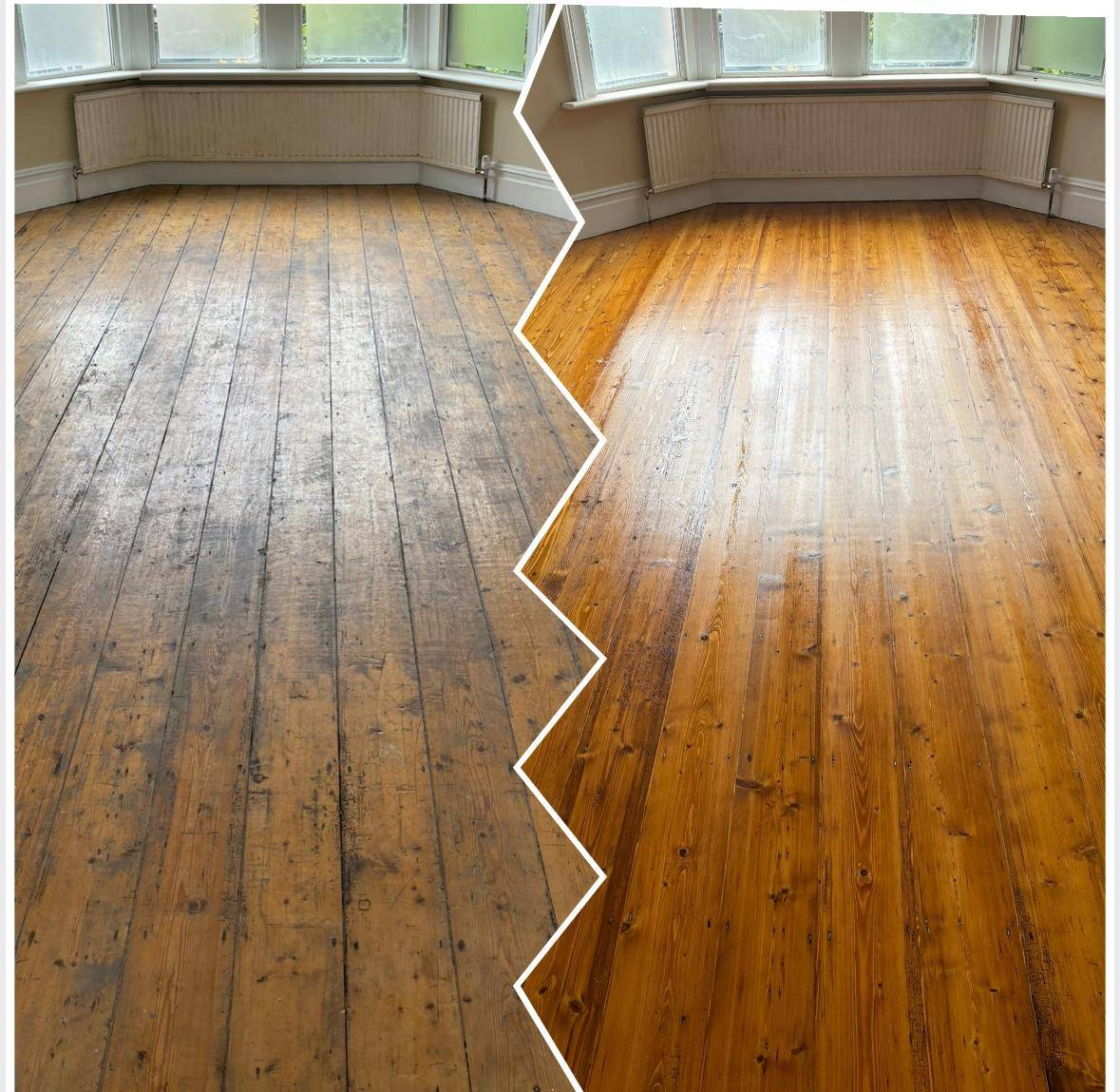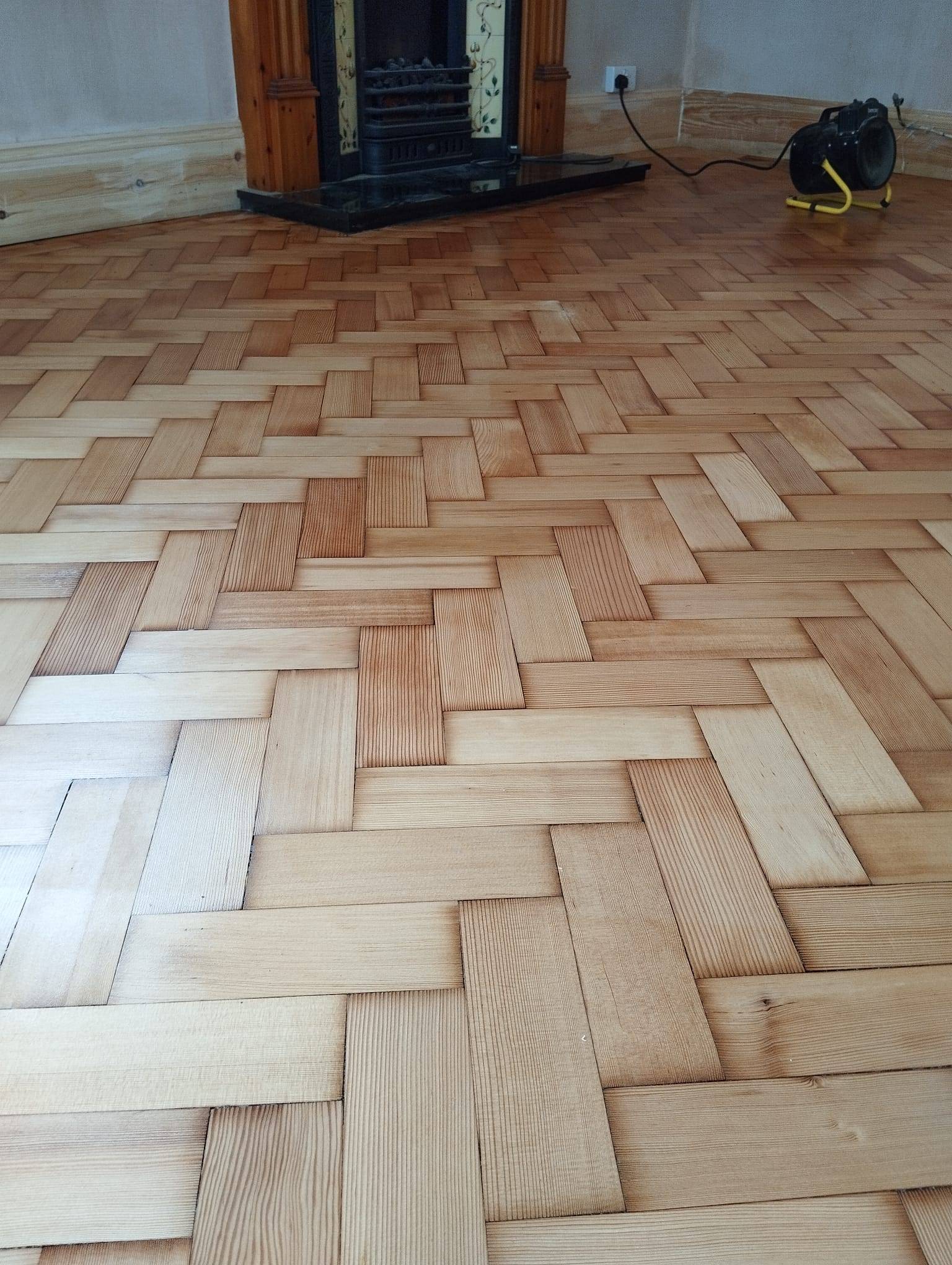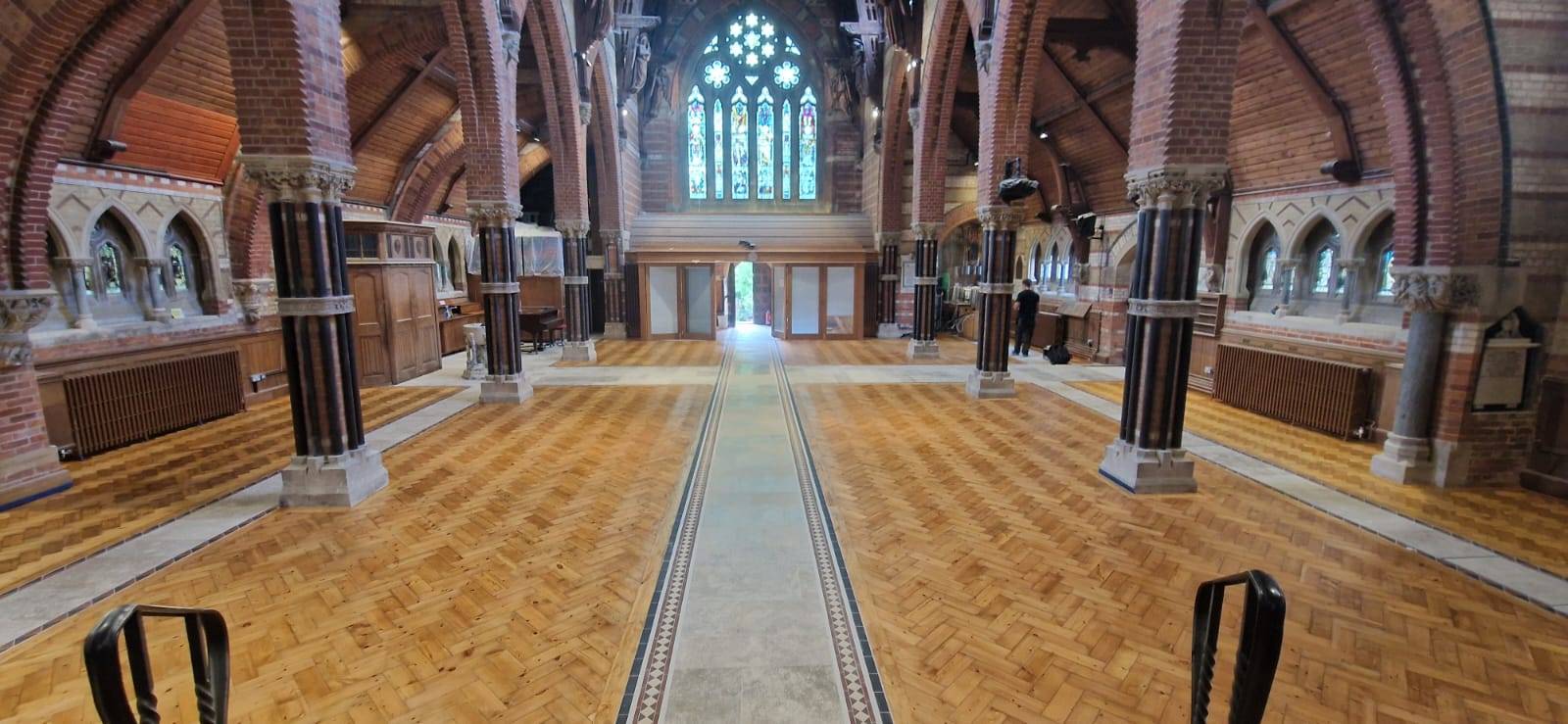
So, you’ve got beautiful timber floors, maybe in your bathroom or even a kitchen area in Bath or Bristol. That’s great! But if you’re dealing with hard water, you might be noticing some weird white marks or dull spots. It’s a common problem, especially with the kind of water we have around here. Let’s talk about what causes these stains and how to deal with them, because nobody wants their floors looking less than their best.
Key Takeaways
- Hard water has minerals that can leave marks on wood finishes, making them look dull or spotty.
- The water quality in areas like Bath and Bristol can make hard water stains a bigger issue for your timber floors.
- There are different ways to tackle wood floor water stain removal Bristol, from simple cleaning to more involved methods.
- Protecting your floors with good seals and regular care is the best way to avoid stains in the first place.
- When stains are tough, finding local pros who know Bristol wood flooring is a smart move.
Understanding Hard Water Stains on Timber
So, you’ve got these weird marks on your wood floors, especially in the bathroom or kitchen, and you’re wondering what’s going on. Often, it’s hard water. It’s not just about soap scum; it’s about the minerals dissolved in the water.
The Mineral Composition of Hard Water
Hard water gets its name because it has a high concentration of dissolved minerals. Think calcium and magnesium, mostly. When water sits on a surface, like your timber floor, and then evaporates, these minerals are left behind. It’s like a tiny, invisible residue building up over time. The more mineral-rich your water supply, the more pronounced this effect can be. It’s a natural process, but not exactly great for your floors.
How Minerals Affect Wood Finishes
These minerals aren’t exactly friendly to wood finishes. They can react with the protective coatings on your floor. Over time, this can lead to a dulling of the finish, sometimes even a cloudy or chalky appearance. The minerals essentially disrupt the smooth, protective layer, making it look worn and tired. It’s not usually a deep damage to the wood itself initially, but it definitely compromises the look and the finish’s ability to protect the timber underneath.
Identifying Hard Water Stains on Wood Floors
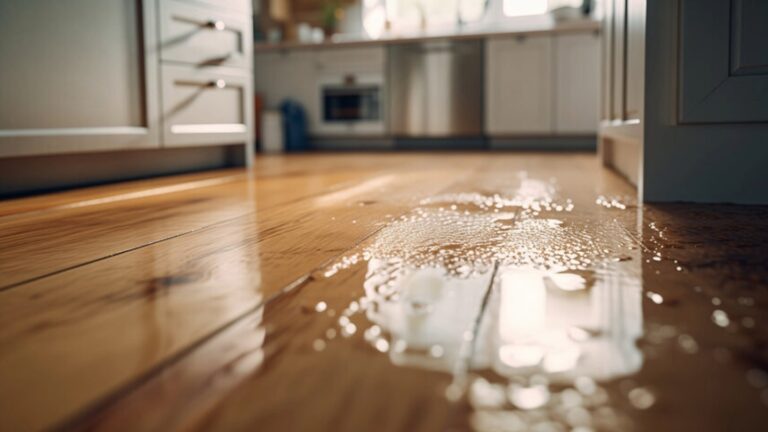
Spotting these stains is usually pretty straightforward once you know what to look for. They often appear as white or grayish splotches, rings, or a general hazy film, particularly in areas prone to moisture, like near sinks, tubs, or even where a pet’s water bowl might sit. Unlike dirt, which usually wipes away easily, hard water stains feel a bit more ‘etched’ into the surface. You might notice them more when the light hits the floor just right. They don’t typically have a strong odor, and they’re not usually sticky, which helps differentiate them from other types of spills.
The Impact of Bath and Bristol’s Water Quality
So, you’ve got these beautiful timber floors in Bath or Bristol, and you’re noticing some weird marks. It’s not just any dirt; it’s those chalky white or sometimes brownish rings and splotches that just won’t scrub off. This is where the local water quality really comes into play, and it’s a bit of a unique challenge for this part of the country.
Regional Water Hardness Factors
Bath and Bristol, like much of the West Country, tend to have what’s called ‘hard water’. This just means the water has a higher concentration of dissolved minerals, mainly calcium and magnesium. These minerals aren’t harmful to drink, but they can be a real pain for your wood floors. When water evaporates, it leaves these minerals behind. On a surface like a finished wood floor, they can build up over time, especially in areas that get wet frequently, like near a bathtub or sink.
Specific Challenges in Coastal Areas
Living closer to the coast, like in some parts of Bristol, can add another layer to this. While not directly related to ‘hard water’ in the same way, coastal air can be saltier, and sometimes water sources can pick up other dissolved solids. This isn’t usually the main culprit for those distinct hard water stains, but it can contribute to a general increase in mineral content or other deposits that might affect wood finishes differently. The main issue, though, remains the dissolved calcium and magnesium from the ground.
Long-Term Effects on Timber Integrity
If these mineral deposits are left to sit, they don’t just look bad. Over time, they can actually start to break down the protective finish on your wood floors. Think of it like a constant, gentle abrasion or chemical reaction happening right on the surface. This can make the wood more vulnerable to other types of damage, like scratches and deeper stains. The repeated cycle of wetting, mineral deposit, and drying can weaken the wood’s surface and the finish itself. It’s not usually a quick process, but over years, you’ll see a noticeable difference in how your floors hold up and how they look. It’s definitely something to keep an eye on if you live in a hard water area.
Effective Wood Floor Water Stain Removal Bristol Techniques
Dealing with hard water stains on your timber floors, especially here in Bristol, can be a real headache. You know, those chalky white or sometimes rusty rings left behind after a spill or a leaky plant pot? They’re not just unsightly; they can actually affect the finish of your wood. But don’t worry, there are ways to tackle them. We’ll look at some practical methods you can try yourself, and when it might be time to call in the pros.
Gentle Cleaning Methods for Surface Stains
For those lighter, more recent marks, a gentle approach is usually best. You don’t want to damage the wood or the finish itself. Think of it like cleaning a delicate piece of furniture – slow and steady wins the race.
- Start with a soft cloth: Dampen a clean, soft cloth with plain water. Gently wipe the stained area. Sometimes, just a bit of moisture is enough to lift a fresh stain.
- Mild soap solution: If water alone doesn’t cut it, mix a tiny amount of pH-neutral soap (like a dish soap designed for handwashing) with water. Use a cloth barely damp with this solution. Wipe the stain, then immediately follow with a cloth dampened with plain water to rinse away any soap residue.
- Baking soda paste: For slightly tougher spots, you can make a paste of baking soda and water. Apply it to the stain with a soft cloth, rub gently in the direction of the wood grain, and then wipe clean with a damp cloth. Always test this in an inconspicuous spot first to make sure it doesn’t affect your floor’s finish.
Advanced Treatments for Deeper Penetration
Sometimes, those stains have really set in, and the minerals have gone a bit deeper than just the surface. These might need a bit more oomph, but still, caution is key.
- Mineral spirits: For stubborn, oily-looking stains that might be mixed with other grime, a small amount of mineral spirits on a cloth can sometimes help. Again, use sparingly and wipe clean immediately with a damp cloth. Make sure the area is well-ventilated when using these products.
- Wood cleaners: There are specific wood floor cleaners on the market designed to tackle tougher stains. Look for one that’s suitable for your floor’s finish. Follow the product instructions carefully, and always do a spot test.
- Fine steel wool (0000 grade): This is a more aggressive option and should be used with extreme care. Lightly rub the stain with a pad of 0000 grade steel wool, moving only in the direction of the wood grain. You can use a tiny bit of mineral oil or lemon oil with it to help it glide. After the stain is gone, clean the area thoroughly with a damp cloth and dry it immediately. This method can remove some of the finish, so it might require a touch-up with a matching stain and sealant afterward.
Professional Restoration Services
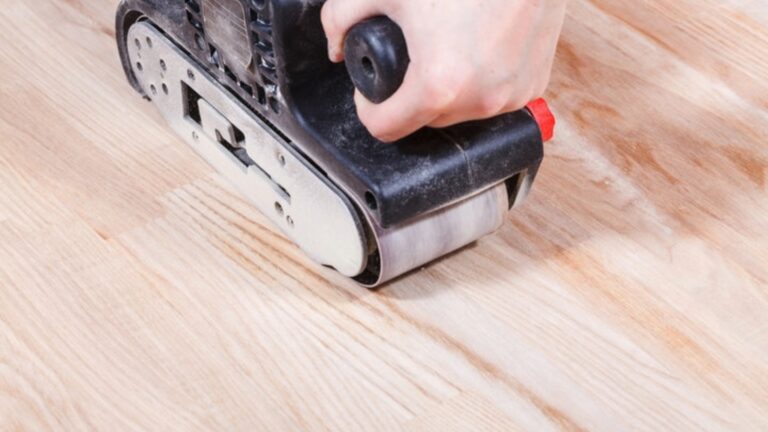
If you’ve tried the gentler methods and the stains are still there, or if you’re worried about damaging your beautiful timber floors, it’s probably time to call in the experts. Bristol has some great local companies that specialise in wood floor restoration. They have the tools, the knowledge, and the right products to deal with stubborn hard water stains without causing further harm. They can assess the damage, determine the best course of action, and often bring your floors back to looking like new. It might cost a bit more upfront, but it can save you a lot of stress and potential damage in the long run.
Preventative Measures for Timber Protection
Dealing with hard water stains on your timber floors, especially in areas like Bath and Bristol, can be a real headache. But the good news is, a lot of it can be avoided with some smart preventative steps. It’s all about being proactive rather than reactive, you know?
Sealing and Finishing Strategies
Think of sealing and finishing as giving your wood floors a protective coat. It’s like putting on a raincoat before you go out in a storm. The right finish acts as a barrier, stopping water and those pesky minerals from soaking into the wood itself. Different finishes have different strengths:
- Polyurethane (Oil-Based and Water-Based): These are super common and create a tough surface. Oil-based tends to be more durable and water-resistant, but can yellow over time. Water-based dries faster and is clearer, but might need more coats.
- Hardwax Oils: These soak into the wood, offering a more natural look and feel. They’re good at repelling water, but might need more frequent reapplication than polyurethanes.
- Varnishes: Similar to polyurethanes, they form a protective film on the surface.
The key is choosing a finish that’s rated for high-moisture areas if possible, and making sure it’s applied correctly and evenly. A good seal means fewer worries about spills or even just the general humidity in your bathroom or kitchen.
Regular Maintenance Routines
Even the best finish needs a little help now and then. Keeping up with regular cleaning is a big part of keeping those stains at bay. It’s not about scrubbing every day, but more about a consistent approach.
- Wipe Up Spills Immediately: This is the golden rule. Don’t let water sit on the floor, even for a few minutes. Grab a soft cloth and dry it up.
- Use Gentle Cleaning Products: Avoid harsh chemicals or abrasive cleaners. Stick to pH-neutral wood floor cleaners or even just a damp mop with water. Always wring the mop out well – you don’t want to flood the floor.
- Sweep or Vacuum Regularly: Dust and grit can scratch the finish over time, making it more vulnerable to water damage. A soft-bristle broom or a vacuum with a wood floor attachment works wonders.
Controlling Humidity Levels
Humidity plays a surprisingly big role in how your wood floors react to moisture. High humidity can make wood swell, and when it dries out, it can shrink. This constant movement can stress the finish and the wood itself, making it more susceptible to staining.
- Use Dehumidifiers: Especially in bathrooms or kitchens where steam is common, a dehumidifier can help keep the air drier.
- Ventilate Properly: Make sure bathrooms have good exhaust fans that are used during and after showers. Open windows when possible to let fresh air circulate.
- Monitor with a Hygrometer: These little gadgets can tell you the exact humidity level in your home. Aim for a consistent range, typically between 35-55%.
By taking these steps, you’re building a strong defense against hard water stains and keeping your timber floors looking great for years to come. It’s a bit of effort upfront, but it saves a lot of trouble later on.
Choosing the Right Restoration Professionals
When hard water stains have really taken hold of your timber floors, especially in areas like Bath and Bristol with their unique water profiles, it’s time to call in the pros. Trying to fix serious water damage yourself can sometimes make things worse, so picking the right people is a big deal. You want someone who knows wood, knows water stains, and knows the local scene.
Assessing Expertise in Water Damage
First off, you need to find a restoration company that has a solid track record with water damage on wood. Ask them directly about their experience with hard water stains. A good company will be able to explain their process for identifying the extent of the damage, whether it’s just on the surface or if it’s seeped deeper into the wood. They should be able to talk about different types of wood finishes and how hard water affects them. Don’t be afraid to ask for examples of similar jobs they’ve handled. Look for professionals who can clearly articulate the steps they’ll take to restore your floors, not just give you a vague promise.
Understanding Restoration Guarantees
What kind of guarantee does the company provide? This is super important. A reputable restoration service will stand behind their work. They should offer some form of warranty or guarantee on their repairs and refinishing. This gives you peace of mind knowing that if something goes wrong shortly after they finish, they’ll come back and fix it. Make sure you get the details of this guarantee in writing. Understand what it covers and for how long. It’s not just about fixing the stains; it’s about making sure the repair lasts.
Local Knowledge of Bristol Wood Flooring
For those of us in Bristol, or nearby areas, having a restoration team with local knowledge can be a real plus. They’ll likely be familiar with the common issues that arise in this region, including the specific mineral content of the local water and how it impacts different types of timber commonly found in older Bristol homes. They might also have established relationships with local suppliers for materials if any wood needs replacing. This local insight can translate into more efficient and effective restoration work. Plus, it’s always nice to support businesses that are part of your community.
When it’s time to fix up your home after damage, picking the right people is super important. You want a team that knows their stuff and will do a great job. Don’t just guess; make sure they have experience and good reviews. Ready to find the best team for your project? Visit our website to learn more about how we can help you.
Wrapping Things Up
So, we’ve talked about how hard water can really mess with your timber floors, especially in places like the bathroom and kitchen. It’s not just about looks, either; those mineral deposits can actually damage the wood over time. It’s a bit of a pain, honestly. But the good news is, with the right approach and some regular care, you can keep those wooden floors looking good. It might take a little extra effort compared to other flooring types, but hey, that unique charm is worth it, right? Just remember to clean up spills quickly and maybe look into water softeners if it’s a big problem in your area. Taking these steps should help keep your floors in shape for years to come.
Frequently Asked Questions
What exactly is hard water, and why is it bad for my wood floors?
Think of hard water as water that’s packed with minerals, like calcium and magnesium. When this water dries on your wood floors, those minerals can leave behind chalky white marks or rings. It’s like a little mineral souvenir that can mess with the wood’s finish and even the wood itself over time.
How can I tell if those spots on my floor are from hard water?
Usually, hard water stains look like dull, whitish rings or splotches. They might feel a bit rough if you run your hand over them. If you’ve got them after water has splashed around, especially in the bathroom or kitchen, it’s a pretty good clue they’re from hard water.
Does the water in Bath and Bristol really cause more problems for wood?
Yeah, the water in areas like Bath and Bristol can be pretty hard because of the ground it travels through. This means there are more minerals floating around, which can make water stains a bigger headache for your wooden floors than in places with softer water.
What’s the easiest way to clean up light hard water stains?
For simple spots, you can often try a gentle approach. Mix a little bit of mild soap with water and gently wipe the area. Sometimes, a paste made from baking soda and water can work wonders too. Just be sure to dry the spot thoroughly afterward!
What if the stains are really stubborn and deep?
If the simple stuff doesn’t cut it, you might need something a bit stronger, but still careful. Sometimes a very diluted vinegar solution can help break down the minerals, but you have to test it in a hidden spot first and use it sparingly. For really tough stains that have soaked into the wood, it might be time to call in the pros.
How can I stop these stains from happening in the first place?
Prevention is key! Make sure your wood floors have a good protective finish, like a sealant or varnish. Wiping up spills right away is super important. Also, keeping the humidity in your home steady helps protect the wood from all sorts of moisture issues, not just hard water.