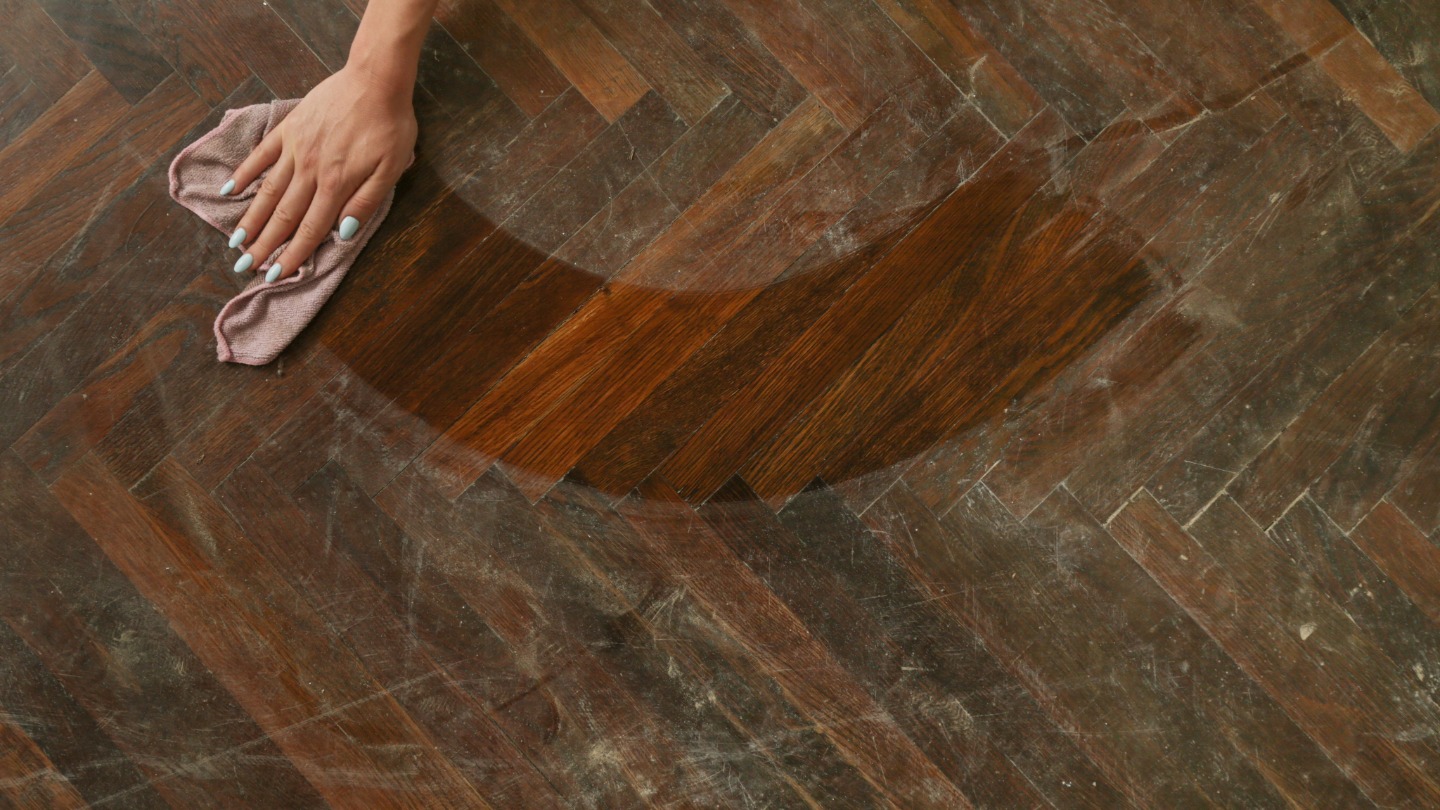
Hey folks! So, we’re talking about dust in UK workplaces, specifically looking ahead to 2026. It might not sound like the most exciting topic, but honestly, dust is a pretty big deal for health and safety. Whether it’s from construction, woodworking, or even just general office mess, airborne particles can cause some serious problems. We’ll break down what you need to know to keep your workspace clean and everyone breathing easy.
Key Takeaways
- Dust isn’t just a nuisance; it’s a real health hazard that needs attention in any workplace.
- UK regulations are in place to control dust, and the HSE has clear expectations for businesses.
- When it comes to specific jobs like floor sanding, there are particular dust free floor sanding regulations to follow.
- Having the right dust extraction gear and keeping it in good working order is super important.
- Good workplace design, safe habits, and training your team are all part of a solid dust control plan.
Understanding The Dust Menace
Alright, let’s talk about dust. It might seem like a minor annoyance, something you just sweep up, but in the workplace, it’s a much bigger deal. We’re not just talking about a bit of mess here; we’re talking about potential health hazards that can sneak up on you and your team.
Why Dust Is A Big Deal
So, why all the fuss about dust? Well, it’s not just about keeping things tidy. Airborne dust particles, especially the really fine ones you can’t even see, can get into your lungs. Over time, this can lead to some pretty serious breathing problems. Think of it like this: the smaller the particle, the deeper it can go into your lungs, and the harder it is to get out. It’s a real health hazard that many businesses overlook until it becomes a problem.
Common Dust Sources In Workplaces
Dust isn’t just one thing. It comes from all sorts of places depending on what you do. If you’re in construction, you’ve got concrete, wood, and plaster dust flying around. In manufacturing, it could be metal shavings, plastic particles, or chemicals. Even in an office, paper dust and carpet fibers can add up. Here are a few common culprits:
- Woodworking: Sawdust from cutting, sanding, and shaping wood.
- Construction/Renovation: Drywall dust, concrete dust, brick dust from demolition and building.
- Manufacturing: Fine particles from processing plastics, metals, or chemicals.
- Agriculture: Soil, grain, and animal dander.
- Textile Industry: Fibers from fabrics and yarns.
Health Risks You Can’t Ignore
Ignoring dust can have some nasty consequences. Short-term exposure might just give you a cough or itchy eyes. But long-term, it’s a different story. You could be looking at conditions like:
- Occupational Asthma: Your airways get inflamed and narrow, making it hard to breathe.
- Chronic Obstructive Pulmonary Disease (COPD): This includes conditions like emphysema and chronic bronchitis, which make breathing progressively difficult.
- Silicosis: A serious lung disease caused by breathing in silica dust, often found in construction and mining.
- Dermatitis: Skin irritation and rashes from contact with certain dusts.
It’s easy to think that if you can’t see the dust, it’s not there. But the most dangerous dust particles are often the smallest, invisible to the naked eye. They’re the ones that can cause the most damage over time, silently affecting your team’s health.
Key Regulations For Cleaner Air
Alright, let’s talk about the nitty-gritty of keeping your workplace air clean. It’s not just about being nice; there are actual rules you need to follow. Think of it as the government saying, ‘Hey, make sure your workers aren’t breathing in junk all day.’
The Legal Landscape For Dust Control
So, what’s the deal with the law? In the UK, the main law that covers this is the Health and Safety at Work etc. Act 1974. It’s pretty broad, basically saying employers have a duty to look after their employees’ health, safety, and welfare. When it comes to dust, this means taking sensible steps to stop or at least control exposure. There are also specific regulations, like the Control of Substances Hazardous to Health (COSHH) Regulations 2002, which are super important if the dust you’re dealing with is harmful. COSHH makes you figure out what hazards are around, how likely people are to be exposed, and what you’re going to do about it. It’s all about risk assessment and putting controls in place.
What The HSE Expects
The Health and Safety Executive (HSE) is the big boss when it comes to enforcing these rules. They’re not just going to show up and say ‘boo!’ They expect you to have a plan. This usually involves:
- Identifying dust hazards in your specific workplace.
- Figuring out who might be breathing it in and how much.
- Putting in place measures to control that dust. This could be anything from better ventilation to using wet methods or, of course, proper extraction.
- Making sure the controls you put in place actually work and are kept in good nick.
- Keeping records of what you’ve done.
They’re big on what they call the ‘hierarchy of controls’. This means they want you to try and get rid of the dust at the source first, rather than just trying to clean it up later. Extraction gear fits in nicely here, but it’s not the only thing.
Focusing On Dust Free Floor Sanding Regulations
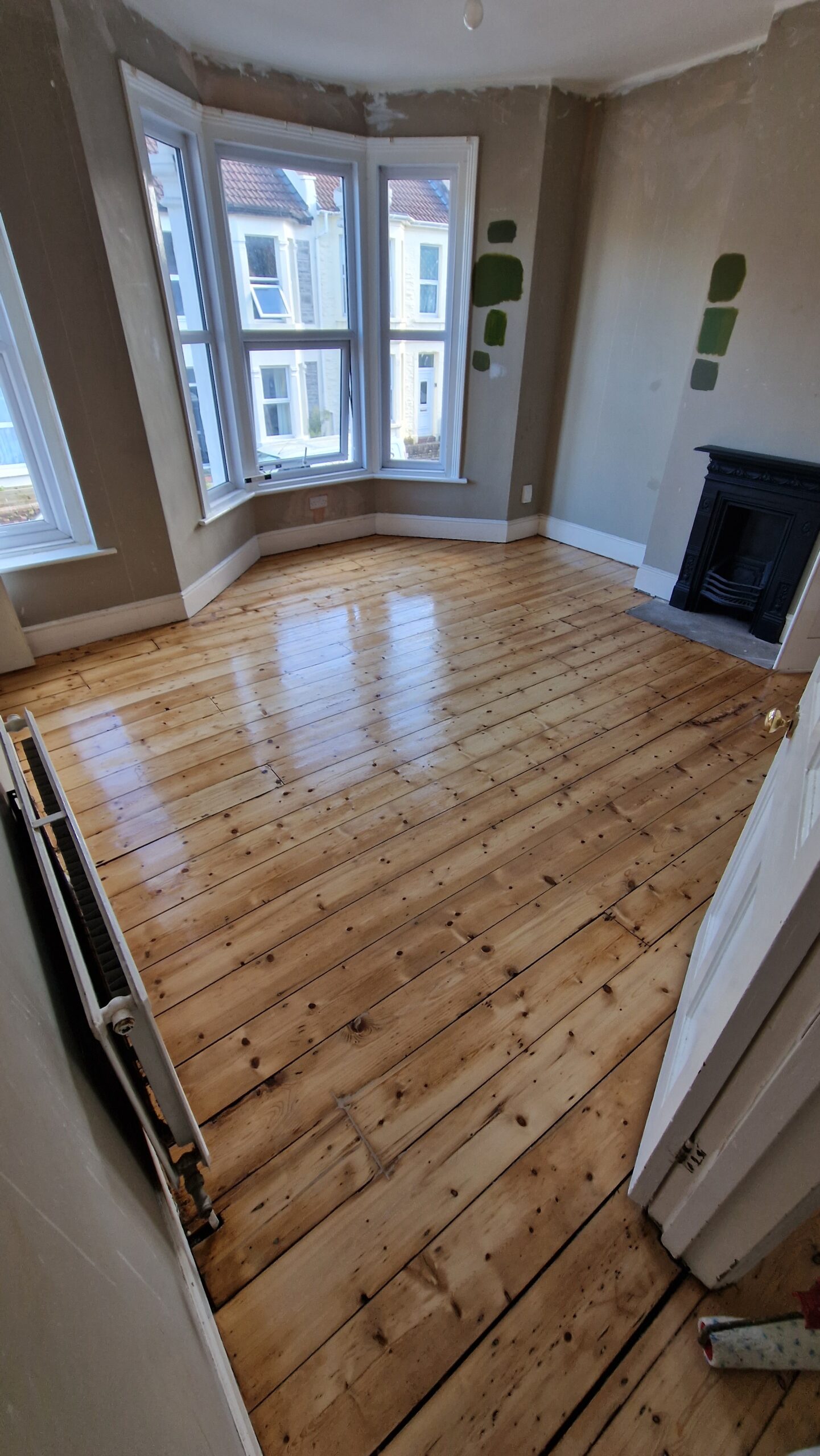
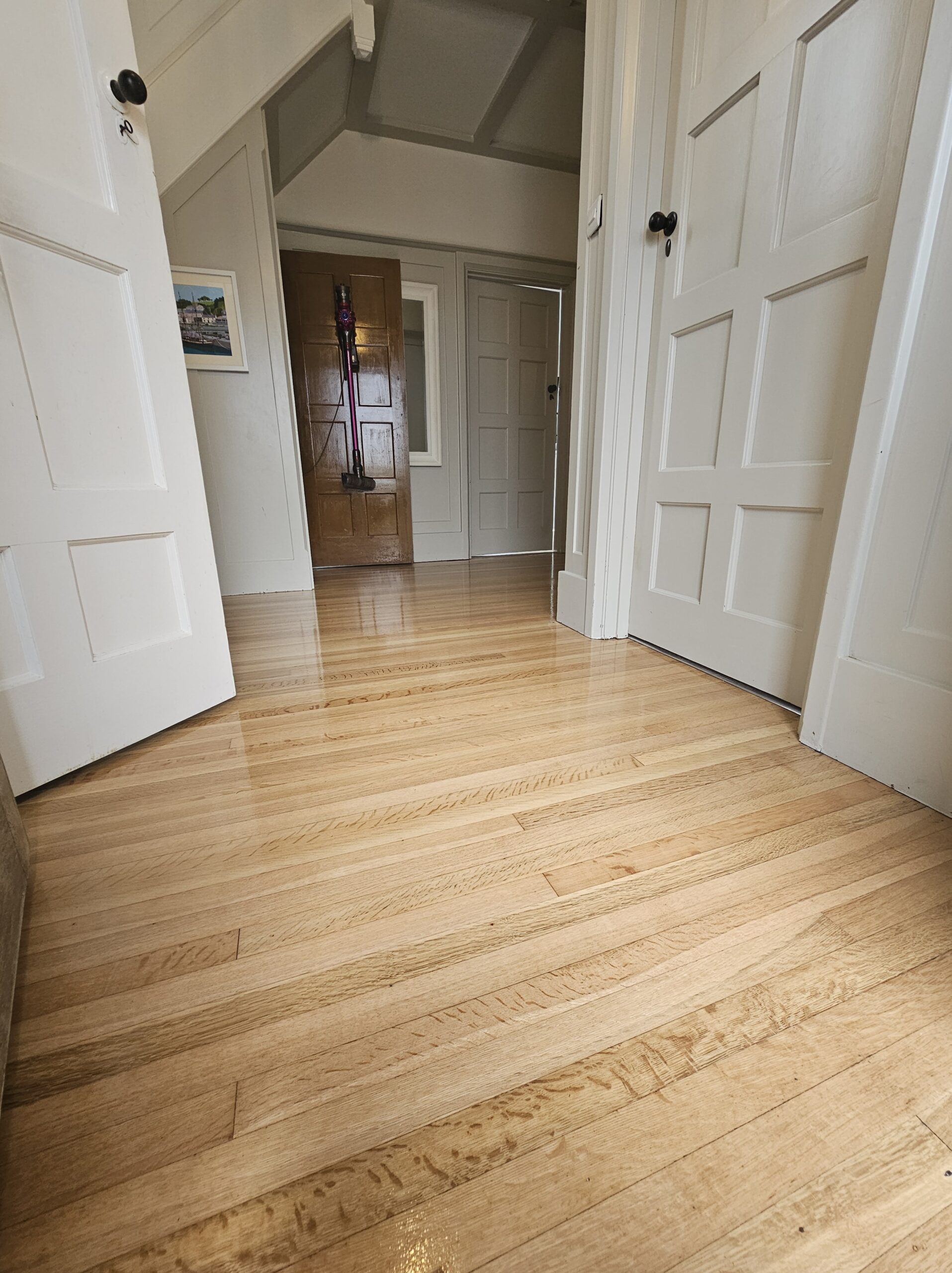
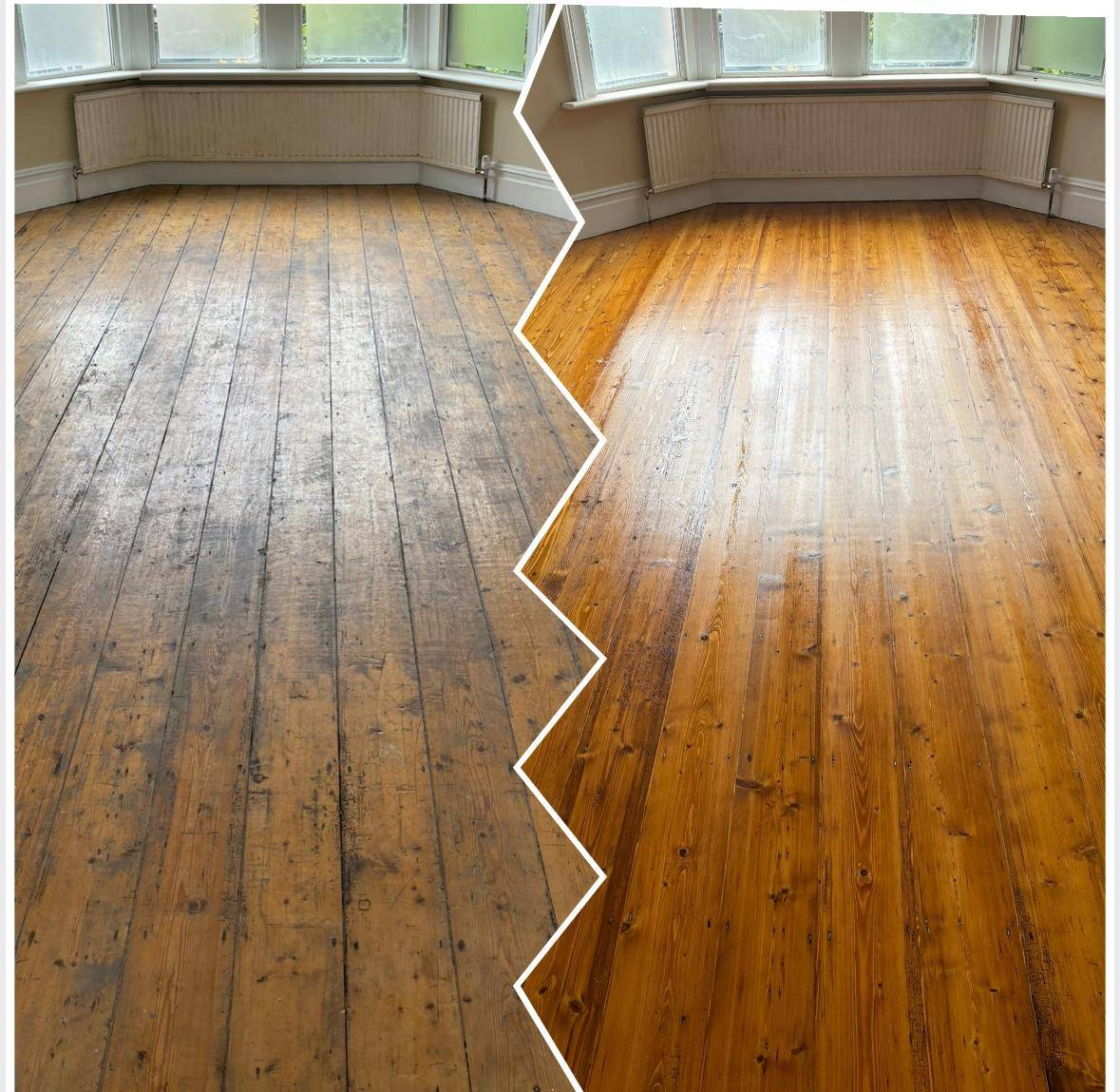
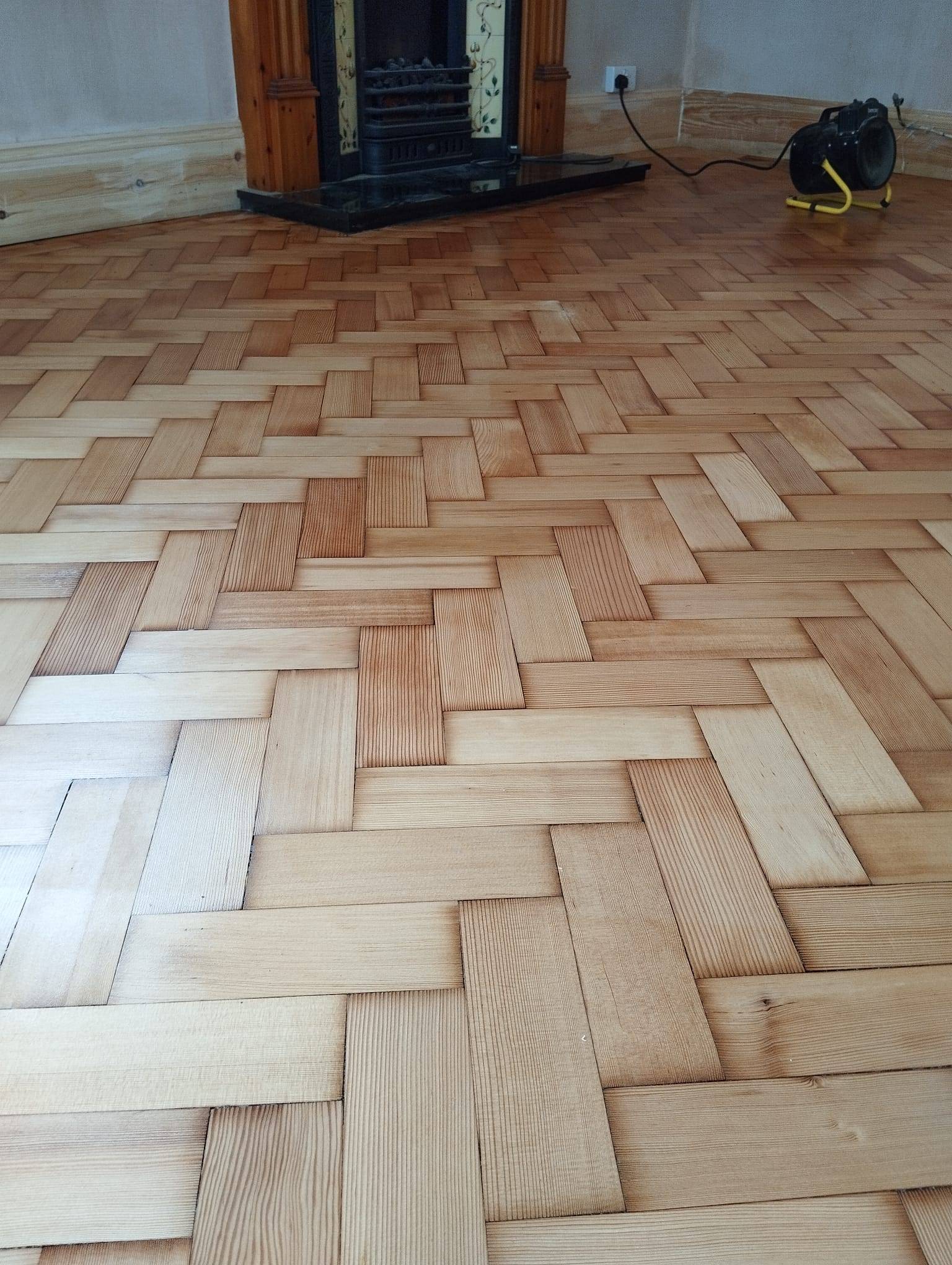
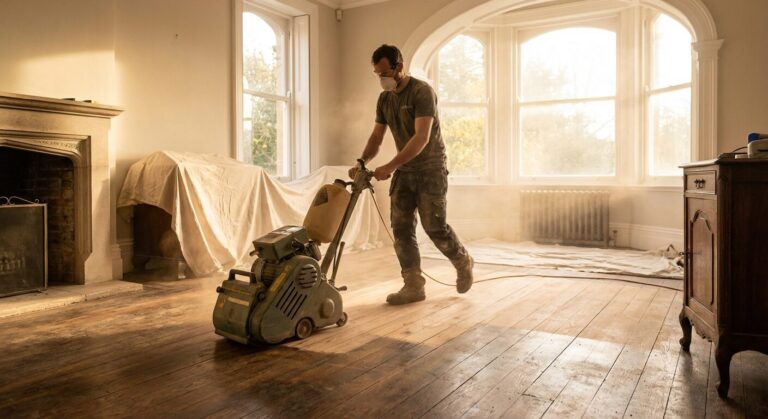
Floor sanding is a classic example where dust can get out of hand, especially with older buildings and certain types of flooring. The HSE has specific guidance on this because it can create a lot of fine dust, which is bad news for lungs. For floor sanding, they really push for local exhaust ventilation (LEV) systems that are properly designed and fitted to the sanding machines. You can’t just use any old vacuum cleaner; it needs to be up to the job. Think about it: you’re grinding away at wood or concrete, and that creates a fine powder. If that powder gets into the air and stays there, people breathe it in. So, the regulations are pretty strict about making sure the equipment captures that dust right where it’s made. This often means using machines with built-in dust extraction or attaching a powerful, suitable extraction unit.
The goal is always to keep dust levels as low as reasonably practicable. This isn’t just a suggestion; it’s a legal requirement. If you can do something to reduce dust exposure, and it’s not ridiculously difficult or expensive, you should be doing it.
Essential Dust Extraction Gear
Alright, so we’ve talked about why dust is a pain and what the rules say. Now, let’s get down to the nitty-gritty: the actual equipment you need to keep your workplace air clean. Getting the right gear isn’t just about ticking a box; it’s about making sure your team can breathe easy and stay safe.
Choosing The Right Extraction System
Picking the right dust extractor can feel a bit overwhelming with all the options out there. Think about what kind of dust you’re dealing with. Is it fine wood dust, concrete dust, or something else? The size of your workspace and the amount of dust generated are also big factors. You don’t want a tiny unit struggling in a big workshop, or a massive, expensive one for a small office.
Here are a few things to consider:
- Type of Dust: Different systems are better for different particles. Some are designed for fine dust, others for heavier debris.
- Airflow (CFM): This tells you how much air the machine can move. More CFM generally means better extraction, especially in larger areas.
- Portability: Do you need to move it around a lot, or will it stay in one spot?
- Power Source: Consider if you have easy access to the right power outlets.
The goal is to match the system’s capacity to your specific dust-producing activities.
Maintaining Your Equipment
Buying good gear is only half the battle. If you don’t look after it, it won’t work as well as it should. Regular maintenance is key to keeping your dust extraction system running smoothly and efficiently. Think of it like changing the oil in your car – it just needs to be done.
Here’s a quick rundown of what to do:
- Clean Filters: This is probably the most important thing. Clogged filters mean poor airflow and less dust being captured.
- Check Hoses and Connections: Make sure there are no leaks or blockages in the hoses. A loose connection can let dust escape right back into the air.
- Inspect the Motor: Listen for any strange noises and keep the motor area clean.
- Empty Collection Bins: Don’t let them overflow! This can strain the motor and reduce efficiency.
Keeping your equipment in tip-top shape means it’ll do its job properly, protecting your workers and keeping you on the right side of the law. It’s a simple step that makes a big difference.
Filtration Standards To Look For
When you’re looking at dust extractors, pay close attention to the filtration. This is what actually traps the dust particles. You’ll see different ratings, and they matter a lot, especially for health risks.
- HEPA Filters: These are the gold standard for capturing very fine particles, down to 0.3 microns. If you’re dealing with really hazardous dust, like silica, HEPA is what you want.
- MERV Ratings: This is a common rating system. Higher MERV numbers mean better filtration. For general workplace dust, a MERV 13 or higher is a good starting point.
- Bag vs. Canister: Some systems use bags, others have canister filters. Bags can be easier to dispose of, but canister filters might offer better long-term performance if maintained.
Always check the manufacturer’s specs to see what the filter is rated for. Don’t just assume it’ll catch everything; verify it.
Implementing Effective Dust Control
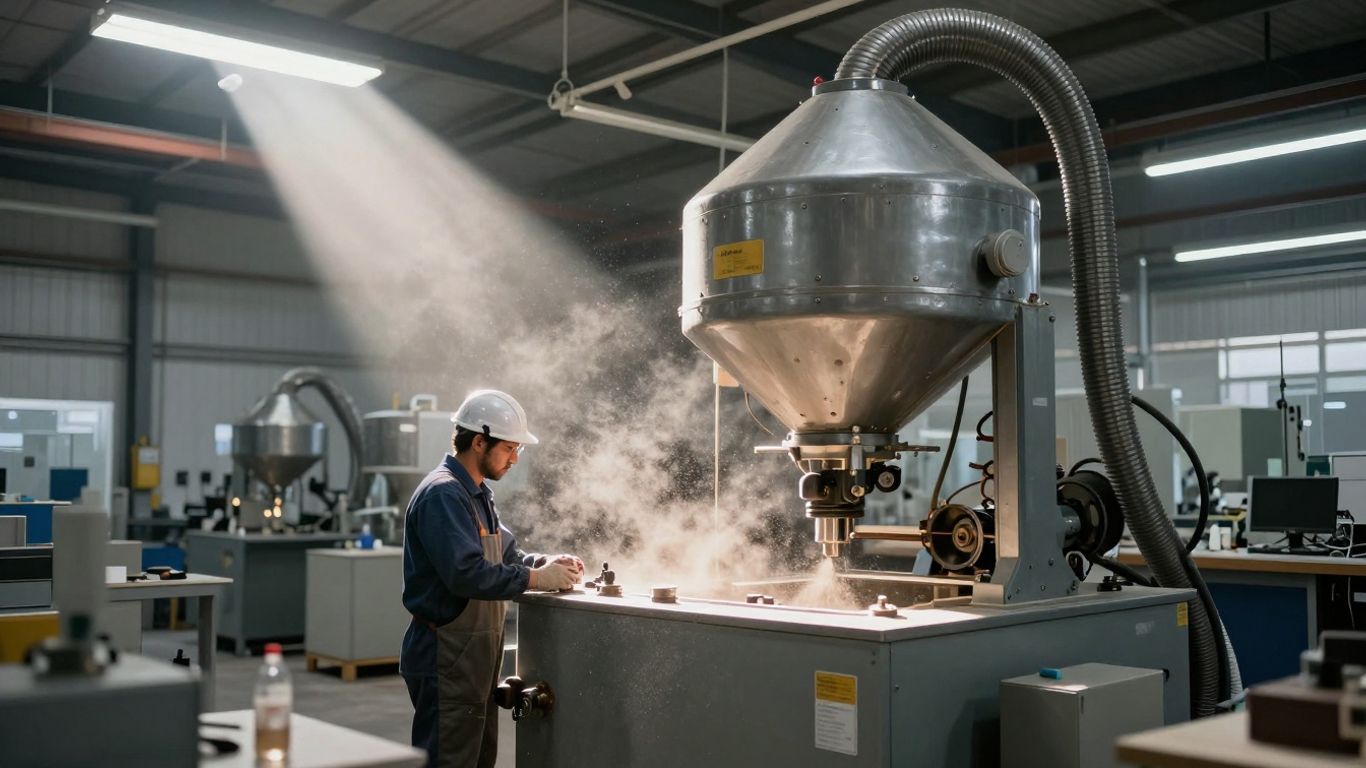
So, you’ve got the gear, you know the rules, but how do you actually make your workplace a dust-free zone? It’s not just about buying a fancy vacuum; it’s about how you set things up and how everyone works.
Workplace Design For Dust Management
Think about your workspace like a big system. Where does dust usually hang out? Often, it’s in corners, on high shelves, or in areas that are hard to get to. Making your space easier to clean is a big win. This means thinking about surfaces – smooth, non-porous ones are way better than rough, textured ones that trap dust. Also, consider airflow. You don’t want air currents just pushing dust around; you want them to help guide it towards your extraction points. Good design means less dust gets a chance to settle in the first place.
Safe Work Practices
This is where everyone plays a part. It’s about building habits that keep dust down. For example, when you’re cutting or sanding, try to do it as close to the extraction point as possible. Don’t just let dust billow out into the room. Clean up spills right away, don’t wait for them to dry and become airborne. And when you’re cleaning, use methods that don’t just stir up dust. Wet wiping or using HEPA-filtered vacuums is way better than just dry sweeping.
Here are a few things to keep in mind:
- Keep tools clean – dust builds up on them too.
- Store materials properly to avoid dust release.
- Clean up at the end of each shift, not just once a week.
- If you’re doing a messy job, try to isolate the area if you can.
Sometimes, the simplest changes make the biggest difference. It’s not always about fancy tech; it’s about being mindful of how your actions create dust and how you can stop it before it becomes a problem.
Training Your Team
Your team needs to know why dust control is important and how to do it right. Just telling them to clean up isn’t enough. They need to understand the health risks, know how to use the extraction equipment properly, and understand the safe work practices you’ve put in place. Regular training sessions, maybe short refreshers, can make a big difference. Make sure everyone knows who to ask if they have questions or see a problem. A well-trained team is your best defense against a dusty workplace.
Monitoring And Compliance
So, you’ve got your dust extraction gear sorted, which is awesome. But just having it isn’t enough, right? You gotta make sure it’s actually doing its job and that you’re following all the rules. This is where monitoring and compliance come in. Think of it as the follow-up to make sure your dust-busting efforts are on the up-and-up.
Regular Air Quality Checks
This is pretty straightforward. You need to know what’s floating around in the air your team is breathing. It’s not just about seeing dust; it’s about measuring it. You can get simple dust meters, or for more serious workplaces, you might need professional testing. Regular checks help you spot problems before they become big health hazards. It’s like a regular check-up for your workplace’s air.
Here’s a quick rundown of what to look for:
- Visible Dust Levels: Is there a noticeable film on surfaces? Are you seeing dust clouds when you work?
- Airborne Particle Counts: Using a meter to get actual numbers. Different types of dust (like silica or wood dust) have different limits.
- Worker Feedback: Sometimes, your team will tell you if the air feels ‘off’ or if they’re experiencing more irritation.
Record Keeping Essentials
Don’t just check the air and forget about it. You need to keep records. This is super important for a few reasons. Firstly, it shows you’re being proactive. Secondly, if the HSE (Health and Safety Executive) ever comes knocking, you’ve got proof you’re doing what you should be. It’s also helpful for tracking trends over time.
What should you be logging?
- Dates and times of air quality tests.
- Results from those tests (including the type of dust measured).
- Any maintenance or repairs done on your extraction systems.
- Details of staff training on dust control.
- Records of any incidents or complaints related to dust.
Keeping good records isn’t just about ticking boxes; it’s about building a safer environment for everyone. It’s a tangible way to show your commitment to health and safety, and it can save you a lot of hassle down the line.
What Happens If You Don’t Comply?
Look, nobody wants to think about this, but it’s a real possibility if you drop the ball on dust control. The HSE has the power to issue improvement notices, prohibition notices, or even slap you with fines. Depending on the severity and the type of dust involved, there could be legal consequences, especially if someone’s health is affected. It can damage your company’s reputation too. So, staying on top of your dust extraction game isn’t just good practice; it’s a legal necessity.
Future Trends In Dust Management
Innovations In Extraction Technology
So, what’s next for keeping our workplaces dust-free? It’s not just about bigger fans and better filters anymore. We’re seeing some pretty neat tech popping up. Think smarter sensors that can actually tell when dust levels are getting a bit much, not just when a timer says it’s time to check. These systems can then adjust themselves, saving energy and making sure the air is always clean, not just most of the time. We’re also looking at more portable and adaptable extraction units. Imagine a system that can easily move from one job site to another, or even be integrated directly into tools. This means less setup hassle and better dust capture right at the source, which is a big win.
The Push For Even Stricter Standards
Governments and safety bodies aren’t just sitting back. They’re always looking at the latest science and accident reports to figure out how to make things safer. This means we can probably expect the rules around dust extraction to get a bit tighter. They’ll likely want to see more proof that systems are working effectively and that employers are really on top of things. This could mean new testing requirements or even specific performance benchmarks that extraction gear has to meet. It’s all about getting ahead of potential health problems before they even start.
Adapting To Evolving Regulations
Keeping up with new rules can feel like a chore, but it’s really just part of the job. The key is to stay informed. Here’s a quick rundown of what to keep an eye on:
- Industry News: Follow trade publications and safety websites. They’re usually the first to report on upcoming changes.
- HSE Updates: The Health and Safety Executive will put out official guidance. Make sure you’re signed up for their alerts if they offer them.
- Supplier Information: Your dust extraction equipment suppliers should also be clued in. They’ll know if their gear meets new standards and can advise you on upgrades.
It’s not about panicking when a new regulation drops. It’s about building a system that’s flexible enough to adapt. This might mean investing in equipment that’s designed for future upgrades or training your team to be aware of changing best practices. Basically, being proactive is way easier than playing catch-up later.
The world of dust control is always changing. New ideas are popping up all the time that help us manage dust better. We’re seeing smarter ways to keep dust down, making places cleaner and safer. Want to know more about what’s next in keeping dust under control? Visit our website to learn about the latest advancements.
So, What’s the Takeaway?
Alright, so we’ve talked a lot about dust and keeping things clean at work. It’s not just about making the place look nice, you know? It’s really about making sure everyone stays healthy and safe. These new rules for 2026 are a big deal, and getting them right means looking at your dust extraction setup. Don’t just wing it; figure out what works for your specific job. A bit of effort now can save a lot of headaches, and more importantly, keep your team breathing easy. Seriously, it’s worth the trouble to get this sorted.
Frequently Asked Questions
Why should I even care about dust at work?
Think of dust as tiny troublemakers! Breathing in too much of it, especially certain kinds, can lead to some pretty nasty lung problems over time. It’s not just about making the place look messy; it’s about keeping everyone healthy and safe.
What kind of jobs make the most dust?
Lots of jobs can create dust. If you’re working with wood, cutting stone, mixing concrete, or even just sweeping up a lot, you’re probably dealing with dust. Construction sites, workshops, and factories are common places where dust likes to hang out.
Are there laws about dust in the UK?
Yep, there sure are! The UK has rules to make sure workplaces keep dust levels down. The Health and Safety Executive (HSE) is the main group that makes sure businesses follow these rules to protect workers’ lungs.
What’s the best way to get rid of dust?
The best way is to stop it before it spreads! This means using special machines called dust extractors. They suck up the dust right where it’s made. Keeping your equipment in good shape and using the right filters are super important too.
How do I know if my dust control is working?
You’ve got to check! It’s a good idea to test the air sometimes to see how much dust is floating around. Keeping records of your checks and any cleaning you do helps show you’re on top of things. It’s all about being proactive.
What if a workplace doesn’t bother with dust control?
Well, that’s a big no-no. If the HSE finds out a business isn’t doing enough to control dust, they can issue warnings, make them fix the problem, or even fine them. Plus, the workers could end up with serious health issues, which is the worst outcome.