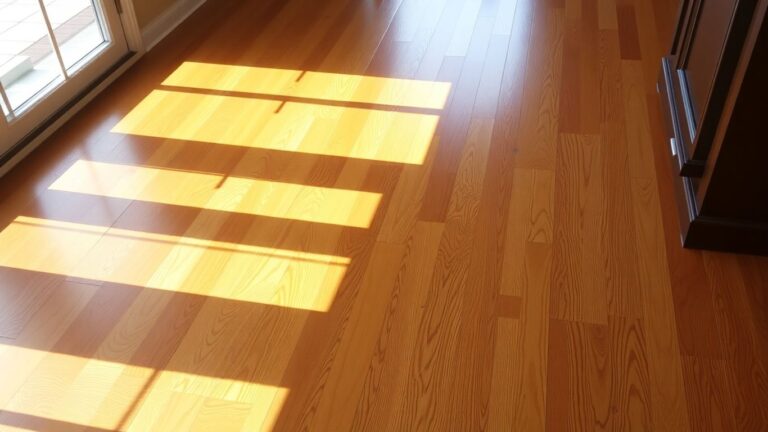
Did you know that restoring your floors can make your property more appealing to buyers? Floor restoration is not just a cosmetic enhancement but a strategic investment in your property’s future worth. Ryan’s Restoration knows that aesthetic appeal in the competitive real estate market can significantly accelerate the selling process and command higher sale prices. This article explores how floor restoration elevates your home’s beauty and bolsters its market value. Read on to discover compelling reasons why restoring your wooden floors is a wise financial decision.
The Impact of Floor Restoration on Property Value
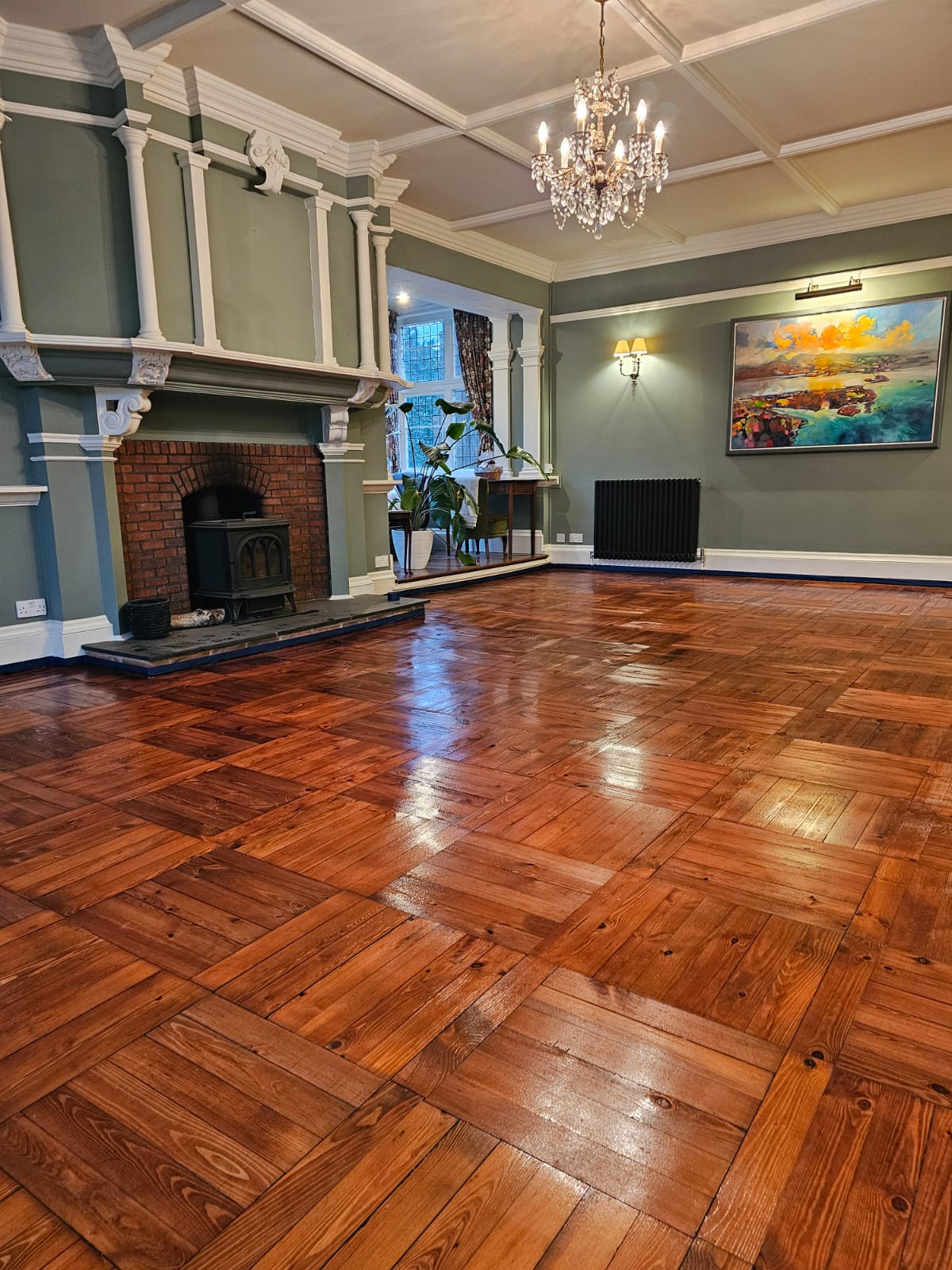
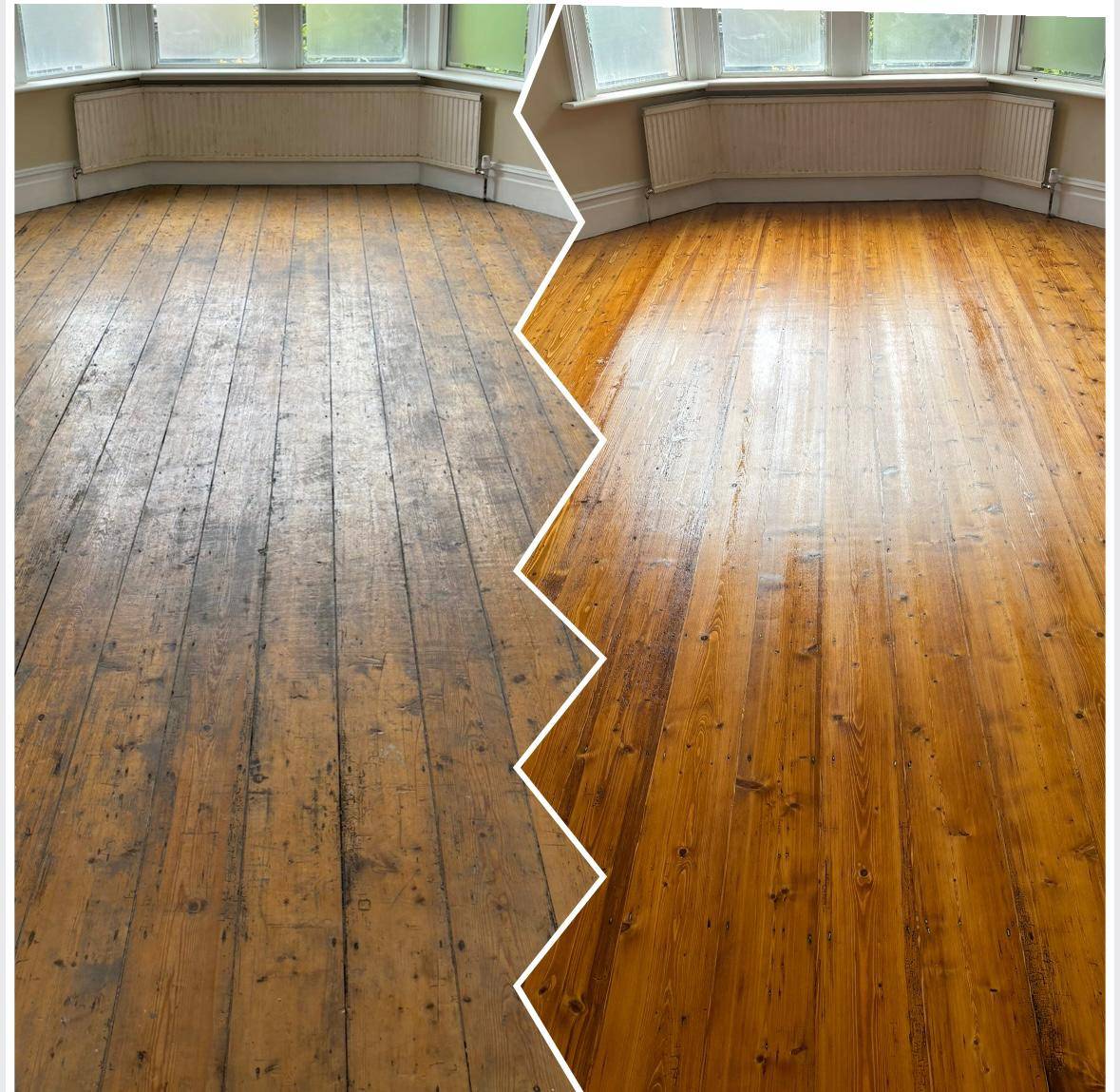
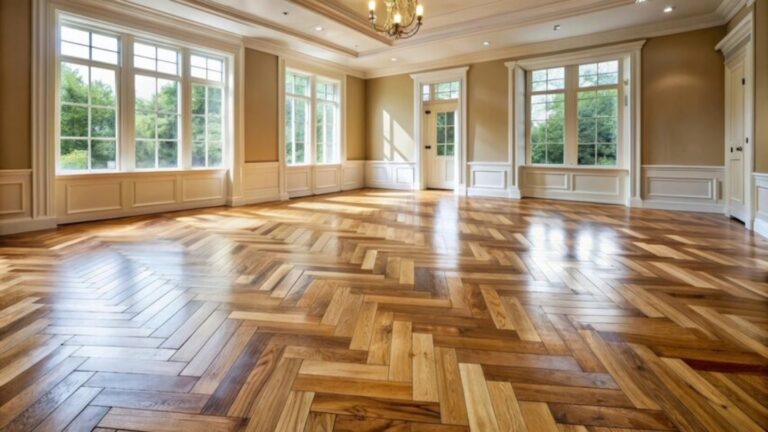
Restored wooden floors significantly enhance a property’s aesthetic appeal and perceived value. By eliminating visible signs of wear, such as scratches and dullness, floor restoration revitalises a home’s interior, creating a fresh and inviting environment. This enhancement in visual appeal makes the living space more attractive and suggests meticulous upkeep, which potential buyers find appealing. This boost in value is attributable to the renewed beauty and perceived quality of well-maintained floors, positioning the property as a more desirable investment.
- Enhanced aesthetic appeal
- Increased resale value
- Faster sales
- Greater buyer interest
- Improved property marketability
In the real estate market, properties featuring restored wooden floors often experience faster sales and attract greater buyer interest. The allure of polished wood surfaces enhances the property’s marketability and provides a competitive edge. These homes stand out in listings, capturing the attention of potential buyers who value quality craftsmanship and elegant finishes. As a result, sellers benefit from more competitive offers and quicker transactions. The impact of floor restoration thus extends beyond mere visual enhancements, crucial in elevating a property’s status in the marketplace.
Key Floor Restoration Techniques That Boost Value
Professional restoration services play a crucial role in maintaining and enhancing the value of wooden floors. Engaging skilled professionals ensures that the techniques used are executed with precision and care, protecting the longevity and aesthetic appeal of the flooring. This investment preserves the floor’s condition and contributes to the overall property value increase.
Floor Sanding
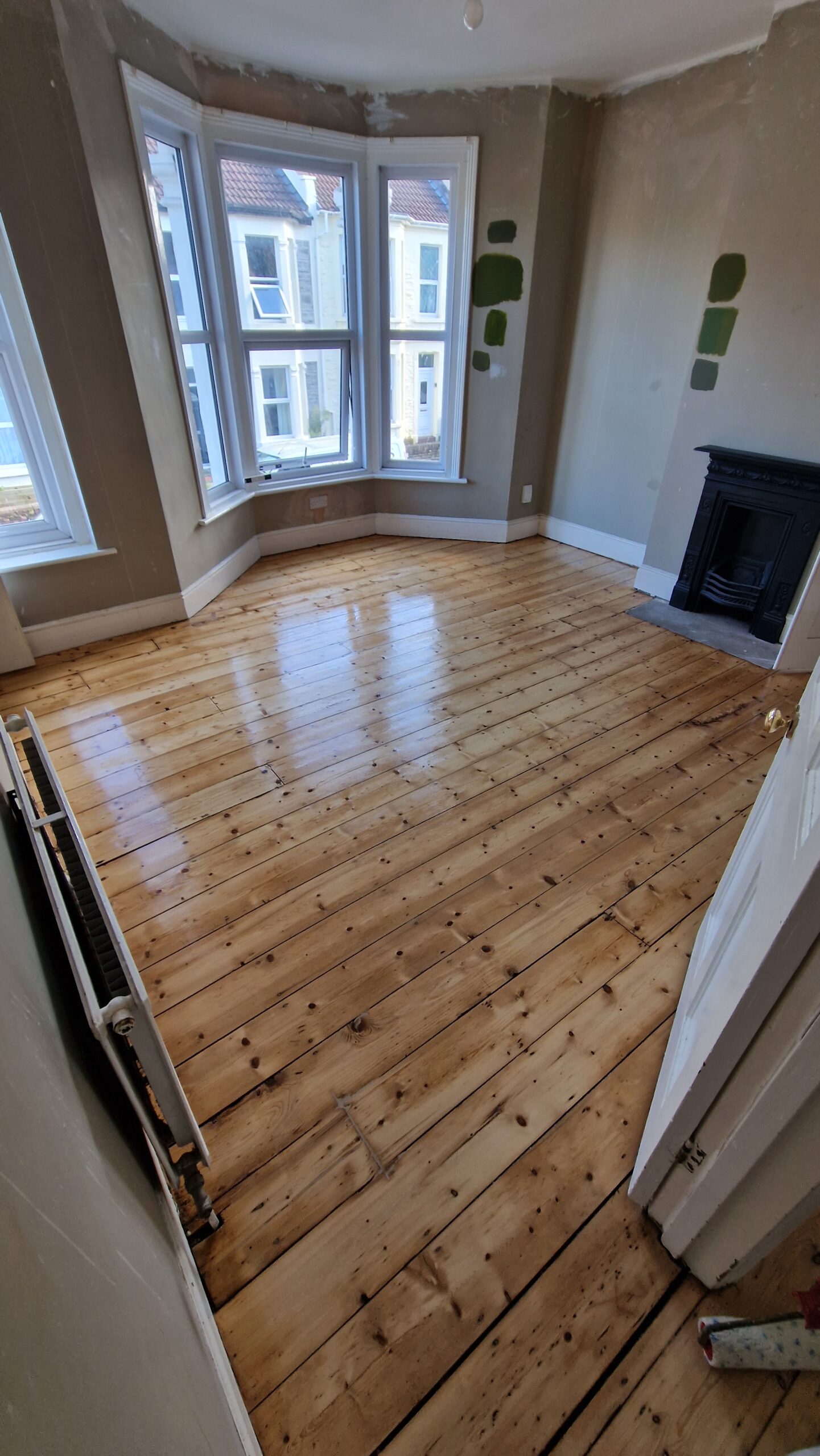
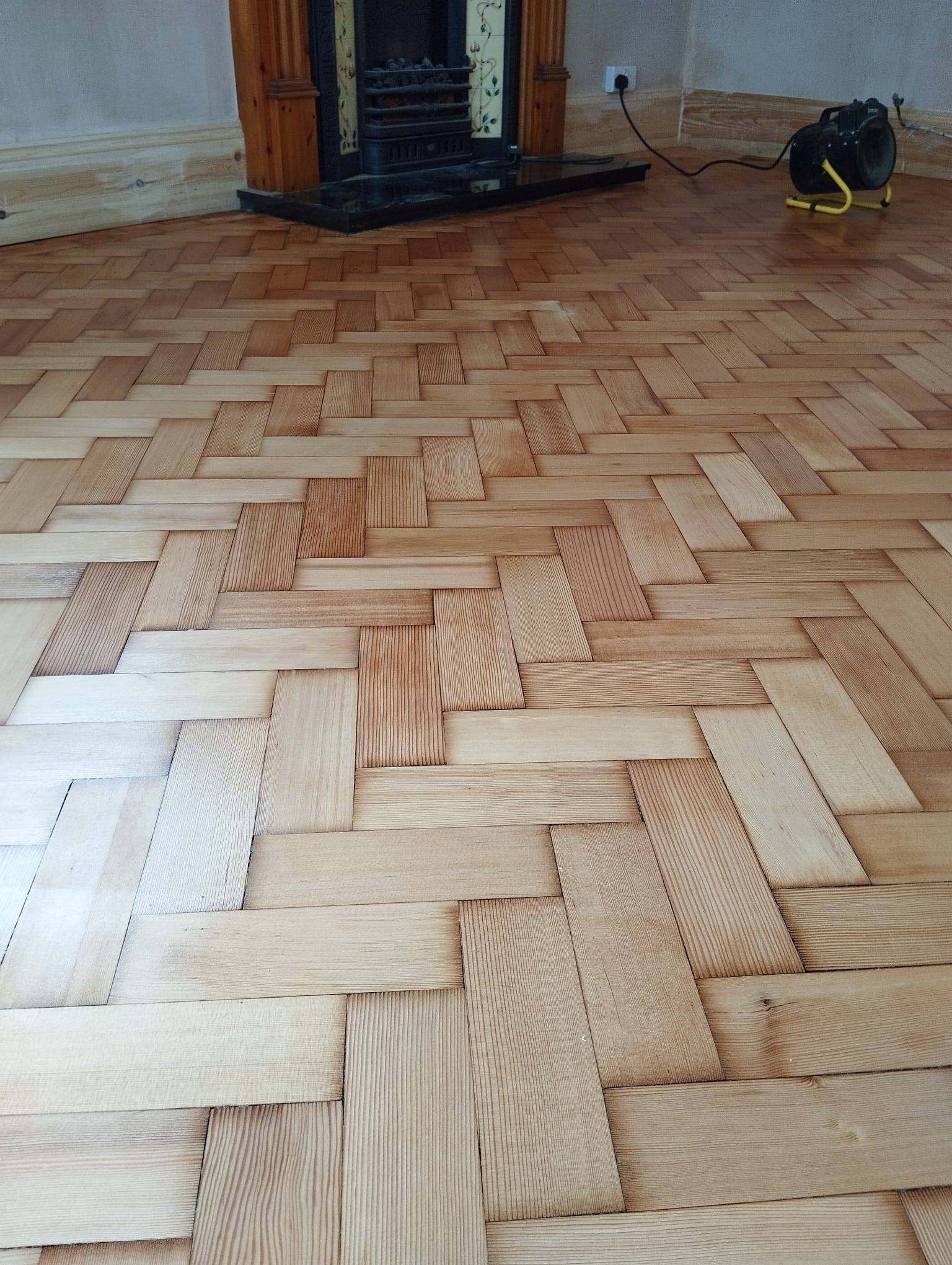
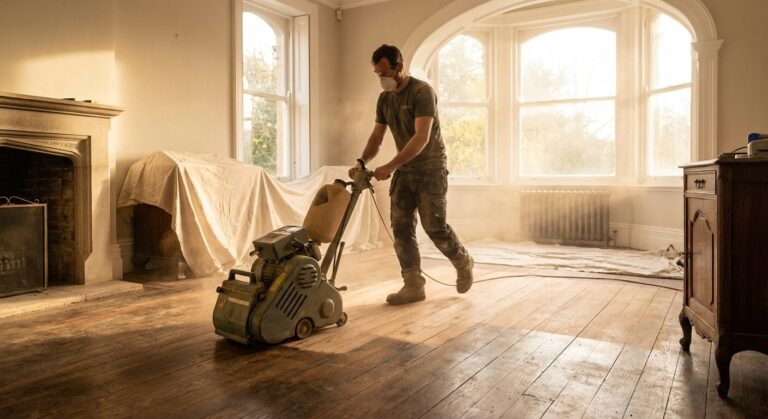
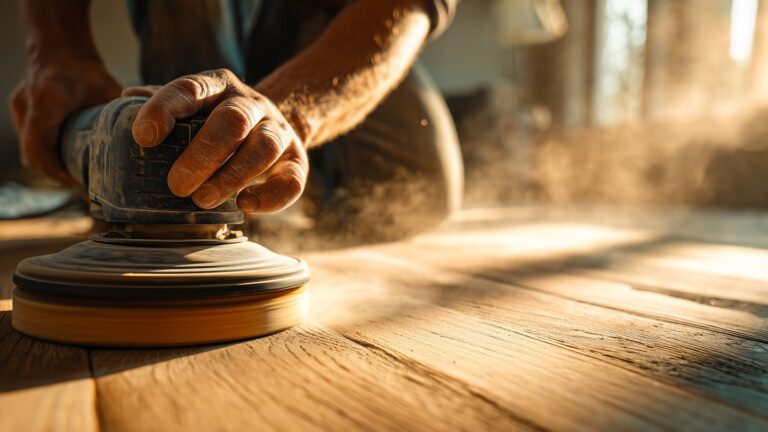
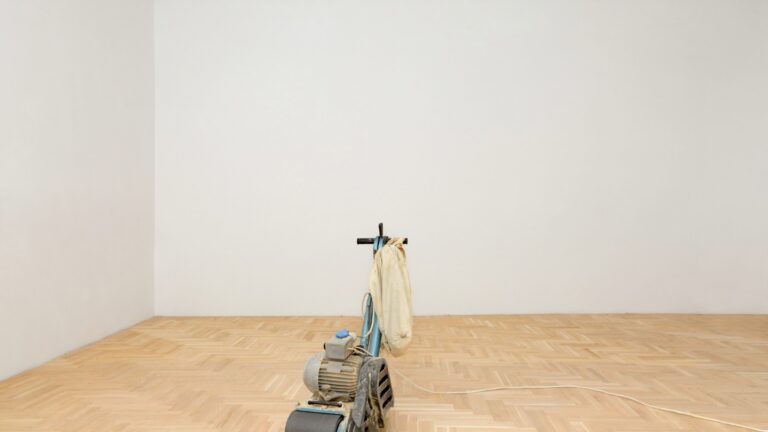
Floor sanding is a fundamental technique in the restoration process, known for restoring the original lustre of wooden floors. By meticulously removing the surface layer, sanding eliminates scratches and signs of wear that accumulate over time. This process requires a variety of sanding papers with different densities to achieve a smooth and even finish. The expertise of professionals is vital here to prevent damage and ensure the best possible outcome. Well-executed sanding rejuvenates the wood, making it appear fresh and well-maintained, which is particularly appealing to potential buyers and can elevate a property’s market value.
Refinishing
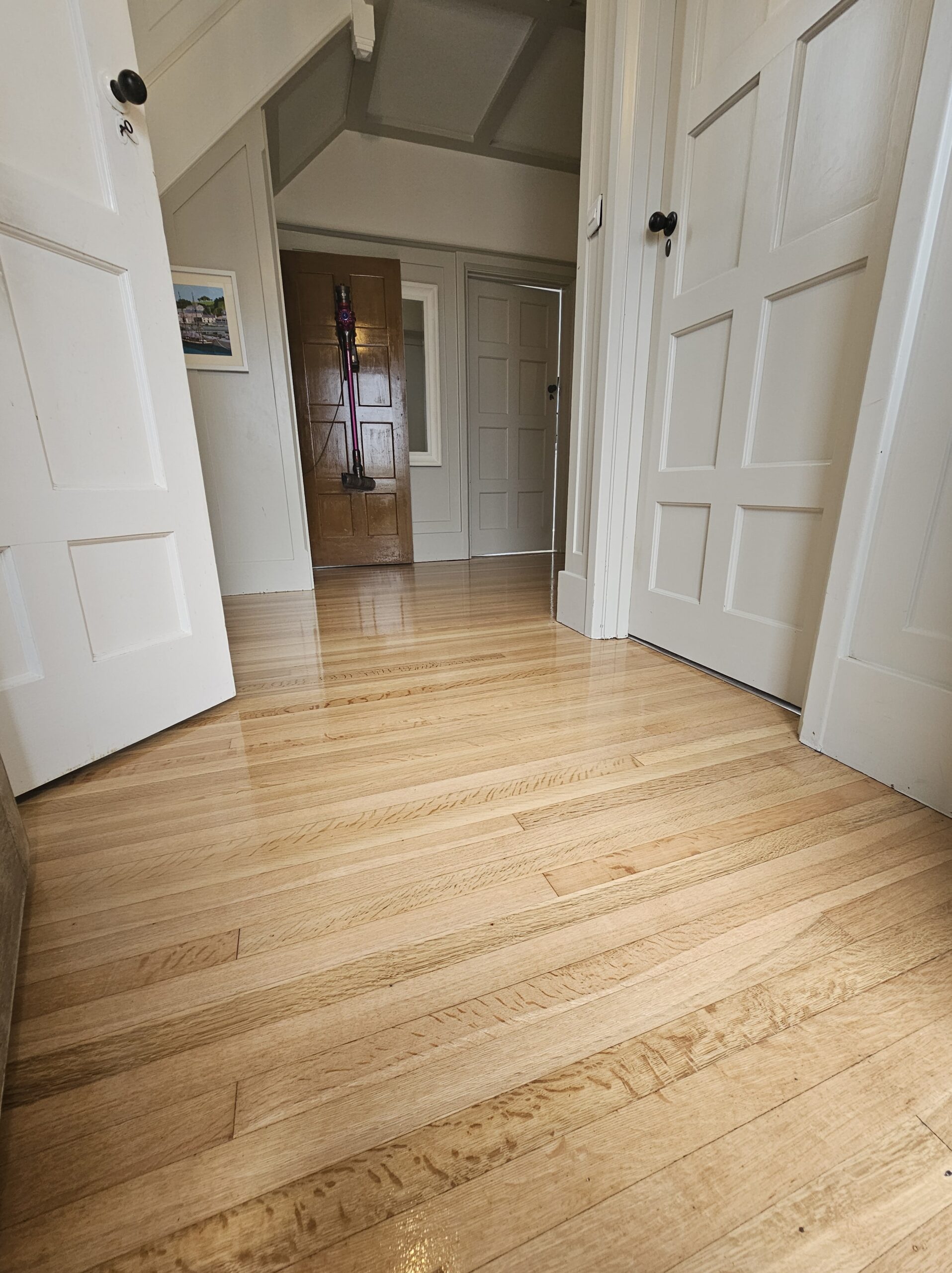
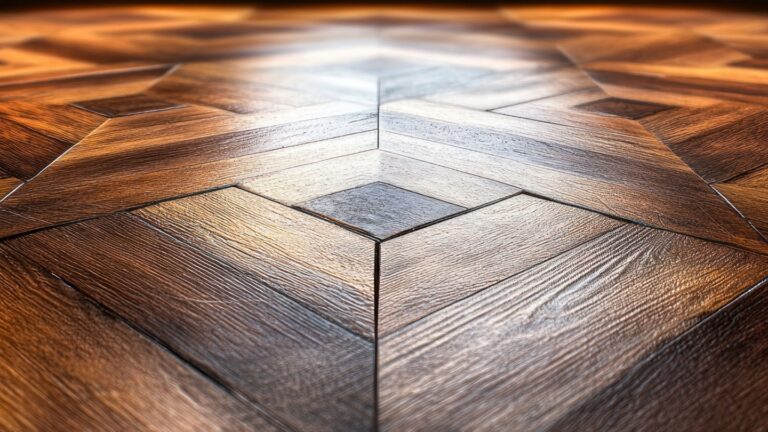
Refinishing complements sanding by enhancing the floor’s durability and appearance. This technique involves applying a new finish layer to the sanded surface, sealing and protecting the wood while adding an attractive sheen. Refinishing is often a sensible investment before a sale. It revitalises the floor’s look and strengthens its resistance to future wear and tear, ensuring that the floor remains a valuable asset to the home for years to come.
Engaging professional services, such as Ryan’s Restoration, offers significant benefits in floor restoration projects. These experts bring experience and knowledge, ensuring high-quality results that maximise the floor’s potential and enhance property value. Their skilful application of restoration techniques produces a polished, long-lasting finish that attracts buyers and contributes positively to a property’s marketability.
Cost-Effective Floor Restoration and Its Return on Investment

Floor restoration is considered a cost-effective improvement due to its lower expenses than other major home renovation projects, such as kitchen or bathroom remodels. The primary reason for this is that floor restoration utilises existing materials, thereby avoiding the need for costly replacements. The process, particularly floor sanding, not only revitalises the appearance of wooden floors but also significantly enhances their durability. This dual benefit of aesthetic appeal and structural integrity often leads to a higher return on investment, making floor restoration a financially prudent choice for homeowners looking to increase property value.
One of the key financial benefits of floor restoration is its ability to deliver a substantial renovation return on investment. The enhanced aesthetic appeal and perceived quality of restored wood floors can significantly boost a home’s market value. With potential buyers often prioritising well-maintained and visually appealing properties, restored floors can make a compelling case for higher offers and quicker sales. As such, investing in floor restoration preserves the property’s charm and strategically positions it to command a premium in the real estate market.
Choosing the Right Flooring Materials for Restoration
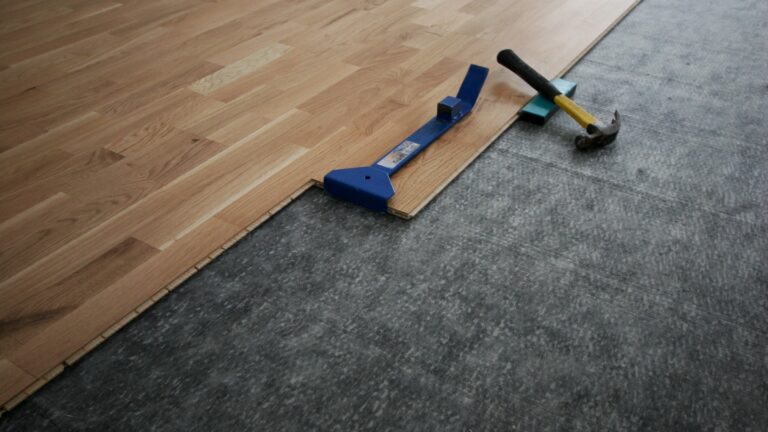
Selecting the appropriate flooring materials for restoration is a critical decision that significantly influences the property’s overall appeal and market value. The right material not only enhances the aesthetic quality of a space but also determines the durability and longevity of the flooring. Homeowners and property developers must consider factors such as the existing decor, foot traffic, and maintenance requirements when choosing materials. By aligning these factors with the restoration goals, one can ensure that the flooring complements the property’s architecture and contributes positively to its value.
- Hardwood
- Laminate
- Vinyl
- Cork
- Bamboo
- Tile
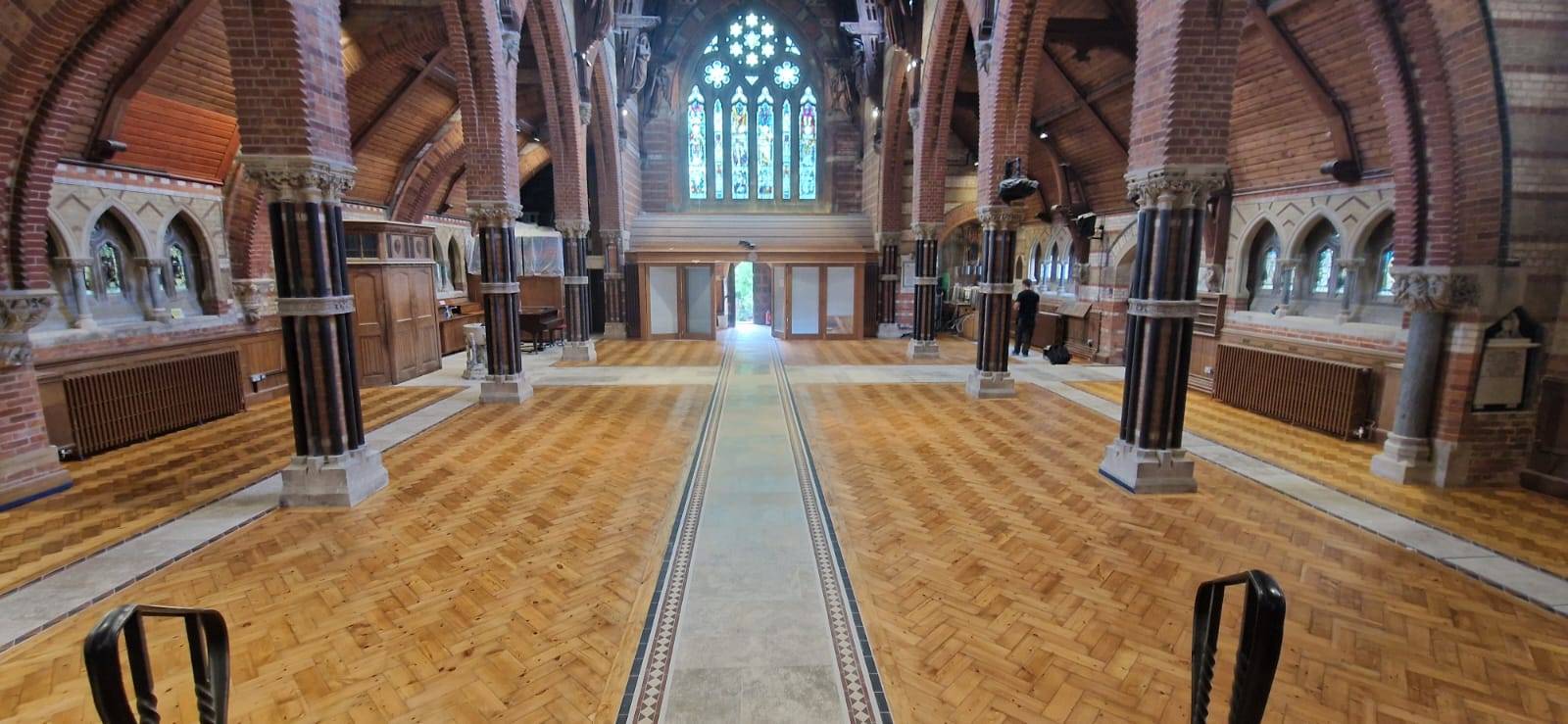
Sustainable flooring options are increasingly sought for their environmental benefits and ability to elevate a property’s value. Refinishing existing materials rather than opting for new installations minimizes waste and showcases a commitment to eco-friendly practices. This approach is cost-effective and aligns with the growing demand for sustainable living. High-end materials, such as well-maintained wooden floors, are perceived as luxury features that can significantly enhance market prices. When selected and maintained correctly, these materials provide a sophisticated and timeless appeal that attracts discerning buyers, ultimately boosting the property’s marketability and value.
Expert Opinions and Insights on Floor Restoration

Expert advice is invaluable when it comes to floor restoration. Professionals in the field bring a wealth of knowledge and experience to ensure restoration projects are executed precisely and carefully. Their insights help homeowners make informed decisions that not only enhance the aesthetic appeal of their floors but also boost the overall property value.
Expert Insights
Flooring experts assert that restored wood floors significantly influence property value and buyer perceptions. A well-maintained floor is often seen as a reflection of the overall care and attention given to a home. This perception can be a decisive factor for potential buyers, who may equate polished, blemish-free floors with a higher standard of living. Restoration techniques such as sanding and refinishing not only revive the beauty of wooden floors but also extend their lifespan, making them a valuable investment for homeowners aiming to maximise their property’s worth.
Final Words
Understanding the role of floor restoration in increasing property value brings significant advantages. Enhanced aesthetic appeal and functionality are central to this, and restored floors can help a property stand out to buyers. Techniques such as floor sanding and refinishing, undertaken by skilled professionals, ensure a high return on investment. Selecting the right materials, focusing on sustainability and durability, further elevates a property’s market position. Embracing expert insights, like those from Ryan’s Restoration, ensures quality results and enhanced marketability.
Towns and villages we cover
If you would rather hand this one over, that is what the vans are for. Bridgwater, Yeovil, Frome and Wells all have pages of their own, and there is a wider one on floor sanding in Somerset.
Everywhere we travel is listed on areas we cover. The work itself is described on wood floor restoration.
Related guides
- DIY vs. Professional Floor Sanding: Choose Wisely
- How to Extend the Life of Wood Floors Easily
- Anti-Allergy Wood Floor Treatments: Enjoy a Healthier Home
FAQ
Q: Does refinishing the floor add value?
A: Refinishing floors significantly enhances property value by improving aesthetic appeal and functionality.
Q: Do original floorboards add value?
A: Original floorboards, when restored, add considerable value to a property. They offer timeless appeal and increase buyer interest due to their historical and aesthetic significance.
Q: What flooring adds the most value to a home?
A: Hardwood flooring typically adds the most value, providing a luxury feel and durable quality that attracts buyers and increases marketability.
Q: What does a floor restorer do?
A: A floor restorer enhances the appearance and condition of floors through sanding and refinishing, ensuring a smooth finish that extends the floor’s lifespan and boosts property value.