Understanding Wood Floor Damp in Somerset Levels
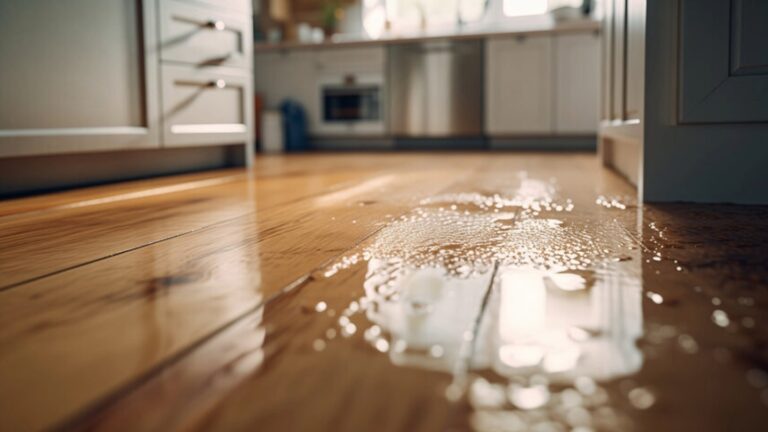
Living in the Somerset Levels means you’re probably familiar with damp. It’s just part of the territory, right? Our unique geography, with its low-lying land and proximity to water, means moisture is a constant factor. This can really take a toll on your home, especially your wooden floors. They’re beautiful, adding so much character, but they’re also quite sensitive to changes in moisture. Let’s break down why this happens and what you can look out for.
Identifying Sources of Moisture Intrusion
So, where does all this damp come from? It’s not always obvious. Sometimes it’s the big stuff, like a leaky pipe or a roof that needs repair. Other times, it’s more subtle. Think about:
- Groundwater: Being so close to sea level, groundwater can easily seep up through foundations and subfloors. Old properties might not have the best damp-proofing.
- Condensation: Everyday activities like cooking, showering, and even breathing release moisture into the air. If your home isn’t well-ventilated, this moisture can build up, especially in cooler months.
- External Water: Heavy rain, especially with our local weather patterns, can lead to water pooling around your property. If drainage isn’t great, this water can find its way into your walls and under your floors.
- Plumbing Issues: Even small, slow leaks from pipes within walls or under the floor can go unnoticed for ages, steadily adding moisture.
Recognising Signs of Wood Floor Damp
Your floorboards will often tell you when something’s wrong. You just need to know what to look for. Keep an eye out for:
- Cupping: This is when the edges of the floorboards swell and lift higher than the centre. It looks like a shallow ‘U’ shape across the width of the board.
- Crowning: The opposite of cupping, where the centre of the board is higher than the edges. This usually happens after cupping has occurred and the moisture levels start to drop unevenly.
- Warping: Boards that twist or bend out of shape, not just across the width but along their length too.
- Visible Mold or Mildew: A musty smell is often the first clue, but you might also see dark spots or fuzzy growth on the surface or edges of the wood.
- Gaps: As wood dries out unevenly, it shrinks. This can create noticeable gaps between the boards.
- Soft Spots: In severe cases, the wood can become soft and spongy underfoot.
The Impact of Somerset’s Climate on Wood Flooring
Our local climate here in the Levels is a big player. We get a fair amount of rain, and humidity can be high for extended periods. This constant cycle of damp and drying, especially if it’s not managed, puts a lot of stress on wood. Wood naturally expands when it absorbs moisture and shrinks as it dries. When this happens repeatedly, or unevenly, it can lead to:
- Permanent Deformation: The wood can get stuck in a cupped or warped state.
- Weakened Structure: Constant damp can start to affect the integrity of the wood itself, making it more prone to rot or damage.
- Increased Susceptibility: Once a floor has been compromised by damp, it’s often more vulnerable to future moisture problems.
Understanding these issues is the first step to keeping your beautiful wooden floors looking their best, even in a damp environment like ours.
Preventing Wood Floor Damp and Cupping
Keeping your wood floors happy and flat in a place like the Somerset Levels means getting ahead of moisture. It’s way easier to stop damp from getting in than to fix the mess it makes later. Think of it like this: a little bit of effort now saves a whole lot of headaches down the road. We’re talking about keeping that beautiful wood looking good for years, not just a few seasons.
Effective Subfloor Moisture Barriers
This is your first line of defence. The ground beneath your house can hold a surprising amount of moisture, and without a good barrier, that dampness will creep right up into your floorboards. It’s not just about slapping down some plastic; it’s about doing it right.
- Choose the right material: Look for a robust vapor barrier specifically designed for underfloor use. Not all plastics are created equal, and you need something that won’t degrade over time.
- Proper installation is key: Make sure the barrier overlaps generously and is sealed at all seams. Any gaps are an open invitation for moisture.
- Extend it up the walls: The barrier should go up the foundation walls a good few inches. This stops moisture wicking up the concrete or brickwork and getting under the floor.
Ventilation Strategies for Humidity Control
Good airflow is your best friend when it comes to managing humidity inside your home. Stagnant air can trap moisture, and that’s bad news for wood.
- Crawl space ventilation: If you have a crawl space, make sure it’s properly ventilated. Vents should be clear and functional, allowing moist air to escape.
- Attic ventilation: Believe it or not, your attic plays a role. Proper attic ventilation helps regulate temperature and humidity throughout the house, indirectly helping your floors.
- Consider a dehumidifier: In particularly damp periods, running a dehumidifier in your home can make a big difference. Keep an eye on the humidity levels; aim for somewhere between 40-60%.
Proper Exterior Drainage and Landscaping
What happens outside your house directly impacts what happens inside, especially with your floors. Water pooling around your foundation is a major problem.
- Gutters and downspouts: Make sure your gutters are clean and that your downspouts direct water well away from the foundation. Extending them further out can be a smart move.
- Grading: The ground around your house should slope away from the foundation. If it slopes towards the house, water will naturally collect there.
- Landscaping choices: Avoid planting large trees or shrubs too close to the foundation, as their roots can damage barriers and their watering needs can add moisture. Also, be mindful of how you water your garden; don’t let sprinklers spray directly onto the house.
Restoring Damp and Cupped Wood Floors
So, you’ve noticed your wood floors are looking a bit sad, maybe a little wavy or even damp to the touch. It happens, especially around here with our Somerset weather. Don’t panic just yet; there are ways to bring those floors back to life. It’s not always a lost cause.
Assessing the Extent of Floorboard Damage
First things first, you need to figure out just how bad things are. Poke around a bit, see where the dampness is coming from and how far it’s spread. Is it just a small section, or is the whole room affected? Look for:
- Warping and Cupping: Are the boards bending upwards at the edges or in the middle? This is a classic sign of moisture imbalance.
- Stains and Discoloration: Dark spots or mildew can show up where water has sat for too long.
- Soft Spots: If parts of the floor feel spongy, that’s a red flag for rot or serious saturation.
- Mold or Mildew: Any fuzzy growth, especially in corners or along baseboards, means it’s time for action.
Drying Techniques for Waterlogged Floors
Once you know the score, it’s time to get things dry. This is probably the most important step. You can’t fix cupping if the wood is still wet.
- Remove the Moisture Source: If you found a leak, fix it. If it’s humidity, get that ventilation sorted (we talked about that earlier, right?).
- Air Circulation: Open windows and doors if the outside air isn’t too damp. Use fans to keep the air moving across the floor. Aim fans directly at the affected areas.
- Dehumidifiers: These are your best friends in damp conditions. Run them continuously, emptying them as needed. You’ll be surprised how much water they pull out.
- Heat (Carefully): Gentle heat can help, but avoid blasting the floor with high heat, which can cause more damage. Think warm, not hot.
Flattening Cupped Wood Flooring
Getting the floor dry is half the battle. The other half is dealing with that cupping. Sometimes, as the wood dries out slowly and evenly, it will flatten on its own. But often, you’ll need to give it a nudge.
- Patience is Key: Let the floor dry completely first. Trying to flatten wet wood is a losing game.
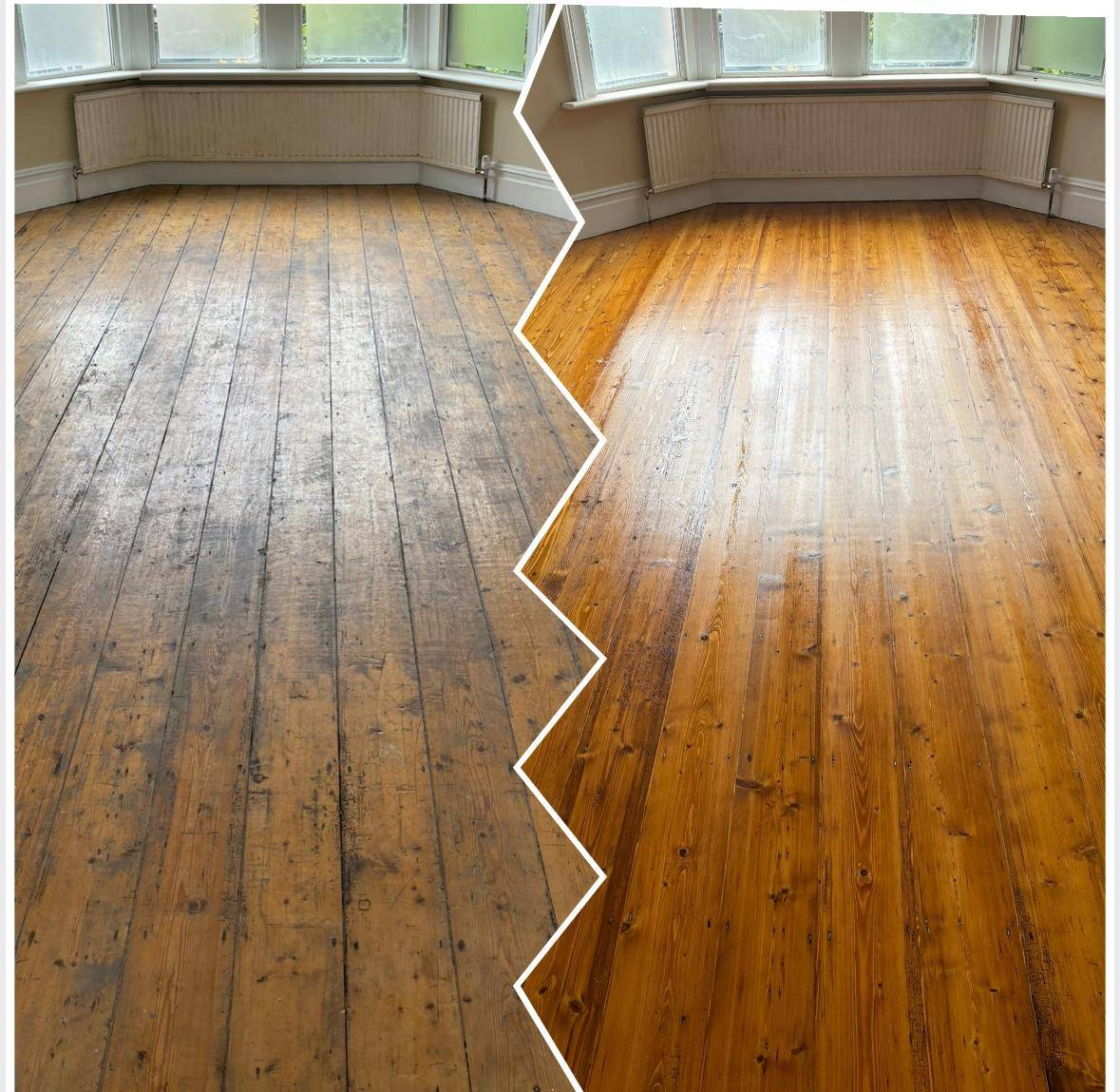
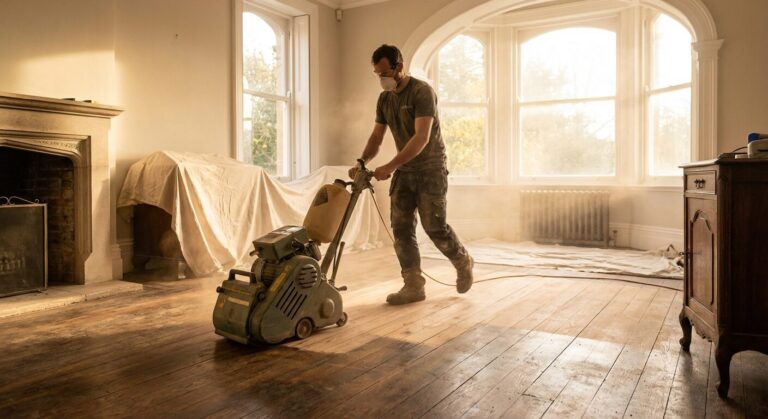
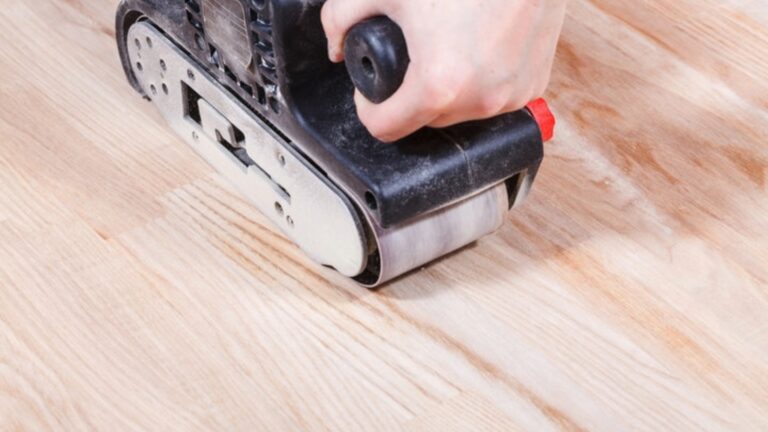
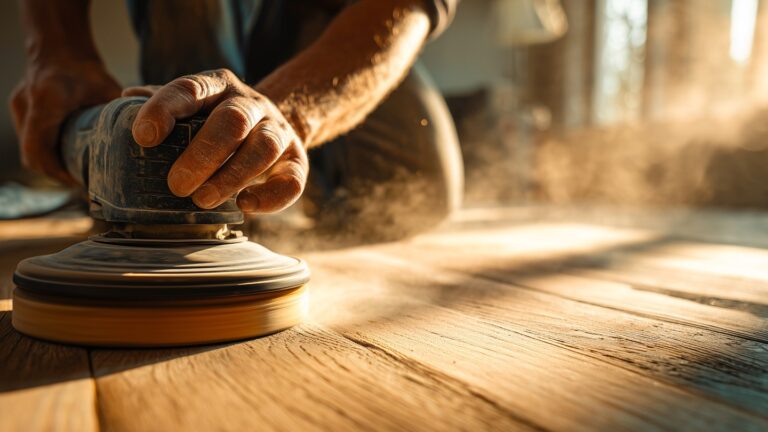
- Sanding: Once dry, if the cupping is minor, a good sanding might smooth things out. You’ll likely need to refinish the floor afterward.
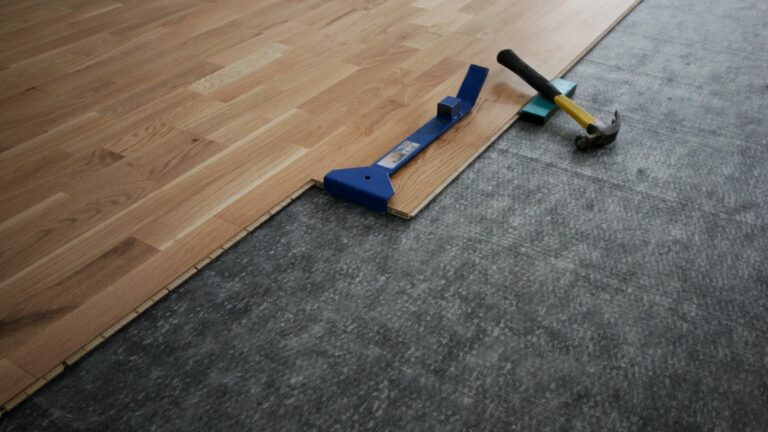
- Re-Nailing/Securing: If boards have lifted significantly, you might need to re-nail or re-glue them down. This is more involved and might require professional help.
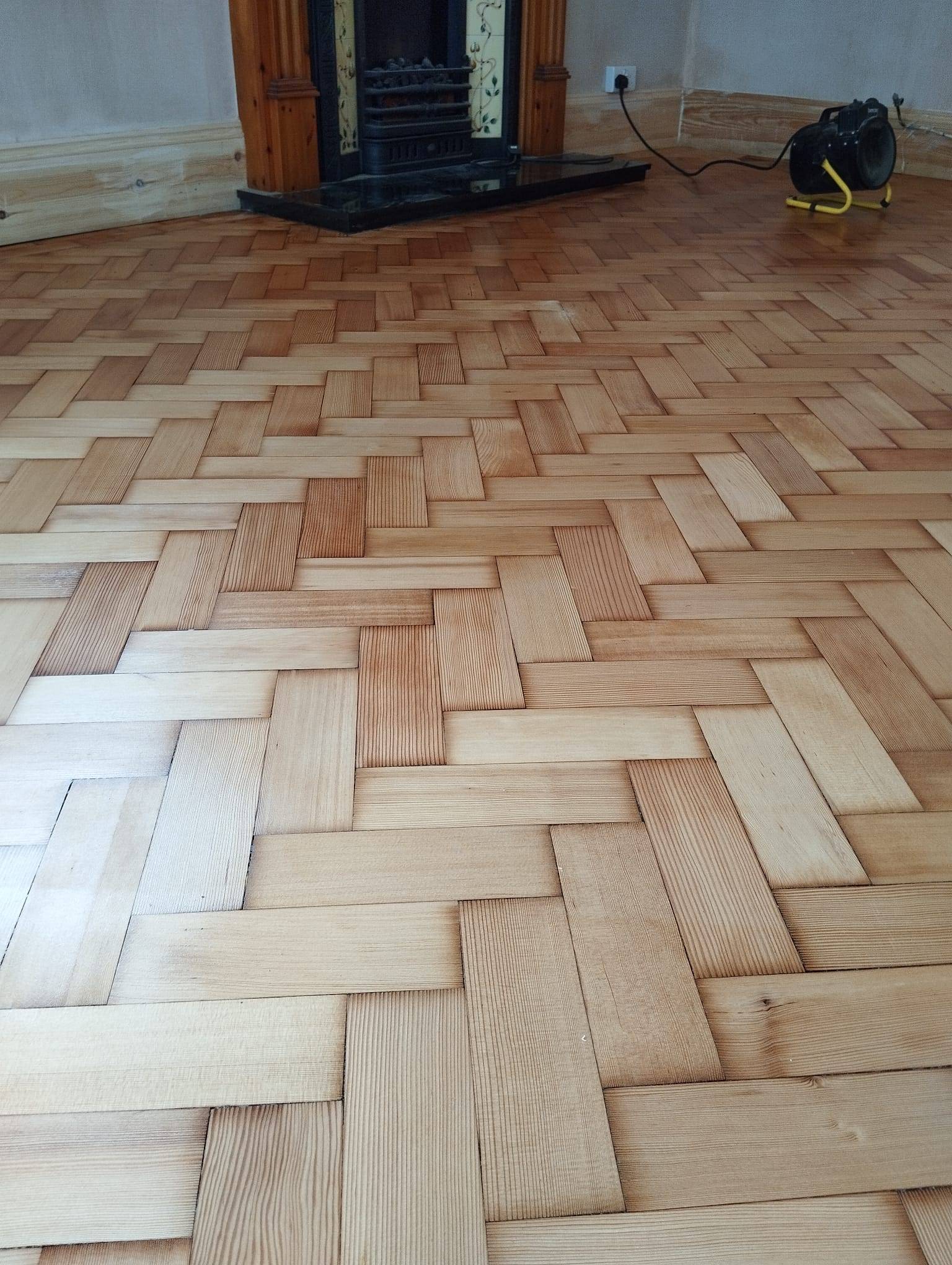
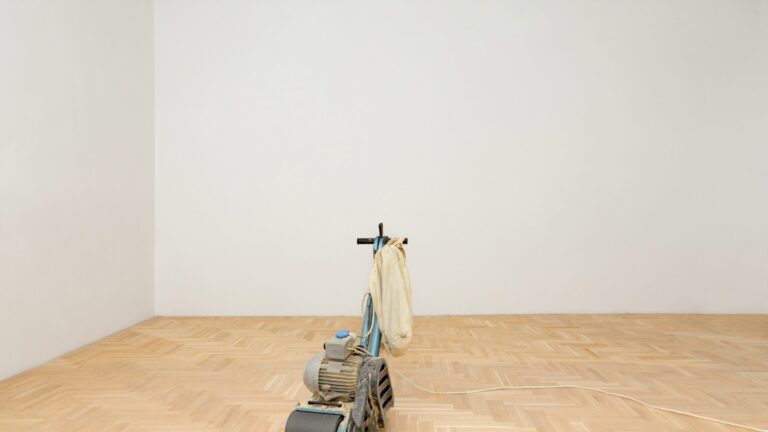
- Professional Refinishing: For severe cupping, a professional might be able to sand down the high edges and create a more level surface. They have the heavy-duty equipment to handle it.
Professional Solutions for Persistent Wood Floor Damp
When to Call a Specialist
Sometimes, despite your best efforts, that dampness just won’t quit, and your floorboards keep looking a bit sad. If you’ve tried the DIY drying methods and the cupping keeps coming back, it might be time to bring in the pros. It’s not a sign of failure, really; it just means the problem is a bit trickier than usual. Think about it like this: if your car made a weird noise you couldn’t fix, you’d take it to a mechanic, right? Same idea here. Persistent dampness can point to bigger issues lurking beneath the surface, like a compromised foundation or a drainage problem that’s way beyond a simple garden hose fix.
Advanced Moisture Remediation Services
When the damp is really stubborn, specialists have tools and techniques that go way beyond what most homeowners can access. They can:
- Conduct thorough moisture testing: Using specialised equipment, they can pinpoint exactly where the moisture is coming from and how much is there, even in hidden spots.
- Install sub-surface drainage systems: If water is pooling under your house, they can set up systems to redirect it away from your property.
- Apply advanced vapor barriers: These aren’t your average plastic sheets. They’re designed for serious moisture control, stopping dampness in its tracks.
- Use industrial drying equipment: Think powerful dehumidifiers and air movers that can dry out a space much faster and more effectively than a home unit.
Long-Term Wood Floor Maintenance Plans
Once the immediate damp problem is sorted, you don’t want it to come back. A good specialist won’t just fix it and leave; they’ll often talk about a plan to keep your floors happy long-term. This might include:
- Regular inspections: Scheduling check-ups, maybe annually, to catch any new moisture issues before they become big problems.
- Recommendations for environmental controls: Advice on maintaining consistent humidity levels in your home, especially during those damp Somerset months.
- Guidance on upkeep: Tips for cleaning and caring for your wood floors that won’t introduce excess moisture.
It’s all about staying ahead of the game and keeping your beautiful floors looking their best for years to come.