Living near the coast in Plymouth is great, but it comes with its own set of problems—especially when it comes to wood floors. Salt in the air and all that extra humidity can really mess with your flooring if you’re not careful. If you’re like me, you probably don’t think much about it until you spot a weird stain or your boards start to squeak. This guide is here to help you figure out how to keep your wood floors looking good, catch problems early, and know when it’s time to call in a Plymouth floor restoration pro.
Key Takeaways
- Coastal weather in Plymouth can cause wood floors to warp, buckle, or stain if you’re not careful.
- Choosing a good floor sealant and sticking to regular cleaning routines goes a long way.
- Simple habits, like wiping up spills quickly and using mats, help keep floors dry.
- Learning to spot early signs of moisture damage can save you a lot of trouble and money.
- Sometimes, you just need to call a Plymouth floor restoration expert to handle bigger issues.
How Coastal Weather Impacts Wood Floors in Plymouth
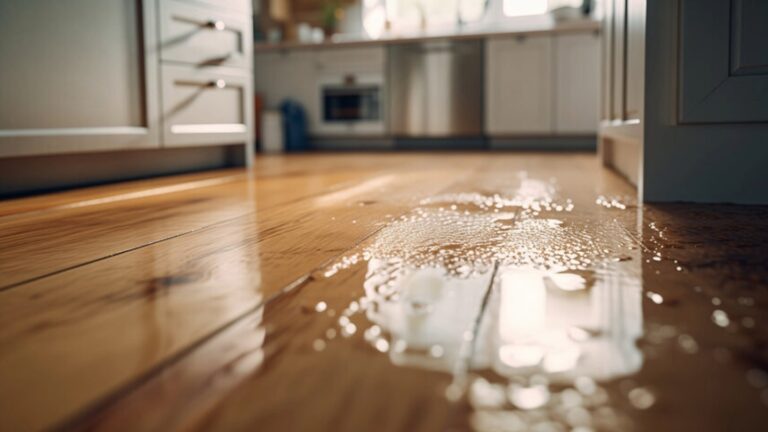
Living near the coast in Plymouth means dealing with a unique set of weather challenges, and your beautiful wood floors are right in the thick of it. That salty air and the constant push and pull of humidity can really do a number on wood. It’s not just about aesthetics, either; moisture issues can actually weaken your floors over time.
Understanding Humidity and Salt Exposure
Plymouth’s coastal location means we get a double whammy: high humidity and salt in the air. Humidity is basically water vapor hanging out in the air. When it’s high, wood floors soak it up like a sponge. This causes the wood to expand. Then, when the humidity drops, the wood dries out and shrinks. This constant expanding and contracting is tough on the wood’s structure. Think of it like bending a piece of cardboard back and forth a bunch of times – eventually, it’s going to weaken.
And then there’s the salt. That sea spray carries tiny salt particles that can settle on your floors. While not as direct as water damage, salt can actually attract and hold onto moisture, making the humidity problem even worse. It can also contribute to a gritty feel and potentially damage finishes over time.
Recognising Early Signs of Moisture Damage
Catching these problems early is key. You don’t want to wait until your floors look like a wavy mess. Keep an eye out for a few tell-tale signs:
- Gaps between floorboards: This usually means the wood has shrunk, a sign of it drying out too much.
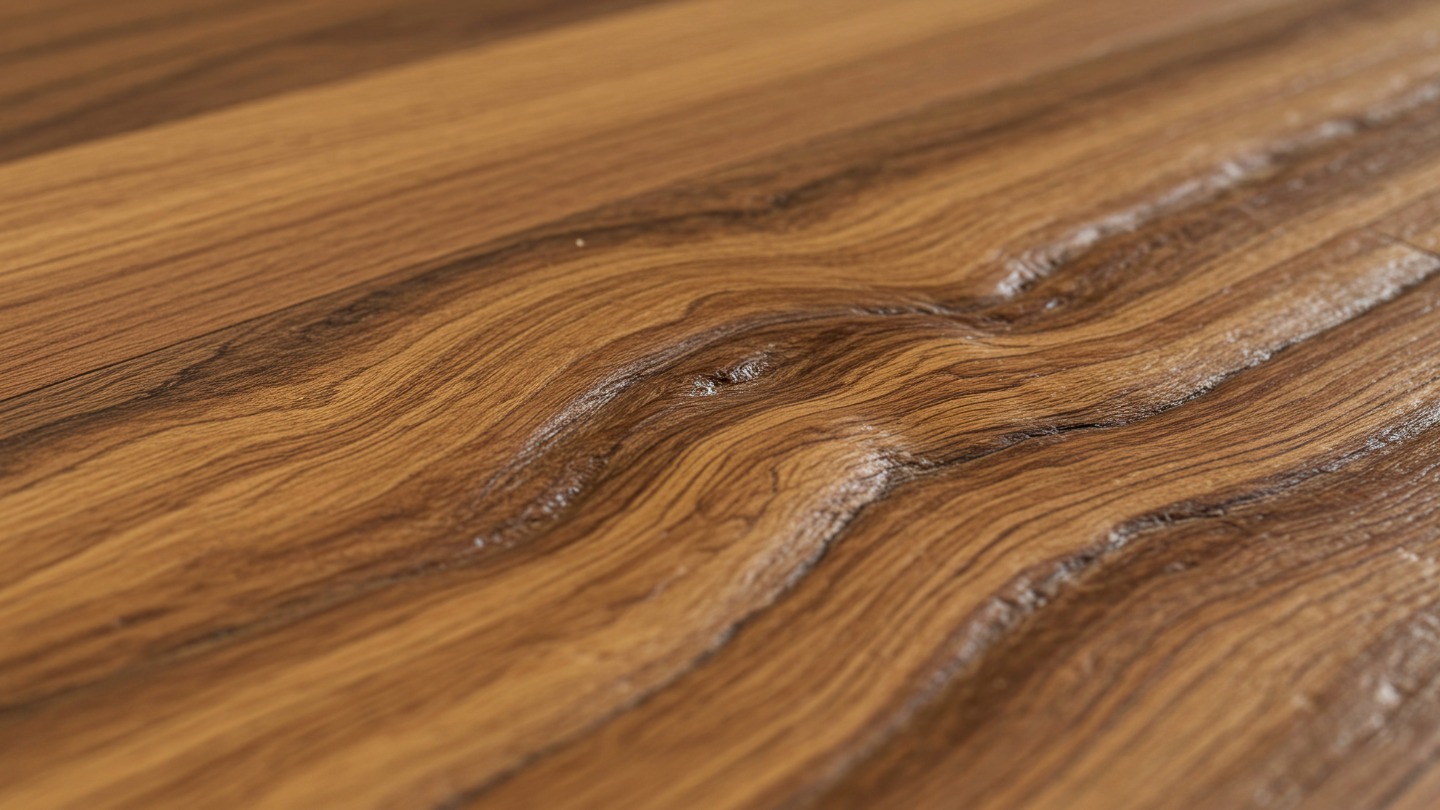
- Cupping or crowning: Cupping is when the edges of the board are higher than the center, and crowning is the opposite. Both are signs of uneven moisture absorption.
- Warping or buckling: This is when the boards start to lift or bend significantly. It’s a more serious sign that the wood has absorbed too much moisture and is expanding.
- Stains or discoloration: Dark spots can indicate water damage or mold growth, which thrives in damp conditions.
- A musty smell: This is often a sign of mold or mildew developing underneath the floorboards due to excess moisture.
Why Plymouth Floor Restoration Matters
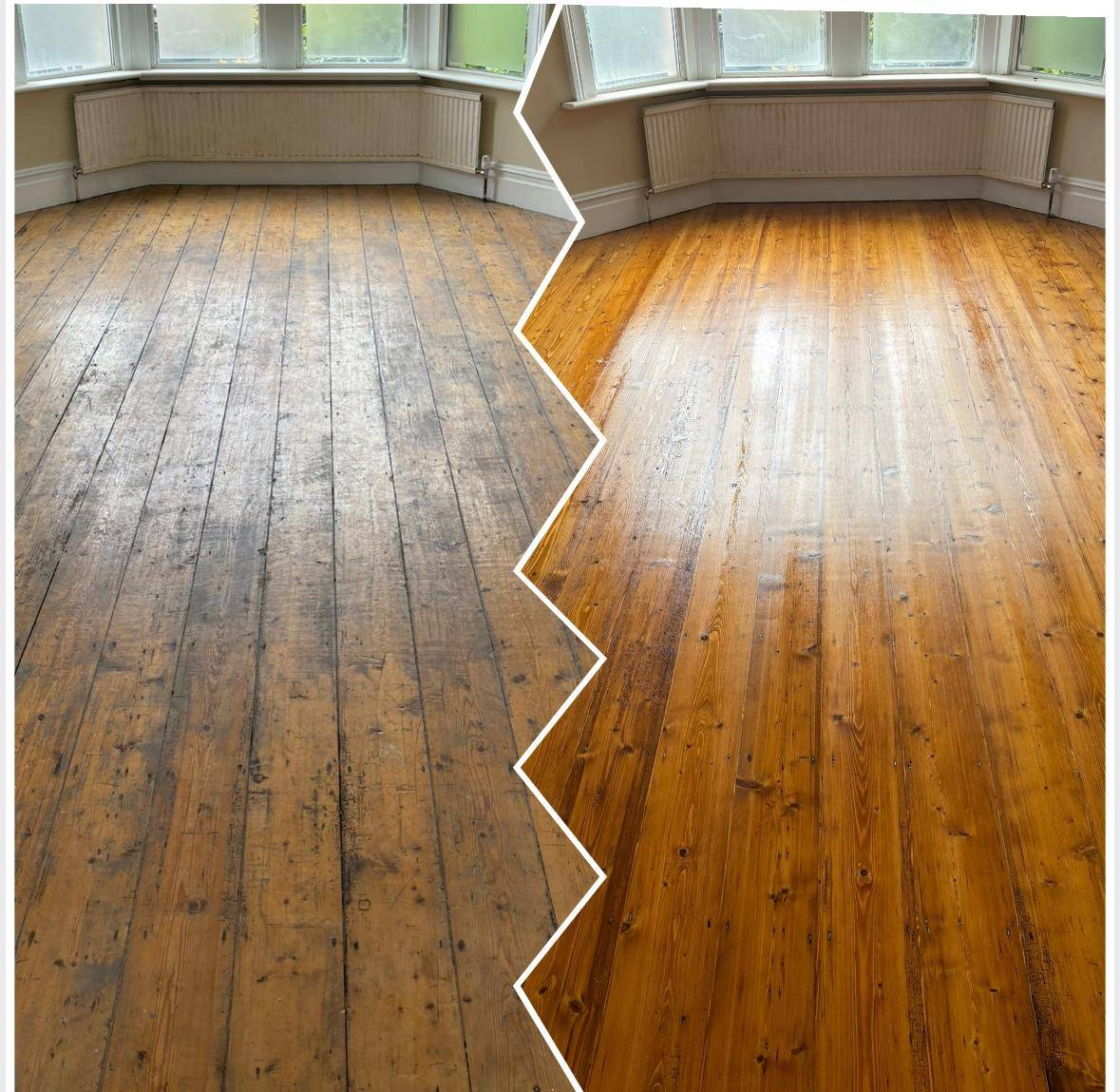
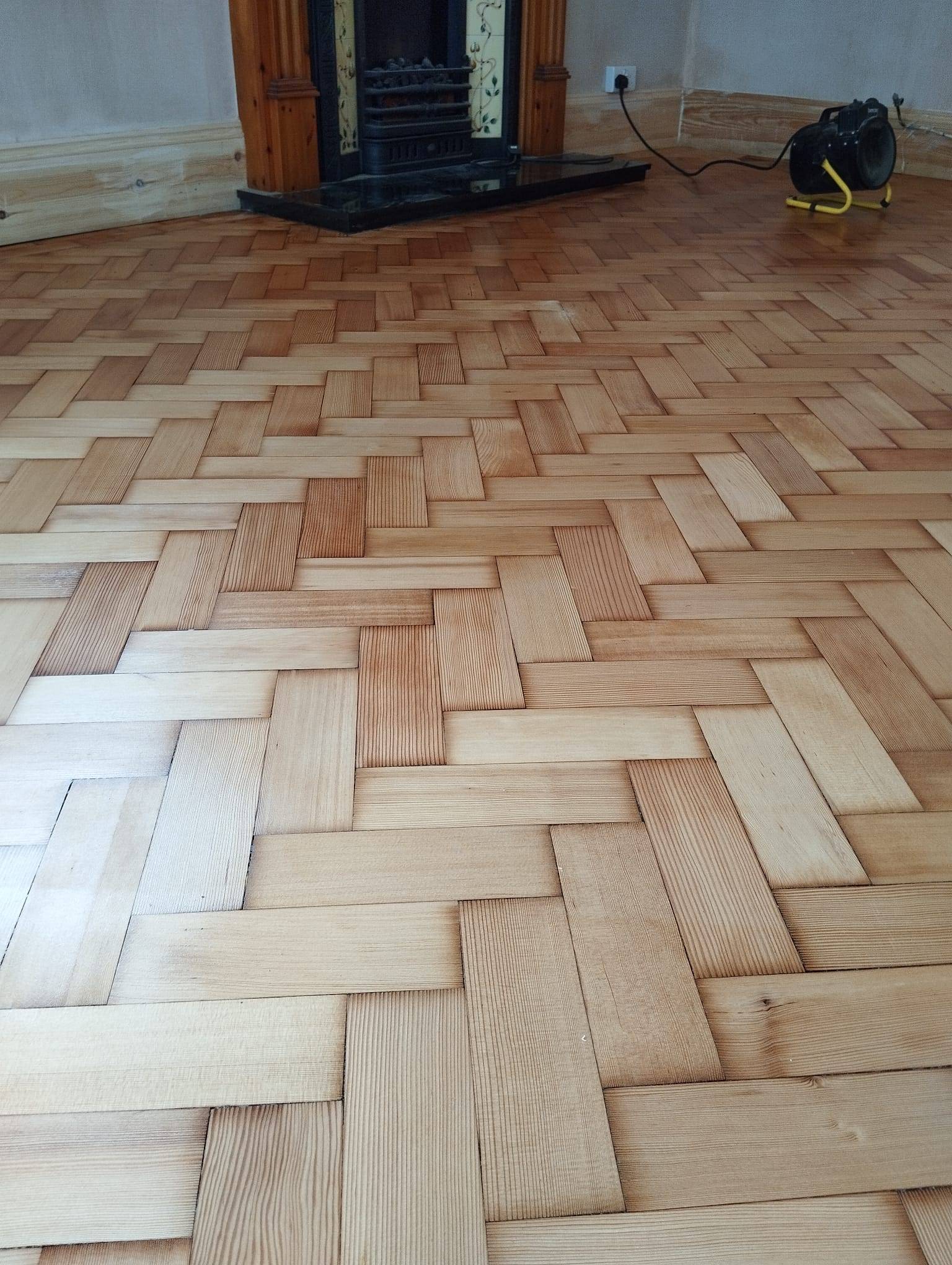
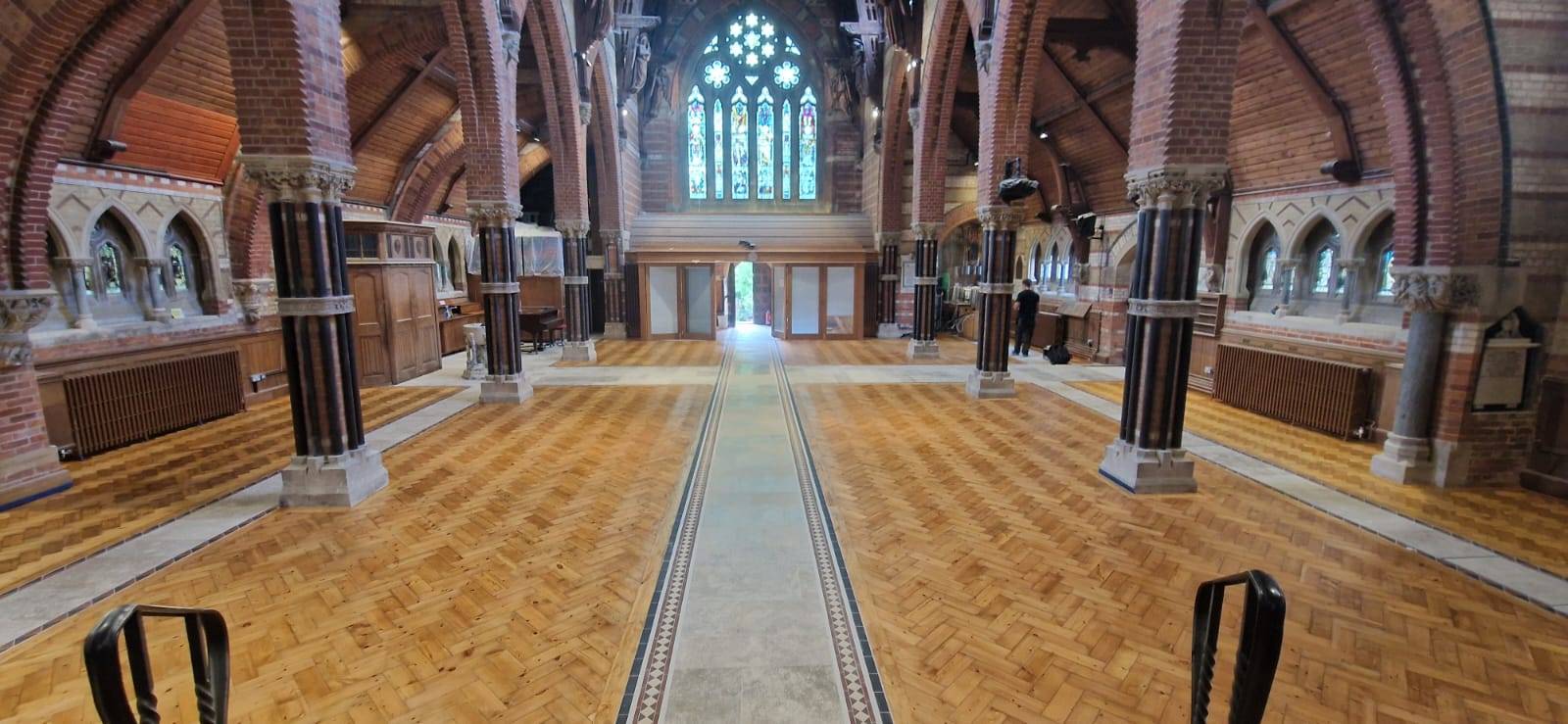
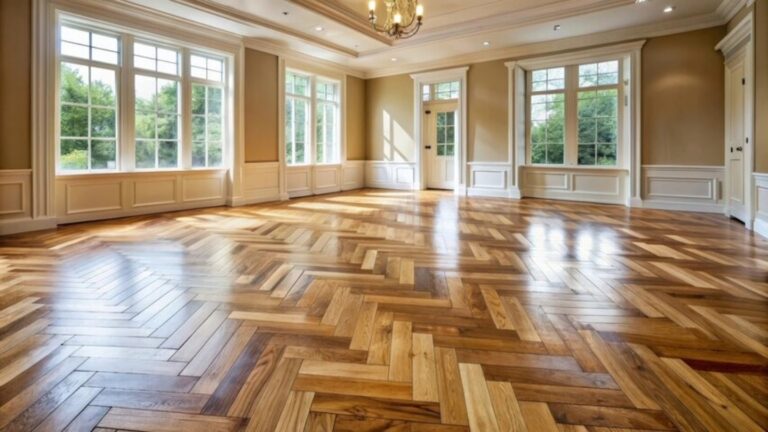
Ignoring these signs can lead to bigger, more expensive problems down the road. What might start as a minor issue could turn into widespread damage, requiring a full floor replacement. That’s where professional floor restoration comes in. For us here in Plymouth, it’s about more than just making floors look pretty again. It’s about preserving the integrity of your home and protecting your investment. A good restoration job can fix existing damage, prevent future issues, and bring your floors back to life, making them more resilient to our coastal climate. Taking care of your wood floors is an investment in your home’s comfort and value.
Prevention Tips for Minimising Moisture Issues
Okay, so we’ve talked about how Plymouth’s coastal vibe can mess with your wood floors. Now, let’s get practical. Keeping your floors looking good long-term is way easier if you stop problems before they start. It’s not rocket science, just a few smart moves.
Choosing the Right Floor Sealant
Think of sealant as your floor’s raincoat. For us here in Plymouth, you need something that can handle damp air and maybe even a bit of salt spray if you’re close to the water. Not all sealants are created equal, though. Some are just for looks, while others offer real protection. You’ll want to look for a high-quality polyurethane finish, either oil-based or water-based. Oil-based ones tend to be tougher and give a warmer look, but they can take longer to dry and have stronger fumes. Water-based finishes dry faster, are clearer, and have less smell, but might need more coats. The key is a good, durable topcoat that seals the wood pores.
Seasonal Maintenance Routines
Your floors need a little TLC throughout the year, especially with our changing seasons. It’s not a huge chore, but doing it regularly makes a big difference.
- Spring: After the winter, give your floors a good clean. Check for any scuffs or minor damage from snow boots and salt. Reapply a maintenance coat of sealant if needed, especially in high-traffic areas.
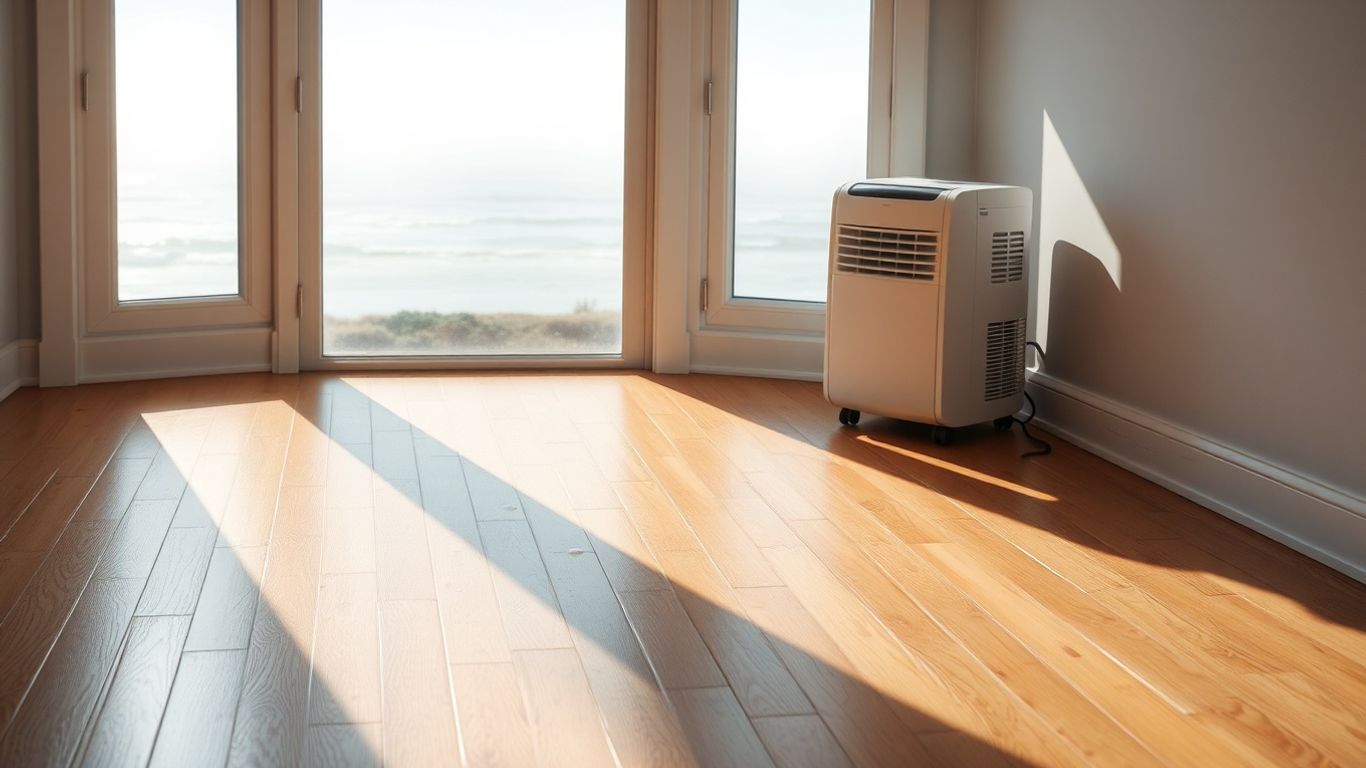
- Summer: This is our humid season. Make sure your AC is running to keep indoor humidity in check. Use fans to circulate air. Wipe up spills immediately.
- Fall: As things cool down, indoor heating can dry out the air. Check your sealant’s condition. You might need to touch up any worn spots before winter.
- Winter: Keep an eye on humidity levels. Use a humidifier if the air gets too dry, which can cause wood to shrink and gaps to appear.
Simple Habits to Keep Floors Dry
Honestly, some of the best prevention comes down to everyday stuff. Little things add up!
- Wipe your feet: Seriously, have a good mat both outside and inside every door. It catches a ton of moisture and grit.
- Ditch the wet shoes: Make it a rule – shoes off at the door, especially in wet or snowy weather. Keep a basket for damp shoes near the entrance.
- Use coasters and mats: Don’t let drinks sit directly on the wood. Use coasters for glasses and placemats for dishes, especially in the kitchen and dining areas.
- Clean up spills fast: Water, pet accidents, anything wet – blot it up right away. Don’t let it soak in.
Keeping your floors dry isn’t just about avoiding damage; it’s about making them last longer and look better. Think of these tips as small investments that pay off big time in the long run, saving you headaches and money down the road.
Detecting Moisture Problems Before They Spread
Okay, so you’ve got these beautiful wood floors in your Plymouth home, and you want to keep them looking good, right? The coastal air can be tricky, and sometimes moisture sneaks in where you don’t expect it. The good news is, you don’t need to be a detective to spot trouble. A little bit of awareness goes a long way in catching issues early, before they turn into a big, expensive headache.
Spotting Warping, Buckling, and Stains
Wood floors can tell you a story if you know what to look for. The most obvious signs usually involve changes in the wood’s shape or color. Warping means the boards might start to cup (edges lift up) or crown (center lifts up). Buckling is even more dramatic – the boards lift off the subfloor, sometimes creating ridges. You might also see dark spots or rings, which are stains from water that’s sat too long. Keep an eye out for any unevenness or discoloration, especially after a rainy spell or if you’ve had any spills. Sometimes, it’s subtle at first, like a slight change in the sheen or a board that doesn’t quite sit flush with its neighbors.
Using Moisture Meters at Home
Want to get a bit more technical? You can actually buy a simple wood moisture meter. These gadgets are pretty straightforward to use. You just stick the little prongs into the wood, and it gives you a reading of the moisture content. It’s a great way to check specific spots that look suspicious or to get a baseline reading in different areas of your home. Different types of wood have different ideal moisture levels, but generally, if you see readings that are significantly higher than usual, or if one board is way wetter than the ones next to it, that’s a red flag. It’s a good tool to have for peace of mind, especially if you’re curious about what’s happening under the surface.
When to Call a Plymouth Floor Restoration Pro
Sometimes, you’ll spot the signs, and other times, you might just have a gut feeling that something’s not right. If you’re seeing significant warping or buckling, or if those dark stains are spreading, it’s probably time to bring in the pros. Trying to fix major moisture damage yourself can sometimes make things worse, especially if you don’t know the best way to dry out the wood or repair the damage. Local floor restoration experts in Plymouth know exactly what to look for and have the tools and techniques to handle these kinds of problems. They can assess the situation, figure out the source of the moisture, and get your floors back in shape without causing more harm. It’s better to get a professional opinion than to let a small issue become a floor-wide disaster.
Best Practices for Floor Restoration After Moisture Damage
So, your beautiful wood floors have taken a hit from all that coastal moisture. Don’t panic! While it’s a bummer, fixing it is totally doable. It just takes a bit of know-how and some elbow grease.
Sanding and Refinishing Basics
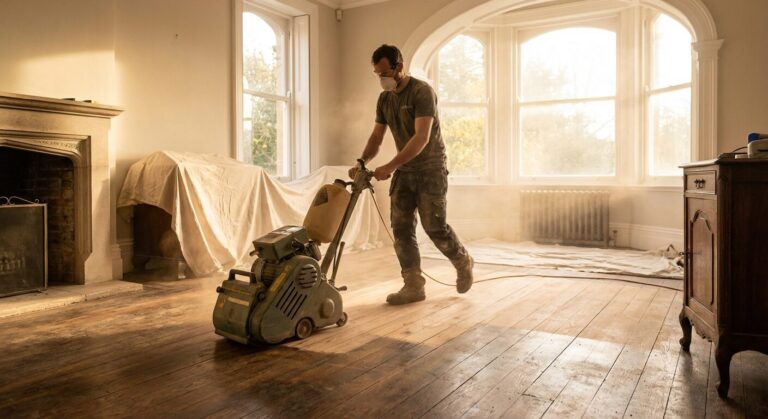
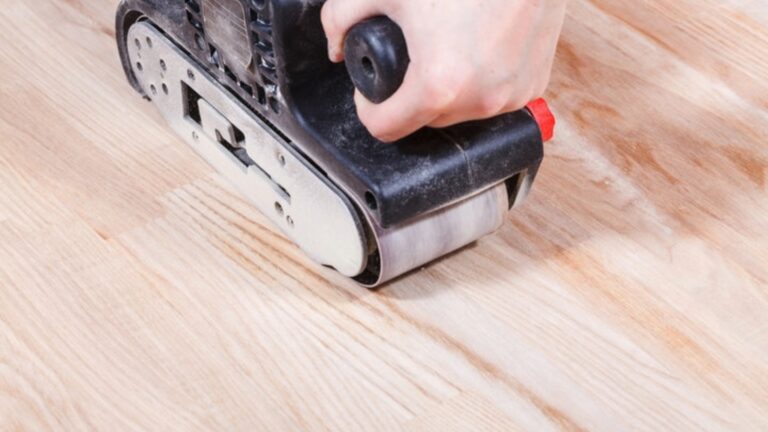
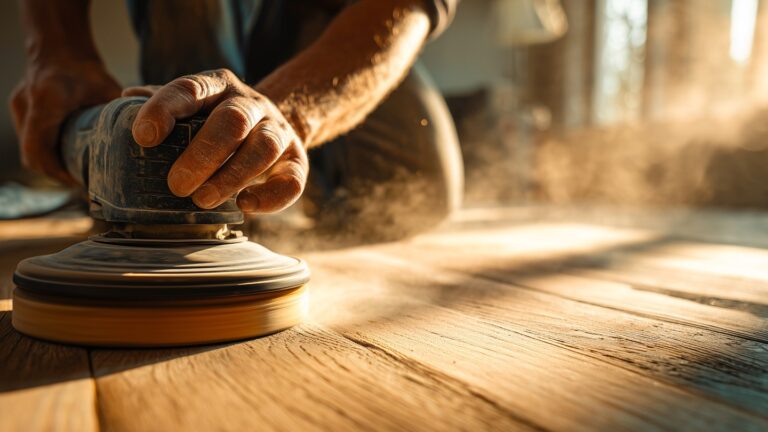
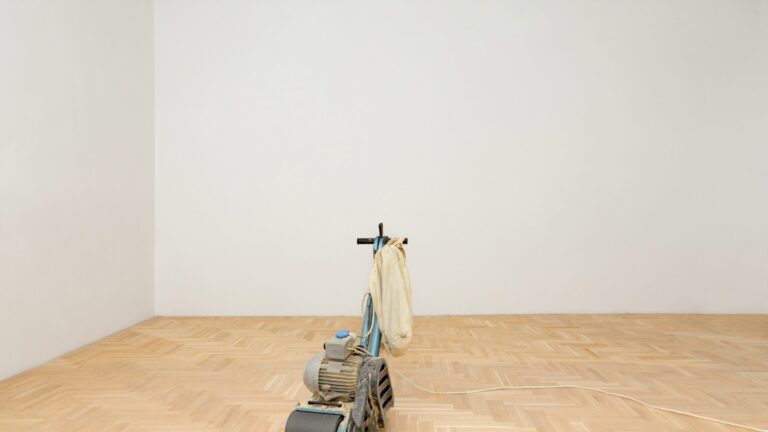
This is where you get to bring your floors back to life. After the moisture issue is sorted, sanding is usually the next step. It’s all about getting rid of the damaged top layer – think scratches, stains, and that dull look.
- Start with a coarser grit sandpaper: This really grinds down the old finish and any imperfections. You’ll probably need something like 36 or 60 grit.
- Move to finer grits: Gradually work your way up. Think 80, 100, and maybe even 120 grit. This smooths everything out.
- Clean up really well: Seriously, vacuum and then tack cloth the heck out of it. Dust is the enemy of a good finish.
- Apply your finish: This is the fun part! Pick a good quality sealant, maybe something designed for high-humidity areas. Apply thin, even coats, letting each one dry according to the product’s instructions. Usually, it’s two or three coats.
Replacing Damaged Boards Safely
Sometimes, sanding just won’t cut it. If boards are warped, cupped, or rotten, they’ve gotta go. This is a bit trickier, but totally manageable.
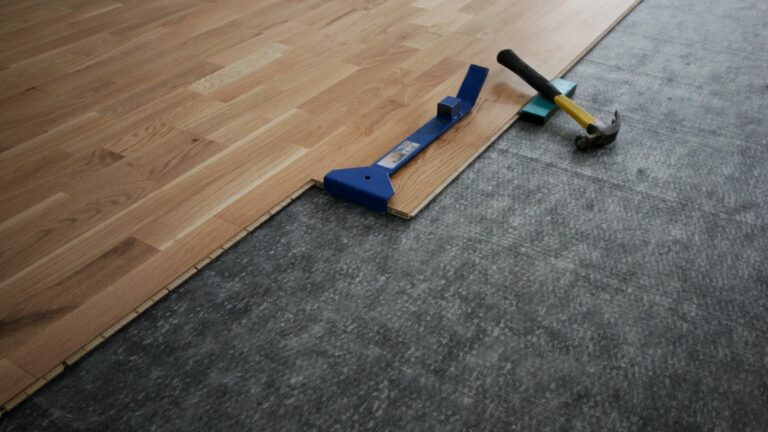
- Carefully remove the bad boards: You don’t want to mess up the good ones around them. Use a pry bar and maybe a multi-tool to cut them out if needed.
- Prep the subfloor: Make sure the area where the old boards were is clean and dry.
- Fit the new boards: You might need to trim them a bit to get a snug fit. Make sure they’re the same thickness as the old ones.
- Secure them: Nail or glue them down, just like the original installation.
- Sand and finish: Once they’re in, you’ll need to sand them down to match the rest of the floor and then apply your finish.
Don’t try to save boards that are severely damaged. It’s better to replace them than to have a weak spot that could cause more problems down the line. Plus, a mismatched patch looks way worse than a properly replaced board.
Hiring Local Plymouth Floor Restoration Experts
Look, sometimes you just don’t have the time, tools, or the desire to tackle this yourself. That’s where the pros come in. Especially with coastal issues, local experts know what they’re dealing with.
- Ask for recommendations: Chat with neighbors or local hardware stores.
- Check reviews: See what other people in Plymouth are saying about their work.
- Get multiple quotes: Don’t just go with the first person you call. Compare prices and what’s included.
- Ask about their experience with moisture damage: This is key for our area. They should know about salt air and humidity issues.
Finding a good local pro can save you a lot of headaches and make sure the job is done right the first time. They’ve got the tools and the experience to handle even the toughest moisture damage.
Climate-Smart Flooring Choices for Plymouth Homes
Engineered vs. Solid Wood Options
When you’re picking out new floors for your place here in Plymouth, especially with our salty air and damp weather, you’ve got some big decisions to make. One of the first is whether to go with solid wood or engineered wood. Solid wood, you know, it’s one piece of actual hardwood. It looks great, and you can sand it down a bunch of times if it gets scratched. But, it can be a bit fussy. It really doesn’t like big swings in humidity, which, let’s be honest, we get a lot of near the coast. It can warp or cup if it gets too wet or too dry too fast.
Engineered wood is different. It’s made of layers, like plywood, with a real wood veneer on top. This layered construction makes it way more stable. It’s generally a better bet for places like Plymouth where the humidity can go up and down. Because those layers go in different directions, it fights against warping and cupping much better than solid wood. So, if you’re worried about moisture messing with your floors, engineered wood is often the smarter pick. It still gives you that beautiful wood look, but with a bit more resilience.
Benefits of Treated Hardwoods
If you’re set on solid hardwood, or even if you’re looking at engineered, you might want to think about treated hardwoods. This isn’t about treating them for pests, but more about how they’re processed. Some woods are naturally more resistant to moisture than others. Think about woods like teak or ipe, though those can be pricey and maybe not the look you’re going for. More common options that hold up better include things like white oak or even some types of maple, especially if they’ve been properly sealed.
Another thing to consider is how the wood is finished. A good quality sealant is your first line of defense against spills and humidity. Some finishes are better at blocking moisture than others. You’ll want to ask your flooring installer about finishes that are specifically designed for high-humidity areas. It’s like giving your wood floor a raincoat.
Eco-Friendly Alternatives for Humid Climates
Beyond wood, there are other flooring options that can be really good for our coastal climate and are kinder to the planet. Bamboo, for instance, is a fast-growing grass that’s super strong and can handle moisture pretty well, though you still need to be careful with standing water. Cork is another interesting one. It’s harvested from the bark of cork oak trees, so the tree isn’t cut down. It’s naturally resistant to mold and mildew, which is a big plus in damp areas, and it’s got a nice cushiony feel underfoot.
Then there are luxury vinyl planks (LVP) and tiles. These look a lot like real wood or stone these days, but they’re completely waterproof. They’re a really practical choice for kitchens, bathrooms, or even whole-house installations in humid areas. Plus, they’re generally pretty affordable and easy to maintain. You get the look you want without as much worry about moisture damage. It’s a win-win, really.
Upgrading Your Home’s Moisture Defenses
Okay, so we’ve talked about how coastal weather can mess with your wood floors. Now, let’s get practical about stopping those moisture problems before they even start. Think of this as building a better shield for your floors.
Installing Proper Vapor Barriers
This is like putting on a raincoat for your house’s foundation. A vapor barrier is basically a sheet of material, usually plastic, that stops moisture from moving from the ground up into your home. Especially if you have a crawl space or a basement, this is a big deal. Without one, damp air can sneak right up and make your beautiful wood floors unhappy. It’s a relatively inexpensive step that can save you a ton of headaches later.
Here’s a quick rundown of why it’s important:
- Stops Ground Moisture: Prevents water vapor from the soil from getting into your home’s structure.
- Reduces Humidity: Helps keep the air under your floors drier, which is good for the wood.
- Prevents Mold and Mildew: A drier environment means less chance for nasty stuff to grow.
Enhancing Ventilation Around Floors
Good airflow is your friend when it comes to managing moisture. If air can move freely around your floors, especially in crawl spaces or attics, it helps dry things out. Think of it like opening a window on a humid day – it helps clear the air.
- Crawl Spaces: Make sure vents aren’t blocked by landscaping or debris. If you have a damp crawl space, you might even consider a small fan to keep air circulating.
- Attics: Proper attic ventilation helps keep the whole house cooler and drier, which indirectly benefits your floors.
- Basements: While not directly around the floor, a well-ventilated basement can help reduce overall home humidity.
Smart Tech for Monitoring Indoor Humidity
We live in a tech-filled world, so why not use it to protect your floors? Smart home devices can now help you keep an eye on humidity levels without you having to constantly guess. You can get little digital hygrometers that connect to your phone. They’ll alert you if the humidity gets too high or too low, giving you a heads-up to take action.
Keeping an eye on humidity is key. If you see the numbers creeping up, it’s your cue to check your ventilation, maybe run a dehumidifier, or even open a few windows if the outside air is drier. It’s all about staying ahead of the game.
These steps might seem like a lot, but they’re really about giving your wood floors the best chance to last a long time, especially here in Plymouth where the coast throws a lot at us.
Don’t let moisture cause problems in your home! Taking steps to protect your house from water damage is super important. Learn how to build better defenses against dampness and keep your home safe and sound. Ready to make your home more water-resistant? Visit our website today for expert tips and solutions!
Wrapping It Up
So, that’s the lowdown on keeping your wood floors happy and healthy here in coastal Plymouth. It’s not rocket science, but it does take a little attention, especially with all that salty air and humidity we get. Remember, a little bit of regular care goes a long way. Don’t let those floors get too damp or too dry, and you’ll be enjoying them for years to come. If you’re ever unsure, don’t be afraid to ask a pro. Better safe than sorry when it comes to your nice wood floors, right?
Frequently Asked Questions
Why do my wood floors get weird in Plymouth’s weather?
Plymouth’s coast means lots of damp air, and sometimes salty spray can get in. Wood is like a sponge – it soaks up moisture, which makes it swell. Then, when it dries out, it shrinks. This constant changing can make your floors warp, lift, or even crack over time. It’s all about the humidity and how it messes with the wood.
What are the first signs my wood floor is unhappy with the moisture?
Keep an eye out for things like your floor looking a bit bumpy or uneven, like it’s waving. You might see gaps between the boards, or maybe some spots look darker or stained. If you hear creaking more than usual, that’s another clue. Basically, anything that looks or sounds ‘off’ with your floor could be an early warning.
Can I really fix my floors myself if they get damaged by moisture?
For small issues, maybe! Sometimes, if it’s just a little bit of swelling, letting the air dry out might help. But if you see serious warping, buckling, or deep stains, it’s usually best to get a pro. Trying to fix big problems yourself can sometimes make things worse, and you might end up needing a bigger repair later.
What’s the best way to stop my floors from getting wet in the first place?
Think of it like protecting your skin from the sun! Using a good sealant on your floors acts like sunscreen, blocking out moisture. Also, making sure your home is well-ventilated, especially in damp areas like bathrooms or basements, is super important. And simple things, like wiping up spills right away and not leaving wet shoes on the floor, make a big difference.
Is engineered wood better than solid wood for a house near the coast?
That’s a great question! Engineered wood is often a bit tougher against moisture changes because it’s made of layers. It tends to move less than solid wood when the humidity goes up and down. Solid wood is beautiful, but it can be more sensitive to Plymouth’s damp air. So, engineered wood might be a smarter pick for a coastal home.
How often should I check my floors for moisture problems?
It’s a good idea to do a quick check every few months, especially during times when the weather is extra damp or dry. Pay attention after big storms or long rainy spells. If you have a basement or crawl space, checking there regularly is also key, as moisture can travel upwards. A little bit of regular checking can save you a lot of headaches down the road!