Hey there! So, you’re in charge of keeping university floors looking good across the UK, and you’ve got this whole academic year to plan around. It can feel like a puzzle, right? Between lectures, exams, and students coming and going, finding the right time for floor fixes isn’t always easy. This guide is here to help you figure out the best times to get that university floor maintenance uk done without causing a huge fuss.
Key Takeaways
- The summer break is your golden ticket for big floor jobs because most students are out.
- Use shorter breaks like Easter and Christmas for smaller fixes and deep cleans to keep things ticking over.
- Plan ahead for big events like Freshers’ Week to make sure floors look their best.
- Have a plan for when things go wrong, like spills or sudden damage, especially when students are around.
- Find floor restoration companies in the UK that know how universities work and fit your budget.
Navigating the Academic Year for Floor Restoration
Understanding the Rhythms of University Life
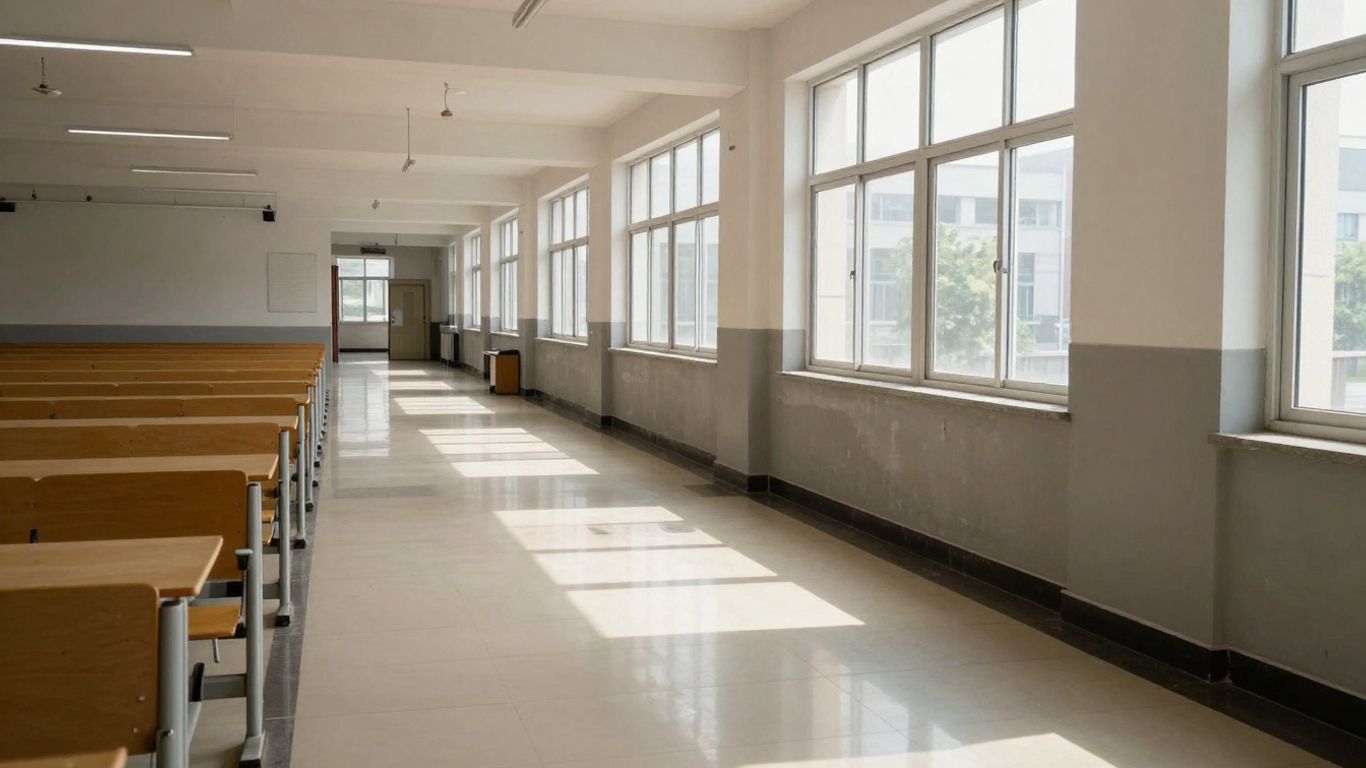
Universities have their own beat, right? It’s not like a regular office building. You’ve got the mad rush of freshers arriving, the quiet intensity of exam periods, and then, the big exodus for summer. Trying to get floor work done during the busiest times? That’s a recipe for chaos. Think about it: students everywhere, lectures happening, and suddenly, you’ve got guys with sanders and paint fumes. Not ideal for anyone. It’s all about working with the university’s schedule, not against it. We need to get a feel for when things are naturally calmer.
Aligning Restoration with Student Absence
When are the buildings emptiest? That’s your golden ticket for floor restoration. The obvious one is the summer break, but don’t forget the shorter breaks too. Christmas and Easter holidays mean fewer people around, fewer classes, and less foot traffic. This is when you can really get stuck into bigger jobs or tackle those areas that are usually packed. Planning around when students are actually gone makes a massive difference. It means less disruption for classes and study, and more space for the restoration crew to do their thing without tripping over people.
The Importance of Strategic Scheduling
So, how do you actually do this? It’s about being smart with your planning. You can’t just decide to redo the main hall floor in October when everyone’s back. You need a plan that maps out the academic year and pinpoints the best times for different types of work. Small fixes? Maybe a weekend. Big overhauls? Definitely summer. It’s like planning a big party – you pick the right date so everyone can come and have a good time. For floor restoration, picking the right time means the job gets done right, without messing up the university’s day-to-day.
Summer Break: The Prime Opportunity for University Floor Maintenance UK
Okay, so summer break. This is basically the golden ticket for getting serious work done on your university’s floors. When the lecture halls empty out and the dorms go quiet, it’s your chance to really tackle those bigger projects without a million students underfoot. Think of it as a massive, campus-wide reset button for your flooring.
Maximising Downtime for Large-Scale Projects
Summer is when you can actually get those big jobs done. We’re talking full floor replacements, major resurfacing, or even a complete overhaul of a high-traffic area like the main library or student union. These are the times when you can afford to have sections of the campus out of commission for a bit. It’s way easier to schedule a week or two of work when there are no classes, no exams, and minimal people around. You can get quotes, order materials, and have the work crews in without worrying about tripping hazards or noise complaints during study sessions. It’s the most practical time to do the heavy lifting.
Addressing High-Traffic Areas During Lulls
Think about the spots that get hammered all year round. The main walkways, the cafeteria floors, the gym, and those busy corridors between popular departments. These areas take a beating, right? Summer break gives you the breathing room to give them some serious TLC. You can schedule deep cleaning, repairs, or even upgrades to more durable materials. It’s about getting ahead of the wear and tear before the next academic year kicks off and everything gets busy again. Plus, you can often get better deals on services when contractors aren’t swamped with urgent, mid-term fixes.
Planning for Minimal Disruption
Even though it’s summer, you still need to be smart about how you plan. You don’t want to shut down the entire campus for a month, obviously. So, break it down.
- Phased Approach: Tackle one building or section at a time. This way, other areas remain accessible.
- Clear Signage: Make sure everyone knows where work is happening and what the alternative routes are.
- Communication: Keep departments and any remaining staff or summer students informed about the schedule.
- Noise Management: If some work has to happen when people are around, try to schedule the loudest parts for mid-day.
It’s all about being organised. A little bit of planning goes a long way in making sure the summer restoration work doesn’t accidentally cause its own set of problems. Think about how people actually move around campus and plan your work around that flow, even when it’s quieter.
Basically, summer is your best bet. It’s the time to get the big, messy, time-consuming floor jobs done so that when September rolls around, your campus floors are looking good and ready for another busy year.
Leveraging Shorter Breaks for Targeted Floor Care
So, the summer break is obviously the big one for major floor work, right? But what about those smaller breaks scattered throughout the academic year? Don’t just let them slip by! These shorter periods, like the Easter break or even the Christmas holidays, are actually pretty good for getting specific jobs done without a whole lot of fuss.
Easter Break: A Window for Essential Repairs
The Easter break is a decent chunk of time, usually a couple of weeks. It’s not enough for a full-on overhaul of, say, the entire library floor, but it’s perfect for tackling those nagging issues that popped up during the busy winter months. Think about it: a few classrooms might have had a spill that stained the carpet, or maybe a section of linoleum in a high-traffic corridor is starting to lift. These are the kinds of problems you can fix quickly and efficiently when students are off campus. It stops them from becoming bigger, more expensive headaches later on.
- Spot cleaning and stain removal on carpets.
- Repairing or replacing damaged sections of vinyl or linoleum.
- Addressing scuff marks and minor damage in lecture halls.
Christmas Holidays: Quick Fixes and Deep Cleans
Christmas break is shorter, often just a week or two around the actual holiday. This is prime time for those quick wins. You might not have time for major installations, but you can definitely get a really good deep clean done on floors that don’t get that kind of attention during term. Plus, if there are any minor repairs that need doing – like re-sealing a small area of wood flooring or touching up paintwork around floor edges – this is the time to do it. It’s about maintenance and keeping things looking sharp.
Half-Term Respite for Minor Restorations
Even the one-week half-term breaks can be useful. They’re short, sure, but if you’ve got a specific area that needs a bit of attention, like a student common room that’s seen better days, you can get some minor restoration work done. Maybe it’s just buffing up some tired-looking tiles or giving a small lecture theatre a refresh. It’s about staying on top of things, bit by bit, so you’re not overwhelmed when the big summer break finally rolls around.
The key here is to have a list ready. Don’t wait until the break starts to figure out what needs doing. Keep a running log of any floor issues throughout the year, and then when a shorter break comes up, you can pull out the list and tackle the most pressing, manageable items. It’s all about being organised and making the most of the time you have, no matter how short.
Pre- and Post-Academic Year Floor Preparation
Alright, so we’ve talked about using those big breaks for floor work, but what about getting things ready before everyone descends and then tidying up after they’ve gone? It’s a bit like prepping for a big party and then cleaning up the mess. You gotta get the floors looking sharp for the fresh faces arriving and then give them a good once-over once the dust settles.
Getting Ready for Freshers’ Week
This is your big moment to make a good first impression. Think of it as the welcome mat for the whole year. You want those floors looking their absolute best, especially in high-traffic spots like entrances, hallways, and common areas. A good clean and maybe a quick polish can make a world of difference. It’s not just about looks, though; it’s about setting a solid foundation for the year ahead. A well-maintained floor says you care about the environment students are learning and living in.
Here’s a quick checklist for pre-term floor prep:
- Deep Clean: Get rid of any lingering dirt or scuff marks from the summer.
- Minor Repairs: Fix any chips, cracks, or loose tiles that might have popped up.
- Protective Treatments: Apply sealants or polishes to guard against the inevitable wear and tear.
- Safety Check: Make sure surfaces aren’t slippery, especially near entrances.
Post-Graduation Spruce-Up
Once the final exams are done and dusted, and the graduates are off to conquer the world, it’s time for a bit of a reset. This is your chance to catch up on any work that got put on the back burner during the busy term. Think of it as giving the floors a breather and a bit of TLC before the next wave arrives. It’s a good time to tackle those slightly bigger jobs that you couldn’t get to during term time.
Ensuring Durability for the Long Haul
Ultimately, all this prep work is about making sure your floors can handle the marathon that is the academic year. It’s not just a sprint; it’s about building resilience. Choosing the right treatments and doing the necessary upkeep means you won’t be scrambling for emergency fixes later. It’s about being smart and proactive, saving yourself headaches and money down the line. A little effort now goes a long way in keeping those floors looking good and lasting for ages.
You want floors that can take a beating, day in and day out, from thousands of footsteps, dropped books, and spilled coffee. Getting them prepped right means they’re ready for anything the academic year throws at them.
Contingency Planning for Unexpected Floor Issues
Okay, so we’ve talked about the big plans, right? But let’s be real, stuff happens. Floors in a busy university aren’t exactly pristine all the time. Spills, scuffs, maybe a rogue furniture leg incident – you name it. Having a plan for when things go sideways is super important. You don’t want a minor floor hiccup turning into a major headache during term time.
Dealing with Spills and Stains Promptly
This is pretty straightforward, but often overlooked. Quick action makes a huge difference. Think about it: a spilled coffee in the library or a food stain in the student union. If you catch it right away, it’s usually a simple clean-up. Leave it, and you’re looking at a permanent mark or a sticky mess that attracts more dirt.
Here’s a quick rundown:
- Identify the spill: What is it? Coffee, ink, paint, food?
- Grab the right supplies: Water, mild soap, specific stain remover if needed.
- Act fast: Blot, don’t rub. Work from the outside in.
- Rinse and dry: Make sure no residue is left behind.
Emergency Repairs During Term Time
Sometimes, it’s more than just a spill. Maybe a tile cracks, a section of flooring lifts, or a seam splits. This is where having a relationship with a good flooring company comes in handy. You need someone who can respond quickly without causing too much disruption.
- Assess the damage: Is it a trip hazard? Is it spreading?
- Temporary fix: Can you cordon off the area safely?
- Contact your go-to: Get them on the phone ASAP.
The key here is communication and speed. A small, localised repair done quickly is way better than letting a problem fester and become a bigger, more expensive issue later.
Maintaining a Proactive Approach to University Floor Maintenance UK
Being proactive is the best defense. This means regular checks, not just waiting for something to break.
- Scheduled walk-throughs: Have facilities staff do regular checks of high-traffic areas.
- Encourage reporting: Make it easy for students and staff to report issues they see.
- Preventative treatments: For certain floor types, regular sealing or protective coatings can stop damage before it starts. It’s like putting a shield on your floors, you know?
Think of it like this: you wouldn’t wait for your car to break down completely before getting an oil change, right? Same idea with your university floors. A little attention now saves a lot of hassle later.
Choosing the Right Floor Restoration Services in the UK
Finding Specialists Experienced with Academic Institutions
Okay, so you’ve decided to get those floors sorted. That’s great! But where do you even start looking for someone to do the work, especially when you’re dealing with a university? It’s not like picking a painter for your living room. You need folks who get the whole university vibe – the busy schedules, the different types of spaces, and the need to keep things running smoothly. Look for companies that have actually worked with universities before. They’ll know the drill about working around term times, understanding the student population’s movements, and maybe even dealing with the procurement folks. It’s a different ballgame than a typical commercial job.
Understanding Different Floor Material Needs
Universities have all sorts of floors, right? You’ve got lecture halls with heavy-duty carpet, labs with tough vinyl, dorm rooms with linoleum, and maybe even some fancy wood in the admin buildings. Each material needs a different touch. Trying to buff a wooden floor like it’s carpet? Big mistake. You need a service that knows its stuff when it comes to:
- Carpet: Deep cleaning, stain removal, and maybe even patching worn areas.
- Vinyl/Linoleum: Stripping old wax, applying new coatings, and fixing cracks.
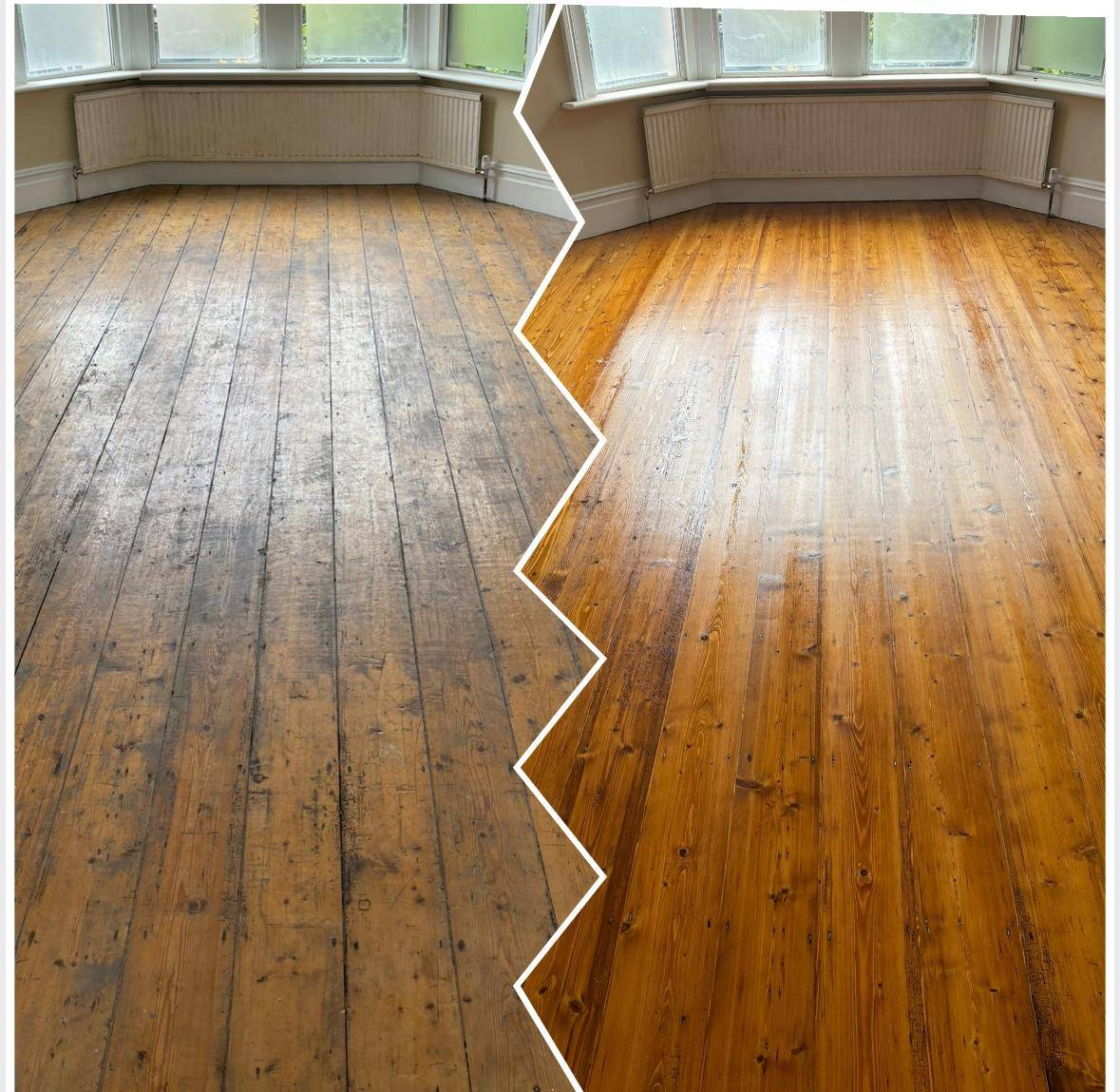
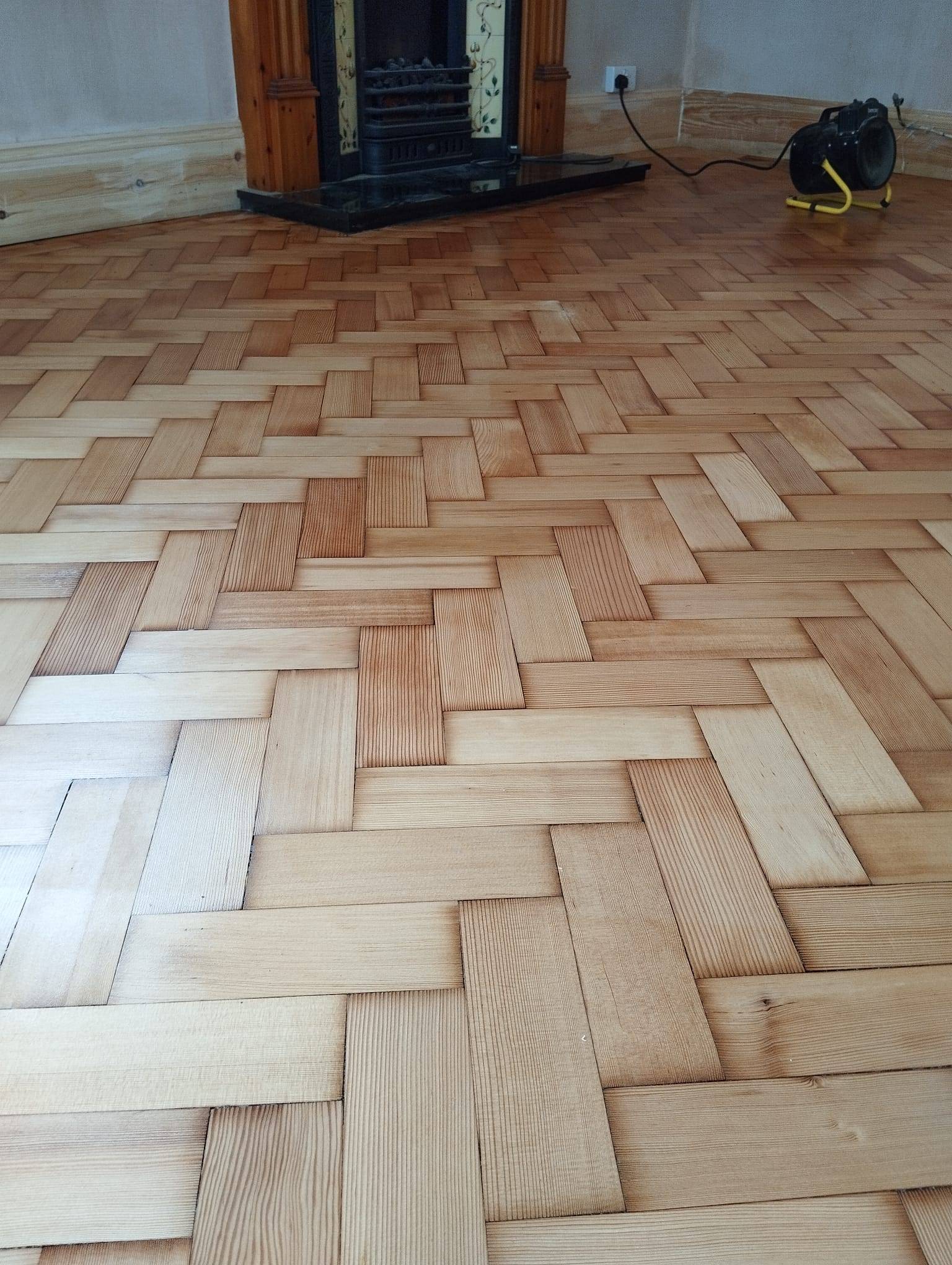
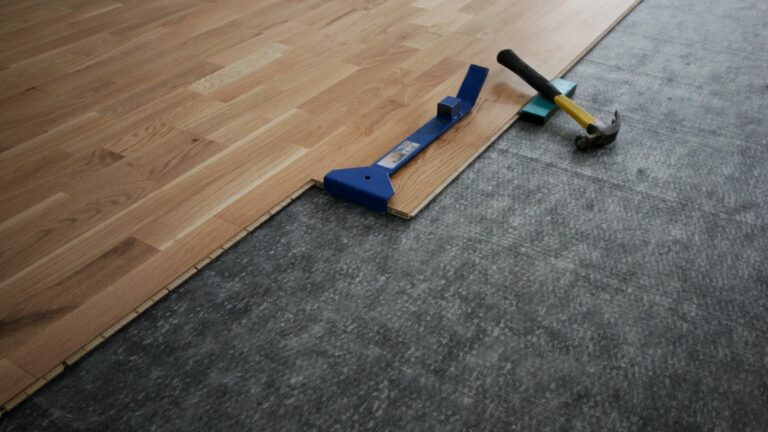
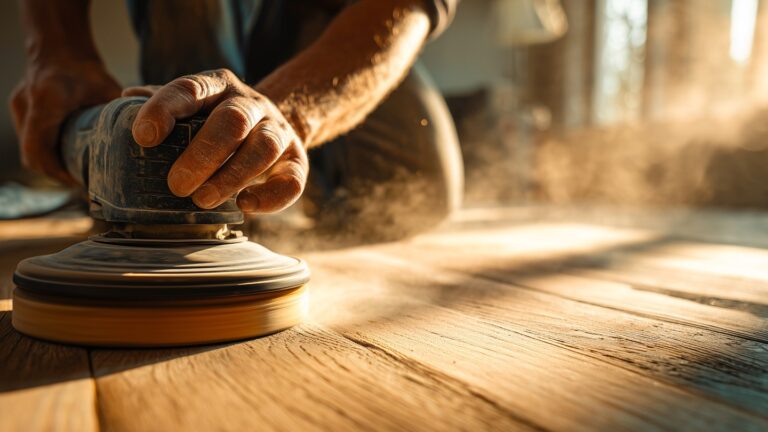
- Wood: Sanding, sealing, and polishing to bring back that shine.
- Stone/Tile: Grouting, sealing, and stain removal.
It’s not a one-size-fits-all situation, so make sure they can handle whatever you’ve got.
Getting Quotes Tailored to University Budgets
Let’s be real, university budgets can be tight. You don’t want a quote that looks like it’s for a luxury hotel. You need a company that understands you’re not just looking for a quick fix, but a long-term solution that’s cost-effective. Ask for a detailed breakdown of what’s included. Are they just cleaning, or is it a full restoration? What materials are they using? Don’t be afraid to get a few quotes from different places to compare. It helps you see who’s offering a fair price for the work you actually need done. Sometimes, a slightly higher upfront cost for a better, longer-lasting job can save you money down the line.
When you’re getting quotes, ask about their warranty or guarantee. A good company will stand behind their work, especially on high-traffic university floors that take a beating. It gives you peace of mind knowing that if something goes wrong shortly after they finish, they’ll be back to sort it out without a fuss.
When you need to fix up your floors in the UK, picking the right service is key. You want a team that knows their stuff and can make your floors look amazing again. Don’t guess around; find out more about how to choose the best floor restoration pros for your home. Visit our website today to see how we can help bring your floors back to life!
Wrapping It Up
So, that’s the lowdown on getting floor work done at your university without messing up the school year. It’s all about looking at the calendar, figuring out the quiet times, and then getting the job done. It might take a bit of planning, sure, but it’s way better than having students tripping over dust sheets during lectures or trying to study with all the noise. Think of it as a little bit of homework for the facilities team, but the payoff is a much nicer campus for everyone. Good luck with your projects!
Frequently Asked Questions
When’s the best time to fix up university floors?
Think about when students are mostly away! Summer break is a huge opportunity for big jobs since most folks are gone. Shorter breaks, like Easter or Christmas, are good for smaller fixes or deep cleaning. It’s all about picking times when the least number of people will be bothered.
Can we really get big floor projects done during summer?
Totally! Summer vacation is like the golden ticket for major floor overhauls. Since the campus is pretty empty, you can tackle huge areas without worrying about tripping students or shutting down busy hallways for too long. It gives the crew plenty of uninterrupted time.
What about those little floor oopsies that happen all the time?
Accidents happen, right? For quick spills or small stains, it’s best to deal with them ASAP. If something more serious pops up during the school year, have a plan for emergency fixes. Being ready means you can sort things out fast without causing a huge mess or disruption.
How do we pick the right floor repair people?
You’ll want to find pros who get how universities work. Look for companies that have fixed floors in schools before. They’ll know about different floor types, like wood in lecture halls or rubber in gyms, and can give you prices that fit what the university can spend.
Do we need to do anything to the floors before school starts?
Definitely! Before the new students arrive for ‘Freshers’ Week,’ you want the floors looking sharp. Think of it as a final spruce-up after any work is done. Making sure the floors are tough and ready for tons of foot traffic is key to avoiding problems later on.
What if a floor gets damaged unexpectedly?
It’s smart to have a backup plan. If a spill happens or a floor gets damaged, know who to call and how to fix it quickly. Being proactive, meaning you’re always checking on the floors and ready for anything, helps keep things running smoothly all year long.