So, you’ve got an old cottage and you’re seeing little holes in the wood, maybe some dust falling out? Yep, that’s probably woodworm. It’s a common problem in older homes, especially those charming period cottages. But don’t panic! Sometimes it’s a quick fix, other times it’s a bigger job. We’ll walk through how to spot it, what it means for your house, and when you can tackle it yourself versus when you need to call in the experts. We’ll even cover woodworm in floorboards repair, because nobody wants creaky, damaged floors.
Key Takeaways
- Watch out for small holes, wood dust (frass), and weakened timber – these are signs of woodworm.
- Understand that woodworm can weaken structural parts of your cottage if left untreated.
- Know when to get a professional opinion; severe infestations often need expert help and treatments.
- For minor issues, like woodworm in floorboards repair, DIY treatments are possible with the right products and care.
- Decide whether to fix damaged wood or replace it based on the extent of the damage and the type of timber.
Spotting The Tiny Troublemakers
Alright, so you’ve got this charming old cottage, right? And you’re thinking, ‘This place is perfect!’ But sometimes, hidden away in those lovely old timbers, there are some unwelcome guests. We’re talking about woodworm. They’re small, but they can cause big headaches if you don’t catch them early. Spotting the signs is your first line of defense.
Signs Of An Infestation
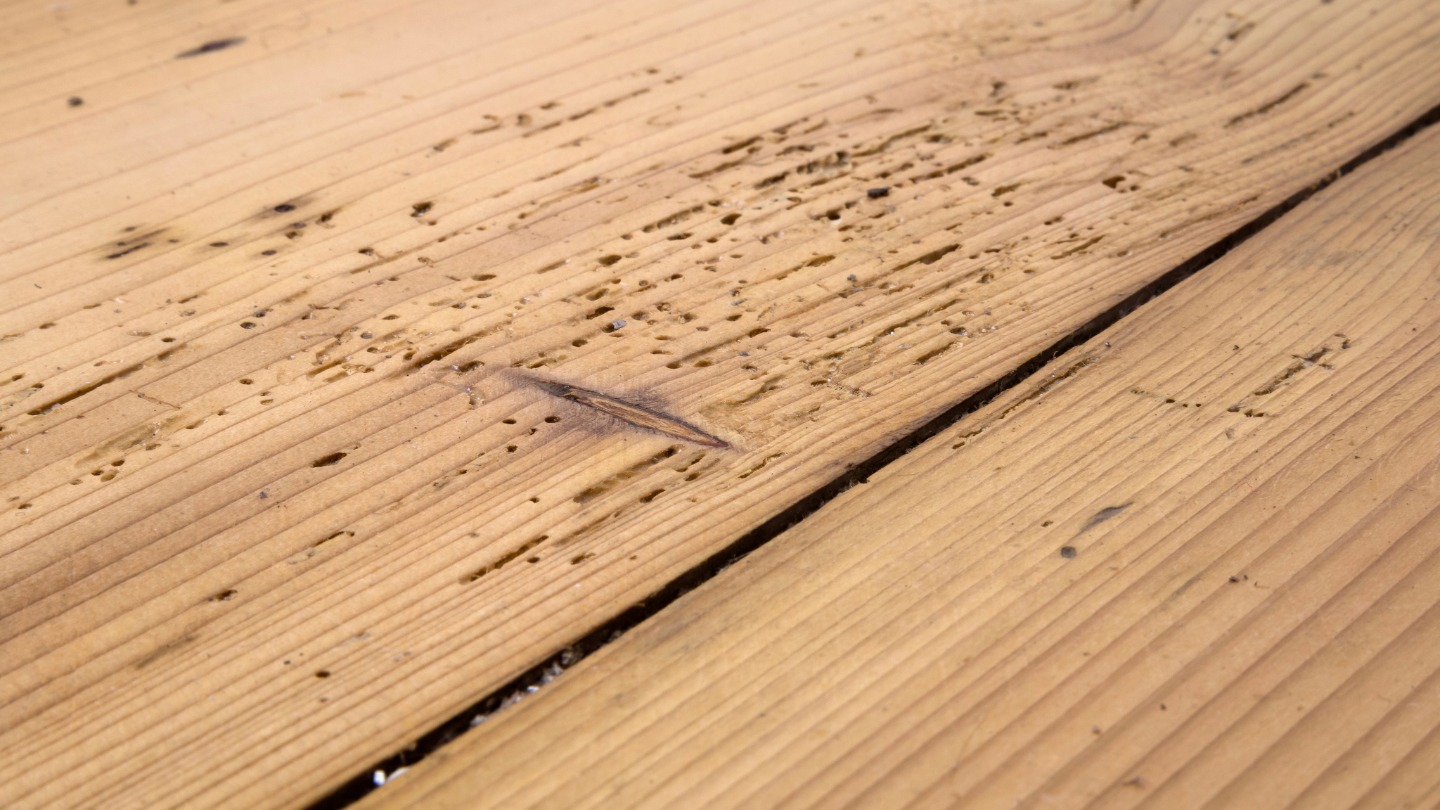
So, how do you know if these little critters have moved in? Keep an eye out for a few key things. The most obvious sign is the holes themselves. They’re usually pretty small, about the size of a pinprick or a ballpoint pen tip, and they’re often found in clusters. You might also see little piles of dust, called ‘frass,’ right underneath these holes. It looks a bit like fine sawdust, but if you look closely, you’ll see tiny, pellet-like shapes in it. That’s a sure sign that something’s been munching away.
Another thing to look for is weakened wood. If you tap on a beam or a floorboard and it sounds hollow or feels crumbly, that’s not a good sign. You might even see actual damage, like tunnels or galleries just under the surface of the wood. And sometimes, you’ll find the adult beetles themselves, especially during the warmer months when they emerge to mate.
Here’s a quick checklist:
- Small, round holes in the wood surface.
- Piles of fine dust (frass) beneath the holes.
- Weakened or crumbly timber.
- Visible tunnels or galleries.
- Actual adult beetles.
Identifying The Culprits
Now, not all woodworm is the same. There are a few common types you might encounter in older homes, and knowing which one you’re dealing with can help with treatment. The most common is the Common Furniture Beetle. These guys are responsible for most of the damage you’ll see in older properties. Their larvae are the ones doing the eating, and they can take anywhere from 3 to 5 years to mature.
Then there’s the Deathwatch Beetle. These are a bit more serious and tend to prefer older, decaying hardwoods, often found in roof timbers or structural beams. You might hear a faint ticking sound coming from the timbers if these are active, especially at night. It’s pretty creepy, honestly.
Less common, but still a possibility, is the Wood-Boring Weevil. These guys are usually found in damp conditions and often attack wood that’s already been damaged by rot or other insects. They’re a bit more destructive in their own way.
The key takeaway here is that even small signs shouldn’t be ignored. What looks like a minor issue now could become a major structural problem down the line if left unchecked. Early detection is absolutely key to saving your lovely old cottage.
Understanding Woodworm Damage
How Woodworm Affects Timbers
So, you’ve spotted some little holes, maybe some dust? That’s usually the first sign that woodworm has decided your cottage is a buffet. But what’s actually happening under the surface? It’s not just about the holes, you know. The real damage comes from the larvae. These little grubs are the ones doing all the munching, tunneling through the wood to get their grub on. They can spend months, even years, just eating their way through your timbers. The adult beetles, on the other hand, are mostly just interested in laying eggs and continuing the cycle. They don’t do much damage themselves, but they’re the signal that the real troublemakers are already hard at work.
Different types of woodworm like different kinds of wood, and they leave slightly different clues. For instance, the common furniture beetle, which is a big one for older homes, leaves small, round holes about 1-2mm wide. You might also find ‘frass’ – that’s beetle poop, basically – which looks like tiny, fine sawdust. The deathwatch beetle, a bit more serious, likes damp, decaying hardwood and leaves larger, oval-shaped holes, and its frass is often described as looking like tiny bun-shaped pellets.
The Impact On Structural Integrity
Okay, so the little critters are eating your wood. Big deal, right? Well, it can be. When woodworm gets a good hold, especially in older properties with timbers that have already seen a lot of life, it can seriously weaken the structure. Imagine a loaf of bread with lots of holes poked through it – it’s not as strong as a solid loaf, is it? The same applies to your roof beams, floor joists, or any other structural timber. The more tunnels there are, the less solid wood there is to support weight.
This weakening can lead to a few nasty problems:
- Sagging Timbers: You might notice floors starting to dip or ceilings looking a bit uneven.
- Reduced Load-Bearing Capacity: This is the big one. If the timbers can’t hold the weight they’re supposed to, it can lead to serious structural failure. Think of your roof collapsing or a floor giving way.
- Increased Vulnerability: Weakened wood is also more susceptible to other issues, like rot and further insect attack.
It’s not always a disaster waiting to happen, though. A few holes here and there in non-structural decorative wood might just be an aesthetic issue. But when it affects the main beams and joists, that’s when you need to pay attention. It’s all about where the damage is and how widespread it is. A quick look might not tell the whole story; sometimes, you need to probe a bit deeper to see just how much of the timber has been eaten away.
When To Call In The Pros
Okay, so you’ve spotted some suspicious little holes and maybe even some dust. It’s easy to think, ‘I can handle this!’ But sometimes, woodworm is more than just a minor annoyance. Knowing when to bring in the experts is super important for the health of your cottage.
Assessing The Severity
How bad is it, really? That’s the million-dollar question. You need to figure out if it’s a small, isolated issue or something that’s really taken hold.
Here’s a quick way to think about it:
- Active vs. Inactive: Are you seeing fresh dust (called ‘frass’) falling out of the holes? That means the little critters are still munching away. Old holes with no new dust might mean the infestation is long gone, but it’s still worth checking.
- Location, Location, Location: Is the damage in a place that’s easy to reach and not super critical for the house’s structure? Or is it in a main beam, a floor joist, or somewhere that holds up a lot of weight?
- Extent of Damage: Can you poke a hole through the wood with a screwdriver? If the wood feels soft, crumbly, or you can easily push through it, that’s a sign of serious damage.
Professional Treatment Options
If you’re leaning towards calling in the pros, they’ve got a few tricks up their sleeves. It’s not just about spraying some stuff and hoping for the best.
- Fumigation: This is for really widespread infestations. They seal up the area and pump in a gas that kills everything. It’s pretty intense but effective.
- Surface Treatments: For less severe cases, they might use sprays or gels that soak into the wood. These are often applied directly to the affected timbers.
- Wood Replacement: In extreme situations, they might have to cut out and replace damaged sections of wood. This is usually a last resort.
Sometimes, the cost of professional treatment might seem high, but think about the potential cost of structural damage if you let a bad infestation get out of hand. It’s an investment in keeping your historic home safe and sound for years to come.
DIY Woodworm Treatment For Floorboards
Alright, so you’ve spotted some tell-tale signs of woodworm in your old cottage floorboards. Maybe it’s those tiny holes, or perhaps a bit of dust that looks like fine sand. Don’t panic just yet! Sometimes, you can tackle this yourself, especially if it’s not a massive infestation. It’s all about knowing what to do and doing it safely.
Choosing The Right Insecticide
First things first, you need the right stuff to kill those little pests. There are a few options out there, and they usually come in liquid or spray form. Look for products specifically designed for woodworm. Some are water-based, which are generally less smelly and dry quicker, while others are solvent-based. Always check the label to make sure it’s suitable for the type of wood you have – most common timbers in old cottages are fine, but it’s good to be sure.
- Water-based insecticides: Easier cleanup, less odor.
- Solvent-based insecticides: Can penetrate deeper, but stronger smell.
- Permethrin-based products: Often effective and long-lasting.
Always read and follow the manufacturer’s instructions to the letter. This isn’t the time to wing it.
Applying Treatments Safely
This is super important. These chemicals aren’t exactly good for you, so you need to protect yourself. Think gloves, a mask (a proper one, not just a flimsy cloth), and eye protection. Make sure the area is well-ventilated – open up windows and doors if you can. If you have pets or little ones, they absolutely need to be out of the house while you’re treating and until the product has dried completely, which can take a day or two.
- Wear gloves, a mask, and eye protection.
- Ensure good ventilation during application.
- Keep pets and children away until dry.
You’re essentially trying to get the insecticide into the wood where the larvae are munching away. If you’re treating floorboards, you might need to get it into any cracks or existing holes. Don’t just spray the surface; try to work it into the timber.
Woodworm in Floorboards Repair Techniques
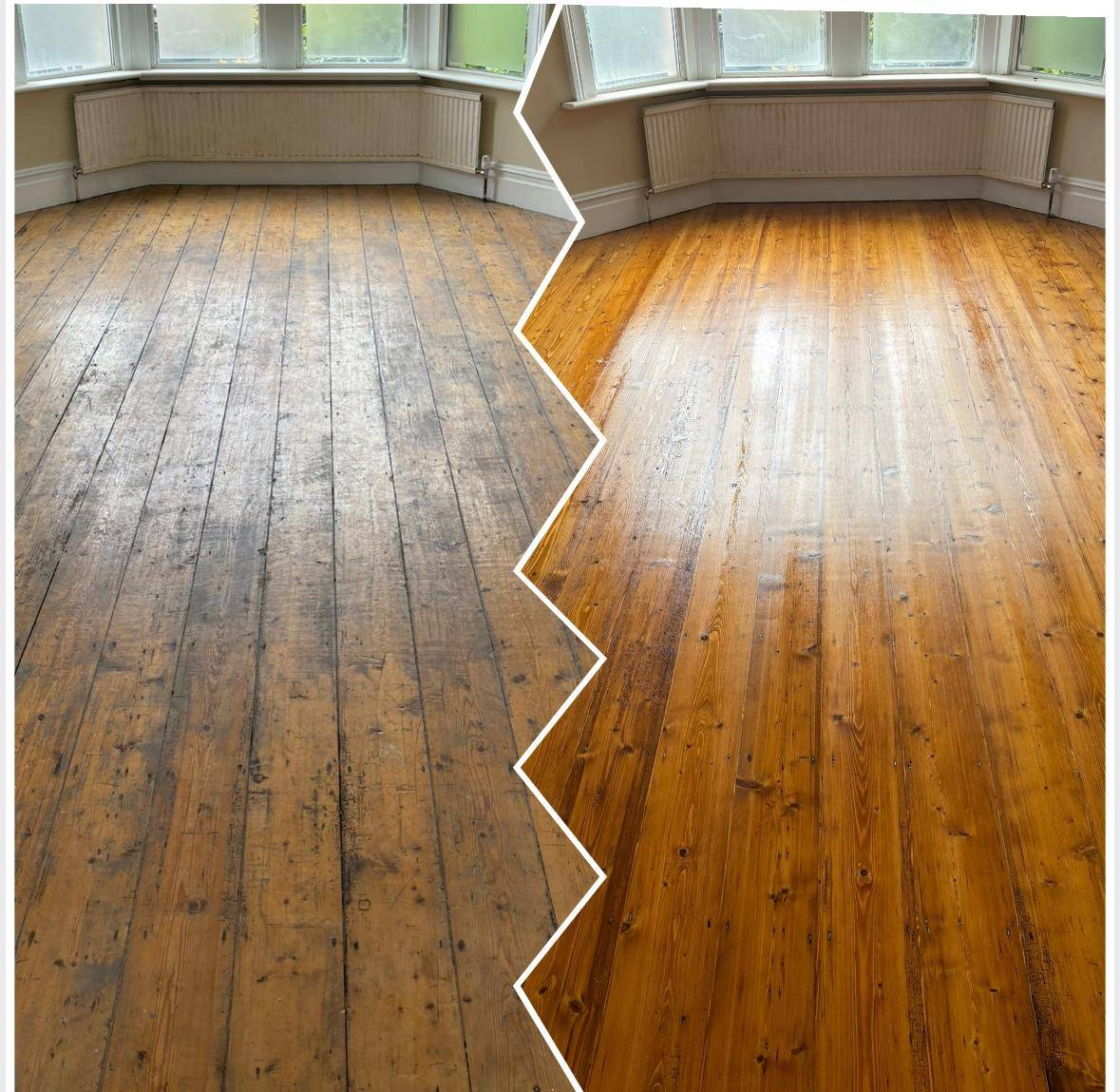
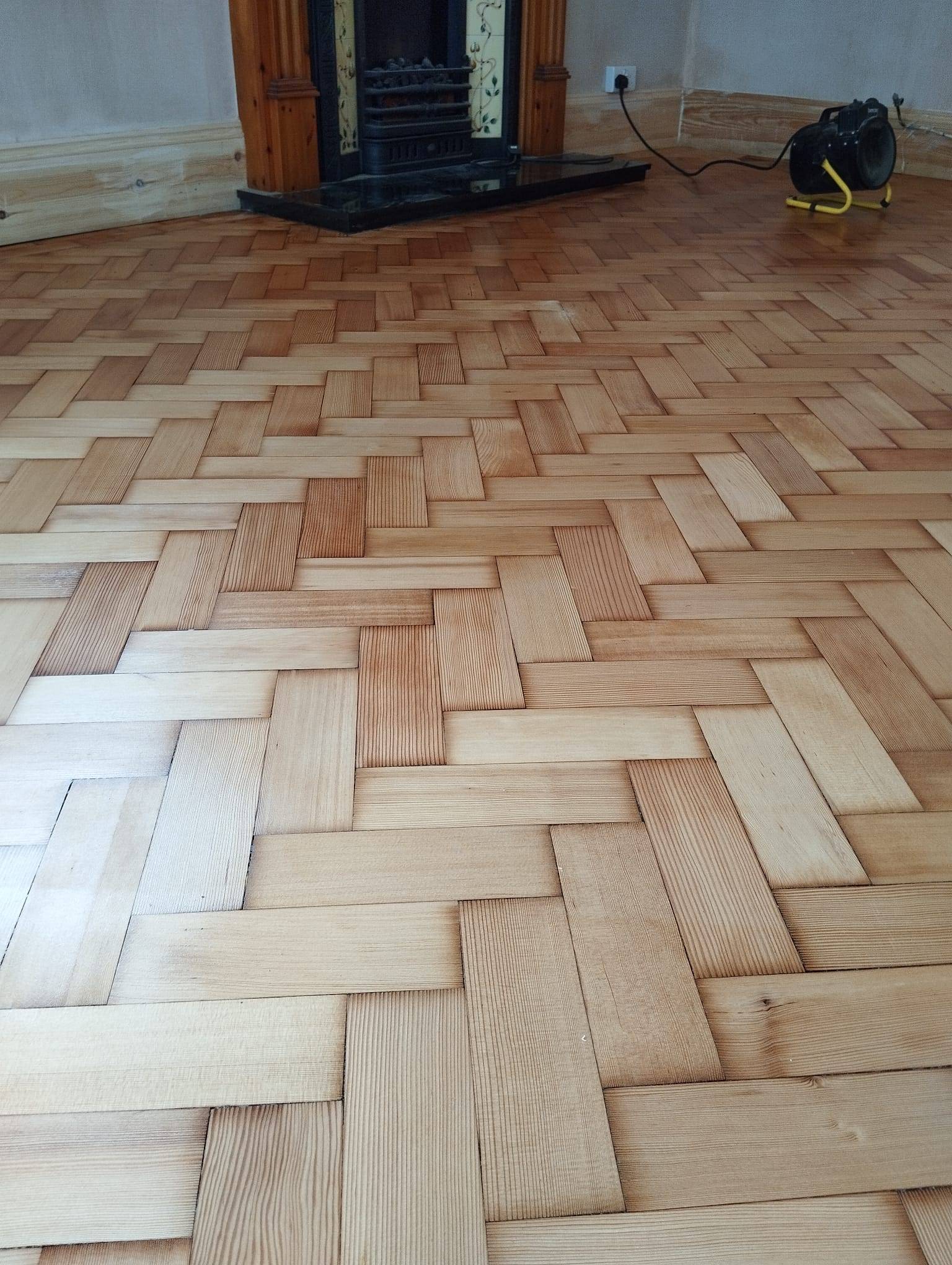
Once you’ve treated the woodworm, you might need to do some repairs. If the damage is minor, you might just need to fill any holes. A good quality wood filler works wonders here. You can get it in different colours to match your floorboards. For more significant damage, where the wood is weakened, you might need to think about patching or even replacing sections. This is where things get a bit trickier, and you might want to consult a professional if you’re not comfortable.
- Fill small holes with wood filler.
- For weakened timbers, consider reinforcing or patching.
- If structural integrity is compromised, professional help is advised.
Restoration Vs. Replacement Decisions
When Repair Is The Best Bet
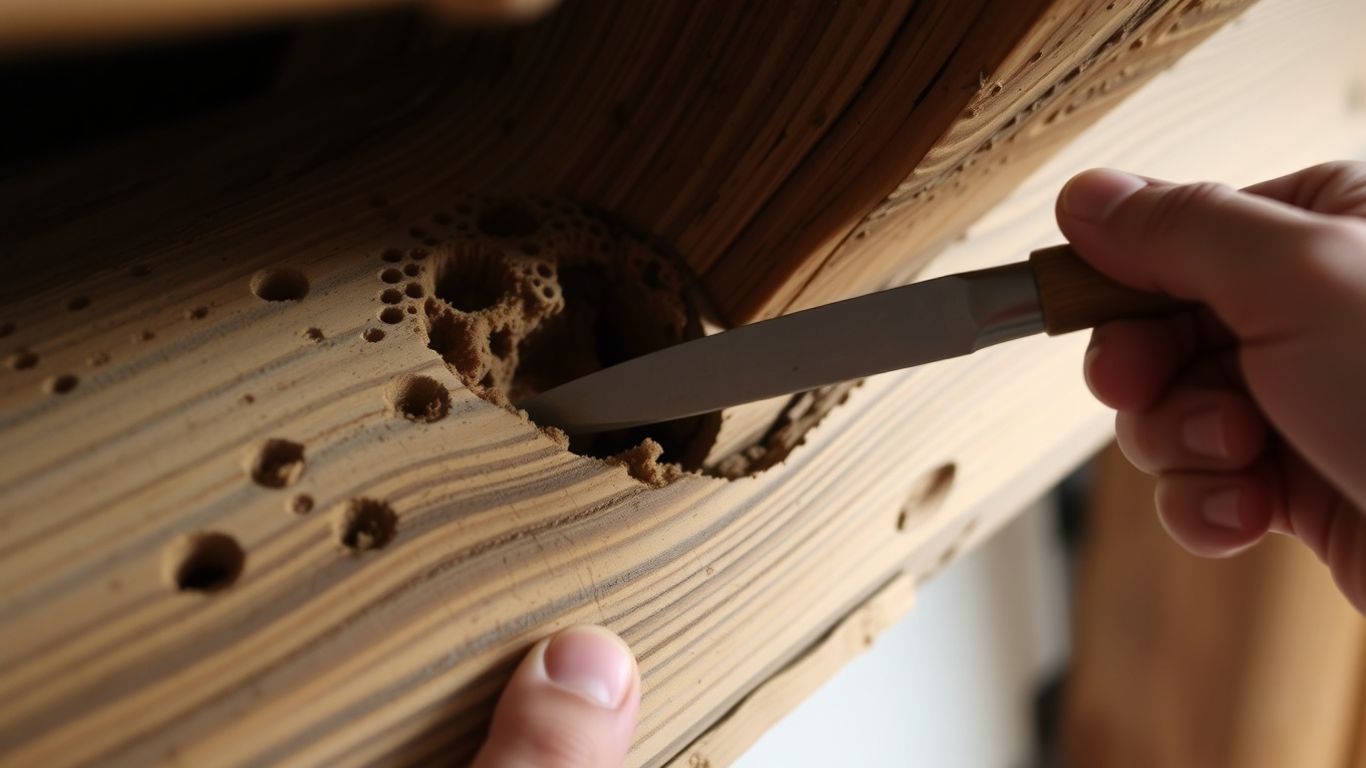
So, you’ve found some woodworm, and you’re wondering what to do next. It’s not always a death sentence for your old timbers! Often, a bit of careful repair work is all that’s needed. If the damage is localised and hasn’t compromised the structural integrity of the wood, then restoration is usually the way to go. Think of it like patching up a favorite old chair instead of tossing it. We’re talking about filling small holes, maybe reinforcing a slightly weakened area, or treating a section that’s just starting to get nibbled. The goal is to save as much of the original material as possible, keeping that authentic feel of your period cottage.
Here’s when you should lean towards fixing things up:
- The infestation is minor and caught early.
- The affected timbers are not load-bearing or are easily supported.
- The wood itself is still solid, just with some cosmetic damage.
- You want to preserve the historical character of your cottage.
Knowing When Replacement Is Necessary
Sometimes, though, you just have to face facts. If the woodworm has really gone to town, and the timber is crumbly, weak, or has lost a significant amount of its strength, then replacement is the only sensible option. Trying to patch up something that’s fundamentally unsound is just asking for trouble down the line. It’s like putting a band-aid on a broken bone – it won’t do much good and could even make things worse.
Consider replacement if:
- The timber is severely degraded, soft, or powdery.
- The damage affects a critical structural element like a main beam or joist.
- Multiple sections of the same timber are heavily infested.
- Previous repairs have failed.
Replacing a timber doesn’t mean you have to lose the cottage’s charm. With careful selection, you can find new wood that looks and feels right, blending in beautifully with the old.
Matching New Timber To Old
This is where things can get a bit tricky, but it’s super important for keeping your cottage looking like a cottage. When you do need to replace a piece of wood, you can’t just grab any old plank from the hardware store. You need to think about:
- Species of wood: Try to match the original timber type. Oak was common in older buildings, but other hardwoods or softwoods might have been used depending on the era and location.
- Dimensions: Measure the old timber carefully. You want the new piece to fit perfectly, both structurally and visually.
- Grain and finish: Look for wood with a similar grain pattern. Sometimes, you can even get wood that’s been seasoned or treated to look older. A good carpenter or joiner will know how to source and prepare this.
- Location: Where the timber is located matters. Internal beams might have different requirements than external ones. A professional can advise on the best approach.
Preventing Future Woodworm Woes
So, you’ve dealt with the woodworm, or maybe you’re just being super proactive. That’s smart! Nobody wants those little critters back. The good news is, keeping them away isn’t rocket science. It mostly comes down to making your cottage a less inviting place for them. Think of it as pest control, but for wood.
Improving Ventilation
Woodworm, like a lot of bugs, really likes damp, still air. Old cottages can sometimes be a bit… cozy, meaning air doesn’t always move around as much as it should. This is especially true in places like attics, cellars, or even behind built-in cupboards. Good airflow is your best friend here.
- Open things up: If you have vents that are blocked, clear them out. Consider adding more vents if certain areas feel particularly stuffy. This doesn’t mean ripping out walls, just small changes can make a big difference.
- Attic and crawl spaces: Make sure these areas aren’t packed too tight with stuff. Leave some space for air to circulate.
- Chimneys: Keep chimneys clear of debris. A blocked chimney can trap moisture.
Controlling Moisture Levels
This is probably the biggest one. Woodworm loves moisture. If the wood in your cottage is consistently damp, it’s like rolling out the welcome mat for them. So, tackling leaks and damp patches is key.
- Fix leaks ASAP: Check your roof, gutters, pipes, and around windows. Even a small drip can cause problems over time.
- Damp proofing: If you have persistent rising damp or penetrating damp, you might need to look into professional damp-proofing solutions. It’s an investment, but way cheaper than replacing worm-eaten beams.
- Dehumidifiers: In particularly humid areas, like basements or certain rooms, a dehumidifier can be a lifesaver. Just remember to empty it regularly!
Woodworm larvae need a certain level of moisture in the wood to survive and develop. By keeping your timbers dry, you make the environment inhospitable for them. It’s a simple principle, but incredibly effective.
Regular Inspections
Even with the best prevention, it’s wise to keep an eye out. A quick check now and then can catch any new activity before it becomes a major headache.
- Look for new holes: Keep an eye on any timber, especially in less-visited areas.
- Check for dust: Fresh wood dust (frass) is a sure sign of recent activity.
- Listen: Sometimes, you can hear the larvae chewing away, especially in quiet moments. It’s a faint, rustling sound.
By focusing on good ventilation and keeping moisture at bay, you’re creating a cottage that’s not only comfortable for you but also much less appealing to those tiny troublemakers. It’s all about making your period cottage a happy, healthy home for the long haul.
Don’t let woodworm ruin your lovely furniture or wooden floors! Taking simple steps now can save you a lot of trouble later. Want to learn more about keeping those pesky bugs away for good? Visit our website for expert tips and solutions.
So, What’s the Verdict?
Alright, so we’ve talked a lot about woodworm in those old cottages. It’s not always a simple fix, is it? Sometimes, you can patch things up and keep the original bits, which is pretty cool for keeping the cottage’s history alive. But other times, if the damage is really bad, you might just have to swap out the rotten bits for new ones. It’s a tough call, and honestly, it depends on how bad the infestation is and what you’re aiming for with your renovation. Don’t be afraid to get a pro in to look at it if you’re unsure. They can tell you pretty quickly if it’s a ‘save it’ or ‘replace it’ situation. Ultimately, you want to make the best choice for your cottage’s future, keeping it solid and looking good for years to come.
Frequently Asked Questions
How can I tell if I actually have woodworm?
Look for tiny holes in the wood, kind of like little pinpricks. You might also see fine dust, called frass, that looks like sand. Sometimes, you’ll even spot the adult beetles, but that’s less common. If you see these signs, especially on old wooden items or structural beams, it’s a good idea to investigate further.
Is woodworm really that big of a deal for my cottage?
It can be! While a small infestation might just be annoying, a serious one can weaken your wooden beams and floorboards over time. Imagine your floorboards getting soft or your roof supports becoming shaky – that’s the kind of trouble woodworm can cause if left unchecked. It’s all about how much damage has been done.
When should I just call a professional instead of trying to fix it myself?
If the woodworm has spread a lot, or if it’s in important structural parts of your cottage like main beams or roof trusses, it’s definitely time to get a pro. They have special tools and treatments that are way more effective and safer for big jobs. Plus, they can tell you if the wood is still strong enough or if it needs replacing.
Can I just buy some spray and do it myself?
For smaller, less serious issues, like on exposed floorboards or furniture, you might be able to use DIY treatments. You’ll need to pick a good insecticide specifically for woodworm and follow the instructions super carefully. Make sure to get good ventilation and protect yourself. But remember, this is usually for surface-level problems.
Should I try to fix the damaged wood or just get new wood?
That’s the big question! If the damage is minor and the wood is still solid, fixing it up is usually the way to go, especially in old cottages where you want to keep the original feel. But if the wood is crumbling or seriously weakened, replacing it is the safer and smarter choice. Matching the new wood to the old is key to keeping the cottage’s charm.
How can I stop woodworm from coming back after I’ve dealt with it?
Keeping your cottage well-ventilated is super important. Damp, still air is like a welcome mat for woodworm. So, open windows when you can, and make sure air can flow freely around wooden structures. Also, try to keep moisture levels down – fix any leaks and avoid dampness building up. A dry, airy cottage is a happy cottage!