So, you’re thinking about fixing up an old place in the UK, huh? Maybe you’ve got a period home and you’re wondering what kind of wood to use. It’s a big decision, and two popular choices often come up: the classic pitch pine and good old reclaimed oak. Both have their own vibe and history. Let’s break down what makes each one tick, especially when it comes to restoring something old. We’ll look at what they’re like, how to fix them up, and which might be the better pick for your project. It’s not always a simple choice, but hopefully, this helps you figure it out.
Key Takeaways
- Pitch pine has a distinct look and a history tied to Victorian and Edwardian builds in the UK, often seen in floors and trim.
- Reclaimed oak brings a warm, aged look and is super sturdy, plus using it is good for the planet.
- Checking the condition of old pitch pine is key; look for rot or damage before you start any pitch pine restoration UK work.
- Fixing up pitch pine involves careful cleaning, mending, and finishing to keep its original feel.
- When picking between pitch pine and reclaimed oak, think about your home’s style, how much you want to spend, and what kind of job you’re doing.
Understanding Pitch Pine For Period Properties
The Unique Characteristics of Pitch Pine
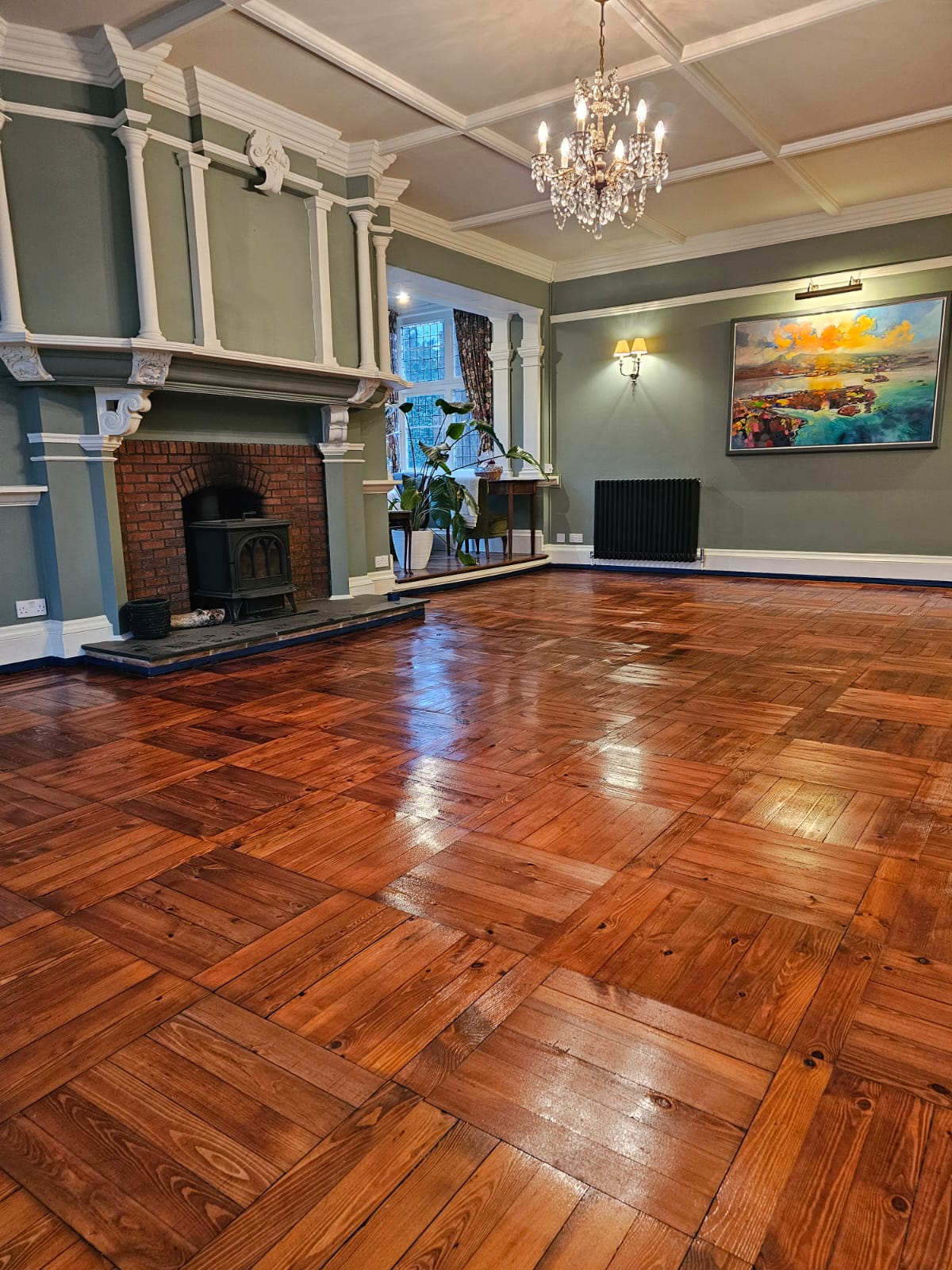
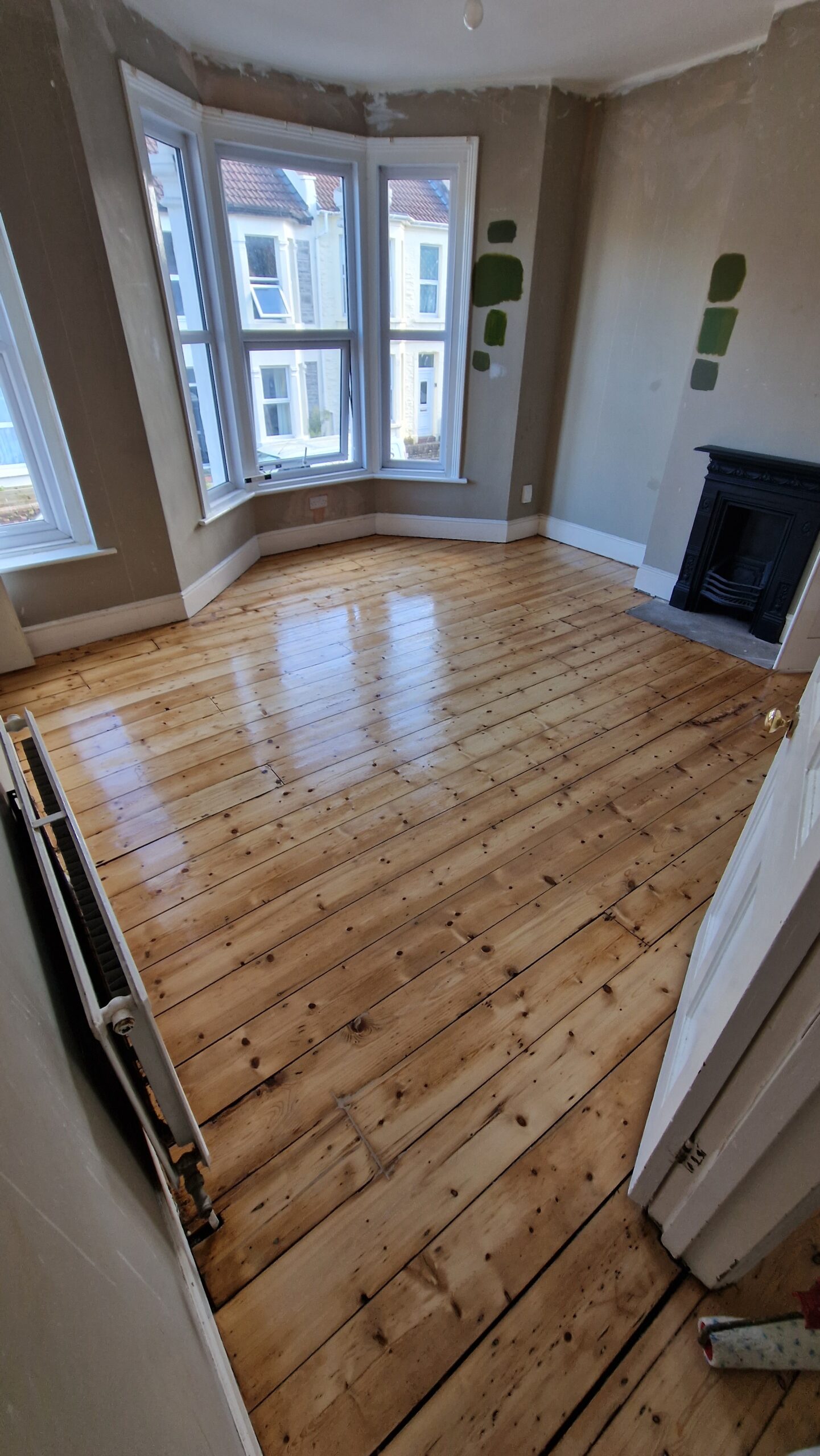
When you’re looking at older homes, especially those from the Victorian or Edwardian eras, you’ll often come across pitch pine. It’s a type of pine that’s really dense and resinous, which gives it some pretty cool properties. This high resin content makes it naturally resistant to rot and insects, a big plus when you’re thinking about restoration. It’s also known for its distinctive reddish-brown color and a prominent, straight grain that can look quite striking. Unlike some softer woods, pitch pine holds up well over time, developing a lovely patina that just screams ‘period charm’. It’s not just about looks, though; its density means it’s quite strong, too.
Historical Significance in UK Architecture
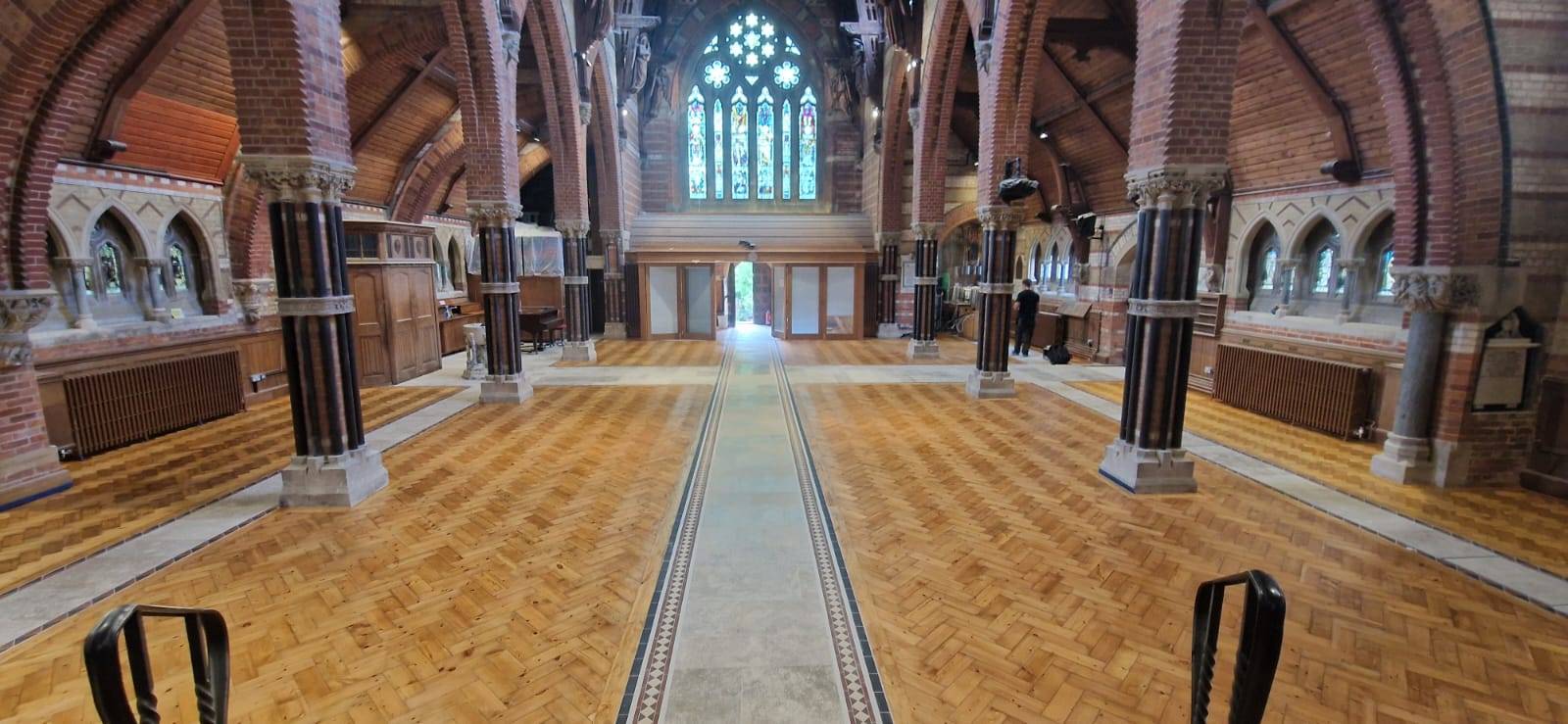
Pitch pine really made its mark in the UK during the late 19th and early 20th centuries. It was imported in large quantities and became a go-to material for builders and architects. You’d see it used everywhere, from grand public buildings and churches to the more modest homes of the time. Its availability and durability made it a practical choice for structural elements, flooring, and decorative features. Its widespread use means it’s a key part of the architectural story of many UK period properties, helping to define the look and feel of that era. It’s a wood that’s literally built into the history of these buildings.
Common Applications in Period Homes
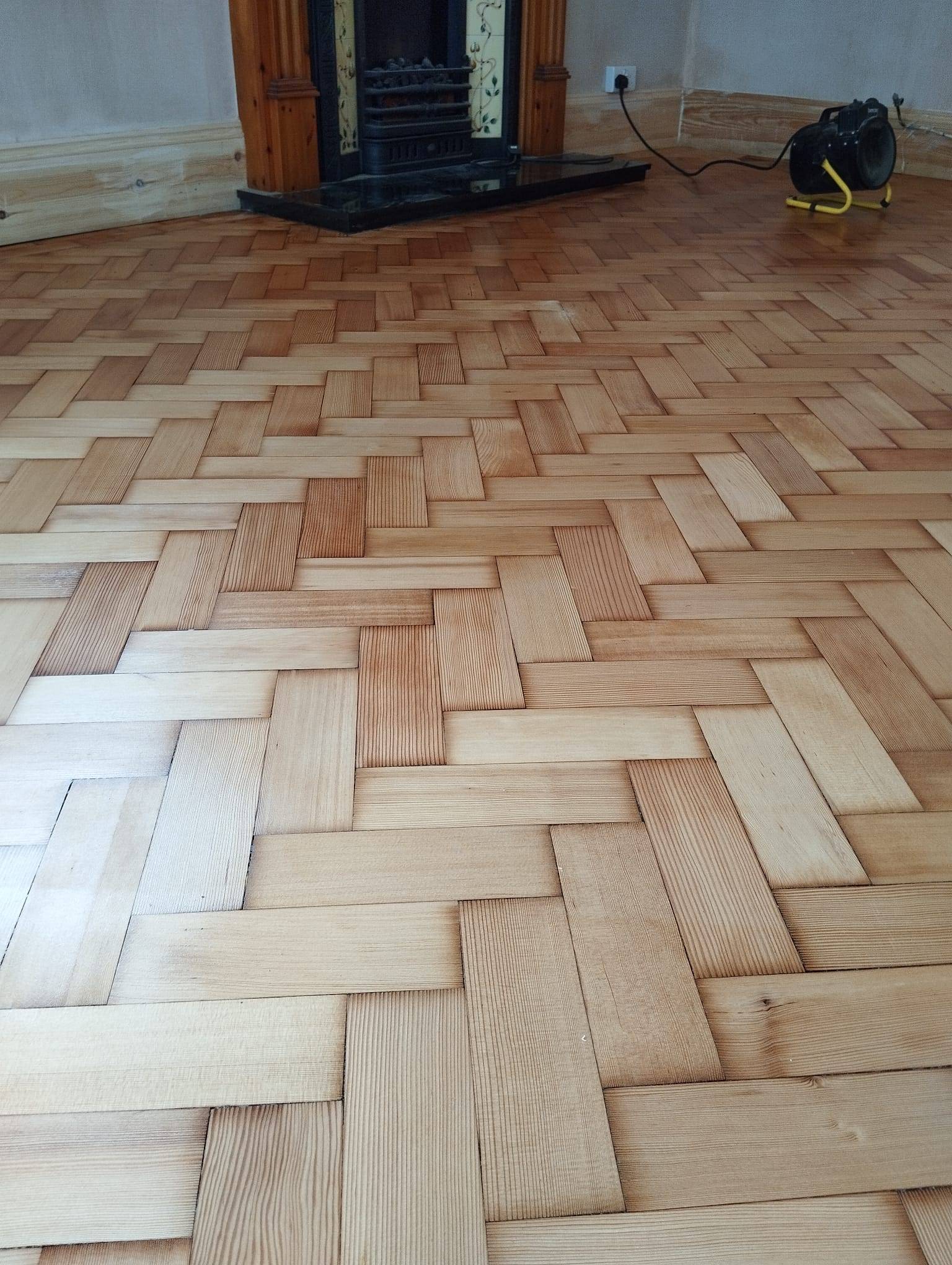
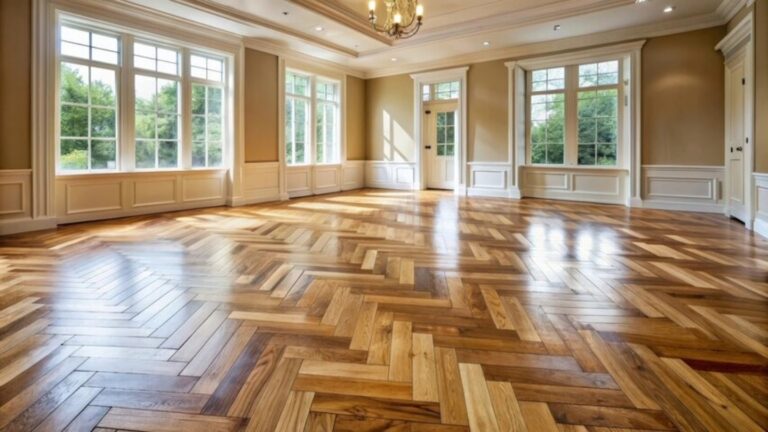
So, where exactly did builders use pitch pine in period homes? You’ll find it most often in flooring – those lovely, solid floorboards that have seen decades of life. It was also a popular choice for staircases, banisters, and newel posts, where its strength and attractive grain really shone. Many internal doors, window frames, and even skirting boards were crafted from pitch pine. Sometimes, you’ll even find it used for ceiling beams or decorative paneling. Basically, if a period home has solid, characterful woodwork, there’s a good chance pitch pine is involved somewhere. It’s a versatile wood that was used for both practical and decorative purposes throughout the house.
The Appeal of Reclaimed Oak
When you’re looking at materials for a period home, reclaimed oak just has this certain something, doesn’t it? It’s not just about using old wood; it’s about bringing a piece of history into your space.
Aesthetic Qualities of Aged Oak
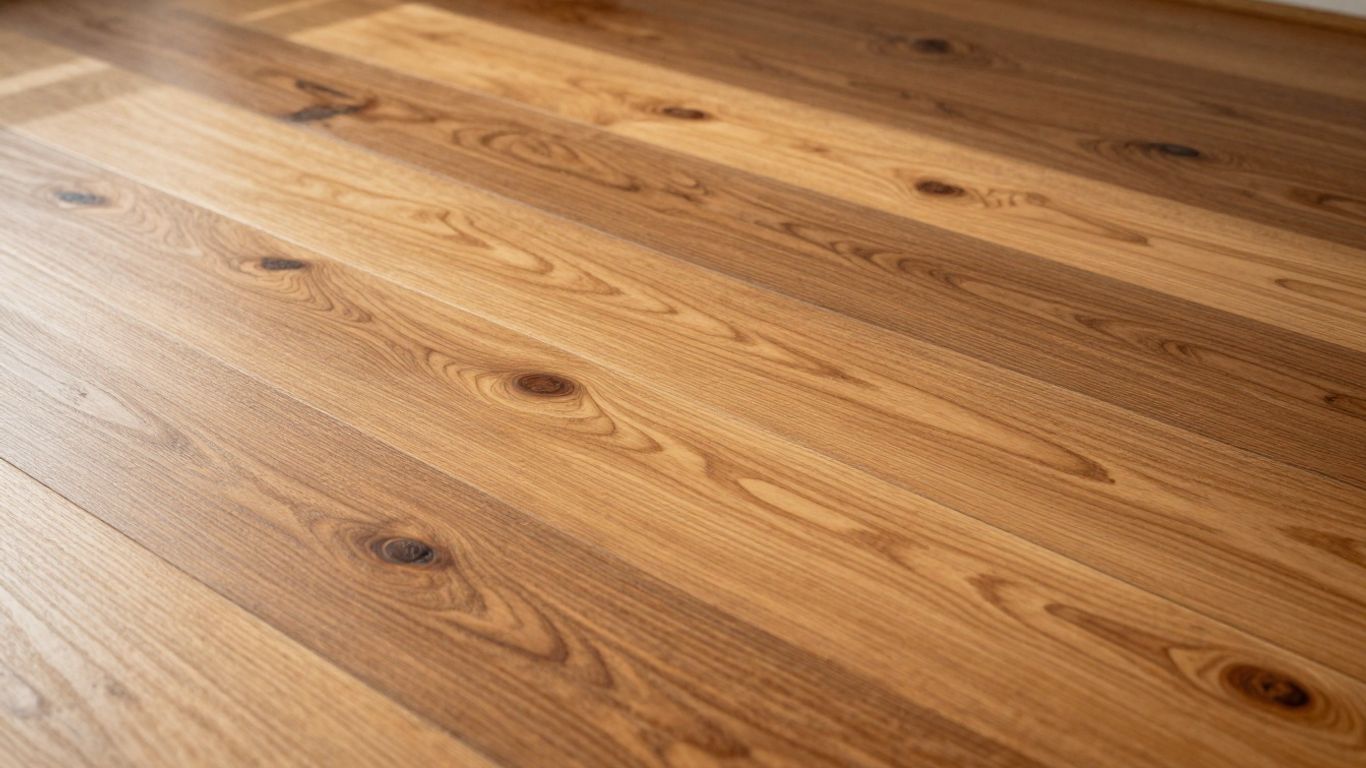
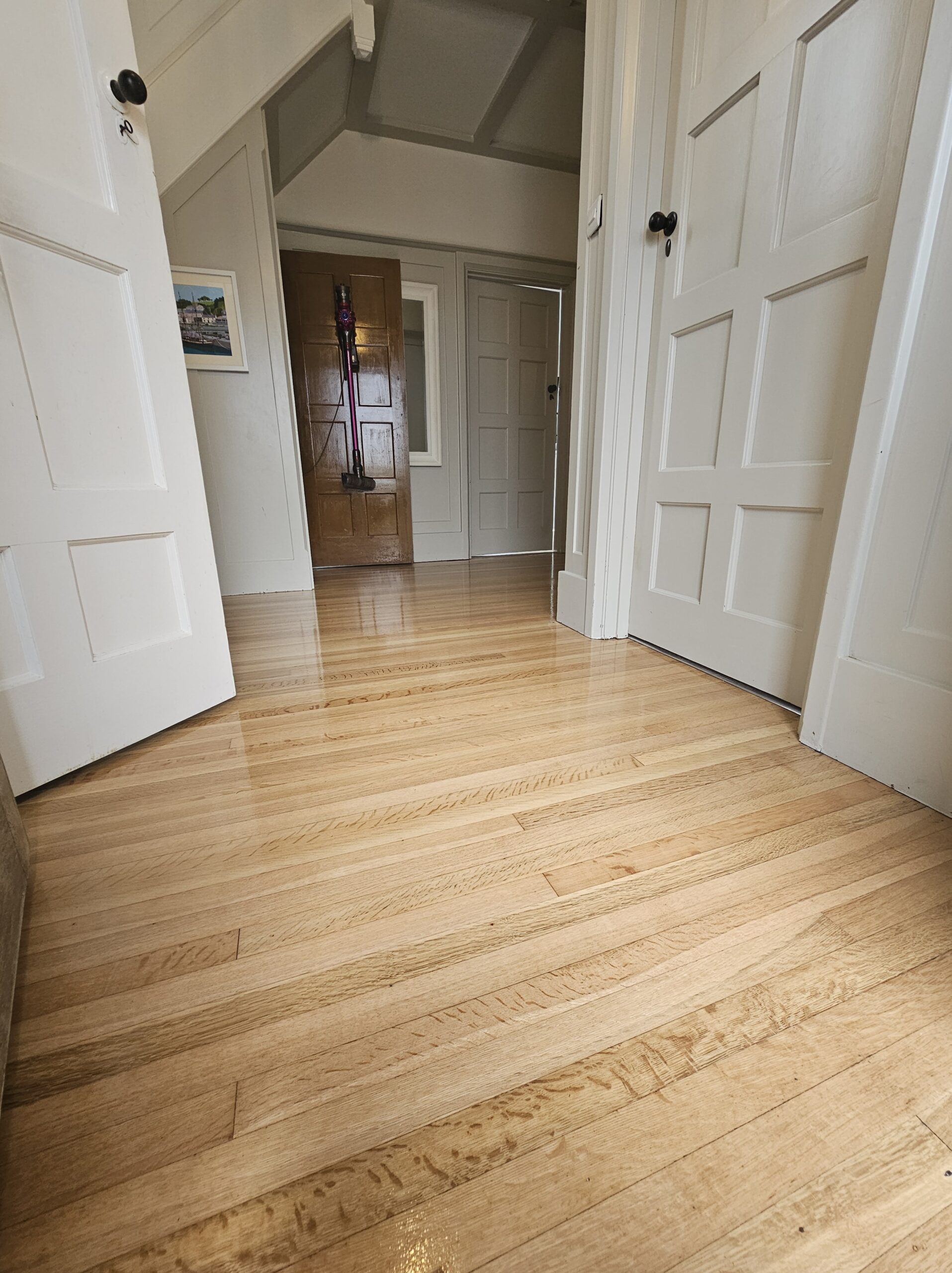
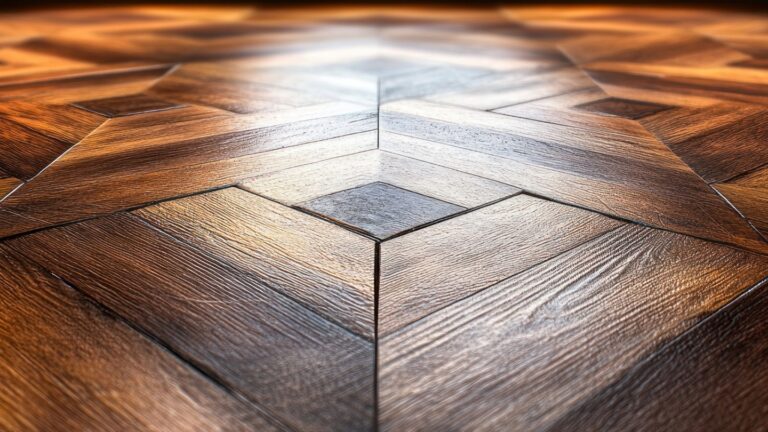
Think about it – oak that’s been around for decades, maybe even centuries. It’s got a character that new timber just can’t replicate. The grain patterns are often more complex, showing the tree’s life story. You’ll find these lovely, subtle variations in color, from warm honey tones to deeper browns, often with a beautiful patina that develops over time. This aged look adds instant warmth and authenticity to any room. It’s not just wood; it’s a story. You might see little nicks, dents, or even old nail holes, and honestly, that’s part of its charm. It tells you this wood has lived a life before it got to your project.
Durability and Longevity
Oak, in general, is known for being tough, right? But reclaimed oak? It’s often even better. Why? Because the wood has had ages to dry out and stabilise. This means it’s less likely to warp, twist, or shrink compared to freshly cut timber. It’s incredibly dense and hard-wearing, making it a fantastic choice for floors, beams, or anything that needs to stand up to a lot of use. You’re basically getting wood that’s already proven its mettle over time. It’s built to last, and then some.
Environmental Benefits of Reclaimed Materials
Using reclaimed oak is a really smart move for the planet. Instead of cutting down new trees, you’re giving perfectly good wood a second life. This cuts down on waste and reduces the demand for new lumber, which is always a good thing. Plus, transporting reclaimed materials often involves less energy than sourcing and processing new wood. It’s a way to build or renovate more sustainably, which feels pretty good, doesn’t it? It’s a win-win: you get beautiful, characterful material, and you’re doing your bit for the environment.
Assessing Condition for Pitch Pine Restoration UK
Before you even think about sanding or varnishing, you’ve got to take a good, hard look at the pitch pine you’re working with. It’s not always as straightforward as it seems, and knowing what to look for can save you a lot of headaches down the line. Getting this assessment right is key to a successful restoration.
Identifying Signs of Decay and Damage
Pitch pine, while tough, isn’t immune to the passage of time and the elements. You’ll want to keep an eye out for a few common culprits:
- Woodworm: Look for small, round holes, often with fine dust (frass) nearby. If you see fresh dust, it means the little critters are still active.
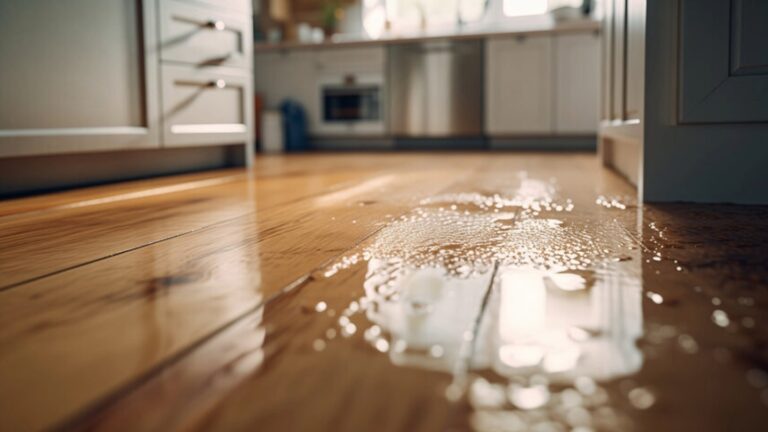
- Rot: This can show up as soft, crumbly wood, often with a musty smell. It’s usually found in areas that have been damp for a while, like near leaky windows or roofs.
- Cracks and Splits: These are pretty common, especially in older timbers. Some are just cosmetic, but others can be a sign of stress or drying out.
- Surface Stains: Water stains, mold, or discoloration can indicate past or ongoing moisture issues.
Structural Integrity Evaluation
Beyond just the surface stuff, you need to check if the wood is still sound enough to do its job. This is where things get a bit more serious.
- Flexibility and Brittleness: Try gently pressing or tapping the wood. Does it feel solid, or is it giving way too easily? Brittle wood is a bad sign.
- Loose Joints: If you’re looking at furniture or structural beams, check how well the joints are holding. Gaps or movement can mean the connections are failing.
- Load-Bearing Areas: For anything that’s meant to hold weight, like floor joists or roof timbers, a thorough check is vital. You might need to probe suspect areas with a thin awl to check for hidden rot or weakness.
Surface Treatments and Finishes
What’s already on the surface can tell you a lot, and it also affects how you’ll approach the restoration.
- Existing Finishes: Is it painted, varnished, or waxed? Each will require different cleaning and stripping methods. Old paint, especially lead-based, needs careful handling.
- Previous Repairs: Look for signs of past fixes. Were they done well? Sometimes, old repairs can cause more problems than they solve.
- Patina: Don’t mistake a beautiful, aged patina for damage. Sometimes, the best approach is to clean and preserve what’s already there, rather than stripping it back completely. The character of old wood is often in its history.
Restoration Techniques for Pitch Pine
Working with pitch pine, especially in older homes, means you’ll likely run into some wear and tear. It’s not usually a quick fix, but with the right approach, you can bring it back to life. The goal is to respect its history while making it functional and good-looking again.
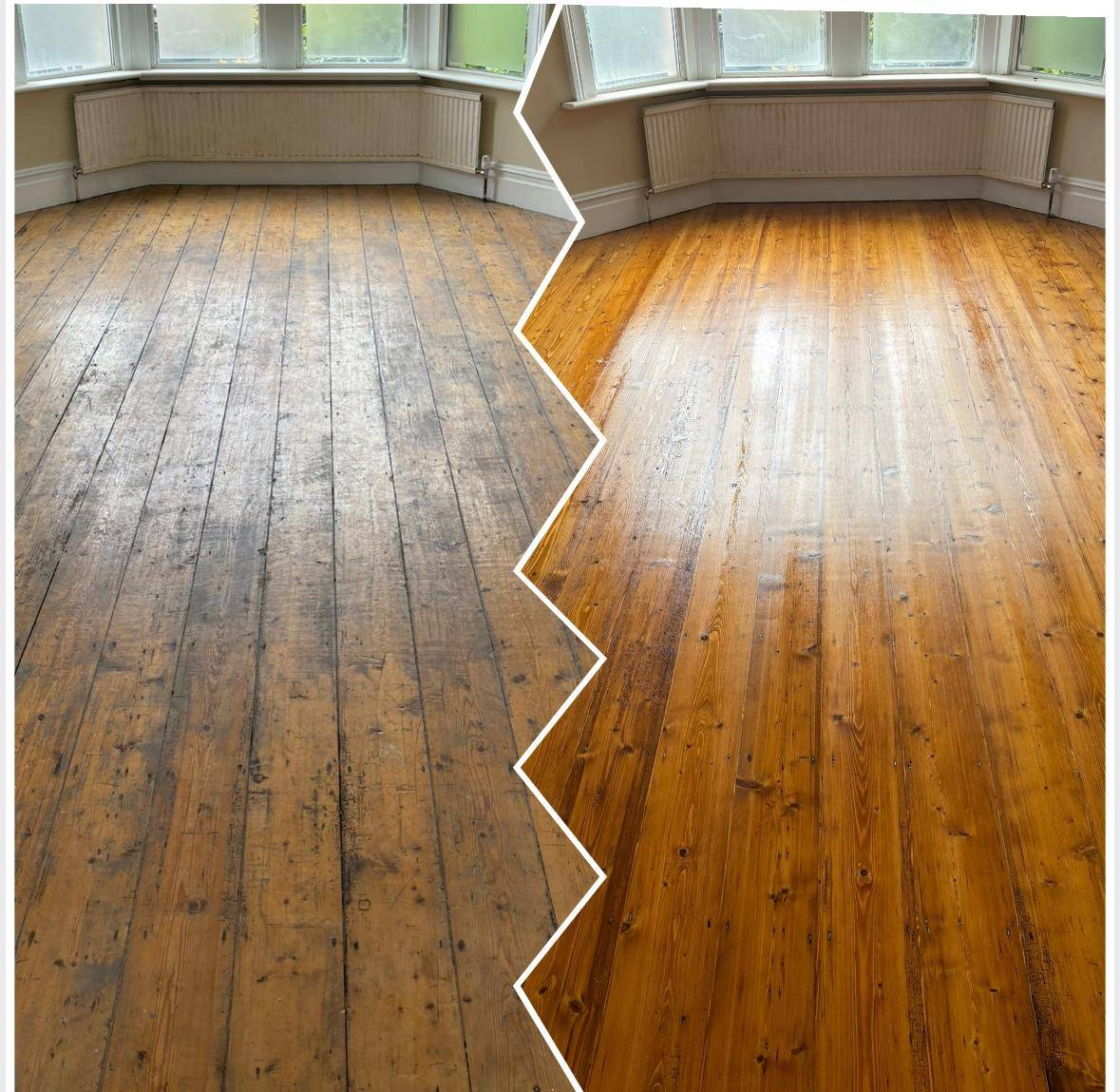
Cleaning and Preparation Methods
Before you do anything else, you’ve got to get it clean. Old finishes, dirt, and grime can hide a lot. Sometimes, a good scrub with a mild detergent and water is enough. For tougher stuff, you might need a specialised wood cleaner. Always test any cleaner in an inconspicuous spot first. You don’t want to accidentally damage the wood or its patina.
- Gentle Cleaning: Use a soft brush or cloth with a mild soap solution. Work with the grain.
- Stubborn Grime: Consider a wood cleaner specifically designed for aged timber. Follow the product instructions carefully.
- Stripping Old Finishes: If there are layers of old varnish or paint, you might need a chemical stripper. Be careful with these; they can be harsh. Always work in a well-ventilated area and wear protective gear.
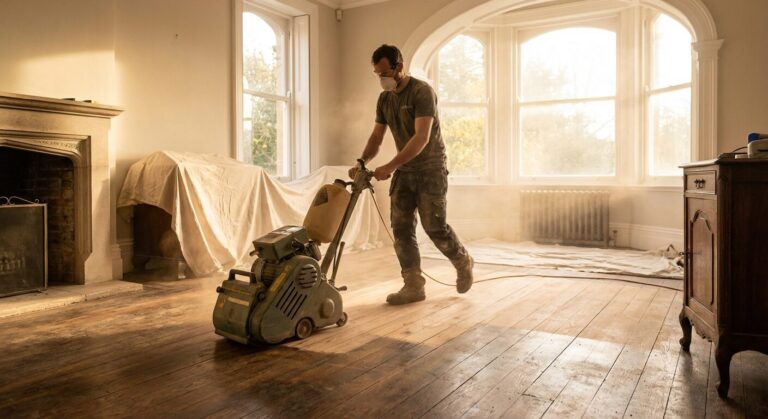
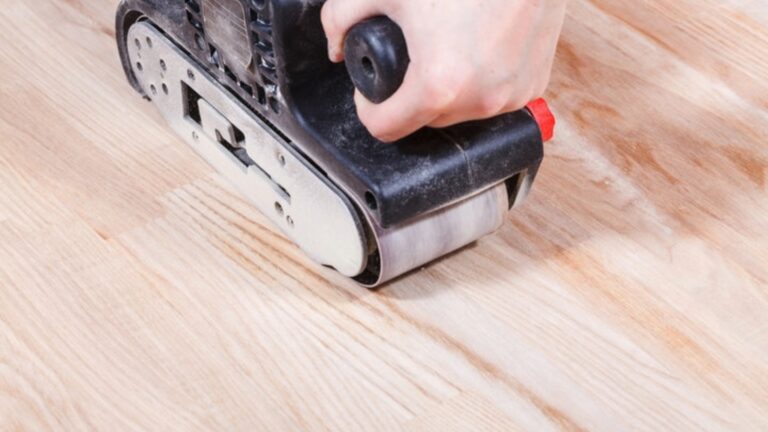
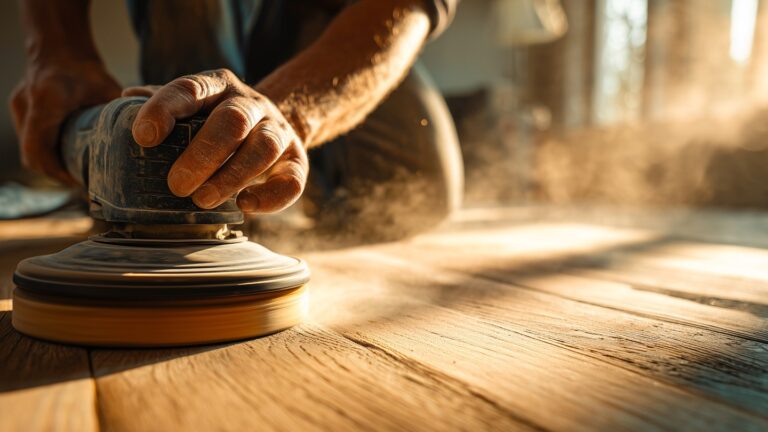
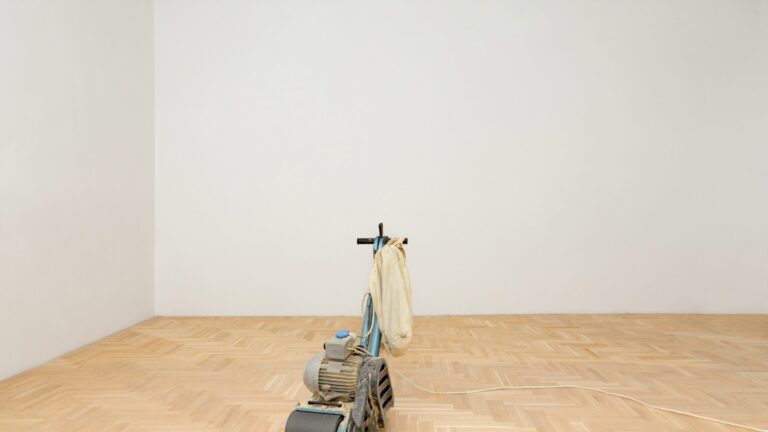
- Sanding (Use Sparingly): Light sanding might be needed to remove residue or smooth out minor imperfections. However, avoid aggressive sanding, as it can remove the original surface and character.
Repairing and Replacing Damaged Sections
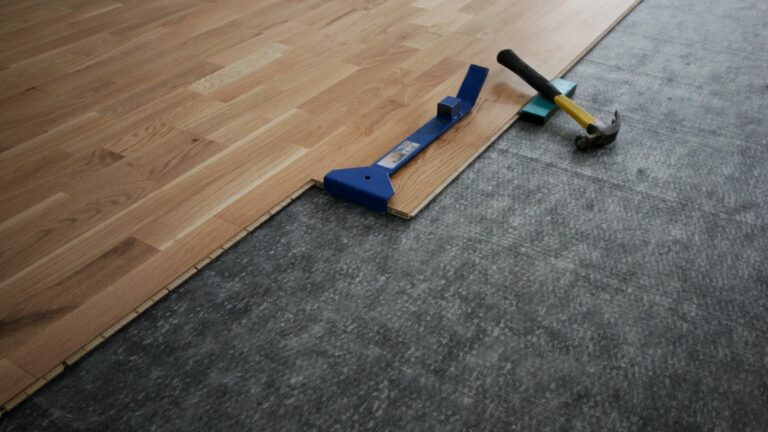
Pitch pine can suffer from rot, insect damage, or just plain physical wear. Small issues can often be fixed with wood fillers or epoxy consolidants. These can stabilise crumbling wood and fill small voids. For bigger problems, like sections that are completely gone, you’ll need to think about replacement. The trick here is to find matching pitch pine if possible. This might mean sourcing reclaimed timber from a similar era or property. When you do replace a section, try to make the join as clean as possible so it looks like a natural part of the piece, not a glaring repair.
Achieving an Authentic Finish
Once everything is clean and repaired, it’s time for the finish. The aim is to protect the wood without making it look brand new. Often, a simple oil or wax finish is best for pitch pine. These penetrate the wood and give it a soft sheen that highlights the grain. They’re also easier to maintain and repair down the line compared to modern varnishes. You want the finish to look like it belongs, complementing the wood’s age and character, not covering it up.
Comparing Durability and Maintenance
Long-Term Performance of Pitch Pine
Pitch pine, especially the old-growth stuff you find in period homes, is built to last. It’s a dense wood, which means it holds up really well against wear and tear. Think about all those old floorboards or beams – they’ve seen centuries of use and are still standing. Its natural resins give it a good defense against rot and insects, which is a big plus. You’ll find it’s pretty stable too, meaning it doesn’t warp or twist as much as some newer woods. This makes it a solid choice if you want something that will just keep going.
Maintenance Requirements for Oak
Reclaimed oak is also a champion in the durability department, but its maintenance needs can be a bit different. Because it’s aged, it’s already settled and less prone to movement. However, depending on its previous life, it might need a bit more attention initially. Cleaning off old finishes or treatments is often the first step. For ongoing care, a good quality wax or oil finish usually does the trick. It protects the wood and brings out that beautiful, aged grain. Regular dusting and occasional re-oiling are generally all that’s needed to keep it looking its best. It’s not high-maintenance, but it does appreciate a bit of care.
Resistance to Pests and Moisture
When we talk about resistance, both woods have their strengths. Pitch pine’s natural oils are a great deterrent for many common wood pests and help it resist moisture better than many other pines. This is why it was so popular for structural elements and exterior work historically. Reclaimed oak, being so dense and often having been seasoned for a long time, is also quite resistant. However, its resistance can vary depending on the specific tree and how it was treated or stored over the years. It’s always wise to check for any signs of past pest activity or significant moisture damage before committing to reclaimed oak, just to be safe. Both are tough, but understanding their specific properties helps.
Cost Considerations: Pitch Pine vs. Reclaimed Oak
Alright, let’s talk about the elephant in the room: money. When you’re looking at restoring a period home in the UK, the cost of materials like pitch pine and reclaimed oak can really add up. It’s not just about the price tag on the wood itself, though. There’s a whole lot more to consider.
Sourcing and Material Expenses
Finding good quality pitch pine, especially if you need a decent amount for a project, can be a bit of a hunt. It’s not as common as it once was, so prices can fluctuate. You might find it from specialist timber merchants, but expect to pay a premium for good, seasoned stock. Reclaimed oak, on the other hand, often comes from old buildings being dismantled. The cost here depends heavily on where you get it from and its condition. Sometimes you can snag a bargain from a local salvage yard, but if you’re buying from a high-end reclamation specialist, the price can be pretty steep. The availability and condition of the wood are huge factors in the initial expense.
Labor and Restoration Costs
This is where things can get really interesting. Pitch pine, if it’s already in place and just needs a bit of TLC, might be less labor-intensive to restore than sourcing and fitting entirely new reclaimed oak. However, if your pitch pine is badly damaged and needs significant repair or replacement, that labor cost can skyrocket. Working with reclaimed oak also requires skilled hands. Carpenters need to be adept at dealing with old timber, which can be warped, have old nails, or be inconsistent in size. You’re often paying for that specific skill set. Cleaning, treating, and finishing both types of wood also adds to the bill. It’s not just slapping on a coat of varnish; it’s about respecting the age and character of the material.
Value and Investment Potential
Think about the long game here. Both pitch pine and reclaimed oak can add significant value to your property. Pitch pine, with its distinctive look and historical connection, can be a real selling point. Reclaimed oak, with its rich patina and eco-friendly credentials, is also highly sought after. The initial investment in either material, if done well, should pay off when it comes time to sell. It’s about choosing a material that not only looks good and lasts but also contributes to the overall character and desirability of your period home. Sometimes, the ‘cheaper’ option upfront ends up costing more in the long run due to maintenance or a less desirable aesthetic.
Making the Informed Material Choice
So, you’ve looked at pitch pine and reclaimed oak, weighed up their pros and cons, and now it’s time to actually pick one for your place. It sounds simple, but honestly, this is where things can get a bit tricky. The right material can make your period home sing, while the wrong one can just feel… off.
Matching Materials to Architectural Style
Think about the original look of your house. Was it grand Victorian, sturdy Georgian, or something else? Pitch pine often brings a warmer, more reddish tone and was super popular in Victorian and Edwardian homes, especially for things like staircases, paneling, and flooring. It has this distinct grain that just screams ‘period property’. Reclaimed oak, on the other hand, tends to be a bit more muted, with a lovely aged patina that works beautifully in older homes, from Tudor to Georgian eras. It’s got that solid, timeless feel. You want the wood to fit in, not stick out like a sore thumb, you know?
Considering Project Scope and Budget
Let’s talk brass tacks. How big is this project? Are you just replacing a few floorboards, or are you doing a full room renovation? Sourcing good quality pitch pine, especially if you need specific dimensions or grades, can be a hunt. Reclaimed oak is often easier to find, but the price can jump around depending on its age and condition. Then there’s the labor. Restoring old pitch pine might need specialised skills, which can cost more. Refinishing oak is usually more straightforward. You’ve got to balance what you want with what you can realistically afford and find.
Consulting with Specialists for Pitch Pine Restoration UK
Honestly, if you’re leaning towards pitch pine, especially for restoration work, it’s a smart move to chat with someone who really knows their stuff. There are folks out there who specialise in sourcing and working with pitch pine for period homes. They can spot good quality timber, advise on the best restoration methods, and help you avoid costly mistakes. They’ve seen it all and can guide you on everything from structural repairs to getting that perfect, authentic finish. It’s like having a cheat sheet for your project. Don’t be afraid to ask for help; it’s better than messing it up later.
Choosing the right stuff for your project can feel tricky. We get it! That’s why we’ve put together some helpful tips to guide you. Making a smart choice now saves you headaches later. Want to learn more about picking the best materials? Visit our website for all the details and expert advice.
Wrapping Up: Pitch Pine vs. Oak
So, picking between pitch pine and reclaimed oak for your old house? It really comes down to what you’re going for, you know? Pitch pine has that distinct, warm look and it’s pretty tough, often found in older places. Reclaimed oak, though, brings a different kind of character, a bit more rugged maybe, and it’s super strong too. Both are great choices for keeping that period feel alive. Think about the specific vibe you want, how much wear and tear the material will see, and honestly, what looks best to your eye. Either way, you’re making a solid choice that respects the history of your home. It’s not just about picking wood; it’s about continuing the story of the building.
Frequently Asked Questions
What’s so special about Pitch Pine in old houses?
Pitch Pine is like the rockstar of old wood! It’s super strong, has this awesome reddish color, and often has cool wavy grain patterns. Back in the day, it was a popular choice for building because it was tough and looked great, especially for things like floors and trim.
Why is reclaimed Oak a good choice?
Reclaimed Oak is wood that’s been used before, maybe from an old barn or building. It’s got this beautiful, weathered look that you just can’t fake. Plus, using it again is awesome for the planet because you’re not cutting down new trees. It’s also really sturdy and lasts forever.
How do I know if my old Pitch Pine is in good shape?
You gotta look for trouble signs. Check for any mushy spots, cracks, or holes – those could mean rot or bugs. Also, give it a good poke to see if it feels solid. If it’s bending or sagging a lot, that’s a sign it might not be structurally sound anymore.
What’s the best way to fix up old Pitch Pine?
First, you gotta clean it gently. Think soft brushes and maybe a special wood cleaner. If parts are broken, you might need to carefully repair them with matching wood or even replace small bits. The goal is to make it look like it did originally, not brand new.
Which wood lasts longer, Pitch Pine or reclaimed Oak?
Honestly, both are built to last! Pitch Pine is naturally tough and resists rot pretty well. Reclaimed Oak, having already survived for years, is proven to be super durable. They both need some care, but they’re generally low-maintenance if you keep them clean and dry.
Is it cheaper to use Pitch Pine or reclaimed Oak?
It really depends! Sourcing good Pitch Pine that needs restoring can be tricky and costly. Reclaimed Oak can also be pricey depending on where you get it and how much you need. Then you have to add the cost of actually fixing them up. It’s best to get quotes for both and see what fits your wallet and your project.