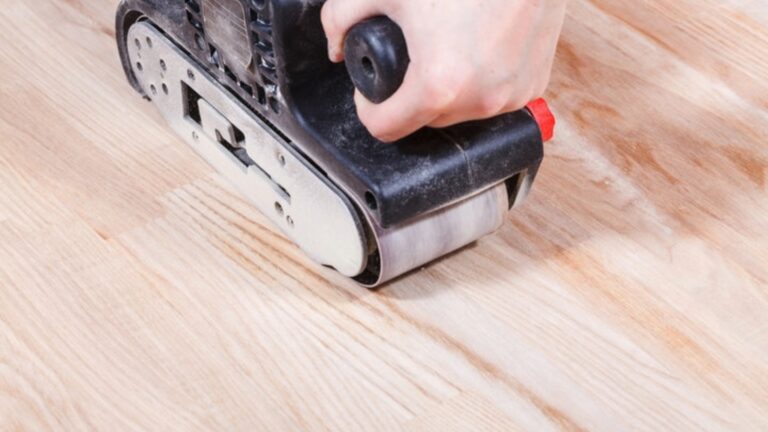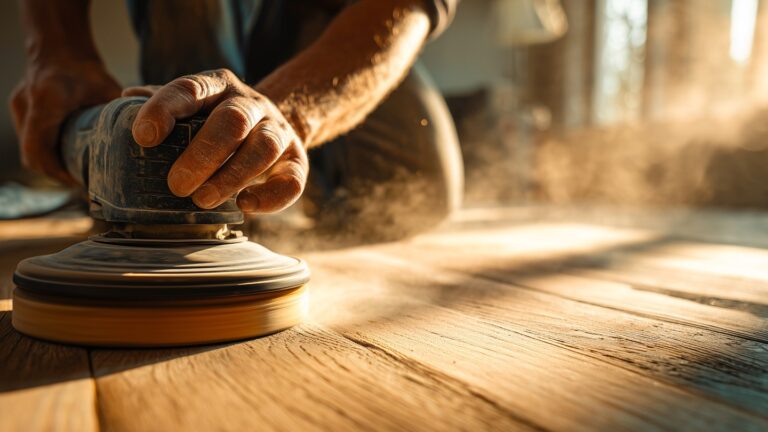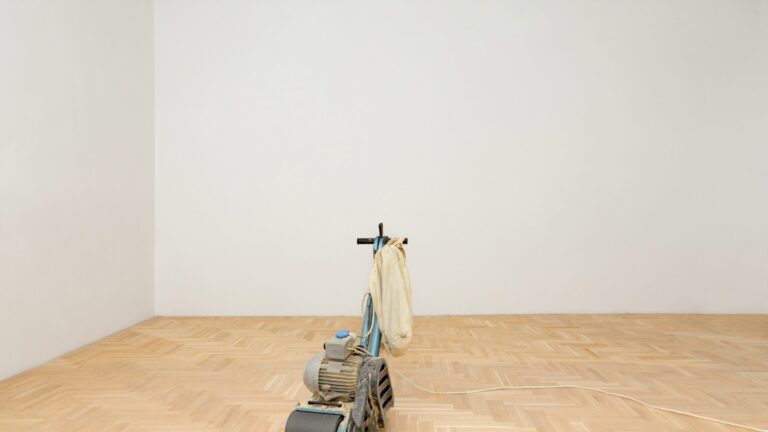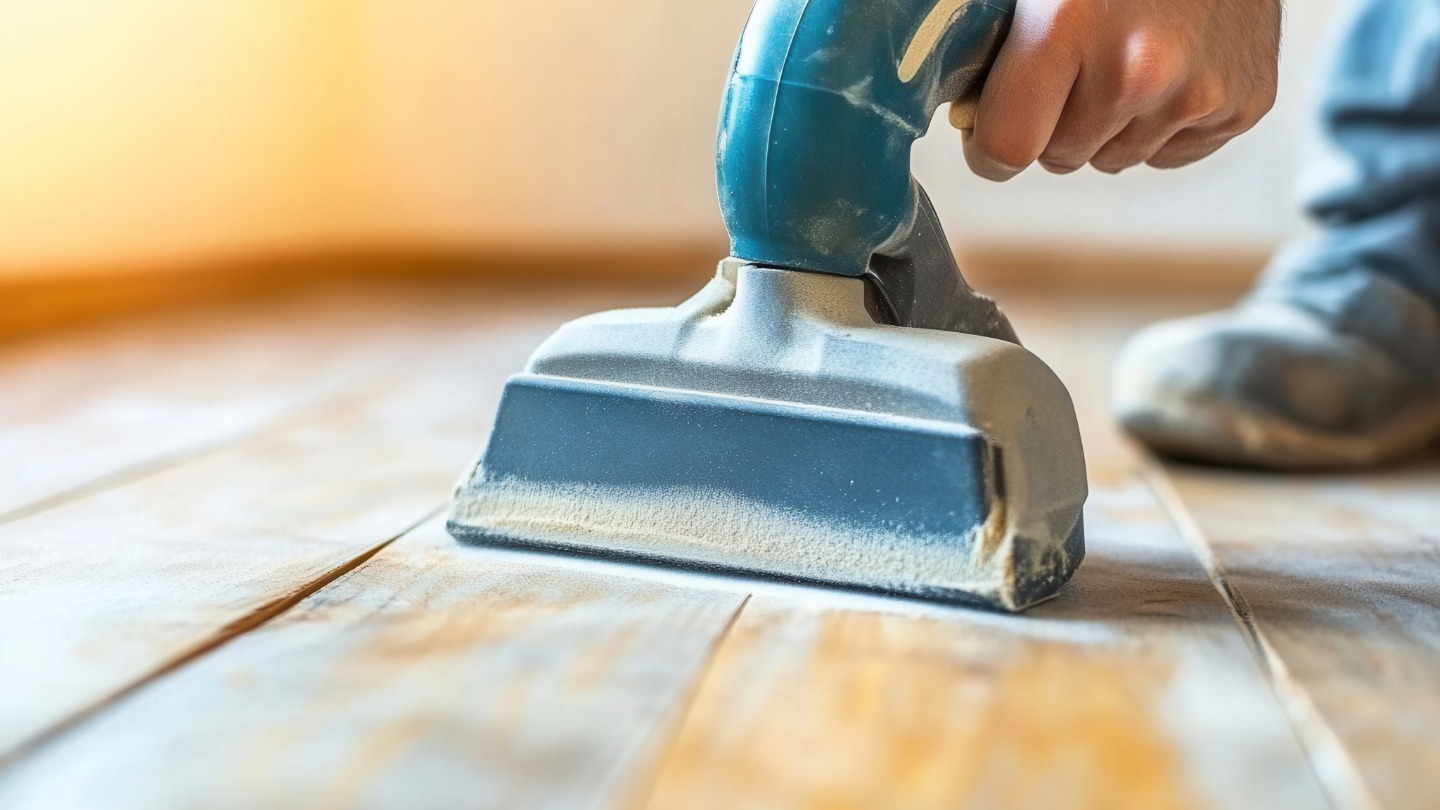
So, you’ve got old floorboards and you’re thinking about giving them a good sanding? Hold up a sec. If your house was built before 1999, there’s a decent chance those floorboards have lead paint on them. Dealing with lead paint on floorboards isn’t like your usual DIY project; it comes with some serious health risks, especially if you’re not careful. We’re going to break down what you need to know to stay safe and follow the rules here in the UK.
Key Takeaways
- Lead paint was common in homes built before 1999 and can be found on floorboards.
- Inhaling lead paint dust is bad for everyone, but especially harmful to kids’ brains and development.
- UK rules, like those from the HSE, have specific guidelines for handling lead paint, and sometimes you need pros.
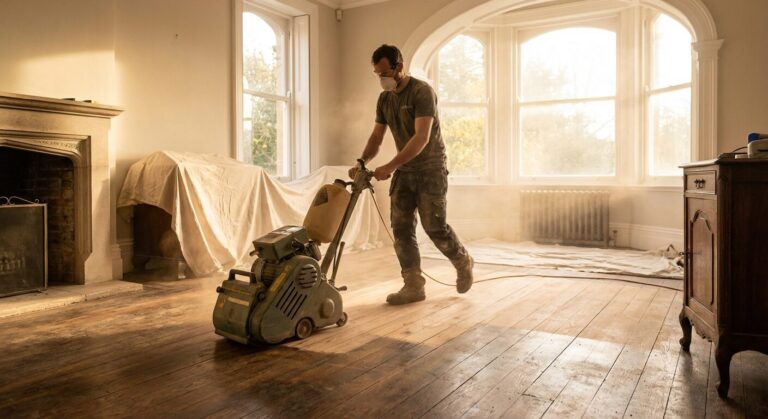
- If you must sand, wear proper gear, keep dust contained, and try wet sanding to cut down on airborne particles.
- After sanding, clean up thoroughly and dispose of waste safely to avoid lingering lead contamination.
Understanding Lead Paint on Floorboards
What Is Lead Paint?
So, you’ve got old floorboards and you’re wondering about the paint. Back in the day, lead was a common ingredient in paint. Seriously, it was added to make the paint last longer and dry faster. Think of it as a super-pigment that made paint tough. This was the norm for a long time, especially in homes built before the late 1970s. It wasn’t just for walls; it was used on all sorts of surfaces, including wooden floors.
Why Is Lead Paint On Floorboards A Concern?
Okay, so why is this old paint a big deal now? When lead paint is in good condition, like a solid, uncracked layer, it’s usually not a problem. The real issue pops up when that paint starts to break down. This can happen from wear and tear, like people walking on it, or if you try to sand it down. When lead paint deteriorates, it turns into dust. This lead dust is the main culprit behind health worries. It can get everywhere – on your shoes, your pets, and floating around in the air. It’s not something you can just sweep away easily.
Identifying Potential Lead Paint
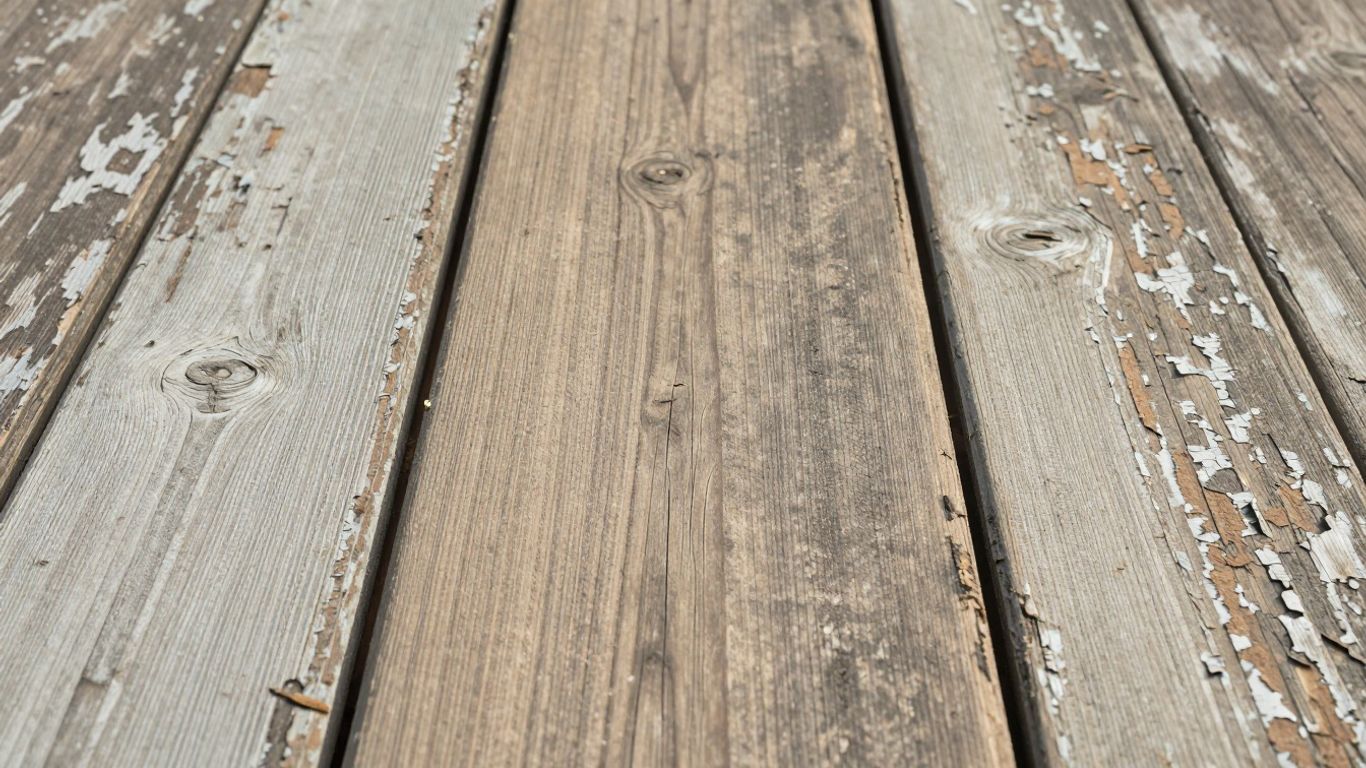
Figuring out if your floorboards have lead paint isn’t always straightforward. The best way is to get a lead paint test kit from a hardware store. They’re pretty simple to use; you just swab a small area, and it tells you if lead is present. If your home was built before 1978, there’s a good chance you might have it somewhere. Look for paint that’s chipping, peeling, or looks chalky. Sometimes, older, darker colors might be a hint, but that’s not a guarantee. It’s always better to test if you’re unsure, especially before you start any DIY projects that involve disturbing the paint.
Health Risks Associated With Lead Paint Dust
Okay, so you’re thinking about sanding those old floorboards. Before you grab that sander, let’s talk about why this is a big deal, health-wise. When you sand lead paint, you’re not just making dust; you’re creating tiny particles of lead that can get everywhere. And that’s where the real trouble starts.
The Dangers of Inhaling Lead Dust
This stuff is seriously nasty. When you breathe in lead dust, it goes straight into your lungs and then into your bloodstream. It doesn’t just stay there, either. Lead can build up in your body over time, and even small amounts can cause problems. It’s like a silent invader, and you might not even feel sick at first. The scary part is that lead dust is invisible, so you could be breathing it in without even knowing it.
Impact on Children’s Development
Kids are way more vulnerable to lead poisoning than adults. Their bodies are still growing and developing, and their brains are especially sensitive. Even low levels of lead exposure can mess with a child’s development. We’re talking about things like learning disabilities, lower IQ, attention problems, and behavioral issues. It can also affect their growth and hearing. It’s just not worth the risk when it comes to the little ones.
Risks for Adults and Pets
Don’t think you’re in the clear if you don’t have kids around. Adults can also suffer from lead exposure. It can lead to headaches, stomach problems, muscle and joint pain, and memory issues. For pregnant women, lead can be passed to the baby, causing serious problems. And your pets? They can lick lead dust off their paws or fur, or even ingest paint chips, leading to their own health issues. It’s a risk for everyone in the household.
UK Regulations For Dealing With Lead Paint
So, you’ve found lead paint on your floorboards. What now? It’s not just about making things look pretty; there are actual rules and guidelines in the UK to keep you and your family safe. The main body you’ll hear about is the Health and Safety Executive (HSE). They’re the ones who set the standards for working with hazardous stuff like lead paint.
Health and Safety Executive Guidelines
The HSE has specific advice for dealing with lead paint, especially in older homes. The key is to avoid creating dust whenever possible. If you’re just doing minor repairs, like filling a small crack, you might be okay if you’re careful. But if you’re planning any sanding or anything that will create a lot of dust, you need to take serious precautions. They really stress containment – stopping that dust from spreading everywhere. Think about covering up furniture, sealing off rooms, and using vacuums with special filters (HEPA filters).
When Professional Help Is Required
Honestly, if you’re dealing with a large area, or if the paint is flaking badly, it’s often best to call in the pros. The HSE guidelines suggest that if the work is extensive or if there’s a high risk of exposure, you should get professionals who are trained in handling lead paint. They have the right equipment and know-how to do the job safely. This is especially true if you have young children or pregnant women in the house. It’s not worth the risk.
Legal Obligations for Landlords
If you rent out a property, you’ve got specific legal duties. Landlords are generally responsible for making sure their properties are safe for tenants. This includes managing lead paint. You can’t just ignore it. If you know or suspect there’s lead paint, you need to take steps to manage it. This might mean getting it tested, making sure it’s in good condition, or arranging for its safe removal or encapsulation. Ignoring lead paint issues can lead to serious legal trouble and fines. It’s all about protecting your tenants’ health.
Dealing with lead paint isn’t a DIY job you want to mess up. The regulations are there for a reason – to prevent serious health problems. Always err on the side of caution and get professional advice if you’re unsure.
Safe Sanding Practices For Lead Paint
Okay, so you’ve decided you need to sand those old floorboards, and you know there’s lead paint involved. This is where things get serious, but don’t panic. We just need to be smart about it. The goal is to keep that lead dust from going everywhere. Think of it like a mini hazmat operation in your own home.
Essential Safety Gear You’ll Need
First things first, you absolutely cannot skimp on safety gear. This isn’t the time to grab your old gardening gloves. You need the good stuff.
- Respirator: Not just any dust mask. You need a P100 respirator, the kind that really seals around your face and filters out tiny particles. Make sure it fits snugly – no gaps!
- Disposable Coveralls: Full body suits with hoods and booties. These stop paint dust from getting on your clothes and skin. Once you’re done, you just peel them off and toss them.
- Gloves: Heavy-duty, disposable gloves are best. You don’t want lead dust sticking to your hands.
- Eye Protection: Goggles that seal around your eyes are a must. Regular glasses won’t cut it.
Containment Strategies for Dust
This is probably the most important part. You have to stop the dust from spreading. If you don’t contain it, it’ll end up in every nook and cranny of your house, and that’s a whole lot harder to clean up.
- Seal Off the Room: Use plastic sheeting and painter’s tape to completely seal the doorway and any vents in the room you’re working in. Make sure there are no gaps.
- Cover Everything Else: Anything you can’t remove from the room – furniture, fixtures – needs to be covered with plastic sheeting. Tape it down securely.
- Turn Off HVAC: Make sure your heating, ventilation, and air conditioning systems are off while you’re working to prevent dust from circulating through the house.
Wet Sanding Techniques
Dry sanding lead paint is a big no-no. It just kicks up way too much dust. Wet sanding is the way to go. It helps keep the dust down.
- Dampen the Surface: Lightly mist the floorboards with water before you start sanding. You don’t want them soaking wet, just damp enough to keep the dust from flying.
- Use the Right Sandpaper: Start with a coarser grit and move to finer grits as needed. Keep the sandpaper damp as you work.
- Clean as You Go: Wipe down your sanding tools frequently with a damp cloth to remove accumulated dust. This also helps prevent clogging.
Remember, the less dust you create, the safer you’ll be. It might take a bit longer, but it’s worth it to protect your health and the health of everyone in your home.
It’s a bit of a process, for sure. You’ll want to work in small sections, and constantly be checking that your containment is holding up. If you see any dust escaping, stop and fix it immediately. It’s better to be a little overcautious than to have lead dust spread throughout your home. And when you’re done sanding, the cleanup is just as important, so don’t skip that part!
Proper Cleanup And Disposal Of Lead Paint Debris
Okay, so you’ve done the sanding (or at least, you’re about to). Now comes the not-so-fun part: cleaning up all that lead dust. This is super important because even tiny bits of lead dust can be harmful. Getting this right means you’re protecting yourself, your family, and anyone else who might be in the house.
Cleaning Up Lead Dust Effectively
Forget just sweeping or dry dusting. That just kicks the dust back into the air. You need to be more thorough.
- Wet wiping: Use damp cloths or paper towels. Wipe down all surfaces where dust might have settled – walls, floors, furniture, window sills. Rinse your cloth frequently in a bucket of water. Don’t reuse dirty cloths without washing them thoroughly.
- HEPA vacuuming: If you have a vacuum with a High-Efficiency Particulate Air (HEPA) filter, use it. These vacuums are designed to trap very fine particles, including lead dust. Go over the area slowly and methodically.
- Washable surfaces: For hard floors and walls, a good scrub with a strong detergent and water can help. Make sure to rinse well.
Safe Disposal of Lead-Contaminated Materials
This isn’t like throwing out your regular trash. Lead paint debris is hazardous waste.
- Bag it up: Put all your used cloths, paper towels, vacuum bags, and any removed paint chips into heavy-duty plastic bags. Seal them up tight. Double-bagging is a good idea.
- Label it: Clearly mark the bags as containing lead paint waste. This is important for disposal.
- Check local rules: Your local council or waste disposal service will have specific guidelines for getting rid of lead-contaminated materials. Don’t just toss it in your regular bin. You might need to take it to a special hazardous waste facility.
Post-Sanding Air Quality Checks
Even after you’ve cleaned up, there might still be some lingering dust in the air. You want to be sure the air is safe to breathe again.
- Ventilate: Open windows and doors to air out the room for a good while. Do this for at least 24-48 hours if possible, especially if the weather allows.
- Wait and re-clean: After ventilating, do another round of wet wiping and HEPA vacuuming. You might be surprised what you pick up.
- Consider testing: For extra peace of mind, especially if children or pregnant women will be in the area, you can get professional air quality testing done. This will tell you for sure if the lead dust levels are back to a safe point.
Dealing with lead paint cleanup is a serious business. It might seem like a lot of hassle, but it’s the only way to make sure your home is safe after you’ve disturbed lead paint. Think of it as the final, critical step in the whole process.
Alternatives To Sanding Lead Paint
Encapsulation Methods
So, you’ve got lead paint on your floorboards and the thought of sanding it makes you break out in a cold sweat? Totally understandable. Luckily, you don’t always have to go the sanding route. One smart option is encapsulation. This basically means you’re sealing the lead paint in, making it impossible for dust to get out. Think of it like putting a protective jacket over the old paint. It’s a pretty effective way to deal with it without disturbing the lead itself.
There are a couple of main ways to go about this:
- Using a specialised encapsulant: These are special coatings designed specifically to lock down lead paint. You’ll want to make sure you get one that’s approved for this kind of job. They usually go on like a thick primer or paint.
- Covering with a new layer: Sometimes, you can just put a new, durable floor covering right over the top. This could be new flooring like vinyl or even a thick, well-fitted carpet. The key here is that the new layer has to be tough enough not to wear through and expose the old paint underneath.
This method is often the safest bet if you’re not dealing with major damage to the floorboards.
Stripping Lead Paint Safely
If encapsulation isn’t your jam, or if the paint is really peeling and damaged, you might consider stripping it. But, and this is a big ‘but’, you have to do this safely. Sanding is out, remember? So, what’s left? Chemical strippers are an option, but they can be pretty harsh and still create fumes you don’t want to breathe. Heat guns can also work, but they can vaporise the lead, which is also bad news.
If you do go down the stripping route, you’ll need to be super careful:
- Ventilate like crazy: Open every window and door you can. Use fans to blow air out of the room, not into it.
- Wear serious protection: We’re talking a respirator with the right filters (P100 is usually recommended for lead), gloves, and disposable coveralls.
- Contain everything: Lay down plastic sheeting everywhere, extending it well beyond the work area. Seal the edges with tape.
Stripping lead paint is a messy business. Even with the best precautions, there’s a risk of creating lead dust or fumes. It’s often best left to the pros if you’re not completely comfortable or equipped.
Covering Up Lead Paint
Sometimes, the simplest solution is just to cover it up. This is similar to one of the encapsulation methods, but it’s more about hiding the problem than actively sealing it with a special product. If your floorboards are in decent shape, but you just don’t want to deal with the lead paint, laying down a new floor is a solid choice.
Think about:
- New Flooring: Installing something like luxury vinyl plank (LVP), laminate, or even a good quality carpet can completely hide the old paint. Make sure the subfloor is stable before you start.
- Area Rugs: For a less permanent solution, large, thick area rugs can cover the most trafficked parts of the floor. Just be aware that if the paint underneath is flaking, the rugs could pick up dust over time.
This approach avoids disturbing the lead paint altogether, which is always a win. It’s a good way to make your home safer without a huge amount of work, provided the underlying floor is sound.
Looking for ways to deal with old paint without the mess of sanding? There are other methods that can help you get the job done safely and effectively. Discover these smart alternatives and learn how to tackle your painting projects with less hassle. Visit our website to explore the best options for your needs.
So, What’s the Takeaway?
Alright, so we’ve talked a lot about sanding old floorboards that might have lead paint. It’s not exactly a fun DIY project, and honestly, it can be pretty risky if you don’t do it right. The main thing to remember is that lead paint dust is no joke, especially for kids. So, if you’re thinking about tackling this yourself, make sure you’ve got the right gear and follow all the safety rules. If it feels like too much, or you’re just not sure, it’s totally okay to call in the pros. Your health and your family’s health are way more important than saving a few bucks on a weekend project. Better safe than sorry, right?
Frequently Asked Questions
What’s the big deal about lead paint on my floors?
Okay, so lead paint used to be super common, especially in older homes. When you sand it, tiny bits of lead dust can fly into the air. Breathing this dust is really bad news, especially for kids, because lead can mess with their brains and bodies as they grow. It’s not great for adults or pets either!
How can I tell if my floorboards have lead paint?
It’s tricky to know for sure just by looking. If your house was built before 1978, there’s a good chance it might have lead paint. The safest bet is to get a lead paint test kit from a hardware store or hire a pro to check it out. Better safe than sorry, right?
Do I really need to wear all that safety gear?
Yep, you totally do! Think of it like this: you’re dealing with something potentially harmful. You’ll need a good respirator mask (not just a dust mask!), gloves, and maybe even a disposable suit. This stuff stops the lead dust from getting on your skin or in your lungs. It’s a must-have for keeping yourself safe.
What’s this ‘wet sanding’ thing? Does it help?
Wet sanding is a game-changer! Instead of dry sanding, which sends dust everywhere, you lightly dampen the surface. This helps keep the dust from flying up into the air. It makes a bit of a mess, sure, but it’s way safer than dry sanding. Think of it as trapping the dust before it can escape.
After sanding, how do I clean up without spreading lead everywhere?
This is super important! Don’t just sweep or use a regular vacuum – that just kicks up the dust. You need to use a special vacuum with a HEPA filter, or a wet cloth to wipe everything down. Seal off the room when you’re working, too, so the dust doesn’t travel. Then, you have to dispose of the old paint and cleaning stuff carefully, like it’s hazardous waste.
Is there a way to deal with lead paint without sanding it at all?
Absolutely! Sanding is often the riskiest part. You could try covering it up with a new flooring material, like carpet or vinyl plank. Another option is using special paints that seal the lead paint in, called encapsulation. Or, you could hire professionals to strip the paint using safer methods. There are definitely ways to avoid the dust altogether.