So, you’re thinking about giving your old floorboards a makeover? Maybe you’re looking at sanding painted floors in the UK and wondering if that old paint is hiding anything nasty, like lead. It’s a good question to ask, especially with older homes. We’ll walk through how to figure out if lead paint is a concern and what to do about it, so you can get those floors looking great without any worries.
Key Takeaways
- Old paint, especially in homes built before 1978, might contain lead. It’s a health risk, so it’s smart to check.
- You can buy kits to test for lead paint yourself. They’re pretty straightforward to use.
- If you’re unsure or dealing with a lot of paint, getting a professional to test is a good idea.
- When you do start sanding painted floors, wear protective gear like a mask and gloves, and try to keep dust down.
- Cleaning up after sanding is super important. You need to get rid of lead dust properly to keep your home safe.
Is Your Painted Floor Hiding Lead?
So, you’re thinking about sanding down those old floorboards to get a fresh look? That’s a great idea! But hold on a sec. If your house was built before 1978, there’s a chance that pretty paint job is hiding something a bit more serious: lead. It sounds a little scary, but knowing is half the battle, right?
Why Old Paint Can Be A Concern
Lead paint was the standard for a long time because, well, people didn’t know it was bad news. It was durable and cheap. The problem is, when lead paint gets old, it can chip, peel, or turn into dust. This dust is the real danger. If you breathe it in or swallow it, it can cause some pretty nasty health issues, especially for kids and pregnant women. Think developmental problems, learning difficulties, and other long-term health effects. It’s not something to mess around with.
Common Places To Find Lead Paint
While we’re talking about floors, lead paint wasn’t just limited to the ground level. It was used all over the place, especially in older homes. Keep an eye out for it on:
- Windows and doors (frames and sills)
- Trim and baseboards
- Kitchen and bathroom cabinets
- Stair railings and banisters
- Exterior surfaces like porches and fences
Signs Your Floorboards Might Be Lead-Painted
Spotting lead paint isn’t always obvious. It doesn’t have a unique smell or color. However, there are a few clues:
- Age of the house: If it was built before 1978, the risk goes up significantly.
- Condition of the paint: Look for signs of wear and tear. Chipped, peeling, or chalky paint is more likely to release lead dust.
- Multiple layers of paint: Older homes often have many layers of paint on top of each other. The older, underlying layers are the ones to worry about.
- Previous renovations: If you’ve had work done and they just painted over existing surfaces without proper prep, lead paint could be lurking underneath.
Don’t assume that just because the paint looks okay on the surface, it’s safe. The real risk comes from the dust created when the paint deteriorates or is disturbed, like during sanding.
Testing For Lead Paint Before You Sand
Okay, so you’ve got these old floorboards, and you’re thinking about giving them a good sanding to bring them back to life. Before you even think about firing up that sander, we really need to talk about lead paint. It’s not something to mess around with, and knowing if it’s there is step one.
DIY Lead Test Kits Explained
These kits are pretty common and can be found at most hardware stores. They’re usually pretty straightforward to use. You basically swab a small area of the paint, and if lead is present, the swab changes color. It’s a quick way to get a general idea.
- How they work: You’ll typically get a few small vials with chemicals. You’ll rub a cotton swab on the paint, then dip it into the chemical solution. If it turns pink or red, you’ve likely got lead.
- What to expect: The kits usually come with instructions, but pay attention to how long you need to wait for a color change.
- Limitations: These kits are good for a ‘yes’ or ‘no’ answer, but they might not tell you the exact percentage of lead. Sometimes, they can give a false positive or negative, especially if the paint is old or has been painted over many times.
When To Call In The Pros
While DIY kits are handy, there are times when you should really bring in the experts. If you’re dealing with a really old house, or if the paint is chipping badly, it might be worth the extra cost to get a professional assessment. They have more advanced tools and can give you a more definitive answer.
- Large areas: If you’re planning to sand a whole house, a pro can test more thoroughly.
- High-risk situations: If children or pregnant women are in the home, getting a professional test is a smart move.
- Uncertain results: If your DIY test is unclear, or you just want to be absolutely sure, call a certified lead inspector.
Interpreting Your Test Results
So, you’ve done the test. Now what? Understanding what the results mean is key to deciding your next steps. If your DIY kit showed a color change, it’s a pretty good indicator that lead is present. Don’t panic, but do take it seriously.
If your test comes back positive for lead, it means you need to change your plans. Sanding lead paint creates dust that can be harmful if inhaled or ingested. This dust can settle on surfaces and be easily spread around your home.
If you used a professional, they’ll give you a detailed report. This report will tell you exactly where the lead paint is and how much lead is likely in it. This information is super important for planning how to proceed safely, whether that’s with specialised sanding techniques or choosing a different approach altogether.
Safe Sanding Practices For Painted Floors
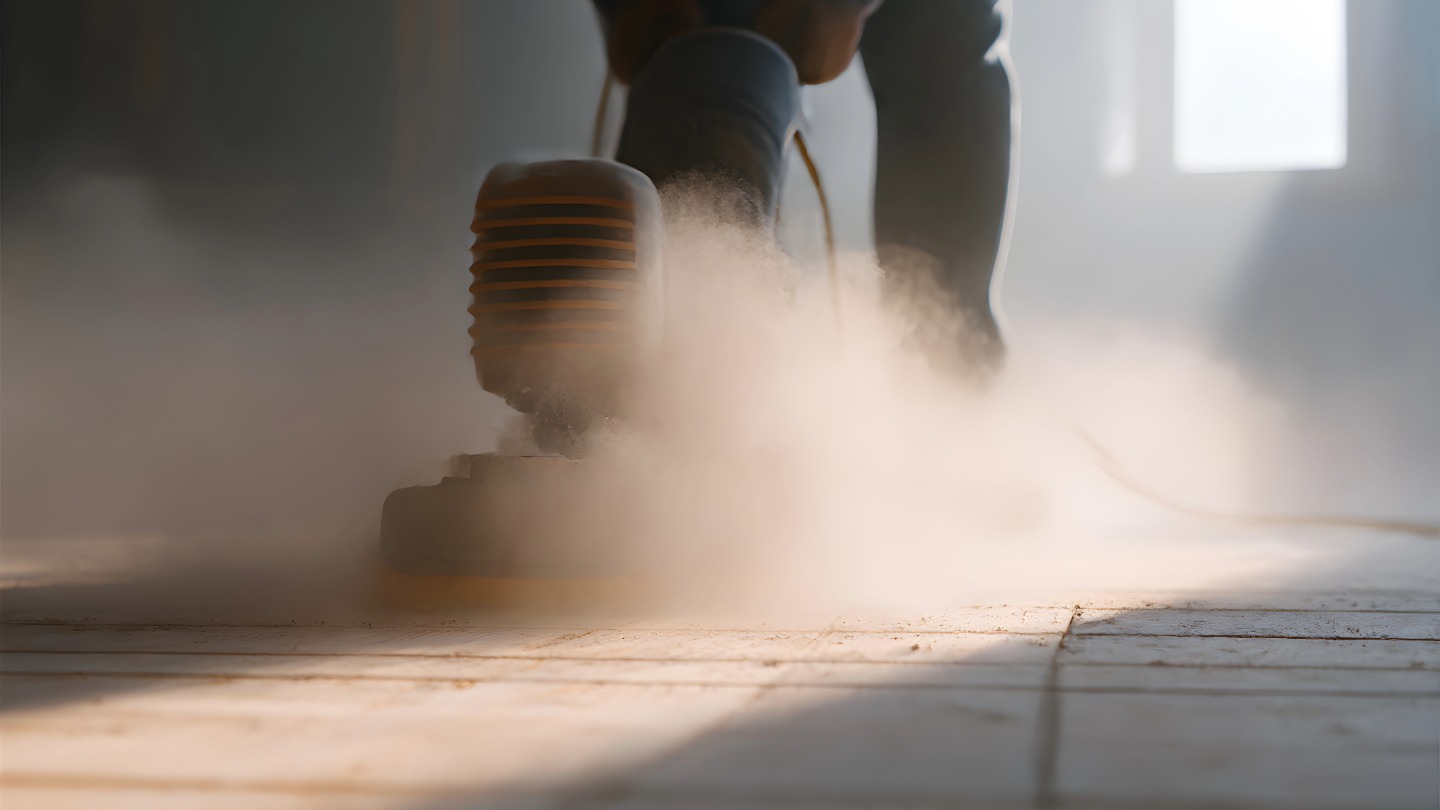
Alright, so you’ve figured out your old floorboards might have lead paint, and you’re ready to sand them down. Whoa there, hold your horses! Sanding lead paint isn’t like sanding any old piece of wood. You’ve gotta be smart about it to keep yourself and your family safe. The biggest thing to remember is that you want to keep that lead dust from flying all over the place. Think of it like a tiny, invisible ninja – it gets everywhere if you’re not careful.
Gathering Your Safety Gear
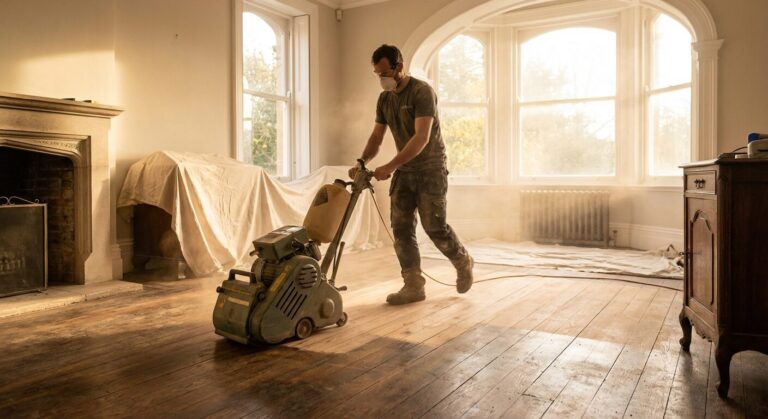
Before you even think about touching a sander, you need to suit up. This isn’t the time to skimp. You’ll need:
- A good respirator mask: Not just any dust mask. Get one that’s rated for lead dust (usually N100 or P100). Make sure it fits snugly around your face. No gaps!
- Disposable coveralls: These will protect your clothes and skin from getting contaminated. Zip ’em up all the way.
- Eye protection: Safety glasses or goggles are a must. You don’t want lead dust getting in your eyes.
- Gloves: Disposable gloves are best. You can toss them after you’re done.
- Shoe covers: Again, disposable is the way to go. You don’t want to track lead dust through the house.
Choosing The Right Sanding Tools
Not all sanders are created equal when it comes to lead paint. You want tools that help contain the dust as much as possible.
- HEPA-filtered sanders: These are the gold standard. They have a vacuum attachment that sucks up the dust right as it’s created. If you can rent or buy one, do it.
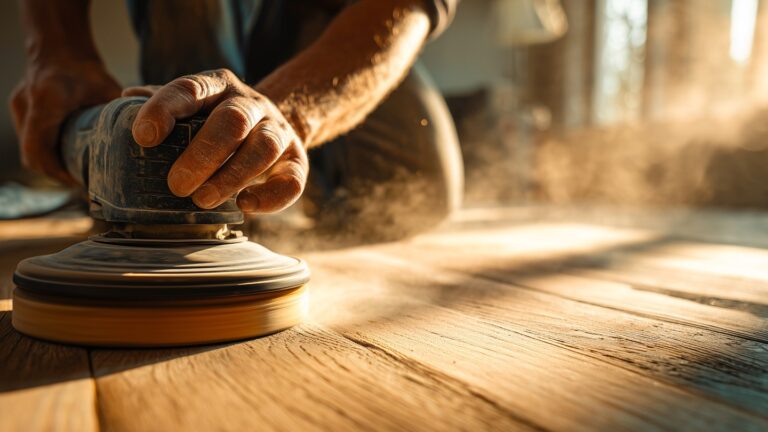
- Orbital sanders: These are generally safer than belt sanders because they create less dust. Still, you’ll want to hook them up to a vacuum if possible.
- Hand sanding: This is the slowest and most labor-intensive option, but it creates the least amount of airborne dust. You’ll still need all your safety gear, though.
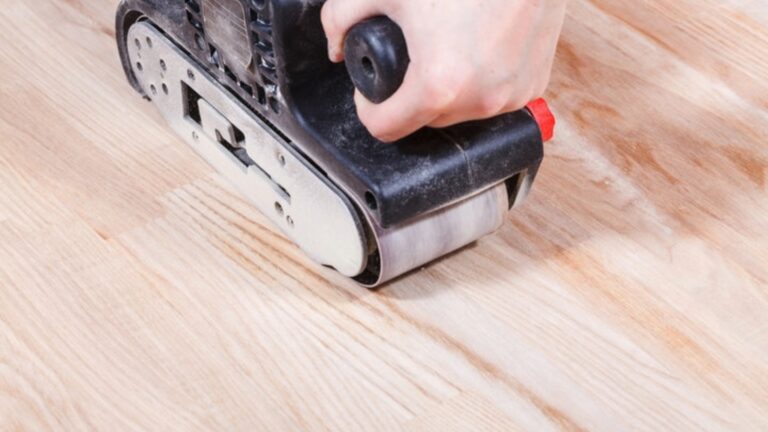
Avoid using power tools that create a lot of heat or friction, like belt sanders, if you can help it. They can vaporise the lead, which is even worse.
Techniques For Minimising Dust
Even with the right tools, how you sand makes a big difference. The goal is to keep dust from becoming airborne.
- Work wet: Some people lightly mist the floor with water before sanding. This can help keep dust down, but be careful not to overdo it, especially with wood floors.
- Go slow and steady: Don’t rush the process. Let the sander do the work.
- Work in sections: Sand a small area at a time and clean up as you go. This prevents dust from spreading too far.
- Keep doors closed: Seal off the room you’re working in with plastic sheeting and tape. This stops dust from escaping into the rest of your home.
Remember, the less dust you create, the easier your cleanup will be, and the safer everyone in your household will be. It’s all about containment from the get-go.
Once you’re done sanding, the work isn’t over. You’ve got to deal with the aftermath, which we’ll get into next.
Dealing With Lead Dust After Sanding
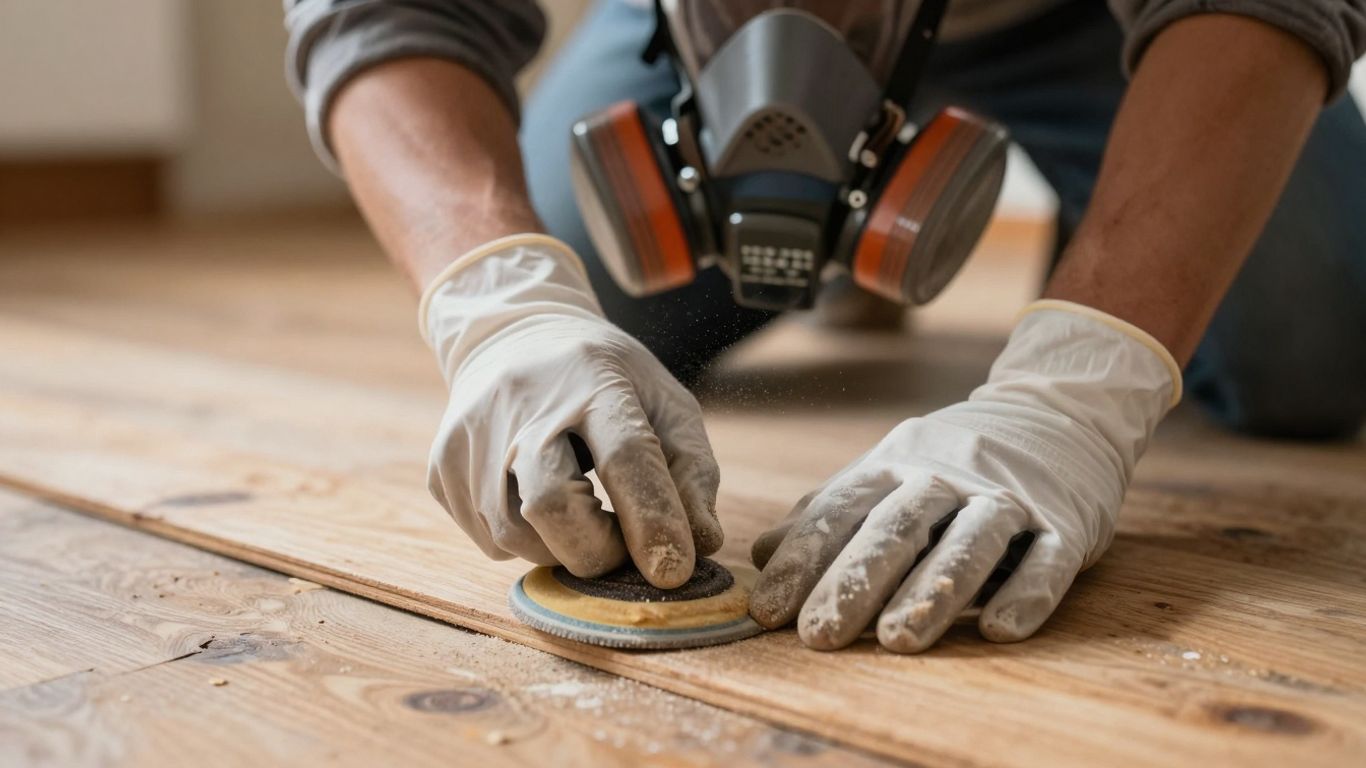
Okay, so you’ve done the sanding, and hopefully, you were careful. But now comes the not-so-fun part: dealing with all that dust. This is where you really need to be on your game because lead dust is no joke. It can get everywhere, and you don’t want your family breathing it in or tracking it around the house. Let’s get this cleaned up right.
Proper Cleanup Methods
Forget just sweeping or dry dusting. That just kicks the lead particles back into the air. You need a wet approach. Here’s the drill:
- Damp Mopping: Use a mop and a cleaning solution. A good all-purpose cleaner works, or you can use a specialised lead dust cleaner if you find one. Mop the floors thoroughly, rinsing the mop frequently in a separate bucket of clean water. Don’t just use one bucket for everything.
- Wet Wiping: Use disposable wipes or rags that you can immediately throw away after use. Wipe down all surfaces where dust might have settled – walls, baseboards, furniture, window sills, even light fixtures.
- HEPA Vacuuming: If you have a vacuum cleaner with a HEPA filter, use it. These filters are designed to trap very fine particles, including lead dust. Go over the floors and any other surfaces you can reach. Make sure the vacuum bag is sealed up tight when you’re done.
Disposing Of Lead-Contaminated Waste
This isn’t your regular trash. You’ve got to be smart about how you get rid of this stuff.
- Bag It Up: Put all your used rags, wipes, mop heads, and vacuum bags into heavy-duty plastic bags. Double-bagging is a good idea to prevent any leaks or tears.
- Seal It Tight: Make sure the bags are sealed securely. Tape them shut if necessary.
- Check Local Rules: This is important. Different towns and cities have different rules for disposing of hazardous waste. You might need to take it to a special collection site or arrange for a specific pickup. A quick call to your local waste management or public health department will tell you exactly what you need to do.
Keeping Your Home Safe Post-Sanding
Once the immediate cleanup is done, you’re not totally in the clear. You need to keep an eye on things.
- Regular Cleaning: Keep up with the damp mopping and wiping. Make it a habit, especially in the areas where you were sanding.
- Wash Hands: Always wash your hands after touching surfaces in the work area, and make sure everyone in the house does too. This is especially true before eating.
- Ventilation: Keep windows open when you can to air out the space. Fresh air helps clear out any lingering particles.
Remember, lead dust is invisible, and it doesn’t just disappear on its own. Taking these steps seriously is the best way to protect yourself and your family from any lingering lead hazards after your sanding project.
It might seem like a lot, but it’s way better than dealing with the health problems lead can cause down the road. Just take your time and be thorough with the cleanup.
Alternatives To Sanding Painted Floors
So, you’ve tested your floors and found lead paint. Bummer, right? Sanding is definitely off the table if you want to keep things safe and sound. But don’t sweat it! You’ve still got some pretty good options for dealing with those painted floorboards without turning your home into a lead-dust disaster zone. You don’t have to sand to get a great-looking floor.
Stripping Paint Safely
This is probably the closest you’ll get to sanding without actually sanding. Chemical paint strippers can break down old paint layers, making them easier to remove. It’s not exactly a walk in the park, and you’ll still need to be super careful with ventilation and protective gear, but it avoids the airborne dust that sanding creates.
- Choose the right stripper: Look for ones that are effective but also have lower VOCs (volatile organic compounds) if you can. Read the labels carefully.
- Ventilate, ventilate, ventilate: Open windows and doors. Use fans to push air out of the room, not just around.
- Gear up: Chemical-resistant gloves, eye protection, and a respirator rated for organic vapors are a must.
- Scrape and wipe: Once the paint is softened, use scrapers and rags to lift it off. This part can be messy.
- Clean up thoroughly: You’ll need to neutralise the stripper residue according to the product instructions and then clean the floor well.
Chemical stripping is a solid choice when you want to remove paint layers without creating dust. It requires patience and a commitment to safety, but the results can be worth it if you’re aiming for a natural wood finish.
Painting Over Existing Paint
Sometimes, the easiest route is just to cover up what’s there. If the existing paint is in decent shape (no major peeling or bubbling) and you’ve confirmed it’s lead-based, you can actually paint right over it. This is a super common approach and way less work than stripping or sanding.
- Clean the floor: Give it a really good scrub to remove any dirt, grease, or grime. A TSP (trisodium phosphate) substitute cleaner works well.
- Lightly scuff: You don’t need to sand, but a light scuff with a fine-grit sandpaper (like 150 or 220 grit) or a scuff pad can help the new paint stick better. Just enough to take the shine off.
- Prime: Use a good quality primer designed to block stains and adhere to tricky surfaces. This is key for a lasting finish.
- Paint: Apply your chosen floor paint. You might need a couple of coats.
This method is great for a quick refresh and is totally safe as long as the lead paint isn’t disturbed.
Professional Refinishing Options
If you’re feeling overwhelmed or just want the best possible outcome without the DIY stress, calling in the pros is always an option. They have the specialised equipment and knowledge to handle lead paint safely.
- Lead abatement specialists: These folks are trained specifically to deal with lead hazards. They can safely remove the paint or encapsulate it.
- Professional floor refinishers: Many experienced refinishers are equipped to handle lead-painted floors. They’ll likely use containment methods and specialised vacuums to manage dust, or they might opt for chemical stripping.
While this route costs more, it gives you peace of mind and often a more durable, professional-looking finish. It’s definitely worth getting a few quotes to see what works for your budget and your project.
Looking for ways to refresh your painted floors without the mess of sanding? There are several great methods that can give your floors a new look with less effort. These techniques can help you achieve a beautiful finish, whether you’re aiming for a subtle update or a complete transformation. Discover these easy alternatives and give your floors a makeover today!
So, What’s the Takeaway?
Alright, so we’ve talked about how to deal with those old floorboards and the potential lead paint hiding underneath. It’s not the most fun topic, I know, but it’s super important for keeping everyone safe, especially if you’ve got kids or pets running around. Remember, if you’re unsure about anything, or if you find out there’s lead, it’s always best to call in the pros. They’ve got the right gear and know-how to handle it without making a mess or putting anyone at risk. Better safe than sorry, right? Get those floors looking great, but do it the smart way.
Frequently Asked Questions
Why should I worry about sanding old paint on my floors?
Old paint, especially from before 1978, might have lead in it. When you sand it, tiny bits of lead dust can fly into the air. Breathing this dust is super unhealthy, particularly for kids and pets. It can cause serious health problems that stick around.
How can I tell if my floor paint has lead without testing?
It’s tough to know for sure just by looking. But, if your house was built before 1978, there’s a good chance the paint could have lead. Also, look for peeling or chipping paint – that’s a sign it might be breaking down and releasing dust.
Are those home lead test kits really accurate?
Those DIY kits can give you a pretty good idea. They usually change color if lead is present. However, they aren’t always 100% perfect. For super-important decisions or if you’re still unsure, getting a professional test is the safest bet.
What’s the safest way to sand painted floors if I know there’s lead?
Safety first! You absolutely need a good respirator mask that’s made for lead dust, not just a regular dust mask. Wear old clothes you can toss later, and cover any furniture. Keep kids and pets far away from the area. It’s best to use a sander with a HEPA vacuum attached to catch the dust as you go.
What if I accidentally create lead dust? How do I clean it up?
Don’t dry sweep! That just kicks the dust back up. Instead, use wet cloths or a mop to wipe surfaces. A vacuum cleaner with a HEPA filter is also great for sucking up the dust. Afterward, carefully bag up all your cleaning stuff and dispose of it properly, like it’s hazardous waste.
Are there ways to fix my floors without sanding at all?
Yep, there are! You could try chemical paint strippers, but you’ve gotta be super careful with those too and use them in a well-ventilated spot. Another idea is to just paint right over the old paint after cleaning it really well. Or, you could hire someone who specialises in restoring old floors – they know all the tricks.