So, you’ve got lovely oak floors, and you’re noticing some weird dark patches appearing? That’s likely tannin pull, and it can be a bit of a headache. It’s not the end of the world, though! We’re going to chat about what causes this tannin pull oak floors issue and, more importantly, how to stop it from happening in the first place. You’ll be a pro at keeping your floors looking tip-top in no time.
Key Takeaways
- Tannin pull on oak floors happens when natural tannins in the wood react with moisture or certain chemicals, causing dark stains.
- Moisture is the main culprit, so keeping your floors dry is super important.
- Some finishes and even metal objects can react with oak tannins, leading to discolouration.
- Preventing tannin pull involves choosing the right floor finish, managing humidity, and being careful with cleaning products.
- Dealing with existing stains might mean gentle cleaning or, for bad cases, sanding and refinishing your oak floors.
Understanding Tannin Pull In Oak Floors
What Exactly Is Tannin Pull?
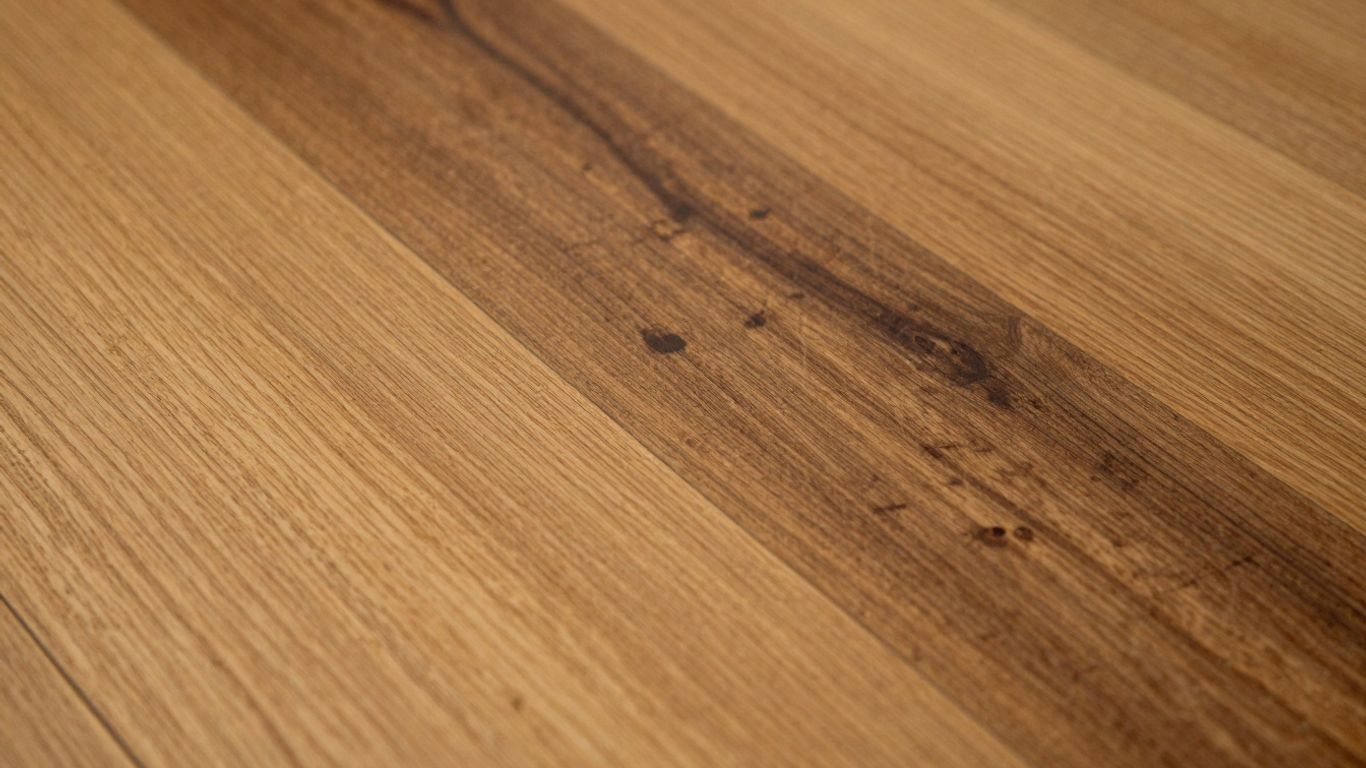
So, you’ve got these weird dark spots or streaks appearing on your lovely oak floor, and you’re wondering what on earth is going on. Well, chances are you’re dealing with something called ‘tannin pull’. It’s basically a reaction where the natural tannins present in oak wood come to the surface and react with something else, causing those unsightly marks. These marks aren’t usually a sign of rot or structural damage, but they can definitely spoil the look of your floor. Think of it like a blush on the wood, but not the good kind. It’s a chemical process, plain and simple, and it happens more often than you might think, especially with oak.
Why Oak Floors Are Prone To This Issue
Oak, bless its heart, is a bit of a drama queen when it comes to its tannins. It’s packed full of them – these natural compounds are what give oak its strength and colour. But, these same tannins are also quite reactive. They can interact with moisture, certain metals, and even some cleaning products. When this happens, the tannins can leach out of the wood and cause discolouration. Other woods might have tannins too, but oak seems to have a particularly generous amount, making it more susceptible to these surface reactions. It’s just the nature of the beast, really.
Spotting The Early Signs Of Trouble
Catching tannin pull early is key to dealing with it. At first, you might just notice faint greyish or blackish spots, almost like tiny watermarks, especially in areas where moisture might have sat for a bit. Sometimes, it can look like a faint shadow or a slight darkening of the wood grain. If you see little dark dots or streaks appearing, particularly near joints or edges, it’s worth investigating. Don’t ignore them thinking they’ll just disappear. It’s much easier to tackle these marks when they’re just starting out.
Here are some common places to check:
- Around pet bowls or plant pots
- Near doorways where wet shoes might have been
- Areas where spills might have occurred and weren’t wiped up immediately
- Along baseboards where condensation might form
Common Culprits Behind Tannin Pull
Right, so we’ve established what tannin pull is and why oak floors seem to attract it. Now, let’s get down to the nitty-gritty of what actually causes these unsightly marks. It’s not usually just one thing, but a combination of factors that can lead to your lovely oak floor looking a bit blotchy.
Moisture: The Biggest Enemy
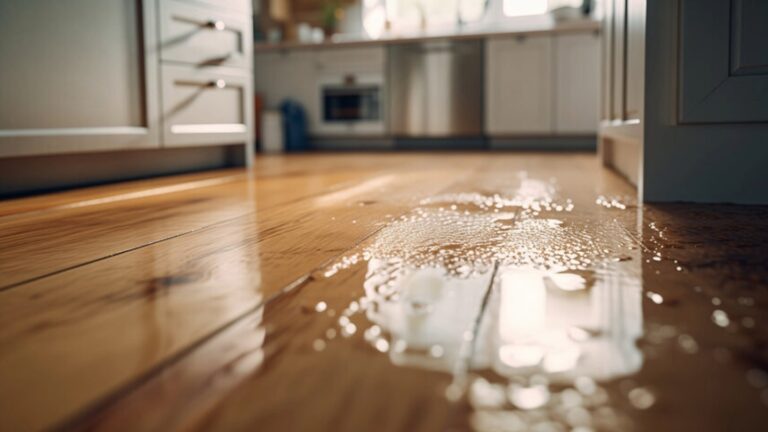
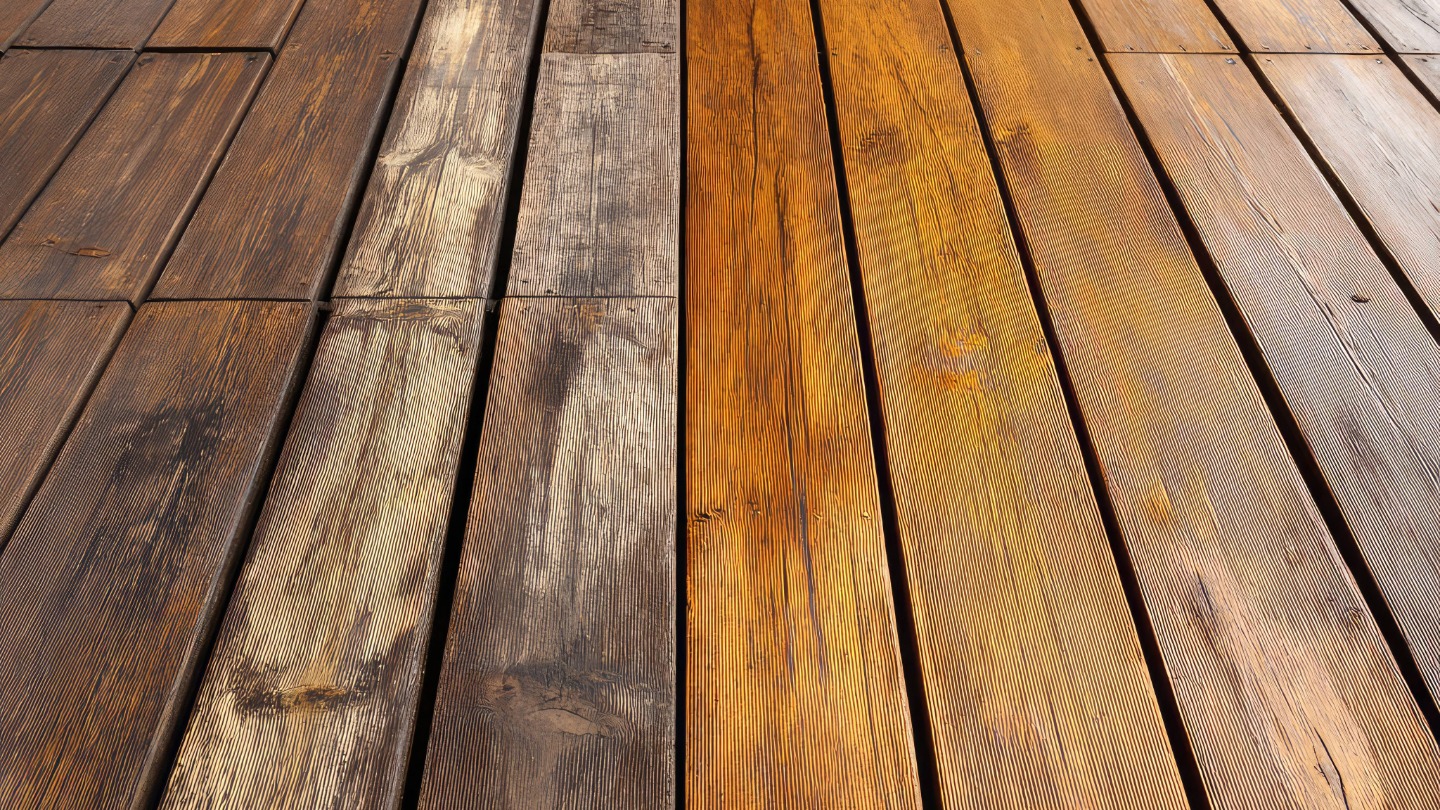
This is probably the most common cause, hands down. Oak wood, especially when it’s unfinished or poorly sealed, really doesn’t like getting wet. When moisture seeps into the wood, it can react with the natural tannins present in the oak. Think of it like a chemical reaction happening right there in your floorboards. The water essentially dissolves the tannins and then, as it dries, it pulls them to the surface, leaving behind those dark, brownish-black stains. It doesn’t take much – a spilled drink, a leaky plant pot, or even just high humidity over a long period can be enough to start the process.
- Spills: Quick clean-ups are key. Don’t let liquids sit.
- Leaks: Check under sinks, around radiators, and anywhere pipes might be.
- Humidity: Aim for a steady 40-60% humidity level in your home.
Even seemingly minor dampness can cause trouble over time. It’s the persistent exposure that really lets the tannins out to play.
Chemical Reactions With Finishes
Sometimes, the problem isn’t just the wood and water; it’s what you put on top of it. Certain types of finishes, especially those that are water-based or contain specific chemicals, can react with the tannins in the oak. This can happen during the application of the finish itself, or later on if the finish gets damaged and moisture gets underneath. Some older types of sealants or varnishes might also be more prone to this. It’s a bit of a balancing act finding a finish that protects the wood without causing its own set of problems.
Metal Interactions
This one might surprise you, but metal can also be a culprit. If you have metal objects – think furniture legs, metal toys, even some types of screws or nails that aren’t properly coated – coming into contact with damp oak, a reaction can occur. The metal can oxidise, and this rust or metal residue can then react with the tannins in the wood, creating dark stains. It’s similar to how iron can stain things in the real world, but it’s happening right on your floor. Always ensure any metal items that might touch your floor are protected or have rubber feet.
- Furniture: Use felt pads or rubber protectors on all furniture legs.
- Rugs: Be mindful of metal clasps or backing on rugs.
- Pets: Metal pet bowls should be placed on a mat to catch spills and prevent direct contact.
Preventing Tannin Pull Before It Starts
Right then, let’s talk about stopping those pesky tannin stains before they even think about showing up on your lovely oak floors. It’s all about being a bit savvy with your choices and keeping an eye on things. Honestly, it’s not rocket science, just a few sensible steps.
Choosing The Right Finish For Your Oak
This is a biggie. The finish you put on your floor is like its shield against the world, and some shields are just better than others when it comes to tannin pull. You want something that creates a solid barrier.
- Polyurethane-based finishes: These are generally your best bet. They form a tough, non-porous layer that stops moisture and other nasties from getting to the wood and reacting with the tannins. Both water-based and oil-based polyurethanes can work well, but make sure it’s a good quality one.
- Hardwax oils: These are also quite popular and can be effective. They soak into the wood a bit more than polyurethane but still offer good protection. The key is that they cure to a solid finish.
- Varnishes: Some traditional varnishes might not offer the same level of protection against water ingress, so be a bit careful here.
Always check the manufacturer’s recommendations for your specific oak flooring and the finish you’re considering. They’ll often tell you if a finish is particularly good at preventing issues like tannin pull.
Controlling Humidity Levels
This is where moisture becomes your floor’s worst enemy. Oak, being a natural material, likes a stable environment. Big swings in humidity can cause the wood to expand and contract, which can open up tiny cracks where moisture can sneak in. And you know what happens then…
- Invest in a hygrometer: This little gadget tells you the humidity level in your home. Aim for a steady reading, ideally between 40% and 60%.
- Use a dehumidifier or humidifier: Depending on your climate and the season, you might need one or both to keep things balanced. It’s a bit of an ongoing job, especially during those really hot or cold spells.
- Ventilate properly: Make sure your home has decent airflow. Opening windows on dry days or using extractor fans in steamy rooms like the kitchen and bathroom helps a lot.
Keeping humidity in check isn’t just about preventing tannin stains; it’s good for the overall health of your wooden floors, stopping them from warping or cracking too.
Careful Selection Of Cleaning Products
This is another area where you can easily go wrong. Some cleaning products are just too harsh for oak and can strip away the finish or, worse, react with the wood itself.
- Stick to pH-neutral cleaners: These are specifically designed for wood floors and won’t damage the finish or the wood. Always dilute them according to the instructions – don’t just pour neat cleaner on your floor!
- Avoid acidic or alkaline cleaners: Things like vinegar (acidic) or ammonia (alkaline) can be problematic. While a very diluted vinegar solution might be okay for occasional spot cleaning on some finishes, it’s generally best to steer clear if you’re worried about tannin pull.
- Wipe up spills immediately: Seriously, don’t let anything sit on the floor. Water, juice, pet accidents – get them up with a dry or slightly damp cloth straight away. This is probably the single most effective thing you can do.
Think of it like this: you wouldn’t use industrial-strength degreaser on your face, would you? Same principle applies to your oak floors. Gentle does it!
Dealing With Existing Tannin Stains
Right, so you’ve spotted those tell-tale dark spots or streaks on your oak floor, and you’re wondering what on earth to do about it. Don’t panic just yet! While tannin pull isn’t the most welcome guest, it’s often fixable. The key is to act relatively quickly and use the right approach.
Gentle Cleaning Methods
Before you even think about sanding the whole floor down, let’s try some less drastic measures. Sometimes, a good clean is all that’s needed to lift those surface stains.
- Mild Soap and Water: Mix a tiny bit of pH-neutral soap (like a dedicated wood floor cleaner, not washing-up liquid!) with warm water. Dampen a soft cloth or mop – and I mean damp, not soaking wet – and gently wipe the affected areas. Always wipe with the grain of the wood.
- Wood Floor Cleaner: There are specific cleaners out there designed for wood floors. Follow the instructions on the bottle carefully. Some might be better suited for certain finishes than others, so check that first.
- Baking Soda Paste (Use with Caution): For tougher spots, you can try a paste made from baking soda and water. Apply it to the stain, let it sit for a few minutes (no longer!), and then gently wipe it away with a damp cloth. Be super careful with this one, as baking soda is slightly abrasive and could dull your finish if you rub too hard.
Always dry the area thoroughly with a clean, dry cloth afterwards. You don’t want any lingering moisture.
When To Consider Refinishing
If the gentle cleaning methods haven’t quite done the trick, or if the stains are really deep and widespread, you might be looking at a bigger job: refinishing.
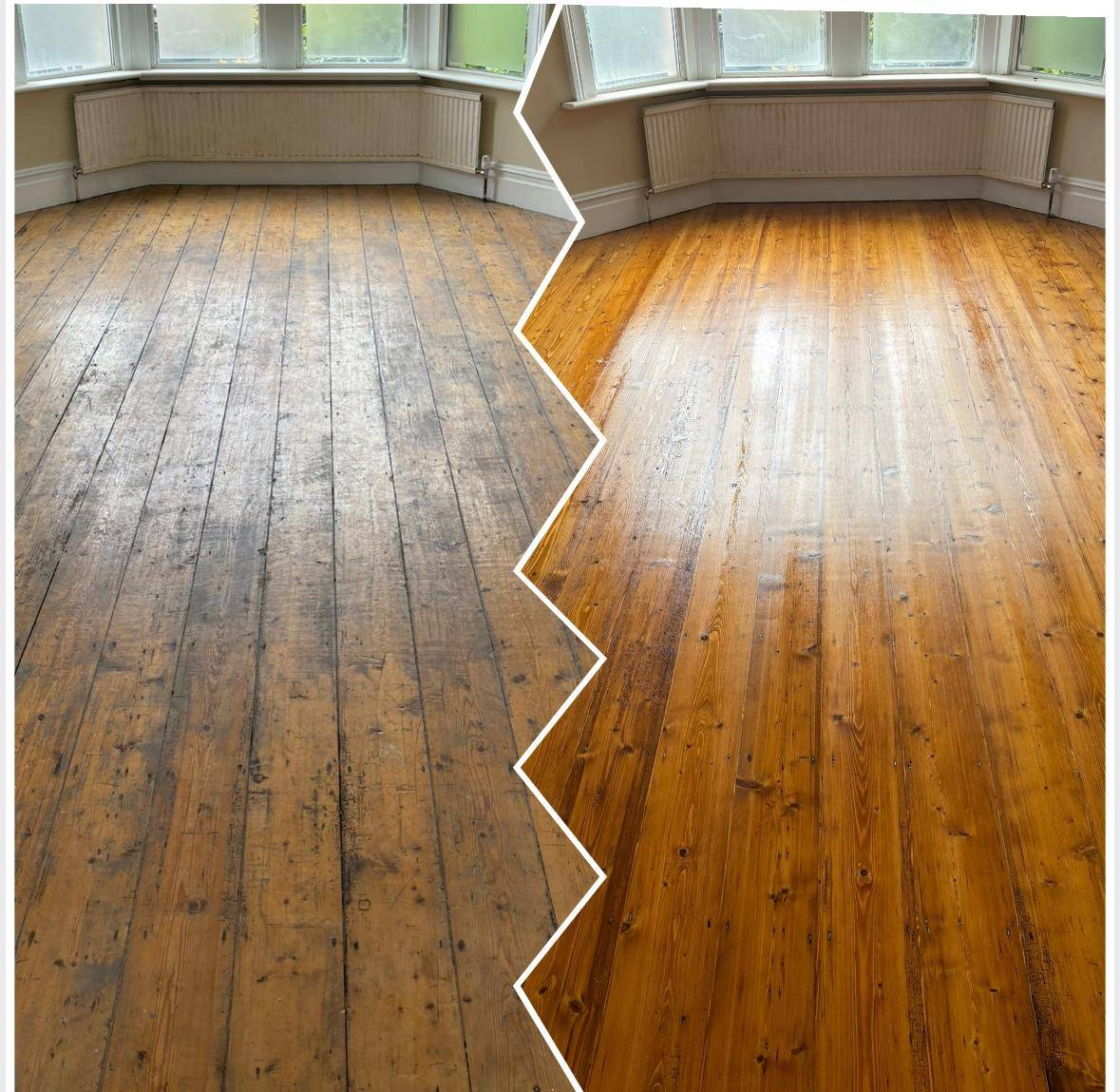
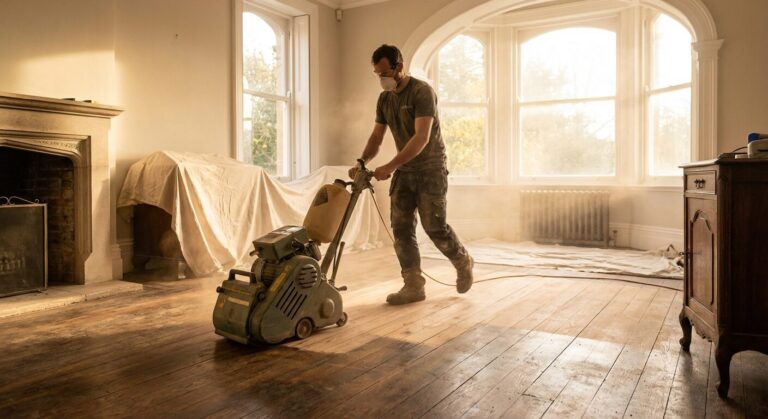
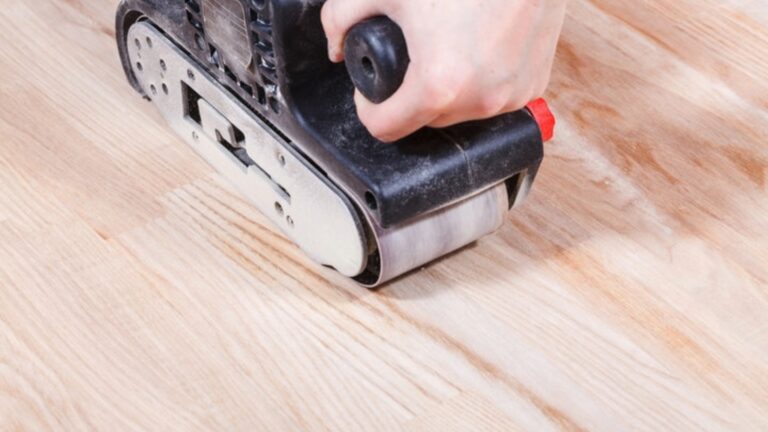
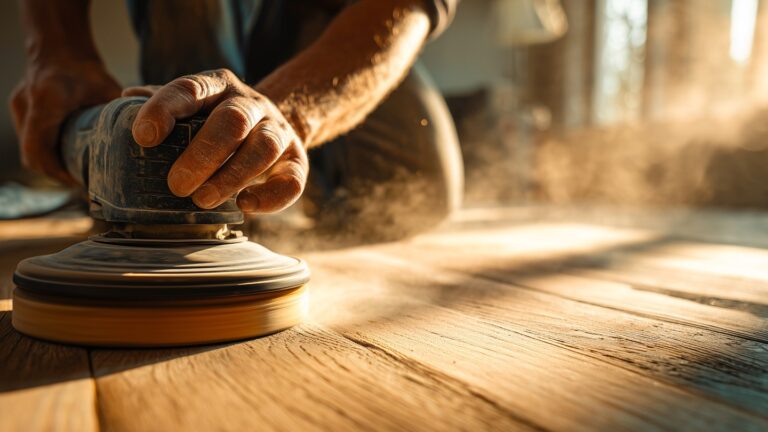
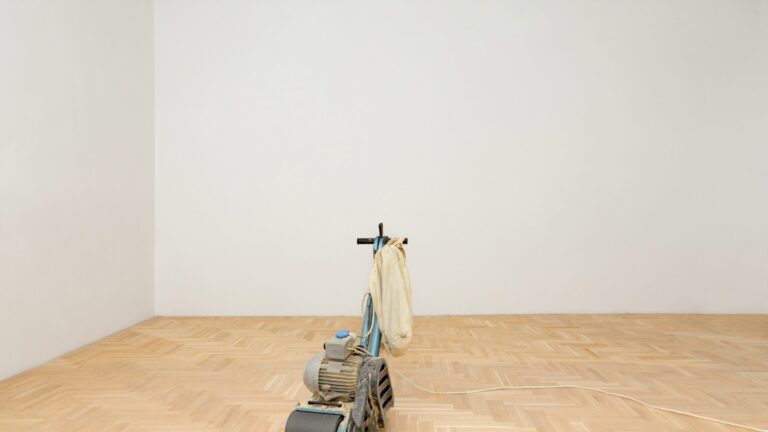
Refinishing involves sanding down the top layer of your floor to remove the damaged wood and then applying a new finish. It’s a more involved process, but it can make your floors look brand new again.
- Surface Stains: If the tannin pull is only on the surface and hasn’t penetrated too deeply, a light sanding might be enough.
- Deep Stains: For really stubborn or deep stains, you’ll likely need to sand down further.
- Widespread Issues: If the problem is affecting a large area of your floor, refinishing is often the most practical solution.
It’s a good idea to test sanding in an inconspicuous area first to see how much wood you need to remove.
Professional Help For Stubborn Stains
Look, sometimes you just need to call in the cavalry. If you’ve tried the gentle cleaning and you’re not keen on the idea of sanding your entire floor (which, let’s be honest, is a big job), then getting a professional involved is a smart move.
Professionals have the right tools and know-how to deal with tricky issues like deep tannin stains. They can assess the damage accurately and recommend the best course of action, whether that’s a targeted repair or a full refinish. Plus, they’ll likely get a much better result than a DIY attempt, saving you time and potential headaches.
They can also advise on the best type of finish to use afterwards to help prevent future problems. It might cost a bit more upfront, but it can save you a lot of hassle in the long run.
Long-Term Care For Your Oak Flooring
Regular Maintenance Tips
Keeping your oak floors looking their best over the years is all about a bit of regular TLC. It’s not rocket science, honestly. The main thing is to keep on top of the day-to-day stuff so you don’t end up with bigger problems down the line. A little bit of effort now saves a lot of hassle later.
- Sweep or vacuum regularly: Get rid of dust, grit, and pet hair. These little things can act like sandpaper underfoot, scratching the finish. A soft brush attachment on your vacuum is your best friend here.
- Wipe up spills immediately: Don’t let liquids sit around. Oak can absorb moisture, and even water can cause issues if left to soak.
- Use doormats: Place mats both inside and outside your main entrances. This catches a surprising amount of dirt and moisture before it even gets onto your floors.
Protecting Your Floors From Damage
Oak floors are pretty tough, but they aren’t invincible. You’ve got to be a bit mindful of what’s going on them. Think about furniture legs, for instance. Those little metal or hard plastic feet can really dig in. It’s a good idea to stick felt pads on the bottom of chairs, tables, and anything else that moves. Swap them out when they get worn down – it’s a cheap fix that stops scratches.
Also, be careful with high heels or cleats. They can leave dents. And if you’re moving heavy stuff, don’t just drag it. Lift it, or put down a protective sheet. It’s all about being a bit careful.
When it comes to cleaning products, stick to what’s recommended for your floor’s finish. Harsh chemicals or too much water can strip away the protective layer, leaving the wood vulnerable. Always test a new cleaner in an inconspicuous spot first.
Seasonal Considerations
Different times of the year bring different challenges for your floors. In winter, you might have wet boots and salt tracked in. In summer, humidity can be a real issue. Keeping an eye on the humidity levels in your home is a good shout. A dehumidifier or humidifier can help keep things stable, especially if you notice the wood expanding or contracting more than usual.
Think about your heating system too. Radiators or underfloor heating can dry out the air, which isn’t great for wood. Again, managing humidity is key. It helps prevent gaps from appearing between the boards or, conversely, them swelling up.
Keeping your oak floors looking great for years to come is easier than you think. Simple steps can make a big difference in their shine and strength. Want to learn the best ways to care for your beautiful wooden floors? Visit our website for expert tips and advice.
So, What’s the Takeaway?
Right then, that’s pretty much the lowdown on why those pesky dark spots show up on your oak floors and what you can do about it. It’s mostly down to tannins in the wood having a bit of a reaction with things like metal or certain cleaning products. Not exactly rocket science, is it? The good news is, with a bit of care and by choosing the right finishes and cleaners, you can keep your floors looking tip-top. Just remember to be mindful of what comes into contact with your wood, and you’ll probably be fine. It’s not the end of the world if a little mark appears, but a bit of common sense goes a long way in preventing them in the first place. Happy flooring!
Frequently Asked Questions
What’s this weird dark stuff appearing on my oak floor?
Ah, that’s probably tannin pull! It’s like a little reaction where natural stuff from the oak wood, called tannins, gets pulled to the surface. Think of it like a stain that comes from inside the wood itself, often showing up as dark spots or streaks.
Why does my oak floor get these tannin stains?
Loads of things can cause it! Water is a biggie – if your floor gets wet and stays wet, it can encourage the tannins to move. Also, certain cleaning products or even metal things touching the floor can kick off a reaction. Sometimes, the finish you put on the wood plays a part too.
How can I stop my new oak floor from getting these stains?
Prevention is better than cure, right? Make sure you use a good quality finish that seals the wood well. Keep an eye on the humidity in your home – not too damp, not too dry. And be a bit picky about what you use to clean it; stick to gentle, wood-friendly stuff.
My floor already has some tannin stains. What can I do?
For light marks, sometimes a gentle clean with a special wood floor cleaner can help. If they’re a bit stubborn, you might need to think about sanding and refinishing the floor. It’s a bit more work, but it can bring it back to looking tip-top.
When should I call in the pros for tannin stains?
If you’ve tried a few gentle methods and the stains are still there, or if you’re dealing with a really big area, it’s probably best to get a flooring expert involved. They have the tools and know-how to sort out tricky problems without damaging your lovely floor.
What’s the best way to look after my oak floor long-term?
Regular sweeping or vacuuming with a soft brush is key to get rid of grit that can scratch. Wipe up spills straight away – no letting them sit around! And be mindful of furniture legs; use felt pads to stop scratches and dents. Basically, treat it with a bit of care, and it’ll last for ages.