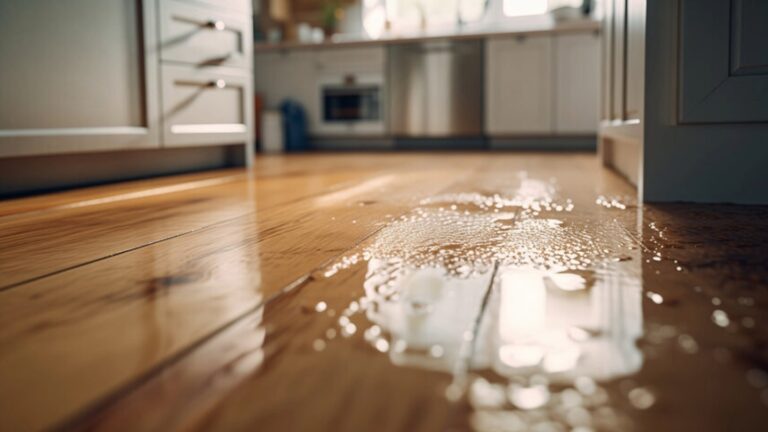
So, you live in Bristol or Bath and have noticed your floors aren’t looking their best, even after a good scrub? It might be the water. Yep, that stuff coming out of your taps can be a real pain when it comes to keeping things clean, especially if you’ve got lovely wood floors. Let’s chat about what’s going on and how to deal with it.
Key Takeaways
- Hard water, full of minerals like calcium and magnesium, leaves behind chalky buildup and spots.
- Properties in Bristol and Bath often deal with hard water due to the local geology.
- These minerals can dull your floors and leave stubborn marks that are tough to get rid of.
- When cleaning wood floors hard water is the issue, use gentle cleaners and avoid too much liquid to protect the wood.
- Consider a water softener for your whole house or regular cleaning routines to keep hard water problems at bay.
Understanding Hard Water’s Grimy Grip
So, you’ve noticed those weird white marks on your floors after cleaning, right? Or maybe your shower doors never seem to get truly clean, no matter how much you scrub. Chances are, you’re dealing with hard water. It’s a common issue, especially around here.
What Exactly Is Hard Water?
Basically, hard water is just water that has a high mineral content. Think calcium and magnesium. These minerals get dissolved into the water as it travels through underground rock and soil. It’s not harmful to drink, but it can be a real pain for your cleaning routine. When the water evaporates, it leaves these minerals behind, creating that chalky residue we all love to hate.
Why Bristol and Bath Properties Are Prone To It
If you live in Bristol or Bath, you’re probably familiar with hard water. Our region sits on a lot of limestone and chalk. As rainwater filters down through these types of rocks, it picks up a good amount of calcium and magnesium. It’s just the way the geology works around here. So, the water coming out of your taps is likely carrying more of these dissolved minerals than in other parts of the country.
The Mineral Mystery Behind Stubborn Stains
These minerals aren’t just sitting on the surface; they can actually bond with soap and detergent. This makes it harder for your cleaning products to do their job effectively. Instead of washing away cleanly, the minerals and soap can form a sort of scum. This scum clings to surfaces, including your floors, and builds up over time. It’s what causes those stubborn, cloudy marks that seem impossible to get rid of. You scrub and scrub, but the film just seems to get thicker. It’s a real nuisance when you’re trying to keep your home looking its best.
The Unseen Scars On Your Floors
So, you’ve been battling those white, chalky marks on your floors, right? It’s easy to just think of it as a bit of a mess, but hard water does more than just leave streaks. It can actually start to mess with your floors over time, and not in a good way.
Beyond Just Streaks: The Real Damage
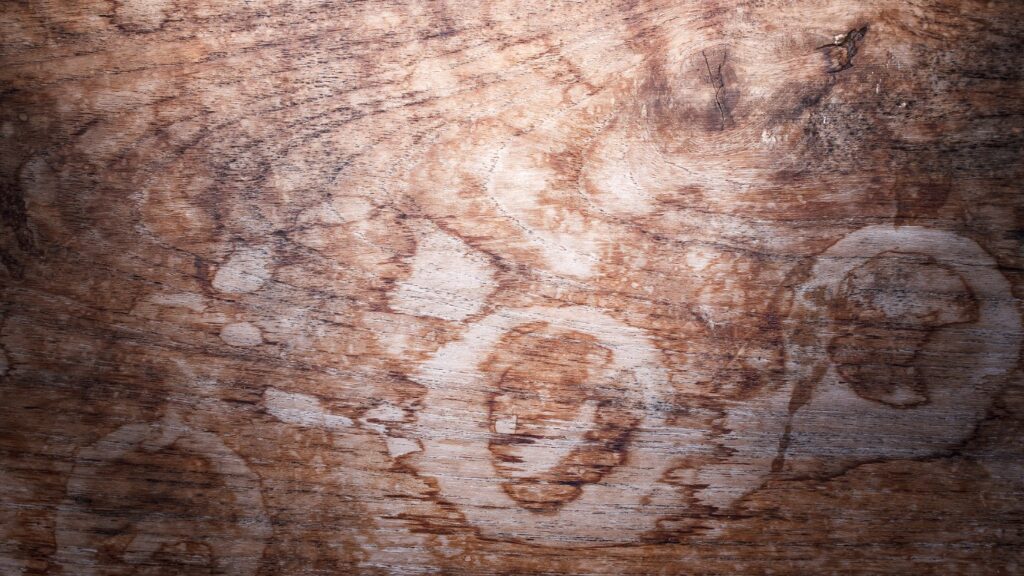
Those water spots aren’t just annoying to look at; they’re a sign of minerals like calcium and magnesium sticking around. When water evaporates, these minerals are left behind. On surfaces, this can build up. Over time, this mineral buildup can actually etch into certain finishes, making them look dull and worn out, even if you clean them regularly. It’s like a slow, invisible attack on your floor’s shine.
How Hard Water Affects Different Flooring Types
Different floors react differently to this mineral onslaught. It’s not a one-size-fits-all problem.
- Tile and Grout: This is a big one. Grout, especially unsealed grout, is porous. Hard water minerals can soak in, making it look dingy and stained. The tiles themselves can get a cloudy film that’s tough to get rid of.
- Laminate and Vinyl: These are generally more forgiving, but that mineral film can still make them look dull. If the protective layer wears down, the minerals could potentially seep in.
- Natural Stone (like marble or granite): These are more sensitive. The minerals can react with the stone, causing etching and dull spots that are hard to repair.
- Sealed Hardwood: While a good sealant helps, repeated exposure can still lead to a hazy appearance on the surface.
The Lingering Residue That’s Hard To Erase
This is the part that drives people crazy. You wipe and wipe, but those marks keep coming back, or they just don’t seem to disappear completely. That’s because you’re often just smearing the mineral residue around, not actually removing it. It’s like trying to clean a greasy pan with just water – it doesn’t really cut through the gunk.
You might think you’re just dealing with a surface-level cleaning issue, but the minerals in hard water are actually leaving a physical deposit. This deposit can trap dirt and grime, making your floors look dirty even after you’ve just cleaned them. It’s a frustrating cycle that requires a different approach than just a quick mop.
It’s a real pain, and honestly, it makes keeping your floors looking nice a lot more work than it should be. You end up spending more time and effort, only to feel like you’re not getting the results you want.
Tackling Those Pesky Hard Water Marks
Alright, so we’ve talked about how hard water can be a real pain, leaving those chalky, streaky messes on your floors. But don’t despair! Getting rid of those marks isn’t rocket science, and you can totally do it yourself. It’s all about knowing what to use and how to use it.
Gentle Approaches For Everyday Grime
For those lighter, everyday water spots, you don’t need to go all out. Sometimes, a good old-fashioned wipe-down is all it takes. The trick here is to catch them before they really set in.
- Daily wipe-downs: Grab a microfiber cloth and some plain water. Give your floors a quick once-over, especially in areas that get wet often, like near sinks or entryways.
- Vinegar solution (diluted!): White vinegar is your friend here. Mix about one part vinegar to four parts water. Spray it lightly onto a cloth (not directly onto the floor, especially if it’s wood!) and wipe away the spots. The acidity helps break down the minerals.
- Dish soap trick: A tiny drop of dish soap in warm water can also work wonders. It helps lift the mineral deposits without being too harsh.
Remember, the key is to be consistent. Regular, gentle cleaning prevents the buildup that makes things harder later.
When Tougher Solutions Are Needed
If you’ve got some stubborn, built-up marks that the gentle stuff just isn’t touching, it’s time to step it up a notch. Don’t worry, we’re not talking about industrial-strength chemicals here, just slightly more potent options.
- Baking soda paste: Mix baking soda with a little water to make a paste. Gently rub it onto the stain with a soft cloth. Let it sit for a few minutes, then wipe it clean. This is great for tile or linoleum.
- Commercial hard water removers: There are products specifically designed for hard water stains. Always read the label carefully and test in an inconspicuous spot first, especially on delicate flooring.
- Scrubbing gently: For really tough spots on durable surfaces like tile, a soft-bristled brush can help. Just be careful not to scratch the surface.
It’s easy to get frustrated when you’re scrubbing and scrubbing and nothing seems to be working. Take a deep breath, try a different approach, and remember that patience is key. Sometimes, letting a cleaning solution sit for a bit longer makes all the difference.
The Importance Of The Right Cleaning Agents
Choosing the right cleaner is half the battle. Using the wrong thing can actually make the problem worse or damage your floors. Here’s a quick rundown:
| Flooring Type | Recommended Cleaners for Hard Water Marks |
|---|---|
| Tile/Ceramic | Diluted vinegar, baking soda paste, commercial tile cleaner |
| Vinyl/Linoleum | Diluted vinegar, mild dish soap solution |
| Wood (Sealed) | Damp cloth, specialised wood floor cleaner (check for hard water claims) |
| Laminate | Damp cloth, laminate floor cleaner (avoid excess moisture) |
Always, always, always check your flooring manufacturer’s recommendations before trying any new cleaning product. What works for one type of floor might be a disaster for another. Happy cleaning!
Keeping Your Wood Floors Sparkling
Effective Cleaning Wood Floors Hard Water
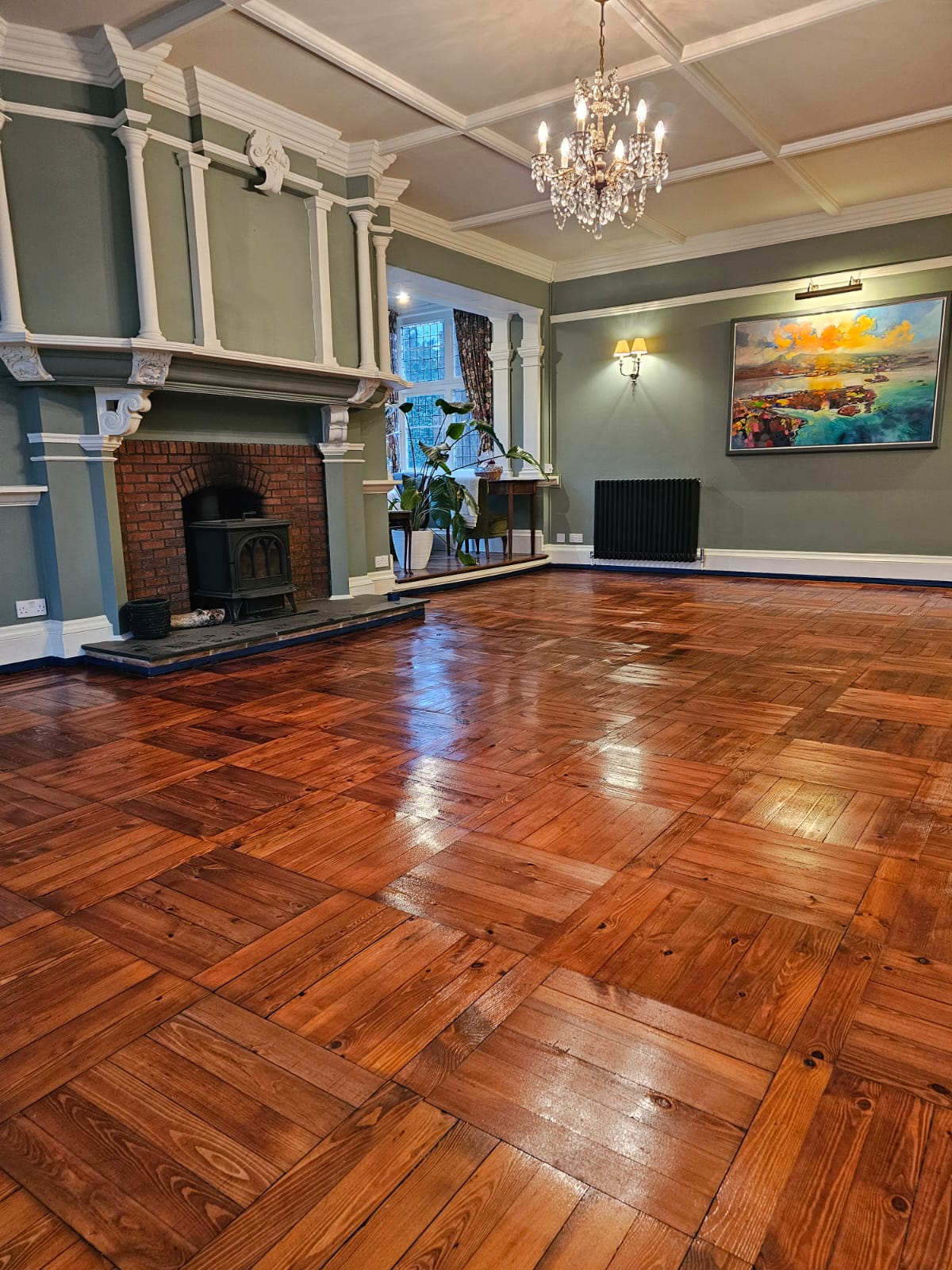
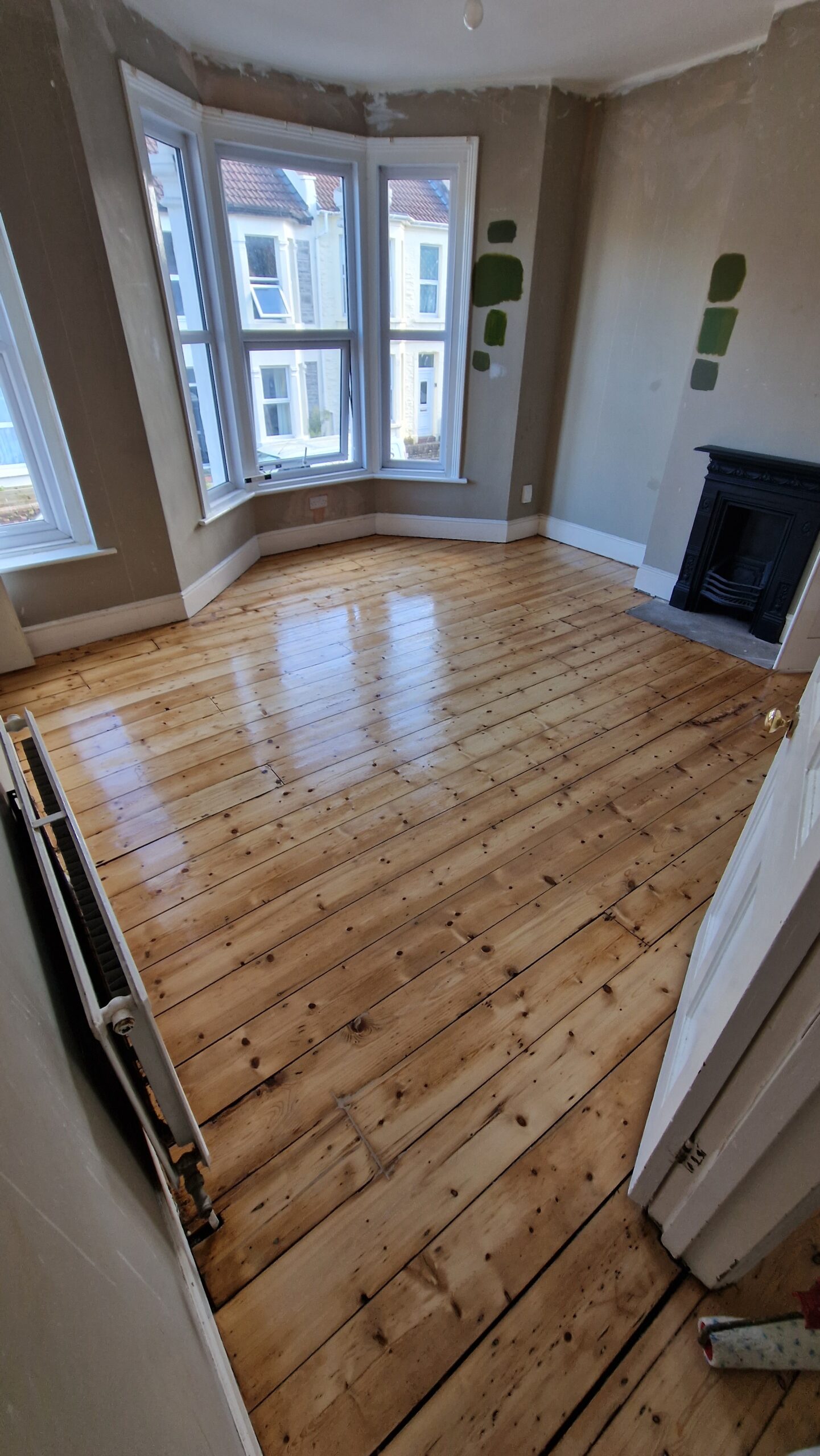
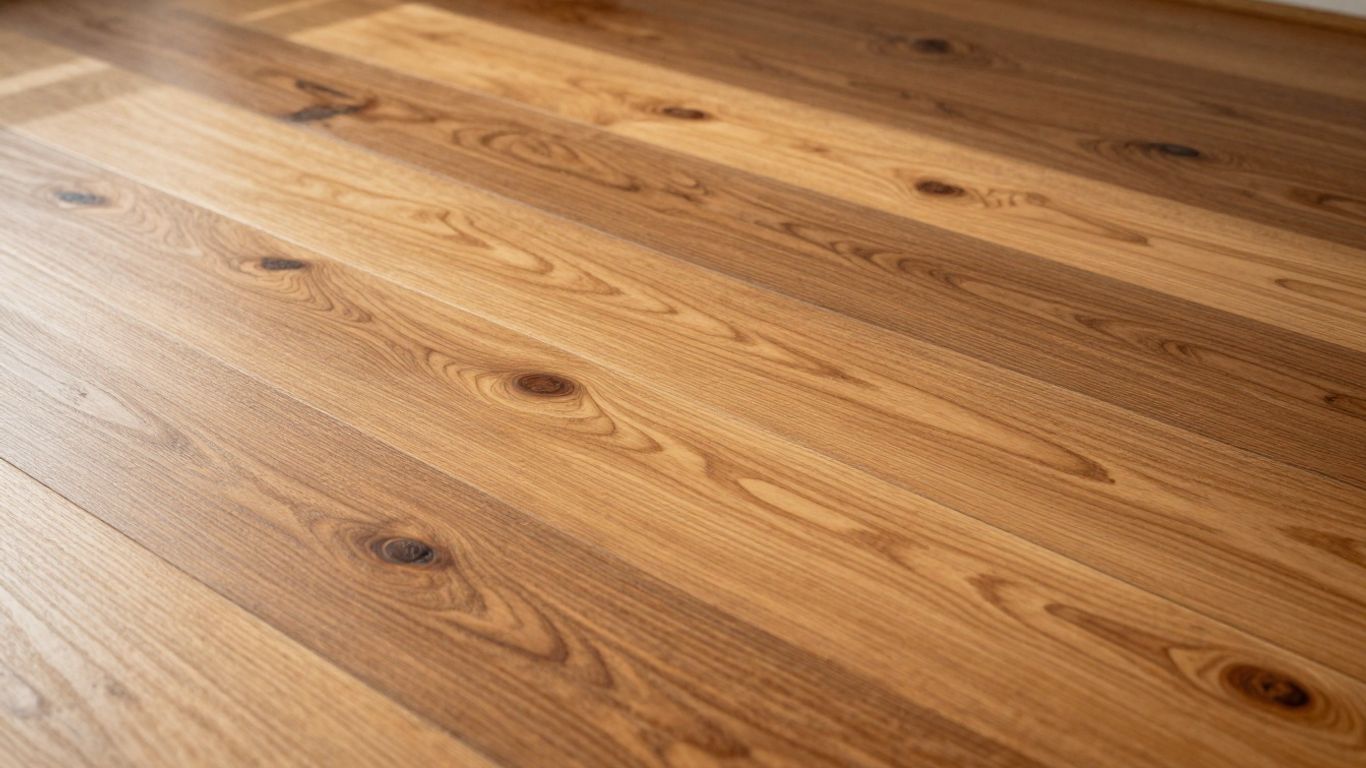
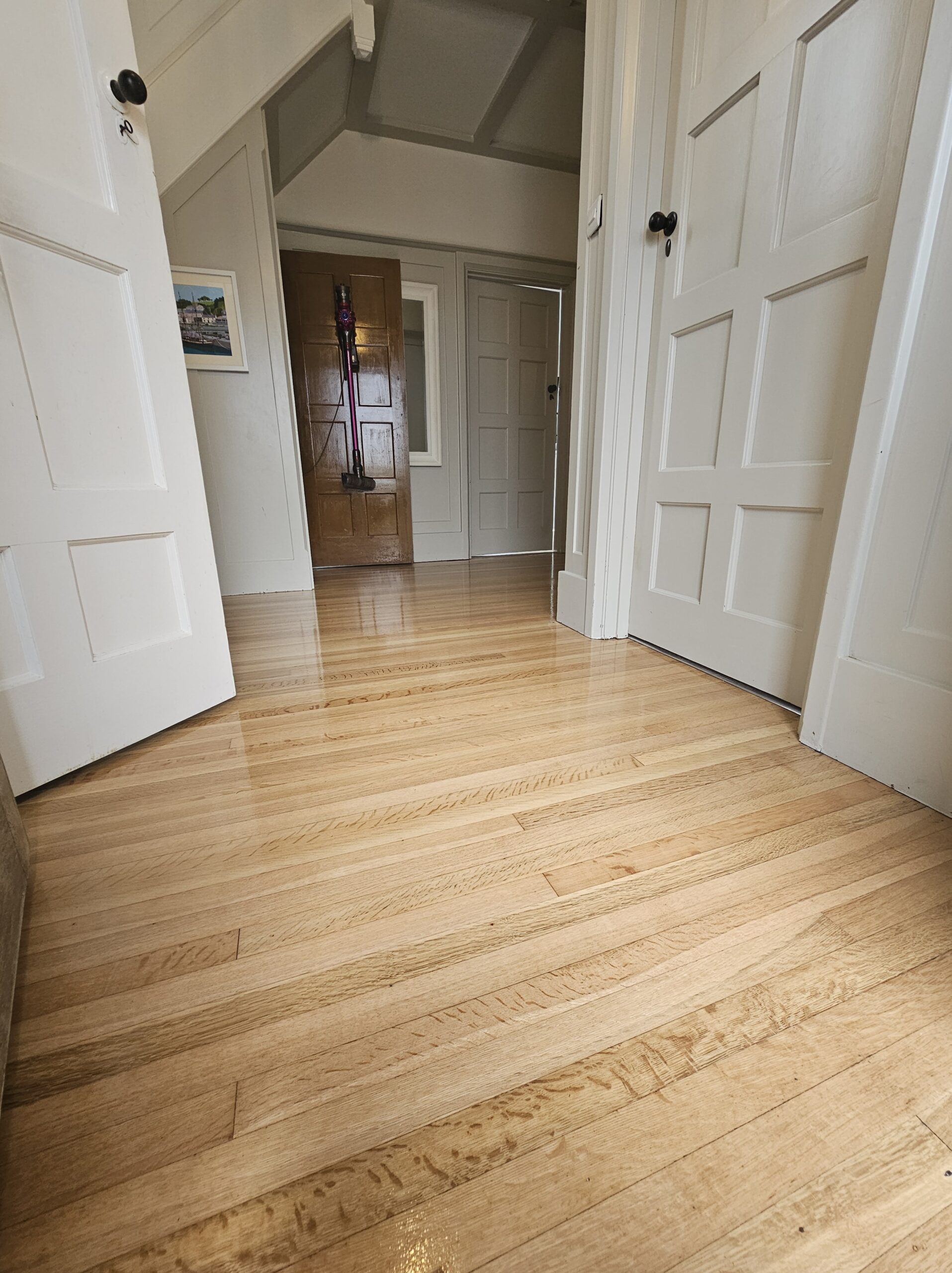
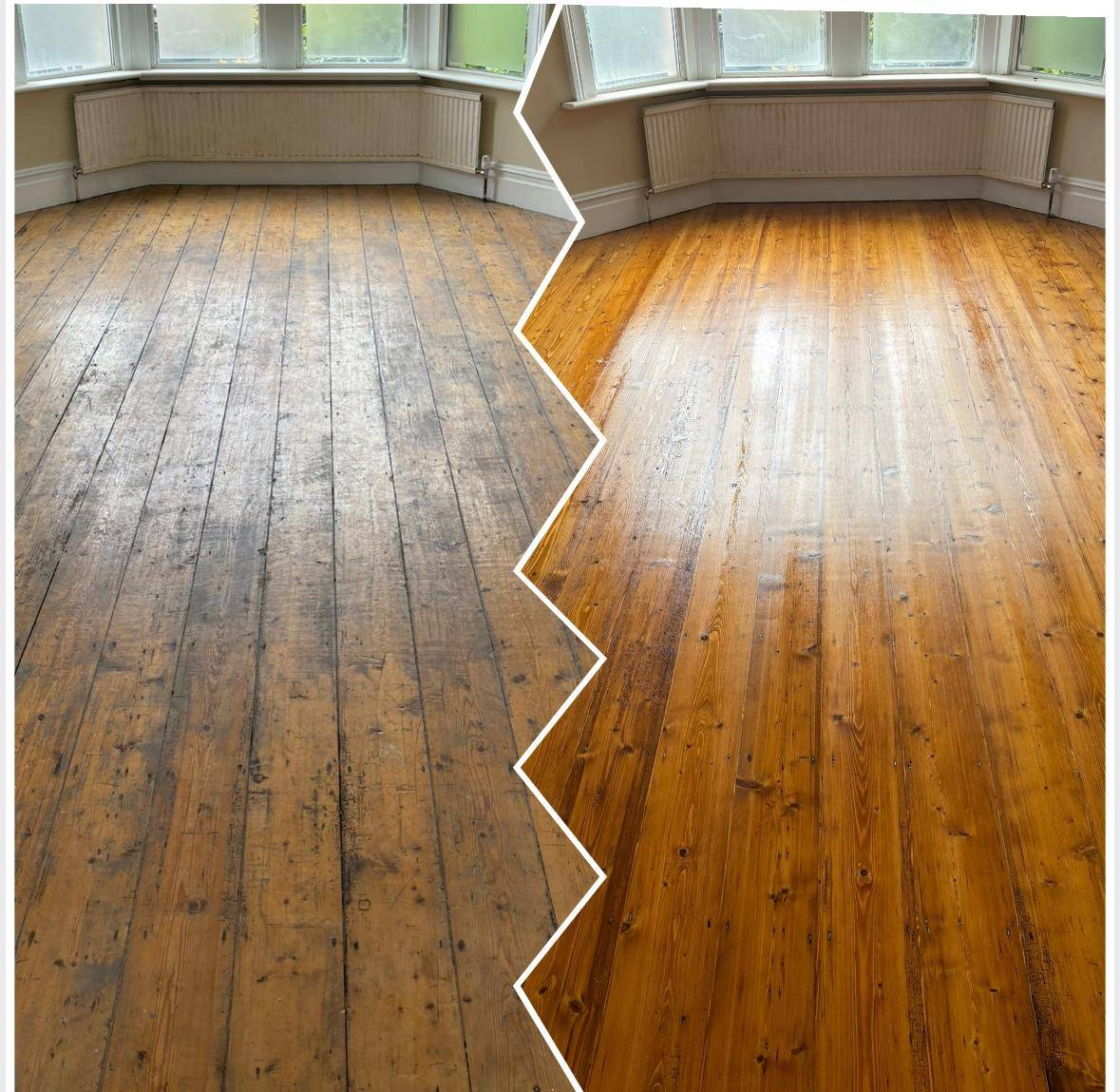
So, you’ve got those beautiful wood floors, but the hard water in Bristol and Bath is leaving its mark. It’s not just about looks; those mineral deposits can actually dull your finish over time. The key is to act fast and use the right stuff. Don’t just grab any old cleaner. For everyday grime and light water spots, a simple solution of warm water with a tiny splash of white vinegar often does the trick. Mop with a well-wrung-out mop – you don’t want to saturate your wood. Wipe dry immediately with a clean, soft cloth. For tougher spots, you might need a cleaner specifically designed for wood floors that also tackles mineral buildup. Always test in an inconspicuous area first, though!
Preventing Future Buildup On Your Wood
An ounce of prevention, right? It’s way easier to stop the problem before it starts. One of the simplest things you can do is wipe up spills and water spots as soon as you see them. Don’t let them sit and dry. Another good habit is to use doormats at all entrances. This catches a lot of the grit and grime that can get tracked in, which then gets mixed with water when you mop. Think about it: less dirt means less to scrub later.
- Wipe up spills immediately.
- Use doormats at all entrances.
- Consider coasters for drinks near wood furniture.
Choosing The Best Tools For The Job
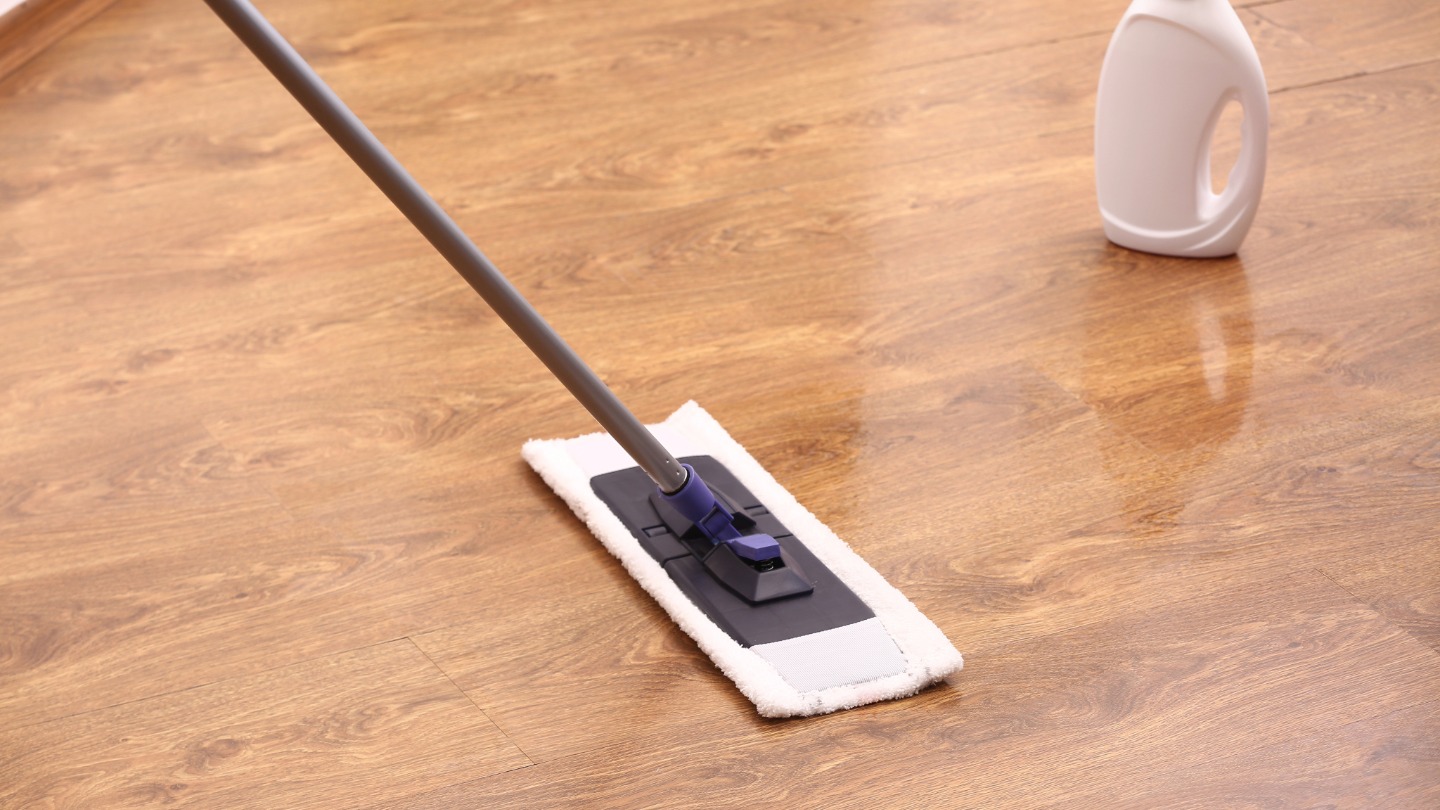
When it comes to cleaning wood floors, especially with hard water issues, your tools matter. Forget those old, stringy mops that leave too much water behind. A good quality microfiber mop is your best friend here. They pick up dirt effectively and don’t hold onto excess water. For drying, a soft, absorbent cotton or microfiber cloth works wonders. You want tools that clean well without damaging the wood’s finish or leaving it soaking wet.
Remember, wood is a natural material and doesn’t react well to being constantly wet. Gentle, consistent care is much better than infrequent, harsh scrubbing.
Long-Term Strategies For Water Woes
So, you’ve been battling those stubborn water spots and dull floors in your Bristol or Bath home. It’s a real pain, right? While we’ve talked about quick fixes, let’s get real about tackling this hard water issue for good. It’s not just about cleaning; it’s about protecting your home.
Considering Water Softeners For Your Home
This is probably the biggest game-changer if you’re serious about saying goodbye to hard water problems. A water softener basically takes out those pesky minerals – calcium and magnesium – that cause all the trouble. Think of it as giving your home a fresh start with softer water flowing through all your pipes. It means less scrubbing, fewer streaks, and your appliances will thank you too. Installation can seem like a big step, but honestly, the long-term benefits are huge. No more chalky buildup on your shower doors or dullness on your floors. It’s an investment in a cleaner, easier home life.
Regular Maintenance Makes A Difference
Even with a softener, or if you decide not to get one, keeping up with things is key. It’s like anything else in your house – a little regular attention goes a long way. For your floors, this means:
- Wiping up spills right away, especially water.
- Doing a quick sweep or vacuum daily to prevent grit from scratching.
- Giving your floors a proper clean with the right products at least once a week.
It sounds simple, but consistency is where the magic happens. You’ll notice your floors looking better for longer, and you won’t have to deal with those really tough, baked-on mineral deposits.
When To Call In The Professionals
Sometimes, you just hit a wall. Maybe the mineral buildup is so bad it’s beyond your usual cleaning routine, or perhaps you’re just tired of the constant battle. That’s when it’s totally okay to call in the pros. There are specialised cleaning services that deal with tough mineral stains and can restore floors that look like they’re beyond saving. They have the heavy-duty equipment and cleaning agents that can tackle what you can’t. Plus, they can often give you advice on how to keep it from getting that bad again. Don’t feel like a failure if you need help; sometimes, it’s just the smartest and most efficient way to get your home looking its best.
Dealing with hard water isn’t just about aesthetics; it’s about the health of your home. Those minerals can wear down surfaces over time, and preventing that buildup is way easier than fixing the damage later. Think of it as preventative care for your property.
Dealing with water problems for a long time can be tough. But don’t worry, there are smart ways to handle these issues. We can help you find solutions that last. Visit our website to learn more about how we can help you tackle water worries.
So, What’s the Takeaway?
Alright, so we’ve talked a lot about how that hard water in Bristol and Bath can really mess with your floors. It’s not just about making them look dull, either; it can actually make cleaning a bigger chore than it needs to be. You end up scrubbing harder, using more cleaner, and still not getting that shine. It’s a bit of a pain, honestly. But hey, now you know what you’re up against. Maybe it’s time to look into some water softeners or try out different cleaning tricks. Whatever you do, just remember that dealing with hard water is part of living around here, and a little effort can go a long way in keeping your place looking good.
Frequently Asked Questions
So, what’s the big deal with hard water anyway?
Basically, hard water has a bunch of minerals, like calcium and magnesium, hanging out in it. Think of it like water that’s been on a spa trip and picked up a lot of extra stuff. It’s not harmful to drink, but it can leave behind chalky white spots and make cleaning a real pain.
Why are places like Bristol and Bath so prone to hard water?
It’s all about the ground these towns sit on! The rocks in the Bristol and Bath area are super rich in chalk and limestone. When rainwater flows through these rocks, it picks up all those minerals, making the water extra hard by the time it gets to your taps.
What kind of mess does hard water make on my floors?
Hard water is a sneaky saboteur! It doesn’t just leave dull streaks; it can actually dull the shine on your floors over time. Plus, it leaves behind a cloudy film that’s tough to get rid of, making your floors look less than stellar.
Does hard water mess up all floor types the same way?
Nope! Different floors react differently. On tile, you’ll see those crusty white deposits, especially around grout. Wood floors can get a hazy look, and it can even make laminate or vinyl look cloudy and less vibrant. It’s a real headache for anyone trying to keep their place looking spiffy.
Are there any easy tricks to get rid of hard water spots?
You bet! For light spots, a good old mix of white vinegar and water often does the trick. Just spray it on, let it sit for a minute, and wipe it away. For tougher stuff, you might need a special cleaner designed for hard water stains, but always test it in a small spot first!
Should I think about getting a water softener?
If hard water is a constant battle in your home, then yeah, a water softener is definitely worth considering. It takes those pesky minerals out of the water before it even reaches your taps. It’s a bigger investment upfront, but it can save you a ton of cleaning time and protect your floors in the long run.