So, you’ve got one of those old houses with a suspended timber floor? They’re charming, right? But they can also be a bit of a headache when it comes to moisture. We’re going to chat about how the newer vapour barriers are changing things for these traditional floors, especially when it comes to dealing with suspended timber floor moisture. It’s not as complicated as it sounds, promise!
Key Takeaways
- Understanding where moisture comes from in old suspended timber floors is the first step to fixing problems.
- Ventilation plays a big part in keeping moisture levels down, but it’s not always enough on its own.
- Modern vapour barriers can stop moisture from moving up from the ground and reduce condensation inside the floor space.
- Putting in vapour barriers needs care; you have to seal everything up right to make sure they work properly.
- Checking if your vapour barrier is actually doing its job involves looking at moisture levels and how the floor is holding up over time.
Understanding Suspended Timber Floor Moisture Dynamics
Sources of Moisture in Traditional Suspended Timber Floors
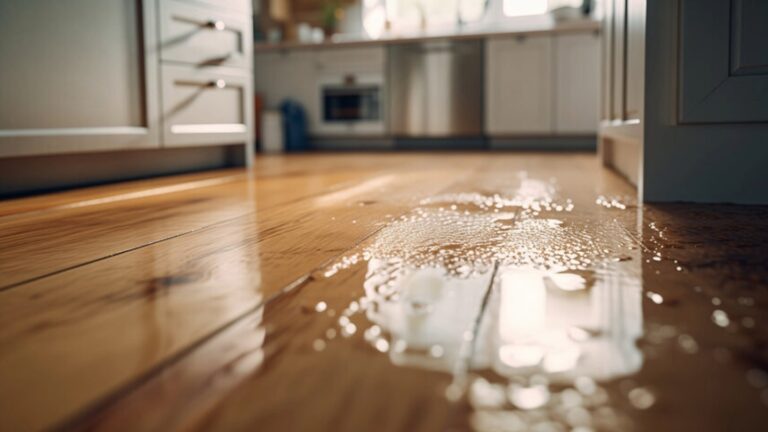
So, you’ve got an old house with a suspended timber floor. Pretty common in the UK, right? But these floors can get damp, and it’s not always obvious why. One big culprit is moisture coming up from the ground. Underneath your floorboards, there’s usually a void, and if that space isn’t properly sealed from the earth, water vapour can just drift up. Think of it like a mini-swamp under your living room.
Then there’s moisture from inside the house itself. We all breathe, cook, shower, and dry clothes, and all that activity puts water vapour into the air. In older homes, especially those without modern vapour control, this moisture can find its way down through gaps in the floorboards. It’s like a slow leak, but with air.
Here are some common sources:
- Ground Moisture: Water evaporating from damp soil or rising damp in the foundation walls.
- Household Activities: Steam from cooking, showers, baths, and drying laundry.
- Plumbing Leaks: Small, unnoticed drips from pipes within the floor void.
- Condensation: Warm, moist air from inside the house meeting cooler surfaces within the floor structure.
The Role of Ventilation in Moisture Management
Ventilation is supposed to help with moisture, right? For suspended timber floors, it’s a bit of a balancing act. The idea is that air bricks around the outside of the house let air circulate under the floor. This airflow is meant to carry away any dampness that builds up. It’s like opening a window to air out a stuffy room.
However, this ventilation isn’t always enough, especially if there’s a significant moisture source. Sometimes, it can even make things worse by drawing in cold, damp air, which can then cool down and cause condensation on the timber joists and floorboards. It’s a tricky business, and getting it wrong can lead to problems.
Good ventilation aims to:
- Reduce the build-up of stagnant, moist air.
- Help dry out any minor dampness that enters the void.
- Prevent the air temperature in the void from dropping too low, which can cause condensation.
Consequences of Persistent Suspended Timber Floor Moisture
When moisture hangs around under your floor for too long, it can cause a whole heap of trouble. The most obvious is rot. Timber joists and floorboards can start to decay, weakening the whole structure. You might notice squeaky floors, or worse, sagging areas.
Then there’s mould. That fuzzy stuff loves damp, dark places, and the void under your floor is perfect for it. Mould isn’t just unsightly; it can affect air quality in your home and cause health problems for some people. Plus, it smells. A musty, damp smell that just won’t go away.
Persistent moisture can also attract pests like woodworm and other insects that thrive in damp conditions. And if you’re thinking about putting down new flooring, dampness can ruin carpets, warp wooden floors, and cause adhesives to fail. It’s a domino effect of damp-related issues.
Here’s a quick rundown of what can happen:
- Timber Decay: Wet rot and dry rot can compromise structural integrity.
- Mould Growth: Affecting health and creating unpleasant odours.
- Pest Infestations: Woodworm and other insects are attracted to damp wood.
- Damage to Finishes: Warping, staining, and adhesive failure for floor coverings.
- Reduced Insulation Performance: Damp materials lose their insulating properties.
Evolution of Vapour Control in Floor Construction
Pre-Vapour Barrier Practices and Their Limitations
Before modern vapour control layers became a thing, builders in the UK had a different approach to dealing with moisture in suspended timber floors. It wasn’t really about stopping moisture from getting into the floor void in the first place. Instead, the focus was heavily on ventilation. The idea was that if you could just keep air moving through that space under the floorboards, any dampness that did get in would simply dry out. Think of it like leaving a window open to air out a damp room – same principle, just applied to the whole floor.
This often meant leaving generous gaps between floorboards or incorporating specific vents into the skirting boards. The thinking was sound, in theory. If moisture can’t build up, it can’t cause problems like rot or mould. However, this method had its downsides. For starters, it relied on consistent airflow, which isn’t always a given, especially in older, less drafty homes. Plus, all that air movement could make the rooms above feel a bit chilly, which wasn’t exactly ideal for comfort. The reliance on ventilation alone often proved insufficient against persistent dampness, especially in areas prone to high humidity or where ground moisture was a significant factor. It was a bit of a gamble, really.
Introduction of Modern Vapour Control Layers
Things started to change as we got a better handle on how moisture actually behaves within buildings. The introduction of vapour control layers, or VCLs as they’re often called, marked a pretty big shift. Instead of just trying to ventilate moisture away, the new strategy was to prevent it from getting into places where it could cause trouble, like the timber structure of the floor. These layers are essentially membranes designed to stop water vapour from passing through.
They’re typically installed on the warm side of the insulation – so, usually, on the ceiling side of the floor joists, or sometimes directly beneath the floorboards before the finished surface goes down. The goal is to create a barrier that stops warm, moist air from the living space from reaching the cold surfaces within the floor void, where it could condense. It’s a more proactive approach to moisture management.
Material Science Behind Contemporary Vapour Barriers
So, what are these modern VCLs actually made of? It’s not just a simple sheet of plastic, though some might look like it. The materials science behind them is quite interesting. You’ve got a range of options, each with different properties:
- Polyethylene films: These are common, often quite thick and robust. They’re very effective at stopping vapour but can be a bit too good, sometimes leading to a lack of breathability if not installed correctly.
- Bitumen-based membranes: You might see these in some applications. They offer good vapour resistance and can also provide some waterproofing.
- Specialised membranes: Some newer products are designed with micro-perforations or variable permeability. These are clever because they can stop liquid water and a lot of vapour, but still allow some moisture vapour to escape if needed. This is sometimes called a ‘vapour-permeable vapour barrier’ – a bit of a mouthful, I know!
| Material Type | Primary Function | Typical Application Location | Notes |
|---|---|---|---|
| Polyethylene Film | Vapour Resistance | Under floorboards/joists | Very effective, can be too airtight |
| Bitumen Membrane | Vapour & Water Resist. | Below insulation | Durable, good for damp-prone areas |
| Smart Vapour Control | Variable Permeability | Various | Allows some drying, complex performance |
The choice of material often depends on the specific construction, the level of moisture risk, and the desired performance characteristics. It’s not a one-size-fits-all situation, and understanding the material’s properties is key to getting it right.
Impact of Vapour Barriers on Suspended Timber Floor Moisture
Preventing Upward Moisture Migration
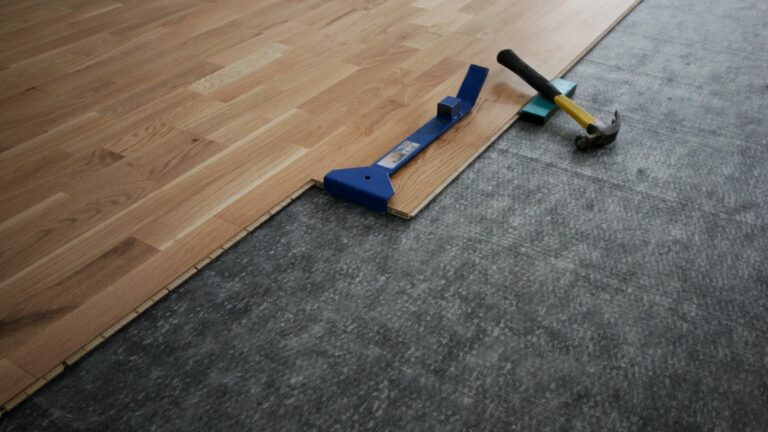
So, you’ve got this old suspended timber floor, right? Underneath, there’s usually a void, and above that, your living space. The big issue is moisture. It can come up from the ground, or even from inside your home – think steamy bathrooms or kitchens. Before vapour barriers became common, this moisture could just drift upwards. Vapour barriers act like a shield, stopping that moisture from getting into the timber structure itself. They’re typically laid on the warm side of the insulation, which in this case, is usually on top of the floor joists before the floorboards go down. This placement is key. It means any moisture trying to sneak up from the crawl space or ground below hits the barrier and is directed away, rather than soaking into the wood. It’s a pretty straightforward idea, but it makes a huge difference in keeping things dry.
Mitigating Condensation Risks Within Floor Voids
When warm, moist air from your home meets the cooler surfaces within the floor void – like the underside of floorboards or joists – condensation can happen. This is where things get a bit damp and potentially rotten. A properly installed vapour barrier helps a lot here. By blocking that upward movement of moisture, it reduces the amount of water vapour that can even reach those cold spots. Less water vapour means less chance of condensation forming. Think of it like putting a lid on a pot of boiling water; you stop a lot of the steam from escaping. This is super important for preventing mould growth and rot in the timber, which nobody wants. It basically makes the floor void a much less hospitable place for dampness to hang out.
Influence on Timber Durability and Structural Integrity
All this talk about moisture and condensation might seem a bit much, but it really affects how long your floor lasts. Wood, especially the kind used in older floors, can degrade pretty quickly if it’s constantly damp. Rot, fungal decay, and even insect infestations thrive in wet conditions. By using a vapour barrier, you’re actively protecting the timber. Keeping the wood dry means it stays stronger for longer, and the whole floor structure is more stable. This isn’t just about avoiding a bit of mould; it’s about preserving the actual bones of your house. A floor that’s kept dry is a floor that will serve you well for decades to come, without needing costly repairs down the line. It’s a proactive step towards a healthier, more robust home.
Installation Considerations for Vapour Barriers
Putting in a vapour barrier under your suspended timber floor isn’t just about slapping a sheet of plastic down. It’s a bit more involved if you want it to actually do its job and not cause new problems. Getting this part right is pretty important for the whole system to work.
Best Practices for Sealing and Continuity
Think of the vapour barrier like a raincoat for your floor void. If there are holes or gaps, water can still get in, right? So, the main thing is making sure it’s all sealed up tight. This means:
- Overlap all seams: Don’t just butt the edges together. You need to overlap them by at least 100mm (about 4 inches) and tape them with a special, compatible tape. This tape is designed to stick to the barrier material and keep air and moisture out.
- Seal around penetrations: Any pipes, wires, or structural elements that go through the barrier need to be carefully sealed. Use flexible sealant or specific collars designed for this purpose. It’s easy to miss these spots, but they’re prime locations for air leaks.
- Maintain continuity: The barrier needs to run continuously from wall to wall, and up and over any internal walls if possible. You don’t want it to stop and start in random places. The goal is a complete, unbroken layer.
Compatibility with Existing Floor Structures
When you’re dealing with older homes, the floor structure might not be perfectly flat or regular. This can make fitting a vapour barrier a bit tricky. You’ve got to make sure the material you choose plays nicely with what’s already there.
- Subfloor condition: If your existing subfloor is damp or uneven, you might need to address that first. A vapour barrier won’t fix underlying moisture issues; it just stops moisture from moving through it.
- Fixing methods: How are you going to attach the barrier? Staples can work, but you need to make sure they don’t create too many holes. Sometimes, a bit of adhesive or even just the weight of the floorboards above is enough, but you have to be careful.
- Material choice: Some vapour barriers are more flexible than others. A more pliable material might be better for conforming to irregular joists or uneven subfloors, reducing the chance of tears or gaps.
Addressing Potential Vapour Barrier Failures
Even with the best intentions, things can go wrong. It’s good to know what to look out for. A failed vapour barrier can trap moisture, which is the opposite of what you want.
- Tears and punctures: These are common, especially during installation or if something heavy is placed on the barrier before the floorboards are down.
- Sealant breakdown: Over time, tapes and sealants can lose their stickiness, especially if they’re exposed to temperature fluctuations or moisture.
- Improper installation: Gaps, poor overlaps, or not sealing around penetrations are all ways the barrier can fail to do its job effectively.
The key takeaway is that careful planning and execution during installation are vital for the vapour barrier to perform as intended.
Assessing the Effectiveness of Vapour Barriers
So, you’ve gone and put in a vapour barrier under your suspended timber floor. That’s great, but how do you actually know if it’s doing its job? It’s not like you can just peek under the floorboards every day and see if everything’s dry. We need ways to check if this barrier is actually stopping moisture from creeping up from below and causing trouble.
Monitoring Suspended Timber Floor Moisture Levels
Keeping an eye on moisture is key. You can’t just assume the barrier is working perfectly. We need to get some readings. Think of it like checking your car’s tire pressure – you do it regularly to make sure things are okay.
- Use a moisture meter: These tools are pretty straightforward. You stick the probes into the timber joists or floorboards, and it gives you a reading. Aim for readings below 18% moisture content for most timber in a suspended floor void.
- Regular checks: Don’t just check once. Schedule a few checks over the year, especially during different seasons. Winter can bring more condensation issues, while summer might see different moisture patterns.
- Compare readings: The real value comes from comparing readings over time. If you see moisture levels creeping up consistently after installing the barrier, something might be off.
Diagnostic Techniques for Vapour Barrier Performance
Sometimes, just sticking a meter in isn’t enough. You might need to dig a bit deeper to see what’s really going on with the barrier itself.
- Visual inspection: If you can get access, look for obvious signs of failure. Are there tears in the membrane? Are the seams properly taped? Is it sagging anywhere?
- Infrared thermography: This is a bit more advanced, but an infrared camera can sometimes show cold spots or areas where moisture is accumulating behind the barrier, indicating a problem.
- Air leakage testing: While not directly testing the vapour barrier, high air leakage rates in the floor structure can carry moisture. If you’re having issues, checking for drafts might point to installation problems with the barrier or surrounding elements.
Long-Term Performance and Maintenance
Putting the barrier in is just the start. Like anything, it needs to be looked after, or at least checked on, over the years. The goal is to prevent problems before they start, not fix them after they’ve caused damage.
- Durability of materials: Different vapour barrier materials have different lifespans. Some plastics can become brittle over time, especially if exposed to UV light during installation or if they’re of lower quality.
- Environmental factors: Think about what the barrier is up against. Constant dampness, pests, or even just the natural aging process can affect its integrity.
- Maintenance schedule: While you don’t typically ‘maintain’ a vapour barrier in the same way you’d service a boiler, having a plan to re-inspect it every few years, especially if you notice any dampness issues, is a sensible approach. It’s about being proactive.
Challenges and Innovations in Vapour Control
So, we’ve talked a lot about how vapour barriers work and why they’re a good idea for old timber floors. But it’s not always a walk in the park, right? There are definitely some tricky bits, especially when you’re dealing with houses that have been around for ages. And then there’s the constant push to find even better ways to keep moisture out.
Retrofitting Vapour Barriers in Older Properties
Putting a vapour barrier into a house that wasn’t built with one in mind can be a real headache. You’re often working with limited space, awkward joist configurations, and the need to be super careful not to mess up the existing structure. It’s not like building new where you can just lay it all out nice and neat. You’ve got to get creative.
- Making sure it seals properly is key. Gaps are the enemy here. Any little opening lets moist air sneak through, defeating the whole purpose.
- You have to think about how the new barrier will connect with existing walls and skirting boards. It’s all about continuity.
- Sometimes, you might need to lift floorboards, which is a job in itself. You want to put them back just as they were, or even better.
Emerging Technologies for Moisture Prevention
Things aren’t standing still, though. Scientists and builders are always cooking up new ideas. We’re seeing more advanced materials that do a better job of controlling moisture without completely sealing everything up. Think smart membranes that react to humidity levels.
Balancing Breathability and Impermeability
This is the big one, really. You want to stop moisture coming up from below, but you also don’t want to trap all moisture within the building fabric. Old houses, especially those with solid walls, need to ‘breathe’ to some extent. The trick is finding that sweet spot – stopping unwanted water vapour while still allowing the building to manage its internal humidity naturally. Getting this balance right is probably the most important aspect of modern vapour control in traditional buildings. It’s a bit of an art and a science, trying to keep the structure dry without making the inside feel damp or stuffy.
Dealing with moisture and air leaks can be tricky, but new ideas are making it easier. We’re always finding better ways to keep unwanted air and water out. Want to learn more about how we tackle these issues? Visit our website to see our latest solutions!
Wrapping Things Up
So, when it comes to those old timber floors in the UK, adding modern vapour barriers is definitely something to think about. It’s not just a simple fix, you know? You’ve got to consider how it all works together with the rest of your house. We’ve seen how these new materials can change things, sometimes for the better, sometimes maybe not so much if you’re not careful. It really comes down to understanding your specific floor and what you’re trying to achieve. Don’t just slap something on without looking into it. A bit of research goes a long way, and if you’re unsure, talking to someone who knows about this stuff is probably a good idea. It’s all about making sure your home stays healthy and lasts for years to come.
Frequently Asked Questions
What exactly is a suspended timber floor and why does it get wet?
Think of a suspended timber floor as the wooden floor you walk on, but with a big air gap underneath it, usually between the floor joists. It can get damp from a few places, like moisture from the ground below trying to sneak up, or even from everyday living, like cooking or showering. Sometimes, leaks from pipes can also be a culprit.
What did people do before modern vapor barriers?
Before we had these fancy plastic sheets, builders relied more on good old-fashioned ventilation to keep floors dry. They’d make sure there was plenty of airflow under the floor to help moisture escape. However, this wasn’t always enough, and sometimes floors would end up rotting or getting moldy.
How do these new vapor barriers actually help my floor?
These modern barriers are like a raincoat for your floor. They stop moisture from traveling upwards from the ground or basement into your floor structure. This is super important because it helps prevent dampness from causing problems like mold, rot, or making the wood weak over time.
Is it tricky to put these vapor barriers in an old house?
Putting them in older homes can be a bit of a puzzle. You need to be really careful to seal up all the edges and make sure there are no gaps. It’s like making sure a puzzle is complete; every piece needs to fit perfectly to do its job right. Getting it wrong can mean moisture still finds a way in.
How can I tell if my vapor barrier is working well?
You can keep an eye on things by checking moisture levels under your floor. Sometimes, special tools can be used to see how well the barrier is doing its job. It’s all about making sure that dampness isn’t building up where it shouldn’t be.
Are there any downsides to using vapor barriers?
The main goal is to stop unwanted moisture, but you also don’t want to trap *all* moisture. Some older floors need to ‘breathe’ a little. So, it’s a balancing act. Builders are always looking for new ways to control moisture without making floors too airtight, which could cause other issues.