Thinking about fixing up those old floors in your Bath Georgian home? It’s a common question: do you go with the classic wax finish or a more modern lacquer? Both have their good points, and what works best really depends on your place and what you’re going for. We’ll break down the differences to help you decide.
Key Takeaways
- Georgian floors have a special charm, often made from original wood that tells a story.
- Traditional waxing gives a natural look and feel, but needs more upkeep.
- Modern lacquers offer better protection and are easier to care for, especially in busy spots.
- When deciding between wax and lacquer, think about how the floor looks, how long it lasts, and how easy it is to fix.
- Your bath floor restoration guide should consider the floor’s current state, whether you’ll DIY or hire someone, and how to keep it looking good long-term.
The Charm Of Georgian Floors
What Makes Georgian Floors Special
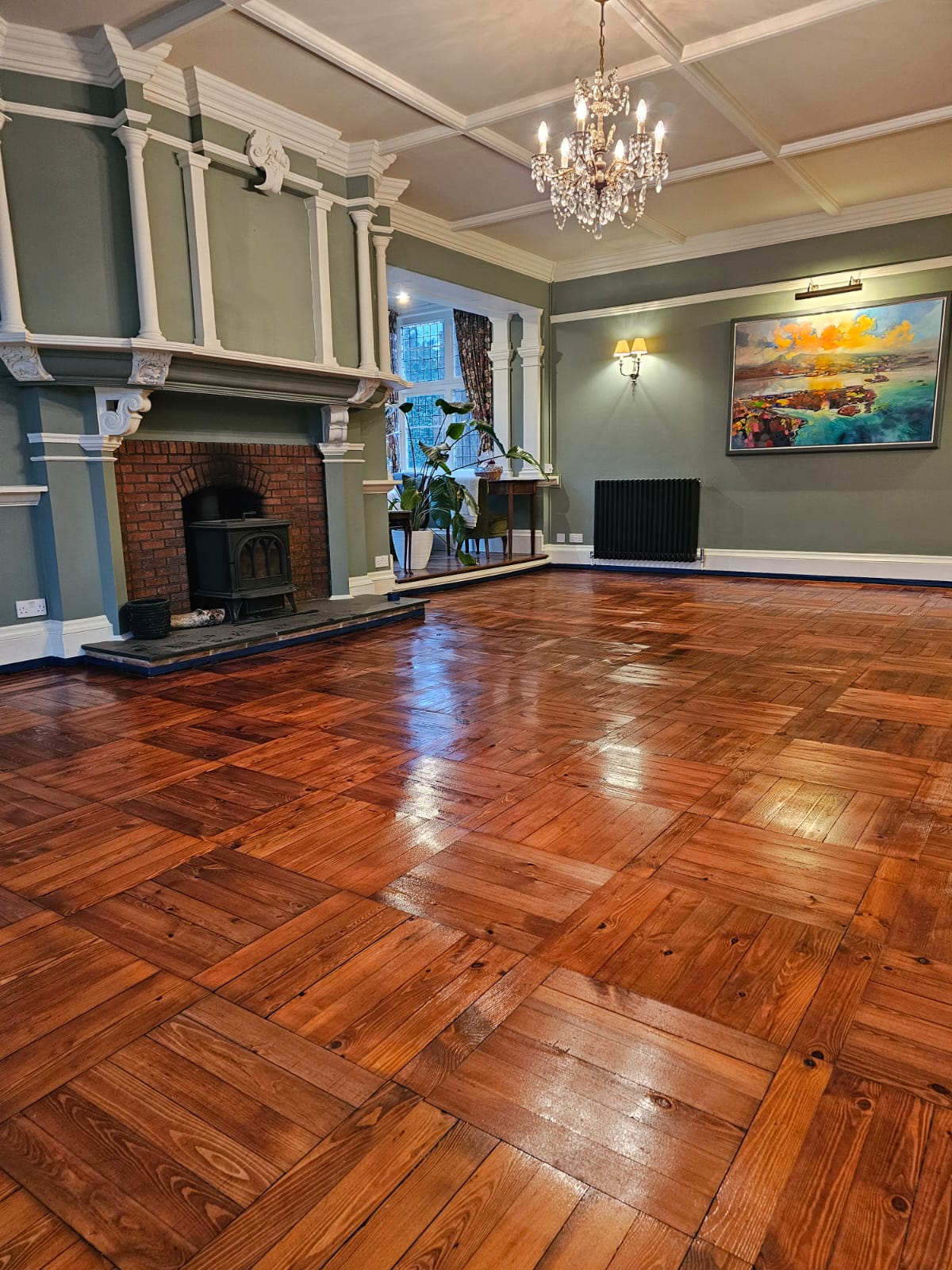
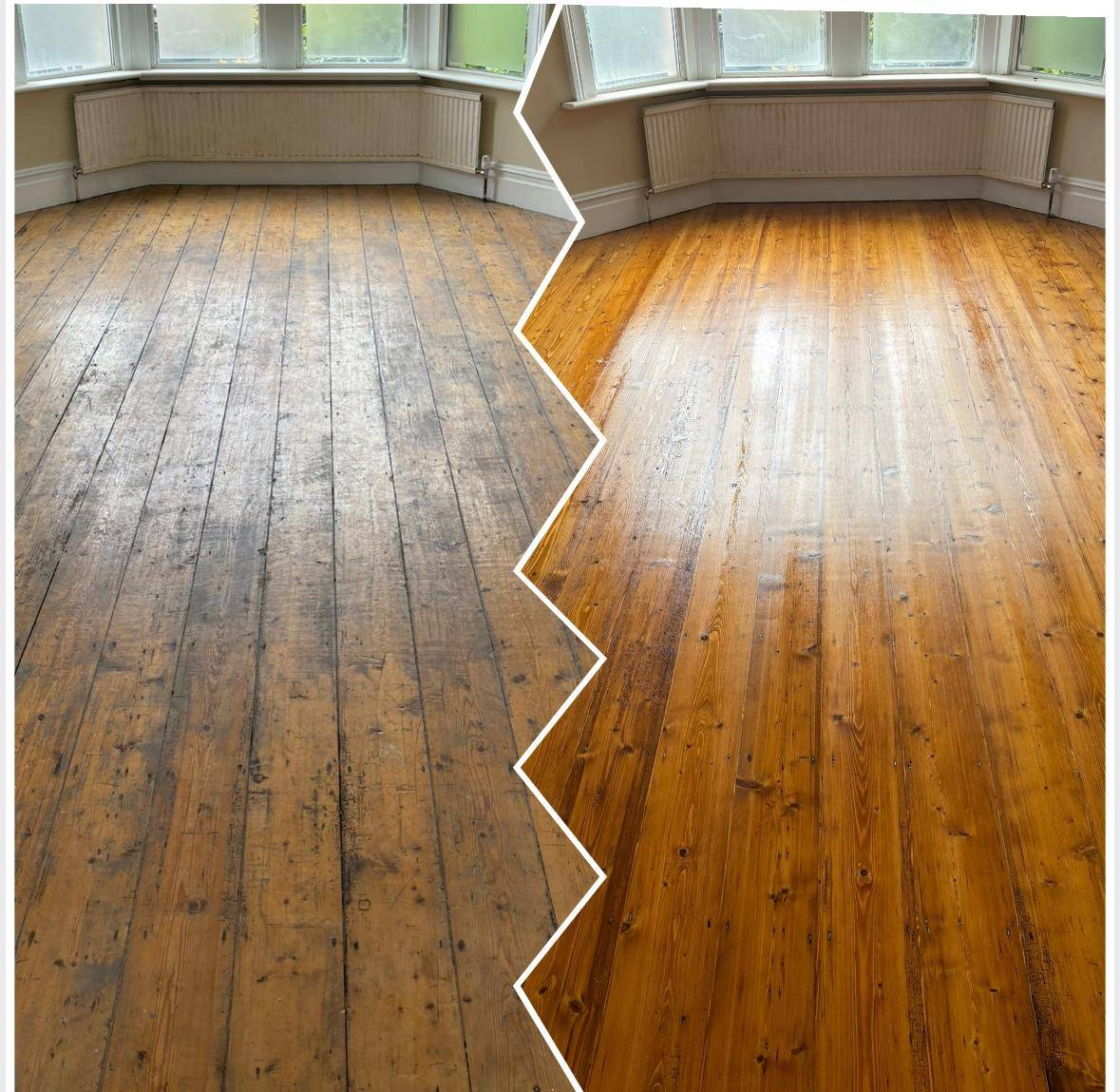
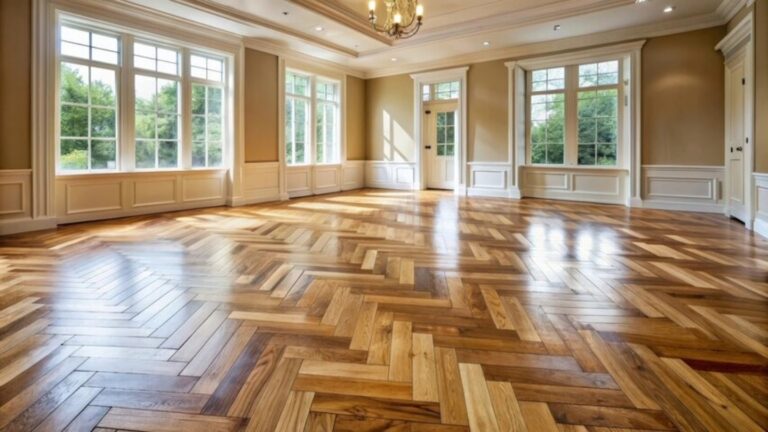
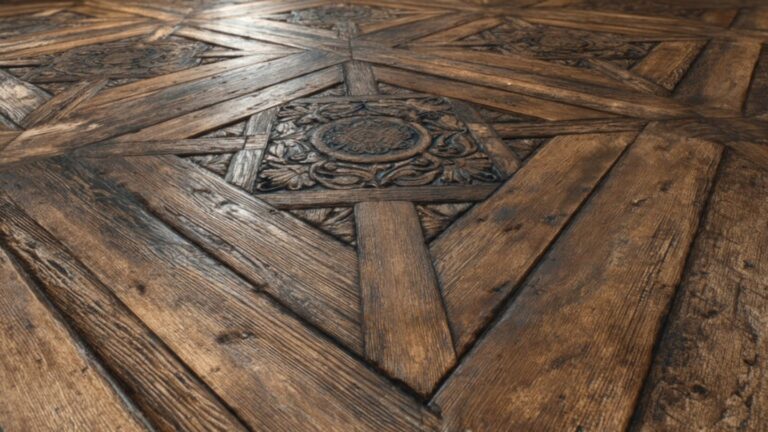
Walking into a Georgian property in Bath is like stepping back in time, and a big part of that feeling comes from the floors. These aren’t just any old floorboards; they’re a piece of history. Think about it – these floors have seen centuries of life, from fancy parties to quiet evenings. They carry stories within their grain. What makes them so special is their original character. Unlike modern floors that often look a bit too perfect, Georgian floors have a natural warmth and a lived-in feel that’s hard to replicate. The wood itself, often oak or pine, was typically sourced locally and laid with care by craftspeople who took real pride in their work. You can often see the marks of their tools, the slight imperfections, and the way the wood has aged gracefully over time. It’s this authenticity that gives them their unique charm.
Understanding Original Materials
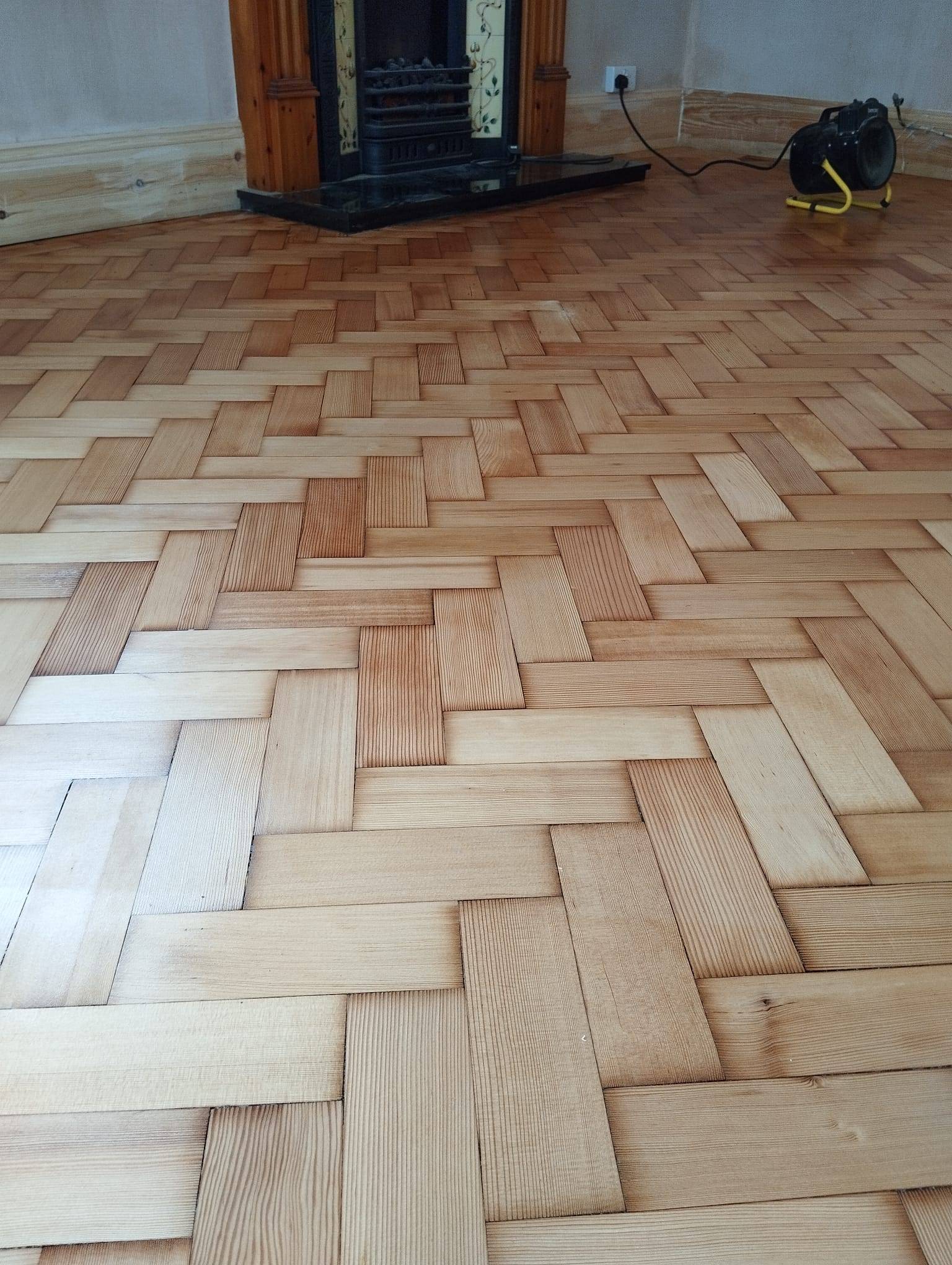
When we talk about Georgian floors, we’re usually talking about solid wood. Back in the day, they didn’t have plywood or engineered wood. It was all about good, honest timber. Oak was a popular choice, known for its strength and beautiful grain patterns. Pine was also common, especially in less formal areas, and it has a softer, warmer look. These woods were often left unfinished or treated with simple oils and waxes, allowing the natural beauty of the timber to shine through. You might also find original flagstones or quarry tiles in kitchens and hallways, adding another layer of historical texture. The way these materials were put together – the wide planks, the pegged joints, the simple but effective construction – speaks volumes about the craftsmanship of the era. It’s a far cry from the mass-produced materials we see today.
Traditional Waxing: A Classic Approach
When we talk about old houses, especially those lovely Georgian ones in Bath, there’s a certain magic to how they were finished. Before all the modern stuff came along, wood floors were often treated with good old-fashioned wax. It wasn’t just about making them shiny; it was a whole process that respected the wood itself.
The Art Of Hand Waxing
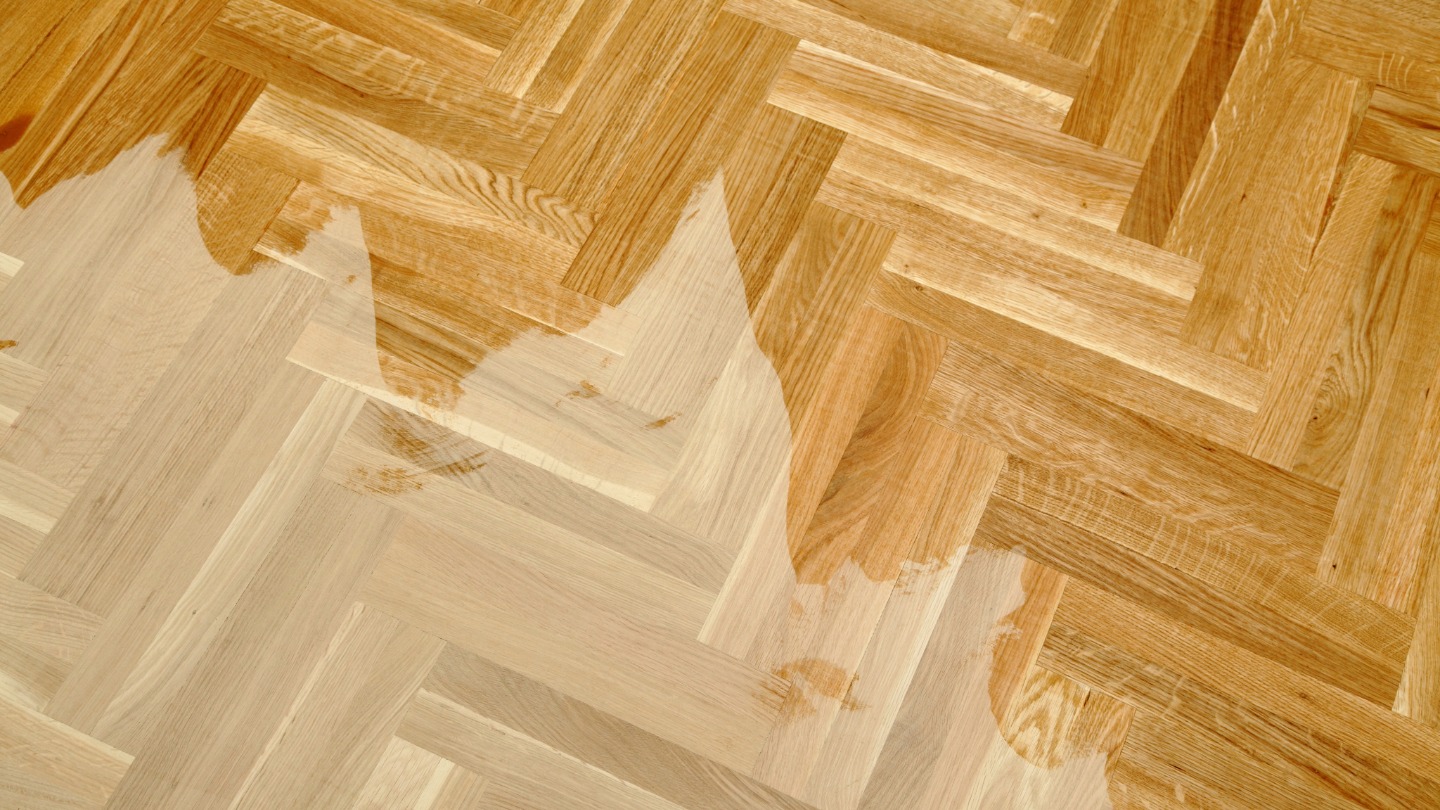
Hand waxing isn’t just slapping some wax on and buffing. It’s more of a craft. You start with a good quality paste wax, usually made from natural ingredients like beeswax and carnauba wax. The trick is to apply it thinly and evenly. You can use a soft cloth or a special applicator. Work it into the grain of the wood. The goal is to build up thin layers over time, not one thick coat. This method really lets the natural beauty of the wood shine through. It’s a bit of a workout, especially on a big floor, but the result is a warm, soft sheen that you just don’t get with other finishes. It feels different underfoot too, a bit more natural.
Benefits Of Natural Wax
Why go with natural wax? Well, for starters, it’s kinder to the environment and to you. No harsh chemicals or fumes to worry about while you’re working. Plus, it smells nice! The main benefit, though, is how it treats the wood. Natural waxes penetrate the wood slightly, offering a bit of protection without sealing it off completely. This means the wood can still ‘breathe’, which is important for older properties. It also gives that lovely, mellow glow that’s so characteristic of historic homes. It doesn’t create a plastic-like surface, so if you get a scratch, it’s usually easier to blend in than with a lacquered floor.
Maintenance Tips For Waxed Floors
Keeping a waxed floor looking good is pretty straightforward, but it does require a bit of regular attention. It’s not a ‘set it and forget it’ kind of finish.
- Regular Dusting: A soft broom or a good quality dust mop is your best friend. Get rid of grit and dust daily if you can, as these can scratch the wax layer.
- Occasional Re-waxing: Depending on how much traffic the floor gets, you’ll need to re-wax every 6-12 months. You don’t need to strip the old wax off every time; just clean the floor well and apply a fresh thin coat.
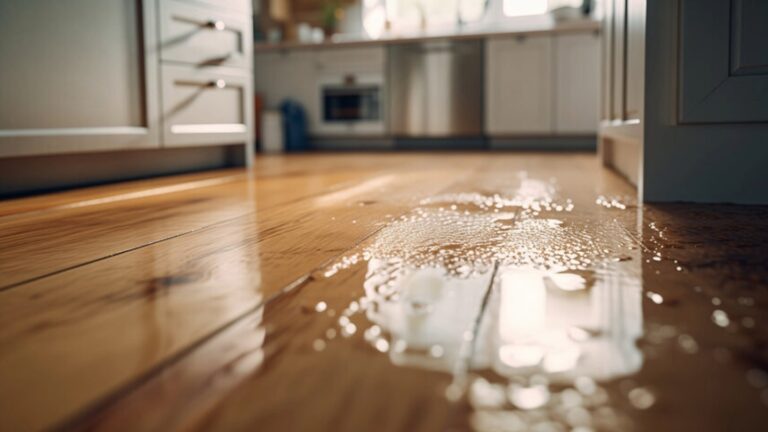
- Spot Cleaning: For spills, wipe them up immediately with a slightly damp cloth. Avoid using too much water, as it can damage the wood and the wax finish.
- Buffing: If the sheen starts to dull, a good buffing with a soft cloth or a floor polisher can bring back the shine. This is where the workout comes in!
Waxed floors are forgiving. Minor scuffs and dull spots can often be buffed out or easily re-waxed without needing to refinish the entire floor. It’s a finish that ages gracefully with your home.
Here’s a quick look at what you might need:
| Item | Purpose |
|---|---|
| Paste Wax | The actual protective and beautifying layer |
| Soft Cloths | For applying and buffing the wax |
| Soft Broom/Mop | For daily dust and dirt removal |
| Floor Polisher | Optional, for bringing back the shine |
Modern Lacquers: Durability Meets Style
What Are Modern Lacquers?
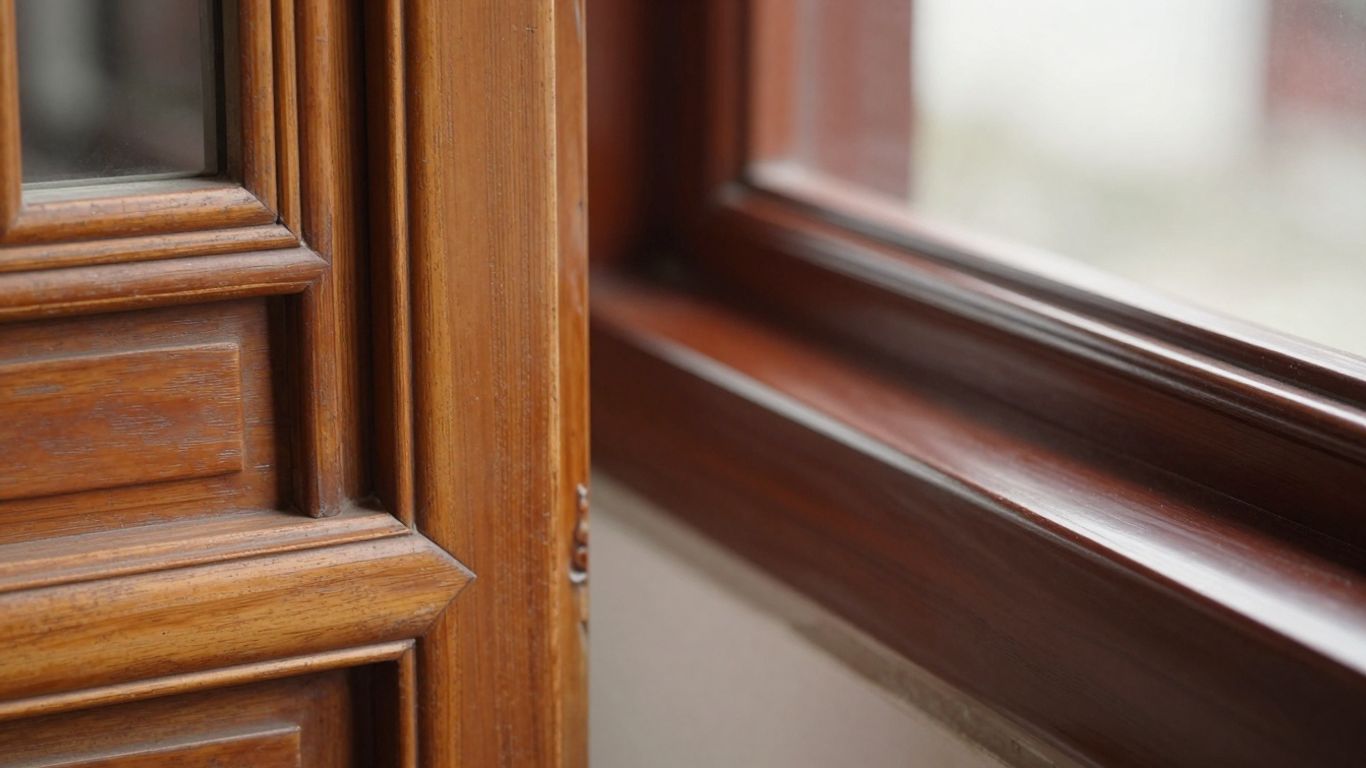
So, you’re thinking about giving your old floors a facelift, but maybe the hand-waxing thing sounds like a bit too much work. That’s where modern lacquers come in. Think of them as a super-tough, protective shield for your wood. Unlike traditional finishes, lacquers are typically synthetic, meaning they’re made in a lab with specific properties in mind. They dry really fast and form a hard, durable surface. They’re basically the modern superhero of floor finishes, built to last.
Pros Of Using Lacquer Finishes
Why would someone choose lacquer over good ol’ wax? Well, there are some pretty solid reasons:
- Toughness: Lacquers are seriously durable. They stand up really well to scuffs, scratches, and spills. This makes them a great choice if you’ve got kids, pets, or just a lot of foot traffic.
- Low Maintenance: Once it’s on, it’s pretty much set and forget for a good while. You don’t need to be constantly buffing or reapplying.
- Variety: You can get lacquers in different sheens, from super matte to high gloss, so you can really dial in the look you want.
- Water Resistance: Many modern lacquers offer better protection against moisture than traditional waxes, which is a big plus.
Choosing The Right Lacquer
Picking the right lacquer can feel a bit overwhelming with all the options out there. Here’s a quick rundown to help you decide:
- Water-based vs. Solvent-based: Water-based lacquers are easier to clean up and have less odor, but solvent-based ones are often tougher. For a historic property like those in Bath, you might lean towards a solvent-based for that extra protection, but check local regulations.
- Sheen Level: Do you want a subtle, natural look (matte or satin) or something that really shines (gloss)?
- Brand Reputation: Stick with well-known brands that have good reviews for durability and ease of use.
When you’re looking at lacquers, pay attention to the VOC (Volatile Organic Compounds) content. Lower VOCs are better for your health and the environment. Some newer formulations are really good at balancing protection with being more eco-friendly.
It’s all about finding that sweet spot between protecting your floors and getting the look you’re after. Lacquers give you a lot of flexibility, which is pretty cool.
Comparing The Two For Your Bath Property
Aesthetic Differences
So, you’ve got these gorgeous Georgian floors in your Bath home, and you’re wondering how wax and lacquer will change their look. It’s a big deal, right? Waxing is like giving your floors a warm hug. It brings out this soft, natural sheen that just feels right for old houses. It’s not super shiny, more of a gentle glow that lets the wood’s character shine through. Think of it as enhancing what’s already there, not covering it up. It can also deepen the color a bit over time, giving it that lovely aged patina.
Lacquer, on the other hand, is a bit more of a statement. It’s usually glossier, and you can get it in different sheens, from a subtle satin to a high-gloss finish that really pops. It can make the wood look brighter and more uniform. If you’re going for a super clean, modern look, lacquer might be your jam. But for that authentic Georgian feel, it can sometimes look a little too… new. It’s like putting a brand-new suit on a historical statue – it might fit, but it changes the whole vibe.
Longevity and Protection
This is where things get interesting. When we talk about how long these finishes last and how well they protect your floors, there are some clear differences. Wax is lovely, but it’s not exactly a superhero when it comes to wear and tear. It offers a decent layer of protection against spills and scuffs, but it wears down, especially in busy areas. You’ll find yourself re-waxing more often, maybe once or twice a year, to keep it looking good and protected. It’s a bit like maintaining a classic car – it needs regular attention.
Lacquer is generally much tougher. It forms a hard, protective film on top of the wood that’s really good at resisting scratches, spills, and general foot traffic. A well-applied lacquer finish can last for many years, often a decade or more, before needing a major refinish. This makes it a great choice for high-traffic areas like hallways or living rooms where the floors get a lot of action. It’s more of a set-it-and-forget-it kind of deal, at least for a good long while.
Ease of Application and Repair
Let’s talk about getting these finishes on your floors and what happens when things go wrong. Hand-waxing is something you can totally do yourself. It’s a bit of elbow grease, sure, but it’s pretty straightforward. You apply the wax, let it dry, and buff it up. If you get a scratch or a dull spot, you can usually just re-wax that area, and it blends right in. It’s very forgiving.
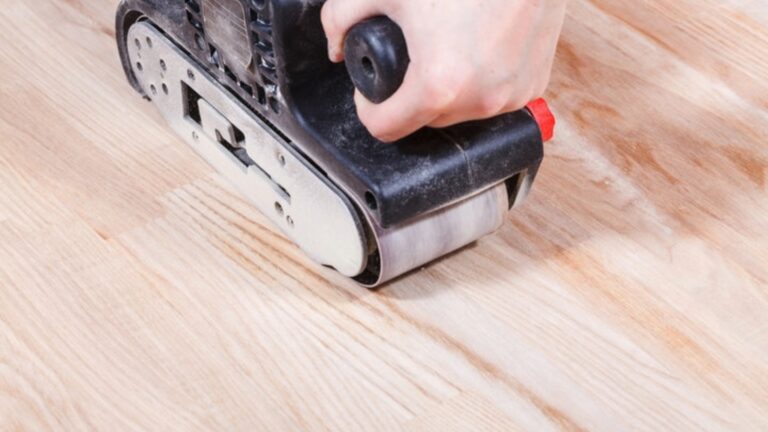
Lacquer application is a different beast. It usually requires professional equipment and a controlled environment to get a smooth, even finish without dust or drips. It’s not really a DIY job for most people. Repairing lacquer can also be trickier. If you get a deep scratch, you might need to sand down the area and re-lacquer it, which can be hard to match perfectly with the surrounding finish. Sometimes, a whole section or even the entire floor might need to be refinished to get it looking right again.
When you’re weighing up wax versus lacquer, think about how much time you’re willing to spend on upkeep versus how much protection you need. It’s a trade-off between that soft, natural look and a more robust, long-lasting shield.
When To Choose Wax Or Lacquer
So, you’ve got these gorgeous old floors in your Bath property, and you’re wondering what the best way is to treat them. It’s not a one-size-fits-all situation, honestly. The choice between traditional waxing and modern lacquers really depends on what you’re going for and what your floors are up against.
Restoring Original Patina
If you’re all about keeping that authentic, aged look, hand-waxing is probably your jam. It’s like giving your floors a gentle hug, bringing out that soft sheen that only comes with time and natural materials. It doesn’t try to hide the floor’s history; it celebrates it. This approach is perfect for floors that already have a beautiful, mellowed look you want to preserve.
- Gentle Sheen: Wax adds a subtle glow, not a high-gloss finish.
- Breathable Finish: Allows the wood to breathe, which is good for older timbers.
- Authentic Feel: It feels more ‘real’ and less ‘plastic-y’ than some lacquers.
Waxing is a bit like wearing a vintage tweed jacket – it’s got character, it’s comfortable, and it tells a story. It’s not about making something look brand new; it’s about making it look its best, old-school style.
High-Traffic Area Solutions
Now, if your floors are in a busy spot – think hallways, kitchens, or living rooms where people are constantly tromping around – you might want to think about lacquer. Lacquers are tough cookies. They create a really hard, protective layer that can stand up to a lot more wear and tear. It’s a more modern solution, for sure, but sometimes practicality wins out.
- Durability: Lacquer offers superior protection against scuffs, spills, and general wear.
- Water Resistance: Many lacquers are more resistant to moisture than wax, which is a big plus in kitchens or entryways.
- Low Maintenance: Once applied, it’s generally easier to clean and requires less frequent reapplication compared to wax.
Budget-Friendly Options
When it comes to cost, it can get a bit tricky. DIY waxing is often the cheapest upfront, especially if you’re just buying a tin of wax and some cloths. However, you’ll need to reapply it fairly regularly, which adds up over time. Lacquer, on the other hand, has a higher initial cost, both for the product and often for professional application. But, because it lasts so much longer, it can actually be more economical in the long run. You’re paying for longevity and reduced upkeep.
| Option | Initial Cost | Long-Term Cost | Reapplication Frequency |
|---|---|---|---|
| Traditional Wax | Low | Medium | Frequent (e.g., 6-12 months) |
| Modern Lacquer | High | Low | Infrequent (e.g., 5-10 years) |
Ultimately, the best choice is the one that fits your lifestyle, your budget, and the specific needs of your beautiful Georgian floors.
Your Bath Floor Restoration Guide
Assessing Floor Condition
Alright, so you’ve got these gorgeous old floors in your Bath property, and you’re thinking about giving them some TLC. The first thing you gotta do is really look at them. Are we talking about just a bit of dullness, or are there deeper issues like scratches, dents, or even some loose boards? Give each area a good once-over. Sometimes, what looks like a big problem is just a surface issue that’s easy to fix. Other times, you might find some real wear and tear that needs more attention. Knowing what you’re dealing with is half the battle.
DIY vs Professional Restoration
This is where you gotta be honest with yourself. Are you the type who loves a weekend project, or do you prefer to call in the pros? For simple waxing or a light refresh, you might be able to handle it yourself. Grab some good quality wax, a soft cloth, and get to it. But if you’re looking at deep scratches, warped boards, or you’re just not sure about the original finish, calling in a specialist is probably a smarter move. They’ve got the tools and the know-how to get it right without messing things up.
Here’s a quick rundown:
- DIY: Good for light cleaning, re-waxing, and minor scuffs. Saves money.
- Professional: Better for deep scratches, structural repairs, and when you want a perfect, long-lasting finish. Might cost more, but often worth it.
Long-Term Care Strategies
Once your floors are looking spiffy, you’ll want to keep them that way. It’s not rocket science, but it does take a little effort. Regular sweeping or vacuuming (with the right attachments!) is key to stop grit from scratching the surface. For spills, wipe them up immediately. Don’t let them sit. Depending on whether you went with wax or lacquer, your cleaning routine will differ. Wax needs buffing now and then, while lacquer usually just needs a damp mop. Think of it like looking after a classic car – a bit of regular maintenance goes a long way.
Thinking about fixing up your bathroom floor? It’s a big job, but totally doable! We’ve put together a simple guide to help you through the process, step-by-step. Ready to make your bathroom floor look amazing again? Visit our website to get started on your floor restoration journey today!
So, What’s the Verdict?
Alright, so we’ve talked about the old-school wax and the newer lacquers. Honestly, it’s not a simple ‘this one’s better’ situation. Wax has that classic feel, you know? It’s what people used for ages, and it looks pretty authentic on those old Georgian places in Bath. But, it needs a lot of upkeep. Lacquer, on the other hand, is way tougher and easier to look after. It’s more modern, sure, but it can still look good if you pick the right kind. Really, it comes down to what you’re going for. If you want that super traditional vibe and don’t mind the extra work, wax might be your jam. But if you need something that’ll last and won’t have you polishing every other weekend, lacquer is probably the smarter move. Think about your property, your budget, and how much time you’ve got before you decide.
Frequently Asked Questions
What’s the big deal with old Georgian floors anyway?
Georgian floors are super special because they’re part of history! These floors were built a long, long time ago, often using really nice wood that’s hard to find today. They have a unique look and feel that adds a ton of character to a home, especially in historic places like Bath.
Is waxing really that different from using modern stuff?
Totally! Hand waxing is like giving your floors a natural hug. It uses stuff like beeswax that lets the wood breathe and keeps its natural beauty. Modern lacquers are more like a tough shield, offering great protection but sometimes hiding the wood’s true soul.
Which one looks better, wax or lacquer?
It really depends on what vibe you’re going for. Wax gives a soft, warm glow that feels really authentic and old-school. Lacquer can give a shinier, more modern look, and it’s great if you want your floors to pop with a bit more gloss. Both can look amazing, just in different ways.
Will wax hold up if my dog runs all over the place?
Good question! For super busy areas with lots of foot traffic, like hallways or kitchens, lacquer is usually the tougher choice. It’s built to resist scratches and spills better. Wax is beautiful, but it might need a bit more touch-up in those high-traffic zones.
Can I just slap some wax or lacquer on myself?
You sure can try! Some people love doing it themselves, especially waxing, which can be pretty satisfying. Lacquer can be a bit trickier to get perfectly smooth and even. If you’re aiming for a super professional finish or have a really big job, calling in the pros is often a smart move.
How often do I need to redo my floors?
It varies! Waxed floors usually need a refresh every year or so, maybe with a quick buff in between. Lacquered floors can last for many years without needing a full redo, though they might get scuffed over time. Keeping them clean is key for both!