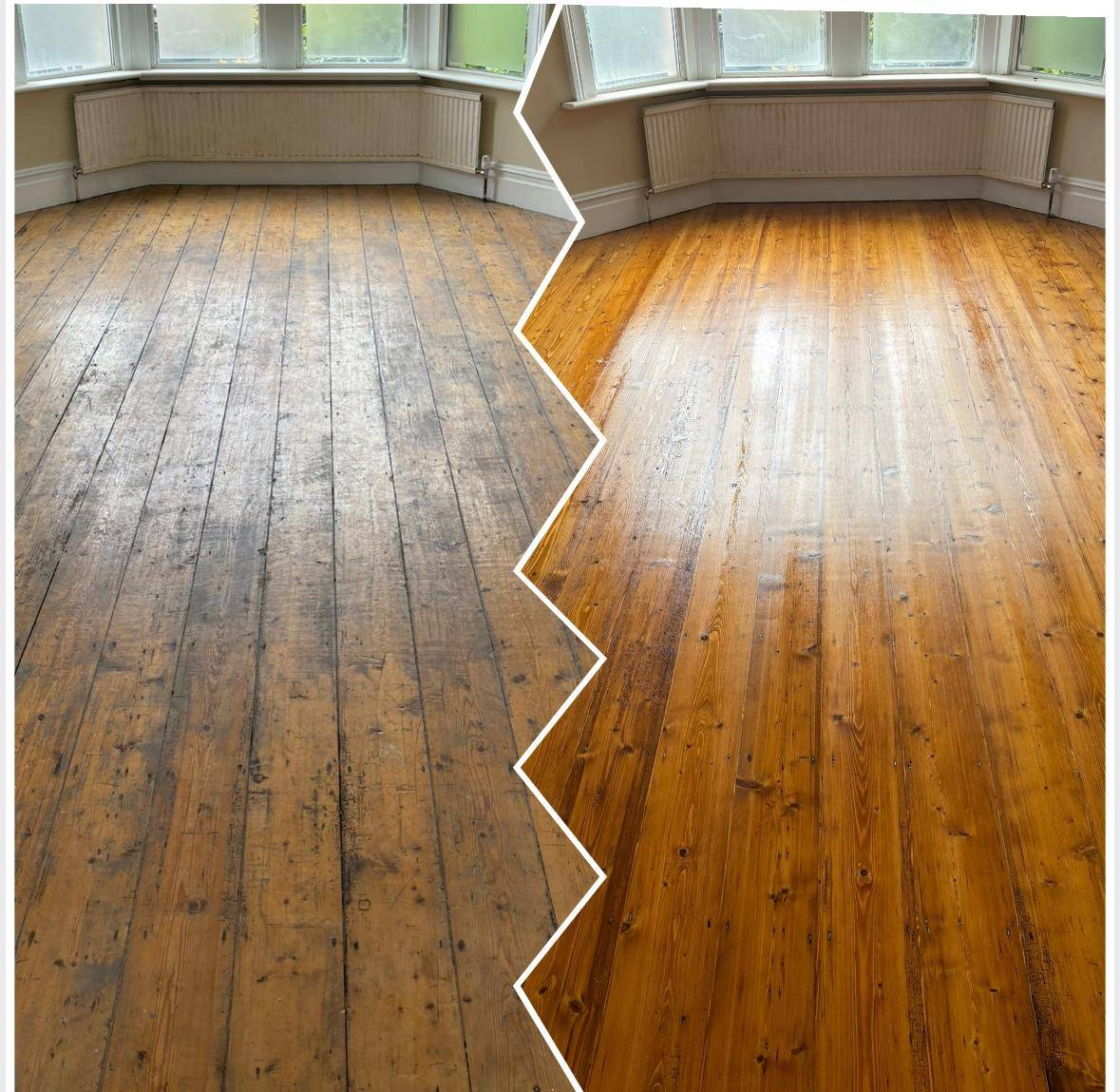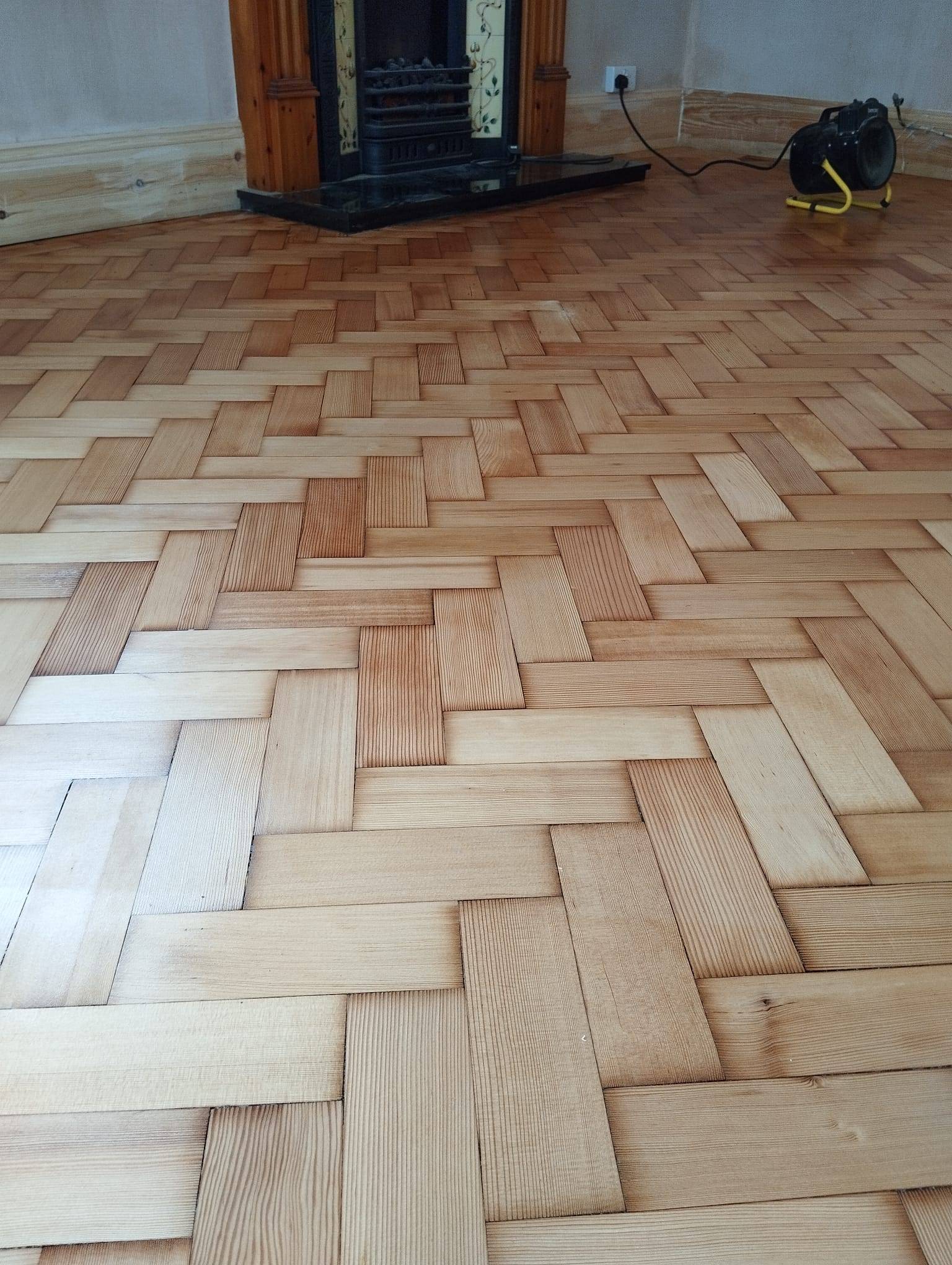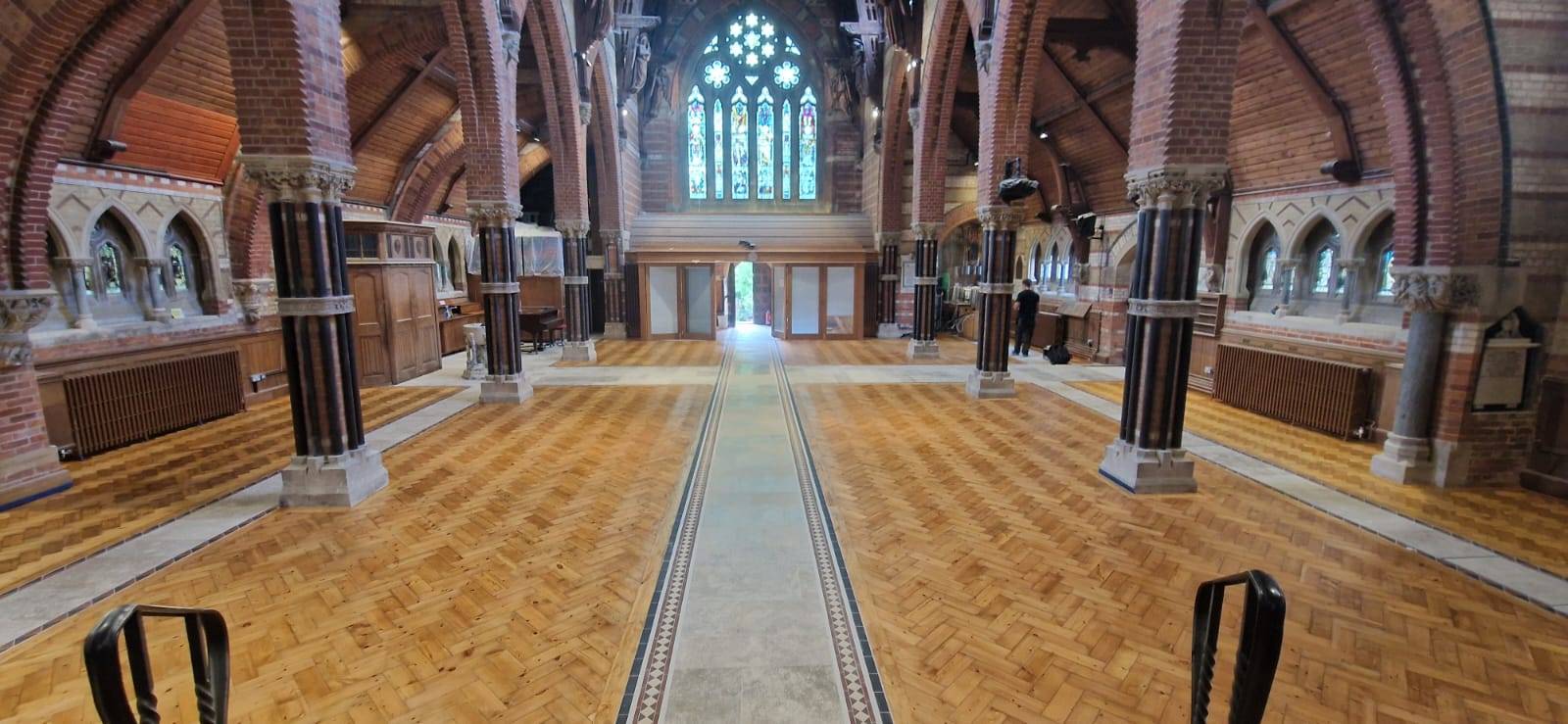
Thinking about giving your old wooden floors a new lease on life? It’s a great idea, but you’re probably wondering about the cost. Especially if you’re in Glasgow, figuring out the price for floor sanding can feel a bit tricky. This guide breaks down what you can expect to pay in 2026, covering everything from basic sanding to more involved repairs, so you can get a clear picture before you start.
Key Takeaways
- The price for floor sanding in Glasgow can change based on the size of the room and the type of wood you have. Expect to pay more for harder woods like oak compared to pine.
- Getting a few quotes is a smart move. Different companies will have different floor sanding prices glasgow, so comparing them helps you find the best deal.
- Don’t forget about extra costs. Things like fixing broken boards, filling gaps, or adding a new stain or oil will add to the total price.
- Preparing your space before the work starts can save time and money. Make sure the room is clear of furniture and anything that could get in the way.
- Sometimes, paying a bit more for a really good job is worth it in the long run. Look for experienced professionals who do quality work, not just the cheapest option.
Understanding Floor Sanding Prices Glasgow
So, you’re thinking about getting your wooden floors looking spiffy again, huh? That’s awesome! But before you get too excited about that shiny new finish, let’s talk about the elephant in the room: cost. Prices for floor sanding in Glasgow can really vary, and it’s not always straightforward. Figuring out what you’ll actually pay involves looking at a few different things.
What Influences Floor Sanding Costs?
It’s not just a flat fee, you know. Several factors play a role in how much a floor sanding job will set you back. Think about the size of the area, obviously. A tiny hallway is going to cost less than a massive living room. Then there’s the condition of the floor itself. Are we talking about a few scuffs, or is it riddled with deep scratches, old paint spills, and maybe even some warped boards? The more work needed, the more time and materials the pros will use, and that adds up.
Average Floor Sanding Prices Glasgow
To give you a ballpark idea, here’s a rough breakdown of what you might expect to pay in Glasgow for just the sanding part. Remember, these are averages and can change based on the specifics of your job.
| Service Type | Average Price (per sq meter) |
|---|---|
| Basic Sanding | £15 – £25 |
| Sanding & Sealing | £25 – £40 |
| Full Restoration | £40 – £60+ |
Factors Affecting Your Quote
Beyond the basics, here are some other things that can nudge the price up or down:
- Type of Wood: Softer woods like pine might be quicker to sand but can also be more prone to damage, requiring a gentler touch. Hardwoods like oak are tougher but can take more effort to sand down.
- Accessibility: If your floor is in a hard-to-reach spot, like a room with lots of built-in furniture or awkward angles, it might take longer for the team to work.
- The Finish: Are you just going for a simple lacquer, or do you want a specific stain or oil? Different finishes have different costs associated with them, both for the product and the labor to apply them.
- Repair Work: If you’ve got damaged boards or gaps that need filling, that’s extra work on top of the sanding.
It’s always a good idea to get a few quotes. Don’t just go for the cheapest one you find. Look at reviews, ask for references, and make sure they’re clear about what’s included in their price. A slightly higher quote might actually be better value if it includes more thorough work or better quality materials.
Understanding these elements should help you get a clearer picture of what to expect when you start getting quotes for your Glasgow floor sanding project.
The Cost of Sanding Different Wood Floors
So, you’ve decided to give your wooden floors a new lease on life. That’s awesome! But not all wood floors are created equal, and the type of wood you have can actually make a difference in how much sanding will cost. Let’s break down what you might expect for some common types of wood flooring here in Glasgow.
Pine Floor Sanding Expenses
Pine is a softer wood, which means it’s generally easier and quicker to sand compared to hardwoods. This often translates to lower costs. However, because it’s softer, it can also be more prone to dents and scratches, so the sanding process might need a bit more care to get it looking perfect. You might find that the labour time is less, but sometimes the materials needed to fix up older, softer wood can add a bit to the bill.
Oak Floor Sanding Expenses
Oak is a classic for a reason – it’s tough and looks amazing when restored. Because it’s a hardwood, sanding oak can take a bit longer and require more robust equipment. This usually means the labour costs will be a bit higher than for pine. But, the durability of oak means it holds up really well to sanding and refinishing, giving you a fantastic result that lasts.
Engineered Wood Floor Sanding Costs
This one can be a bit trickier. Engineered wood has a top layer of real wood (like oak or pine) over a core of plywood or high-density fiberboard. The thickness of that top wood layer is key. If it’s thick enough, it can be sanded and refinished just like solid wood. However, if the top layer is very thin, sanding might not be an option, or it could be a very delicate process. Always check with your floor specialist about the wear layer before assuming it can be sanded. If it can be sanded, the cost will be similar to solid wood of the same species, but if it’s too thin, you might be looking at other restoration methods or even replacement.
Here’s a rough idea of what you might be looking at, but remember, these are just estimates:
| Floor Type | Estimated Cost Per Square Meter (Sanding Only) |
|---|---|
| Pine | £15 – £25 |
| Oak | £20 – £35 |
| Engineered (Sandable) | £20 – £35 |
Keep in mind that these prices are for sanding alone. Any repairs, gap filling, or staining will add to the final cost. It’s always best to get a few quotes tailored to your specific floor.
Beyond Sanding: Additional Restoration Services
So, you’ve got your floors all sanded and looking fresh. That’s a big step! But sometimes, sanding alone isn’t quite enough to bring those old beauties back to life. There are a few other things you might want to consider to really make your wooden floors shine.
Repairing Damaged Floorboards
It’s pretty common for older floors to have a few issues. Maybe a board is cracked, has a nasty gouge, or is just plain loose. Don’t worry, most of these problems can be fixed. A good floor restorer can replace individual boards, mend splits, or re-secure any wobbly bits. This kind of repair work is key to a safe and good-looking floor. It might add a bit to the overall cost, but it’s usually worth it to avoid bigger problems down the line.
Gap Filling For A Seamless Finish
Over time, floorboards can shrink, leaving little gaps between them. While some people like that rustic look, others prefer a smooth, uniform surface. If you’re going for the latter, gap filling is your friend. Professionals use a special putty or a mix of wood dust and resin to fill these spaces. It makes the floor feel more solid underfoot and stops dust and dirt from getting trapped in those nooks and crannies. It really makes a difference in how polished the final result looks.
Staining And Oiling Options
After sanding, your wood floor is basically a blank canvas. You can leave it natural, which gives a light, airy feel. Or, you can go for a stain to change the colour. Want a richer, darker tone? Or maybe something a bit warmer? Stains can do that. Then there’s the finish. You’ve got options like lacquer, wax, or oil. Oil finishes are pretty popular because they soak into the wood, giving it a natural look and feel while still protecting it. They also make it easier to do touch-ups later on if needed.
Here’s a rough idea of what these extras might cost:
| Service | Estimated Cost (Glasgow, 2026) |
|---|---|
| Board Replacement (per board) | £20 – £40 |
| Minor Repairs (hourly) | £30 – £50 |
| Gap Filling (per sqm) | £15 – £30 |
| Staining (per sqm) | £10 – £25 |
| Oiling (per sqm) | £10 – £20 |
Remember, these are just ballpark figures. The actual price will depend on the condition of your floor and the specific products used. Always get a detailed quote!
These extra services might seem like a lot, but they can totally transform your floor. Think about what look you’re going for and what your floor actually needs. Sometimes, a little extra attention is all it takes to go from ‘okay’ to ‘wow’.
Getting The Best Value For Your Floor Sanding
Tips For Finding Affordable Services
So, you’re ready to give your old wooden floors a new lease on life, but you don’t want to break the bank. Smart move! Getting a good deal on floor sanding in Glasgow is totally doable. First off, don’t just call the first company you find. Shop around a bit. Get quotes from at least three different places. This gives you a solid baseline for what’s a fair price and what’s not. Ask friends, family, or neighbors if they’ve had work done recently and can recommend someone. Word-of-mouth referrals are often gold.
When you’re getting quotes, be super clear about what you need. Are you just looking for a basic sand and seal, or do you need repairs too? The more details you give upfront, the more accurate the quote will be, and the less likely you are to get surprise charges later. Also, ask if there are any off-peak times or deals they might be running. Sometimes, booking a bit outside the busiest season can save you some cash.
- Always get written quotes. Verbal agreements can lead to misunderstandings.
- Check online reviews, but take them with a grain of salt. Look for patterns, not just one or two bad reviews.
- Ask about their experience with your specific type of wood floor.
When To Splurge On Premium Restoration
While saving money is great, sometimes it’s worth paying a bit more. If your floors have significant damage – think deep gouges, warped boards, or extensive rot – a cheaper service might just do a quick fix that won’t last. You might need a specialist who has the tools and know-how to really fix those issues properly. Investing in a higher-quality restoration upfront can save you money in the long run by preventing further damage and the need for more costly repairs down the line.
Think about it like this: if you have a really old, valuable antique piece of furniture, you wouldn’t take it to just anyone for repair, right? Your floors can be the same. If they’re a key feature of your home and you want them to look amazing for years, a bit of extra investment in a top-notch service might be the way to go. This often includes using better quality finishes or more detailed repair work.
Comparing Floor Sanding Prices Glasgow Quotes
Once you’ve got those quotes in hand, it’s time to compare. Don’t just look at the bottom line number. Break down what’s included in each quote. Does one include gap filling while another charges extra? Is the type of finish the same across all quotes? Make sure you’re comparing apples to apples.
Here’s a quick way to look at it:
| Service Item | Quote A | Quote B | Quote C |
|---|---|---|---|
| Floor Sanding | £X | £Y | £Z |
| Repair Work (Est.) | £X | £Y | £Z |
| Gap Filling | £X | £Y | £Z |
| Staining/Oiling | £X | £Y | £Z |
| Total Estimated | £XX | £YY | £ZZ |
Look for transparency. A good tradesperson will be happy to explain their pricing and what each part of the job entails. If a quote seems too good to be true, it probably is. It might mean they’re cutting corners on materials or labor, which you definitely don’t want.
Always ask for references or examples of their previous work, especially for projects similar to yours. Seeing the quality of their past jobs can tell you a lot about what you can expect for your own floors.
Preparing Your Home For Floor Restoration
Alright, so you’ve decided to give your old wooden floors a new lease on life. That’s awesome! But before the sanding machines roll in and the magic happens, there’s a bit of prep work on your end. Think of it like getting ready for a big party – you want everything to be just right so the main event goes off without a hitch. Getting your space ready makes the whole process smoother for everyone involved, especially the pros doing the work.
Clearing the Space for Sanders
This is probably the biggest one. Those floor sanders are big, noisy, and they need room to move. We’re talking about getting furniture out of the room where the work is happening. If you have heavy sofas, beds, or dining sets, you’ll need to shift them. Sometimes, people move everything into another room, or if it’s a big job, you might need to store some items off-site. Don’t forget about smaller items too – think bookshelves, plants, lamps, and rugs. Anything that’s on the floor needs to go.
- Heavy Furniture: Sofas, beds, wardrobes, dining tables.
- Medium Furniture: Bookshelves, cabinets, desks.
- Small Items: Rugs, floor lamps, plants, decorative items.
- Wall-Mounted Items: If anything is very close to the floor and might get in the way, consider temporarily removing it.
Protecting Your Belongings From Dust
Here’s the deal: floor sanding creates dust. A lot of dust. Even with the best dust containment systems the sanders have, some fine particles are going to escape. It’s just the nature of the beast. So, you’ll want to protect anything you can’t move or anything you want to keep extra clean. Think about covering up electronics, artwork, or anything with delicate fabrics. Plastic sheeting and painter’s tape are your best friends here. Seal off doorways to other parts of the house too, if you can, to stop the dust from spreading too far.
You might think, ‘It’s just a bit of dust, I can wipe it up later.’ But trust me, this dust is fine and gets everywhere. It’s better to be a little over-prepared than to spend days cleaning dust out of electronics or off your favorite curtains.
What To Expect During The Process
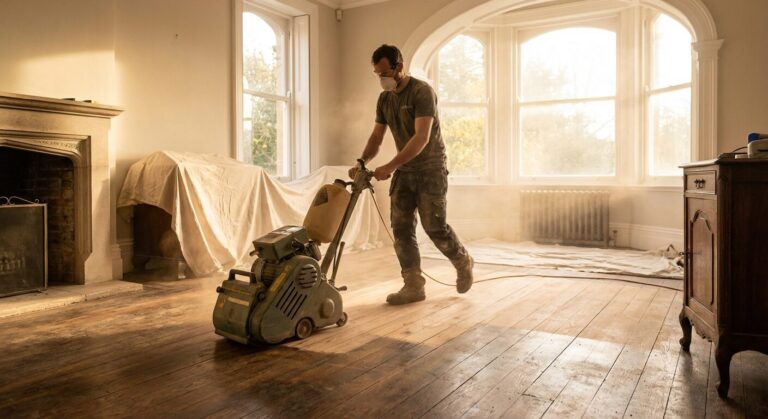
Knowing what’s coming can make it less stressful. The sanding itself usually takes a day or two per room, depending on the size and condition of the floor. You’ll hear a lot of noise – it’s not quiet work! There will be dust, even with containment. The smell of freshly sanded wood is pretty nice, though! After sanding, the floor might look a bit raw and pale. Then comes the finishing stage – staining, oiling, or lacquering. This part also involves drying times, so you might not be able to walk on the floor for a bit. Your contractor will give you the exact timeline for this.
- Day 1 (or first part): Initial sanding to remove old finishes and level the wood.
- Day 1-2: Finer sanding stages and possibly gap filling.
- Day 2-3 (or later): Application of chosen finish (stain, oil, lacquer). Drying time is key here.
- Final Day: Final coat application and curing. You’ll get instructions on when you can move furniture back and walk on the floor.
Before we start fixing up your floors, it’s a good idea to get your home ready. This means moving furniture and clearing out the areas where we’ll be working. Taking these simple steps helps us do a better job and finish faster. Want to know more about how to prepare? Visit our website for a full guide!
So, What’s the Bottom Line?
Alright, so we’ve gone over the numbers for getting those old wood floors looking spiffy again in Glasgow for 2026. It’s not exactly pocket change, but honestly, seeing those floors brought back to life? Pretty darn worth it. You’ve got a range of prices depending on the work needed, from a simple buff-up to a full-on sanding and refinishing job. It’s always a good idea to get a few quotes from different local pros to make sure you’re getting a fair deal. Think about what you want your floors to look like and what your budget can handle. Doing your homework now means you’ll end up with beautiful floors you can enjoy for years without any nasty surprises.
Frequently Asked Questions
How much does it usually cost to sand a wooden floor in Glasgow?
The price can change depending on a few things, like the size of the room and the type of wood. But generally, you’re looking at roughly £30 to £60 per square meter for basic sanding. This often includes a simple finish, but more fancy stuff will cost extra.
What makes floor sanding prices go up or down?
A few things play a role! The size of your floor is a big one, of course. Also, the condition of the wood matters a lot – if there are lots of scratches or damaged boards, it’ll take more work. The type of wood itself can affect the price too, with some woods being harder to sand than others.
Do different kinds of wood floors cost different amounts to sand?
Totally! Softer woods like pine are usually cheaper to sand because they’re easier to work with. Harder woods, like oak, might cost a bit more. Engineered wood can sometimes be a bit trickier too, depending on how it’s made.
What if my floor has damage? Does that cost more?
Yep, if you’ve got loose boards, deep scratches, or missing bits, fixing those will add to the total cost. It’s like getting a repair done before the main job. But honestly, it’s usually worth it to get a smooth, even finish.
Can I get my floor stained or oiled after sanding, and how much is that?
You sure can! Staining or oiling gives your floor a whole new look and extra protection. These services usually cost extra on top of the sanding price. The cost depends on the product used and the number of coats they apply.
How can I find a good deal on floor sanding in Glasgow?
The best way is to get a few quotes from different companies. Don’t just go for the cheapest one right away; check reviews and see what’s included in their price. Sometimes paying a little more for a really experienced pro is worth it in the long run.