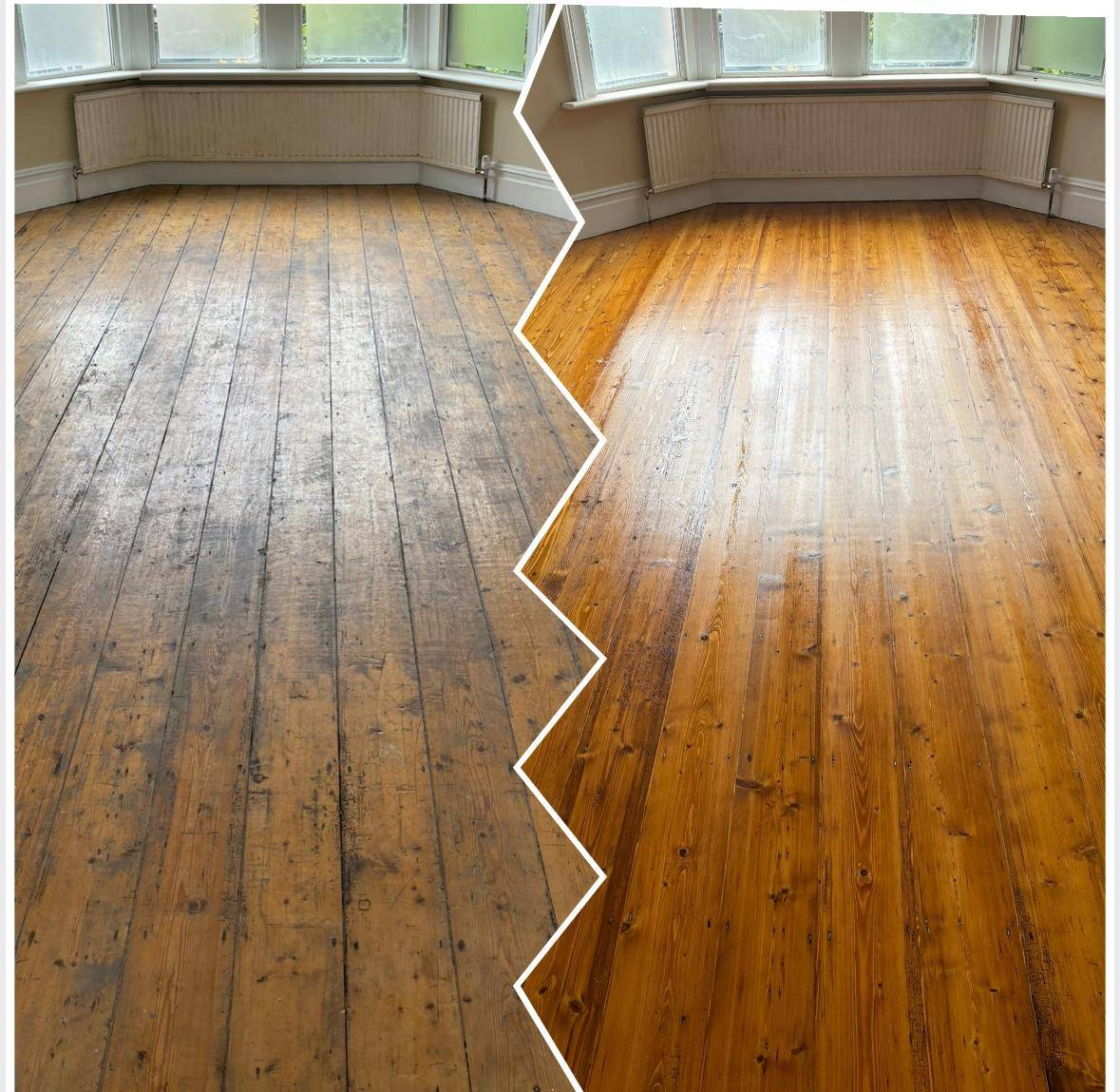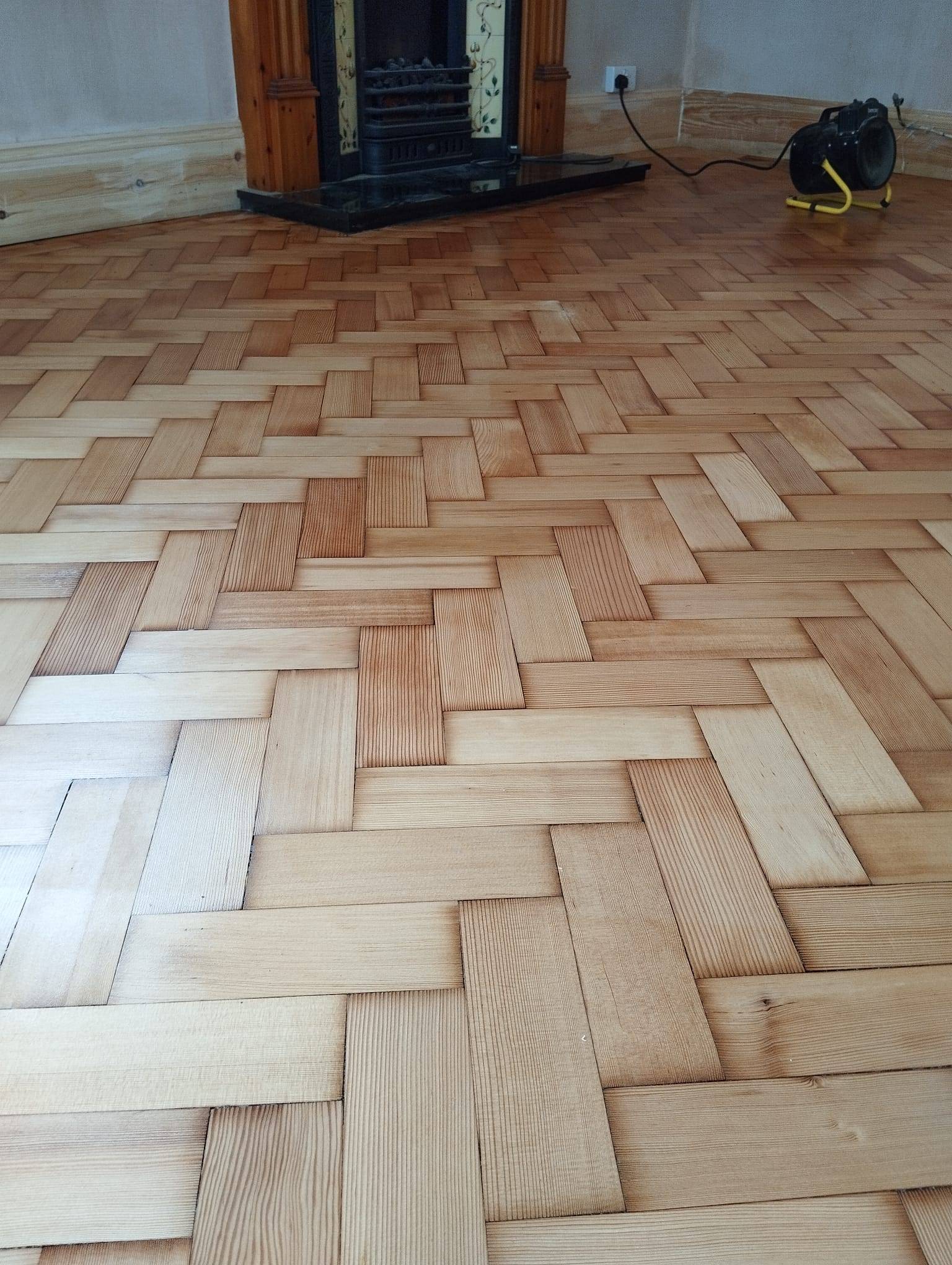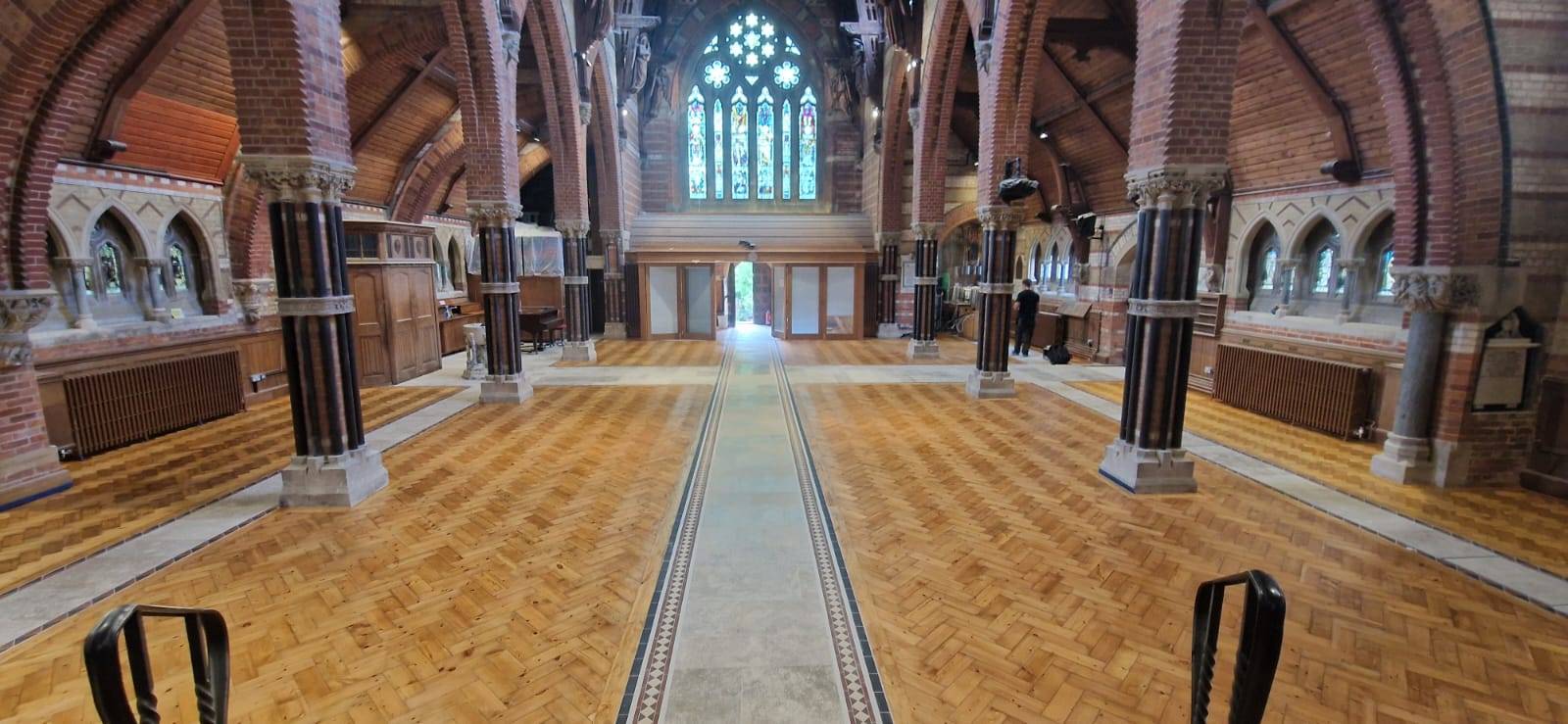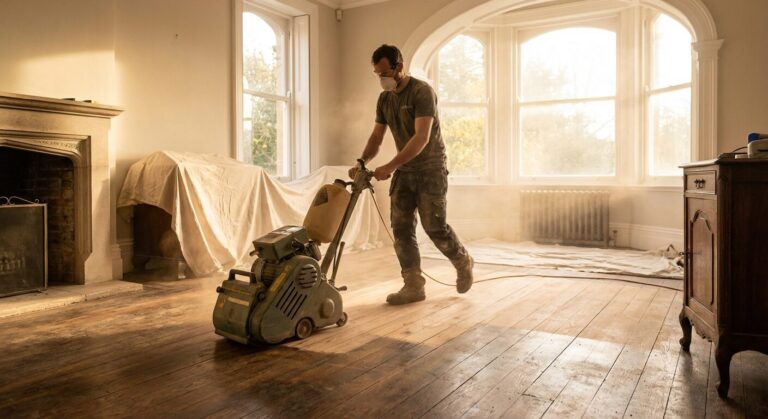
So, you’re dealing with a house where multiple people live, like an HMO, and you’re thinking about fixing up the floors? It’s a good time to think about soundproofing, especially with rules changing. Getting the HMO floor restoration requirements right is a big part of making sure everyone’s happy and you don’t run into problems later. Let’s break down what you need to know to get your floors sorted and keep the peace.
Key Takeaways
- Soundproofing is a big deal in HMOs to keep tenants from getting annoyed by noise. It’s not just a nice-to-have anymore.
- Rules about sound are getting stricter, so you need to know the latest HMO floor restoration requirements to stay on the right side of the law.
- Picking the right materials for your floors, like good underlay or special layers, makes a huge difference in blocking sound.
- How you put the floors in matters just as much as what you use. Pay attention to details like sealing edges and getting the subfloor ready.
- Doing the soundproofing right from the start saves you money and headaches down the road, and makes your property more appealing to renters.
Understanding HMO Floor Restoration Requirements
When you’re dealing with a House in Multiple Occupation (HMO), especially one that needs floor work done, there are some specific things you’ve got to pay attention to. It’s not just about making the place look good; it’s about making sure it’s a decent place to live for everyone under one roof. And with the rules changing, especially around soundproofing, getting this right is a big deal.
The Crucial Role of Soundproofing in HMOs
Think about it: multiple people or families living close together. Noise is bound to be an issue. Without good soundproofing, you’ve got a recipe for unhappy tenants. Annoying sounds traveling between flats – footsteps from above, TVs from next door – can really make life difficult. Good sound insulation isn’t just a nice-to-have; it’s a requirement for a peaceful living environment. It helps keep the peace, literally, and stops small annoyances from blowing up into bigger problems. Plus, it’s a big part of meeting the building regulations, which we’ll get into.
Navigating Evolving Regulatory Landscapes
Building rules, especially for places like HMOs, tend to get updated. The government keeps an eye on things like safety and living standards, and soundproofing is definitely part of that. For 2026, the focus on Part E of the Building Regulations, which covers sound, is pretty strong. This means that when you’re doing work on floors in HMOs, you can’t just slap down any old carpet. You need to be aware of what the current standards are and how your floor restoration project fits in. Ignoring these regulations can lead to fines or having to redo the work, which costs way more time and money. It’s better to get it right the first time.
Key Considerations for HMO Floor Restoration
So, what should you be thinking about when you’re planning floor restoration in an HMO?
- The existing structure: What kind of floor are you working with? Is it timber joists, concrete, or something else? This affects how you can add soundproofing.
- The type of noise: Are you more worried about footsteps (impact sound) or voices and music (airborne sound)? Different solutions work better for different types of noise.
- Tenant impact: How will the work affect the people living there? Can you do it with minimal disruption, or will people need to move out temporarily?
- Budget: Soundproofing materials and proper installation can add to the cost, so you need to factor that into your plans from the start.
- Future-proofing: Are you doing enough now to meet current and potential future regulations? It’s smart to aim a bit higher than the absolute minimum if you can.
Achieving Part E Soundproofing Compliance
So, you’re looking to get your HMO floors up to scratch with Part E of the Building Regulations? It sounds a bit technical, but really, it’s all about making sure people living in different flats or rooms aren’t driving each other crazy with noise. We’re talking about two main types of sound that cause issues: impact noise and airborne noise.
Defining Acceptable Sound Levels
Part E sets out specific limits for how much sound can travel between dwellings. It’s not about silence, but about reducing noise to a level that’s generally acceptable. Think of it as a baseline for peace and quiet. The regulations specify maximum sound pressure levels (dB) that are allowed. For impact sound, like footsteps or dropped items, there’s a limit on the ‘normalised impact sound pressure level’ (L’nT,w). For airborne sound, like voices or music, it’s about the ‘weighted sound reduction index’ (Rw).
Strategies for Impact Sound Reduction
Impact sound is that thudding noise you hear when someone walks upstairs or drops something. It travels through the structure of the building. To tackle this, you need to put something soft between the noisy floor and the ceiling below. This usually means adding a good quality acoustic underlayment or a floating floor system. The idea is to absorb the shock before it can travel through the building’s structure.
- Floating floors: These are essentially a new floor laid on top of the existing structure, with a resilient layer in between. This layer isolates the new floor from the structure below.
- Acoustic underlayments: These are specialised mats or boards placed directly on the subfloor. They compress underfoot, absorbing some of the impact energy.
- Carpet and underlay: While not a complete solution on its own, a thick carpet with a dense underlay can help reduce impact noise, especially in less critical areas.
Addressing Airborne Sound Transmission
Airborne sound is what travels through the air – voices, TV, music. This type of noise can sneak through gaps, cracks, and even thin walls or floorboards. To stop it, you need to add mass and seal up any holes. Think of it like building a better barrier.
- Adding mass: Denser materials block sound better. This could mean adding extra layers of plasterboard (especially acoustic-grade) to ceilings or floors.
- Sealing gaps: Even small gaps around pipes, wires, or at the edges of rooms can let a lot of sound through. Using acoustic sealant or mineral wool to fill these spaces is really important.
- Resilient channels: These metal strips are attached to joists or ceilings and then the plasterboard is screwed to them. They create a small air gap and help decouple the plasterboard from the structure, reducing sound transmission.
Material Selection for Effective Sound Insulation
When you’re working on HMO floors, picking the right materials makes a big difference for soundproofing. It’s not just about slapping down some carpet; you’ve got to think about how sound travels and how to stop it. We’re talking about keeping noise from bothering neighbors, which is a pretty big deal in multi-occupancy places.
Choosing Appropriate Underlayments
Think of underlayment as the first line of defense. It sits right under your finished floor and helps soak up some of the impact noise, like footsteps. Not all underlayments are created equal, though. Some are just foam, which is okay for comfort but not great for sound. You want something denser, maybe made from recycled rubber or felt. These materials have more mass and can absorb more sound energy.
- Rubber underlayments: Often made from recycled tires, these are dense and durable. They’re good at stopping impact sound.
- Felt underlayments: These can also be effective, especially thicker, denser types.
- Foam underlayments: Generally the cheapest, but usually the least effective for soundproofing.
The Benefits of Resilient Layers
A resilient layer is key to decoupling the floor finish from the structure. This means sound has a harder time traveling through the building’s frame. Imagine putting a spring between two hard surfaces – that’s kind of what a resilient layer does. It creates a bit of give, which stops vibrations from passing through easily. This is especially important for impact sound, like someone dropping something or walking heavily.
Integrating Mass-Loaded Vinyl Solutions
Mass-loaded vinyl (MLV) is a heavy, flexible material that’s really good at blocking sound. It’s thin but dense, so it adds a lot of mass without taking up much height. You can lay it directly on the subfloor or even between layers of flooring. Adding MLV is one of the most effective ways to boost the soundproofing performance of a floor. It’s particularly useful for stopping airborne sound, like voices or music, from traveling between units. It’s not the cheapest option, but for serious sound reduction, it’s often worth the investment.
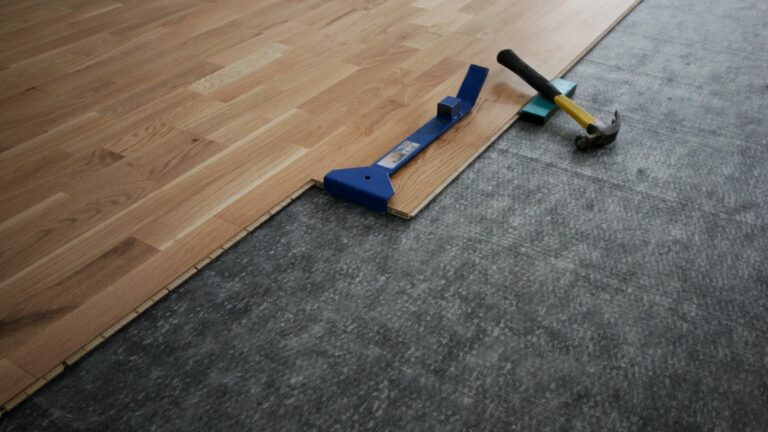
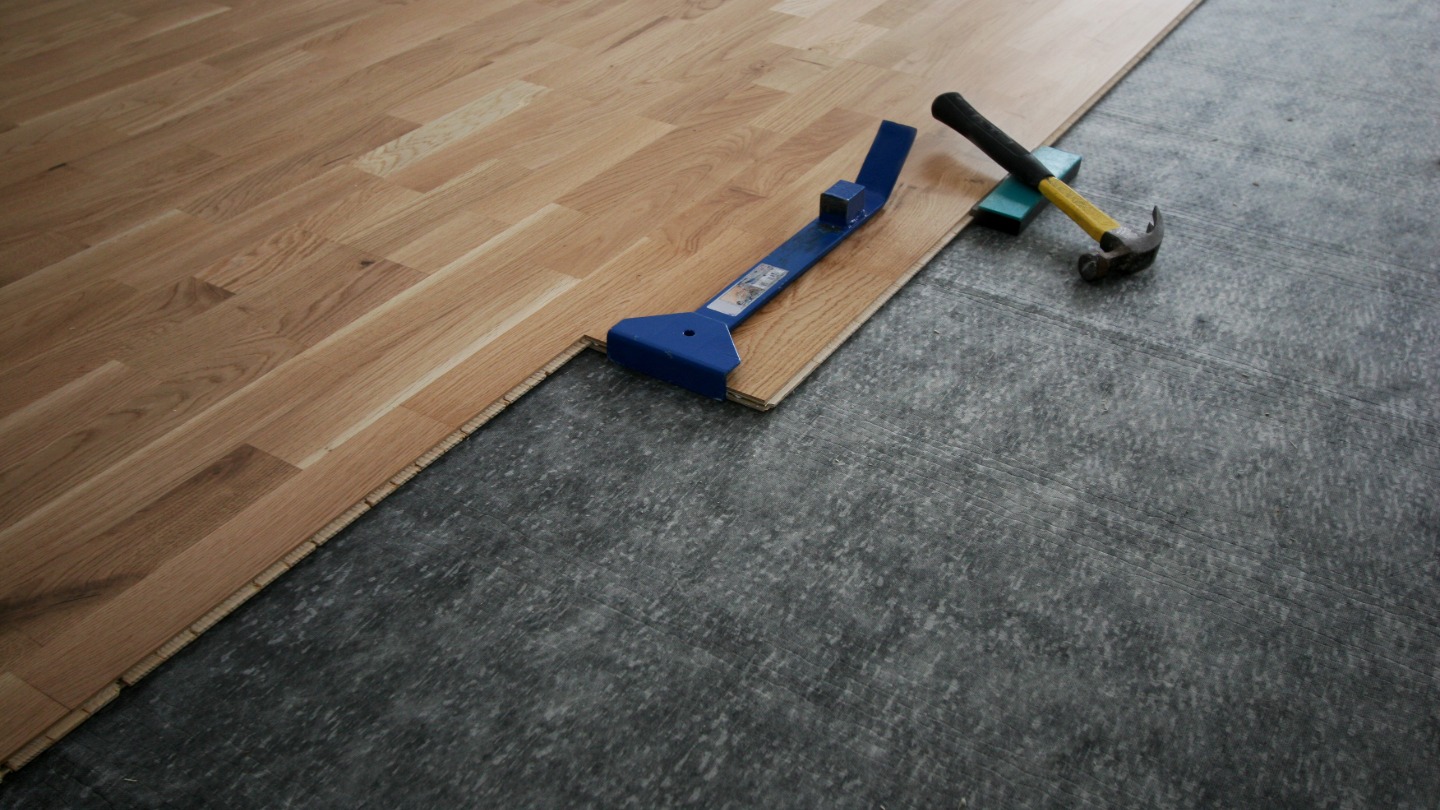
Installation Best Practices for HMO Floor Restoration
Alright, so you’ve picked out the right materials for your HMO floor project, which is great. But honestly, even the best stuff won’t work right if it’s not put in properly. Think of it like building a house – the foundation and how you put the walls up really matter, right? It’s the same deal with soundproofing. Getting this part wrong can mean you’re back to square one, dealing with noise complaints and unhappy tenants. So, let’s talk about how to get it done right.
Ensuring Proper Joist and Subfloor Preparation
Before you even think about laying down new flooring or soundproofing layers, you’ve got to get the base ready. This means checking out your floor joists and the subfloor. Are the joists solid? Any signs of rot or damage? You’ll want to fix any weak spots. The subfloor needs to be flat and stable. If it’s warped or has big gaps, you’ll need to level it out or replace damaged sections. A good, solid base is the first step to good sound insulation. Uneven surfaces or loose subfloors can create little pathways for sound to travel, which is exactly what we’re trying to stop.
Proper Sealing of Gaps and Perimeters
Sound is sneaky. It finds any little crack or opening to get through. That’s why sealing up gaps is super important. We’re talking about the edges where the floor meets the walls, around pipes, and any other penetrations. Use acoustic sealant for these areas. It stays flexible, which is good because buildings move a bit. Don’t just use regular caulk; it dries out and cracks. Make sure you’re not just slapping it on; get a good bead that fills the whole gap. This might seem like a small detail, but it makes a big difference in stopping airborne sound.
The Importance of Professional Installation
Look, I get it. DIY can save money. But when it comes to soundproofing for HMOs, especially meeting Part E standards, it’s often worth bringing in the pros. They know the ins and outs of different materials and how they work together. They’ve got the tools and the experience to spot potential problems you might miss. Plus, many soundproofing warranties require professional installation. If you’re not totally confident in your skills or the complexity of the job, hiring someone who does this for a living can save you headaches and money down the road. It’s about getting it right the first time.
Addressing Common Challenges in HMO Soundproofing
So, you’re tackling soundproofing in an HMO, and things aren’t going as smoothly as you’d hoped? That’s pretty normal, actually. These older buildings, especially multi-occupancy ones, come with their own set of quirks that can make getting Part E compliant a bit of a puzzle. Let’s break down some of the usual suspects and how to deal with them.
Mitigating Noise Through Shared Services
Think about all the pipes, wires, and ductwork running through your HMO. These aren’t just functional; they’re also noise highways. Sound can travel right along them, bypassing even the best floor treatments. It’s like having a secret tunnel for noise to sneak into your quiet zones.
- Identify the culprits: First, figure out where the shared services are most active and where they’re causing the most noise. Is it the bathroom pipes, the heating system, or ventilation shafts?
- Wrap it up: Use acoustic lagging or specialised pipe insulation. This stuff is designed to absorb sound and vibrations. Don’t skimp here; a good wrap makes a big difference.
- Box it in: For larger runs or noisy equipment, consider building acoustic boxing. Use dense materials like plasterboard, maybe with a layer of mass-loaded vinyl (MLV) in between, and make sure it’s sealed up tight. Remember, any gaps let sound escape.
- Isolate it: Where pipes or ducts pass through walls or floors, use acoustic grommets or resilient clips. This breaks the direct connection, stopping vibrations from traveling through the structure.
Overcoming Structural Limitations
Older HMOs weren’t built with modern soundproofing standards in mind. You might have uneven joists, gaps in the subfloor, or just a general lack of structural mass. These issues can really mess with your soundproofing efforts.
- Level the playing field: Before you lay down any new flooring or underlayment, make sure your subfloor is as flat and stable as possible. You might need to add plywood or a self-leveling compound to fill in dips and high spots.
- Fill the gaps: Any cracks or holes between floorboards or around the edges of the room are sound leaks. Use acoustic sealant or expanding foam to fill these. Getting these small details right is often more important than the big stuff.
- Add some weight: If your floor structure feels a bit flimsy, adding mass can help. This could mean installing an extra layer of dense board, like 18mm MDF or plywood, over the existing subfloor. Just be mindful of the added weight and floor height.
Maintaining Acoustic Integrity During Renovations
It’s easy to accidentally undo your hard work when you’re renovating. Drilling holes for new electrical outlets, running cables, or even just moving materials around can create new pathways for sound.
- Plan ahead: Think about where services will go before you start ripping things up. Try to group them or run them through less sensitive areas.
- Seal as you go: Every time you make a hole for wiring or plumbing, seal it up properly with acoustic sealant. Don’t wait until the end; it’s much harder to find and fix them later.
- Protect your work: During construction, cover your newly installed soundproofing layers with protective sheeting. This stops them from getting damaged by dropped tools or heavy materials, which could compromise their effectiveness.
The Long-Term Value of Compliant HMO Flooring
So, you’ve gone through the trouble of getting your HMO floors up to scratch with Part E soundproofing. That’s a big win, right? But it’s not just about ticking a box for the council. Doing this right actually pays off in the long run, in ways you might not have thought about.
Enhancing Tenant Satisfaction and Retention
Think about it from a renter’s perspective. Nobody wants to hear every footstep from the flat above or the muffled sounds of the TV next door. When your property is quiet and peaceful, people are just happier living there. This means they’re less likely to move out when their lease is up. Happy tenants stick around, which cuts down on the time and money you spend finding new ones. Plus, good reviews often mention the quiet atmosphere, which helps attract even more good tenants.
- Reduced noise complaints: Fewer calls from tenants about disturbances.
- Higher tenant loyalty: People stay longer when they’re comfortable.
- Positive word-of-mouth: Good reputation brings in more reliable renters.
Avoiding Costly Remediation Work
Cutting corners on soundproofing now can come back to bite you later. If your property doesn’t meet the standards, you could face fines or even be told to stop renting it out until you fix it. And trust me, ripping up floors to add soundproofing after the fact is a massive headache and a huge expense. It’s way cheaper and easier to get it right the first time. Plus, a property that’s already compliant is much easier to sell if you ever decide to move on.
Maximising Property Investment Returns
Ultimately, a well-maintained, compliant HMO is a better investment. Properties that offer a higher quality of living, including good sound insulation, can often command slightly higher rents. More importantly, they are seen as more stable, lower-risk assets. Lenders and potential buyers look favorably on properties that meet all regulations and offer a good living experience. This can lead to better financing options and a stronger resale value down the line. It’s about building a property that’s not just compliant today, but valuable for years to come.
Choosing the right flooring for your rental property, especially a House in Multiple Occupation (HMO), is super important. Good flooring isn’t just about looks; it’s about making sure it lasts a long time and stays safe for everyone living there. When you pick flooring that meets all the rules and is built to last, you’re saving yourself money and hassle down the road. It means fewer repairs and happier tenants. Want to learn more about making smart flooring choices for your HMO? Visit our website today!
Wrapping It Up
So, we’ve talked a lot about soundproofing for HMOs, especially with those Part E rules coming up. It’s not just about slapping some plasterboard up; it’s about getting it right, especially when you’re dealing with floors. Doing it properly means fewer headaches down the line, fewer complaints from tenants, and honestly, just a better place for everyone. If you’re thinking about renovations or just need to get your property up to code, looking into floor soundproofing solutions is a smart move. It might seem like a bit of a chore now, but trust me, it’ll pay off. Don’t leave it until the last minute; get it sorted and have peace of mind.
If you want this doing
This is the sort of detail that separates a proper job from a cheap one. We cover Bristol and Bath in full, Thornbury, Yate, Gloucester and Cheltenham among them.
Ring 01823 674562 if that is easier, or start with wood floor sealing and areas we cover.
Related guides
- Wood Floor Restoration & Building Regulations Part L 2026: What Homeowners Need to Know
- Acoustic Sealing for Wood Floors: Meeting New Build Standards in 2026
- Managing Noise Regulations During Flat Refurbishment Sanding
Frequently Asked Questions
Why is soundproofing so important for HMOs?
Think about living in a building with lots of people. If the floors aren’t soundproof, you’ll hear everything – footsteps, dropped items, music. It can get really annoying! Good soundproofing means peace and quiet for everyone, making the place a much nicer home.
What exactly is Part E soundproofing?
Part E is basically a set of rules in the UK that say how well floors, walls, and ceilings need to block sound. It’s all about making sure noise doesn’t travel too easily between different homes in the same building, especially in places like HMOs where lots of people live close together.
What’s the difference between impact sound and airborne sound?
Impact sound is the noise you make when you walk, jump, or drop something – it travels through the structure. Airborne sound is like talking, music, or TV – it travels through the air. Both need to be dealt with to make a place soundproof.
What kind of materials help block sound?
You’ll want materials that are dense and heavy, like special boards or vinyl sheets. Also, using things that can absorb shock, like rubber or foam underlay, is super helpful for stopping those thudding noises from footsteps.
Do I really need a professional to do the floor restoration?
While you might be tempted to DIY, getting it right is tricky. Professionals know how to seal all the little gaps, make sure the subfloor is perfect, and install everything correctly. It’s often worth the money to avoid problems later on.
How does fixing my floors help my rental business?
Happy tenants are good tenants! When people aren’t bothered by noise, they’re more likely to stay longer and recommend your property. Plus, doing it right the first time saves you from expensive repairs down the road if the soundproofing fails.