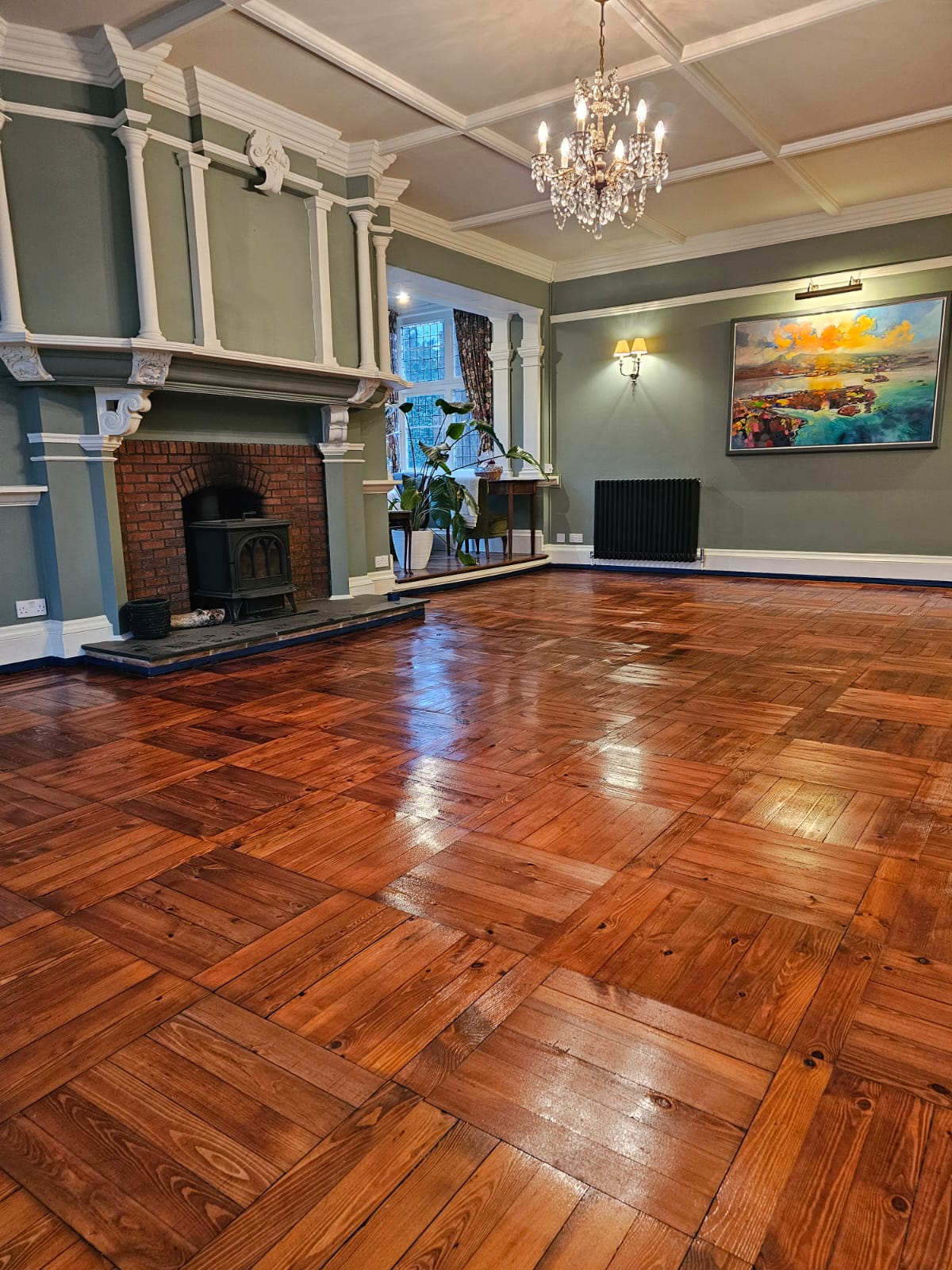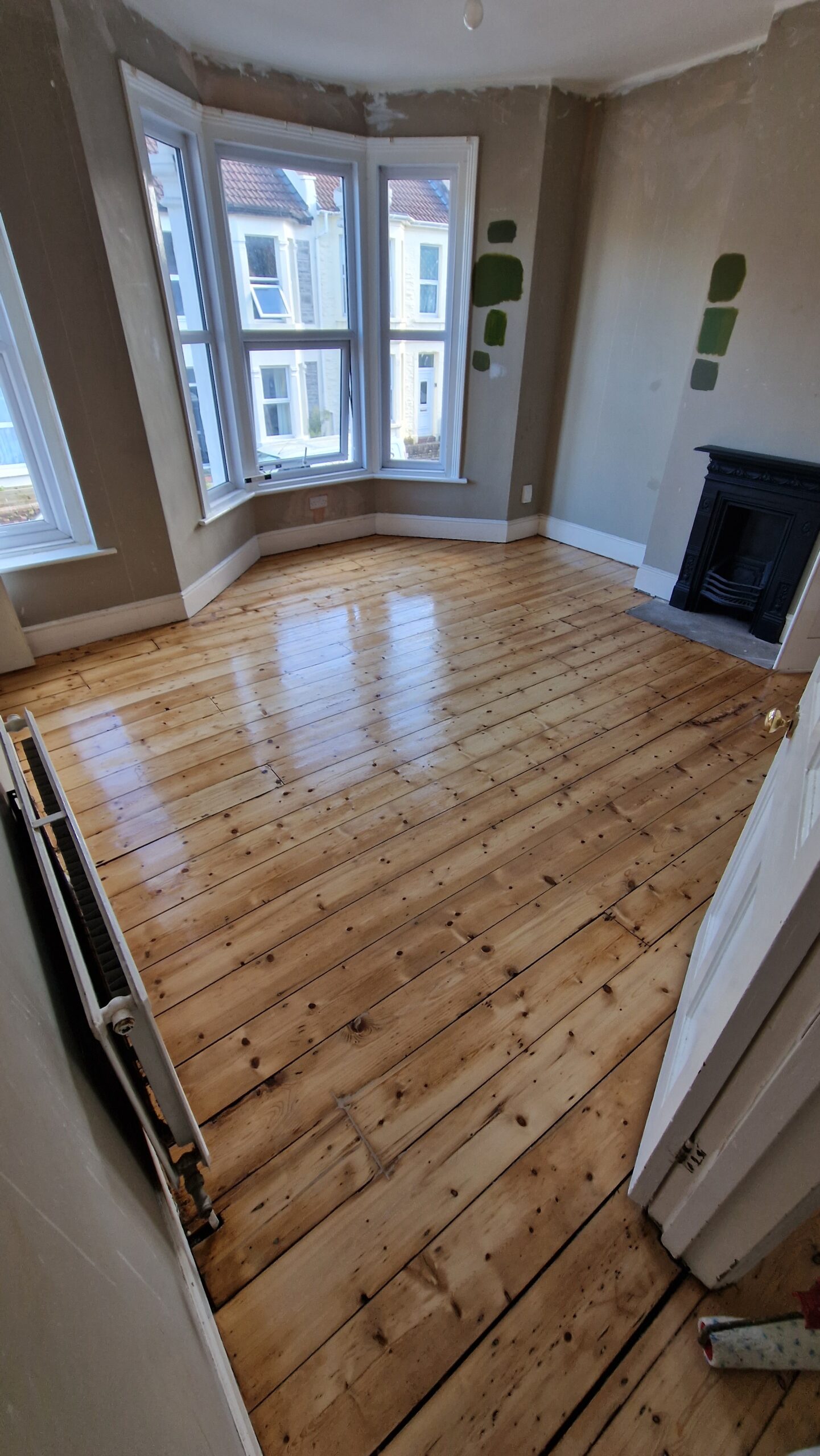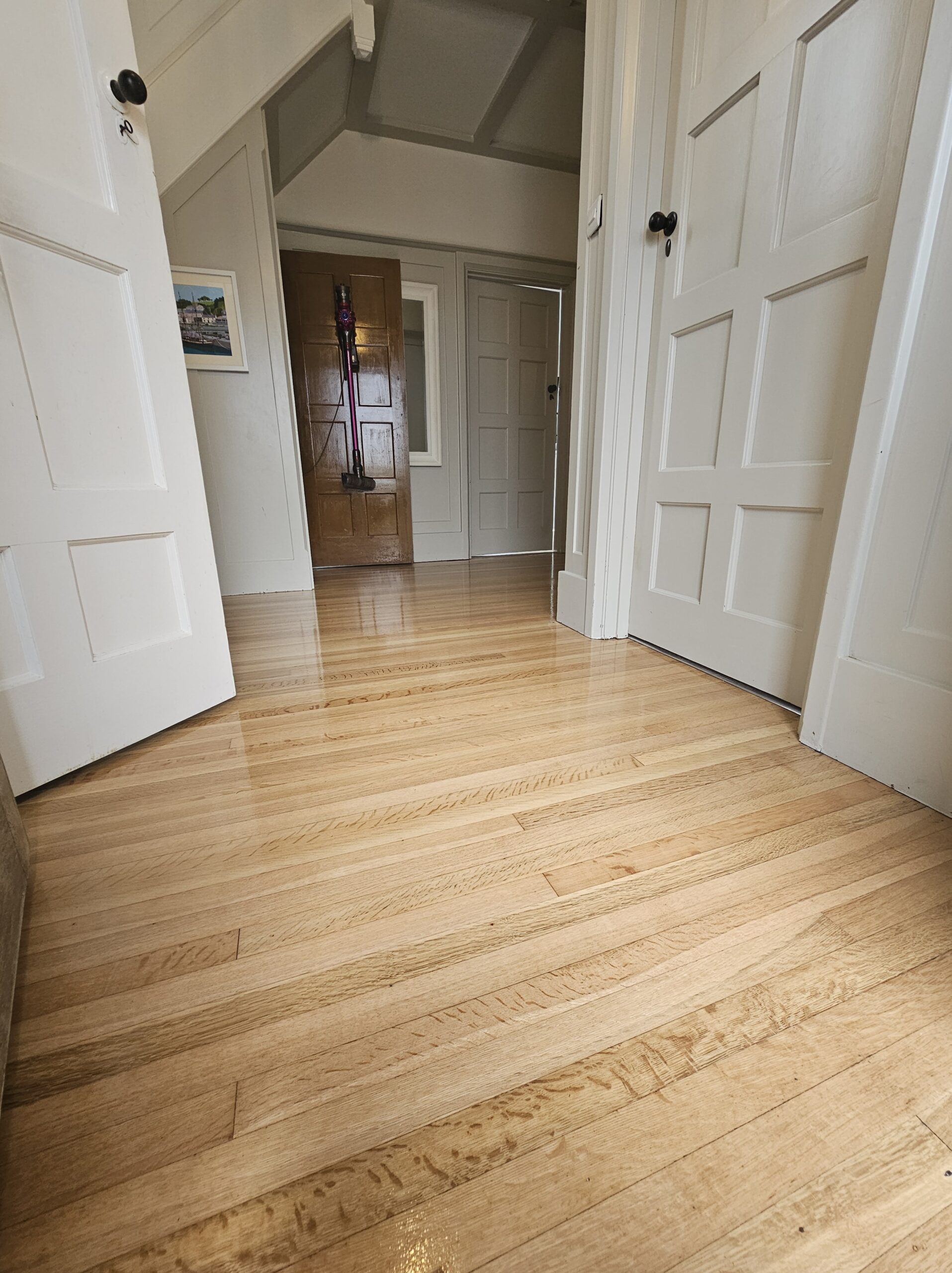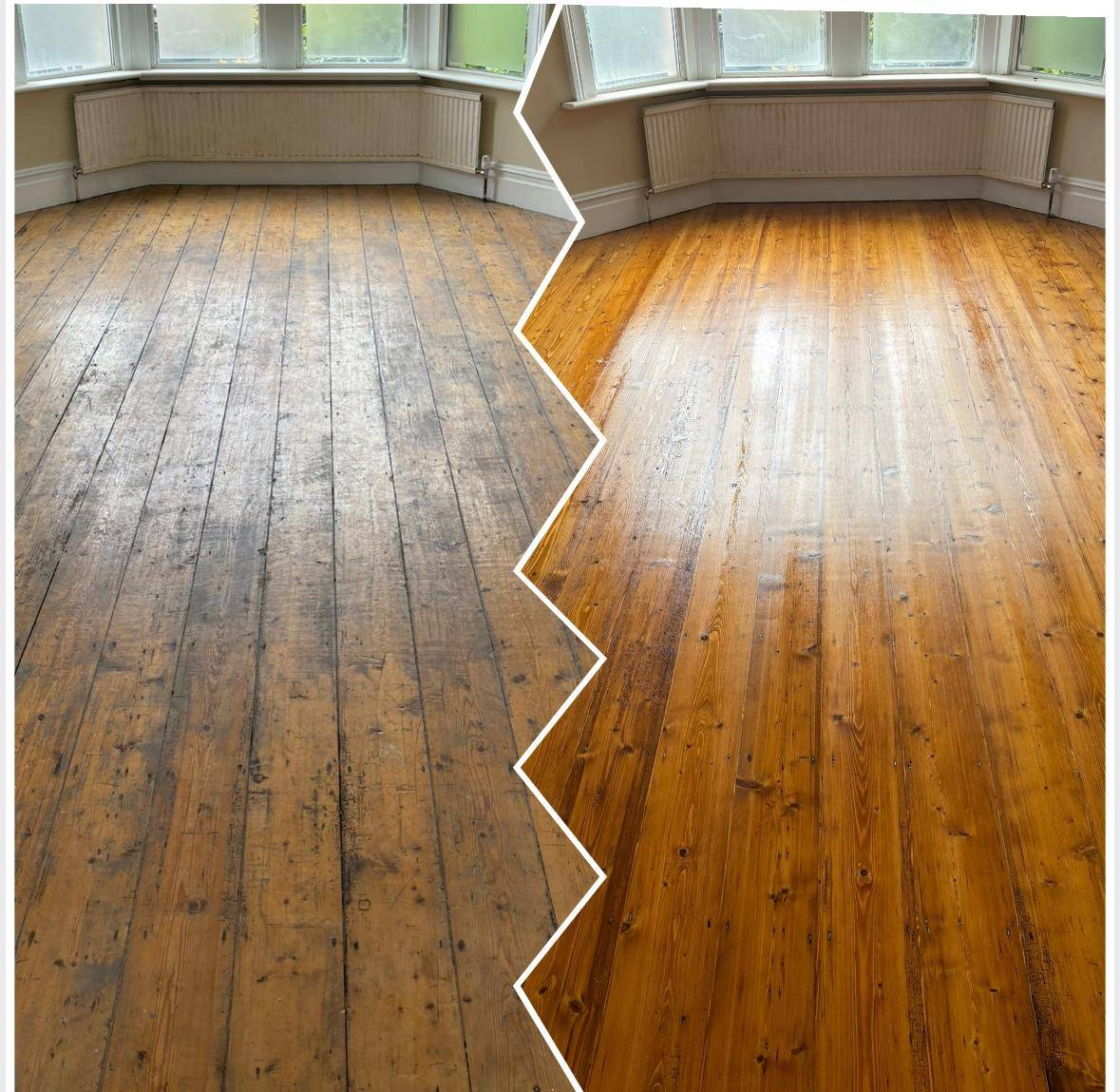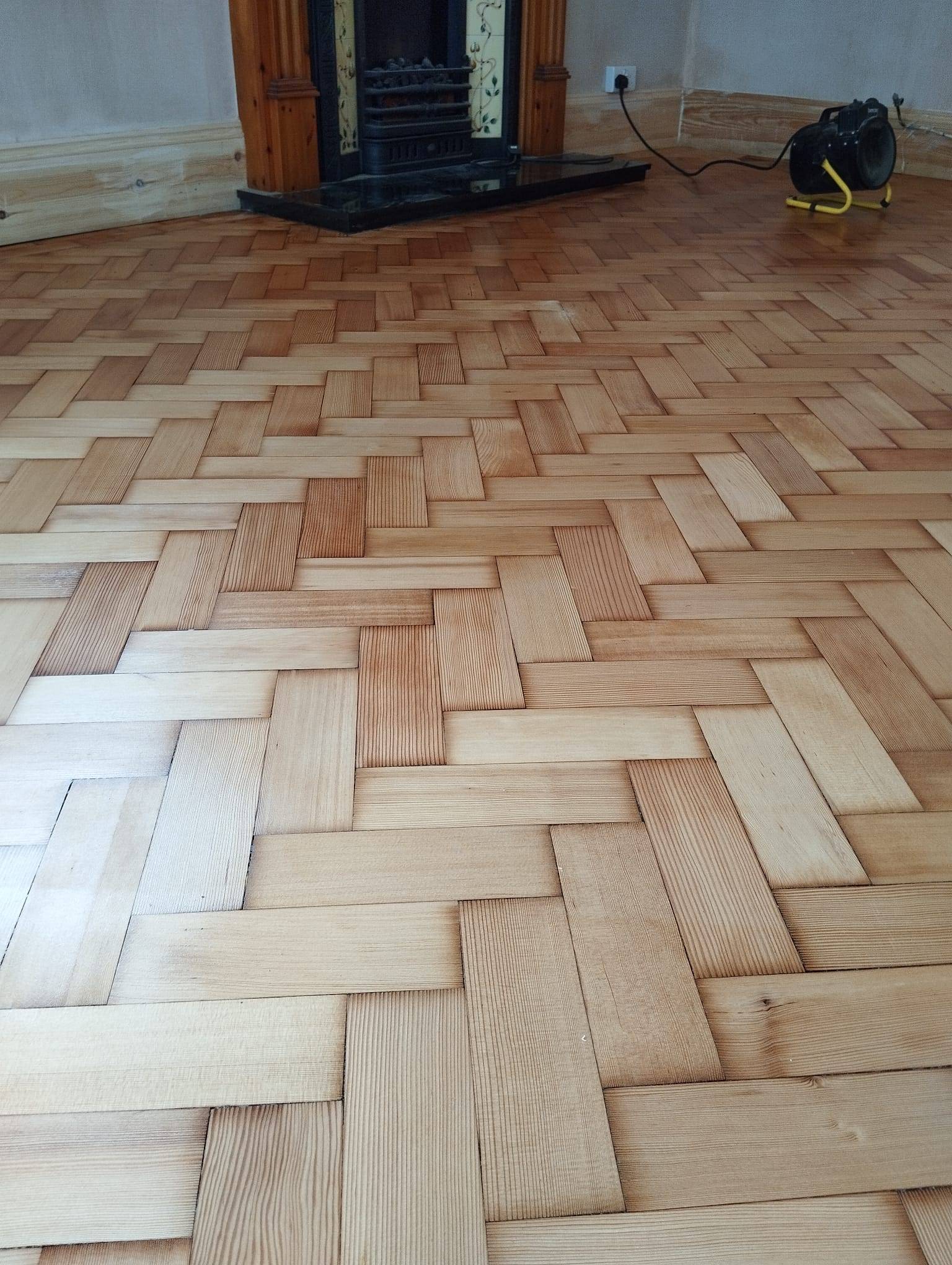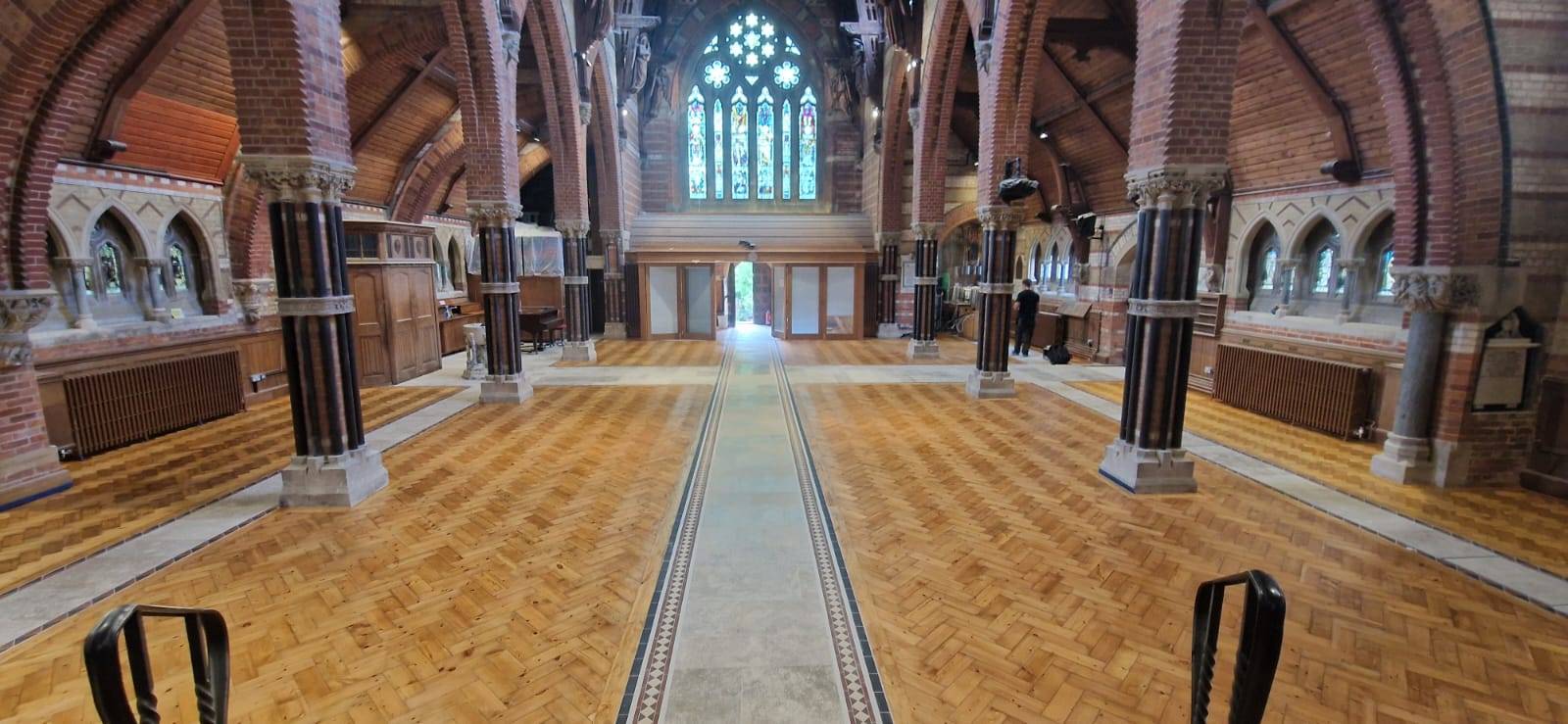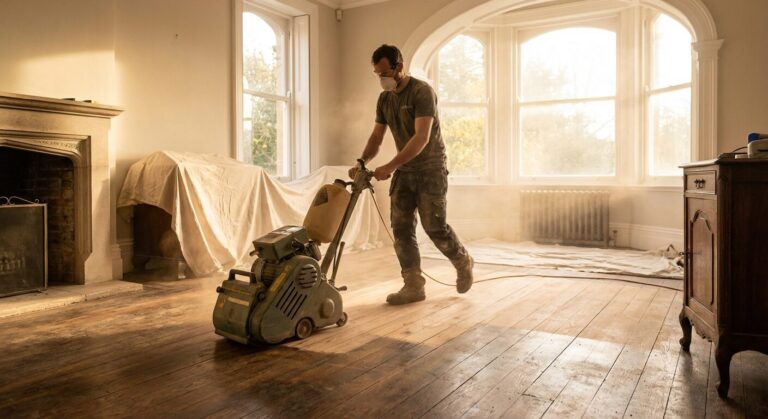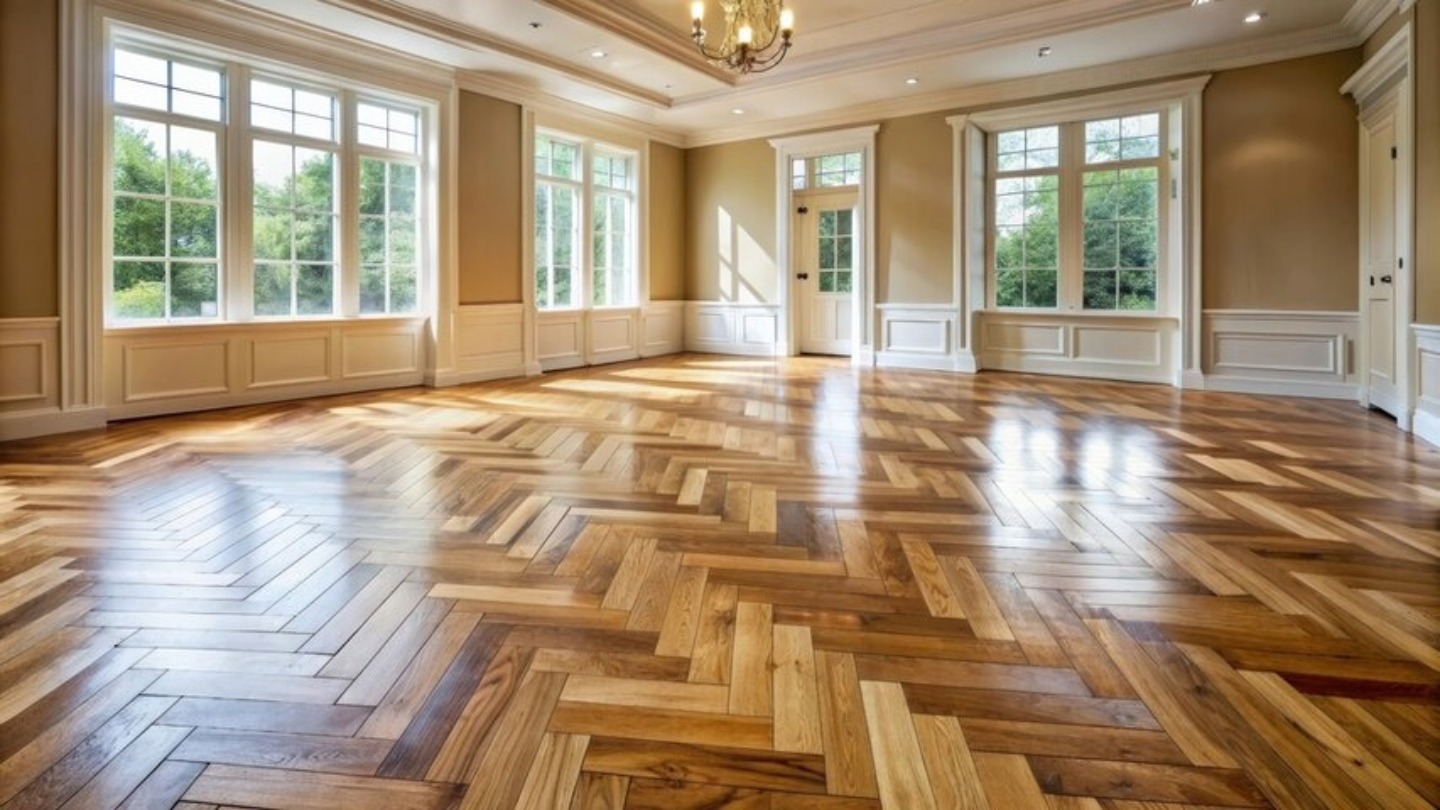
Thinking about getting your old wooden floors looking good again? It’s more than just a quick sand and polish. There’s a whole set of rules, called BS 8201 flooring standards, that pros follow to make sure the job is done right. If you’re looking to restore your wood floors, understanding why these standards matter is a big deal. It’s about making sure your floors don’t just look good now, but stay that way for ages. Let’s talk about what BS 8201 flooring standards mean for your wood floor restoration project.
Key Takeaways
- BS 8201 flooring standards are the go-to guide for wood floor work, covering everything from how floors are put down to how they’re looked after.
- Following these standards helps make sure your restored wood floors will last a long time and keep looking great, avoiding problems down the road.
- Good restoration means prepping the surface right, using the best finishes, and fixing or replacing bits properly, all according to the BS 8201 flooring standards.
- When you hire someone who knows the BS 8201 flooring standards, you get peace of mind knowing the job is done to a high level, protecting your investment.
- Keeping your wood floors in good shape long-term involves regular cleaning and checks, sticking to the advice that comes with the BS 8201 flooring standards.
Understanding BS 8201:2011 Flooring Standards
So, what exactly is BS 8201:2011 all about when it comes to wood floors? Think of it as the rulebook, or a set of guidelines, that professionals follow to make sure wood flooring is put in and looked after correctly. It’s not just about making things look pretty; it’s about making sure your floor lasts and stays safe.
The Core Principles of BS 8201:2011
At its heart, BS 8201:2011 focuses on a few key ideas. It’s all about creating a stable, durable, and safe wood floor. This means looking at everything from the subfloor it’s going on, to the type of wood used, and how it’s all put together. The standard aims to prevent common problems like warping, squeaking, or finishes wearing out too quickly. It covers:
- Subfloor Preparation: Making sure the base is level, dry, and sound.
- Moisture Content: Checking that the wood and the subfloor are at the right moisture levels before installation.
- Fixing Methods: Using the right adhesives, nails, or screws for the specific type of wood and subfloor.
- Expansion Gaps: Allowing space for the wood to expand and contract with changes in temperature and humidity.
Scope and Applicability for Wood Flooring
This standard really digs into different types of wood flooring. Whether you’re dealing with solid wood planks, engineered wood, or even parquet, BS 8201:2011 has something to say about it. It applies to floors installed in various settings, from homes to commercial spaces. It’s important because different wood types and installation methods have unique needs. For instance, the way you’d lay a solid oak floor might be quite different from how you’d install a multi-layer engineered product.
Key Requirements for Installation and Maintenance
When it comes to putting in a wood floor, the standard lays out specific requirements. This includes:
- Acclimatisation: Letting the wood get used to the environment it will be installed in for a period before work begins.
- Adhesive Selection: Choosing glues that are appropriate for the wood, subfloor, and expected conditions.
- Finishing: Recommending suitable sealants and finishes that protect the wood while allowing it to breathe.
Maintenance is also a big part of it. BS 8201:2011 gives advice on how to clean and care for your wood floor to keep it looking good and performing well over time. This isn’t just about sweeping; it includes guidance on the types of cleaning products to use and what to avoid. Following these guidelines helps avoid premature wear and tear.
The Importance of Adherence to BS 8201 Flooring Standards
So, why bother with BS 8201:2011 when it comes to your wood floors? It might seem like just another set of rules, but sticking to these standards really makes a difference. It’s all about making sure your floor looks good and lasts a long time.
Ensuring Durability and Longevity
Think about it – a wood floor is an investment. You want it to hold up, right? BS 8201 provides guidelines that help prevent common issues. For instance, proper subfloor preparation is key. If that’s not done right, you can end up with squeaks, unevenness, or even moisture problems down the line. The standard covers things like:
- Checking moisture content in the subfloor and the wood itself.
- Making sure the subfloor is level and stable.
- Using the correct adhesives and fixing methods.
Following these steps means your floor is much less likely to warp, cup, or delaminate. It’s about building a solid foundation for a floor that can be enjoyed for decades, not just a few years.
Maintaining Aesthetic Integrity
Nobody wants a beautiful wood floor to start looking shabby too soon. BS 8201 touches on aspects that keep your floor looking its best. This includes recommendations for:
- The right way to finish the wood to protect it from spills and wear.
- How to handle expansion gaps so the wood can move naturally without causing damage.
- Guidance on what types of finishes are suitable for different areas of a home.
When these points are addressed, your floor keeps that lovely look and feel, resisting scratches and fading much better. It’s about preserving the visual appeal that made you choose a wood floor in the first place.
Preventing Costly Remedial Work
Let’s be honest, fixing floor problems can get expensive. A small issue ignored can turn into a major headache and a big bill. BS 8201 acts as a preventative measure. By getting it right the first time, you sidestep the need for repairs. This means avoiding:
- Replacing warped or damaged boards.
- Dealing with lifting or loose sections.
- Undoing and redoing poorly applied finishes.
Adhering to the standard is like getting good insurance for your floor. It costs a bit more upfront, maybe, but it saves you a whole lot of trouble and money in the long run. It’s a smart way to protect your property and your wallet.
Professional Wood Floor Restoration Practices
When it comes to bringing old wood floors back to life, it’s not just about slapping on some varnish. There’s a real craft to it, and following standards like BS 8201:2011 makes a huge difference. It’s about doing the job right, from the ground up.
Surface Preparation Techniques
This is where the magic really starts, or where things can go wrong fast. You can’t just clean the dust off and call it good. Proper prep means getting the floor perfectly clean and smooth. Think about it: if the surface isn’t right, whatever you put on top won’t last.
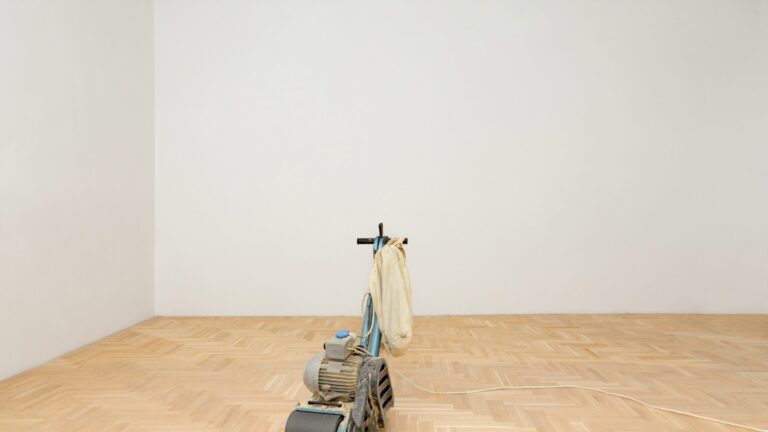
- Removing Old Finishes: This isn’t just scraping. Depending on the old finish, you might need sanding, chemical strippers, or a combination. The goal is to get down to the bare wood without damaging it.
- Cleaning: After stripping or sanding, you need to get rid of all dust and debris. A good vacuum and then a tack cloth are usually the way to go. Any leftover grit can mess up the new finish.
- Repairs: Before you even think about finishing, any loose boards, deep scratches, or gouges need fixing. This might mean re-nailing, filling gaps, or even replacing damaged sections.
Application of Finishes and Sealants
Once the floor is prepped, it’s time for the protective layers. This is where you see the floor transform, but the application itself needs care.
- Choosing the Right Product: BS 8201 gives guidance on what types of finishes are suitable for different wood types and uses. Are you going for a hard-wearing polyurethane, a more natural oil, or a wax? The choice impacts look and durability.
- Application Method: Whether it’s brushing, rolling, or spraying, each method has its own technique. Applying too much, too little, or unevenly can lead to streaks, bubbles, or weak spots.
- Drying and Curing Times: This is super important. Rushing this step means the finish won’t harden properly, leading to scuffs and damage way too soon. Patience here pays off.
Repair and Replacement Methodologies
Sometimes, a floor isn’t just dirty; it’s damaged. Professionals know how to handle these issues without making it obvious.
- Board Replacement: If a board is rotten or badly damaged, it needs replacing. The trick is to find wood that matches the original in species, age, and color as closely as possible. Cutting out the old and fitting the new needs to be precise.
- Gap Filling: Over time, wood floors can develop gaps. Using the right filler, often a mix of wood dust and adhesive, can make these disappear. The color needs to match, too.
- Structural Repairs: Sometimes, the subfloor itself might be the problem. Professionals can identify and fix issues like sagging or rot underneath the wood, which is key for the floor’s long-term health.
Client Benefits of BS 8201 Flooring Standards Compliance
When you’re looking to get your wood floors restored, it’s easy to get caught up in just the look and feel. But there’s a whole layer of professional standards that really make a difference, and BS 8201:2011 is a big one for wood flooring. Sticking to these standards isn’t just about following rules; it’s about making sure you get a job done right, the first time.
Peace of Mind and Quality Assurance
Knowing that your restoration project is being handled by professionals who follow BS 8201:2011 gives you a real sense of confidence. It means they’re not cutting corners. They’re using methods and materials that are proven to work and last. Think of it like getting a warranty, but for the actual work itself. This adherence to a recognised standard means you’re getting a quality job that meets industry benchmarks. It’s about knowing your investment is protected.
Protection Against Future Issues
Wood floors can be tricky. Improper restoration can lead to problems down the line, like warping, peeling finishes, or uneven wear. When a professional works to BS 8201:2011, they’re thinking about the long game. They’re considering how the floor will perform over time, not just how it looks immediately after the work is done. This proactive approach helps prevent common issues that can be expensive and frustrating to fix later.
Enhanced Property Value
A well-restored wood floor, done correctly according to standards, can really boost your home’s appeal and value. It shows that the property has been well-maintained and cared for. Buyers often look for these kinds of details, and a floor that looks great and is built to last is a significant selling point. It’s an investment that pays off, both now and if you decide to sell your home in the future.
Selecting Qualified Professionals for Wood Floor Restoration
When it comes to your wood floors, you want to make sure the job is done right. That means finding someone who really knows their stuff, especially when it comes to standards like BS 8201:2011. It’s not just about making your floor look good today; it’s about making sure it lasts for years to come. So, how do you pick the right person or team for the job?
Verifying Expertise in BS 8201 Flooring Standards
First off, don’t be shy about asking questions. A good professional will be happy to talk about their knowledge of BS 8201:2011. They should be able to explain how these standards guide their work, from the initial prep to the final coat of finish. Ask them directly if they follow BS 8201:2011 guidelines. If they look at you blankly or give a vague answer, that’s probably a red flag. You want someone who understands the specifics of wood flooring, not just general renovation.
Assessing Experience and Track Record
Beyond just knowing the standards, you need to see proof that they can actually do the work. Look for professionals who have a solid history of restoring wood floors. Check out their past projects – do they have photos? Can they provide references from previous clients? A company that’s been around for a while and has happy customers is usually a safe bet. It’s also worth seeing if they specialise in wood flooring specifically, rather than being a general contractor who dabbles in everything.
Importance of Professional Certifications
While not always mandatory, professional certifications can be a good indicator of a tradesperson’s commitment to their craft and adherence to industry best practices. Some certifications might relate directly to wood flooring installation or restoration, while others might be broader quality management or trade association memberships. These can show that they’ve met certain benchmarks and are serious about maintaining a high level of skill and professionalism. It’s another layer of assurance that you’re working with someone who takes their work seriously and is up-to-date with current standards and techniques.
Long-Term Care and Maintenance Under BS 8201 Flooring Standards
So, you’ve got a beautifully restored wood floor, right? That’s fantastic. But the job isn’t really done once the last coat of finish dries. To keep that floor looking good for years, you’ve got to think about upkeep. BS 8201:2011 doesn’t just stop at installation; it gives us some solid pointers on how to look after these floors long-term. It’s all about making sure your investment stays put and keeps its good looks.
Recommended Cleaning Regimes
Keeping your wood floor clean is pretty straightforward, but there are definitely some dos and don’ts. The standard suggests a gentle approach. Forget harsh chemicals or soaking the floor – that’s a recipe for disaster with wood.
- Daily/Weekly: A quick sweep or a vacuum with a soft brush attachment is usually all that’s needed to pick up dust and grit. This stops tiny particles from scratching the surface over time.
- Damp Mopping: When you need a deeper clean, use a well-wrung-out mop. The key here is minimal water. You want the mop to be barely damp, not wet. Use a cleaner specifically made for wood floors; these are pH-neutral and won’t strip the finish.
- Spills: Deal with spills immediately. Blot them up with a soft cloth. Don’t let liquids sit on the surface, as they can seep into the wood and cause damage or staining.
Preventative Measures for Wear and Tear
Think of these as little shields for your floor. A few smart moves can stop everyday life from taking a toll.
- Mats: Place doormats both outside and inside entryways. This catches dirt and moisture before it even gets onto your wood floor. Rugs or runners in high-traffic areas like hallways or in front of sinks are also a great idea.
- Furniture Protection: Use felt pads on the legs of all furniture. This is super important. Dragging a chair or table, even slightly, can leave deep scratches. Regularly check these pads to make sure they aren’t worn down or filled with grit.
- Footwear: While not always practical, asking people to remove shoes, especially those with heels or cleats, can make a big difference. It’s a simple step that really cuts down on wear.
Scheduled Professional Inspections
Even with the best daily care, wood floors can benefit from a professional once in a while. BS 8201:2011 implies that regular check-ups can catch small issues before they become big problems.
- Annual Check-up: Consider having a flooring professional look at your floor once a year. They can spot minor scratches, scuffs, or areas where the finish might be wearing thin.
- Re-coating: Depending on traffic and the type of finish used, your floor might need a re-coat every few years. This is a lighter process than a full sanding and refinishing, and it adds a fresh protective layer.
- Addressing Issues: If you notice any loose boards, gaps, or damage, get it looked at right away. Small repairs are always easier and cheaper than fixing major problems down the line. Proactive maintenance is the name of the game for a long-lasting, beautiful wood floor.
Keeping your floors in good shape for a long time is super important, and the BS 8201 flooring standards give us the best tips. These rules help make sure your floors look great and last for years. Want to learn more about how to care for your floors properly? Visit our website today for expert advice!
Wrapping Up: Why Following the Rules Matters
So, we’ve talked a bit about BS 8201:2011 and why it’s a thing for wood floor restoration. It might seem like just another set of rules, but honestly, it’s there to help make sure the job gets done right. When you hire someone who knows these standards, you’re probably going to get a better result. It means they’re not just winging it; they’re following a path that’s been laid out to avoid common problems. Think of it like following a recipe instead of just throwing ingredients together. You’re more likely to end up with something tasty, right? For your floors, it means they’ll look good and last longer. It’s really about getting a solid job done by people who care about the quality of their work.
Towns and villages we cover
If a specifier or an insurer wants something in writing, ask and it will be sent. Have a look at the page for your own town: Plymouth, Torquay, Paignton or Brixham, or Devon more broadly.
Everywhere we travel is listed on areas we cover. The work itself is described on wood floor sealing.
Related guides
- Sanding Lead-Painted Floorboards: Health and Safety Regulations for UK Homes
- Health and Safety: Dust Extraction Standards for UK Workplaces 2026
- Fire-Safe Floor Finishes: UK Regulation Essentials
Frequently Asked Questions
What exactly is BS 8201:2011 all about?
Think of BS 8201:2011 as a set of guidelines, like a recipe book, for making sure wood floors are put down and looked after correctly. It covers everything from how the wood should be installed to how to keep it looking great for a long time. It’s all about doing the job right, the first time.
Why should I care if my floor restorer follows these rules?
Following these rules is super important because it means your floor will last way longer and look much better. It’s like building something with good materials and a solid plan – it’s less likely to fall apart later. Plus, it helps avoid those annoying and expensive fixes down the road.
What’s involved in ‘professional wood floor restoration’?
It means using the right techniques to fix up your old wood floor. This includes making sure the surface is perfectly clean and smooth before anything else happens, using the best stuff to seal and protect the wood, and knowing how to fix or replace any damaged parts so it looks like new again.
How does following BS 8201 benefit me as a homeowner?
You get peace of mind knowing the job is done right. It’s like having a guarantee that your floor is solid and beautiful. You also protect yourself from future problems and can even boost your home’s value because a well-maintained wood floor is a big plus.
How do I find someone who actually knows about BS 8201?
Look for professionals who can show you they know their stuff. Ask them if they follow BS 8201 and if they have any proof, like certificates or examples of past work. Checking their experience and seeing if they have good reviews is also a smart move.
What’s the best way to keep my restored wood floor in good shape?
Regular, gentle cleaning is key – no harsh chemicals! It’s also smart to put down mats in high-traffic areas to stop scratches. And don’t forget to have professionals check on your floor every now and then to catch any small issues before they become big ones.