Thinking about fixing up an old place in Somerset and need new floorboards that look the part? Sourcing local timber can be a great idea, especially if you’re after that authentic, historic feel. This is especially true when you’re looking for reclaimed wood floorboards Somerset, which can bring so much character to your home. Let’s chat about how to find the right wood and get your floors looking just right.
Key Takeaways
- Finding the right trees in Somerset woods is the first step to getting good timber for your floors.
- Using reclaimed wood floorboards Somerset adds real history and a unique look to your home, plus it’s good for the planet.
- Talk to local sawmills about getting timber cut just for your project; they know their stuff.
- Properly drying and preparing the wood is super important so your new floorboards don’t warp or shrink later.
- Looking at past projects can show you what works best when you’re replacing old floors with local timber.
Identifying Suitable Timber Sources in Somerset
Finding the right wood for your heritage floorboard project in Somerset can feel like a treasure hunt. You want something that looks right, lasts long, and ideally, comes from nearby. It’s all about connecting with the local landscape and its resources.
Understanding Local Woodland Species
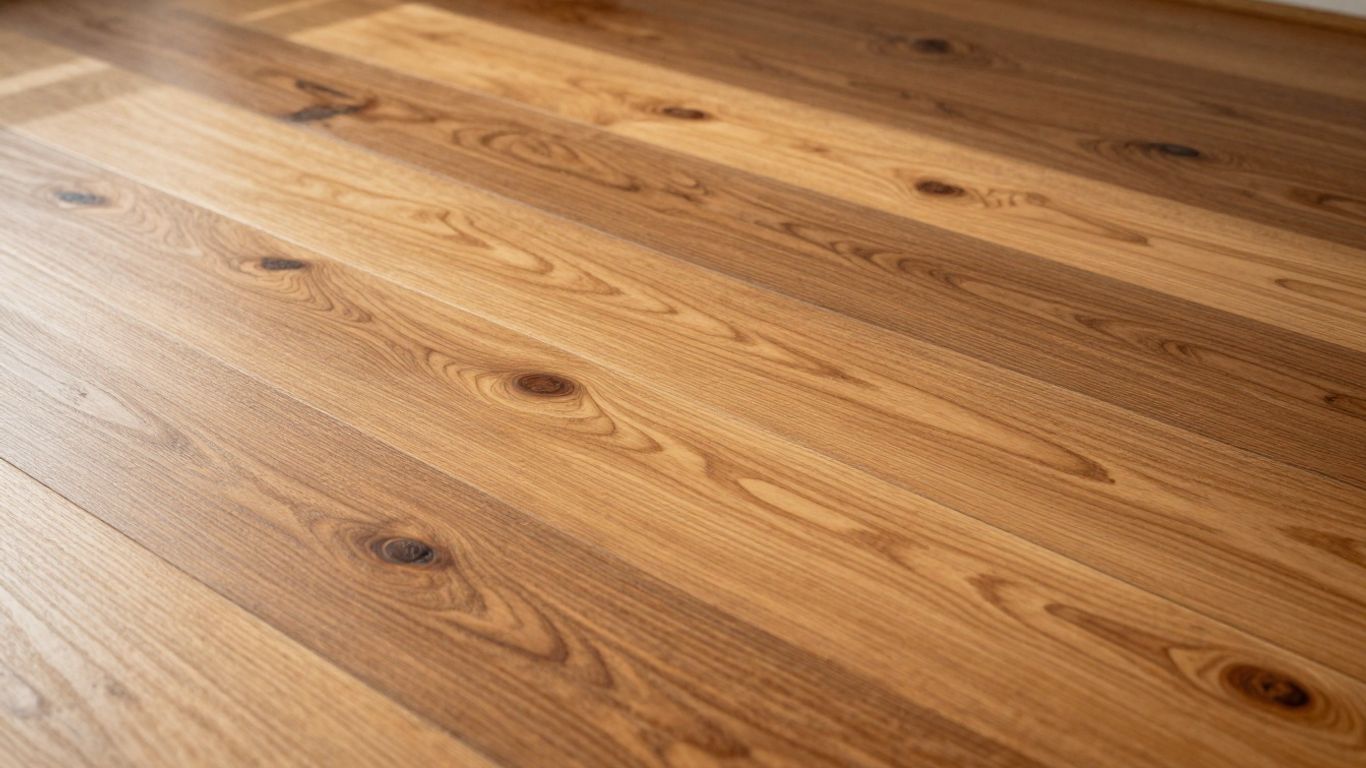
Somerset has a good mix of woodland, and knowing what grows here is step one. For flooring, you’re generally looking for hardwoods that are durable and have a nice grain. Think about species like oak, ash, and elm. Oak is a classic for a reason – it’s tough and ages beautifully. Ash can be a bit lighter in color and has a lovely, straight grain. Elm used to be really common, but Dutch Elm Disease has made it rarer, though you might still find some older, seasoned pieces.
- Oak (Quercus robur/petraea): The go-to for durability and a rich, traditional look. It’s strong and stands up well to wear.
- Ash (Fraxinus excelsior): Offers a lighter tone and a distinct, often striking grain pattern. It’s also quite resilient.
- Elm (Ulmus procera/glabra): Can have a beautiful, interlocked grain. Older, well-seasoned elm is fantastic, but finding it can be tricky.
- Sycamore (Acer pseudoplatanus): Sometimes used, it has a fine, even texture and a pale color. It’s a bit softer than oak but can work well.
Assessing Timber Availability and Sustainability
Once you know what species you’re after, you need to figure out if you can actually get it, and if it’s being sourced responsibly. Many local woodlands are managed for timber. Look for wood that comes from sustainable forestry practices. This means the woodland is managed so that trees can regrow, and the ecosystem stays healthy. You can often find information on this from the woodland owner or the supplier. Sometimes, wood might come from trees that have had to be felled for safety reasons or to clear space for new growth. This is also a great source for good quality timber.
Engaging with Somerset Arborists and Foresters
This is where the real local knowledge comes in. Arborists and foresters are the people who know the woodlands inside out. They can tell you what species are growing well, where the best timber might be found, and how it’s being managed. Don’t be shy about reaching out to them. They often have contacts with local sawmills or might even sell timber directly. Building a relationship with these professionals can open doors to unique and high-quality wood that you wouldn’t find elsewhere. They can also advise on the best time of year to fell trees for optimal timber quality, though this is more for the sawmiller than the end-user.
- Contact local forestry contractors: They manage woodlands and often have timber for sale.
- Visit local sawmills: They are usually the first point of call for processed timber and can point you towards sources.
- Connect with woodland owner groups: Sometimes these groups coordinate timber sales from their managed areas.
The Value of Reclaimed Wood Floorboards Somerset
When you’re looking to replace heritage floorboards, especially in a place like Somerset with its rich history, using reclaimed wood isn’t just a choice; it’s often the best choice. It’s about more than just filling a gap; it’s about respecting the past and building for the future.
Preserving Historical Authenticity
Think about it: old houses in Somerset have stories etched into their very structure. The original floorboards are a big part of that narrative. When you replace damaged sections, matching the original wood as closely as possible is key to keeping that authentic feel. Reclaimed timber, especially if it comes from a similar era or even the same region, has the same patina, the same wear patterns, and often the same species of wood as the original boards. This makes the repair blend in so much better than using brand-new, uniform timber. It’s the closest you can get to making the old look new again, without actually making it new.
Environmental Benefits of Reclaimed Materials
Using reclaimed wood is a really smart move for the planet. Instead of cutting down new trees, you’re giving old timber a second life. This saves resources and reduces the energy needed for processing new wood. It’s a win-win: you get beautiful, character-filled flooring, and you help reduce waste. Plus, sourcing locally in Somerset means less transportation, cutting down on carbon emissions even further.
Unique Character and Aesthetic Appeal
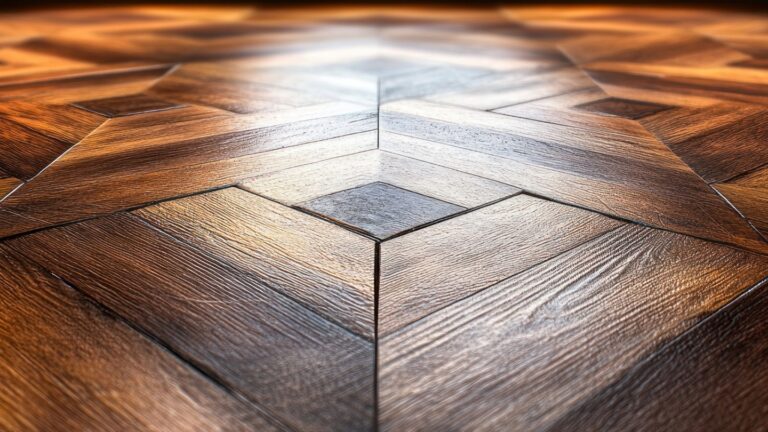
New wood, no matter how nice, often lacks the character that comes with age. Reclaimed floorboards carry the marks of time – subtle imperfections, variations in grain, and a mellowed color that’s hard to replicate. These aren’t flaws; they’re features that add depth and warmth to a room. Each board tells a bit of its own story, contributing to a unique look that mass-produced materials just can’t match. It gives your home a sense of history and a lived-in charm that feels truly special.
Procuring Timber for Heritage Floorboard Restoration
So, you’ve found some great local Somerset timber, or maybe you’re planning to. Now comes the part where you actually get the wood ready for those beautiful old floors. It’s not just about grabbing any plank; there’s a bit more to it.
Selecting Appropriate Wood Grades
When you’re looking for wood for floorboards, especially for older homes, you want something that matches what was there before. This means paying attention to the grade of the timber. You’re not building a fence here; you’re restoring a piece of history. Generally, you’ll be looking for clear grades, meaning fewer knots and imperfections. This gives you a cleaner, more consistent look that fits with the original style. Sometimes, a few knots can add character, but for a full replacement, consistency is usually key. Think about the original boards – were they super knotty, or pretty clean? That’s your guide.
Understanding Timber Seasoning and Drying Processes
This is a big one, and honestly, it’s where a lot of projects can go wrong if you’re not careful. Wood moves. It shrinks and swells with changes in moisture. If you use wood that hasn’t been properly seasoned or dried, your new floorboards will likely warp, cup, or gap open after they’re installed. That’s a real headache to fix later.
There are two main ways wood is prepared:
- Air Drying: This is the traditional method. Wood is stacked outdoors, protected from direct rain, and allowed to dry naturally over months or even years. It’s slower but often results in more stable wood.
- Kiln Drying: This involves using a special oven to speed up the drying process. It’s faster and can get the wood to a specific moisture content, which is important for interior use. Kiln-dried wood is usually more consistent.
For heritage floors, you’ll want wood that’s dried to a moisture content suitable for your home’s environment. A good local sawmill or timber supplier will know what this is. Getting this right is probably the most important step to avoid future problems.
Working with Local Sawmills for Custom Cuts
Don’t be shy about talking to your local sawmills. They’re the experts when it comes to milling timber. You’ll likely need your boards cut to specific dimensions – the width, thickness, and even the profile of the edge might need to match the original floorboards. A good sawmill can:
- Mill timber to your exact specifications.
- Provide advice on the best local species for your project.
- Help you understand the drying process they use.
- Cut tongue-and-groove or other edge profiles needed for flooring.
Building a relationship with a local supplier means you get wood that’s not only sourced nearby but also prepared correctly for your specific heritage restoration project. It’s about getting the right material, prepared the right way, right from the start.
Preparing Somerset Timber for Installation
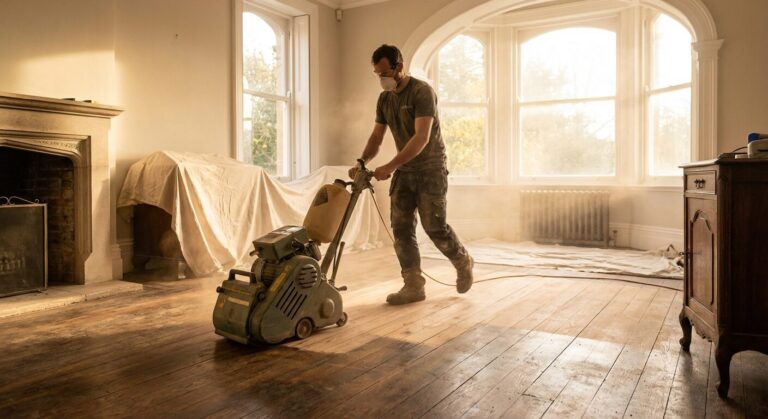
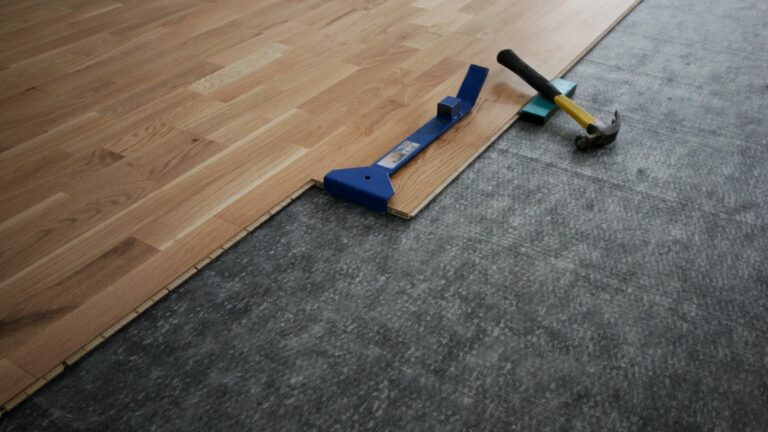
So, you’ve got your lovely local Somerset timber, ready to become beautiful heritage floorboards. That’s fantastic! But before we get to laying them down, there’s a bit of prep work involved. It’s not just about grabbing the wood and nailing it in place; there are steps to make sure those boards look good and last for ages.
Milling and Machining Techniques
This is where the rough timber starts to look like actual floorboards. You’ll want to get the wood milled to the right dimensions. This usually involves a sawmill, especially if you’re dealing with larger pieces. They’ll plane the wood to get smooth surfaces and square up the edges. For heritage floors, you might want to replicate the original profile, which could mean custom machining. Think about the width and thickness – these need to be consistent for a good fit. Getting these dimensions right from the start saves a lot of headaches later on.
Ensuring Dimensional Stability
Wood moves. It swells when it’s damp and shrinks when it’s dry. This is called dimensional stability, and it’s a big deal for floorboards. If the wood isn’t properly dried, it can warp, cup, or even crack once it’s installed in your home. Kiln drying is the most common way to get the moisture content down to a stable level. Air drying takes longer but can be gentler on the wood. The goal is to get the moisture content to match the average humidity of the room where the floorboards will be installed. A moisture meter is your best friend here.
Here’s a general idea of target moisture content:
| Location Type | Target Moisture Content (%) |
|---|---|
| Heated Homes | 6-10 |
| Unheated Spaces | 12-16 |
Treatment and Finishing Considerations
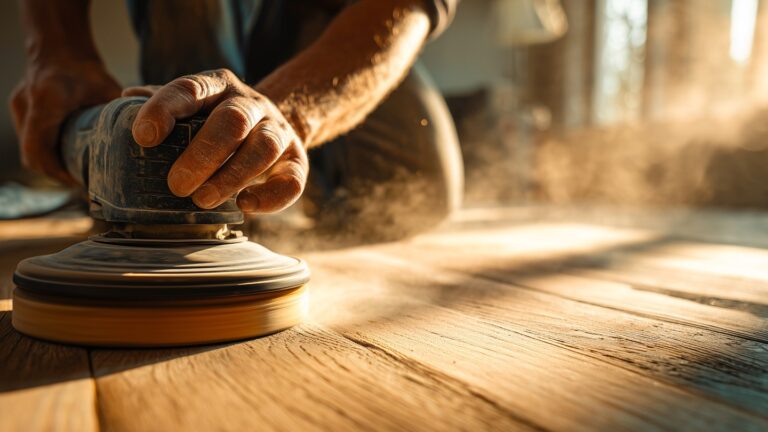
Once your boards are milled and stable, you need to think about how to protect them and make them look their best. For heritage floors, you often want a finish that looks natural and ages well. This could mean using traditional oils or waxes. Avoid heavy polyurethane finishes if you’re going for an authentic look. You might also consider treatments to protect against pests or rot, especially if the timber came from a less processed source. Always test your chosen finish on a scrap piece first to see how it looks with the specific wood species. It’s all about bringing out the natural beauty of that Somerset timber.
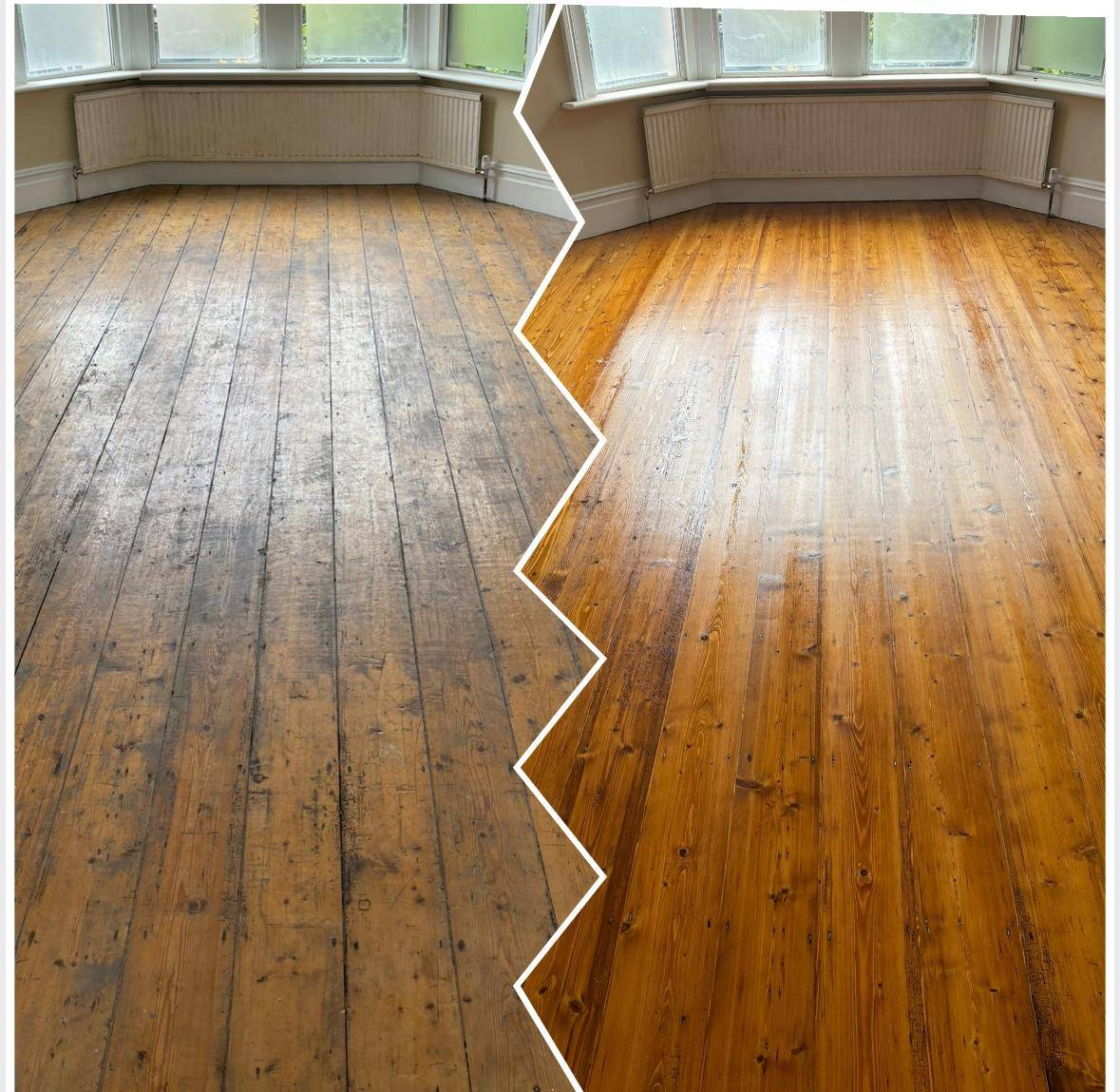
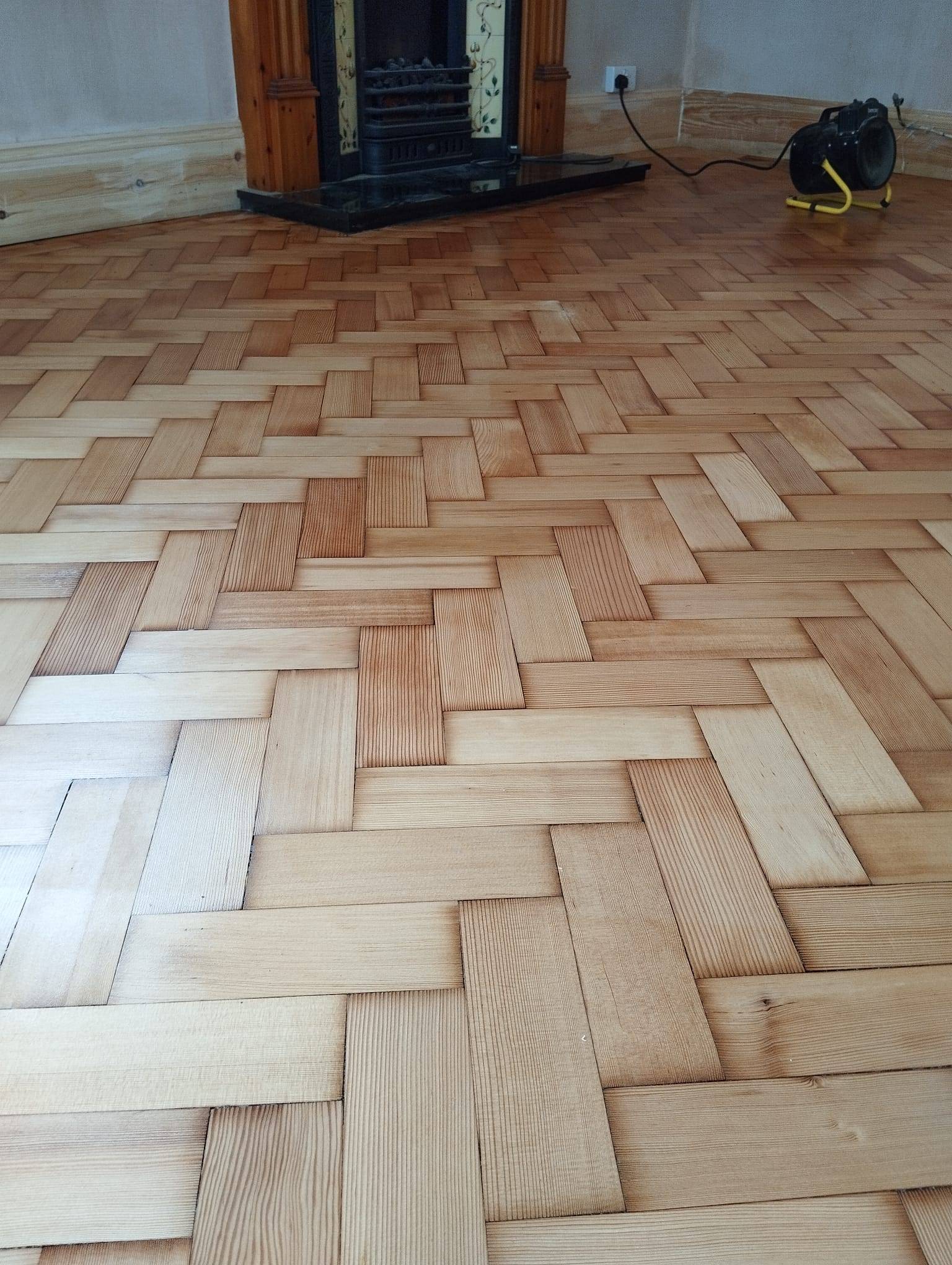
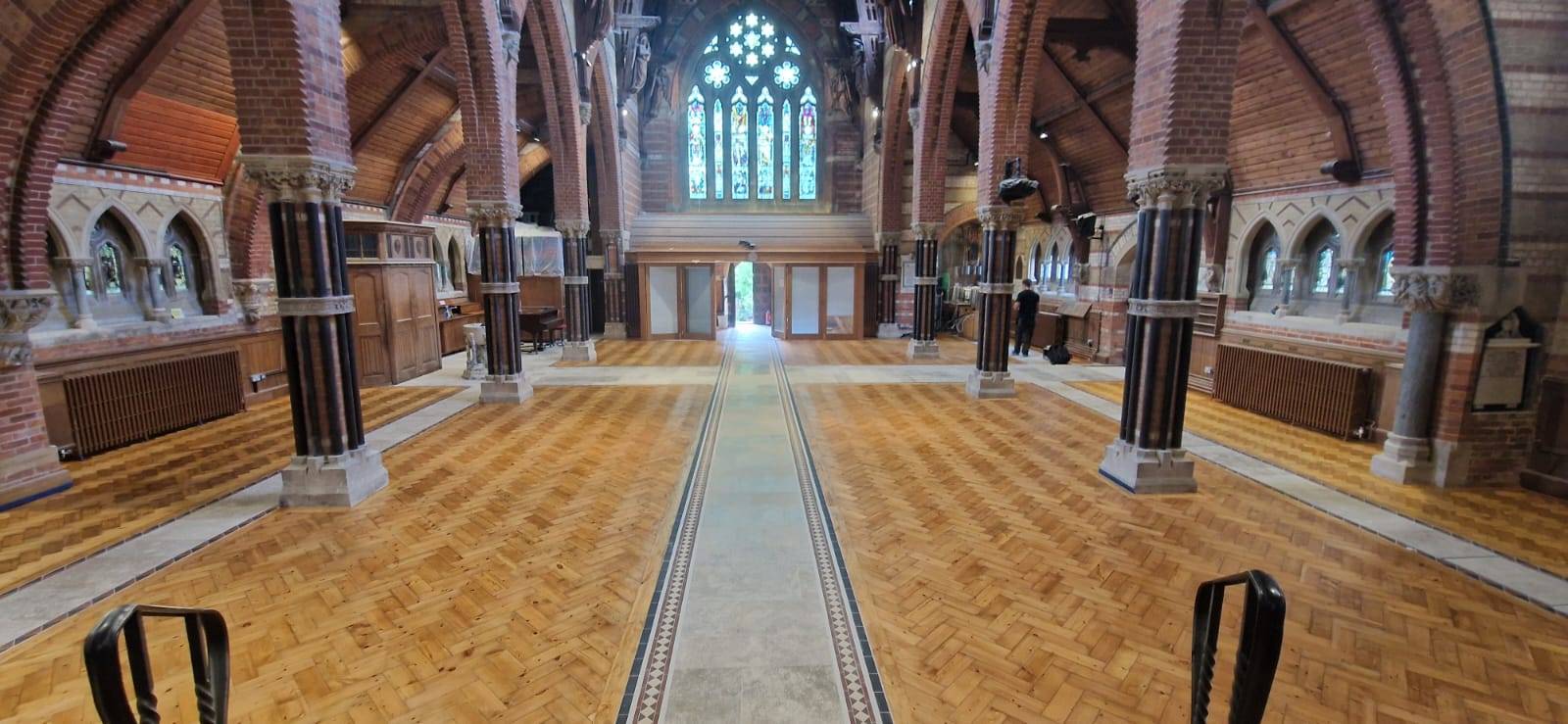
Case Studies: Successful Heritage Floorboard Replacements
Sometimes, seeing is believing, right? We’ve gathered a few examples of how using local Somerset timber has really made a difference in restoring old homes. It’s not just about slapping new wood down; it’s about respecting the history of the place.
Examples of Somerset Properties
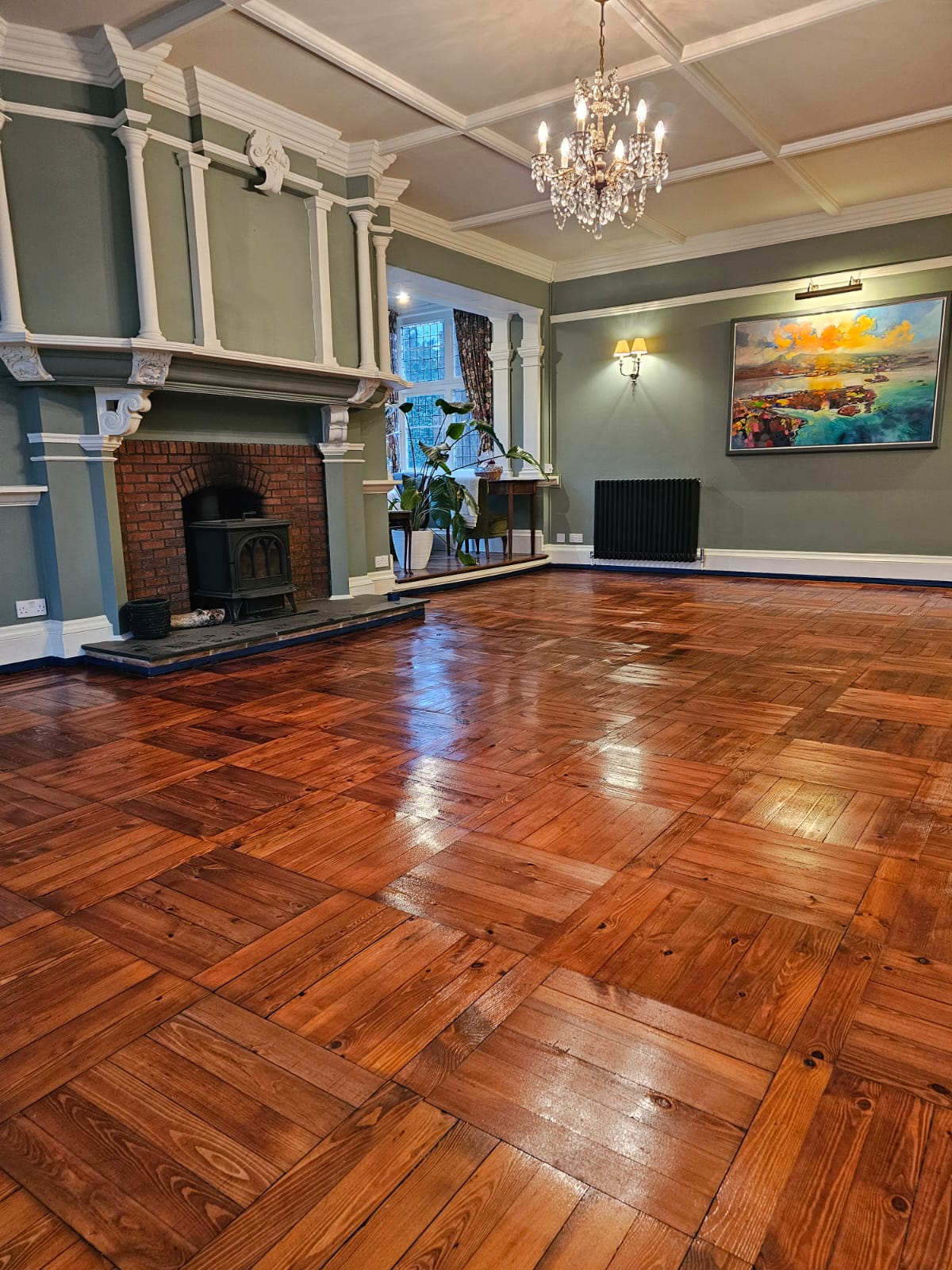
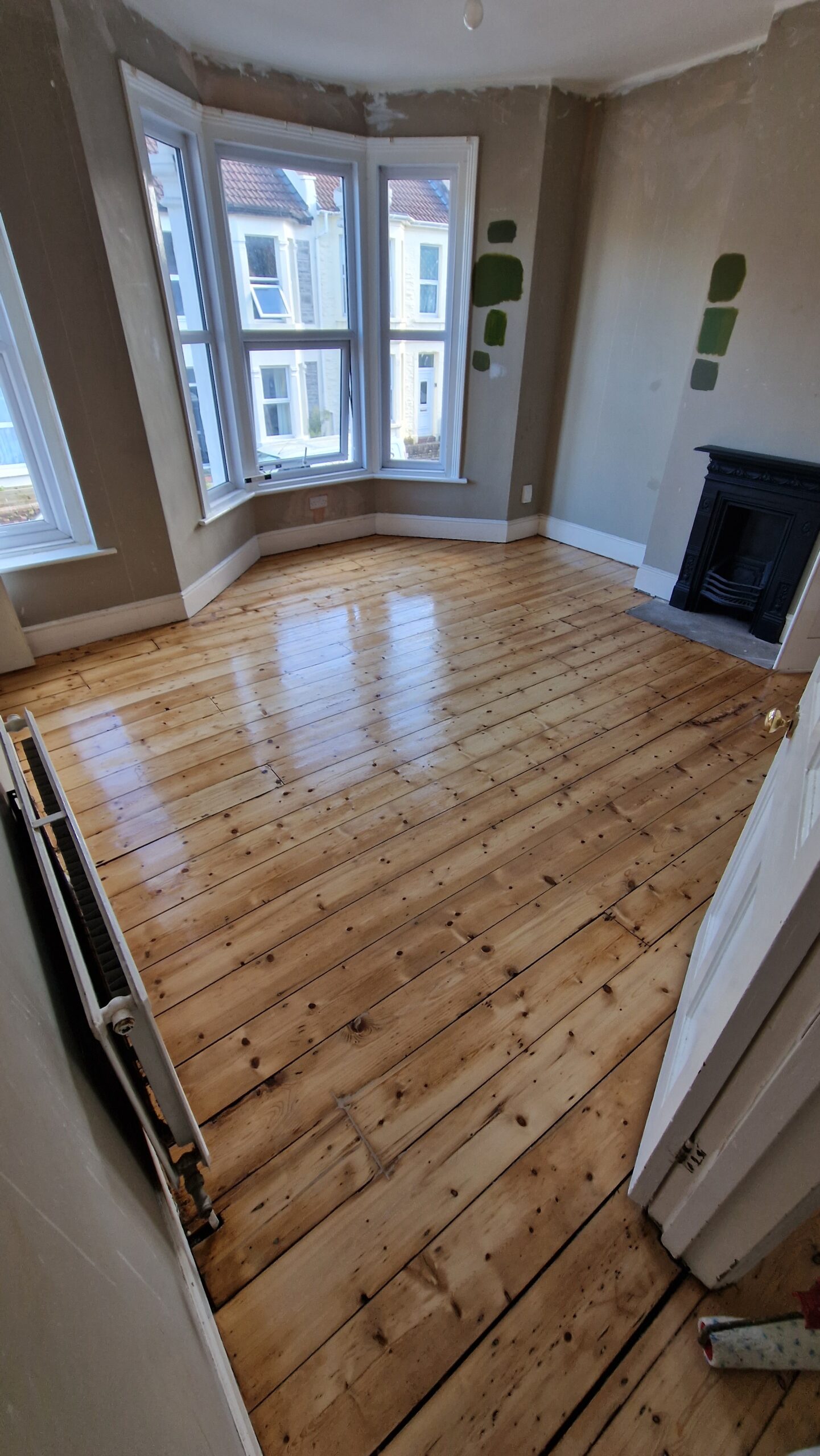
We looked at a few different projects. There was a Georgian townhouse in Bath that needed its drawing-room floor redone. The original oak was long gone, but we managed to source some beautiful, characterful oak from a woodland just outside Frome. The match was surprisingly good, considering the age difference. Then there was a smaller cottage near Taunton, a bit more rustic, where the original pine floorboards were beyond repair. We found some lovely reclaimed pine from an old barn demolition nearby, which had that aged look already.
Lessons Learned from Previous Projects
What did we learn from these jobs? A few things really stood out:
- Communication is key. Talking to the landowners or foresters early on helps a lot. You need to know what’s available and when.
- Patience pays off. Sometimes the perfect timber isn’t ready to go. It might need a bit of time to season properly, and rushing that can cause problems later.
- Don’t be afraid to mix and match. While matching the original species is great, sometimes a complementary local wood can look just as good, if not better, and adds its own story.
- The character of the wood matters. Old houses have quirks, and the floorboards should too. Don’t aim for perfection; aim for authenticity.
The Impact of Local Timber Choices
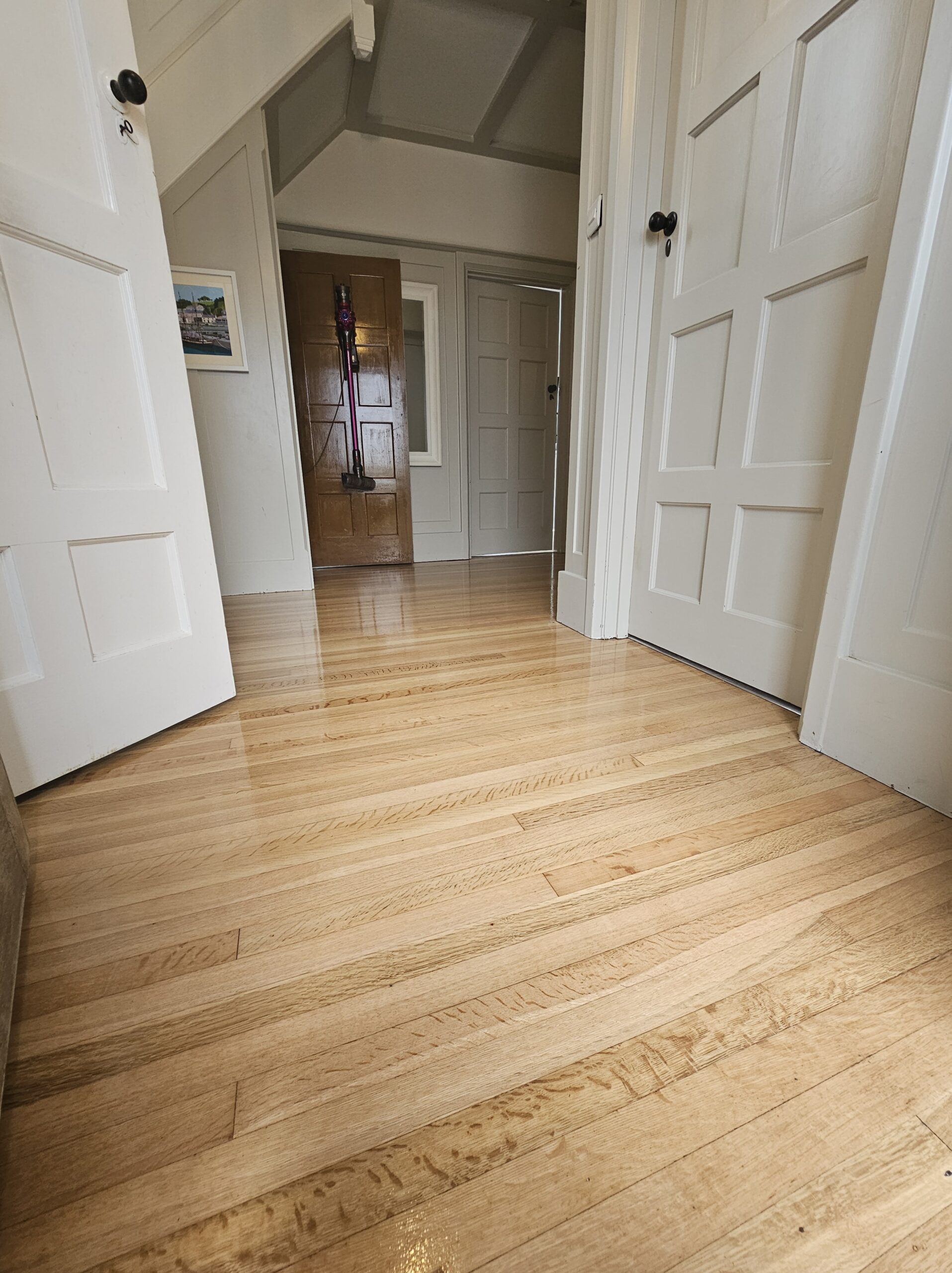
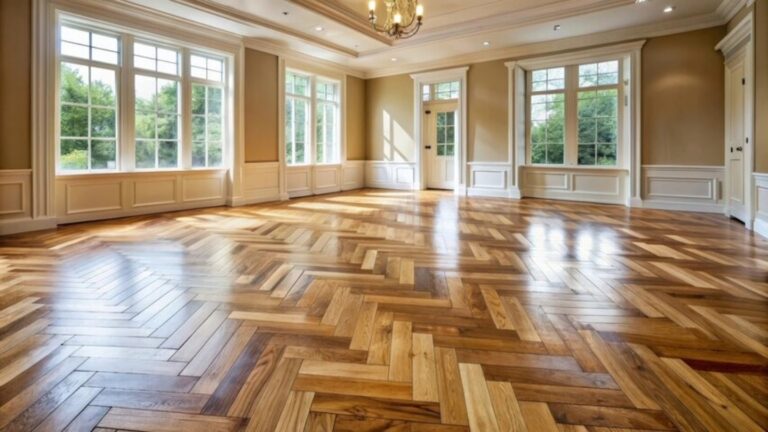
Choosing local timber for these projects wasn’t just about convenience. It meant we were supporting local woodland management and sawmills. Plus, the environmental footprint was way smaller than shipping wood from miles away. The visual impact, though, was the most striking. The new floorboards, whether oak or pine, felt like they belonged. They didn’t look out of place, which is the biggest win when you’re trying to keep the soul of an old building alive. It’s about more than just a floor; it’s about connecting the past with the present.
Looking for proof that we can bring old floors back to life? Our “Case Studies: Successful Heritage Floorboard Replacements” section shows you exactly how we’ve helped others. See real examples of our work and imagine your own floors looking amazing again. Ready to give your floors a new beginning? Visit our website to learn more and get a quote!
Wrapping Up
So, that’s the lowdown on using local Somerset timber for your old floorboards. It’s not always the easiest path, and finding the right wood can take a bit of digging. But honestly, when you see those new boards fitting in perfectly, looking like they’ve always been there? It’s pretty satisfying. You’re not just fixing a floor; you’re keeping a bit of history alive, and doing it with wood from right around the corner feels good. Give it a shot if you’re thinking about it. It’s worth the effort.
Getting us out to your floor
Period floors are the work we enjoy most, and the work we get asked for most. There are pages with more local detail for Bournemouth, Poole, Dorchester and Weymouth, and for Dorset and the south coast as a whole.
Have a read of wood floor restoration for the method, then find your town on areas we cover.
Related guides
- Victorian Wood Floor Restoration: Enhance Durability, Preserve Charm
- Wood Floor Ventilation: Enhance Period Property Charm
- The Role of Wood Floor Restoration in Heritage
Frequently Asked Questions
Where can I find good wood in Somerset for fixing old floors?
You can often find great local wood from places like smaller forests or woodlands. Sometimes, people who cut down trees (arborists) or manage forests (foresters) in Somerset have good timber. It’s a good idea to chat with them to see what they have and if it’s grown in a way that’s good for the environment.
Is using old, recycled floorboards a good idea?
Totally! Using old floorboards that have been taken from other buildings is awesome. It keeps the old look of your house, is way better for the planet than cutting down new trees, and gives your floor a really cool, one-of-a-kind vibe that you just can’t get with brand-new stuff.
How do I pick the right kind of wood for my old floor?
When you’re getting new wood, look for types that match what was used originally. It’s also super important that the wood is dried out properly. This stops it from shrinking or warping later on. Talking to a local sawmill can help you get exactly what you need, cut just right.
What’s the deal with drying out wood?
Wood needs to dry out slowly, either in the air or in a special oven. This process, called seasoning, makes the wood stable. If you skip this, your floorboards could bend or crack after you put them in. It’s a crucial step for making sure your new floor lasts ages.
Can I get wood cut specifically for my project?
You bet! Local sawmills are usually happy to cut wood to your exact size and shape needs. This is perfect for heritage homes where floorboards might be a bit unusual. They can mill it and shape it so it fits like a glove.
What are some examples of places that have used local wood for floor repairs?
Lots of old houses and buildings around Somerset have had their floors fixed up using local timber. Think historic homes, old barns, or even public buildings. These projects show how using wood from nearby can make a huge difference in keeping the history and charm of a place alive.