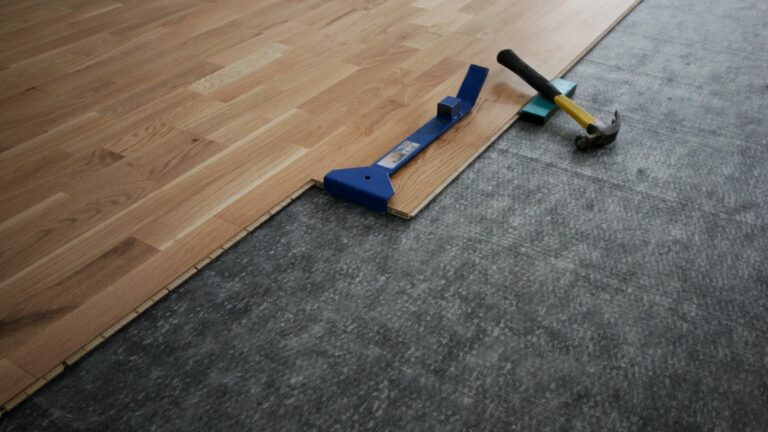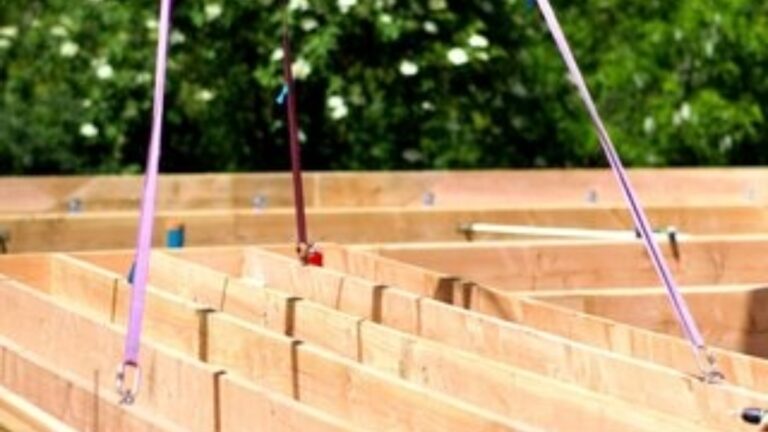
Thinking about sanding your floors or fixing up some squeaky joists in your flat? You might be wondering if you need to tell your neighbours, especially if you live in an apartment building. The Party Wall Act 1996 can be a bit confusing when it comes to these kinds of jobs. Let’s break down when you actually need to give notice for Party Wall Act floor repairs and when you can probably just get on with it.
Key Takeaways
- The Party Wall Act 1996 usually kicks in when your work affects a wall, floor, or ceiling that you share with a neighbour. This includes things that are structurally part of the building’s division.
- Simple floor sanding, if it’s just about the surface and doesn’t involve cutting into the structure or causing major noise/vibrations, likely won’t need a formal notice.
- If your floor repairs involve cutting into or strengthening floor joists that are part of a shared structure, you’ll probably need to serve notice on your neighbours.
- When you do need to give notice, make sure to do it correctly, following the timelines set out in the Act. This usually means two months’ notice for most work.
- For any doubts about whether your specific Party Wall Act floor repairs require notice, it’s always a good idea to chat with a surveyor or someone who knows the Act well.
Understanding Party Wall Act Floor Repairs
So, you’re thinking about sanding your floors or maybe fixing up some wobbly joists in your flat. It sounds pretty straightforward, right? Well, when you live in a building with other people, especially in flats, things can get a bit more complicated. The Party Wall Act 1996 is there to make sure that any work you do doesn’t mess things up for your neighbours. It’s all about communication and making sure everyone’s on the same page before any work starts.
Scope of the Party Wall Act 1996
This Act basically sets out the rules for building work that affects a ‘party wall’ or ‘party structure’. A party wall is usually a wall you share with a neighbour, like the wall between two terraced houses. But in flats, it can also include floors and ceilings that separate different homes. The Act is designed to prevent disputes before they even happen. It’s not about stopping you from doing work, but about making sure you do it properly and let your neighbours know what’s going on.
Defining ‘Party Structures’ in Residential Buildings
When we talk about flats, the definition of a ‘party structure’ gets a bit broader. It’s not just walls. Floors and ceilings that separate one flat from another are often considered party structures. This means that if your work involves cutting into, altering, or even just putting significant weight on these shared elements, the Act might apply. Think of it like this: if your floor is your neighbour’s ceiling, then you’re sharing a structure.
Key Considerations for Party Wall Act Floor Repairs
When you’re planning floor sanding or joist repairs, there are a few things to keep in mind. First, consider the impact on your neighbours. Will the noise be excessive? Will vibrations travel through the building? Second, think about the nature of the work. Is it just a light sand, or are you planning major structural changes? Finally, check your lease agreement. Sometimes, leases have their own rules about renovations that might overlap with or even supersede the Party Wall Act requirements.
When Notice is Required for Floor Sanding
Okay, so you’re thinking about sanding your floors in your flat. It sounds like a pretty straightforward DIY job, right? Maybe you’re just looking to spruce things up a bit before a party or just because. But here’s where things can get a little tricky under the Party Wall Act 1996. It’s not always about major structural changes; sometimes, the noise and vibrations from something like floor sanding can actually trigger the need for a notice.
Impact of Floor Sanding on Adjacent Properties
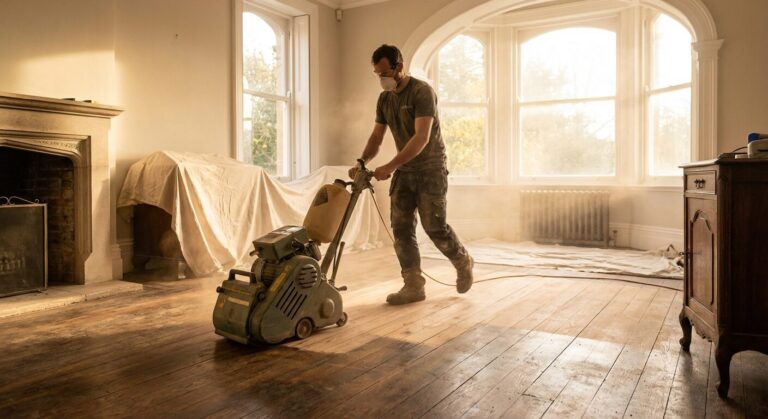
Think about it: when you sand a floor, especially a wooden one, there’s a fair bit of noise and vibration involved. This isn’t just a little hum; it can be quite a racket, and those vibrations travel. If you live in a flat, your neighbours are literally right above, below, or next door. The key question is whether the noise and vibrations from your sanding will cause a ‘nuisance’ or ‘annoyance’ to your neighbours. The Act is designed to prevent disputes, and constant, heavy vibrations or loud, prolonged noise can definitely lead to neighbourly friction. It’s not just about physical damage; it’s about the disturbance to their peace and quiet.
Assessing Vibrations and Noise During Sanding
So, how do you figure out if your sanding job is going to be a problem? It really depends on a few things:
- The type of sander: A small, handheld orbital sander is one thing, but a big, heavy-duty belt sander is another beast entirely. The bigger and more powerful the machine, the more vibration and noise it’s likely to produce.
- The duration of the work: Are you planning to sand for an hour on a Saturday morning, or is this a multi-day project? Prolonged, disruptive noise is more likely to be an issue.
- The construction of your building: Older buildings with less soundproofing might transmit noise and vibrations more easily than newer ones.
- Your neighbours’ circumstances: Are they working from home? Do they have young children? While the Act doesn’t specifically account for individual sensitivities, extreme disruption is generally frowned upon.
Determining if Sanding Constitutes a ‘Building Operation’
This is where it gets a bit fuzzy. The Party Wall Act primarily deals with ‘building operations’, which usually means construction, alteration, or repair work. Generally, simple floor sanding, if it’s just a surface treatment without altering the structure, might not be considered a ‘building operation’ in the strict sense. However, if the sanding is part of a larger renovation project, or if the vibrations are so significant that they could potentially affect the building’s structure or the adjoining property’s enjoyment of their home, it could cross the line. It’s a bit of a grey area, and if you’re unsure, it’s always better to err on the side of caution and consider serving a notice. Better safe than sorry, right?
Notice Obligations for Joist Repairs
Okay, so we’ve talked about sanding, but what about when things get a bit more serious, like fixing or replacing floor joists? This is where the Party Wall Act 1996 really starts to pay attention, especially in flats.
Structural Interventions Affecting Party Walls
When you’re dealing with joists, you’re often talking about structural elements. These aren’t just bits of wood holding up your carpet; they’re part of the building’s skeleton. If these joists connect to, rest on, or are part of a wall that separates you from your neighbor (a party wall), then you’re likely stepping into Party Wall Act territory. The Act is designed to prevent disputes by making sure your neighbor knows what you’re planning to do and has a chance to voice any concerns before work starts. It’s all about being a good neighbor, really.
Repairing or Replacing Floor Joists: A Structural Concern
Think about it: a floor joist might be embedded into the party wall. If you’re repairing it, you might need to chip away at the wall. If you’re replacing it, you’ll definitely need to disturb the wall where the old joist sat and where the new one will go. This kind of work can affect the stability and integrity of the party wall itself. The key question is whether your planned joist work will involve physically interacting with the party wall. Even if the joist isn’t directly in the party wall, but is attached to it or relies on it for support, it could still trigger the Act.
When Joist Work Necessitates a Party Wall Notice
So, when exactly do you need to tell your neighbor? Generally, if your joist repairs or replacements involve:
- Cutting into a party wall to insert or remove a joist.
- Removing a joist that is built into a party wall.
- Adding significant new structural support that connects to the party wall.
- Any work that could weaken or damage the party wall.
If any of these sound like what you need to do, then you’ll need to serve a formal Party Wall Notice on your adjoining neighbor(s) at least two months before you plan to start. This gives them time to respond and allows you to follow the correct procedures, which might involve appointing surveyors if there’s a disagreement.
Navigating Notice Procedures for Flats
Serving Notice on Adjoining Flat Owners
Okay, so you’ve figured out that your floor sanding or joist repair work might actually fall under the Party Wall Act. Now what? If you live in a flat, things get a little more complicated than if you owned a whole house. You’re not just dealing with one neighbor; you’re dealing with the owners of the flats directly above, below, and sometimes even next to yours. Serving the correct notice is the very first step, and getting it wrong can cause delays and headaches.
When you’re serving notice, you need to be specific. It’s not enough to just say, ‘I’m sanding my floors.’ You need to explain what you’re doing, when you plan to start, and how it might affect their property. Think about the potential noise and vibrations. For joist repairs, you’ll need to be even more detailed about the structural work involved.
Here’s a quick rundown of what to include in your notice:
- Your Name and Address: Make it clear who is doing the work and where.
- Details of the Work: Be precise about the sanding or repair plans.
- Start Date: When you intend to begin.
- How it Affects Them: Explain potential noise, vibrations, or structural impacts.
- A Plan (if applicable): For joist work, a simple drawing can help.
Remember, the notice period is usually two months for new building works and one month for alterations or repairs. Check the Act for the exact timings, as they can vary.
Appointing Surveyors for Party Wall Act Floor Repairs
Sometimes, even after you’ve served notice, your neighbor might not agree, or they might be worried about the work. This is where surveyors come in. If you and your neighbor can’t agree on the proposed work or how to protect their property, you might need to appoint a party wall surveyor. This surveyor acts impartially to make sure the work is done safely and that any damage is prevented or repaired.
Usually, the person doing the work (that’s you!) pays for the surveyor’s fees. If your neighbor decides to appoint their own surveyor, you’ll likely have to cover those costs too, provided their surveyor is acting reasonably. It’s a bit like hiring a referee to make sure everyone plays fair.
Resolving Disputes Related to Floor Work
Disputes can happen, especially in flats where properties are so close together. If your neighbor objects to your notice, or if you can’t agree on the details of the work or the appointment of a surveyor, the Act provides a way to resolve this. The most common route is through appointing a surveyor or surveyors. If you can’t agree on a single surveyor, you can each appoint your own, and they will work together.
If things get really stuck, the surveyors can then refer the matter to an ‘Adjudicator’ who will make a final decision. It’s all designed to keep things moving forward without resorting to court action, which can be costly and time-consuming. The goal is always to find a practical solution that respects everyone’s rights and property.
Exemptions and Practicalities
Minor Works Not Requiring Notice
So, not every little thing you do in your flat automatically triggers the Party Wall Act. The Act is really aimed at work that could actually affect your neighbor’s side of the wall or floor. Think about it – if you’re just painting your walls or changing a light fixture, that’s not going to bother anyone next door, right? The same goes for really minor floor work. If the work doesn’t involve cutting into or disturbing the structure of the party wall or floor, you probably don’t need to worry about serving notice. This usually includes things like re-carpeting or laying a new thin laminate floor over an existing one, as long as you’re not messing with the joists or the structural floor itself. It’s all about whether your actions could cause damage or inconvenience to your neighbor’s property.
The Role of Lease Agreements
Sometimes, the answer to whether you need to do anything isn’t just in the Party Wall Act itself. Your lease agreement can also have rules about alterations or works you can do in your flat. It’s a good idea to give your lease a read, especially if you’re planning anything more than just a quick cosmetic fix. Some leases might have clauses that require you to get permission from the freeholder or management company for certain types of work, even if the Party Wall Act doesn’t strictly require a notice. It’s like having a second set of rules to follow, and ignoring them could cause its own set of problems down the line.
Seeking Professional Advice on Party Wall Act Floor Repairs
Look, I get it. Reading legal documents and trying to figure out if your floor sanding project is going to cause a neighborly dispute is not exactly a fun way to spend an afternoon. If you’re even a little bit unsure about whether your planned work falls under the Party Wall Act, or if you’re worried about your lease agreement, it’s really worth getting some professional advice. A party wall surveyor can look at what you want to do, tell you straight up if you need to serve notice, and even help you with the paperwork if you do. It might cost a bit upfront, but it can save you a whole lot of hassle, potential legal fees, and bad feelings with your neighbors later on. It’s better to be safe than sorry, especially when it comes to your home and your relationships with the people living next to you.
Sometimes, there are special rules or easy ways to handle certain situations. We’ve put together some helpful tips and answers to common questions to make things smoother for you. If you’re curious about how these rules apply to your specific needs, check out our website for more details and guidance.
So, What’s the Takeaway?
Alright, so we’ve talked about sanding floors and fixing joists in flats. It can get a bit confusing, right? The main thing to remember is that if your work might affect your neighbor’s place, especially with noise or vibrations, it’s usually best to give them a heads-up. The Party Wall Act is there to help avoid arguments, so playing by its rules, even if it feels like a bit of a hassle, is generally the smart move. Better safe than sorry, as they say. If you’re unsure, just ask around or look up the details. It’s not rocket science, but a little communication goes a long way.
Where we do this work
This is the sort of detail that separates a proper job from a cheap one. Cheddar, Chard, Ilminster and Crewkerne all have pages of their own, and there is a wider one on floor sanding in Somerset.
If your town is not named above it will be on areas we cover. The service page for this is wood floor sealing.
Related guides
- Wood Floor Restoration and Part E Building Regs: Sound Insulation for Converted Flats
- Soundproofing Solutions for Comfortable Apartment Wood Floors
- HMO Licensing & Floor Restoration [2026]: Meeting Part E Soundproofing Standards in Multi-Occupancy Properties
Frequently Asked Questions
So, what exactly is this Party Wall Act thing?
Think of the Party Wall Act 1996 as a set of rules to make sure that if you’re doing work on a wall, floor, or ceiling that you share with a neighbor (like in flats), you let them know beforehand. It’s all about avoiding problems and keeping things friendly between neighbors when building or fixing things.
Does just sanding my floors count as ‘work’ under the Act?
Usually, just sanding your floors isn’t a big enough deal to require a formal notice. The Act mostly kicks in for more serious stuff, like building extensions or major structural changes. However, if your sanding is super noisy or causes a lot of shaking that bothers your neighbor, it *might* be worth a quick chat, just to be nice.
What if I need to fix or replace my floor joists?
Ah, joist repairs are a different story! If your floor joists are part of the structure that separates you from your neighbor’s flat, and you’re messing with them, that’s usually considered a structural intervention. In this case, you’ll definitely need to give your neighbor notice under the Party Wall Act. It’s important because it affects the building’s bones.
How do I tell my neighbor if I live in a flat?
Serving notice in a flat can be a bit tricky since you might have multiple neighbors above, below, or next door. You’ll need to figure out who owns the flats next to yours and send them a formal notice. It’s best to check your lease or ask your building manager who the correct people are to notify.
What happens if my neighbor and I can’t agree on the floor work?
If you can’t see eye-to-eye, the Act has a process for sorting things out. You can both agree to appoint a surveyor, or if you can’t agree on one, you can each get your own. These surveyors act like neutral referees to make sure the work is done properly and doesn’t cause problems for anyone.
Are there any times when I *don’t* need to worry about the Act for floor stuff?
Generally, minor touch-ups or repairs that don’t affect the shared structure or cause significant disturbance are usually okay without a formal notice. Think of things like re-carpeting or fixing a loose floorboard that doesn’t involve structural changes. But when in doubt, it’s always a good idea to get some expert advice to be safe!