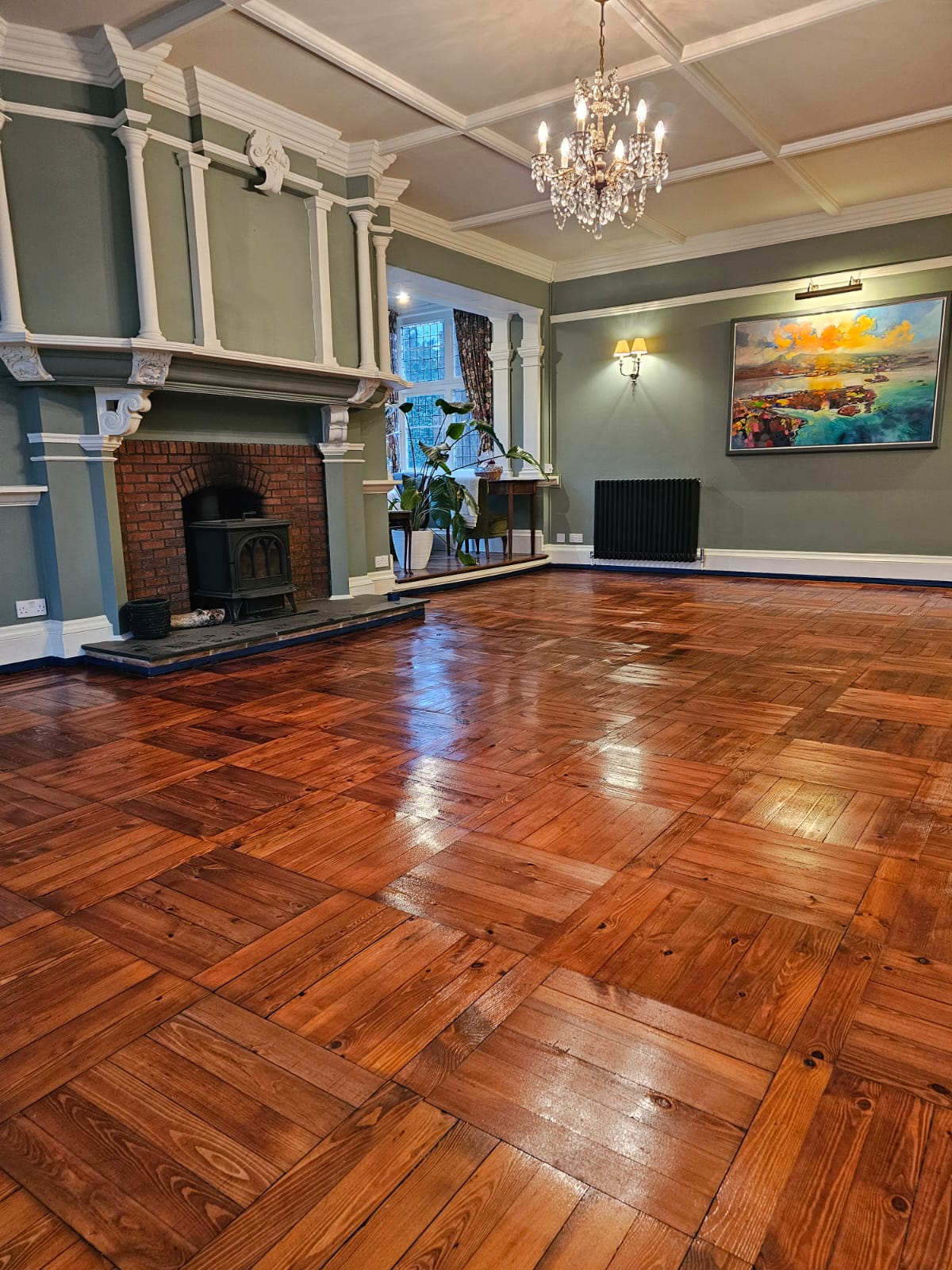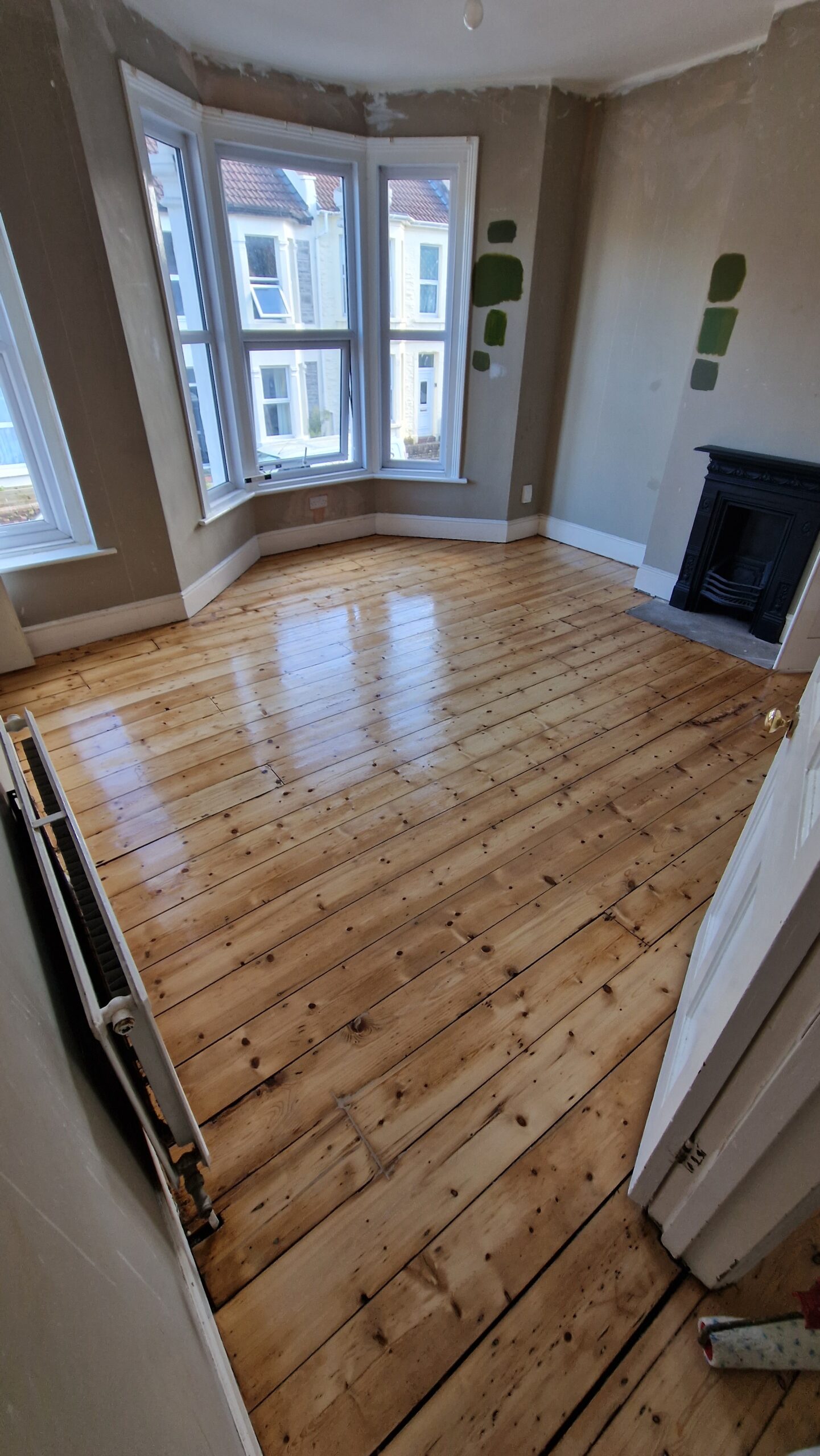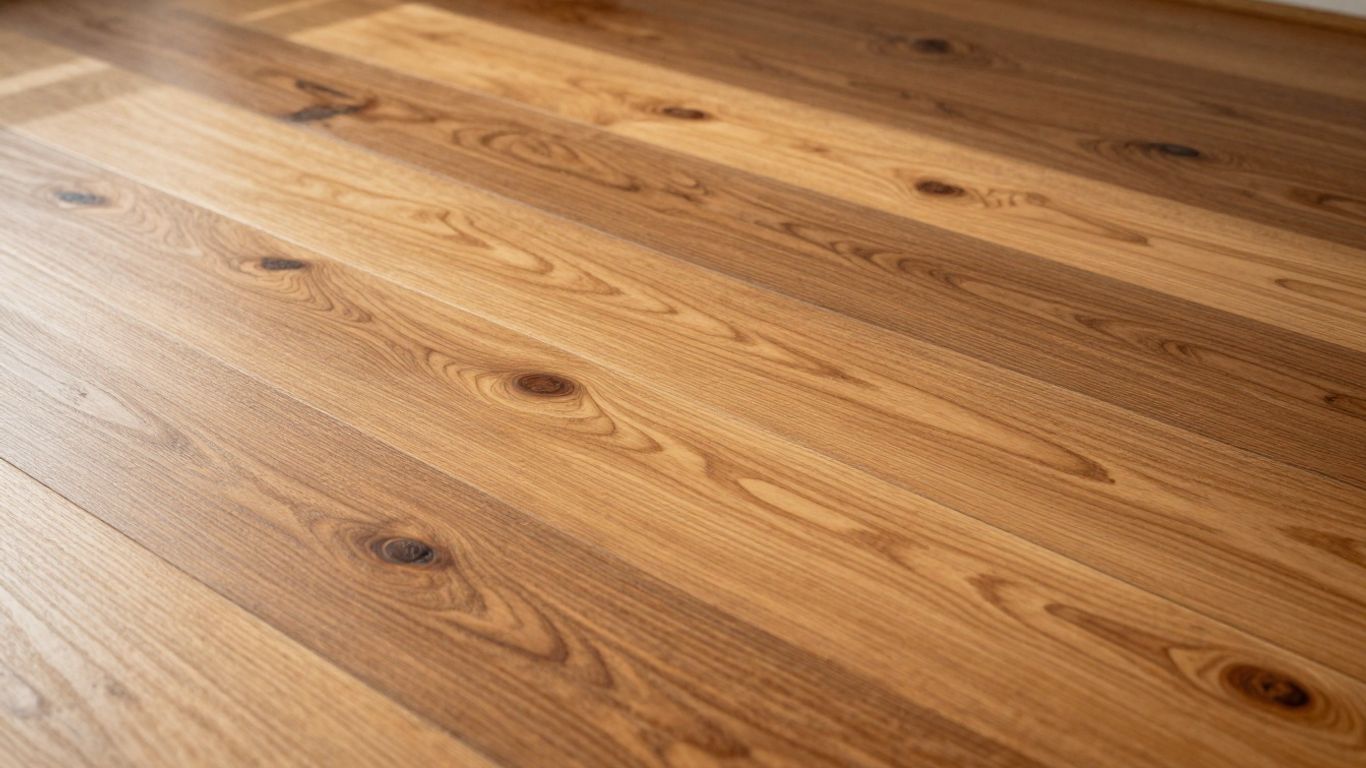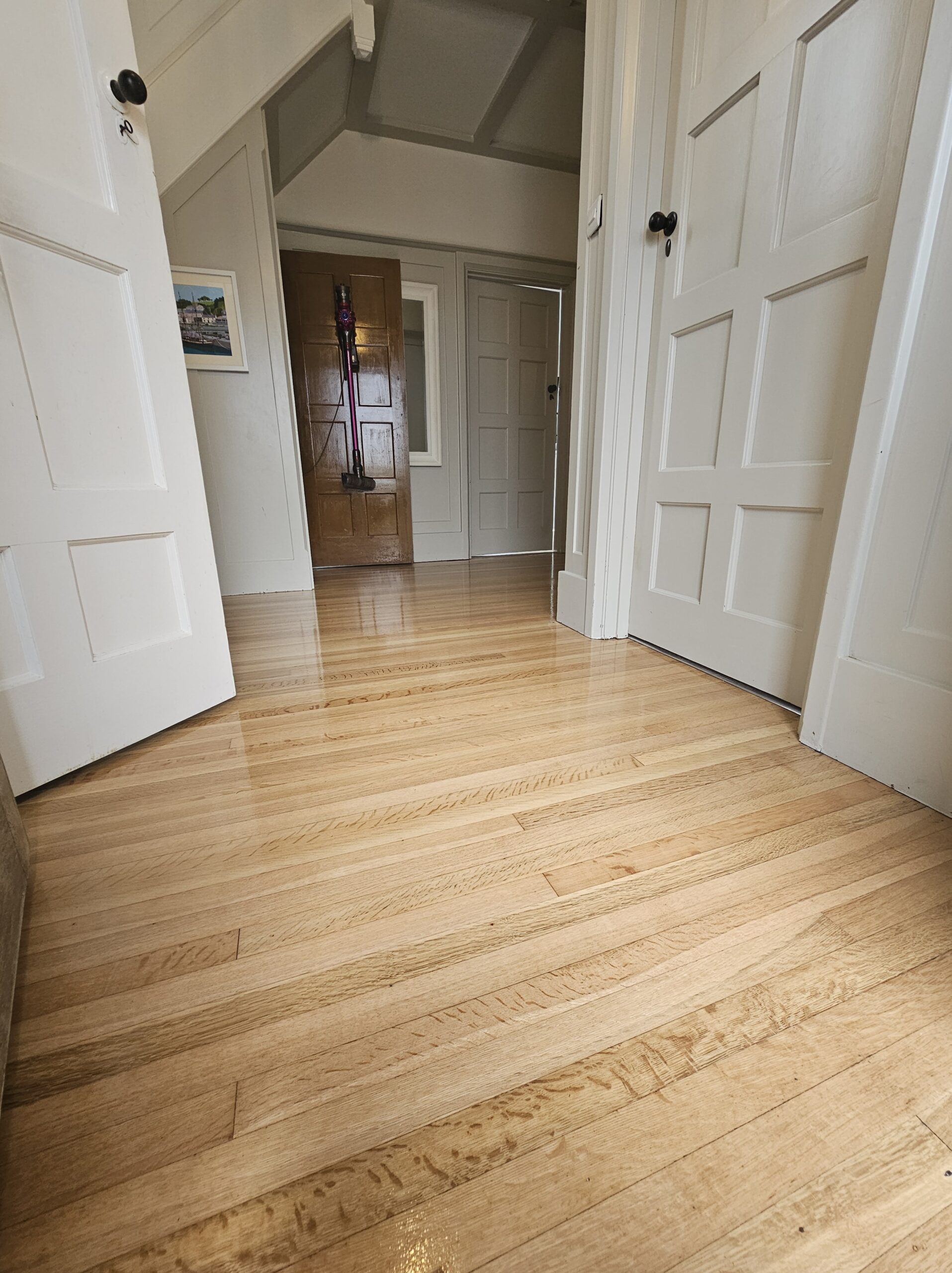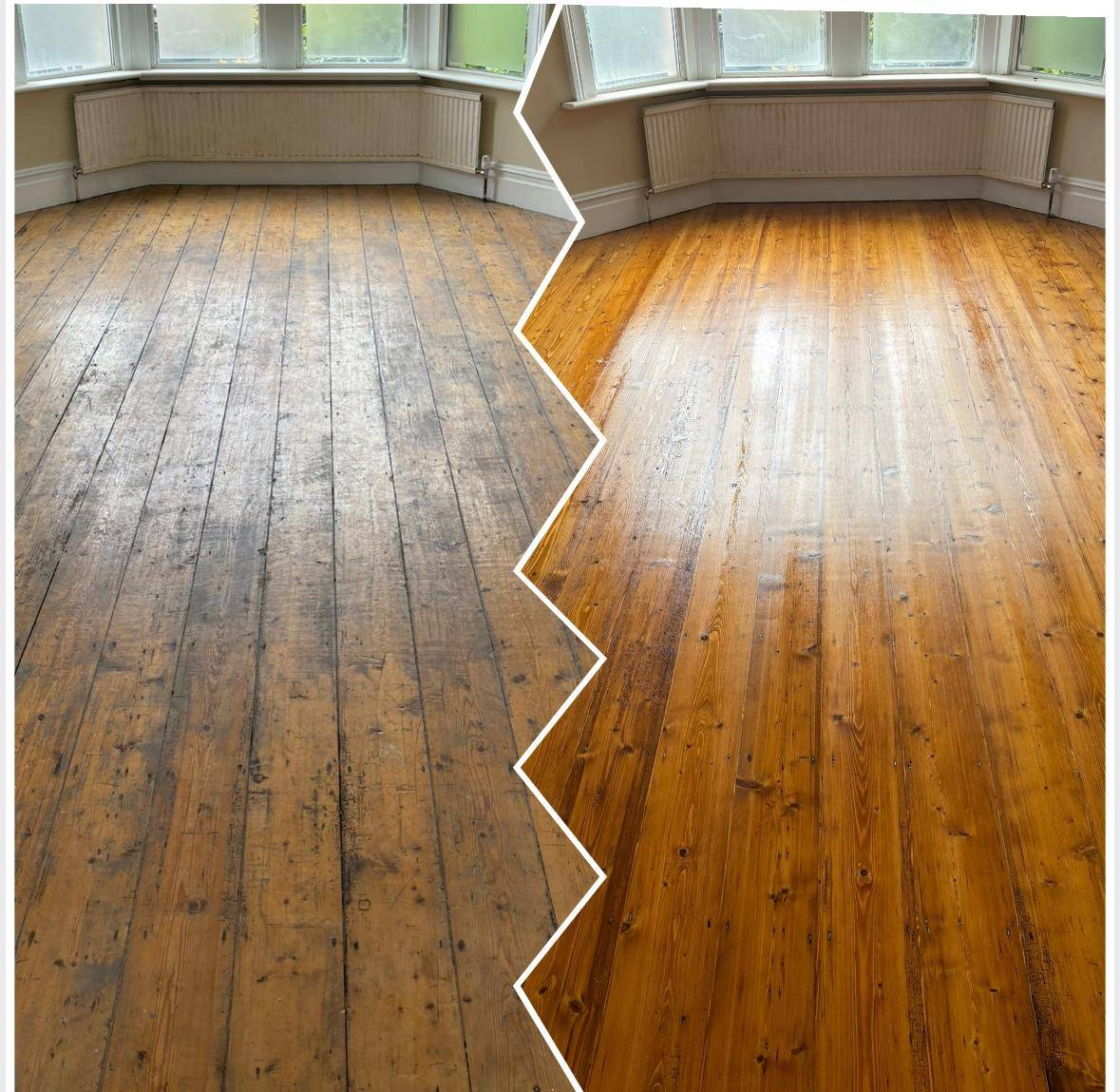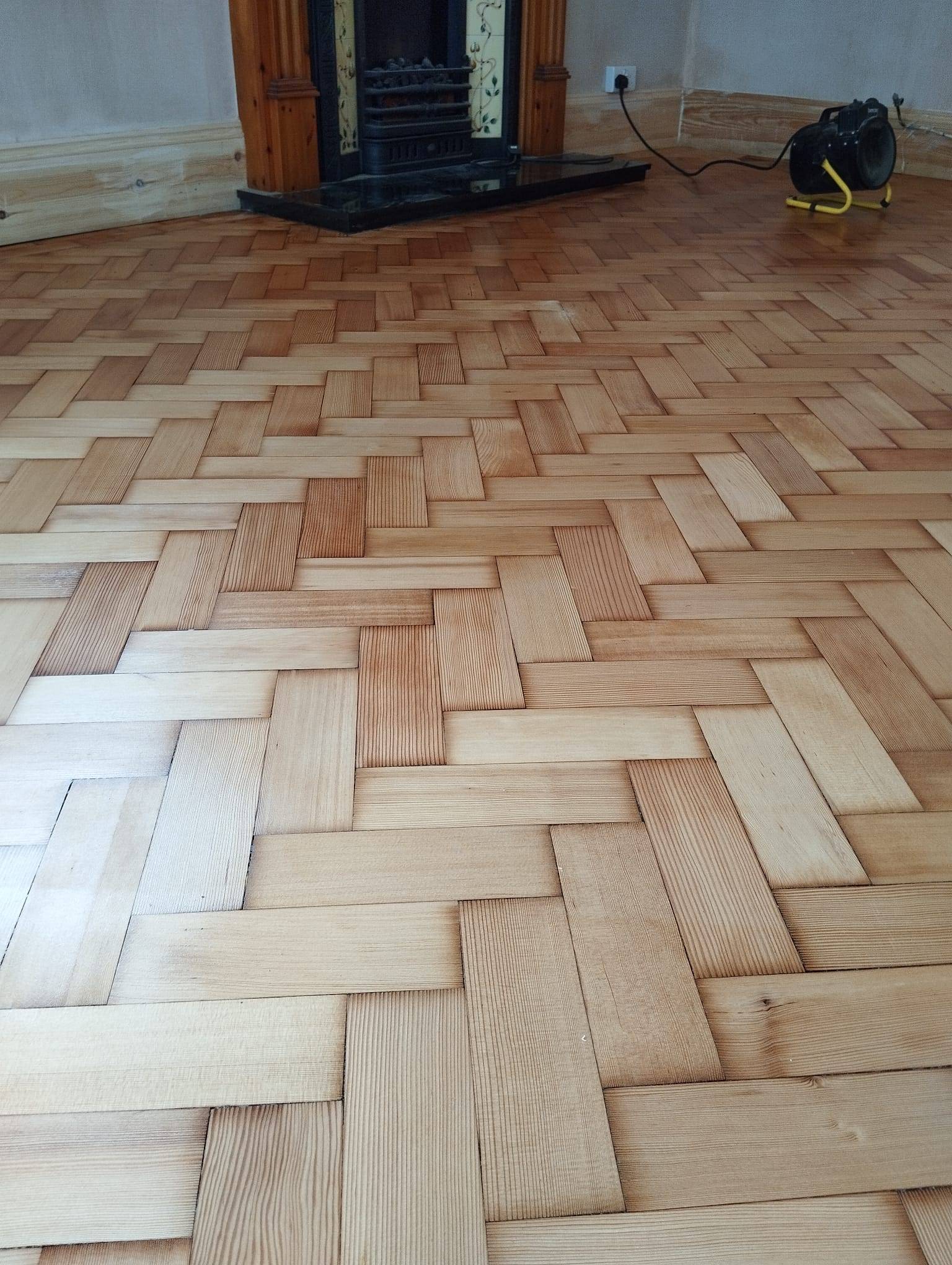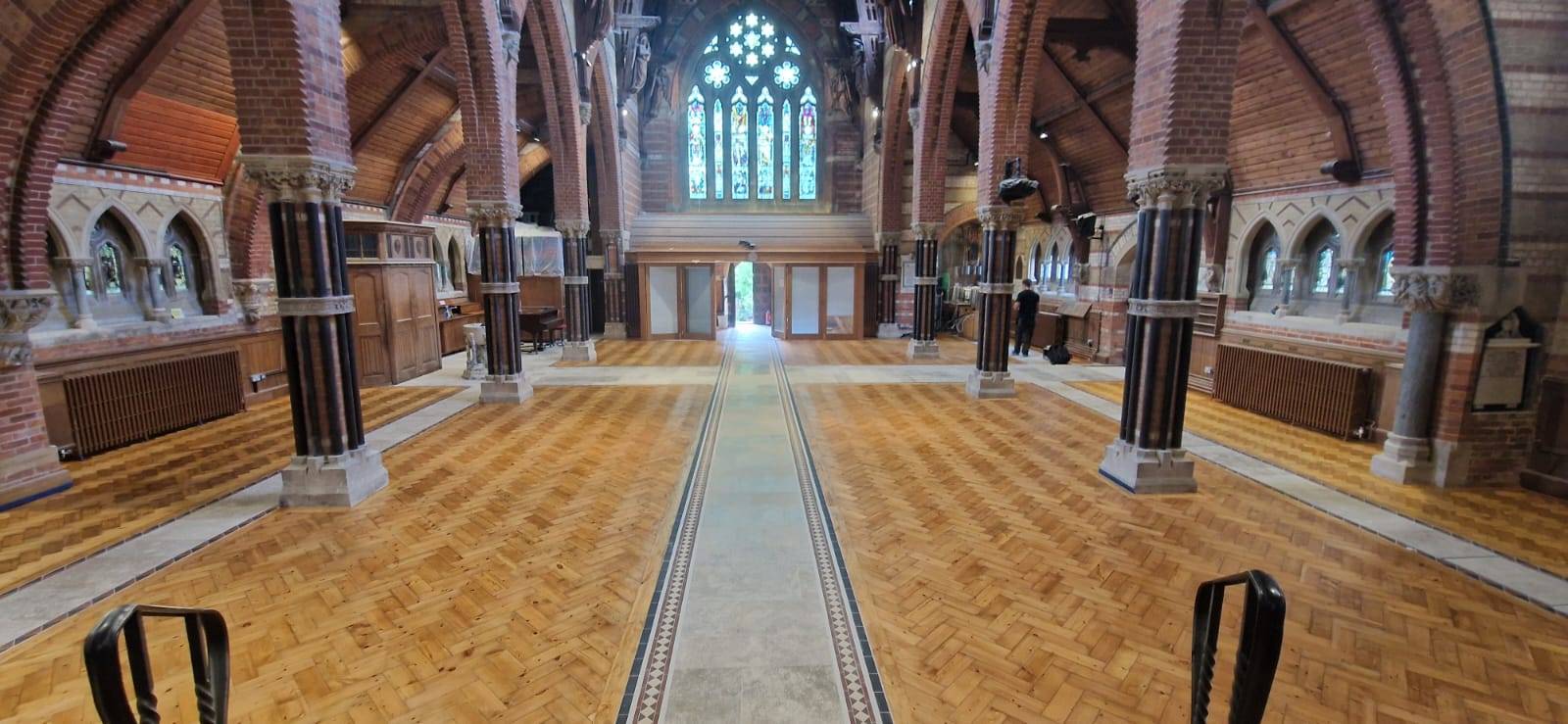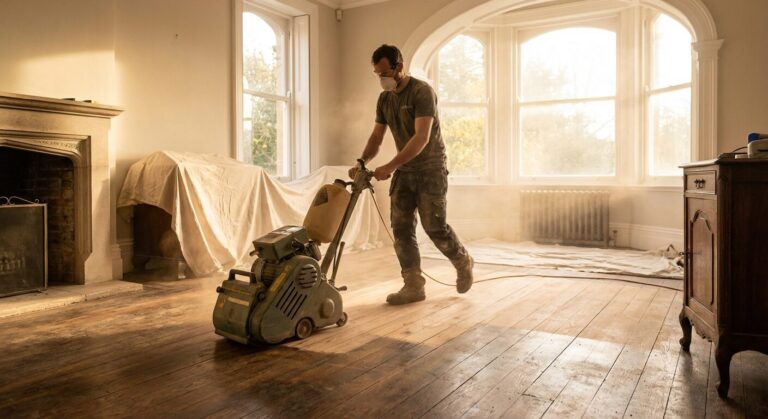
So, you’ve got a hallway that sees more foot traffic than a train station, and you’re wondering how best to protect that lovely floor. It’s a common dilemma for UK homes, especially when you’re weighing up the options between hard wax oil vs lacquer. Both have their fans, and both promise to keep your floors looking tip-top, but they go about it in pretty different ways. Let’s break down what each one is all about, and help you figure out which is the right fit for your busy home.
Key Takeaways
- Hard wax oil soaks into the wood, giving it a natural look and feel, while lacquer sits on top, forming a protective layer.
- When comparing hard wax oil vs lacquer, hard wax oil is generally easier to repair if it gets scratched or worn.
- Lacquer offers a tougher, more water-resistant finish straight off the bat, which can be great for spill-prone areas.
- Hard wax oil tends to have a more matte, natural appearance, whereas lacquer can give you that high-gloss shine if you want it.
- Think about how your household lives – messy kids, pets, or just a lot of coming and going – this will really help you decide between hard wax oil vs lacquer for your hallway.
Understanding Hard Wax Oil: The Natural Choice
Right then, let’s chat about hard wax oil. If you’re after something that feels a bit more natural and lets the wood’s own character shine through, this stuff is definitely worth a look. It’s become pretty popular for good reason, especially for floors that see a lot of action, like hallways.
What Exactly Is Hard Wax Oil?
So, what is this hard wax oil business? Basically, it’s a blend of natural oils and waxes. Think of it like this: the oils soak into the wood, giving it protection from the inside out, while the waxes sit more on the surface, creating a sort of protective layer. It’s not like a thick plastic coating; it’s much more subtle. The oils are usually things like linseed or tung oil, and the waxes are often carnauba or beeswax. This combination means it penetrates the wood while also offering a durable surface finish. It’s a bit of a two-pronged attack against daily wear and tear.
The Natural Appeal of Hard Wax Oil
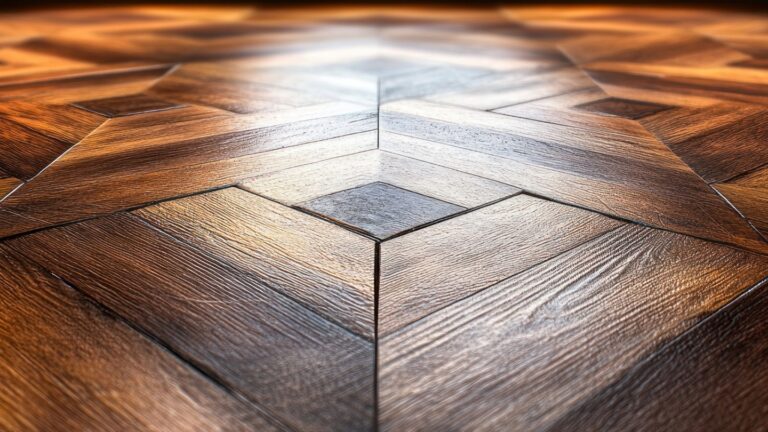
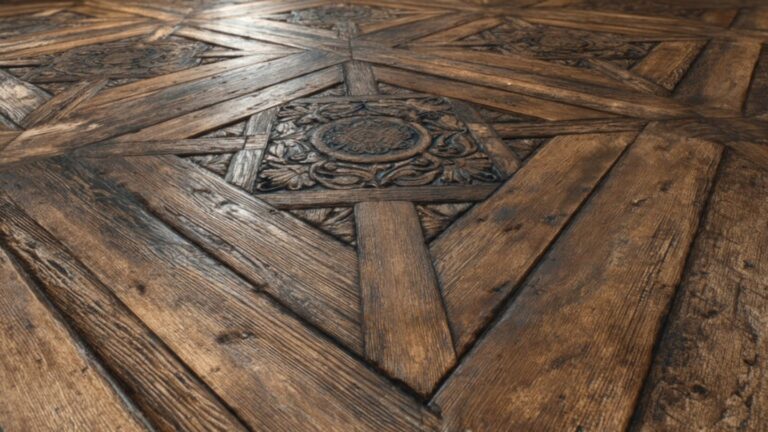
One of the biggest draws of hard wax oil is its natural vibe. It doesn’t give that plasticky, artificial look that some finishes can. Instead, it really lets the grain and the natural colour of the wood come through. It feels lovely underfoot too – warm and smooth, not cold and slick. If you’ve got beautiful oak floorboards in your hallway, hard wax oil will make them look like, well, beautiful oak floorboards, just a bit more protected and with a nice subtle sheen. It’s a finish that ages gracefully, too. Instead of peeling or cracking, it tends to wear down evenly, which can look quite characterful.
How Hard Wax Oil Protects Your Floor
Hard wax oil works in a couple of ways to keep your hallway floor looking good. Firstly, the oils penetrate the wood. This helps to condition it, stopping it from drying out and becoming brittle. It also gives it a good level of resistance against spills and general grime. Then you’ve got the wax element. This forms a protective layer on the surface. It’s not a thick, impenetrable shield, but it does a decent job of repelling everyday moisture and dirt. It’s this dual action that makes it a solid choice for busy areas. It’s also pretty breathable, which is good for the wood.
Here’s a quick rundown of how it protects:
- Penetration: Oils sink into the wood fibres, conditioning and protecting from within.
- Surface Shield: Waxes create a flexible, durable layer on top to guard against spills and scuffs.
- Breathability: Allows the wood to ‘breathe’, preventing moisture build-up that can cause damage.
- Natural Look: Maintains the wood’s natural appearance and feel, avoiding a ‘plastic’ look.
Exploring Lacquer: The Tougher Finish
Right then, let’s chat about lacquer. If you’re after a finish that’s pretty much bomb-proof, lacquer might be your best mate. It’s a bit like giving your floor a really tough, clear shield.
What is Lacquer and How Does It Work?
So, what exactly is lacquer? Think of it as a liquid coating that dries really hard and forms a protective layer on top of your wood. It’s usually made from synthetic resins, solvents, and additives. When you apply it, the solvents evaporate, leaving behind that solid, protective film. It’s a bit like painting, but instead of colour, you’re getting a super-tough, clear seal. This creates a barrier that sits on the surface, rather than soaking in like oil.
The Protective Qualities of Lacquer
This is where lacquer really shines, especially for busy hallways. It’s known for being seriously durable. It’s brilliant at fending off spills and general muck that gets tracked in. Because it’s a surface coating, it’s pretty good at resisting scratches and scuffs, which is a big win when you’ve got shoes, bags, and maybe even a dog or two doing their worst.
Here’s a quick rundown of what makes it tough:
- Water Resistance: Spilled drinks? No problem. Lacquer creates a solid seal that stops liquids from soaking in and causing stains.
- Stain Defence: Muddy footprints or dropped food are less likely to leave a permanent mark.
- Scratch and Scuff Marks: It’s generally more resistant to surface damage than some other finishes.
Achieving a High-Gloss Look with Lacquer
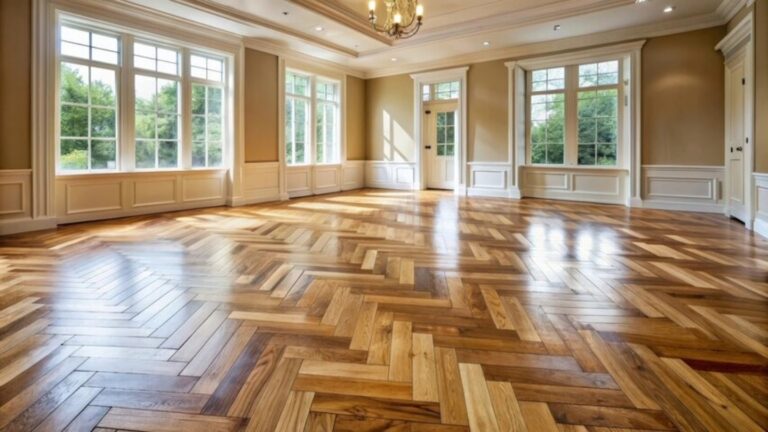
If you’re after that super shiny, almost mirror-like finish, lacquer is the way to go. It can give your hallway a really modern and sleek appearance. You can get different sheens, of course, from a subtle satin to a full-on, dazzling gloss. It really makes the wood grain pop, giving it a really polished look. It’s the kind of finish that makes you think, ‘Wow, that looks professionally done.’
Just remember, while lacquer is tough, it’s not invincible. If it does get damaged, it can be a bit trickier to repair compared to something like hard wax oil, often requiring a full re-coat of the affected area or even the whole floor.
Hard Wax Oil vs Lacquer: Durability Showdown
Scratch Resistance: Who Comes Out On Top?
Right, let’s get down to the nitty-gritty: how do these two finishes stand up to the daily grind of a busy hallway? When it comes to scratches, it’s a bit of a mixed bag, honestly. Hard wax oil soaks into the wood, making the surface itself a bit tougher. It means minor scuffs might not show up as much because the oil is part of the wood. But, if you get a deep gouge, it’s usually easier to fix. Lacquer, on the other hand, sits on top of the wood like a shield. This means it’s generally better at resisting surface scratches from things like grit dragged in by shoes. However, a really sharp or heavy object could potentially chip or crack that top layer, which can be a bit more noticeable.
Water and Stain Defence
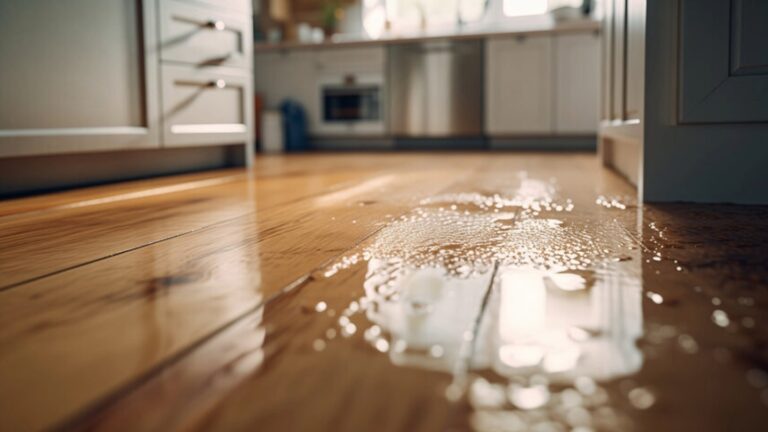
This is where things get interesting. Both finishes offer protection against spills, but they do it differently. Hard wax oil is naturally water-repellent. It beads up liquids, giving you a chance to wipe them away before they soak in. Think of it like a good quality jacket – water just rolls off. However, if a spill sits for too long, especially something oily or colourful, it can still leave a mark. Lacquer forms a solid, impermeable barrier. This makes it really good at stopping liquids from getting into the wood at all. Spills are less likely to penetrate, and it’s generally easier to wipe clean without worrying about stains. For a high-traffic hallway where muddy boots and dropped drinks are a regular occurrence, lacquer often has the edge here.
Dealing with Wear and Tear
Over time, every floor gets a bit of a battering, right? How do hard wax oil and lacquer cope? With hard wax oil, wear tends to happen gradually. You might notice certain areas, like in front of the door or along the main walkway, start to look a bit duller or feel slightly drier. The good news is, this wear is often quite uniform and can be addressed with re-oiling. It’s a bit like giving the floor a refresh. Lacquer, being a surface coating, can show wear more obviously. You might see a sheen disappear in high-traffic zones, or if it gets scratched, those marks can be quite apparent. Repairing lacquer can sometimes be trickier, often requiring a full recoat rather than a simple touch-up.
Here’s a quick rundown:
- Hard Wax Oil: Good for hiding minor scuffs, easier to repair deep scratches, but can be susceptible to oil-based stains if left too long.
- Lacquer: Excellent at preventing liquid penetration and surface scratches, but chips and cracks can be more visible and harder to fix.
Ultimately, the ‘tougher’ finish depends on what kind of damage you’re most worried about. If it’s everyday grit and spills, lacquer might seem more robust. If you prefer a finish that blends wear and is easier to refresh, hard wax oil has its strengths.
Maintenance Matters: Keeping Your Hallway Looking Grand
Right then, let’s talk about keeping your hallway looking tip-top, whatever finish you’ve gone for. It’s not exactly rocket science, but a bit of know-how goes a long way in making sure your floor stays looking its best, especially with all the comings and goings in a busy UK hallway.
Easy Does It: Maintaining Hard Wax Oiled Floors
Honestly, looking after a hard wax oiled floor is pretty straightforward. The main thing is to sweep or vacuum regularly to get rid of any grit that could scratch the surface. Spills? Wipe them up straight away with a damp cloth. For a deeper clean, use a specific hard wax oil floor cleaner – don’t go using just any old household spray, as it can strip the finish. The beauty of hard wax oil is its repairability. If you get a scuff or a worn patch, you can often just re-oil that specific spot without having to do the whole floor. It’s a bit like touching up a scratch on a piece of furniture. For a full refresh every year or two, you might give the whole floor a light coat of maintenance oil, which really brings back that lovely sheen.
Keeping Lacquered Floors Pristine
Lacquered floors are a bit different. Because the lacquer forms a protective layer on top, they’re generally easier to wipe down. Again, regular sweeping is key. For cleaning, a slightly damp mop is usually fine, but make sure it’s not too wet – you don’t want water sitting on the surface. Stick to cleaners specifically designed for lacquered wood floors. Avoid anything abrasive or anything that leaves a waxy residue, as this can build up and make the floor look dull over time. Unlike hard wax oil, you can’t just spot-repair a scratch on a lacquered floor. If you get a deep scratch, it’s usually a case of having to re-lacquer a larger section, or even the whole floor, to get a consistent look.
Repairing Minor Scuffs and Scratches
This is where the two finishes really show their differences.
- Hard Wax Oil: For minor scuffs, a bit of buffing with a soft cloth might do the trick. If it’s a bit deeper, you can often use a touch-up pot of the same oil. Just apply a little to the scratch, let it soak in, and buff off the excess. It blends in pretty well.
- Lacquer: Small scuffs on a lacquered floor can sometimes be buffed out, but deeper scratches are trickier. You might be able to get a coloured repair pen that matches your floor, but it’s rarely a perfect fix. For anything noticeable, you’re probably looking at professional help or a more involved repair.
The key takeaway here is that while lacquer offers a tough initial barrier, hard wax oil wins hands down when it comes to easy, localised repairs. It means you can keep your floor looking good for longer without major hassle.
Aesthetic Appeal: The Look and Feel
Right then, let’s talk about how these finishes actually look and feel underfoot. Because let’s be honest, while protection is key, we all want our hallways to look pretty snazzy too, don’t we?
The Warmth of Hard Wax Oil
Hard wax oil really lets the natural beauty of the wood shine through. It soaks into the timber, giving it a lovely, soft sheen rather than a plasticky coating. It feels really natural and warm to the touch, almost like you’re walking on the wood itself. It’s this natural, tactile quality that makes it a favourite for many. You get all the grain and character of the wood, which can make a hallway feel really inviting and cosy. It’s not a uniform, flat look; it’s got depth and character.
The Sleek Finish of Lacquer
Lacquer, on the other hand, sits on top of the wood. This means you can get some seriously smooth, sleek finishes. Think high-gloss, almost mirror-like surfaces, or a more subtle satin look. It can make a space feel really modern and clean. If you’re going for a contemporary vibe, lacquer can definitely help you achieve that sharp, polished look. It’s less about the ‘feel’ of the wood and more about a refined, protective layer.
Colour Options for Both
Both hard wax oil and lacquer come in a decent range of colours these days, which is great news. With hard wax oil, you can often get tinted versions that add a bit of colour while still keeping that natural wood feel. Think subtle greys, warm browns, or even a hint of white wash. Lacquer offers a broader spectrum, especially if you’re looking for something a bit more dramatic or a specific shade to match your decor. You can even get lacquers that mimic the look of oiled wood, but with that tougher, top-coat finish. So, whether you want rustic charm or modern chic, there’s usually a colour option to suit.
When choosing, think about the overall style of your home. A traditional house might suit the natural warmth of hard wax oil, while a modern flat could really benefit from the crisp finish of lacquer. It’s not just about protection; it’s about setting the tone for your whole home.
Making The Right Choice For Your Busy Hallway
Considering Your Household’s Lifestyle
Right then, let’s get down to brass tacks. Choosing between hard wax oil and lacquer for your hallway isn’t just about looks; it’s about how your home actually lives. Think about who’s traipsing through that hallway day in, day out. Are we talking about a quiet couple with a cat, or a whirlwind of kids, muddy boots, and a dog who thinks the floor is a racetrack?
- High-traffic families: If your hallway is basically a daily obstacle course, you’ll want something that can take a beating. Lacquer might seem like the tough guy here, but remember how it can chip. Hard wax oil, while needing a bit more upkeep, is often easier to patch up.
- Pet owners: Scratches are the enemy! Both finishes can get scratched, but the way they show it is different. Hard wax oil tends to develop a patina over time, which can hide minor scuffs. Lacquer shows scratches more obviously, and they can be a pain to fix without a full re-coat.
- Low-traffic households: If your hallway is more of a gentle thoroughfare, you’ve got more freedom. You can lean into the aesthetic you prefer without worrying quite so much about the practicalities.
Ultimately, the best finish is the one that fits your life, not the other way around.
Budgeting for Your Floor Finish
Let’s be honest, money talks. The initial cost of applying a finish can vary quite a bit. Lacquer is often cheaper to buy and apply upfront, especially if you’re doing it yourself. Hard wax oil can sometimes be a bit pricier, particularly the high-quality brands. But here’s the thing: you’ve got to think long-term.
- Initial Application Costs:
- Lacquer: Generally lower.
- Hard Wax Oil: Can be higher, depending on the product.
- Maintenance Costs:
- Lacquer: Minimal day-to-day, but repairs can be costly.
- Hard Wax Oil: Regular cleaning and occasional re-oiling are needed, but DIY touch-ups are cheap.
- Repair Costs:
- Lacquer: Can require professional sanding and re-coating for significant damage.
- Hard Wax Oil: Localised repairs are usually straightforward and inexpensive.
The Long-Term Value of Each Option
When you look at the bigger picture, the ‘value’ of a floor finish isn’t just about the price tag. It’s about how long it lasts, how it looks over time, and how much hassle it causes. A cheap finish that needs replacing every few years isn’t really good value, is it?
Lacquer offers a hard, protective shell that’s great for resisting spills and general grime. It’s a bit like putting a suit of armour on your floor. However, when that armour gets damaged, it’s often a big job to fix it properly. Hard wax oil, on the other hand, soaks into the wood, making it part of the floor itself. It’s more forgiving and can be repaired section by section, meaning a little scratch doesn’t have to become a big problem. It’s a bit more ‘living’ and less ‘sealed’.
Choosing the right look for your busy hallway can be tricky. You want something that’s tough enough for lots of foot traffic but also looks great. Think about materials that can handle daily wear and tear while still adding style to your home. For expert advice and to see how we can transform your hallway, visit our website today!
So, What’s the Verdict?
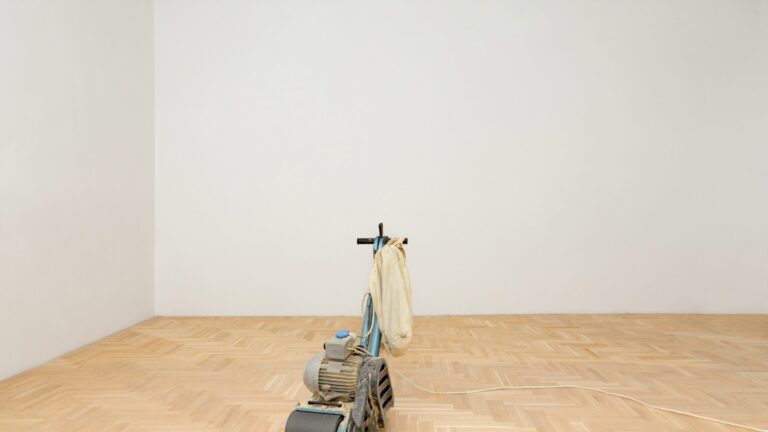
Right then, after all that chat about hard wax oil and lacquer, it really boils down to what you’re after for your hallway. If you want that natural, slightly worn look that’s easy to patch up if it gets a bit scuffed, hard wax oil is probably your best bet. It feels nice underfoot too, not plasticky at all. But if you need something super tough that can take a beating and is dead easy to clean, lacquer might be the way to go. It’s a bit more of a ‘set it and forget it’ job, though you can’t really touch it up as easily. Honestly, have a think about how your hall gets used day-to-day. Kids running in and out? Pets? Loads of muddy boots? That’ll help you decide which one will stand up best to the chaos. No matter what you pick, getting the prep right is key – don’t skimp on that bit!
If you want this doing
We carry the finishes named here, so a change of mind on the day costs you nothing. For the county view rather than the town view, try floor sanding in Cornwall. Otherwise start with Camborne, Redruth, Helston or Liskeard.
Everywhere we travel is listed on areas we cover. The work itself is described on wood floor sealing.
Related guides
- Step-by-Step Guide to Perfectly Staining Wood Floors
- Pet-Friendly Wood Floor Finishes: Top Choices for You
- Engineered vs Solid Wood Flooring: Compare Restoration Techniques
Frequently Asked Questions
Which one is tougher, hard wax oil or lacquer?
Generally speaking, lacquer tends to be a bit tougher and more resistant to scratches and spills right off the bat. It forms a hard layer on top of the wood. Hard wax oil soaks into the wood, offering good protection, but it might not be quite as ‘bulletproof’ as lacquer in the face of a really nasty spill or a dragged piece of furniture.
Can I fix scratches on a lacquered floor easily?
Fixing scratches on lacquered floors can be a bit tricky, especially if the scratch goes deep. You might need to do a spot repair, which can sometimes be noticeable. With hard wax oil, it’s usually easier to patch up minor scratches or worn areas by just reapplying a bit of oil to that spot.
Does hard wax oil make my floor look shiny?
Not really, no. Hard wax oil is known for giving wood a more natural, matte, or satin look. It really brings out the wood’s natural beauty without making it look plasticky or overly shiny. If you’re after a super glossy finish, lacquer is probably more your style.
Which finish is better for a really busy hallway with kids and pets?
For a super busy hallway, especially with kids and pets running around, lacquer often gets the nod for its tough, protective surface that’s good at resisting everyday wear and tear. However, hard wax oil is also a decent choice because it’s easier to repair if it does get damaged, which is bound to happen in a busy spot!
How often do I need to re-oil or re-lacquer my floor?
It really depends on how much traffic your floor gets! With hard wax oil, you might want to give it a top-up coat every year or two, especially in high-traffic zones, to keep it looking its best. Lacquer is more of a ‘set it and forget it’ type of finish for a good while, but when it does wear down, it’s a bigger job to reapply.
Can I change the colour of my floor with these finishes?
Yes, you absolutely can! Both hard wax oil and lacquer come in a variety of colours and tints. You can go for something natural-looking, or you can completely change the colour of your floor to match your decor. It’s a great way to give your hallway a whole new vibe!