So, you’re thinking about getting some nice wood floors, or maybe sprucing up the ones you already have? That’s great! But before you get too far into picking out the perfect wood, you’ll want to know about some new rules. Building regulations Part L 2026 is coming, and it’s got some things to say about energy efficiency. This affects more than you might think, even wood floors. Let’s break down what this means for your home project.
Key Takeaways
- New building regulations Part L 2026 are focusing more on energy saving, and this includes how wood floors perform.
- Different wood types have different abilities to keep heat in, which plays a role in meeting the new standards.
- You might need to think about adding insulation under your wood floor, especially if you’re doing a big renovation.
- Not all wood floor work will trigger these rules; it often depends on the scale of your project and whether you’re changing the structure.
- Talking to builders or floor specialists who know about the building regulations part L wood flooring requirements is a smart move to stay on the right side of the law.
Understanding The New Building Regulations Part L For Wood Flooring
So, the government’s updated its building regulations, specifically Part L, and it’s got some new bits that might affect your wood floors. It’s all about making homes more energy efficient, which is a good thing, right? But what does this actually mean for your wooden floors, whether you’re putting in a new one or maybe just fixing up an old one?
What’s Changed With Part L 2026?
Basically, the big push is to make sure new homes and renovations use less energy. For wood flooring, this means they’re looking more closely at how well your floor keeps heat in. It’s not just about how the floor looks anymore; it’s about its thermal performance. Think of it like adding a warmer blanket to your house. They’ve tightened up the rules on insulation, and that definitely spills over into how floors are constructed and what materials can be used.
Why The Focus On Energy Efficiency?
It’s pretty straightforward, really. The government wants to cut down on energy use across the board to help with climate change and, let’s be honest, to help homeowners save a bit on their heating bills too. Buildings are a huge source of energy consumption, so making them more efficient is a big win. Part L is the rulebook that guides how we build and renovate to achieve these energy goals. It’s about making sure our homes are warmer in winter and cooler in summer without needing to crank up the heating or air conditioning all the time.
Impact On Your Wood Floor Choices
This could mean a few things for your wood flooring project. You might find that certain types of wood, or how they’re installed, are now more scrutinised. If you’re planning a new floor, you’ll need to consider its insulating properties more than you might have before. It doesn’t mean you can’t have a beautiful wood floor, but you might need to pair it with other materials or methods to meet the new standards. The goal is to prevent heat from escaping through your floor.
It’s not about banning wood floors, but about making sure they’re part of a well-insulated home. This might involve looking at the subfloor, any underlayment you use, and even the thickness and type of wood itself.
Meeting Energy Performance Standards With Wood
Alright, so with Part L 2026 in place, the way we look at wood floors in terms of energy has totally shifted. It’s not just about the look or feel anymore—now your wooden flooring can influence how warm your place stays and (surprise!) your energy bill too. Let’s break down what you need to know if you care about both comfort and staying on the right side of the rules.
Thermal Resistance Of Different Wood Types
Not all wood floors do the same job when it comes to stopping heat from escaping. Here’s a quick look at the thermal resistance (“R-value”—it just means how well something holds back heat) for some common wood options:
| Wood Type | Thickness (mm) | R-value (m²K/W) |
|---|---|---|
| Oak | 18 | 0.14 |
| Pine | 18 | 0.16 |
| Maple | 18 | 0.13 |
| Bamboo | 18 | 0.11 |
Don’t forget, denser woods (like oak) usually have a lower R-value. That means they lose heat a bit quicker than something like pine.
Insulation Strategies For Wood Floors
If you’re worried your wood floor won’t pass the new energy rules, it’s not the end of the world. There are a few good ways to give your wood floor a boost:
- Add underfloor insulation (mineral wool, PIR boards, etc.) below the boards.
- Use a proper underlay with insulating properties.
- Seal up any gaps between the boards to keep drafts out.
Sometimes, just adding a layer of decent underlay is all it takes to move your floor from “nope” to “good to go” when it comes to Part L standards.
Achieving Compliance For Your Project
So, how do you actually tick the right boxes? Here’s what to pay attention to:
- Check the thermal performance of your existing or new wood flooring.
- Make sure all gaps and drafts are sorted before the inspector swings by.
- Add or upgrade insulation if your home’s floors are still letting heat escape.
- Document everything—your contractor will usually need to show proof of materials used and values achieved.
Meeting energy goals is much easier—and less stressful—if you plan ahead rather than try to patch things up later.
Honestly, handling these steps up front makes getting through inspections way less of a headache. No one wants to pull up their shiny new floor just because of a missed spec!
Navigating The Building Regulations Part L Wood Flooring Requirements
So, you’re thinking about a new wood floor or maybe sprucing up an old one, and you’ve heard about these Part L 2026 rules. It can sound a bit daunting, but really, it’s all about making sure our homes are a bit kinder to the planet by using less energy. Let’s break down what you actually need to know.
Key Compliance Points For Homeowners
When it comes to Part L 2026 and your wood floors, there are a few main things to keep in mind. It’s not about making things complicated, just smarter.
- Think about the whole picture: Part L looks at the energy performance of your home as a whole. This means your wood floor isn’t just about looks; it plays a part in how well your home keeps heat in.
- Material matters: The type of wood and how it’s installed can affect its thermal properties. Some woods are better insulators than others, and the way they’re laid down can make a difference too.
- Insulation is your friend: If you’re doing a new build or a major renovation, adding insulation under your wood floor is often the easiest way to meet the new standards. This is where you’ll see the biggest gains.
- Documentation is key: Keep records of the materials you use and how they were installed. This will be helpful if you ever need to show that your project meets the regulations.
When Do Regulations Apply To Wood Flooring?
This is a common question, and the answer is, it depends on what you’re doing.
- New Builds: If you’re constructing a brand-new home, Part L 2026 will definitely apply to your wood flooring as part of the overall building envelope.
- Major Renovations: If you’re undertaking a significant renovation that involves altering the thermal elements of your home – like adding an extension or changing the roof structure – your wood flooring will likely need to comply.
- Floor Replacement: Simply replacing an existing wood floor with a new one of a similar type, without changing the underlying structure or insulation, might not trigger the full requirements. However, if you’re upgrading to a much thicker or different type of flooring, or if the work is part of a larger project, it’s best to check.
- Refurbishments: Minor cosmetic updates or refinishing an existing floor usually fall outside the scope of Part L. The regulations are focused on improving the energy performance of the building fabric.
Working With Professionals For Compliance
Honestly, trying to figure out all the building regulations on your own can be a headache. It’s usually best to get some help.
- Architects and Designers: They’ll be familiar with the latest regulations and can design your project with Part L in mind from the start.
- Builders and Installers: Make sure they understand the requirements for insulation and thermal performance. Ask them specifically about how they plan to meet Part L for your wood floor.
- Building Control Officers: These are the folks who will inspect your work. Talking to them early on can save you a lot of trouble down the line. They can clarify what’s needed for your specific project.
The goal of Part L 2026 is to make our homes more energy-efficient, which is good for our wallets and the environment. For wood floors, this often means thinking about insulation and the thermal properties of the materials you choose, especially during new builds or major renovations. Don’t be afraid to ask questions and get professional advice to make sure your project is up to scratch.
Remember, the focus is on improving the overall energy performance of your home. So, while your wood floor is a beautiful feature, it’s also being looked at as part of a bigger system. If you’re unsure, always consult with your local building control body or a qualified professional.
Practical Considerations For Your Wood Floor Project
Choosing Sustainable Wood Flooring Options
So, you’re thinking about a new wood floor, or maybe sprucing up an old one. That’s great! But with the new Part L rules, we’ve got to think a bit more about how our choices affect energy use. When picking out wood, it’s not just about how it looks or how tough it is. We also need to consider where it comes from and how it performs thermally. Look for wood that’s sourced responsibly. This often means checking for certifications like FSC (Forest Stewardship Council) or PEFC (Programme for the Endorsement of Forest Certification). These tell you the wood isn’t coming from forests that are being clear-cut without a plan. Plus, some woods are naturally better insulators than others. Hardwoods like oak or maple tend to be a bit denser and might have slightly different thermal properties compared to softer woods. It’s worth asking your supplier about the specific wood’s characteristics.
Installation Best Practices For Energy Savings
How your wood floor gets put down makes a big difference, especially when it comes to keeping your home warm and cozy. It’s not just about making it look good; it’s about making it work with your home’s heating system.
Here are a few things to keep in mind:
- Subfloor Prep is Key: Make sure your subfloor is clean, dry, and level. Any gaps or unevenness can let drafts sneak in, which is the opposite of what we want for energy efficiency.
- Underlayment Matters: Using the right underlayment is super important. Some underlayments are designed specifically to add an extra layer of insulation. This can help stop heat from escaping downwards, especially if you have a crawl space or unheated basement below.
- Sealing Gaps: Pay attention to where the floor meets the walls. Proper sealing here stops air leaks. Your installer should be good at this, but it’s worth double-checking.
- Consider Radiant Heating: If you’re doing a full renovation, think about installing radiant floor heating under your wood floor. It’s a fantastic way to heat your home efficiently, and wood floors work well with it, provided it’s installed correctly.
Maintaining Your Floor’s Performance Over Time
Once your beautiful wood floor is in, you want it to keep performing well, both in looks and in its energy-saving job. Regular care is the name of the game here.
- Regular Cleaning: Stick to a cleaning schedule. Dust and dirt can scratch the finish over time, making it look dull and potentially creating tiny openings for moisture. Use a soft broom or a vacuum with a wood floor attachment.
- Wipe Up Spills Quickly: Wood and water aren’t best friends. Any spills should be wiped up immediately to prevent staining or warping.
- Use Protective Pads: Put felt pads on the bottom of furniture legs. This stops scratches and makes it easier to move things without dragging, which can damage the floor’s finish.
- Avoid Harsh Chemicals: Stick to cleaners specifically made for wood floors. Strong chemicals can strip the finish or damage the wood itself.
Keeping your wood floor in good shape isn’t just about aesthetics. A well-maintained floor with its original finish intact can continue to provide a good thermal barrier. Damage or wear can compromise this, potentially leading to drafts or heat loss over time. So, a little bit of regular upkeep goes a long way in keeping your home comfortable and energy-efficient.
Common Questions About Part L And Wood Floors
So, you’ve got questions about how these new Part L rules shake out for your wood floors? Totally understandable. It can feel a bit confusing, especially when you’re just trying to get your home looking good and feeling cozy. Let’s break down some of the most common things people are wondering about.
Do All Wood Floors Need To Meet Part L?
This is a big one. The short answer is: it depends on the type of work you’re doing. If you’re building a brand-new extension or doing a major renovation where you’re replacing the entire floor structure, then yes, the new floor will need to meet the Part L energy efficiency standards. This usually means looking at the U-value of the floor assembly. However, if you’re just laying a new wood floor over an existing, sound subfloor in a standard room renovation, the rules might not apply in the same way. The key is whether the work constitutes a ‘building project’ that triggers the full Part L requirements. It’s not about every single plank of wood needing a special stamp, but about the overall thermal performance of the building element.
What If I’m Just Refinishing My Floor?
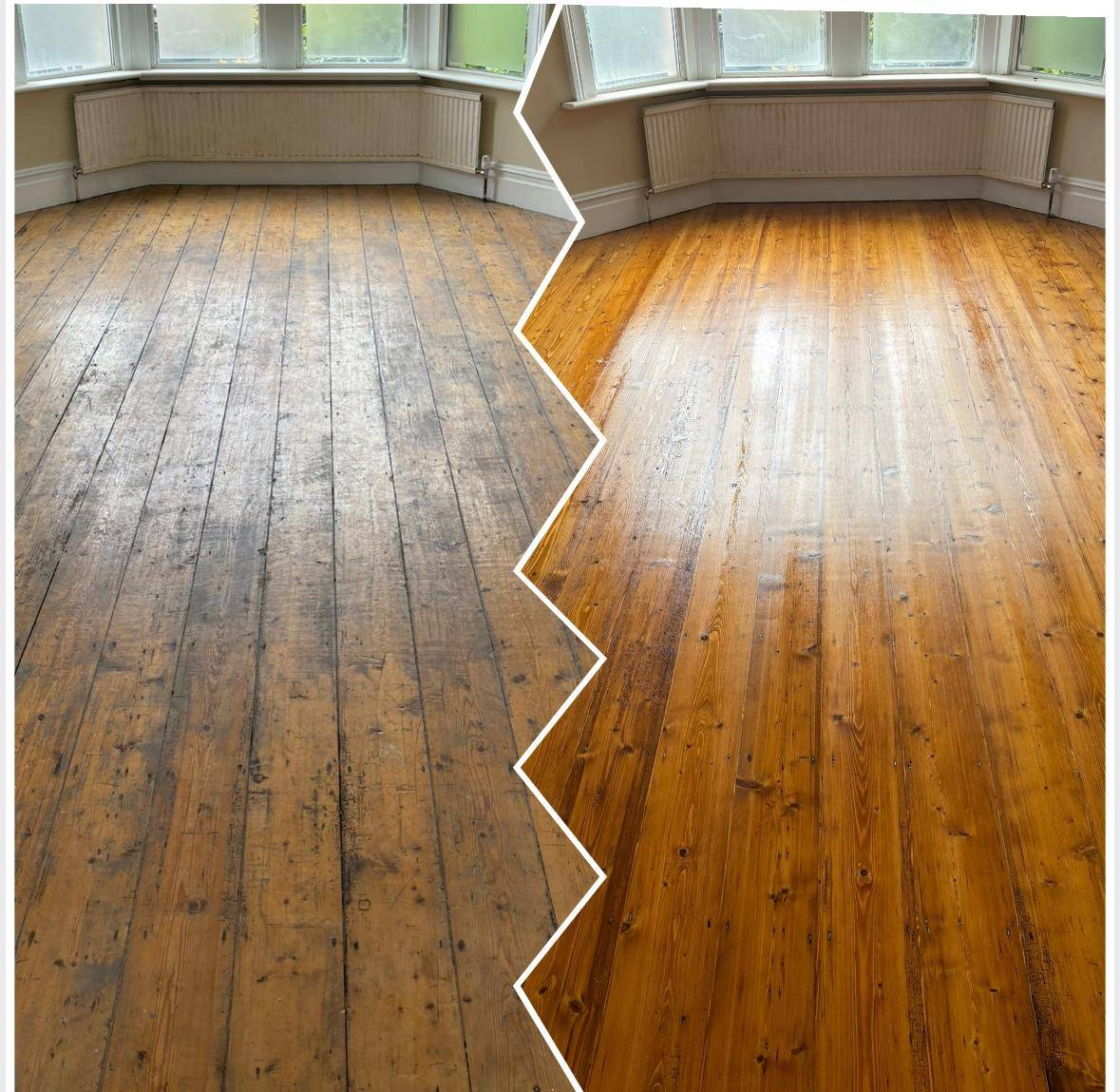
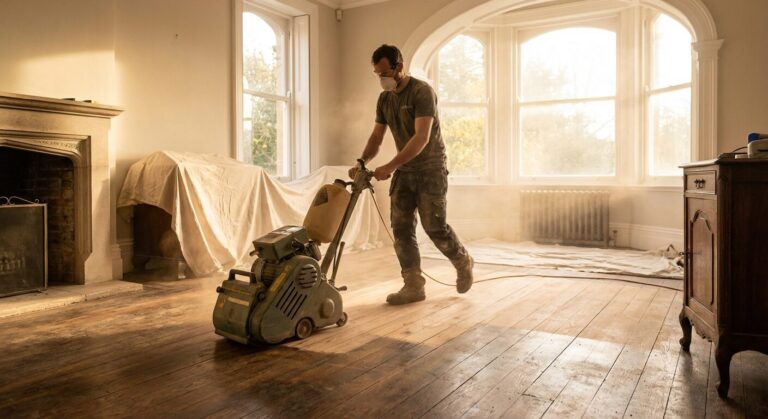
Good news here! If you’re simply sanding down your existing wood floors and applying a new finish – like varnish, oil, or wax – you generally don’t need to worry about Part L 2026. Refinishing is considered a repair or cosmetic update, not a structural change or new build. The thermal properties of your floor aren’t changing in a way that would impact the building’s overall energy performance. So, go ahead and give those floors some love without stressing about building regs.
Where Can I Find More Information?
Getting the right info is half the battle. For the most accurate and up-to-date details, your best bet is to check the official government sources. The Planning Portal is a great place to start, as it breaks down building regulations in a more digestible way. You can also find the full Approved Document L on the government’s website, though be warned, it’s pretty technical. If you’re working with builders, architects, or structural engineers on a project, they should be well-versed in these regulations and can guide you. Don’t be afraid to ask them directly about how Part L applies to your specific situation. They’re the pros, after all!
Remember, the goal of Part L is to make our homes more energy-efficient, which is good for the planet and your wallet in the long run. While it might add a few extra steps to certain projects, understanding the basics can save you headaches down the line.
Got questions about Part L and wood floors? We’ve got answers! Understanding building regulations can be tricky, but it’s important for your home. If you’re curious about how Part L affects your wood flooring choices, check out our helpful guide. For more details and expert advice, visit our website today!
So, What’s the Takeaway?
Alright, so we’ve talked about sprucing up those old wood floors and how the new Part L rules for 2026 might shake things up a bit. It’s not super complicated, but it’s good to know what you’re getting into before you start sanding or hire someone. Basically, if you’re doing a big renovation or adding an extension, you’ll need to pay attention to insulation. For just a simple floor refresh, you’re probably fine. But hey, it never hurts to check with your local building control or a pro if you’re unsure. Better safe than sorry, right? Keeps your home cozy and meets the rules.
Our working patch
Getting the paperwork right matters nearly as much as getting the floor right. We cover Somerset in full, Somerton, Wincanton, Castle Cary and Midsomer Norton among them.
What is included is set out on wood floor sealing, and areas we cover lists the lot.
Related guides
- Acoustic Sealing for Wood Floors: Meeting New Build Standards in 2026
- Managing Noise Regulations During Flat Refurbishment Sanding
- BS 8201:2011 Compliance: Why Professional Standards Matter for Wood Floor Restoration
Frequently Asked Questions
Do I really have to worry about these new rules for my wood floors?
Basically, if you’re doing major work like adding an extension or replacing a significant part of your home’s structure, then yes, your wood flooring might need to meet the new energy rules. It’s not usually a big deal for simple repairs or just putting a fresh coat of finish on your existing floor, but it’s always good to check if you’re unsure.
What happens if I’m just sanding and re-varnishing my old wood floor?
Good news! If you’re just giving your current wood floor a facelift by sanding it down and applying a new finish, you generally don’t need to stress about Part L. These rules are more about new builds or major changes to your home’s energy performance, not routine upkeep.
Why are they making such a fuss about energy with floors?
Think of it like this: your home loses heat through its walls, roof, and yes, even the floor! By making sure floors are better at keeping heat in, your home stays warmer without needing as much energy to heat it. It’s all about saving energy and being kinder to the planet, plus it can save you money on your heating bills.
Does the type of wood I pick for my floor matter for energy rules?
It sure does! Different kinds of wood have different abilities to slow down heat. Some woods are naturally better at keeping warmth from escaping than others. So, when you’re picking out new wood for your floor, it’s worth asking about its ‘thermal resistance’ to see how it stacks up.
Can I add extra insulation under my wood floor to help?
Absolutely! Adding insulation beneath your wood floor is a super smart way to boost its energy performance. It’s like giving your floor a cozy blanket to stop heat from sneaking out. This is often a key part of meeting the new energy standards, especially if your wood choice isn’t the best insulator on its own.
Where can I get more details on these Part L rules for wood floors?
The best place to start is the official UK government website – just search for ‘Building Regulations Part L’. You can also chat with your local council’s building control department. And, of course, talking to experienced flooring professionals or builders who know about these regulations is a great idea. They can guide you through what you need.