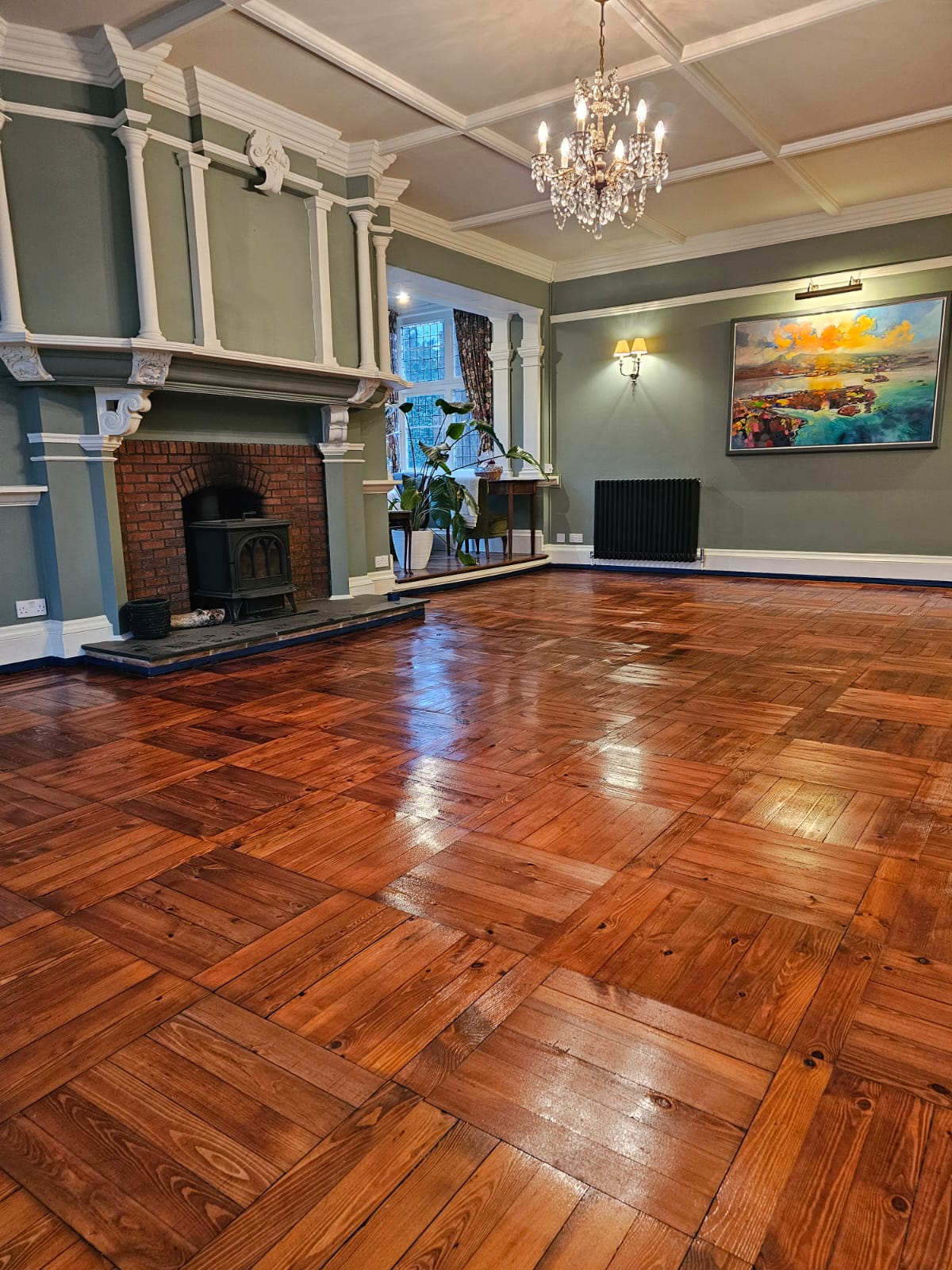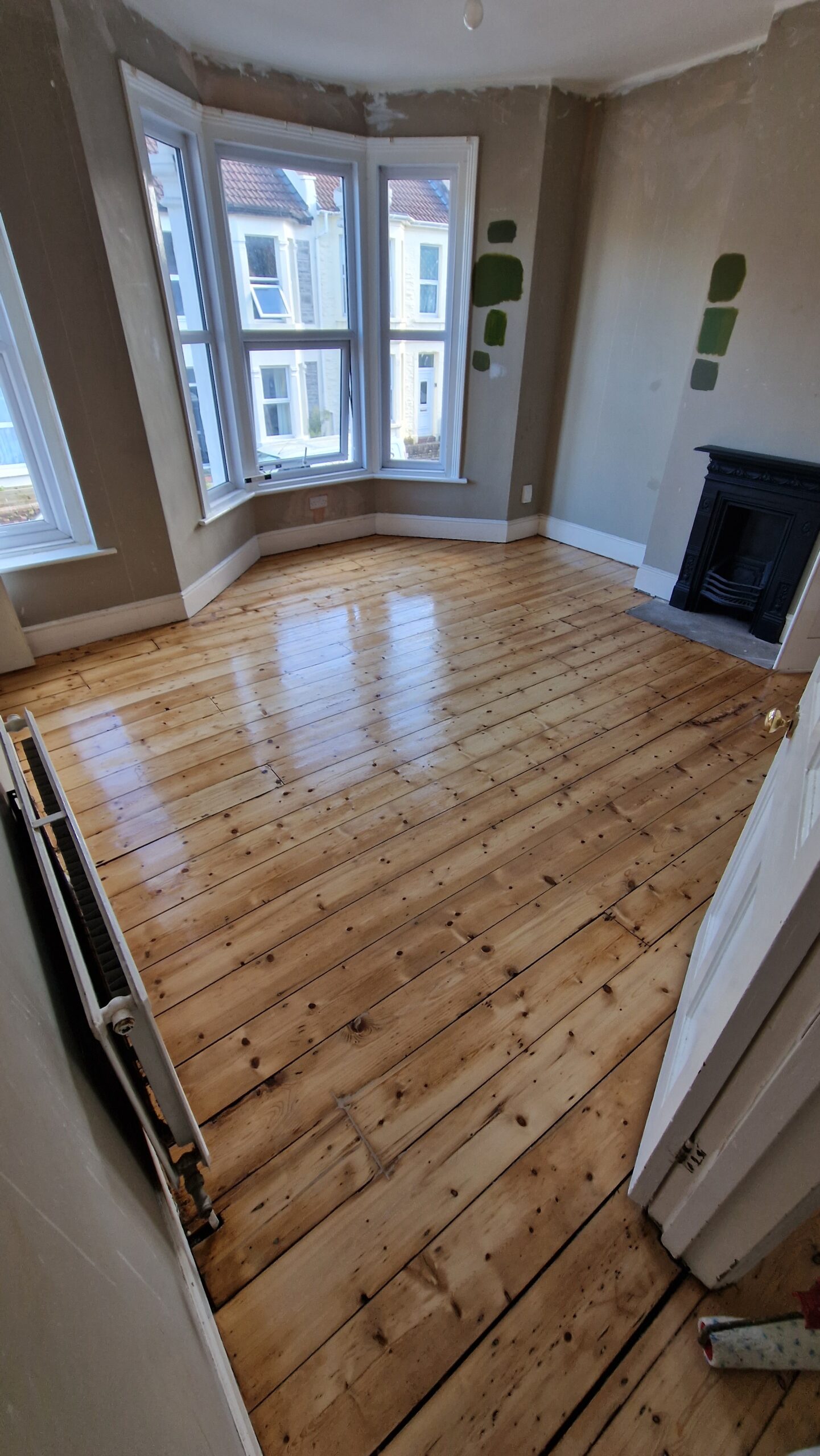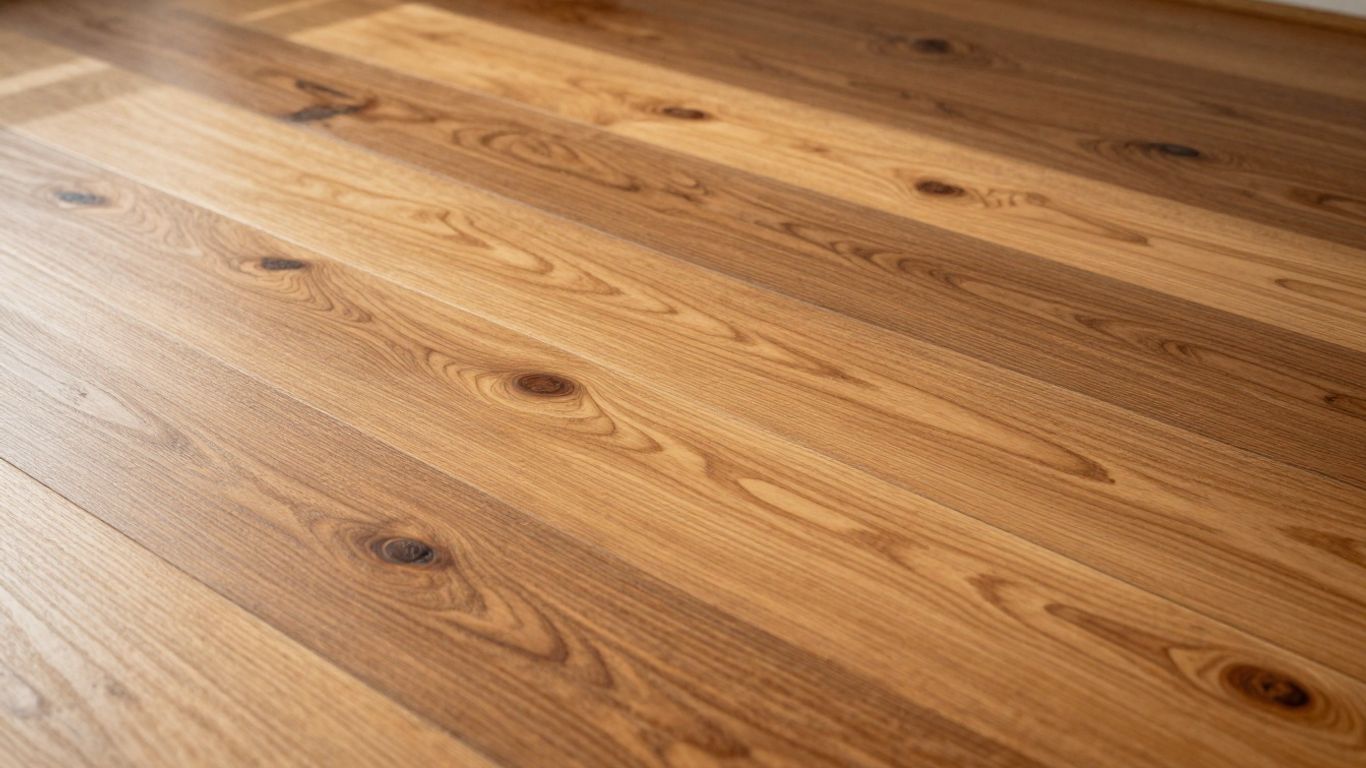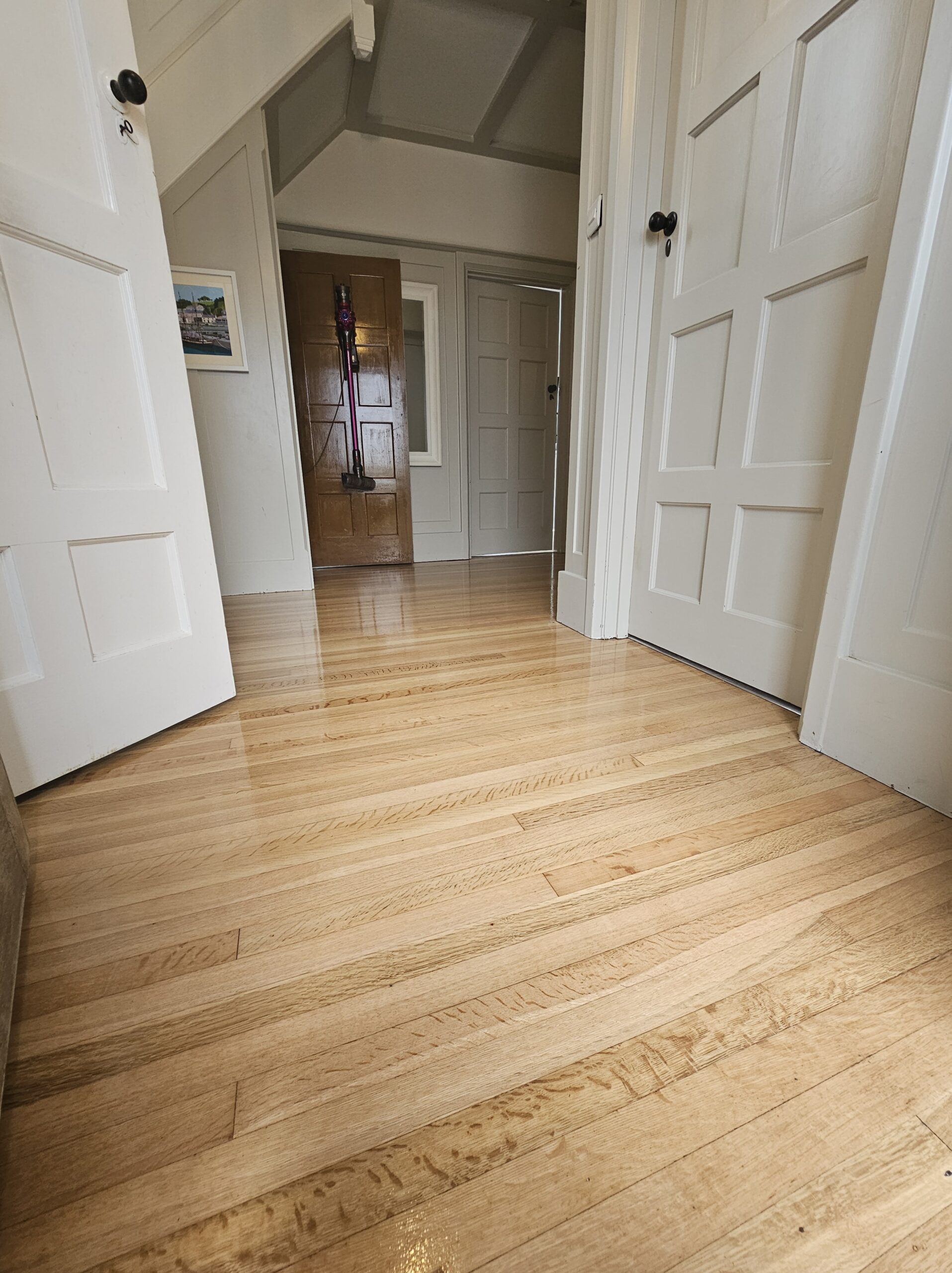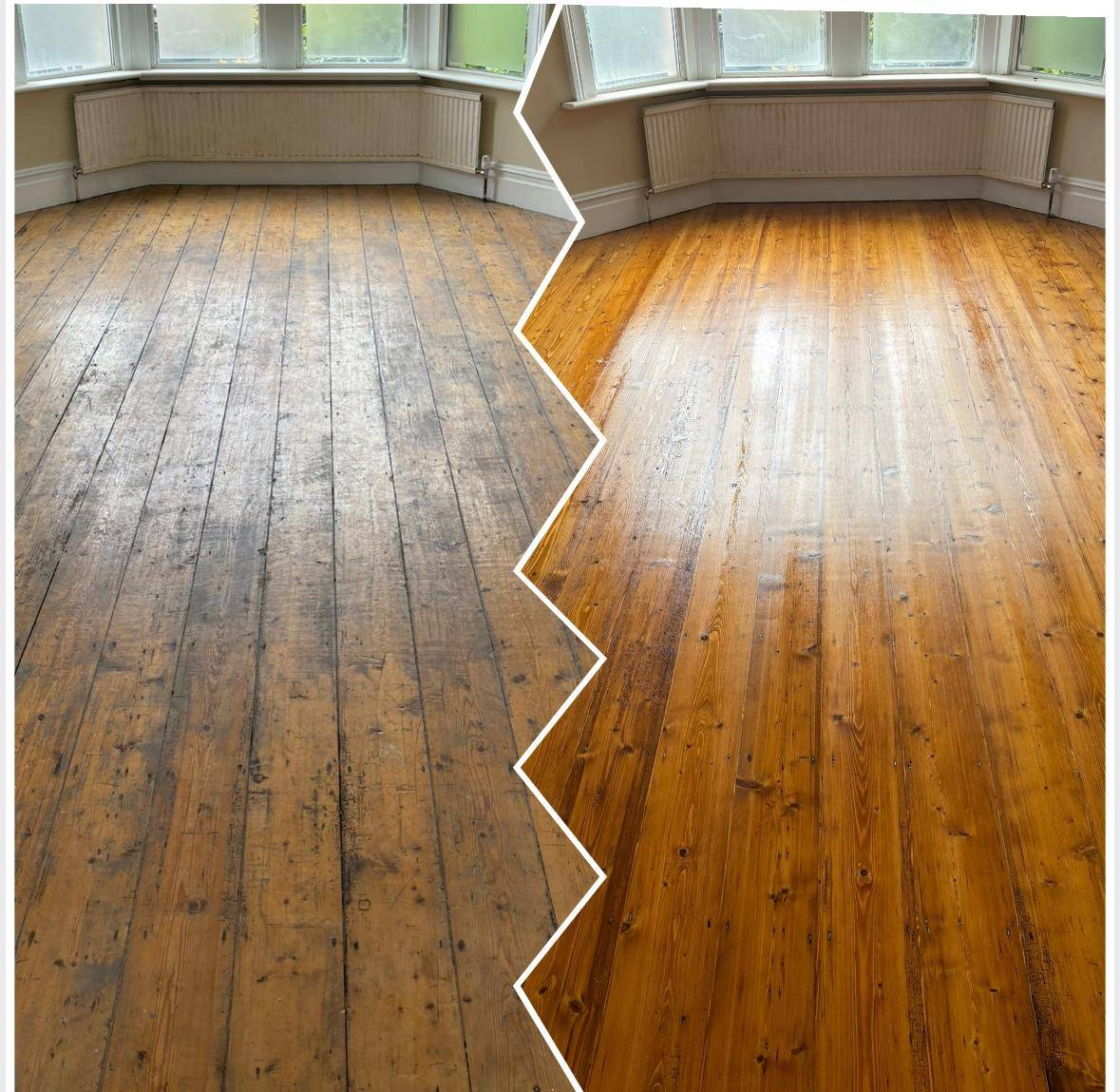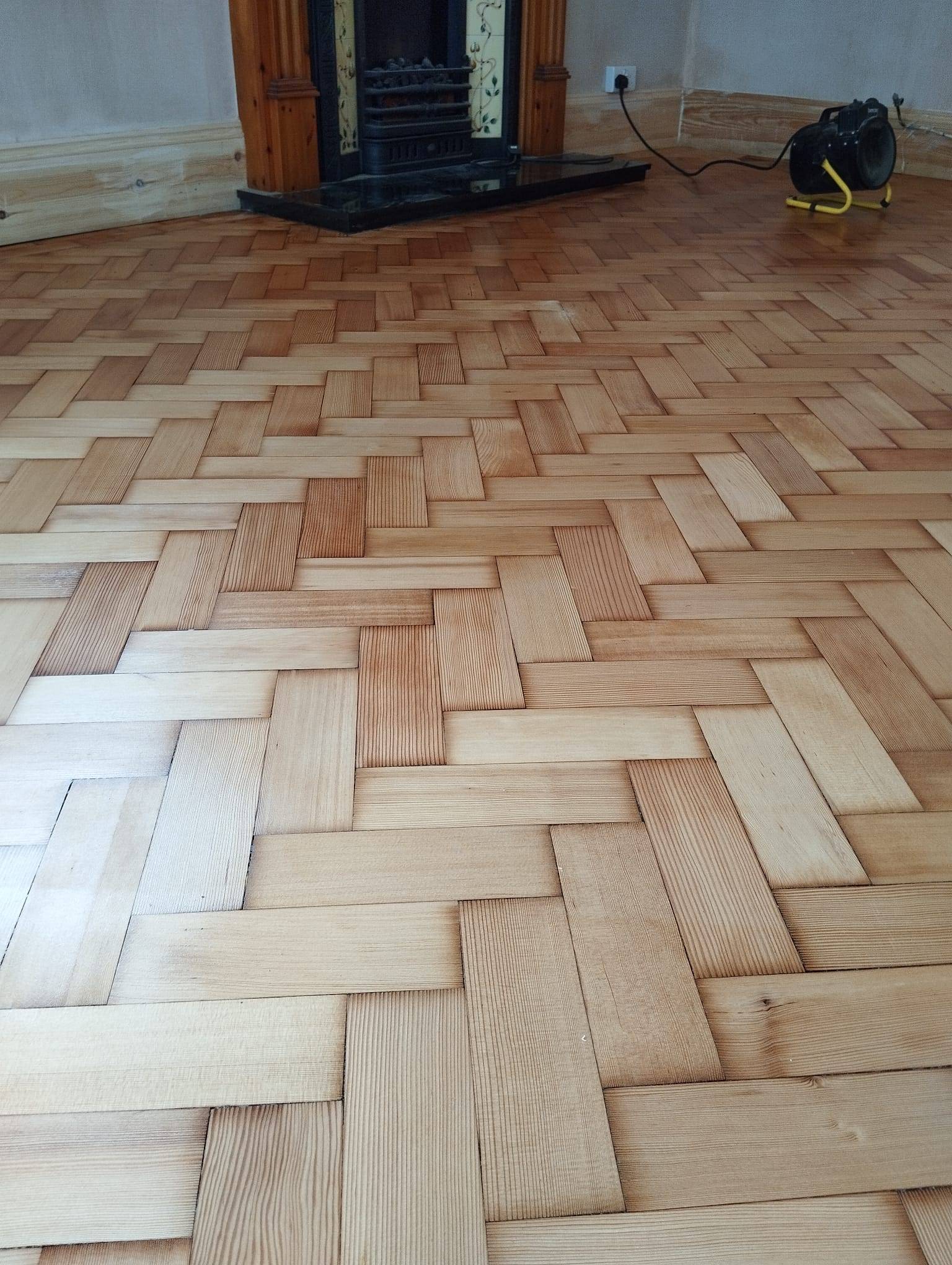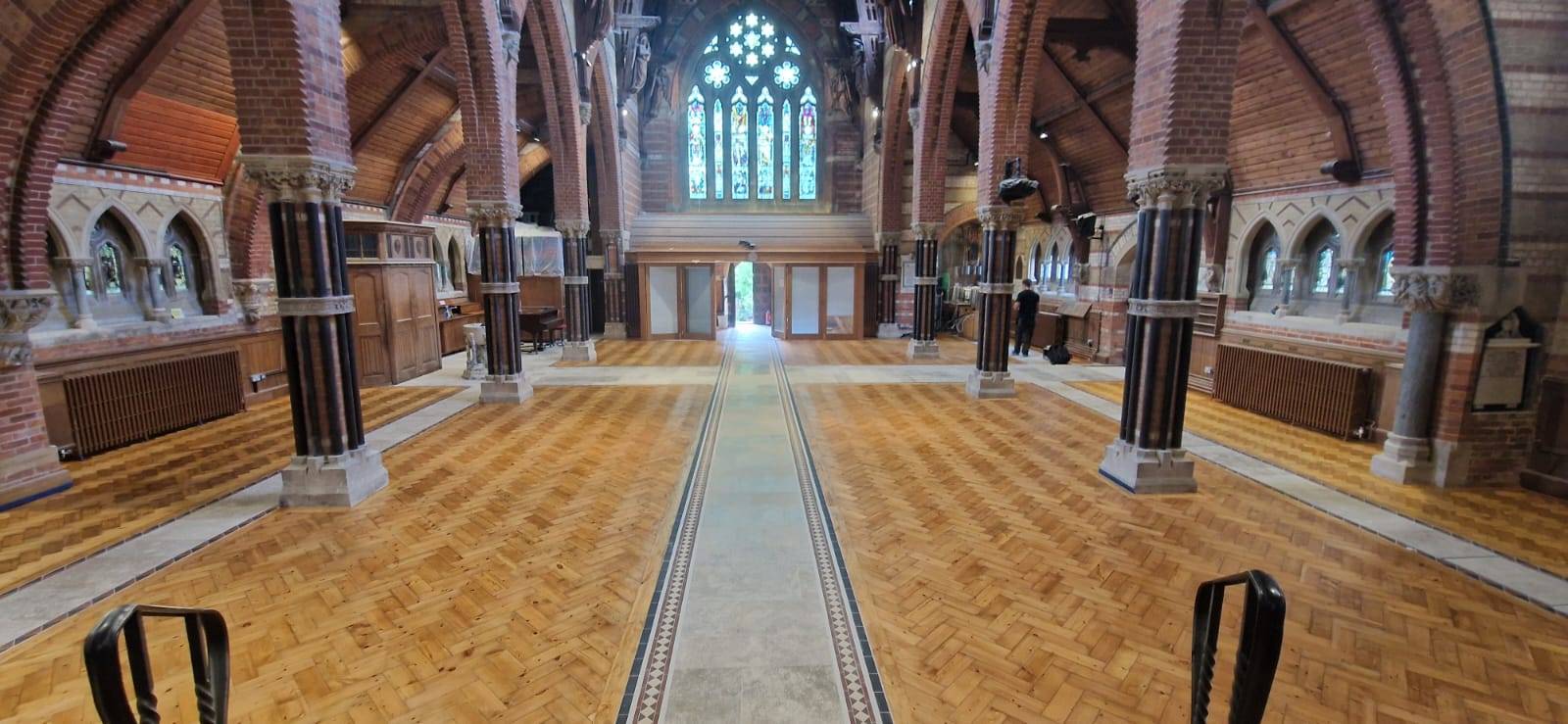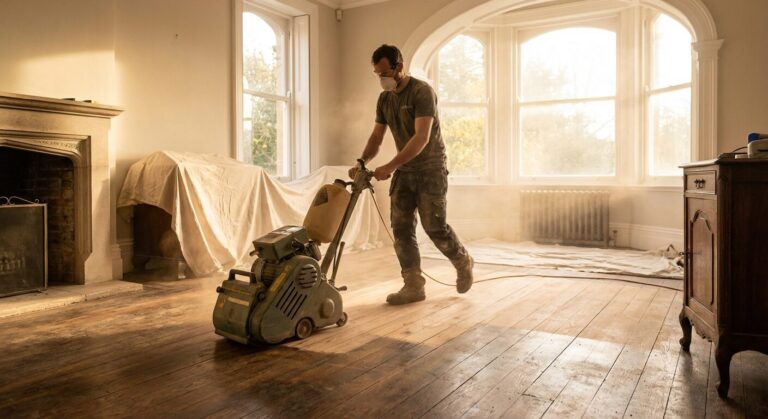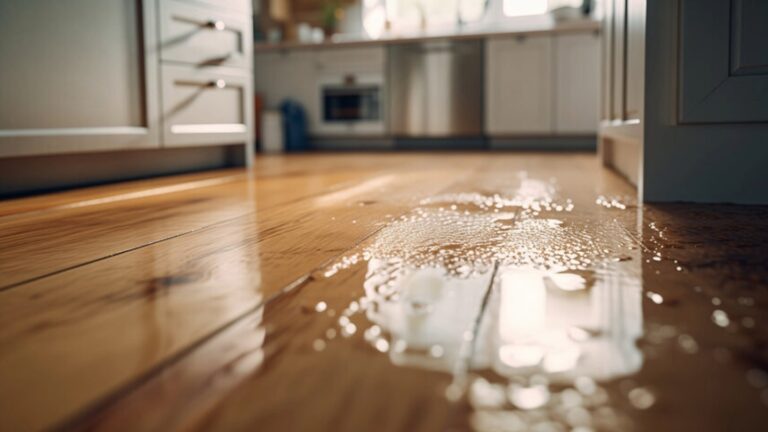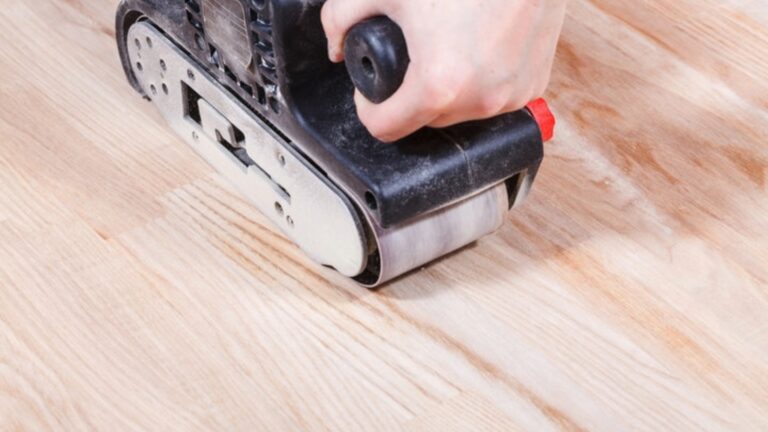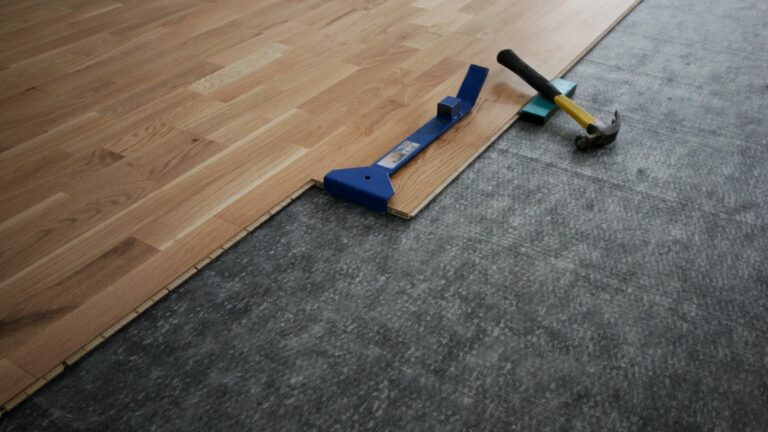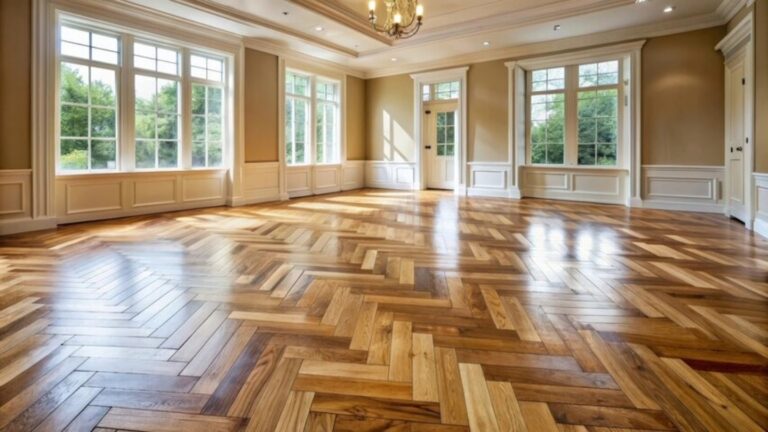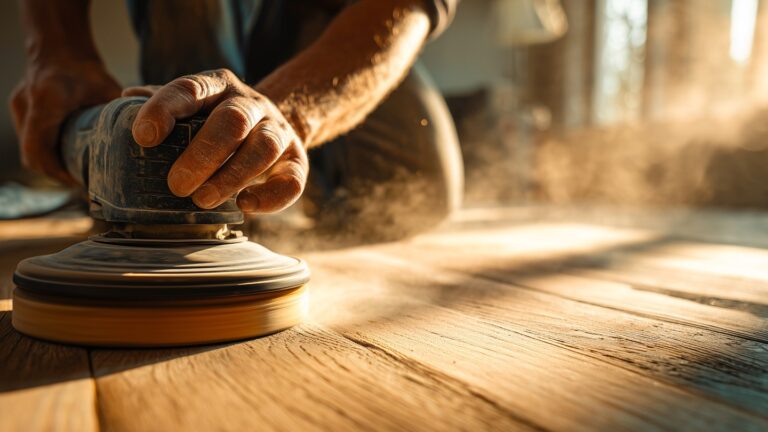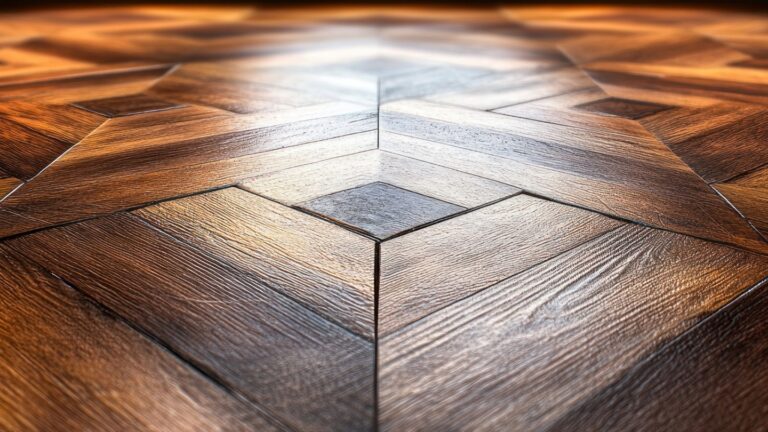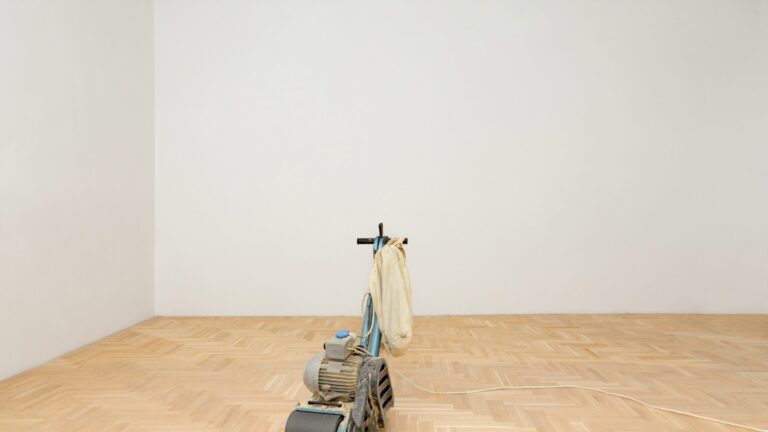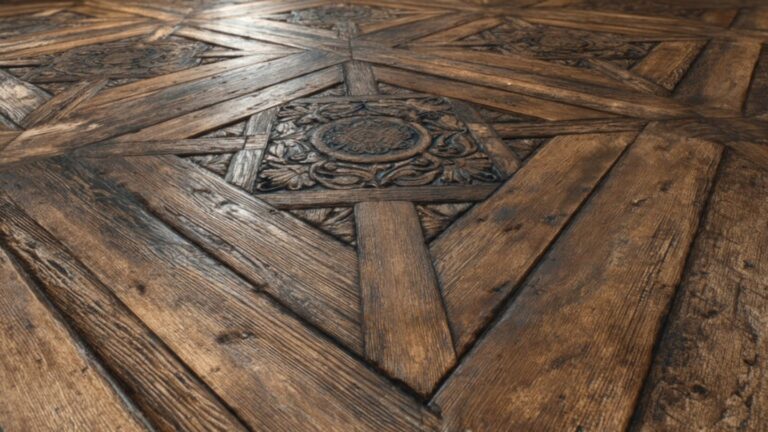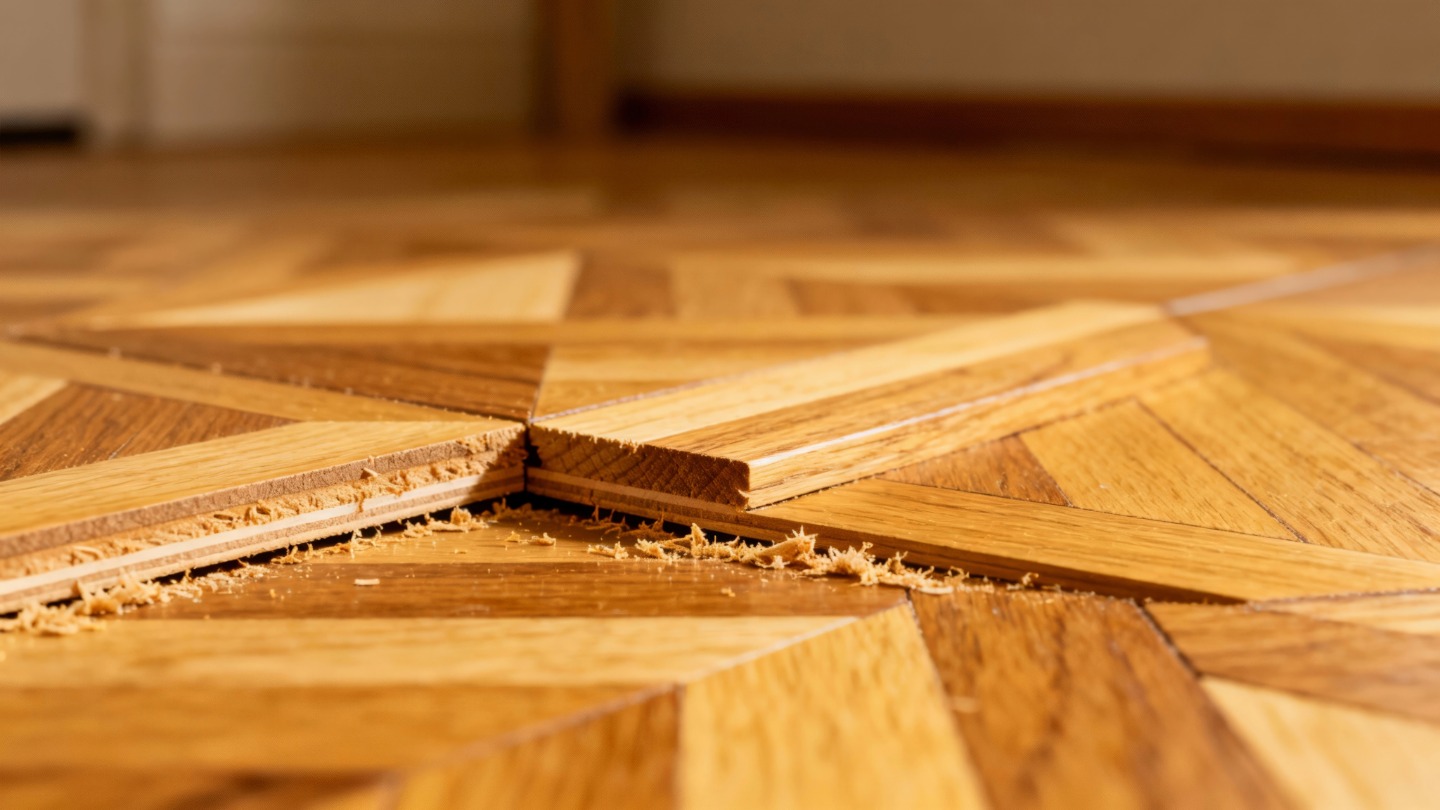
So, you’ve got these old houses, right? They’re charming, full of character, but often come with little gaps and cracks. Maybe it’s the floorboards that have shifted over time, or a window frame that’s seen better days. Filling these gaps is important, not just for looks but for keeping things snug. But how do you do it right, especially in a place with history? We’re going to look at two ways: using little bits of wood, called timber slivers, and using resin. Turns out, one is usually a much better fit for older homes.
Key Takeaways
- Gaps in old houses happen naturally as the building settles and materials age. Trying to fill them is a common task for homeowners.
- Timber slivers are thin pieces of wood carefully cut to fit into gaps, mimicking the original materials of the house.
- Resin is a modern filling material, often used for quick fixes, but it might not be the best choice for the unique needs of period properties.
- Using timber slivers helps keep the original look and feel of an old house, respecting its history and materials.
- When fixing gaps in older homes, thinking about the building’s age, style, and the long-term effects of the repair method is important. Timber slivers often win out for authenticity.
Understanding The Problem: Gaps In Old Homes
Why Gaps Appear In Period Properties
So, you’ve got an old house, right? They’re charming, full of character, and let’s be honest, sometimes a bit… drafty. Over time, these beautiful old homes settle and shift. Think of it like a person aging; things just move a little. Wood expands and contracts with the weather, foundations can settle unevenly, and even the way the house was built originally can contribute. It’s totally normal for gaps to start showing up, especially around window frames, door frames, and where different building materials meet. These aren’t usually signs of a major structural issue, but they do need attention.
The Challenges Of Traditional Gap Filling
When you spot these gaps, the first thought might be to just fill ’em up. Easy peasy, right? Well, not always. Old houses are built differently. They breathe. Using modern, rigid fillers can actually cause more problems down the line. Imagine trying to force a square peg into a round hole – it just doesn’t work well long-term. Traditional methods often involved materials that could move with the house, but finding those exact materials or the skills to use them can be tough these days. Plus, some old filling techniques might have used materials that aren’t great for the original fabric of the building, leading to damp or rot.
The key thing to remember with older properties is that they’re dynamic. They’re not static boxes. They move, they breathe, and they change. Any repair work needs to respect that natural movement, otherwise, you’re just setting yourself up for future headaches.
The Timber Sliver Approach: A Classic Solution
So, we’ve got these gaps in our old houses, right? Sometimes they’re just part of the charm, other times they’re letting in drafts and looking a bit rough. When it comes to fixing them up, especially in older homes, there’s a method that’s been around forever: timber slivers. It’s not fancy, but it works, and it’s kind of an art form.
What Exactly Is A Timber Sliver?
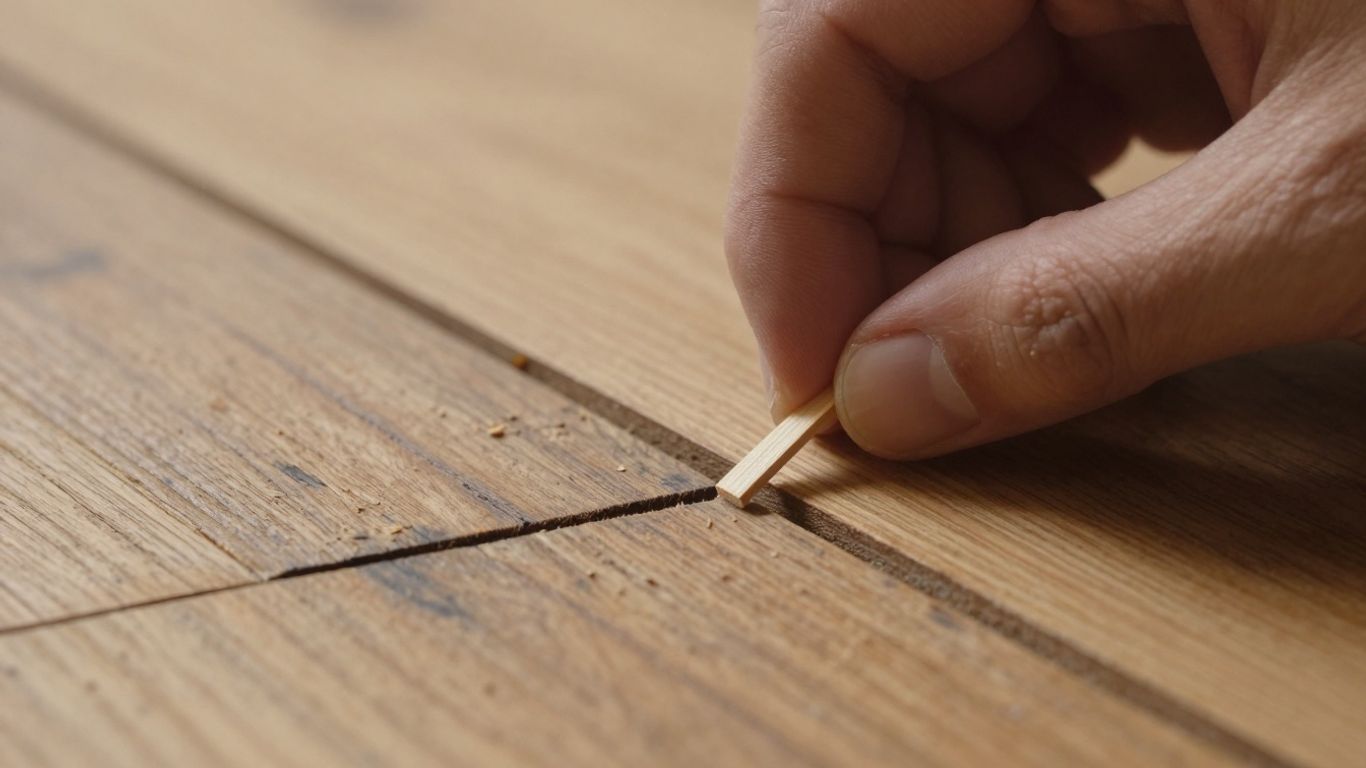
Think of a timber sliver as a tiny, precisely cut piece of wood. It’s not just any scrap; it’s usually made from a wood that matches the original timber of your house as closely as possible, both in type and age. We’re talking about thin strips, sometimes just a millimeter or two thick, carefully shaped to fit into those awkward gaps.
How Timber Slivers Work For Gap Filling
The idea is pretty straightforward. You take these little wood slivers and gently tap them into the gap. It’s like a really precise jigsaw puzzle. The goal is to fill the space completely, making it solid again. Because the slivers are thin and made of wood, they can be worked into all sorts of nooks and crannies that other methods just can’t reach.
- They match the original material: This is a big one. Using wood to fill a wood gap just makes sense.
- They’re flexible: You can shape them to fit curves or uneven edges.
- They add strength: Filling the void makes the surrounding structure more stable.
The Art Of Timber Sliver Gap Filling
This isn’t a job for a hurried DIYer, honestly. It takes patience and a good eye. The craftspeople who do this well have a knack for selecting the right wood and cutting the slivers just so. They’ll often use a special glue to hold them in place, and then carefully trim and sand them down so they blend in perfectly. It’s about making the repair almost invisible, respecting the history of the building.
You’re not just filling a hole; you’re continuing the story of the wood. It’s about being gentle with old materials and making sure the fix looks like it’s always been there. It’s a slow process, but the results are worth it for these old places.
Resin: The Modern Contender
What Is Resin Gap Filling?
So, you’ve got these gaps in your old house, and someone suggests using resin. What exactly are we talking about here? Basically, it’s a synthetic material, often a type of plastic, that’s mixed with a hardener. Once it cures, it becomes a solid, pretty tough substance. Think of it like a super-strong glue or filler that can be poured or injected into cracks and holes. It’s often used in modern construction for its speed and strength, and some folks think it’s the go-to for fixing up older homes too.
When Resin Might Seem Like A Quick Fix
Look, I get the appeal. When you’re staring at a gap that’s letting in drafts or just looks plain messy, you want it fixed, like, yesterday. Resin can seem like the answer because it sets up fast. You mix it, apply it, and boom – it’s hard. It doesn’t need the same kind of careful shaping or drying time that wood does. Plus, it can fill really awkward spaces that might be tricky to reach with solid materials. It’s often seen as a more straightforward, less labor-intensive option. For some repairs, especially where aesthetics aren’t the top priority or in newer builds, it can definitely get the job done quickly.
But here’s the thing about speed: sometimes, taking your time is actually faster in the long run. Rushing into a fix can lead to bigger headaches down the road, especially when you’re dealing with something as delicate as an old house.
Why Timber Slivers Win For Period Properties
Okay, so we’ve talked about the problem and what these different methods are. Now, let’s get down to why, when you’re dealing with an old house, timber slivers are usually the way to go. It’s not just about filling a gap; it’s about respecting the history and the materials already there.
Preserving Original Materials
Think about it. Your old house is made of wood, stone, plaster – stuff that’s been there for ages. When you use a timber sliver, you’re essentially adding more of the same kind of material. It’s like patching a quilt with a piece of the original fabric. This means the repair breathes with the rest of the house. It expands and contracts at a similar rate, which is super important for old buildings that are always settling and moving a bit. Resin, on the other hand, is a plastic. It’s rigid and doesn’t play nice with the natural movement of old timber. Over time, that difference can cause stress and damage to the original wood around the repair.
A Seamless, Natural Look
This is a big one for anyone who cares about how their home looks and feels. A well-done timber sliver repair just blends in. Because you’re using wood that matches the original, you can get a really close color and grain match. A skilled craftsperson can shape the sliver so it looks like it’s always been part of the timber. It’s subtle. Resin repairs, even when they’re colored, often have a different sheen or texture. They can look a bit like a patch, a bit obvious. For a period property, where authenticity is key, that difference really shows.
Long-Term Durability And Stability
When you’re fixing something in an old house, you want it to last. You don’t want to be doing the same repair again in a few years. Timber slivers, when fitted correctly, become part of the structure. They’re strong and stable, especially when they’re glued in with traditional glues like hide glue. They’re not going to shrink away or crack apart like some other materials might. This means the repair holds up over time, dealing with changes in temperature and humidity without falling apart. It’s a fix that respects the building’s life.
The goal with period properties isn’t just to stop a draft or fill a hole. It’s about making a repair that respects the building’s age, its materials, and its character. Timber slivers allow us to do that in a way that modern, synthetic materials often can’t.
Here’s a quick rundown of why slivers are usually the top pick:
- Material Compatibility: Uses wood to repair wood.
- Aesthetic: Blends in for a natural, unnoticeable repair.
- Movement: Accommodates the natural expansion and contraction of old buildings.
- Longevity: Creates a stable, lasting repair that works with the house.
- Authenticity: Maintains the historical integrity of the property.
When Resin Falls Short
Okay, so resin gap filling sounds pretty straightforward, right? Mix it up, pour it in, and boom, gap gone. But when you’re dealing with those charming old houses, this modern approach can sometimes cause more headaches than it solves. It’s not always the magic bullet it seems.
Potential For Damage To Original Fabric
Here’s the deal: old houses are built with materials that have their own quirks and ways of breathing. Stuff like plaster, old timber, and lime mortar are often a bit more forgiving and flexible than modern synthetics. When you inject a rigid, synthetic resin into a gap, it doesn’t really move with the house. Over time, this can put stress on the surrounding original materials. Think of it like trying to force a square peg into a round hole – eventually, something’s gotta give, and it’s usually the older, more delicate stuff that cracks or crumbles.
A Less Authentic Aesthetic
Let’s be honest, part of the appeal of a period property is its history and character. Resin, even when tinted, often has a plastic-like sheen or an unnatural uniformity. It just doesn’t have the same depth or subtle variations you get with wood. When you’re trying to keep that old-world charm, a resin-filled gap can stick out like a sore thumb, looking a bit… well, fake. It breaks the visual flow and can make the whole repair look a bit jarring.
Shrinkage And Cracking Concerns
Another thing about resin is that it can shrink as it cures. This might not seem like a big deal, but in an old house where things are constantly settling and moving just a tiny bit, that shrinkage can create new, smaller gaps or even pull away from the edges of the repair. And then there’s the cracking. If the resin itself isn’t flexible enough to handle the natural movement of an old building, it can develop its own cracks over time, meaning you’re back to square one, or worse, you’ve got a new problem to deal with.
While resin might seem like a quick fix for a gap, its rigidity and synthetic nature can clash with the organic, breathable materials of older homes. This mismatch can lead to stress, damage, and a look that just doesn’t fit the property’s character.
So, while resin has its place, especially in newer builds or for specific industrial applications, it’s often not the best buddy for your beloved period home. It’s worth really thinking about the long-term impact before you go down that route.
Choosing The Right Method For Your Home
So, you’ve got some gaps in your old place and you’re wondering whether to go with the old-school timber slivers or the newer resin stuff. It’s not a one-size-fits-all situation, you know? What works for one house might not be the best bet for another. Let’s break down how to figure out which way to go.
Assessing The Specific Gap
First off, take a good look at the gap itself. How big is it? Is it a tiny crack that’s just a bit of a drafty nuisance, or is it a gaping hole that’s letting in the elements? Small, hairline cracks might be okay with a bit of careful resin work, but if you’re talking about something wider, especially in a place where wood movement is expected, timber slivers are usually the way to go. They can handle more expansion and contraction without causing problems down the line.
Considering The Property’s Age And Style
Think about your house. Is it a grand Victorian manor or a cozy little cottage from the Georgian era? The original materials and the way it was built really matter. Period properties often have a certain character, and you want to keep that intact. Using timber slivers feels more in tune with the original construction. Resin, while it can be colored, sometimes just doesn’t have that same authentic vibe. It can look a bit out of place, like a modern patch on an old quilt.
The Value Of Traditional Craftsmanship
There’s a lot to be said for sticking with methods that have stood the test of time. Timber slivers are a traditional technique, and when done right by someone who knows what they’re doing, they blend in beautifully. It’s a skill that respects the original building. Resin might seem quicker, but sometimes that speed comes at the cost of longevity and appearance. It’s often worth investing a little more time and effort into a solution that respects the history and integrity of your home.
Here’s a quick rundown to help you decide:
- Timber Slivers: Best for wider gaps, areas with expected wood movement, and when you want a truly authentic, long-lasting repair that respects original materials.
- Resin: Might be considered for very small, stable cracks where appearance is less critical, or as a quick temporary fix (though not ideal for period properties).
When you’re dealing with older homes, the goal is usually to preserve as much of the original fabric as possible. It’s about working with the house, not against it. Think about what the original builders would have done, and how your choice will affect the property in 50 or 100 years from now.
Picking the best way to fix up your home can feel tricky. There are many options out there, and knowing which one is right for you is important. We can help you figure out the best approach for your specific needs. Visit our website to learn more about the different methods available and find the perfect solution for your home improvement project.
So, What’s the Takeaway?
Alright, so we’ve talked about filling those annoying gaps in old houses. Honestly, it really comes down to what you’re trying to fix. For those really old, delicate bits, you can’t beat a good old timber sliver. It just fits right in, looks the part, and doesn’t mess with the original materials. Resin has its place, sure, especially when you need something strong and quick, or for areas that aren’t so visible. But when you’re working with history, you gotta be careful. Timber feels more authentic, you know? It respects the house’s past. So, next time you’re faced with a gap, think about the house itself. It’ll probably tell you which way to go.
Frequently Asked Questions
Why do old houses get these weird gaps anyway?
Think of old houses like they’ve lived a long life! Over many years, the wood in your house naturally expands and shrinks with changes in temperature and moisture. Plus, the house settles a bit over time. All this movement can create small gaps, especially around windows, doors, or where different wood pieces meet.
So, what exactly is a timber sliver?
A timber sliver is basically a super thin, little piece of wood. It’s like a tiny wood chip, but shaped just right. Craftsmen carefully cut these slivers from matching wood to perfectly fit into those annoying gaps. It’s a bit like solving a tiny wooden puzzle!
Why is using wood slivers better than that gooey resin stuff for old houses?
Great question! Using wood slivers is awesome because it uses more of the original material. It looks super natural, blending right in with the old wood. Resin can sometimes look a bit fake, and over time, it might crack or pull away, which isn’t ideal for a historic home that needs to keep its charm.
Can resin actually hurt my old house?
Sometimes, yeah. Resin is a chemical, and it doesn’t always play nice with old, delicate wood. It can be harder to remove later if needed, and it might not move with the wood as it naturally shifts, potentially causing more problems down the road. Wood slivers are much gentler.
How do they make the wood sliver repairs look so good?
It’s all about skill and patience! A good craftsperson will choose wood that looks just like the original. They’ll carefully shape the sliver, glue it in place, and then sand and finish it so you can barely tell it was ever repaired. It’s like magic, but with wood!
Is it always best to use wood slivers, or are there times resin is okay?
For most parts of a period property where you want to keep that authentic feel, wood slivers are usually the top choice. Resin might be considered for very small, less visible spots, or in situations where the wood is beyond repair and needs a different kind of fix. But for filling gaps and keeping things looking original, wood is king!