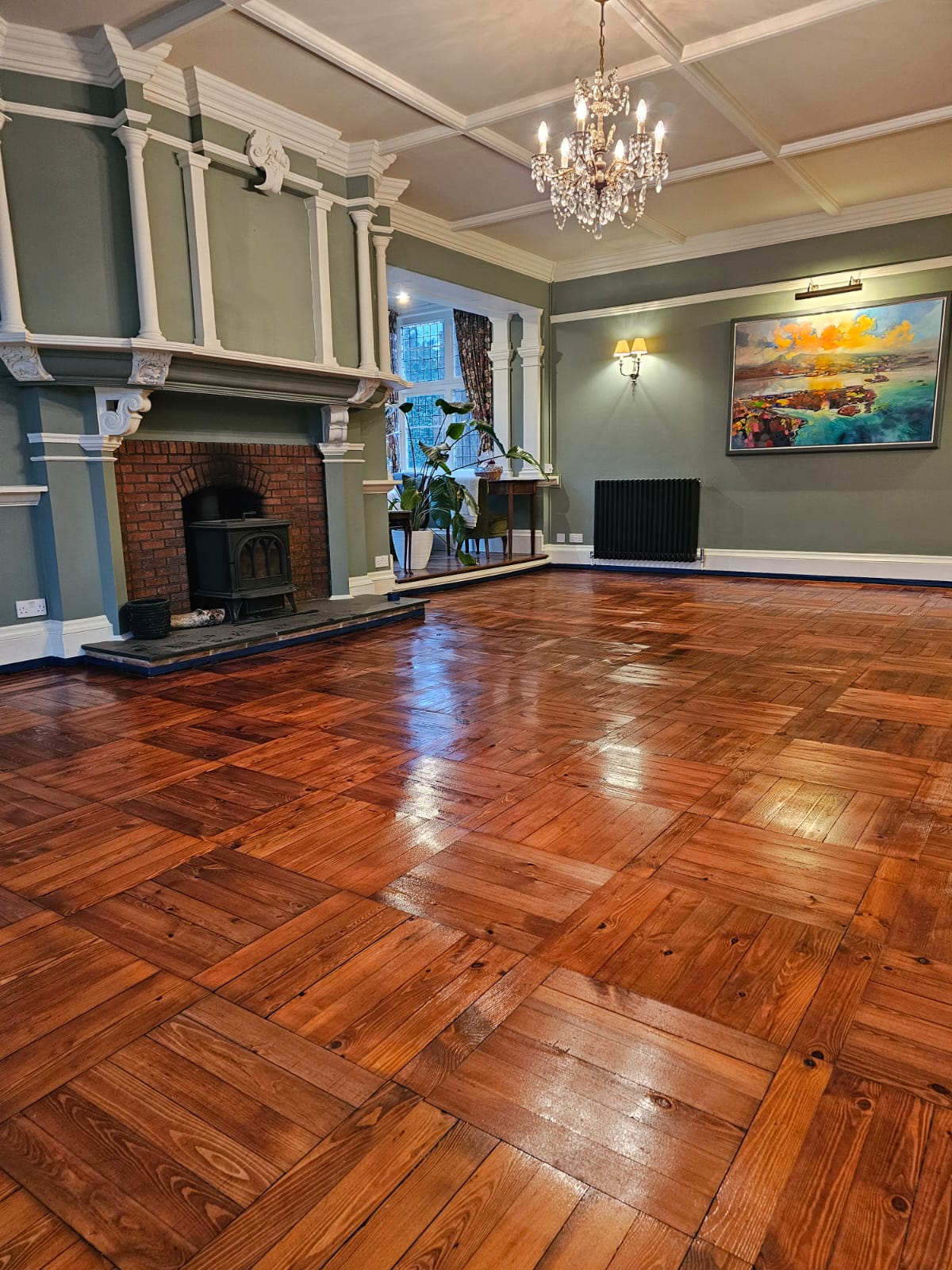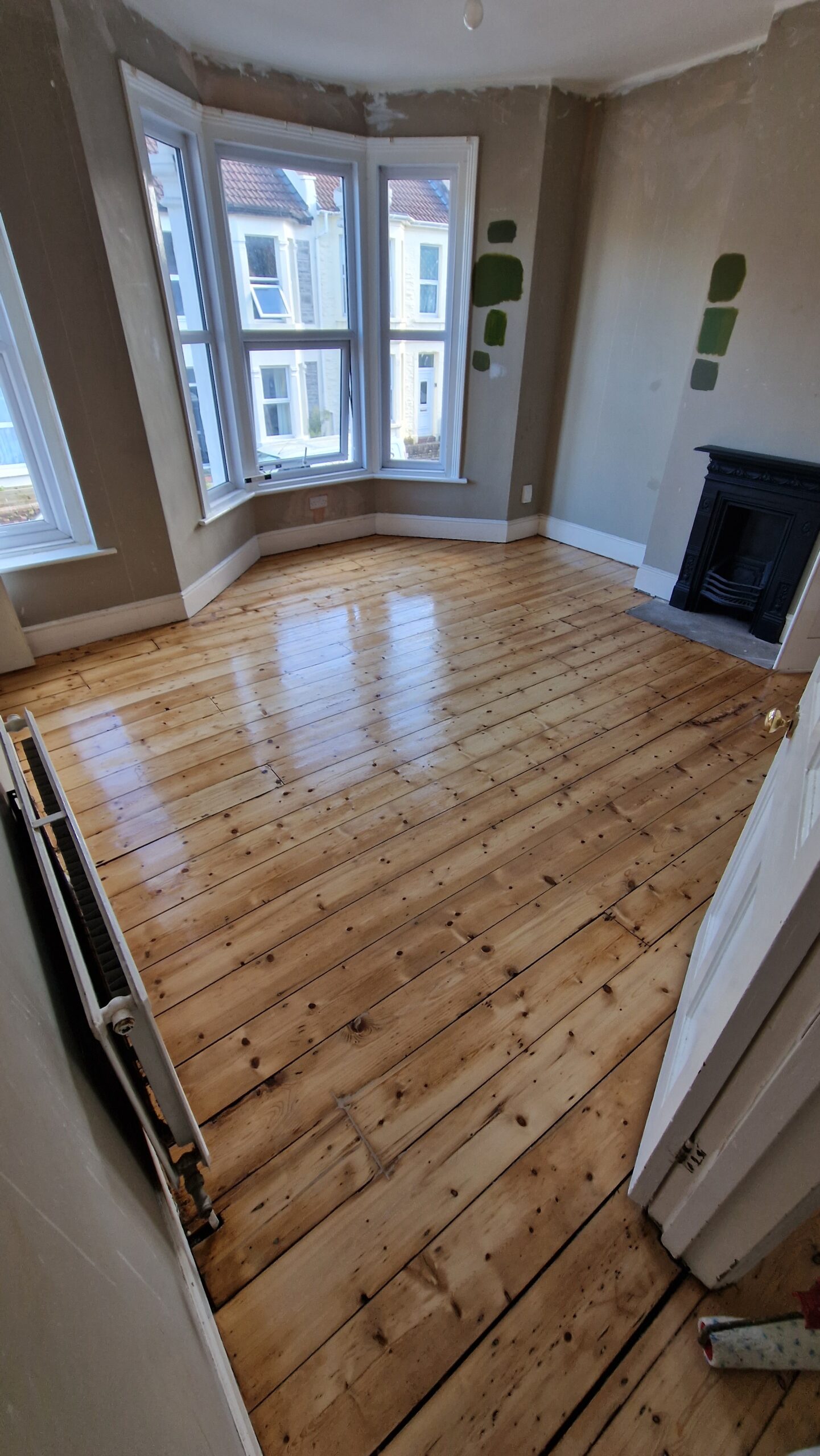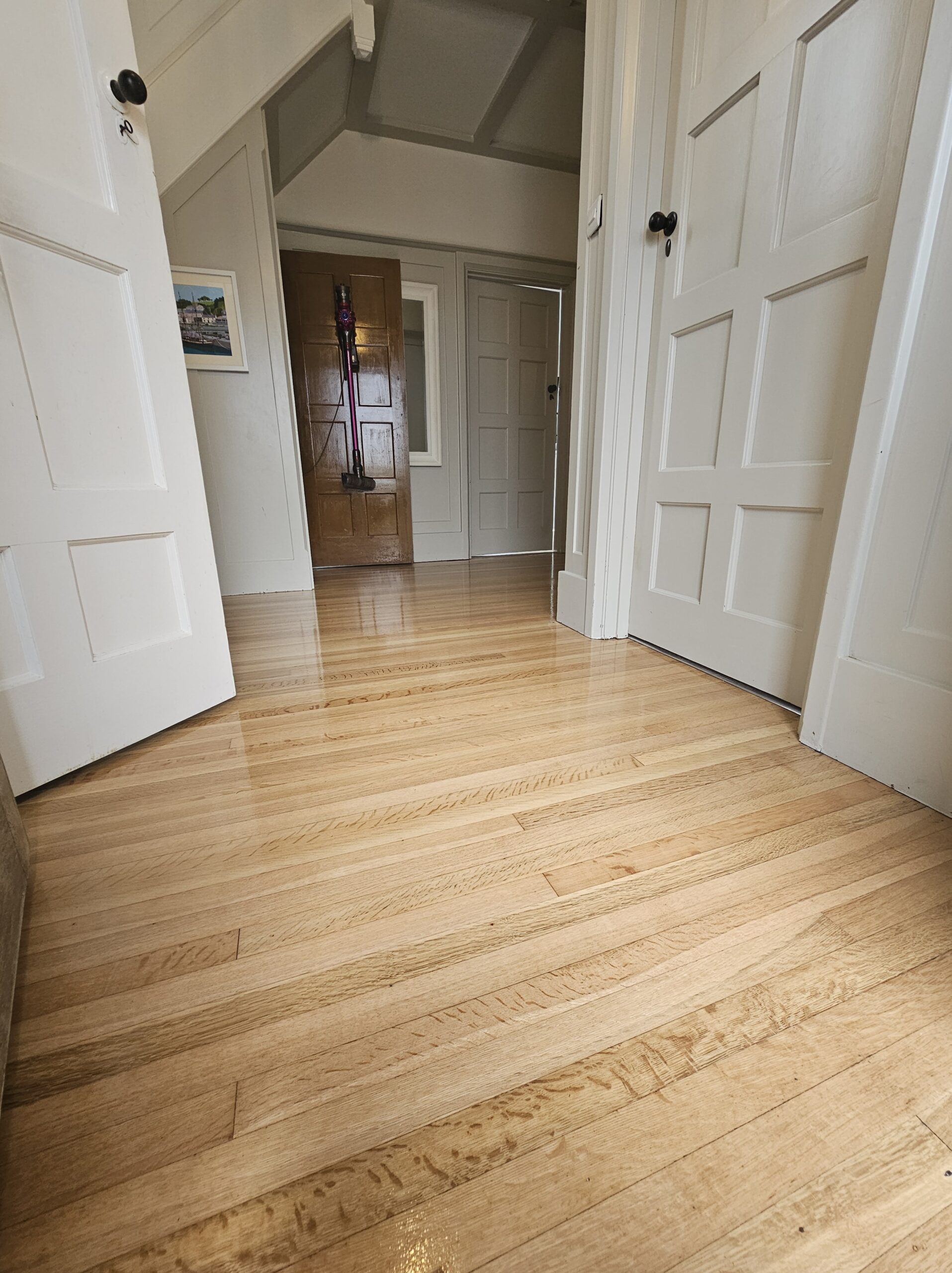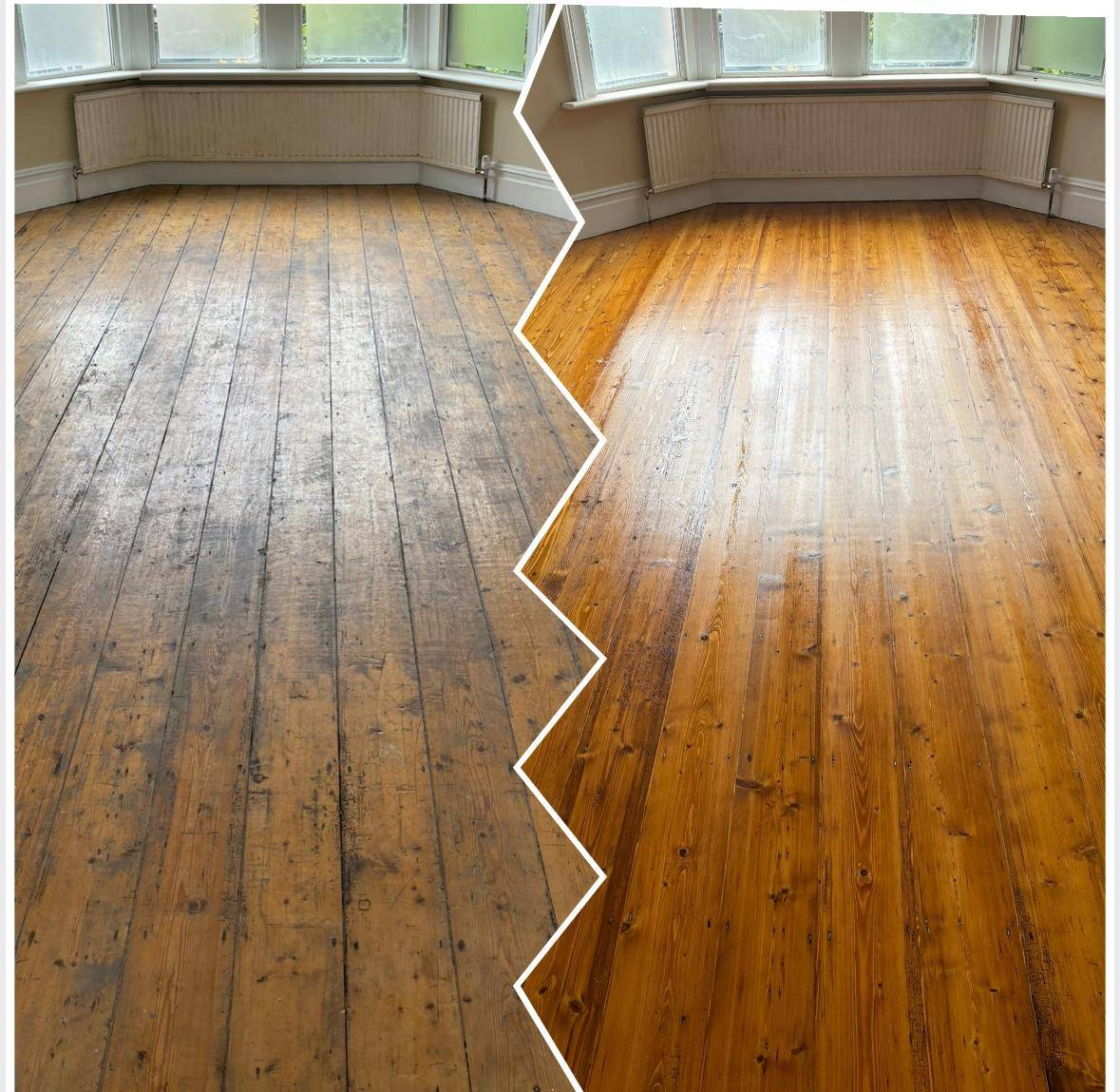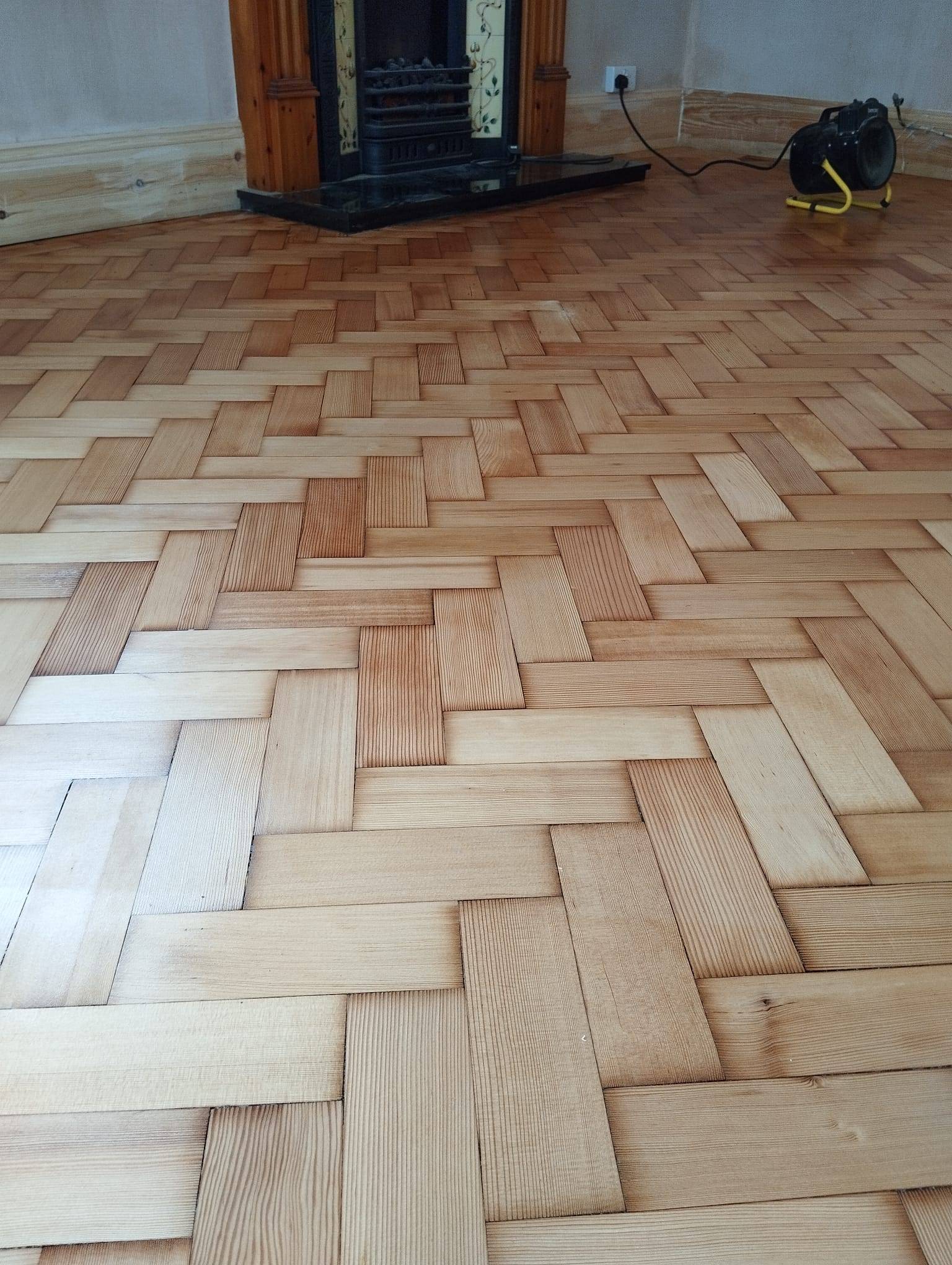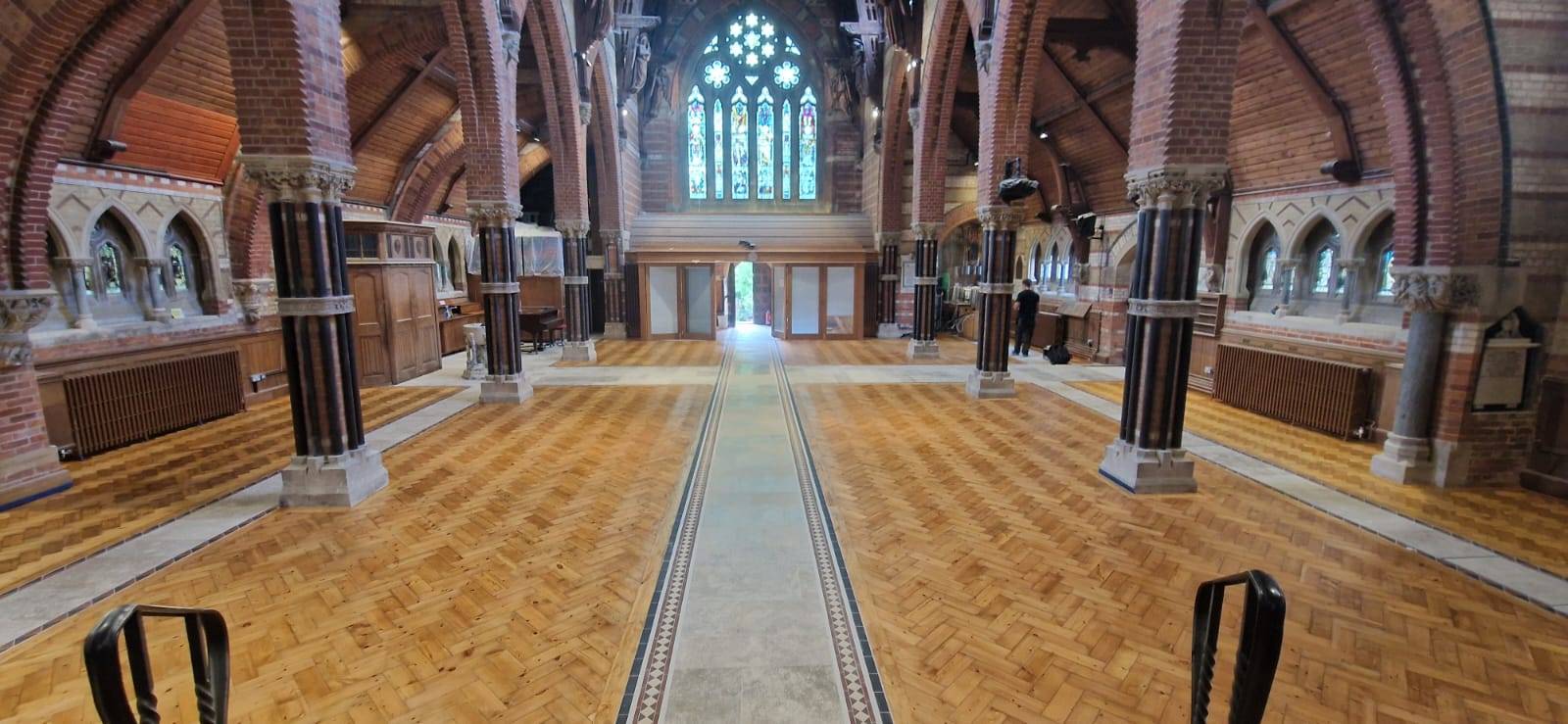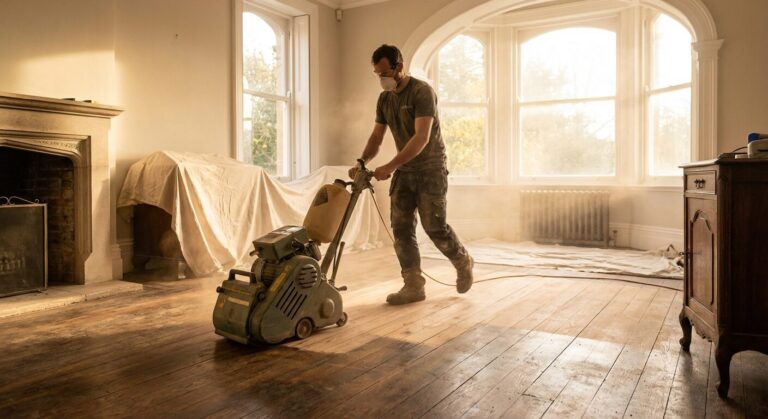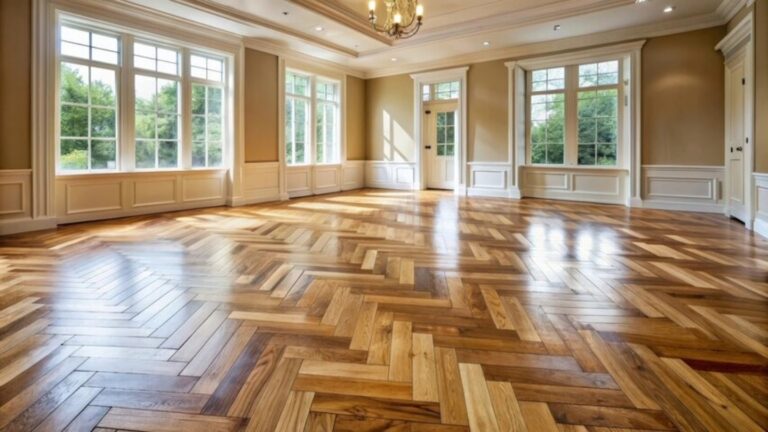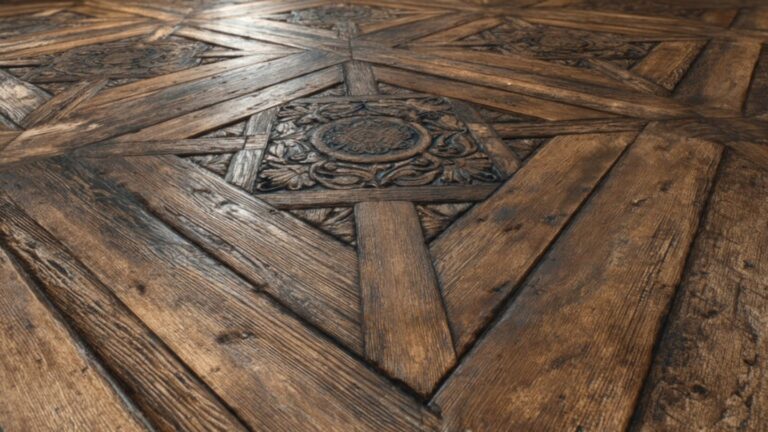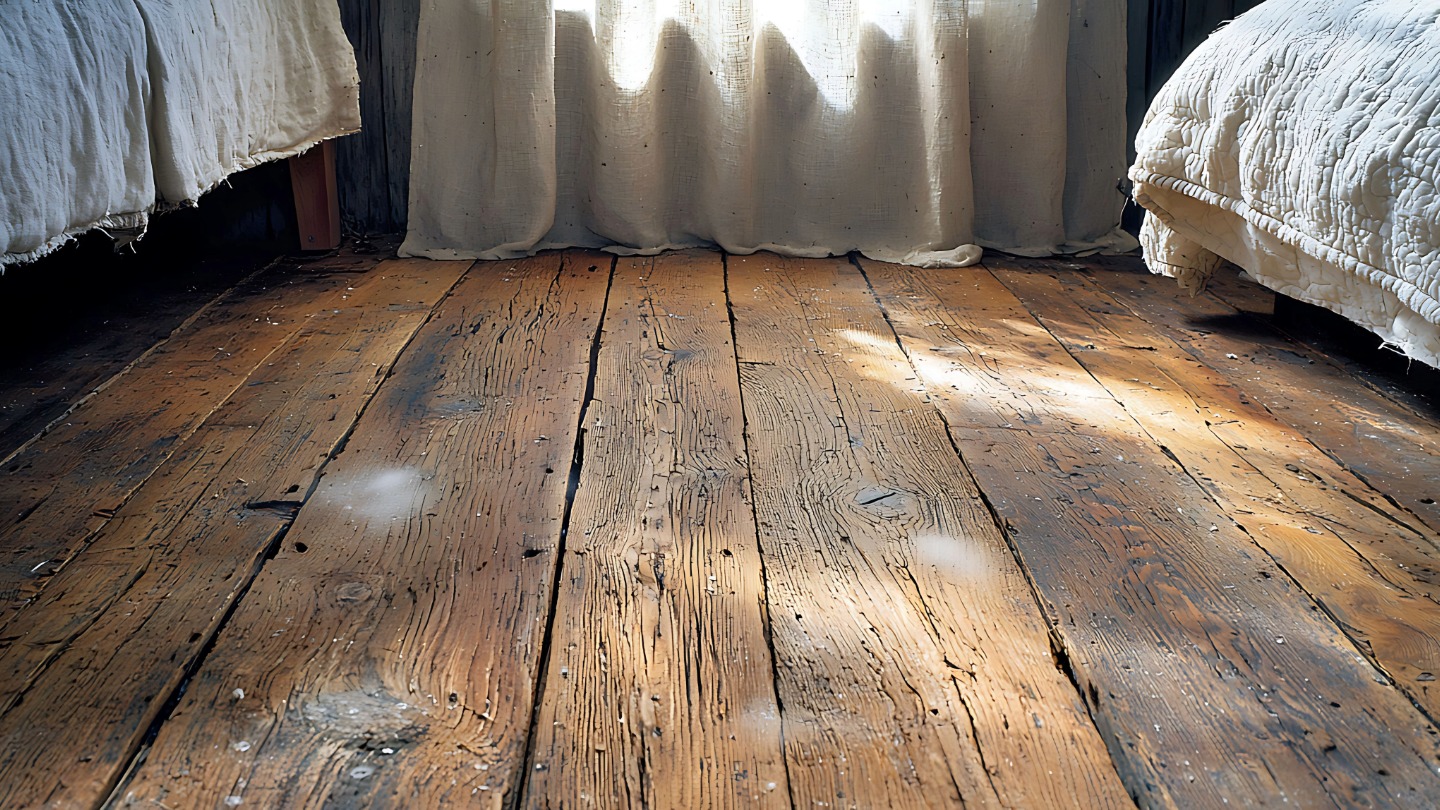
Walking through Exeter’s Cathedral Quarter feels like stepping back in time, doesn’t it? You can almost hear the echoes of the past. A big part of that feeling comes from the old buildings, and especially, the wooden floors inside. These aren’t just any old planks; they’re pieces of history, telling stories of the people who lived and worked here centuries ago. Keeping these floors looking good is important, and when it comes to fixing them up, people often talk about exeter floor restoration. It’s a special kind of work that respects the age and character of these places.
Key Takeaways
- Old floorboards in Exeter’s Cathedral Quarter are like history books, showing us how people lived.
- Restoring these old floors needs a gentle touch to keep their original look and feel.
- Fixing damaged wood means finding materials that match what was used a long time ago.
- Problems like dampness or bugs can damage old wood, and fixing them needs careful planning.
- Finding people who know how to do exeter floor restoration right is key to making sure the work lasts and keeps the building’s charm.
Uncovering Exeter’s Wooden Past
The Cathedral Quarter’s Hidden Treasures
Walk through Exeter’s Cathedral Quarter, and you’re treading on history. Beneath the hustle and bustle of modern life, there are these incredible old floorboards, just waiting to tell their stories. They’re not just bits of wood; they’re like a time capsule, showing us what life was like way back when. These aren’t your average planks; they’re whispers from centuries past.
Why Old Floorboards Matter
So, why should we care about old floorboards? Well, they’re a direct link to the people who lived and worked here before us. Think about it – the scuffs, the wear patterns, the way they’re put together. It all tells a story about daily routines, the types of shoes people wore, the furniture they moved around. It’s a tangible piece of heritage that connects us to our ancestors.
A Glimpse into Daily Life
Imagine the footsteps that have crossed these boards. Merchants haggling, families gathering, maybe even royalty passing through. Each mark on the wood is a tiny clue. We can learn about the craftsmanship of the time, the types of wood used, and how buildings were constructed. It’s like reading a diary, but written in timber.
Here’s a little peek at what we might find:
- Wear patterns: Concentrated wear near doorways or hearths.
- Nail types: Hand-forged nails versus later machine-made ones.
- Wood species: Identifying local timber versus imported materials.
- Joinery techniques: How the boards were fitted together.
These old floorboards are more than just a surface to walk on; they are a physical record of human activity and the evolution of our built environment. Preserving them means preserving a unique chapter of Exeter’s story.
The Art of Exeter Floor Restoration
So, you’ve got these old floorboards in Exeter, maybe in the Cathedral Quarter, and they’re looking a bit rough. What do you do? Well, it’s not just about slapping some varnish on them. It’s more like an art form, really. You’ve got to figure out what’s going on with them first.
Assessing the Condition of Ancient Wood
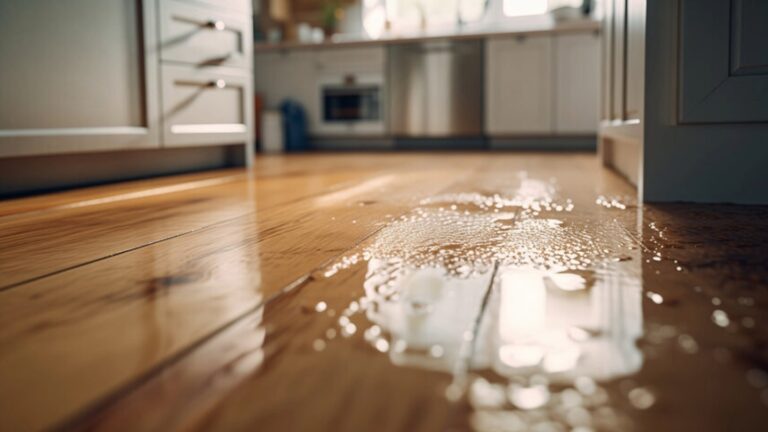
First things first, you gotta take a good look. Are they just dusty, or is there actual damage? We’re talking about checking for rot, woodworm holes (those little pinpricks), and any big cracks or splits. Sometimes, boards might be loose or warped from years of use and maybe some dampness.
- Check for structural integrity: Are the boards solid, or do they feel spongy?
- Identify pest activity: Look for sawdust or actual holes.
- Note any warping or cupping: This tells you about past moisture issues.
- Examine existing finishes: What’s on there now? Paint? Varnish? Wax?
Gentle Cleaning Techniques
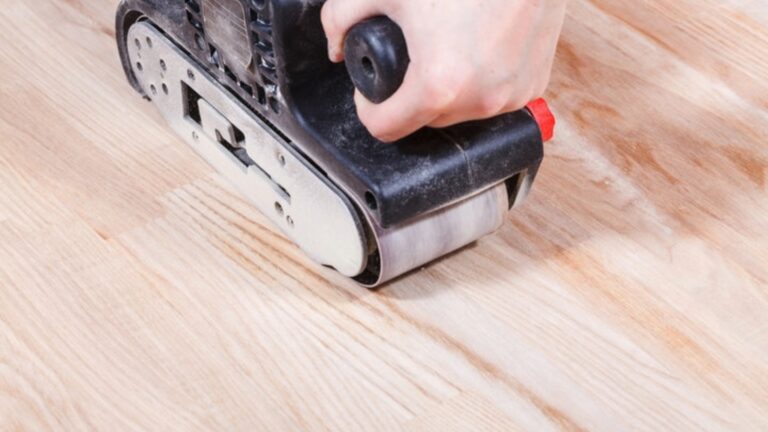
Forget the power washer or harsh chemicals. These old timbers need a soft touch. Think gentle brushing, maybe a bit of specialised wood cleaner if something’s really stuck on. The goal is to get them clean without stripping away their history or damaging the wood itself. It’s all about being patient and careful. Sometimes, just a good vacuum and a damp cloth are all that’s needed.
Repairing Wear and Tear
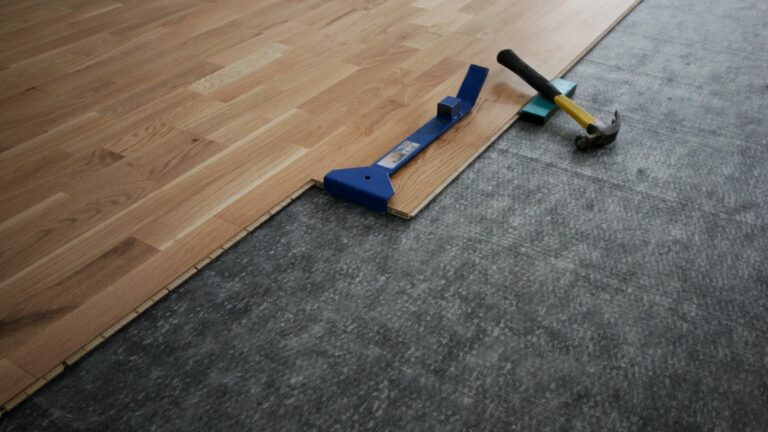
This is where the real skill comes in. If a board is cracked, you might fill it with a wood filler that matches the color. If it’s loose, you’ll re-secure it. Sometimes, a board is just too far gone and needs replacing. But here’s the trick: you want to use wood that’s as close as possible to the original, both in type and age if you can find it. It’s about making it look like it’s always been that way.
When you’re working with history, you’re not just fixing wood; you’re preserving a story. Every scratch, every worn patch, tells you something about the people who walked there before.
It’s a bit like being a detective and a doctor for your floor all rolled into one. You’re diagnosing the problems and then carefully treating them so the floor can live to see another century.
Preserving the Character of Historic Spaces
Matching Original Materials
When you’re working with old floorboards, the goal is to keep things looking like they originally did. This means if you need to replace a board or fix a section, you can’t just grab any old wood from the hardware store. You’ve got to find wood that’s as close as possible to what’s already there. Think about the type of wood – is it oak, pine, or something else? And what about the size and the way it was cut? Sometimes, you can even find reclaimed wood from old buildings that’s a perfect match. It’s all about making the new bits blend in so well you can barely tell they’re new. This careful selection stops the floor from looking like a patchwork quilt and keeps that authentic feel.
Maintaining Authenticity
Keeping a historic space feeling like itself is a big deal. It’s not just about the floorboards; it’s about the whole vibe. When you’re restoring, you want to avoid making changes that scream ‘modern renovation!’ This might mean sticking with traditional joinery methods or being super careful about how you clean. Sometimes, a bit of wear and tear is actually part of the story. You don’t want to scrub away every single mark of time. It’s like keeping the wrinkles on a beloved old book – they show it’s been read and enjoyed.
Protecting Against Future Damage
Once you’ve got those old floorboards looking good, you’ve got to think about keeping them that way. Old wood can be a bit fragile, so you need to protect it from things that could mess it up down the line. This could involve:
- Putting down rugs or mats in high-traffic areas.
- Being mindful of furniture placement to avoid deep scratches.
- Controlling the humidity in the room – too much or too little can cause wood to swell or shrink.
- Making sure any cleaning products you use are gentle and won’t damage the finish.
It’s a balancing act, really. You want people to be able to use and enjoy these historic spaces, but you also have to be a bit of a guardian to the floorboards themselves. Think of yourself as a caretaker, not just a renovator.
Sometimes, you might need to add a protective layer, but it has to be done in a way that doesn’t change the look or feel of the original wood. It’s a subtle art, for sure.
Challenges in Floorboard Conservation
Dealing with Moisture and Pests
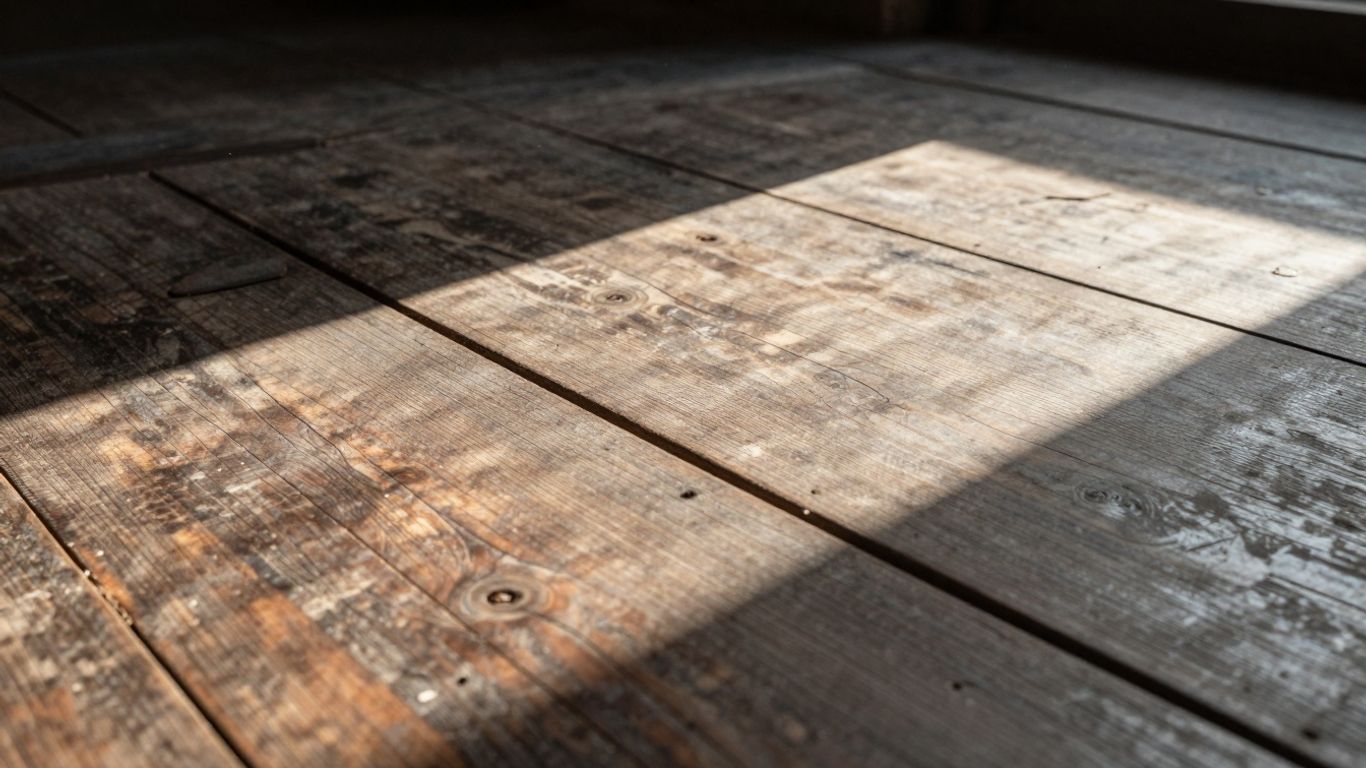
Okay, so you’ve got these amazing old floorboards, right? Super cool. But sometimes, they’ve seen better days, and often that’s because of dampness or little critters. Moisture is a big one. It can make wood swell, warp, and even start to rot. Think about leaky pipes, roof issues, or just general humidity in older buildings. It’s a constant battle to keep things dry. And then there are the pests. Woodworm, termites – they can do a surprising amount of damage before you even notice. Getting rid of them without harming the wood itself is tricky business.
Navigating Modern Building Codes
This is where things get a bit bureaucratic. You want to keep that historic feel, but you also have to make sure the building is safe and up to code. Sometimes, old floorboards might not meet current fire regulations or structural requirements. You can’t just slap new stuff over the old without thinking. It’s about finding a way to make the old floorboards work within today’s rules, which often means clever solutions and sometimes, compromises.
The Cost of Careful Work
Let’s be real, doing things the right way, the historic way, isn’t cheap. It takes time, special skills, and often, materials that aren’t readily available. You can’t just pop down to the local hardware store for a perfect match for a 300-year-old oak plank. It means sourcing, custom work, and paying craftspeople who know what they’re doing. It’s an investment, for sure.
Here are some common issues:
- Warping and cupping from moisture.
- Insect damage (woodworm holes, structural weakness).
- Cracks and splits from age and use.
- Surface wear and loss of original finish.
Sometimes, you find that a section of floorboard is just too far gone. Deciding whether to repair, replace, or leave it as is involves a lot of careful thought about the overall integrity and story of the floor.
Expertise for Your Exeter Floor Restoration Project
Finding Skilled Craftsmen
So, you’ve got these amazing old floorboards in your Exeter place, and they need some TLC. It’s not like just slapping on some varnish, you know? You really need someone who knows their stuff when it comes to old wood. Finding the right person is half the battle. Think of it like finding a good mechanic for your car – you want someone who won’t mess it up further. Look for folks who specialise in historic buildings or traditional joinery. They’ll have a better feel for how these old timbers were put together and what they need.
The Importance of Experience
This isn’t a job for a beginner. Working with ancient floorboards means dealing with all sorts of quirks. They might be warped, have old nail holes, or even some hidden damage you can’t see right away. Someone with years of experience will know how to spot these issues and handle them without making things worse. They’ve probably seen it all before, from water damage to woodworm, and they’ll have a good idea of the best way to fix it. It’s about knowing when to repair, when to replace a small section, and how to do it so it looks like it’s always been that way.
Ensuring a Lasting Finish
Once the repairs are done, you want it to last, right? A good craftsman won’t just patch things up; they’ll think about how to protect your floor for years to come. This might involve using the right kind of finishes that let the wood breathe, or advising on how to manage moisture levels in your home. They’ll also make sure the work blends in, so you don’t end up with a patch that screams ‘new!’.
Here’s a quick rundown of what to look for:
- Specialisation: Do they focus on historic properties?
- Portfolio: Can you see examples of their previous work?
- References: What do past clients say about them?
- Understanding: Do they seem to grasp the unique needs of old floorboards?
When you’re looking for someone to work on your historic floorboards, remember that quality work might cost a bit more upfront, but it’s an investment. A shoddy job could end up costing you more in the long run with repeated repairs or even damage to the original structure.
The Future of Historic Flooring in Exeter
Integrating Old and New
So, what’s next for all those amazing old floorboards in Exeter? It’s not just about keeping them as they are, you know. We’re seeing more and more cool ways people are mixing the old with the new. Think about a modern cafe or shop in the Cathedral Quarter. They might keep the original, worn floorboards in one area, maybe the main walking path, and then use something new and durable, like a polished concrete or a modern tile, in a different section, like a service counter. It’s about finding that balance where the history shines through but the space still works for today’s needs. It’s a thoughtful way to respect the past while building for the future.
Inspiring Future Generations
When people see these old floors, especially when they’re done right, it really sparks something. Kids, especially, get a kick out of walking on boards that have been there for hundreds of years. It’s a tangible link to the people who lived and worked here way back when. We want to make sure that feeling isn’t lost. Imagine school trips where kids can actually touch and see history under their feet, not just in a dusty museum case. It makes history feel real, you know?
Keeping Exeter’s History Alive
Ultimately, it all comes down to keeping Exeter’s story going. These floorboards are more than just wood; they’re part of the city’s narrative. By taking care of them, we’re making sure that story can be told for years to come. It’s about preserving that unique character that makes Exeter special. It’s a big job, sure, but seeing these historic spaces thrive with their original floors intact? Totally worth it.
Preserving these old wooden floors isn’t just about aesthetics; it’s about maintaining the soul of historic buildings. It’s a commitment to the past that enriches the present and educates the future.
Thinking about the old floors in Exeter? These historic beauties deserve a second chance! We can help bring them back to life, making them look amazing again. Want to see how we do it? Visit our website to learn more about our floor restoration services.
So, What’s the Takeaway?
Alright, so we’ve talked a lot about these old floorboards in Exeter’s Cathedral Quarter. It’s pretty cool, right? Thinking about all the feet that have walked on them over the years. Keeping them in good shape isn’t just about looking nice, it’s about holding onto a piece of history. It takes some effort, sure, but seeing those old planks preserved? Totally worth it. It makes the whole area feel more real, more connected to the past. Hopefully, this gives you a bit of a new appreciation for those wooden floors next time you’re wandering around there.
Frequently Asked Questions
Why should we bother saving old floorboards in Exeter?
Think of old floorboards like a history book for your feet! They tell stories about the people who walked on them centuries ago, showing us how they lived and what their homes were like. Plus, they add a really cool, unique vibe to old buildings that new floors just can’t match. It’s about keeping a piece of Exeter’s past right where you can see and feel it.
What’s the hardest part about fixing up old wooden floors?
One of the trickiest things is dealing with moisture – it can make wood swell or rot. Pests like termites can also be a big headache, munching away at the wood. Then there’s the challenge of making sure any repairs meet today’s safety rules without ruining the historic look. It’s a balancing act!
How do you clean really old, delicate floorboards without messing them up?
You have to be super gentle! It’s not like scrubbing a modern kitchen floor. Usually, it involves careful dusting, maybe a slightly damp cloth for tough spots, and avoiding harsh chemicals. The goal is to remove dirt and grime without damaging the wood’s surface or its original finish. Think ‘delicate touch,’ not ‘power wash’.
Can you really make old floorboards look good again if they’re really worn out?
Absolutely! Skilled craftspeople can do amazing things. They can carefully fill in cracks, mend broken pieces, and sometimes even replace badly damaged sections with wood that looks just like the original. It takes a lot of know-how to repair them so they look natural and strong again.
What if I need to replace a few boards? How do you make it match?
That’s where finding the right pros comes in. Good restorers will try their best to find wood that’s the same age, type, and color as the original boards. They’re experts at making new bits blend in seamlessly so you can’t even tell where the old stops and the new begins. It’s all about keeping the floor’s character intact.
Is it expensive to restore old floorboards in Exeter?
It can be, yeah. Because it requires special skills, careful work, and sometimes hard-to-find materials, it often costs more than just putting in a new floor. But, you’re investing in history and preserving something valuable. Think of it as paying for quality and a connection to the past that’s worth the price.