Sometimes. Engineered boards have a wear layer above the plywood core, typically two to six millimetres when new, and a full sand removes about one millimetre. If the floor has already been sanded once, or the wear layer is thin to begin with, there may not be enough left. We check by lifting a threshold strip or examining a cut edge, which takes minutes and gives a definitive answer before anyone quotes.
It is an abrasion of the existing finish followed by a fresh coat over the top, without touching the timber underneath. It removes light scratching and dullness and costs considerably less than a full sand. It only works where the finish is worn but not worn through, and where there are no deep scratches or water marks. Where it is the right answer we will recommend it rather than selling you a full sand you do not need.
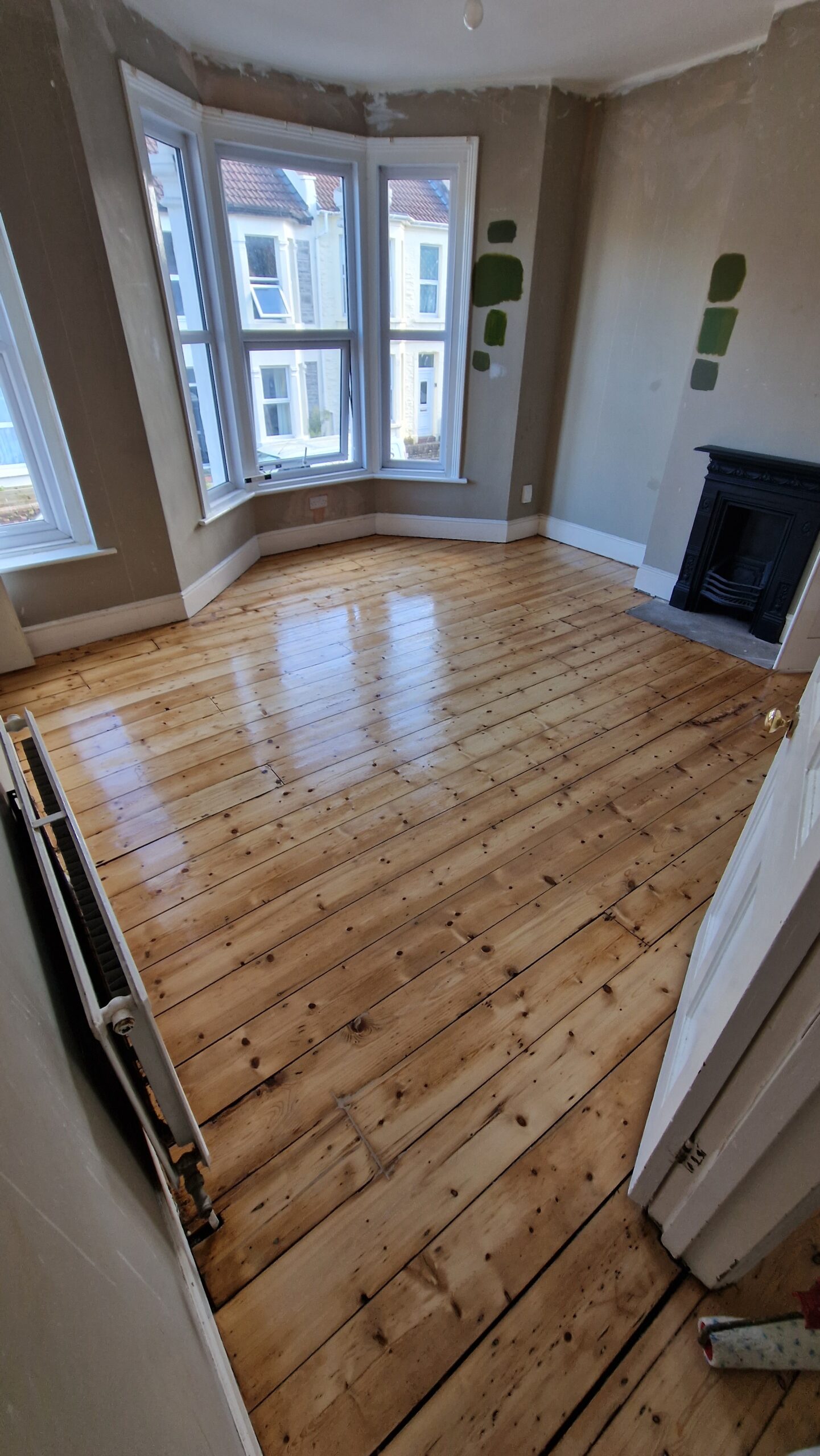
Timber slivers or resin. Slivers are strips of matching timber tapped and glued into each gap, which move with the boards as they expand and contract through the year. Resin is faster and cheaper but suits tighter, more stable floors, because in an old floor that still moves seasonally it can crack or pop out. In period property we usually recommend slivers, and we will explain the cost difference at survey.
Cupping, where the edges of each board sit higher than the middle, is caused by moisture, almost always from a sub-floor void that has stopped breathing. Blocked or rendered-over airbricks and ground raised outside by a later path or patio are the usual culprits. Sanding a cupped floor before the moisture problem is solved is wasted money, because it will cup again and the finish will fail. We take moisture readings before quoting and will tell you plainly what needs fixing first.
Refinishing an existing floor is generally acceptable, but lifting boards, replacing timber, altering levels or changing the character of a historic surface can require listed building consent from your local authority. It is far easier to ask before work starts than to explain afterwards. We have worked on plenty of listed floors and are happy to speak to your conservation officer.
Yes, including treads, risers, strings and nosings. Stairs are priced per tread rather than by area because they are slow, detailed work. We can use a fast-cure system so the staircase is safe to use again overnight, which matters if it is the only way upstairs.
Yes. We source reclaimed timber matched for age, species and section wherever we can, so a repair settles into the floor rather than standing out as a lighter patch for the next twenty years. Where a board has been cut badly for pipework we will usually replace the whole run rather than patch it.
Sweep or vacuum regularly, because grit walked in from outside is what actually wears a finish down. Clean with a barely damp mop and a cleaner made for the finish you have, never a steam mop and never anything containing silicone. Put felt pads under furniture legs and a decent coir mat at every external door. In hard water areas, rinse rather than letting cleaner dry on the surface, because limescale film dulls a sound floor.
Yes, and it is a large part of what we do. Pubs, restaurants, cafes, hotels and shops, plus village and church halls, schools, colleges, nurseries, gyms, dance studios and sports halls including line marking to governing body specification. We work overnight, on closed days and during school holidays, and use fast-cure sealers so you generally lose one session rather than a week.
Somerset, Devon, Cornwall, Dorset, Bristol, Bath, Wiltshire, Gloucestershire and South Wales are core territory, and we travel further for larger and commercial work. For jobs at a distance we group several together into a run, so a little flexibility on dates usually gets you a better slot and a keener price.
Ring 01823 674562 and ask. In the meantime the service pages go into far more detail than a short answer can: wood floor sanding, restoration, parquet floor sanding, repairs, gap filling, oiling, sealing and commercial floor sanding.
There are around two hundred write-ups in the guides covering finishes, damp, cupping, listed buildings, costs and the rest. If your question is about where we work rather than what we do, areas we cover lists every town, and Taunton is the nearest to the workshop.
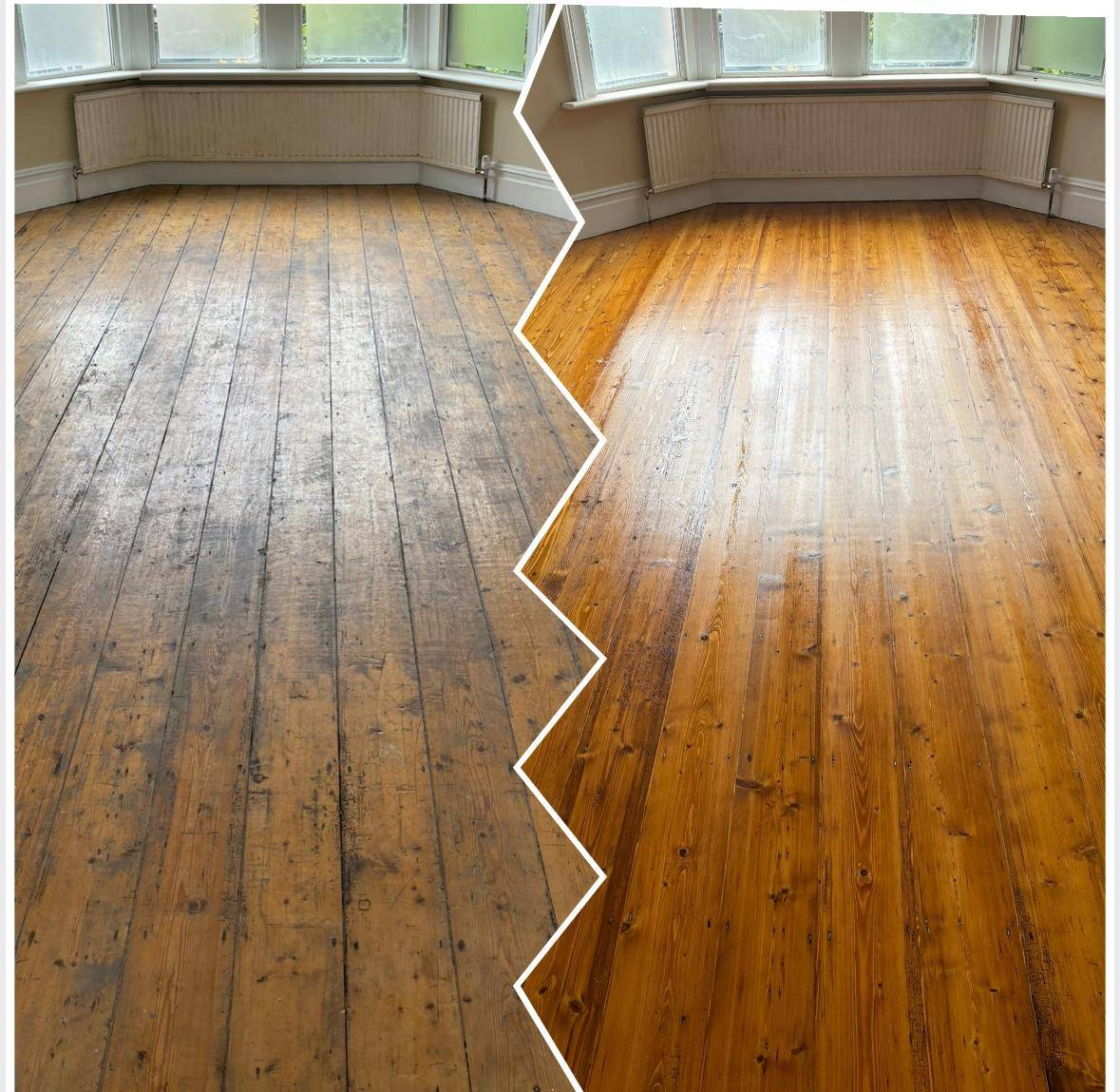
Once your floor has been professionally sanded and finished, it is important to take steps to maintain its appearance and durability.

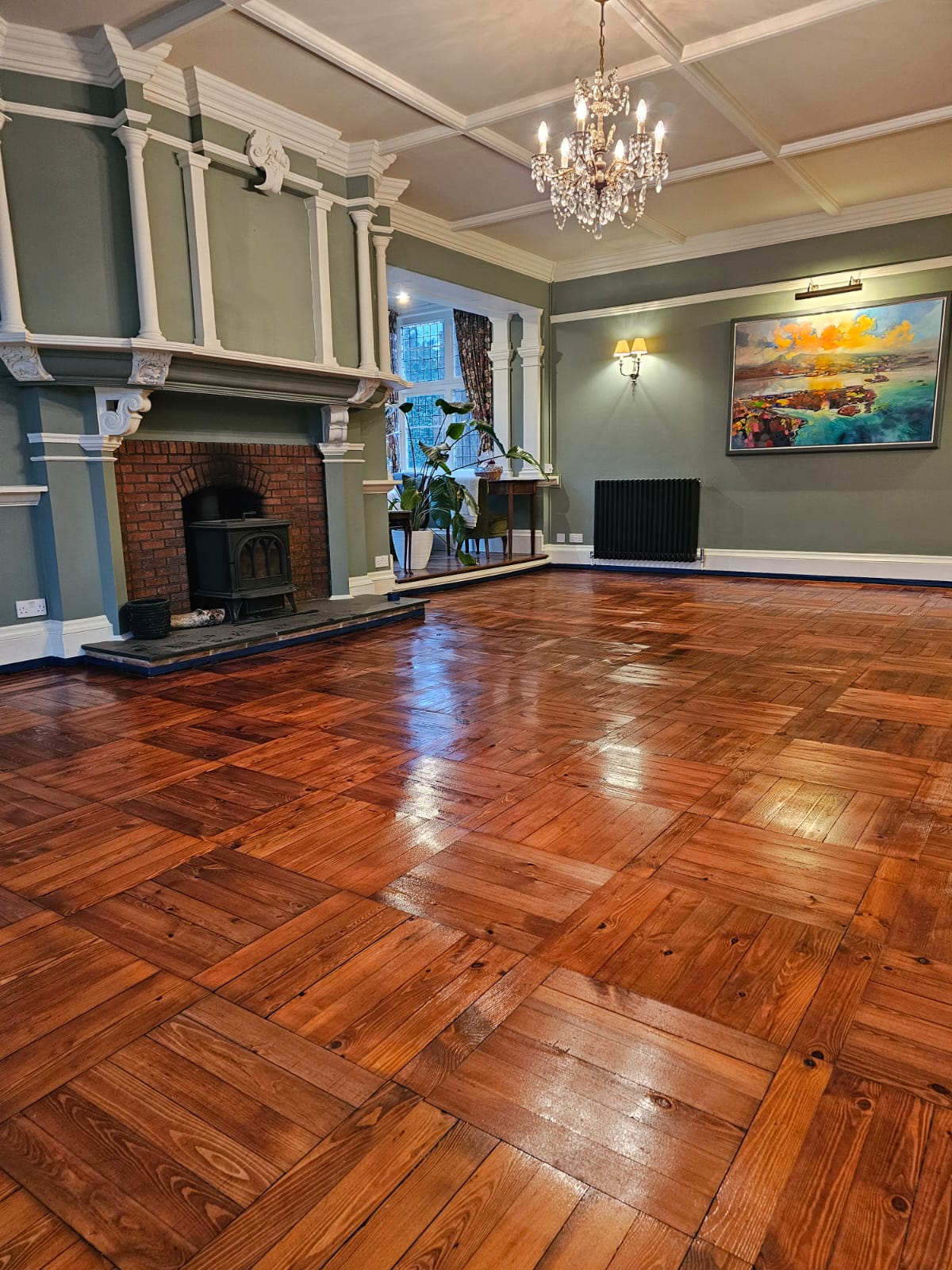
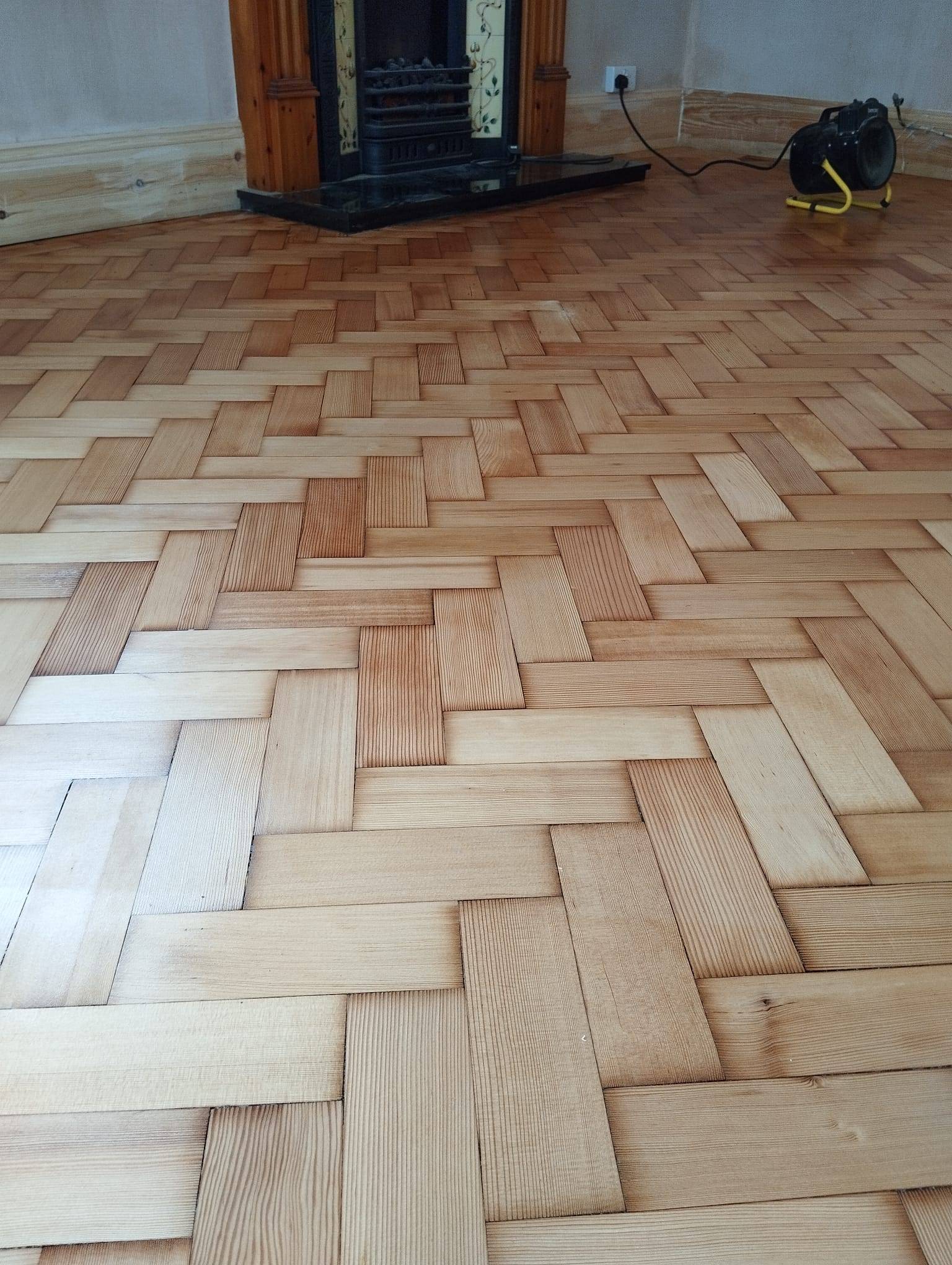
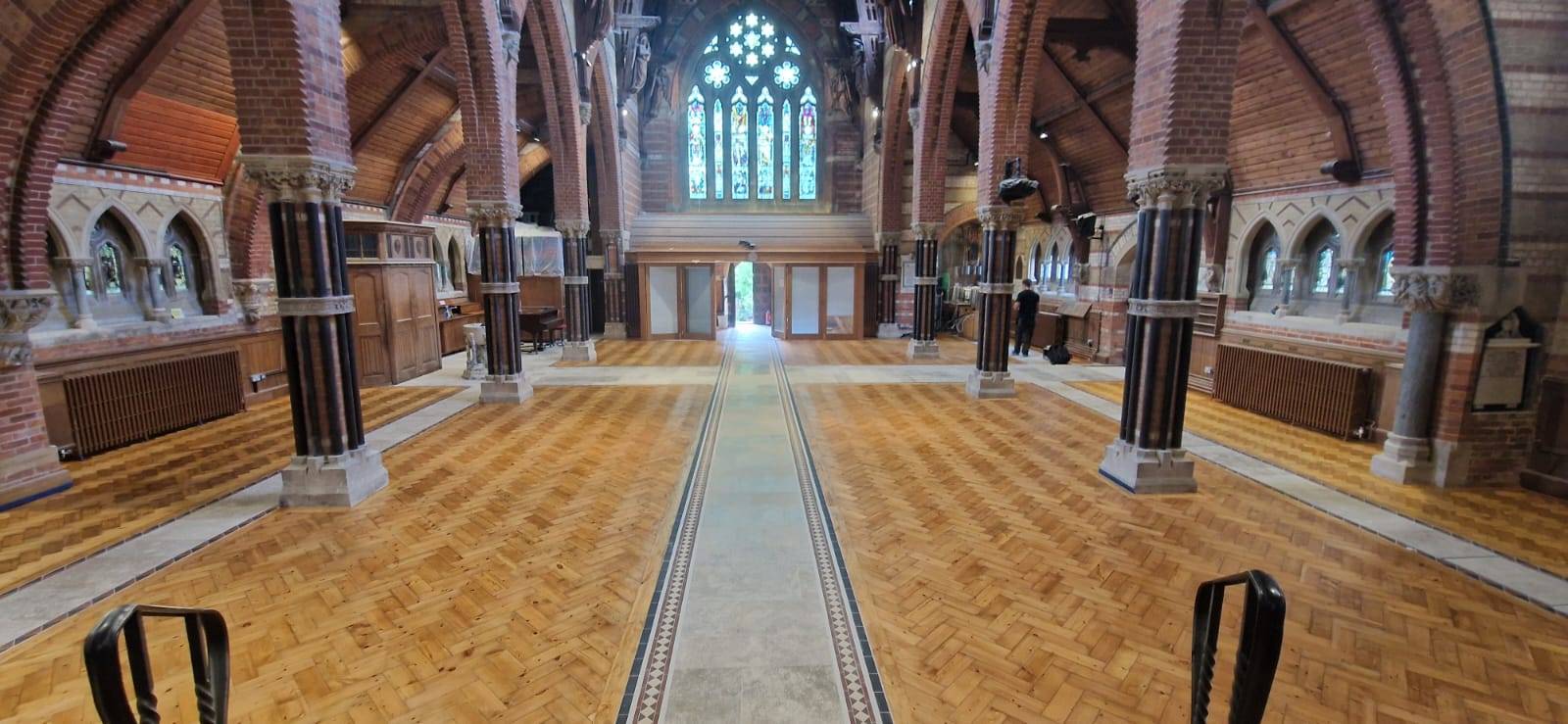
Project Type: Parquet floor restoration in a historic church
Project Overview: Ryan’s Restoration undertook the comprehensive restoration of the parquet flooring at St Michael & All Angels Church in Lyndhurst. This project involved carefully removing the existing flooring, preparing the subfloor, and expertly reinstalling and refinishing the original parquet to restore its beauty and functionality.
Challenges
Process
Results
The restored parquet flooring beautifully complements the church’s historic architecture while providing a durable, functional surface. The careful restoration process preserved the floor’s original character while significantly improving its appearance and longevity.
This project showcases Ryan’s Restoration’s expertise in handling delicate restoration work in historic settings. Our team’s attention to detail and commitment to quality craftsmanship ensured a stunning result that will serve the church community for years to come. For expert wood floor restoration services, contact Ryan’s Restoration today.

Once your floor has been professionally sanded and finished, it is important to take steps to maintain its appearance and durability.