So, you’re a landlord in the UK, and you’re wondering about the floors in your rental properties. Should you fix that little scuff mark, or is it time to rip it all out and start fresh? It’s a question many landlords face, and honestly, it can get confusing. We’re going to break down the costs over a decade, looking at repairs versus full replacements. It’s all about making smart money moves for your buy-to-let business. Let’s get into it.
Key Takeaways
- Different floor types last different amounts of time. Knowing this helps you plan for the future.
- Sometimes a small repair seems cheap, but it can add up over the years. Keep an eye on these costs.
- Replacing floors entirely might cost more upfront, but it can save you money and hassle down the line, especially if you upgrade.
- Think about how much you’re spending on floors over 10 years. Compare the total cost of fixing things versus buying new.
- A good landlord floor maintenance guide helps you pick tough materials and know how to care for them, saving you money.
Understanding Your Flooring Options
Alright, let’s talk floors. When you’re a landlord, the stuff under your tenants’ feet is a pretty big deal, not just for looks but for your wallet too. Picking the right flooring means thinking about how long it’ll last, what it costs upfront, and how much of a beating it can take from everyday life.
The Lifespan Of Different Floor Types
Not all floors are created equal, right? Some are tough cookies, others are a bit more delicate. Knowing this helps you figure out what you’re getting into over the next 10 years.
- Laminate: Usually lasts about 10-20 years, depending on how good it is and how much traffic it gets. It’s a popular choice because it looks like wood but is often cheaper.
- Vinyl (LVT/Sheet): This stuff is pretty durable, often hitting the 15-25 year mark. It’s great for kitchens and bathrooms because it handles moisture well.
- Carpet: This is the one that tends to wear out fastest, maybe 5-15 years. High-traffic areas will show wear sooner. It’s comfy and quiet, though.
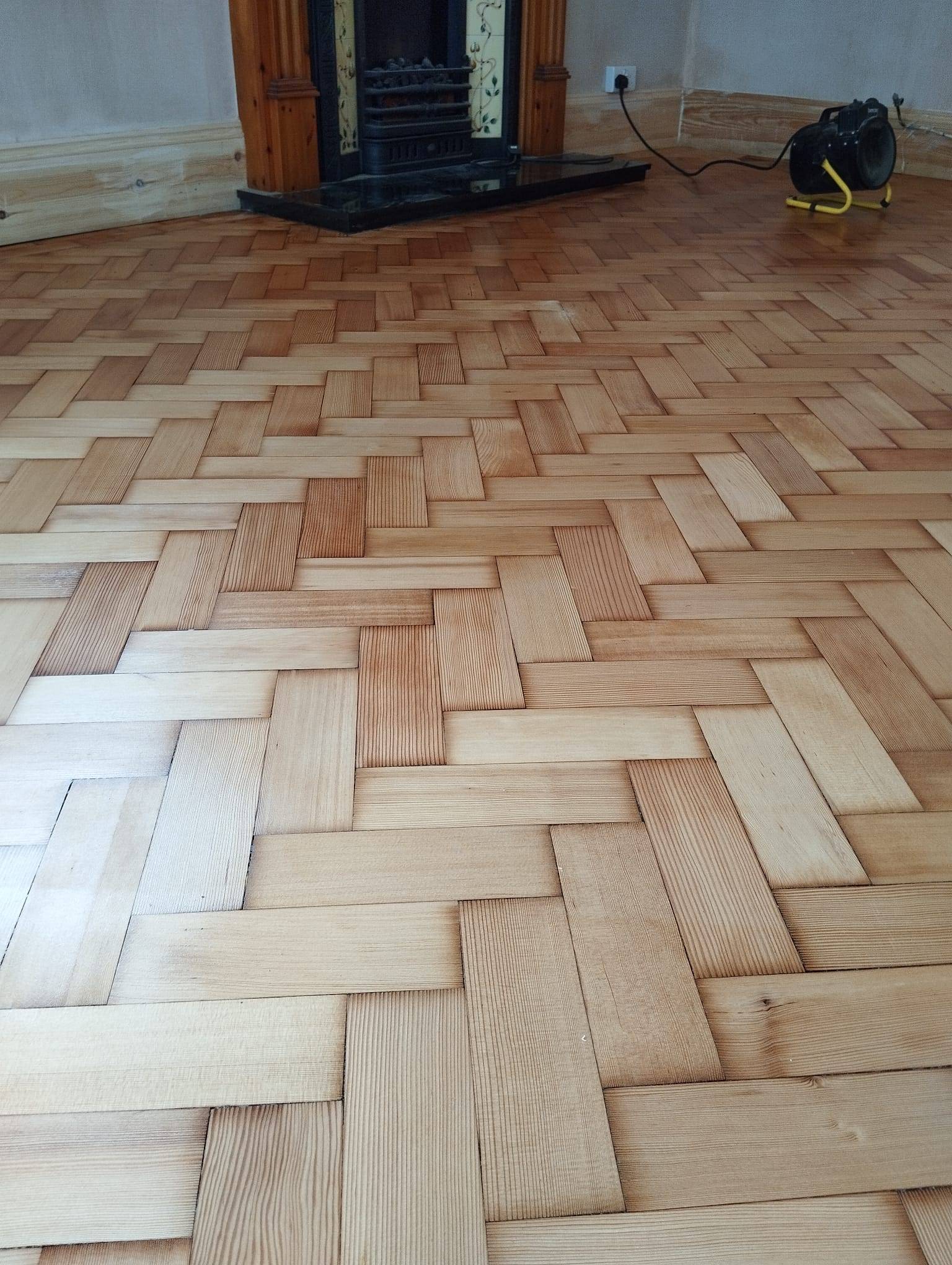
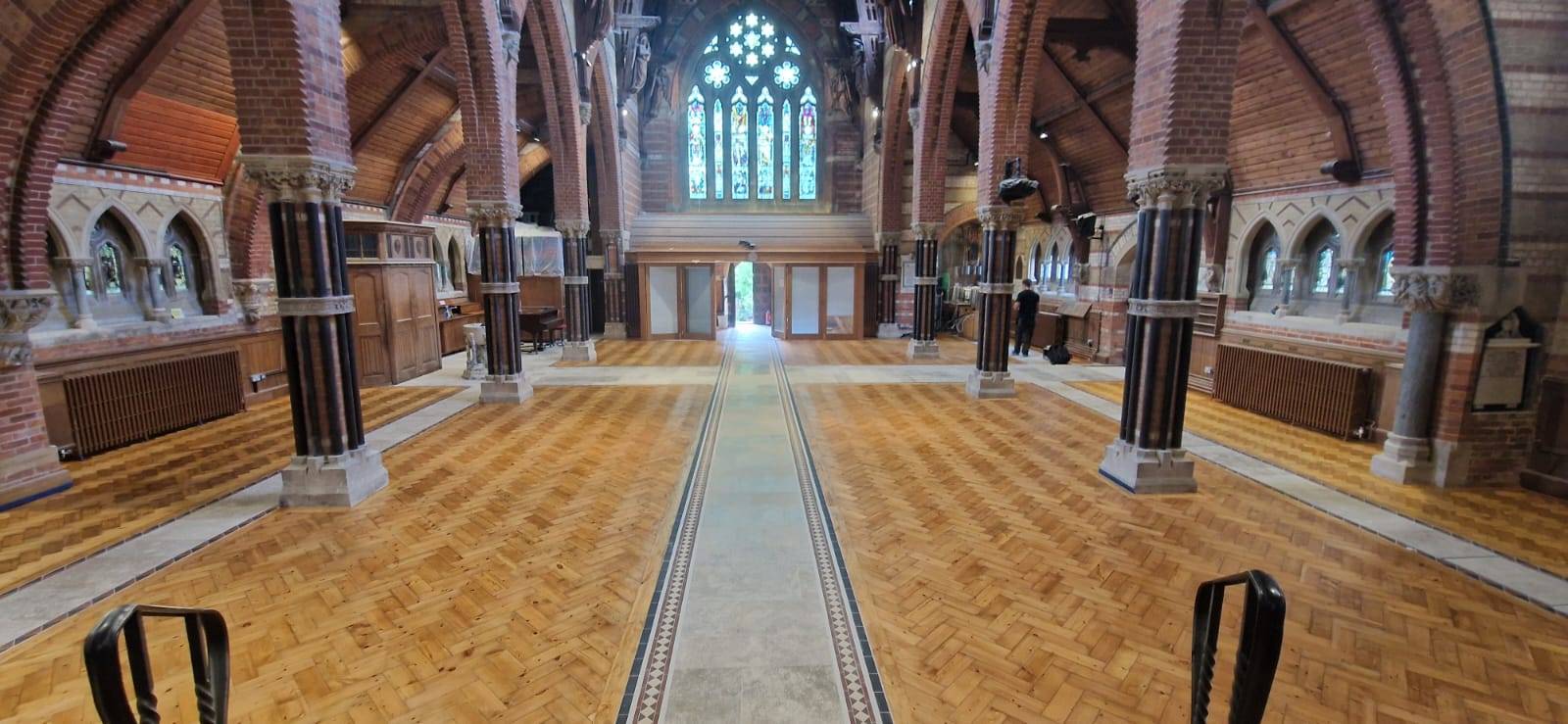
- Hardwood: Real wood can last a very long time, even 25+ years, and can be refinished. But, it’s pricier and can scratch or dent more easily than some alternatives.
- Tile: Ceramic or porcelain tile is super tough, easily lasting 20-50 years or more. It’s a solid bet for longevity, but can be cold and hard underfoot.
Initial Investment Vs. Long-Term Value
So, you’ve got your options, but what’s the real cost? It’s not just about the price tag when you buy it. You gotta think about how much you’ll spend fixing it or replacing it down the line.
| Flooring Type | Avg. Initial Cost (per sq ft) | Estimated Lifespan | Potential Long-Term Costs |
|---|---|---|---|
| Laminate | £10 – £30 | 10-20 years | Repairs, eventual replacement |
| Vinyl (LVT) | £15 – £40 | 15-25 years | Repairs, eventual replacement |
| Carpet | £15 – £35 | 5-15 years | Frequent cleaning, replacement |
| Hardwood | £40 – £100+ | 25+ years | Refinishing, repairs, replacement |
| Tile | £20 – £50 | 20-50+ years | Grout cleaning, crack repairs |
The cheapest option upfront might end up costing you more over time if it needs replacing every few years.
Considering Tenant Wear And Tear
Your tenants aren’t exactly tiptoeing around, are they? Kids, pets, moving furniture – it all adds up. You need flooring that can handle the daily grind without looking trashed after a year or two. Think about:
- Scratch resistance: Especially important if you allow pets or if tenants have kids.
- Stain resistance: Spills happen. You want something that wipes clean easily.
- Water resistance: Crucial for bathrooms, kitchens, and entryways.
- Ease of cleaning: Tenants might not be the best housekeepers, so materials that are simple to maintain are a plus.
Choosing flooring that’s built to last and easy to clean is a landlord’s best friend. It saves you money and hassle in the long run, keeping your property looking good and your tenants happy.
The True Cost Of Flooring Repairs
Okay, so you’ve got a little scuff or a loose tile. Easy fix, right? Maybe. But sometimes, what looks like a minor repair can snowball into a much bigger headache, and frankly, a bigger dent in your wallet than you’d expect. It’s easy to think a quick patch will do the trick, but we need to look at the real cost.
Patching Up Vs. Full Replacement
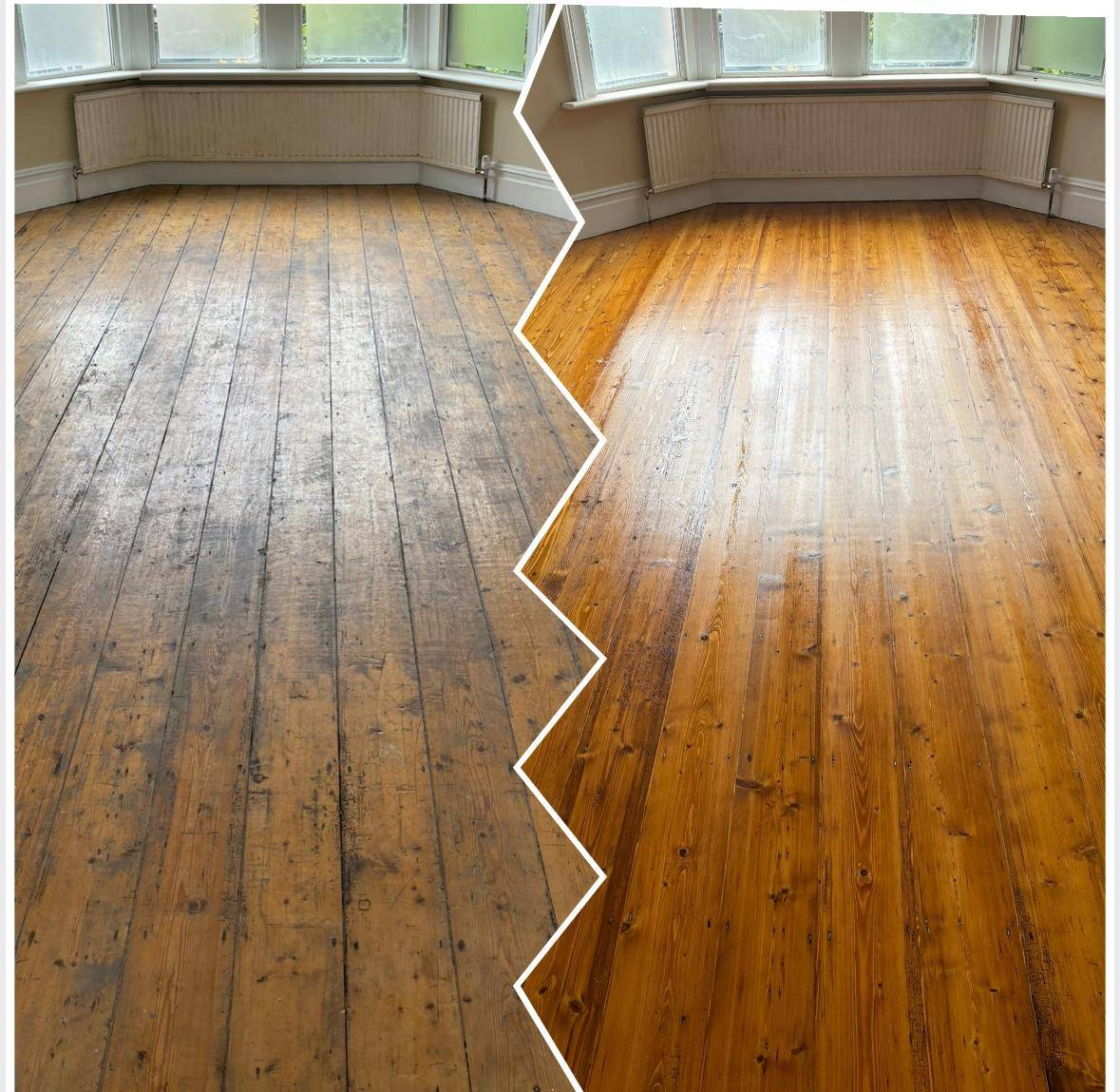
When a bit of your flooring goes south, your first thought might be to just patch it. Say you have a few scratched floorboards in a high-traffic area. You could try to sand and refinish just that section, or maybe replace just those few boards. Sounds cheaper, doesn’t it? Often, it is, in the short term. But here’s the catch: matching the old finish perfectly can be tough. You might end up with a patch that looks… well, patched. And if the damage is more widespread, like water damage creeping under a section of laminate, patching might not even be an option. You might end up needing to replace a whole room’s worth anyway, but now you’ve already spent money on a failed patch job.
When A Small Fix Becomes A Big Bill
This is where things get sneaky. You notice a small tear in the vinyl flooring in the kitchen. You call someone to fix it. They patch it. A few months later, that tear has spread, or maybe the patch itself is peeling up. Now, the problem is bigger. You might need to replace the entire kitchen floor. What started as a £50 fix could easily turn into a £500 job, plus the cost of the initial failed repair. It’s like ignoring a leaky faucet; it seems small, but the water damage can ruin cabinets and subflooring, costing way more down the line.
The Hidden Costs Of Repeated Repairs
Let’s talk about the stuff you don’t immediately see on the invoice. Every time you call someone out for a repair, you’re paying for their time, their travel, and the materials. If you’re constantly doing small fixes on the same floor, those costs add up. Plus, there’s the lost rent. If the repair takes a few days and the tenant has to move out, or if you can’t rent it while it’s being fixed, that’s money you’re not earning. And don’t forget the hassle factor. Dealing with contractors, scheduling, and managing the work takes time and energy that you could be spending on other parts of your business. Sometimes, the cheapest option upfront ends up being the most expensive in the long run.
Here’s a quick look at how those small costs can stack up:
- Minor Repair (e.g., 1-2 tiles, small carpet patch): £50 – £150
- Repeat Minor Repairs (over 1-2 years): £150 – £400
- Potential for Larger Issue: Increased risk of water damage, mold, or further wear.
- Lost Rent (if property is uninhabitable): £50 – £150 per day (depending on your area)
It’s easy to get caught up in the immediate cost of a repair. But think about the bigger picture. How many times will you have to do this over the next few years? What’s the risk of the problem getting worse? Sometimes, you just have to bite the bullet and do it right the first time.
When Replacement Makes Financial Sense

Okay, so sometimes, patching things up just doesn’t cut it anymore. You’ve tried the quick fixes, maybe even a few band-aids, but the floor is just… done. It’s time to talk about when throwing in the towel and getting something new is actually the smarter move for your buy-to-let. It might feel like a big upfront cost, but trust me, it can save you a headache and a lot of cash down the line.
Calculating the Payback Period
This is where we get a bit numbers-y, but it’s important. The payback period is basically how long it takes for the money you save by replacing the floor to add up. Think about it: if your old floor is constantly needing repairs, that’s money out of your pocket, right? Plus, it might be making your place look a bit sad, which could mean lower rent or longer void periods. A new floor might cost more now, but if it means fewer repair bills and happier tenants, it can pay for itself faster than you think.
Here’s a simple way to look at it:
- Annual Repair Costs (Old Floor): Add up what you spend on fixing the current floor each year.
- Annual Cost (New Floor): This includes the initial cost spread out over its expected lifespan (say, 10 years) plus any minimal maintenance.
- Difference: Subtract the annual cost of the new floor from the annual repair costs of the old one.
If the difference is significant, your payback period will be shorter. The goal is to find the point where the new floor’s total cost equals the old floor’s total cost (initial + repairs).
Upgrading for Higher Rental Yields
Let’s be real, a tired-looking floor can really bring down the vibe of a rental property. Tenants notice these things, and a fresh, modern floor can make your place way more attractive. This means you can potentially:
- Charge more rent: A nicer place often commands a higher price.
- Reduce void periods: A property that looks good will rent out faster.
- Attract better tenants: People who take care of a nicer place might be more reliable.
It’s not just about fixing what’s broken; it’s about making an investment that can boost your income. Think of it as giving your property a facelift that pays you back.
Avoiding Costly Future Headaches
Sometimes, a floor might look okay on the surface, but underneath, it’s a mess. Maybe the subfloor is damaged, or there’s a persistent damp issue. Trying to just lay new flooring over a bad foundation is like building a house on sand – it’s not going to end well. Replacing the floor gives you a chance to:
- Inspect and fix underlying problems: Get to the root of any structural or moisture issues.
- Install a better underlayment: This can improve insulation and comfort for tenants.
- Choose materials built to last: Opt for something that can handle the wear and tear of rental living.
When you keep patching up a floor that’s fundamentally failing, you’re often just delaying the inevitable. That delay can sometimes lead to bigger, more expensive problems down the road, like water damage spreading or structural issues worsening. It’s usually better to address the core problem head-on, even if it means a bigger spend now.
So, while it might sting a bit to spend more upfront, replacing a floor when it’s truly at the end of its life can be the most sensible financial decision for your buy-to-let in the long run. It’s about looking at the whole picture, not just the immediate cost.
Budgeting For Your Buy-To-Let Floors
Alright, let’s talk about the money side of things when it comes to your rental property floors. It’s easy to get caught up in the excitement of buying a place to rent out, but you’ve got to be realistic about the ongoing costs. Flooring isn’t a one-and-done deal, especially with tenants living there. Setting aside a bit of cash regularly is way smarter than scrambling when something goes wrong.
Setting Aside Funds For Maintenance
Think of this like a rainy day fund, but specifically for your floors. Depending on the type of flooring you have and how busy your rental is, you’ll need to squirrel away a certain amount each month or quarter. It’s not just about fixing big breaks; it’s also for those little things that pop up, like a loose tile or a scuff mark that needs a quick touch-up.
Here’s a rough idea of what to consider:
- High-Traffic Areas: Properties with lots of tenants or frequent turnover will need more set aside.
- Material Type: Carpet wears out faster than tile. Laminate might scratch. Factor this in.
- Age of Flooring: Older floors are more likely to need attention sooner.
Financing Your Flooring Projects
Sometimes, a repair or replacement is bigger than your regular maintenance fund can handle. What then? You’ve got a few options.
- Savings: If you’ve been diligent with your maintenance fund, you might have enough saved up.
- Personal Loan: For a significant repair or replacement, a personal loan could be an option. Just be sure to compare interest rates.
- Home Equity Loan/Line of Credit: If you own your home outright or have built up equity, this might offer a lower interest rate.
- Credit Card: Generally, this is a last resort for flooring unless you can pay it off very quickly due to high interest rates.
It’s always a good idea to get a couple of quotes for any work needed. Don’t just go with the first person you call. Get a feel for the market rates so you don’t overpay.
Maximising Your Return On Investment
When you’re budgeting, think about how your flooring choices impact your rental income. Sometimes, spending a bit more upfront on durable, attractive flooring can pay off in the long run. It might mean you can charge a little more rent, or it could reduce the frequency of repairs, saving you money and hassle.
Consider this table for a quick comparison:
| Flooring Type | Initial Cost (per sq ft) | Estimated Lifespan | Potential Rent Increase | Notes |
|---|---|---|---|---|
| Basic Carpet | £10-£20 | 5-7 years | £0-£25/month | Prone to stains and wear |
| LVT/Laminate | £20-£40 | 10-15 years | £25-£50/month | More durable, easier to clean |
| Tile/Stone | £30-£60+ | 20+ years | £50-£75/month | Very durable, can be cold |
Remember, these are just ballpark figures. Your specific location and the quality of the materials will change these numbers. The key is to look at the total cost over time, not just the sticker price today.
Essential Landlord Floor Maintenance Guide
Proactive Care For Longevity
Look, keeping your rental floors in good shape isn’t just about making the place look nice. It’s about saving yourself a headache and a pile of cash down the line. Think of it like changing the oil in your car – a little effort now stops a big breakdown later. Regular sweeping and mopping are your best friends here. It sounds obvious, but seriously, how many tenants actually do it consistently? Not many. So, you gotta stay on top of it.
Here’s a quick rundown of what to do:
- Daily/Weekly: Sweep or vacuum. Get rid of the grit that grinds down surfaces. For kitchens and bathrooms, a quick mop with a mild cleaner is a good idea.
- Monthly: A more thorough clean. For wood floors, use a recommended wood cleaner. For tile, a grout cleaner might be needed.
- Annually: Deep clean or consider a professional clean for carpets or specific floor types. Check for any wear and tear that’s starting.
Dealing With Common Flooring Issues
Stuff happens, right? Spills, scuffs, maybe a dropped pot. Don’t let small problems turn into big ones.
- Scratches: For wood or laminate, a touch-up pen or repair kit can often do the trick. For deeper gouges, you might need a professional or a patch.
- Stains: Act fast! Blot, don’t rub. Different stains need different treatments – check what works for your floor type. Baking soda or a specialised stain remover can be lifesavers.
- Worn Areas: High-traffic spots, like hallways or in front of the sink, will show wear. Sometimes, a good deep clean can revive them. If not, you might be looking at a repair or replacement sooner rather than later.
Keeping a small logbook of maintenance and repairs can be super helpful. Note down when you last cleaned the carpets, sealed the wood, or fixed a loose tile. It helps you track what’s going on and when things might need attention.
Choosing Durable Materials For Rentals
When you’re picking out flooring, think about who’s going to be living there and how they’ll use it. Kids, pets, busy professionals – they all put different stresses on floors.
- Laminate: It’s tough, scratch-resistant, and can look like real wood without the fuss. Good for living areas and bedrooms.
- Vinyl (LVT/Sheet): Waterproof and super durable. Excellent for kitchens, bathrooms, and hallways where spills are more likely.
- Tile: Ceramic or porcelain tiles are hard-wearing and easy to clean. Great for bathrooms and kitchens, but can be cold underfoot and grout needs maintenance.
Avoid super plush carpets in high-traffic areas or delicate materials that scratch easily. The goal is to find something that looks good, lasts, and is easy for tenants to keep clean.
Navigating The 10-Year Financial Picture
Projecting Expenses Over A Decade
Okay, so we’ve talked about the nitty-gritty of flooring costs. Now, let’s zoom out and think about the big picture – the next ten years. It’s easy to get caught up in the immediate cost of a repair or a replacement, but a landlord’s gotta think long-term, right? We need to figure out what our flooring is really going to cost us over a whole decade.
Think about it like this: if you have a property, you’re going to have tenants coming and going, and they’re not always going to be super careful with the floors. Accidents happen, pets have accidents, and sometimes, people just wear things out faster than you’d expect. So, we need to make some educated guesses about how often we’ll need to do something with the floors.
Here’s a rough way to start thinking about it:
- Estimate Repair Frequency: How often do you think you’ll need minor repairs (like fixing a loose tile or patching a small carpet tear)? Maybe once every 2-3 years per property?
- Estimate Major Overhaul Frequency: How often will you likely need a bigger fix, like replacing a section of flooring or a full refinish? Perhaps every 5-7 years?
- Factor in Full Replacement: When do you realistically expect to have to replace entire floors? For something like carpet, it might be every 7-10 years. Hardwood might last longer, but still needs attention.
It’s not an exact science, but having these numbers, even if they’re just ballpark figures, helps you see the potential costs down the line. You don’t want to be caught off guard when a whole room needs new flooring and you haven’t saved a penny.
Comparing Repair And Replace Scenarios
This is where the rubber meets the road. We’ve got our repair estimates and our replacement estimates. Now, let’s put them side-by-side for a 10-year span. It’s not just about the sticker price, though. We need to consider the impact of each choice.
Let’s say you have a property with carpet that’s seen better days. Option A is to keep patching it up. This might involve a few small repairs over ten years, costing maybe £50-£100 each time. Total repair cost over 10 years? Let’s say £500.
Option B is to replace the carpet entirely. A decent carpet might cost £1000-£1500 installed. So, if you replace it once in ten years, that’s your £1500.
But wait, there’s more! What about the rental yield? A worn-out carpet might mean you can’t charge as much rent, or you might have trouble finding tenants. A fresh, new carpet could potentially let you charge a bit more, or at least rent the place out faster. That’s a financial benefit that’s harder to put a number on, but it’s real.
Here’s a quick look:
| Scenario | Estimated 10-Year Cost | Potential Rent Impact | Tenant Appeal |
|---|---|---|---|
| Constant Repairs | £500 – £1000 | Lower | Moderate |
| Full Replacement | £1500 – £2500 | Higher | High |
See? The upfront cost of replacing is higher, but the long-term financial picture might actually be better when you factor in rent and fewer vacancies. It’s a trade-off, for sure.
Making Informed Decisions For Your Portfolio
So, after all this number crunching and thinking about wear and tear, what’s the takeaway? It’s about making smart choices for your specific situation. Not every property is the same, and not every tenant is the same.
You’ve got to look at the age and condition of your current flooring, the type of tenants you typically attract (or want to attract), and your own financial comfort level with upfront costs versus ongoing expenses. Sometimes, a repair is just a temporary fix, and you know deep down a replacement is coming. It’s better to plan for that replacement than to keep throwing good money after bad.
For your portfolio, this means:
- Property Assessment: Regularly check the condition of the flooring in each of your rental properties. Don’t wait for a tenant to complain.
- Tenant Profile: Consider if your tenants are likely to be hard on floors (e.g., families with young kids, pet owners) or more gentle.
- Financial Planning: Build a sinking fund for flooring. Even if you plan to repair, have some cash set aside for when a repair just won’t cut it anymore.
- Market Research: Look at what similar properties in your area are offering in terms of flooring. Are you competitive?
Ultimately, the goal is to keep your properties attractive, minimise void periods, and maximise your rental income over the long haul. Thinking about flooring not just as a cost, but as an investment in your property’s future, is key. It’s about making choices that pay off, not just today, but for years to come.
Thinking about your finances over the next decade can feel like a big task. Our guide, “Navigating The 10-Year Financial Picture,” breaks it down into simple steps. We help you understand where your money is going and how to make it work for you. Ready to get a clearer view of your future? Visit our website to learn more and start planning today!
So, What’s the Verdict?
Alright, so we’ve crunched the numbers for a decade, looking at fixing things versus just buying new for your buy-to-let properties. Honestly, it’s not a simple ‘always do this’ kind of answer. Sometimes, a quick patch-up saves you cash upfront, which feels good. But then, that old boiler or leaky roof might just keep costing you down the line with more repairs. Replacing stuff, yeah, it’s a bigger hit to your wallet right now. But if you get something new and reliable, you might just sleep better knowing you won’t get those emergency calls at 3 AM. It really comes down to your own situation, how much risk you’re okay with, and what your property actually needs. Keep an eye on your investments, and make the call that makes the most sense for your bank account and your peace of mind.
Where to find us
Repairs are fiddly work, and they are what most people ring us about first. Fowey, Wadebridge, Padstow and Camelford all have pages of their own, and there is a wider one on floor sanding in Cornwall.
See floorboard replacement for how the work is actually done, or areas we cover for everywhere we travel.
Related guides
- The Essential Guide to Maintaining Wood Floors Year-Round
- Emergency Wood Floor Recovery: Swift Water Damage Solutions
- Wine Cellar Flooring: Mastering Humidity Control Solutions
Frequently Asked Questions
How long do different kinds of floors usually last in a rental place?
It really depends on what you put down! Cheaper stuff might only last a few years before looking worn out, especially with lots of renters. Sturdier options like good quality laminate or vinyl could stick around for 10 years or more if you take care of them. Wood floors can last ages, but they need more looking after.
Is it cheaper to fix a small floor problem or just get a whole new floor?
Sometimes a quick fix is the way to go, like replacing a few cracked tiles. But if you’re constantly patching things up, or the damage is widespread, it often ends up costing you more in the long run. Think of it like this: fixing a leaky faucet is fine, but if the whole pipe is rusted, you need a new one.
How can I figure out if buying a new floor will pay for itself?
You’ll want to look at how much more rent you could charge with a nicer floor. Then, you compare that extra income to the cost of the new floor. If the extra rent you get covers the cost of the floor within a few years, it’s probably a good investment. It’s all about seeing when you’ll get your money back.
What’s the best way to save up money for floor repairs or replacements?
The smartest landlords set aside a little bit of money each month, just for things like flooring. It’s like a rainy day fund for your property. You could also look into loans or credit if you need a bigger amount all at once, but make sure you understand the interest costs.
What are some tough flooring materials that hold up well in rentals?
You want stuff that can take a beating! Luxury vinyl plank (LVP) is super popular because it looks good, is waterproof, and can handle lots of foot traffic. Laminate is another good choice, but make sure it’s a higher quality one. Even some tough carpets can work if they’re designed for heavy use.
If I have a few rental properties, how do I compare fixing floors versus replacing them over 10 years?
You’d basically make a list for each property. For each option (repair or replace), you’d guess the costs each year for the next 10 years. Then you add it all up and see which total is less. It helps you see which strategy saves you the most money across your whole rental business.