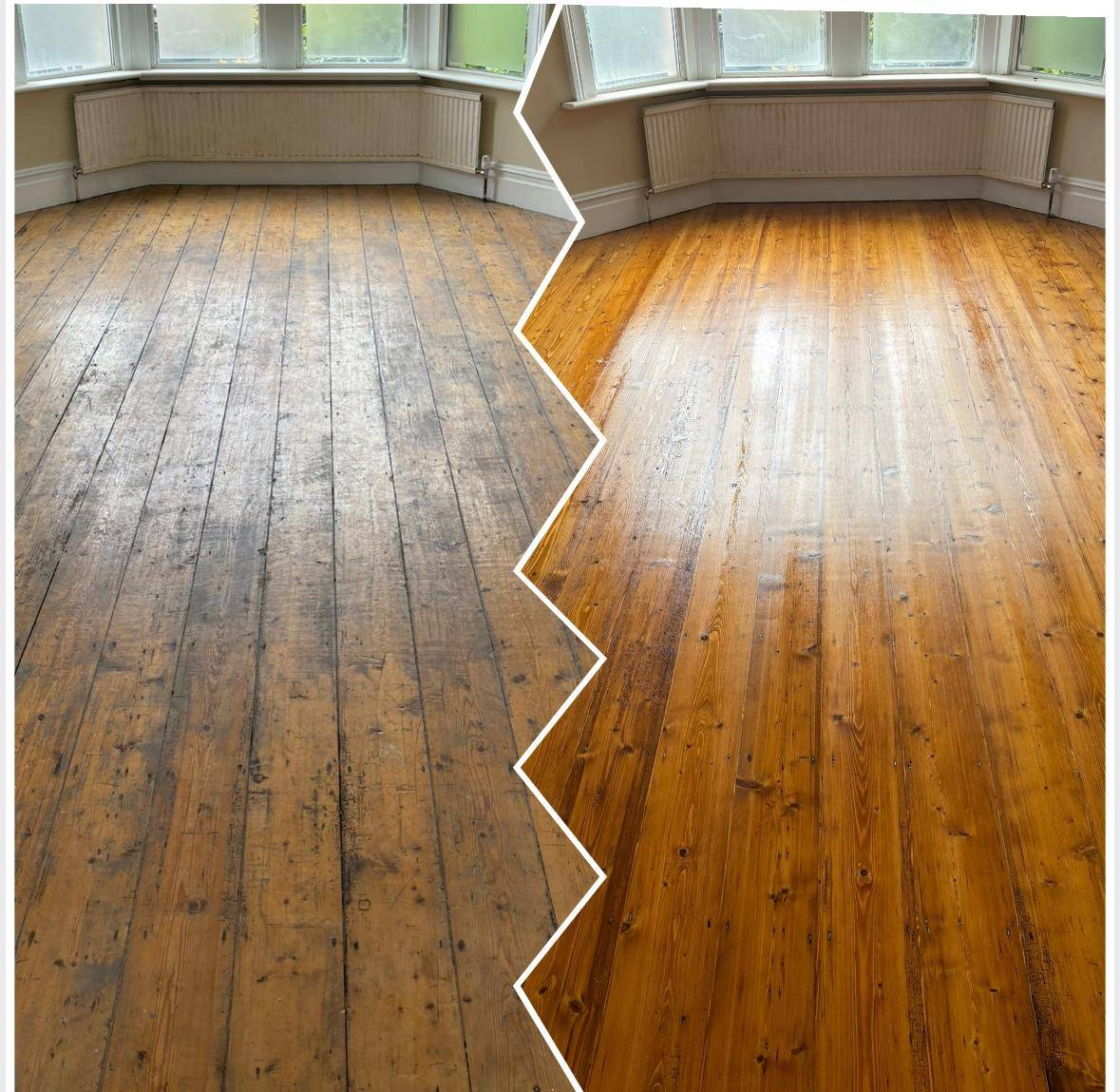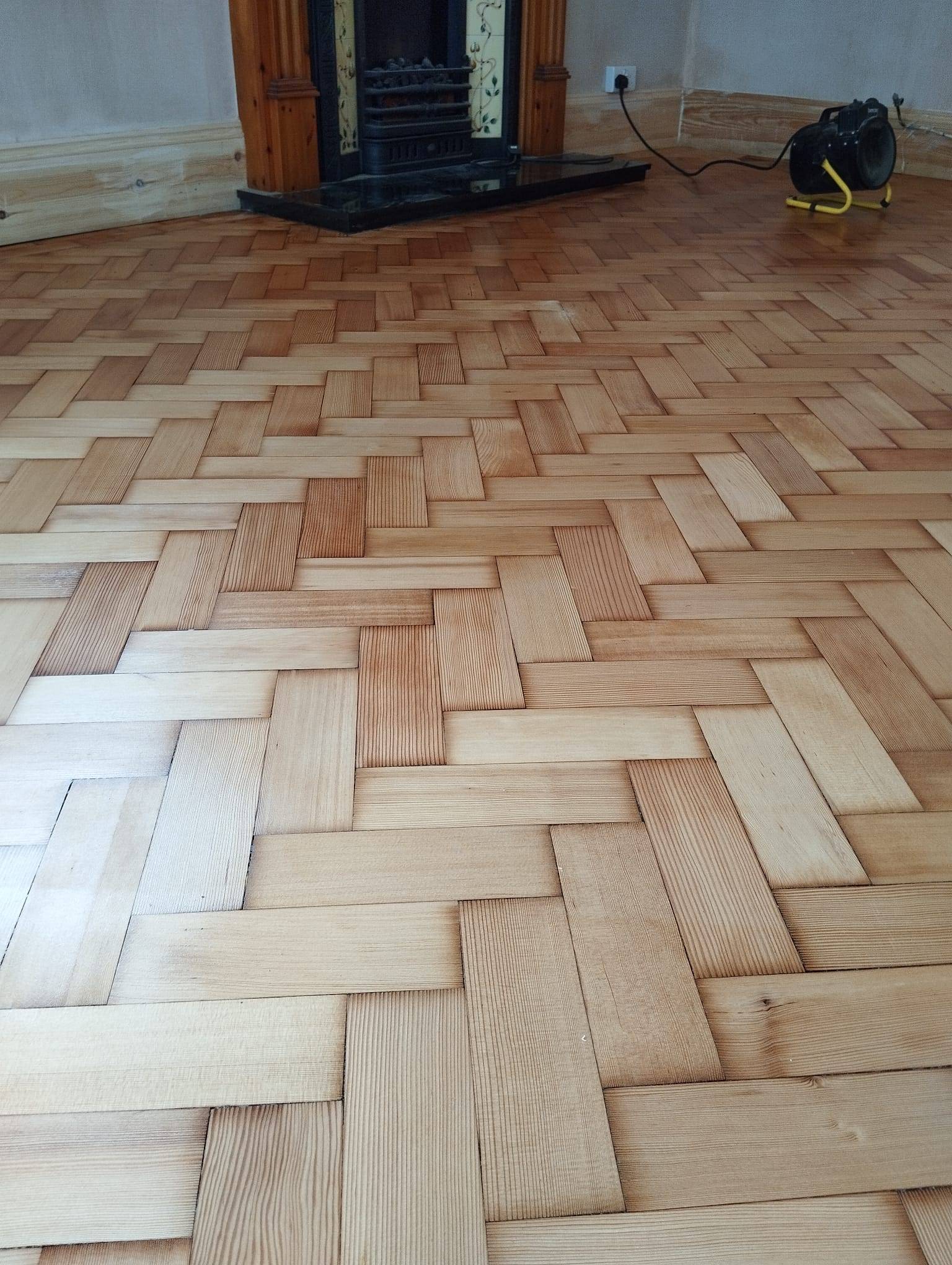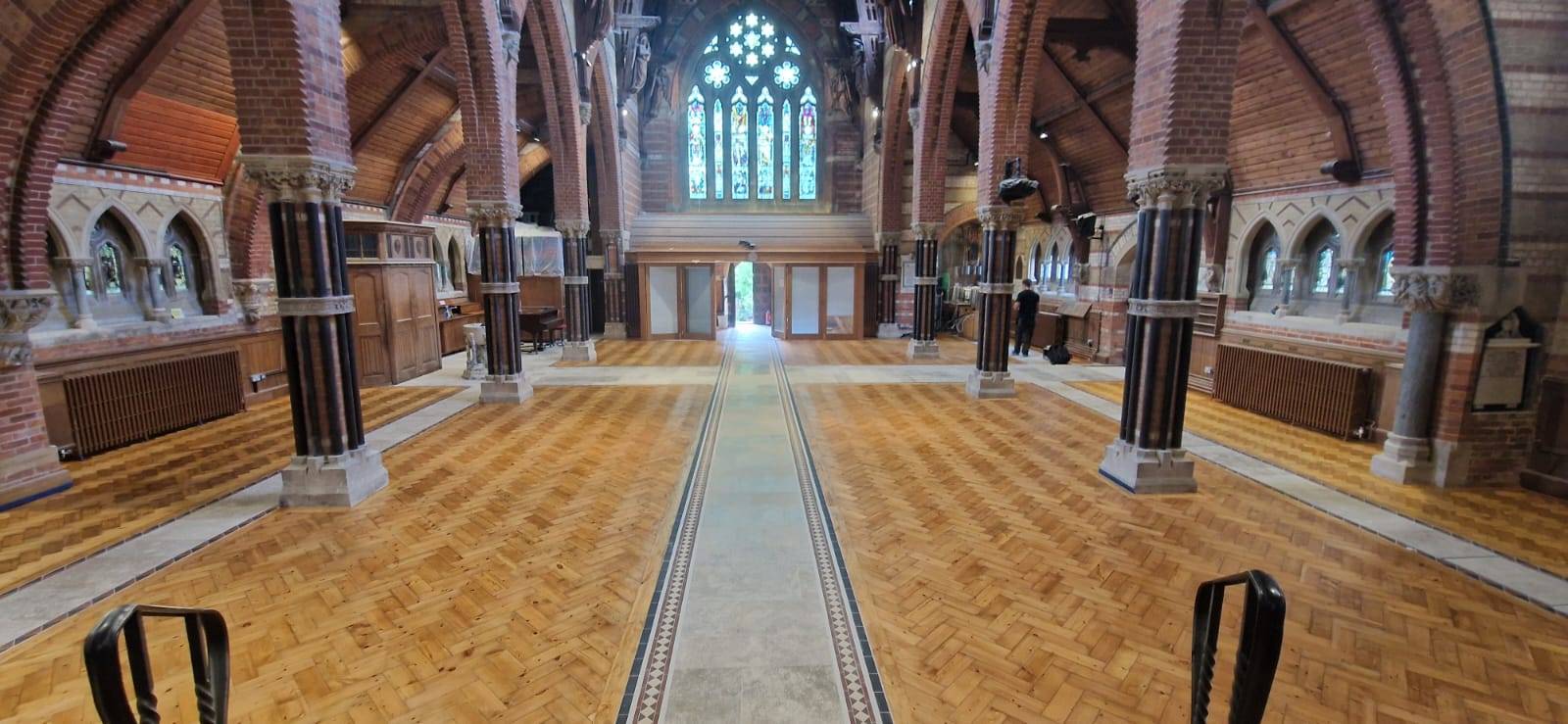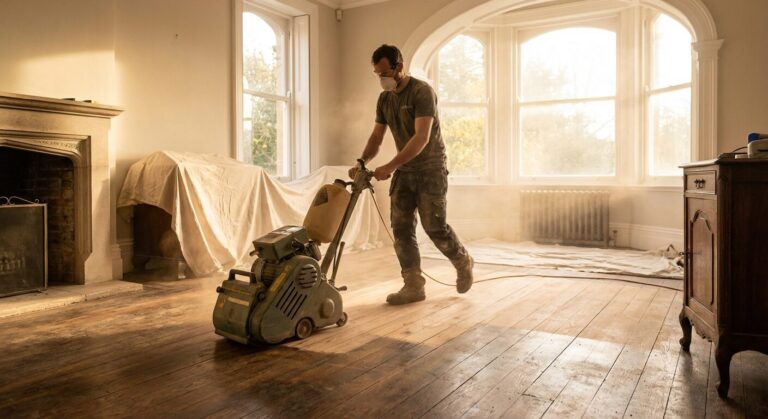
So, you’ve got these nice wood floors, right? They look great when they’re clean and shiny. But what happens when they start looking a little… less than stellar? It’s easy to ignore them, thinking it’s no big deal. But trust me, letting little problems slide can turn into a real money pit down the road. This article is all about why taking care of your floors *before* they get bad is way smarter than waiting for disaster to strike. We’ll talk about setting up a good wood floor maintenance schedule and why annual buffing is your best friend.
Key Takeaways
- Ignoring small floor issues can lead to much bigger, more expensive problems later on.
- A wood floor maintenance schedule helps you stay on top of upkeep and prevent damage.
- Annual buffing is a simple way to protect your floors and keep them looking good without breaking the bank.
- Waiting for damage to happen means costly emergency repairs and major restoration work.
- Being proactive with your wood floor maintenance saves you money and stress in the long run.
The Costly Consequences Of Ignoring Your Floors
When Small Issues Become Big Headaches
You know how sometimes a tiny little scratch on your phone screen seems like no big deal? You think, ‘Eh, I’ll get to it later.’ Well, your wood floors can be a lot like that, but way more expensive to fix down the line. That little scuff mark? It’s an invitation for dirt and moisture to sneak in. And once that happens, it’s like a domino effect. What started as a minor cosmetic issue can quickly turn into deeper damage that’s a real pain to deal with.
The Price Tag On Neglect
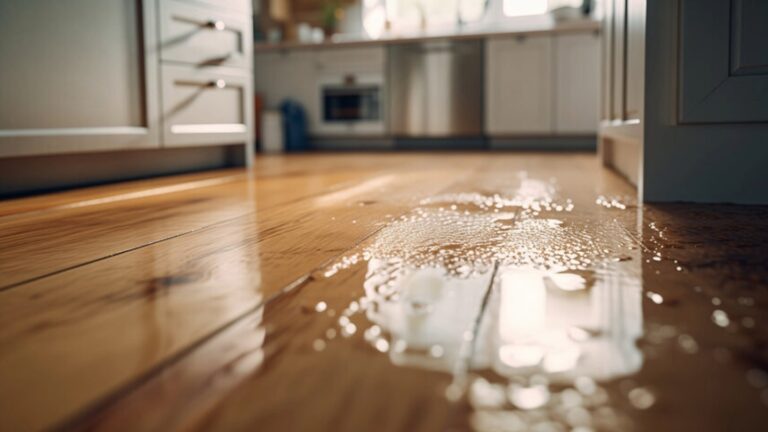
Let’s talk turkey. Ignoring your floors isn’t just about them looking a bit sad. It’s about your wallet. Think about it: a small spill that soaks into an unprotected spot can lead to warping or even mold. A tiny chip in the finish can spread, exposing the wood underneath to all sorts of wear and tear. Repairing a small, isolated issue is way cheaper than a full floor restoration. It’s like fixing a leaky faucet versus replacing your entire plumbing system. You get the picture.
Here’s a rough idea of what you might be looking at:
| Problem Type | Estimated Cost (Low End) | Estimated Cost (High End) |
|---|---|---|
| Minor Scratch Repair | $50 | $200 |
| Water Stain Removal | $100 | $300 |
| Board Replacement | $150 per board | $400 per board |
| Full Refinishing | $2,000 | $7,000+ |
Why Waiting Is Never The Answer
Honestly, waiting to deal with floor issues is almost always a bad move. It’s like putting off going to the dentist – that little twinge you ignored could turn into a root canal. With floors, the longer you wait, the more likely it is that a small problem will spread and become a much bigger, more expensive headache. You might think you’re saving time or money now, but you’re probably just racking up a bigger bill for later. Plus, who wants to live with floors that look like they’ve been through the wringer?
The temptation to put off maintenance is strong, especially when things seem okay on the surface. But wood is a natural material, and it needs attention. Ignoring its needs is like ignoring a friend who’s clearly having a rough time – it doesn’t end well for anyone involved.
Understanding Your Wood Floor Maintenance Schedule
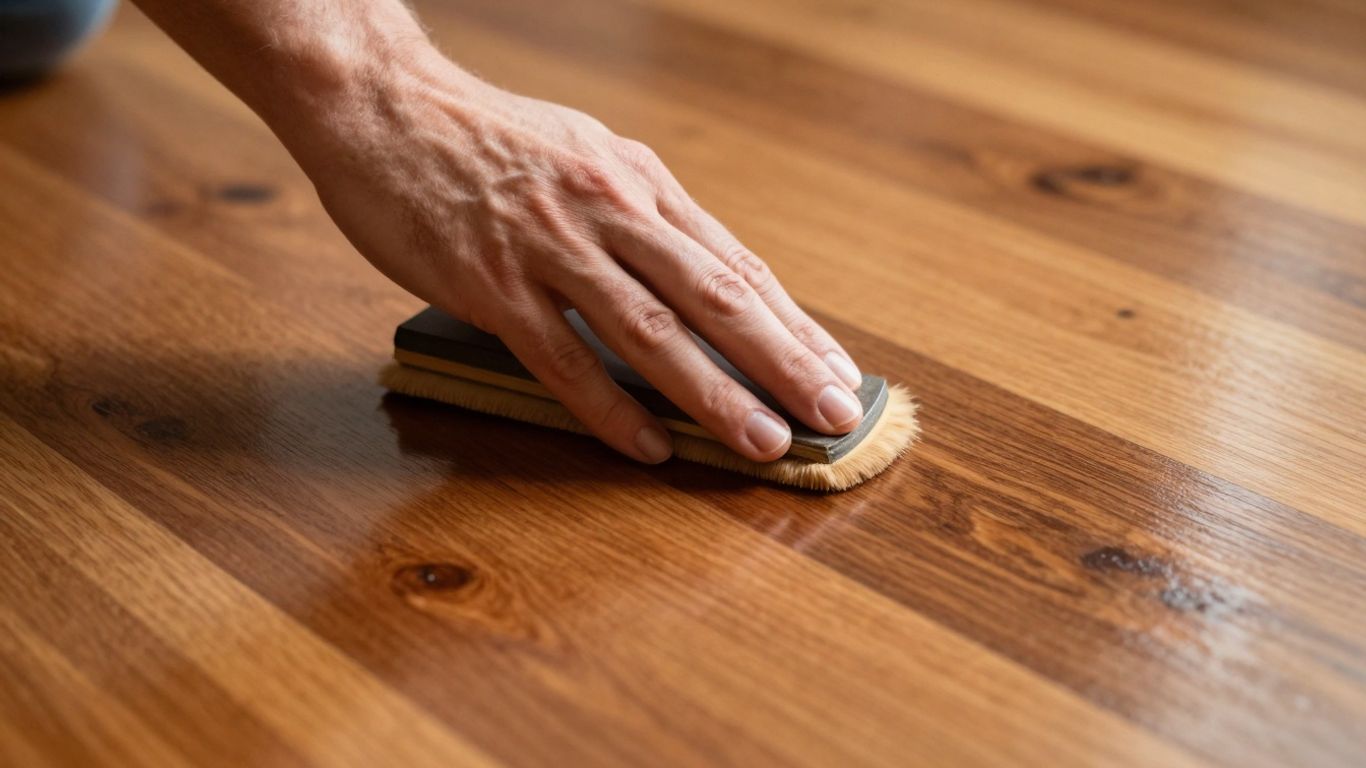
Okay, so we’ve talked about how ignoring your floors can get pricey. Now, let’s get real about what it takes to keep them looking good without breaking the bank. It all comes down to having a plan, a wood floor maintenance schedule. Think of it like taking your car in for regular oil changes – you do it to avoid bigger, more expensive problems down the road. Your floors deserve that same kind of attention.
What Does A Wood Floor Maintenance Schedule Entail?
Basically, it’s a list of things you should be doing, and when, to care for your wood floors. This isn’t just about sweeping or mopping, though those are part of it. It includes things like:
- Regular cleaning: This means daily sweeping or vacuuming to get rid of dirt and grit that can scratch the finish. You’ll also want to do a damp mop every week or two, depending on how much traffic your floors see. Use a cleaner made specifically for wood floors, not just any old all-purpose spray.
- Protective measures: This is about preventing damage before it happens. Think felt pads on furniture legs, doormats at entrances to catch dirt, and maybe even taking off your shoes indoors. It’s the little things that add up.
- Periodic professional care: This is where things like buffing or recoating come in. We’ll get to that more in a bit, but it’s the deeper clean and refresh that keeps the finish from wearing out.
The Importance Of Regular Check-Ups
Why bother with a schedule? Because wood floors are an investment, and like any investment, they need looking after. Small issues, like a tiny scratch or a dull spot, can turn into major headaches if you let them slide. A schedule helps you catch these things early. It’s way easier and cheaper to fix a small scratch than to refinish an entire room. Plus, knowing what to do and when takes the guesswork out of floor care. You won’t be staring at your floors wondering, “Is it time for that yet?”
Tailoring A Schedule To Your Needs
Not all homes are the same, and neither are their floors. The schedule you need might be different from your neighbor’s. Consider these points:
- How much foot traffic do you get? A busy family with kids and pets will need more frequent cleaning and maybe more frequent professional check-ups than a quiet couple with no pets.
- What kind of finish do your floors have? Different finishes (like polyurethane, oil, or wax) have different care requirements.
- What’s your climate like? Extreme humidity or dryness can affect wood floors and might mean you need to adjust your cleaning or conditioning routine.
You don’t need to be a floor expert to figure this out. Most of the time, it’s about being observant and sticking to a routine. If you’re unsure, a quick chat with a flooring professional can help you set up a schedule that makes sense for your specific situation. It’s not complicated, just consistent.
So, yeah, a schedule might sound like a chore, but honestly, it’s the key to keeping your floors looking great for years without costing you a fortune in emergency repairs. It’s about being smart and proactive.
Proactive Care: The Secret To Longevity
Okay, so we’ve talked about how bad it is to wait until things break. Now, let’s chat about the opposite approach: taking care of your floors before they get grumpy. This is where proactive care comes in, and honestly, it’s the real hero when it comes to keeping your wood floors looking good for ages.
Buffing: More Than Just A Shine
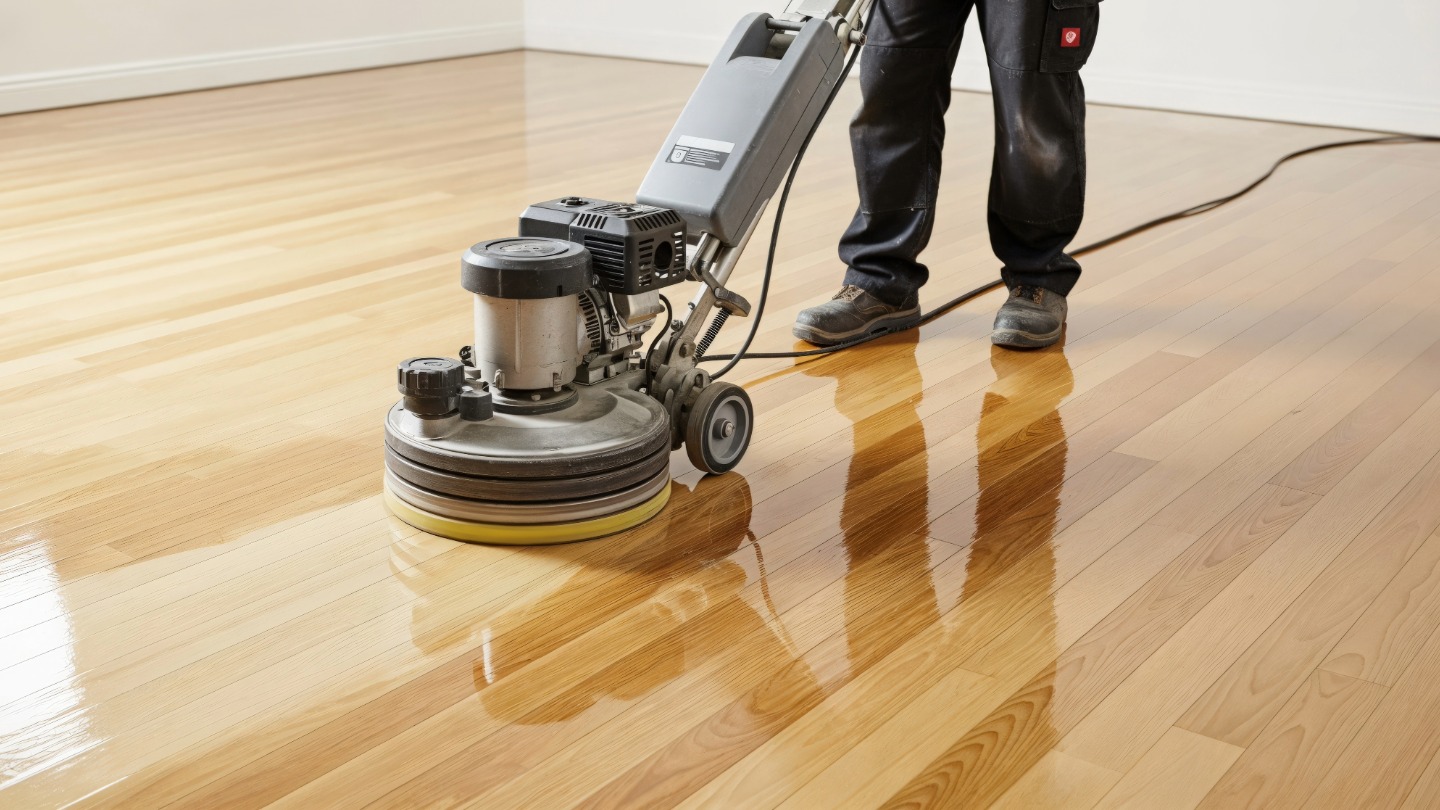
When you hear “buffing,” you might just picture someone making your floors shiny. And yeah, that’s part of it! But it’s way more than just a quick polish. Think of it like giving your floors a good, deep clean and a protective layer all at once. It gets rid of all the little scuffs and grime that build up over time, the stuff that makes your floors look dull and worn out, even if they aren’t actually damaged yet. It’s like giving your floors a spa day, but one that actually makes them stronger.
The Magic Of Annual Buffing
So, why annually? Well, life happens. We walk on our floors, drag furniture, spill things (oops!), and all that takes a toll. A yearly buffing session is like hitting a reset button. It removes that layer of microscopic dirt and grit that regular sweeping or mopping just can’t get. This grit acts like sandpaper, slowly wearing down the finish. Buffing gets rid of it before it can do real damage.
Here’s a quick look at what happens:
- Surface Grime Removal: Gets rid of dirt, oils, and residues.
- Finish Rejuvenation: Revitalises the protective top coat.
- Minor Scratch Repair: Fills in tiny imperfections.
- New Protective Layer: Adds a fresh coat to guard against future wear.
This simple annual service can seriously extend the life of your floor’s finish.
Preventing Wear And Tear Before It Starts
This is the core idea. Instead of waiting for a deep scratch or a worn-out patch to appear, you’re stopping it before it even gets a chance. Think of it like getting a flu shot. You don’t wait until you’re coughing and sneezing to do something; you get the shot to prevent getting sick in the first place. Annual buffing is your floor’s flu shot.
It means you avoid:
- The stress of seeing your beautiful floors degrade.
- The constant worry about spills and accidents.
- The eventual need for much bigger, more expensive repairs.
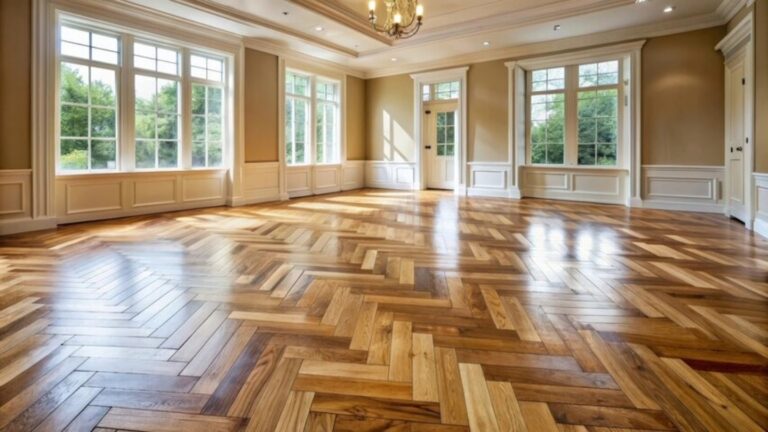
Taking care of your floors proactively means you’re not just cleaning them; you’re actively protecting your investment. It’s about keeping them looking their best and functioning well for years to come, without the drama of major fixes down the line.
Reactive Repairs: A Costly And Stressful Path
When Damage Is Already Done
So, you skipped the annual buffing, huh? Maybe you thought it wasn’t a big deal, or perhaps life just got in the way. Now, you’re staring at your floors, and they’re not looking so hot. We’re talking about scratches that have gone deep, maybe some water damage that’s warped the wood, or even sections that are just worn down to nothing. This is where reactive repairs come in, and trust me, it’s usually a lot more trouble than it’s worth.
The High Cost Of Emergency Fixes
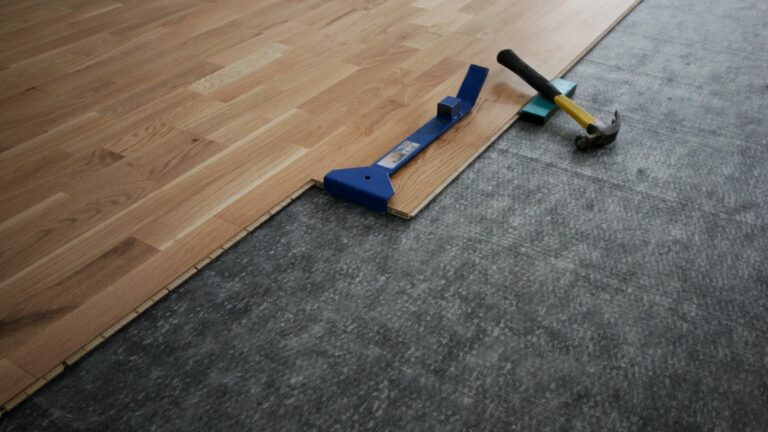
When you wait until things are visibly falling apart, the fixes aren’t simple touch-ups anymore. You’re looking at potentially replacing entire planks, refinishing large areas, or even a full floor replacement if the damage is widespread. It adds up fast. What might have been a few hundred bucks for a proactive buff and seal can easily balloon into thousands for repairs.
Here’s a rough idea of what you might be looking at:
| Issue | Estimated Cost (Low – High) |
|---|---|
| Deep Scratch Repair | $100 – $500 per plank |
| Water Damage Repair | $500 – $2,000+ |
| Partial Refinishing | $1,000 – $3,000+ |
| Full Floor Refinish | $2,000 – $7,000+ |
| Full Floor Replacement | $5,000 – $15,000+ |
These numbers are just estimates, and actual costs can vary wildly depending on your location, the type of wood, and the extent of the damage.
The Hassle Of Major Restorations
Beyond the money, there’s the sheer headache. Major repairs mean:
- Disruption: You’ll likely have to move all your furniture out. That’s a huge job in itself.
- Downtime: Your floors will be unusable for days, sometimes weeks, while the work is done and finishes cure.
- Mess: Refinishing creates a lot of dust, even with containment measures.
- Stress: Dealing with contractors, unexpected problems, and the general upheaval is just plain stressful.
Waiting for problems to show up before you act is like waiting for your car to break down on the highway before you get an oil change. It’s almost always more expensive and way more inconvenient than just keeping up with the basic maintenance.
Honestly, when you weigh the cost and stress of reactive repairs against the relatively small effort and expense of annual buffing, the choice becomes pretty clear. It’s just not worth the gamble.
Making The Smart Choice For Your Home
Investing In Prevention Pays Off
Look, nobody likes spending money on stuff that doesn’t seem broken, right? But when it comes to your wood floors, thinking ahead is where the real savings happen. It’s like getting an oil change for your car – you do it regularly, even if the car is running fine, because you know it stops bigger, way more expensive problems down the road. The same idea applies to your floors. Spending a little bit each year on a good buffing and maybe a quick check-up can save you from shelling out a fortune later for serious repairs or even a full refinish. It’s about keeping things looking good and working well without breaking the bank.
Keeping Your Floors Beautiful For Years
So, what does this ‘proactive care’ actually look like? It’s pretty straightforward, honestly. Think of it as a yearly spa day for your floors.
- Annual Buffing: This isn’t just about making them shiny. Buffing removes the old, worn-out top coat and applies a fresh one. This layer is what protects the wood itself from spills, scuffs, and everyday wear. Without it, the wood underneath starts to get damaged.
- Quick Inspections: While the pros are there for the buffing, they can also spot little things – a loose board, a tiny scratch that could get worse, or areas where the finish is wearing thin. Catching these early means a simple fix, not a major project.
- Minor Touch-Ups: Sometimes, a small scratch or a ding can be buffed out or touched up easily. This prevents it from becoming a deep gouge that needs filling and sanding.
It’s all about maintaining that protective barrier that keeps your floors looking great and prevents the wood from drying out or getting damaged.
Peace of Mind Through Proactive Care
Honestly, the best part of being proactive with your floors isn’t just the money you save, though that’s a big plus. It’s the peace of mind. You know your floors are protected. You don’t have to worry about a surprise spill ruining the finish or a dropped toy creating a permanent scar. It means you can actually enjoy your home without constantly stressing about every little thing that happens on the floor. It’s a simple step that makes a huge difference in the long run, keeping your home looking its best and saving you a ton of hassle and cash.
Choosing the right option for your home can feel like a big decision. We’re here to help make it simple. Explore our services and discover how we can help you create the home of your dreams. Visit our website today to learn more!
So, What’s the Takeaway?
Look, nobody likes spending money on maintenance, right? It feels like you’re just throwing cash away. But when you really think about it, letting things break down and then fixing them is way more expensive. It’s like ignoring that weird noise your car is making. Sure, it’s annoying, but fixing it before it turns into a huge problem saves you a ton of headaches and, yeah, a lot of dough. That yearly buffing? It’s not just about looking good; it’s about keeping things running smoothly and avoiding those surprise, costly repairs down the road. Think of it as an investment, not an expense. Your wallet will thank you later.
Frequently Asked Questions
What exactly is ‘buffing’ my wood floors?
Think of buffing like giving your floors a really good spa day! It’s a quick process where we use a special machine to lightly clean and smooth the top layer of your floor’s finish. It doesn’t remove the wood itself, just refreshes the protective coating, making it look shiny and new again without a full sanding.
Why is buffing called ‘proactive’ maintenance?
It’s proactive because we’re taking care of small things *before* they become big, expensive problems. Instead of waiting for scratches or dull spots to show up everywhere, buffing keeps the protective layer strong. It’s like getting a flu shot – you do it to prevent getting sick later!
How often should I really get my floors buffed?
For most homes, once a year is usually the sweet spot. If you have a super busy household with lots of foot traffic, pets, or kids, you might even consider it twice a year. It really depends on how much action your floors see!
What happens if I just wait until my floors look really bad?
Oh boy, that’s where things get pricey! If you wait too long, the wear and tear can go deeper than just the finish. You might end up with deep scratches, dents, or faded spots that need a full sanding and refinishing job. That’s way more work and costs a lot more money than a simple annual buff.
Is buffing the same as sanding and refinishing?
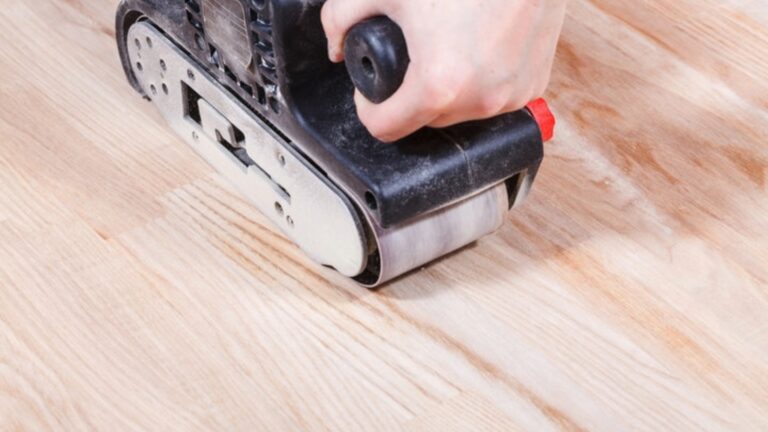
Nope, not at all! Sanding and refinishing is a much bigger job. It involves grinding off the old finish and a thin layer of wood to get down to bare wood, then applying new stain and finish. Buffing is a much lighter touch, just refreshing the existing top coat. It’s quicker, cheaper, and less disruptive.
Can buffing really save me money in the long run?
Absolutely! It’s all about prevention. By spending a little bit each year on buffing, you’re protecting your investment and preventing the need for those super expensive, full floor restorations down the line. It’s like changing the oil in your car regularly – it keeps the engine running smoothly and prevents major breakdowns.