Living in a traditional Scottish tenement means dealing with floors that have seen a lot of life. Sometimes, you might notice things aren’t quite right underfoot. This guide is here to help you figure out if your floor’s joists are having a rough time and what to do about it, especially if you’re looking into tenement floor repair Glasgow.
Key Takeaways
- Tenement floors are built with wooden joists that can rot or get damaged over time.
- Listen for persistent creaking, watch for sagging floors, and smell for dampness as early signs of trouble.
- Look closely at the joists themselves for signs of rot, like soft wood, or damage from insects.
- If you suspect serious issues, it’s best to get professional help for tenement floor repair Glasgow.
- Keeping your home dry and fixing leaks quickly can help stop joist problems from starting or getting worse.
Understanding Your Tenement Floor’s Structure
Alright, let’s get down to the nitty-gritty of what’s actually holding up your floor in one of those classic Scottish tenements. It’s not just a flat surface, you know. It’s a whole system, and understanding it is step one in figuring out if things are going south.
The Anatomy Of A Traditional Floor
Think of your floor like a sandwich. The top layer is your floorboards, the bit you walk on. Underneath that, you’ve got a layer of what’s often called ‘rubble fill’ or ‘deads’. This is usually a mix of rubble, ash, and sometimes even bits of old plaster. It’s heavy stuff, and it sits on top of the main players: the joists. These joists are the big wooden beams that run from one wall to another, acting like the skeleton of your floor. They’re the real workhorses.
Why Joists Are So Important
These joists are literally what keep your floor from collapsing. They bear the weight of everything above them – furniture, people, that ridiculously heavy antique sideboard you inherited. They transfer that load to the supporting walls. If the joists get weak, the whole system starts to fail. It’s like pulling out the main support beams from a house; everything else is going to suffer.
Common Issues In Older Buildings
Older buildings, especially tenements, have seen a lot of life. Over the decades, things happen. You get leaks, dampness, and sometimes just the sheer weight of time takes its toll. Wood, being an organic material, can degrade. This is especially true if it’s been exposed to moisture for a long time. You might also find that previous repairs weren’t exactly up to snuff, leading to new problems down the line. It’s a bit like a chain reaction, really.
It’s easy to forget that the floor you walk on every day is a complex structure that needs to be in good shape to do its job. Ignoring the signs can lead to bigger, more expensive headaches later on.
Signs Of Trouble Underfoot
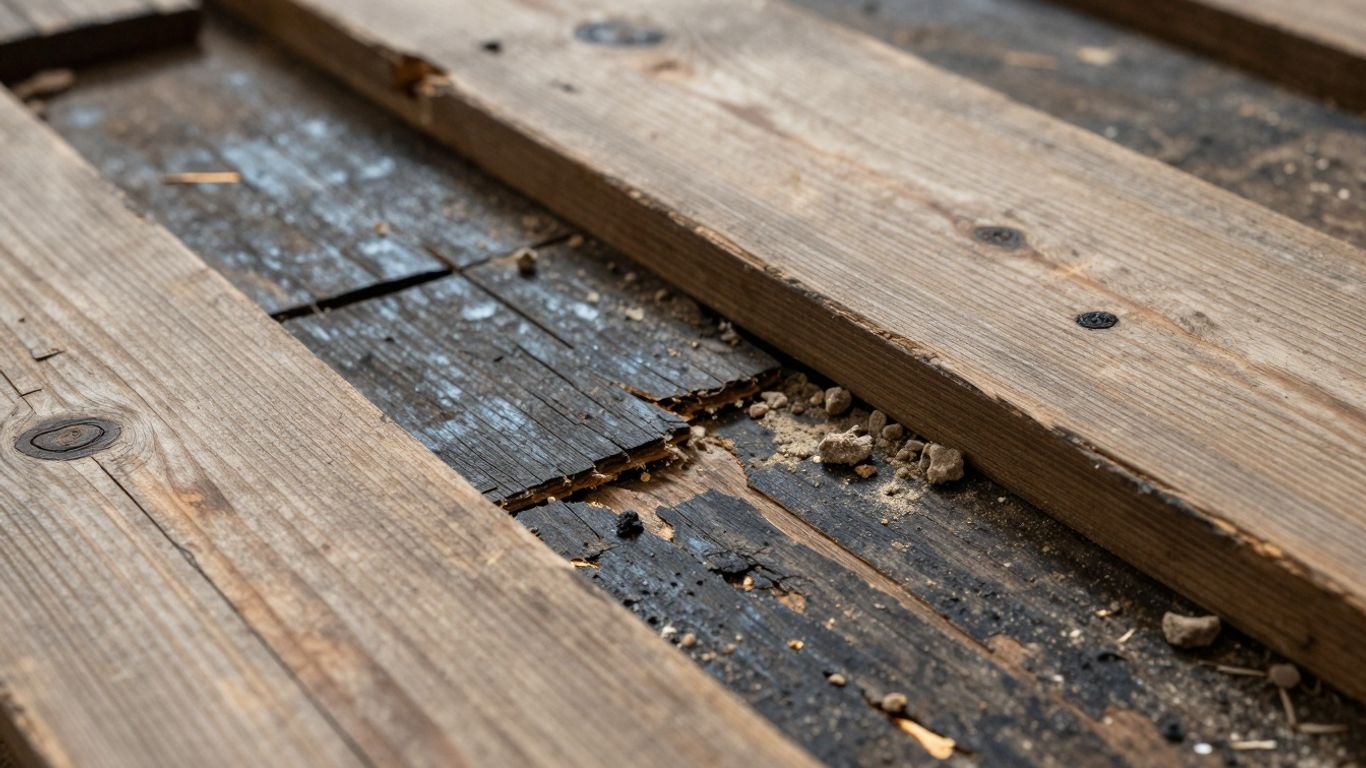
Okay, so you’re living in one of those classic Scottish tenements, and you’ve got this nagging feeling that something’s not quite right with the floor. It’s not just the usual old building noises; it’s something a bit more… persistent. Let’s talk about what you might be noticing that could point to joist decay.
The Creak That Won’t Quit
We all know old buildings groan and creak. It’s part of their charm, right? But there’s a difference between a random squeak when someone walks across the room and a constant chorus of groans. If your floor sounds like it’s perpetually complaining, especially in certain areas, it might be more than just loose floorboards. This persistent noise can happen when the joists themselves are starting to weaken or rot. They’re not as solid as they used to be, and the movement between the joist and the floorboards above, or even between joists and the wall, gets amplified. Listen for changes in the sound too – a new, sharper creak or a duller thud can be a warning.
Visible Sagging Or Unevenness
This one’s pretty straightforward. If you look across your floor and it seems to be dipping in the middle, or if you can feel distinct dips and humps when you walk, that’s a big red flag. It’s like looking at a trampoline that’s lost its bounce. This sagging is often a direct result of the joists underneath losing their structural integrity. They’re supposed to be holding everything up evenly, and when they start to fail, the floor above follows suit. You might notice this more in areas where you place heavy furniture, or simply in the main living spaces.
Damp Patches And Musty Smells
This is where things can get a bit more serious. If you’re seeing damp patches on your ceiling below (if you have a downstairs neighbour) or even on your own floorboards, and there’s a persistent musty smell, it’s a strong indicator of moisture. Moisture is the arch-nemesis of timber. It’s what allows rot to set in and thrive. This dampness could be coming from a leaky pipe, condensation issues, or even water ingress from outside. Whatever the source, if it’s getting to your joists, it’s a problem that needs attention, and fast.
Remember, these signs aren’t always obvious. Sometimes the decay is hidden away, and you only notice it when it’s quite advanced. That’s why it’s good to be aware of what to look for, even if you don’t see anything immediately alarming.
Investigating The Joists Themselves
Okay, so you’ve noticed some weird stuff happening with your floor. Now it’s time to get a bit more hands-on and actually look at those joists. This is where you might find the real culprit.
Where To Look For Problems
Your best bet for getting a good look at the joists is usually from below. Think about your basement, cellar, or even a crawl space if you’re lucky enough to have one. You’re looking for the wooden beams that run across your ceiling (which are your floor joists from the room above). Sometimes, you might be able to get a peek from an attic space, but that’s less common for tenement buildings. If you have access panels or vents, those can be good starting points too. Don’t be afraid to get a good flashlight and really poke around.
What Rot Looks Like
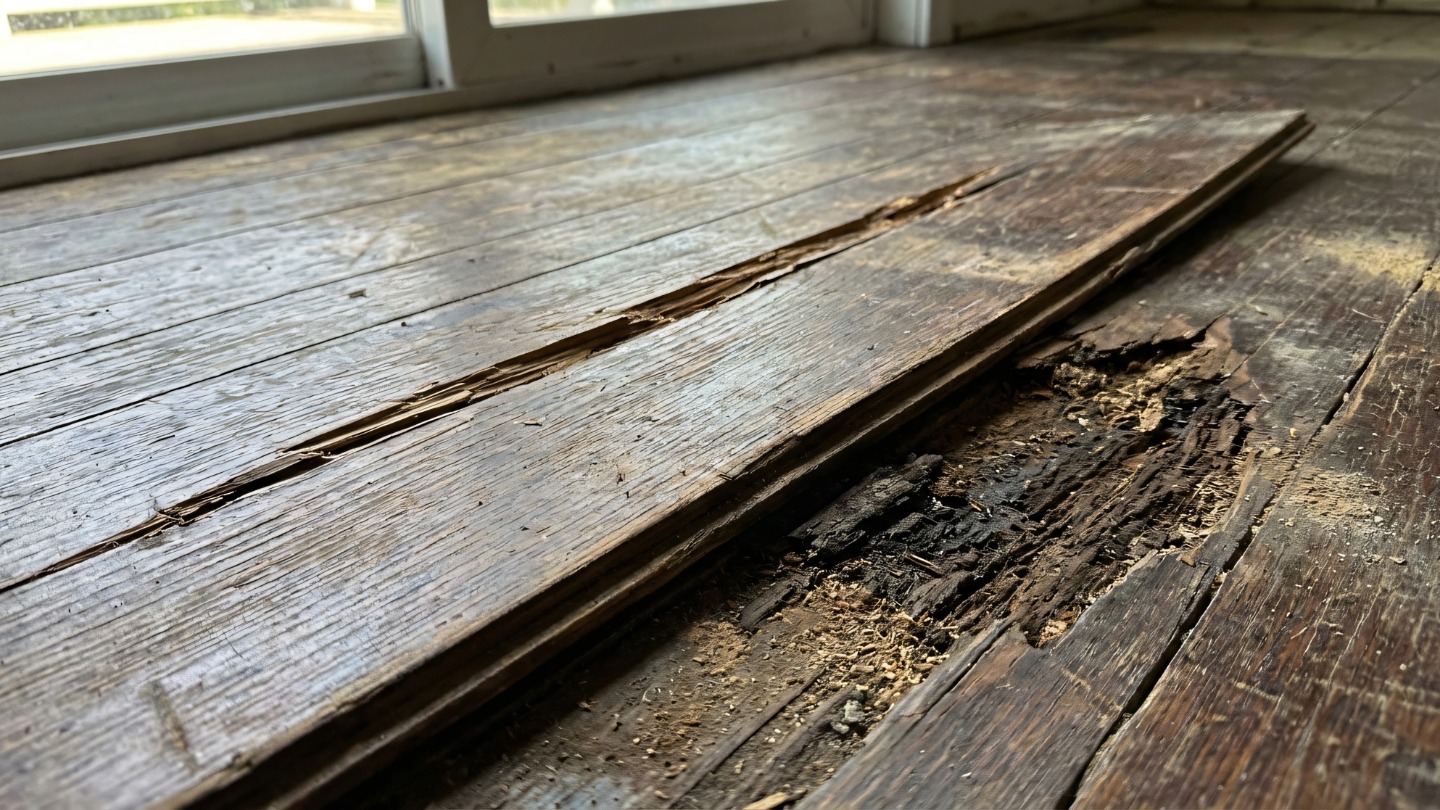
Wood rot isn’t always obvious at first glance. You’re looking for a few key things. First, the texture of the wood might change. Instead of being solid and firm, it can become soft, crumbly, or even spongy. You might see discoloration, too – dark brown or black patches are a bad sign. Sometimes, the wood might shrink or warp, pulling away from other parts of the structure. If you can easily poke a screwdriver into the wood, that’s a pretty clear indicator that something’s not right. It’s basically the wood losing its strength.
Identifying Insect Damage
Besides rot, bugs can also wreak havoc on your joists. Keep an eye out for small holes, often called ‘frass’ or ‘boreholes’. These are tiny tunnels left behind by wood-boring insects like woodworm or termites (though termites are less common in Scotland). You might also see piles of fine sawdust-like material near the holes – this is a sure sign that insects are actively munching away. Sometimes, you can even hear faint clicking or rustling sounds coming from within the wood, especially in quiet moments. The wood might also look ‘worm-eaten’ or have a honeycomb-like appearance if the damage is extensive.
Remember, even if you don’t see obvious signs of rot or bugs, a persistent musty smell or a floor that feels unusually springy could still point to underlying issues. It’s better to investigate further than to ignore potential problems.
When To Call In The Experts For Tenement Floor Repair Glasgow
Recognising The Severity Of Decay
So, you’ve poked around a bit, maybe seen some questionable spots. But when does it go from ‘uh oh’ to ‘we need a pro, like, yesterday’? If you’re seeing more than just a little bit of surface stuff, it’s time to think about getting help. A floor that feels soft underfoot or has noticeable dips is a big red flag. It’s not just about creaks anymore; it’s about the actual stability of your floor. Think about it – those joists are holding up everything. If they’re compromised, that’s a serious structural issue.
Finding Qualified Tradespeople
Okay, you’ve decided you need a hand. Now what? Finding someone who actually knows their way around old tenement buildings in Glasgow is key. You don’t want just anyone; you want someone with experience in this specific type of building. Look for tradespeople who mention traditional building methods or have a portfolio showing similar work. Ask around, check local directories, and don’t be afraid to get a few quotes. It’s worth the effort to find someone reliable.
The Importance Of Professional Assessment
Sometimes, you just can’t tell the full story from a quick look. That’s where the pros come in. They have the tools and the know-how to really get to the bottom of things. They can tell you if it’s just a bit of damp that needs drying out or if you’re looking at major joist replacement. Getting a professional assessment means you’ll know exactly what you’re dealing with and what needs to be done. It saves you guessing and potentially making costly mistakes down the line.
Here’s a quick rundown of when to seriously consider calling in the experts:
- You can easily push a screwdriver into the wood.
- There are visible signs of sagging or significant unevenness across the floor.
- You’ve got persistent dampness or a strong musty smell that won’t go away.
- You hear loud cracking or popping sounds when walking, not just creaks.
Don’t try to patch up serious structural problems yourself. It might seem like a quick fix, but it could lead to bigger, more expensive issues later on. Safety first, always.
Preventing Future Joist Woes
Alright, so you’ve checked out your floor and maybe even spotted some dodgy bits. Now, the big question is, how do you stop this whole joist decay thing from happening again? It’s not rocket science, but it does take a bit of common sense and some regular attention. Think of it like looking after your car – a bit of maintenance now saves you a heap of trouble later.
Managing Moisture In Your Home
This is probably the number one enemy of wooden joists. Water, in any form, is bad news. Where does it usually sneak in?
- Leaky pipes: Check under sinks, around toilets, and anywhere water runs. Even a tiny drip can cause problems over time.
- Condensation: Especially in bathrooms and kitchens, or even in poorly ventilated basements. Good airflow is your friend here.
- Rising damp: If you’ve got old stone walls, moisture can creep up from the ground. Proper tanking or damp-proofing can help.
- Roof leaks: Obvious, but sometimes they can travel down walls and into floor structures before you even notice a stain on the ceiling.
Keeping things dry is the golden rule for happy joists.
Regular Inspections Matter
You don’t need to be a builder to give your floor a once-over now and then. Just a quick look-see can catch things early.
- Listen: Are those creaks getting worse? Any new groaning sounds when you walk?
- Look: Peek into any accessible crawl spaces or cellars. Do you see any water stains, mould, or crumbling wood?
- Smell: That musty, damp smell is a classic sign that something’s not right.
It’s like checking your own health – a little self-awareness goes a long way.
Addressing Leaks Promptly
This one’s pretty straightforward. If you find a leak, don’t just ignore it and hope it goes away. It won’t. Get it fixed. Seriously, don’t delay.
A small leak today can become a massive, expensive repair job tomorrow. Wood doesn’t take kindly to being constantly wet, and the longer it sits, the more damage it can do, potentially affecting more than just the joists.
Think about it: a dripping tap might seem minor, but over months and years, that constant moisture can really do a number on the timber hidden away. So, when you spot a drip, grab your phone and call a plumber. It’s a simple step that protects your whole home.
To keep your floors strong and prevent future problems with your joists, it’s smart to take good care of them. Regular checks and quick fixes can save you a lot of trouble down the road. Want to learn more about keeping your home in top shape? Visit our website for expert tips and services.
So, What’s the Takeaway?
Alright, so we’ve gone over how to spot joist decay in those old Scottish tenement floors. It’s not rocket science, but it does take a bit of looking. If you see any of those signs we talked about – the sagging, the weird smells, or the soft spots – don’t just ignore them. It’s better to get a professional to take a look before a small problem turns into a big, expensive headache. Think of it like checking your car’s oil; a little regular attention can save you a lot of trouble down the road. Your flat will thank you for it, and you’ll sleep a lot better knowing your floor is solid.
Towns and villages we cover
If a repair is beyond what you fancy taking on, give us a ring. We cover Somerset in full, Taunton, Wellington, Bridgwater and Yeovil among them.
If your town is not named above it will be on areas we cover. The service page for this is squeaky floor repair.
Related guides
- The Science Behind Wood Floor Moisture: Essential Guide
- Smart Home Integration: Enhance Wood Flooring Maintenance
- The Impact of Humidity on Wood Floors: Essential Tips
Frequently Asked Questions
What exactly are these ‘joists’ I keep hearing about in my floor?
Think of joists as the main support beams for your floor. They’re usually long pieces of wood that run underneath your floorboards, holding everything up. Without them, your floor would just be a floppy mess!
My floor creaks a lot. Does that mean the joists are rotten?
Not always! Floors creak for tons of reasons, like wood rubbing together or nails loosening up. But if the creaking is super loud, new, or happens with every step, it *could* be a sign that something’s up with the joists underneath.
How can I tell if my floor is actually sagging?
Look closely at your floor. Does it seem to dip in the middle, like a sad smile? Or are there parts that feel lower than others when you walk on them? That kind of unevenness is a big red flag that your joists might be struggling.
I smell a musty or damp smell. Is that bad for my floor?
Oh yeah, that’s definitely not good! A musty smell usually means there’s moisture hanging around, and moisture is like a party invitation for wood rot and mold. It’s a strong clue that something needs checking out below.
What does ‘wood rot’ actually look like?
Rotten wood often looks darker, feels crumbly, and might have a spongy texture. Sometimes you’ll see white or black mold growing on it too. If you poke it with a screwdriver and it just falls apart, that’s a pretty clear sign of decay.
When should I stop trying to fix things myself and call a pro?
If you’re seeing serious sagging, widespread rot, or if you’re just not sure what you’re looking at, it’s way safer to get an expert involved. They have the tools and experience to figure out how bad the problem is and fix it right.