So, you’ve got a commercial staircase that’s seen better days, right? Maybe it’s looking a bit worn, or perhaps you’re just worried about people slipping. It happens! Stairs get a lot of foot traffic, and over time, they can start to look rough and become a safety hazard. We’re going to chat about how anti-slip nosing and the BS 8300 standard play a big part in keeping things safe, especially when you need to get your stairs looking good again. And if sanding is on the cards, we’ll touch on that too, especially if you’re looking for commercial stair sanding UK services.
Key Takeaways
- Anti-slip nosing is all about making stair edges more visible and less slippery, which is super important for safety in places where lots of people walk.
- The BS 8300 standard gives us guidelines for making buildings accessible and safe for everyone, including how stairs should be designed and what features they need.
- You’ll know your stairs need attention when they look worn, are slippery, or don’t meet current safety rules.
- When picking anti-slip solutions, think about what they’re made of, how long they’ll last, and if they look good with your building’s style.
- Getting professional help for sanding and refinishing your commercial stairs, especially from commercial stair sanding UK experts, can make a big difference in safety and appearance.
Understanding Anti-Slip Nosing Requirements
What is Anti-Slip Nosing?
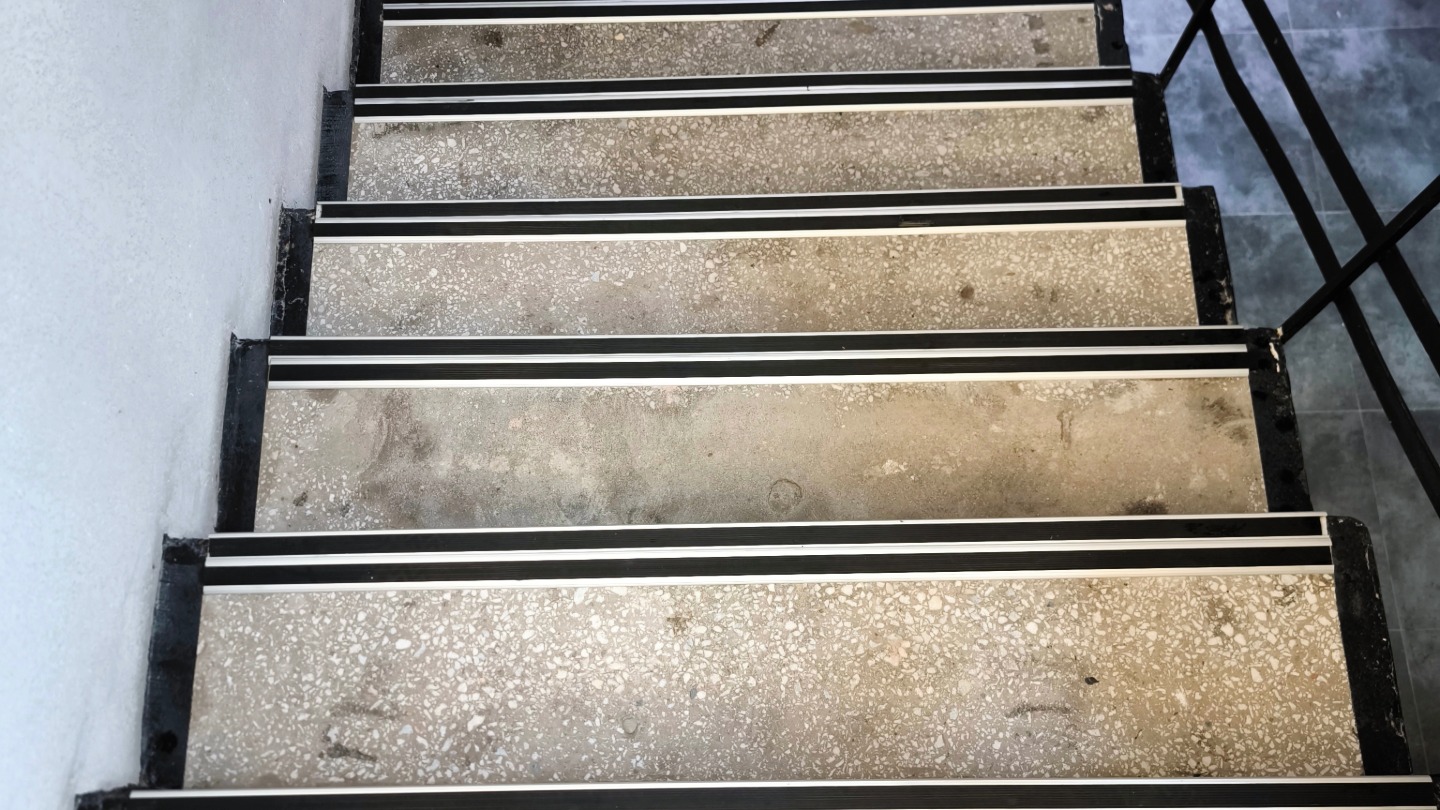
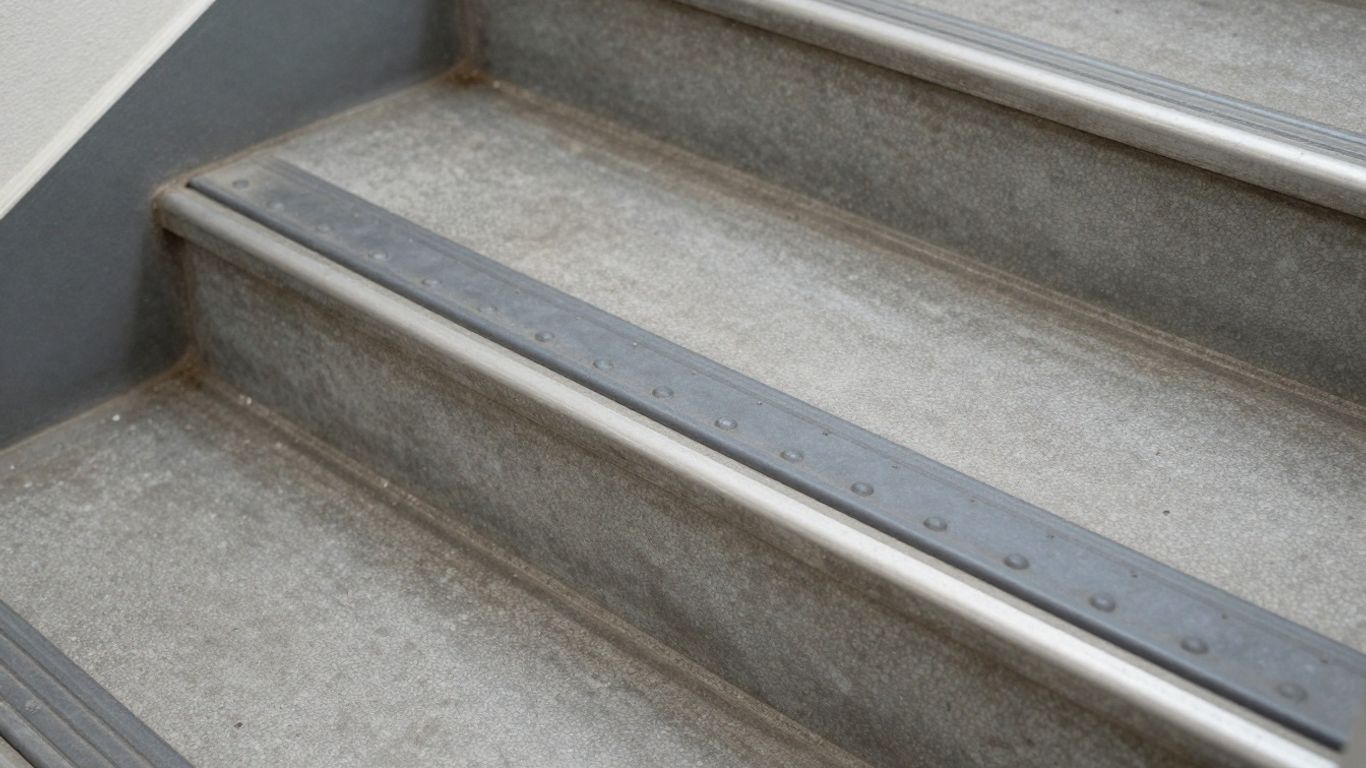
So, what exactly are we talking about when we say “anti-slip nosing”? Basically, it’s that strip you see along the edge of a stair tread. It’s not just there to look pretty; its main job is to give your shoe a better grip. Think of it as a little safety bumper for your feet as you go up or down the stairs. These can be made from different stuff, like metal, rubber, or even composite materials, and they’re designed to stick out just a bit from the flat part of the step. This little bit of extra material is key.
Why It Matters for Commercial Spaces
In places where lots of people are coming and going – like offices, shops, or public buildings – stairs can get a real workout. They see all sorts of foot traffic, and sometimes, spills happen. Without good grip on the edges, people can easily slip, especially if the stairs are a bit worn or wet. This is where anti-slip nosing really shines, preventing accidents before they even start. It’s a simple addition that makes a big difference in keeping everyone safe, from the morning rush to the evening commute. It’s not just about avoiding a lawsuit; it’s about looking out for the folks using your building.
Meeting Accessibility Standards
Beyond just preventing slips, anti-slip nosing plays a part in making sure everyone can use the stairs safely. Accessibility standards, like the ones laid out in BS 8300, have specific ideas about how stairs should be designed. This includes things like making sure the nosing is noticeable and provides a good grip. It helps people with visual impairments or those who might have trouble with balance. The idea is to make sure that the stairs are usable and safe for as many people as possible, regardless of their physical abilities. It’s all part of creating a more inclusive environment.
Good stair design isn’t just about how it looks; it’s about how it functions for everyone. Anti-slip nosing is a practical feature that contributes significantly to overall safety and usability, especially in busy commercial settings where wear and tear are common. It’s a small detail that has a large impact on preventing falls and ensuring compliance with safety regulations.
The Role of BS 8300 in Stair Safety
Key Provisions of BS 8300
So, what’s this BS 8300 thing all about? Basically, it’s a British Standard that gives us some solid guidelines on making buildings and their facilities accessible to everyone. When it comes to stairs, it’s not just about making them look nice; it’s about making them safe for all sorts of people, including those with mobility issues, visual impairments, or even just someone carrying a lot of stuff. The standard really focuses on preventing trips and falls. It talks about things like the height and depth of steps, the pitch of the stairs, and, importantly for us, the nosings. It wants to make sure that the edge of each step is clearly visible and provides a good grip. Think of it as a checklist for making sure your stairs aren’t a hazard waiting to happen.
Ensuring Safe Navigation for All
This standard isn’t just for people with disabilities, though that’s a big part of it. It’s about good design for everyone. A well-designed staircase, following BS 8300, means fewer accidents overall. It means older folks can get around more easily, parents with strollers aren’t struggling, and even someone in a hurry is less likely to misstep. It covers:
- Visual Contrast: Making sure the edge of the step stands out from the rest of the tread. This is super important for people with low vision.
- Nosing Design: Specifying how the nosing should be shaped and how far it should extend. It shouldn’t be a tripping hazard itself!
- Handrail Placement: Making sure handrails are there, at the right height, and continuous.
- Lighting: While not directly part of the nosing, good lighting is mentioned as part of the overall safe environment.
Beyond Basic Building Codes
Building codes are the minimum we have to do, right? BS 8300 goes a bit further. It’s more about best practice and creating spaces that are genuinely usable and safe for the widest range of people possible. It’s the difference between just ticking a box and actually creating a thoughtful, safe environment. For commercial spaces, where you have lots of different people coming and going all the time, following these guidelines isn’t just good sense; it’s often a legal requirement or at least expected. It shows you care about your visitors and staff.
When you’re looking at your commercial stairs, think about BS 8300 not as a set of annoying rules, but as a guide to making your space more welcoming and, most importantly, much safer for everyone who uses it. It’s about proactive safety, not just reacting after something bad happens.
When Commercial Stair Sanding Becomes Necessary
Signs Your Stairs Need Attention
So, you’ve got stairs in your commercial building, right? They get a lot of foot traffic, day in and day out. Over time, even the toughest materials can start to show their age. You might not even notice it at first, but little things start to add up. Think about the main entrance stairs, or the ones leading to busy meeting rooms. They’re basically the highways of your building.
The most obvious sign is when the anti-slip surface starts to wear down. You know, that gritty texture that’s supposed to give people traction? If it’s looking smooth, shiny, or even patchy, that’s a big red flag. It’s not just about looks; it’s about safety. People could start slipping, and nobody wants that kind of trouble. Other signs include visible damage like chips, cracks, or deep scratches. If you see any of these, it’s time to pay attention.
The Impact of Wear and Tear
Wear and tear on stairs isn’t just cosmetic. It directly affects how safe they are. Imagine a busy Friday afternoon, everyone rushing out. A slip on a worn-down step can lead to injuries, which means potential lawsuits and a lot of headaches for you. It also makes your building look less professional. First impressions matter, and rundown stairs don’t exactly scream ‘we care about quality’.
Here are some common issues you might see:
- Smooth Surfaces: The anti-slip grit is gone, leaving a slick surface.
- Visible Damage: Cracks, chips, or deep gouges that can catch heels or cause trips.
- Loose Nosing: The metal or rubber strips at the edge of the steps might be coming loose.
- Fading or Discoloration: While not a direct safety hazard, it shows neglect and can make the stairs look uninviting.
It’s easy to put off stair maintenance, especially when things seem ‘okay’. But ‘okay’ can quickly turn into ‘not okay’ when someone gets hurt. Regular checks are way better than dealing with an accident.
Considering Commercial Stair Sanding UK Services
If you’re in the UK and your stairs are looking a bit rough, you might be wondering about professional help. Commercial stair sanding isn’t just about making them look pretty again. It’s about restoring that vital safety feature. A good service can assess the damage, figure out the best way to fix it, and get your stairs back to a safe, usable condition. They know what materials work best for high-traffic areas and how to apply them properly.
Think about it:
- Assessment: A pro will look at your stairs and tell you exactly what’s wrong.
- Repair: They’ll fix any structural issues or damage.
- Refinishing: This is where the sanding comes in, preparing the surface.
- Anti-Slip Application: Applying new, effective anti-slip treatments or nosing.
Don’t wait until a problem becomes a crisis. If your stairs are showing signs of wear, it’s smart to look into professional services. It’s an investment in safety and the overall appearance of your commercial space.
Choosing the Right Anti-Slip Solutions
Types of Anti-Slip Nosing Materials
So, you’ve decided to get some anti-slip nosing for your stairs. That’s a smart move! But with so many options out there, picking the right one can feel a bit overwhelming. Let’s break down some of the common materials you’ll run into.
- Aluminum: This is a popular choice because it’s tough and doesn’t rust. You can often get it with a textured insert, like grit or rubber, for extra grip. It looks pretty sharp too, giving stairs a clean, modern vibe.
- Rubber: Super grippy, especially when wet. Rubber nosing is usually pretty flexible and can conform to different stair shapes. It’s a good option if you’re looking for something that feels a bit softer underfoot.
- Vinyl: Similar to rubber in terms of grip, vinyl is also quite durable and comes in a bunch of colors. It’s a budget-friendly option that still gets the job done.
- Carborundum: This stuff is seriously tough. It’s basically a composite material with abrasive particles mixed in. If you need something that can handle heavy foot traffic and won’t wear down easily, carborundum is a solid contender.
Durability and Aesthetics
When you’re picking out your anti-slip nosing, you’ve gotta think about two big things: how long it’ll last and how it’ll look. Nobody wants stairs that look good for a week and then fall apart, right? And you don’t want them to look like a construction site either.
The best solutions balance tough performance with a look that fits your building.
Consider the kind of traffic your stairs get. Are they in a busy mall, an office building, or maybe a quiet community center? High-traffic areas will need something super robust, like aluminum or carborundum. For places with less footfall, rubber or vinyl might be perfectly fine and offer a different aesthetic.
Think about the overall style of your commercial space. Do you have a modern, sleek design? Aluminum might fit right in. Or perhaps a more traditional feel? Some rubber or vinyl options come in wood-grain patterns or muted tones that blend better.
Professional Installation Advice
Look, you could try to slap these things on yourself, but honestly, it’s usually worth getting a pro involved. They know how to make sure the nosing is fitted correctly, so it actually stays put and does its job.
- Get a proper assessment: A professional can look at your stairs and tell you exactly what kind of nosing will work best, considering the material, wear, and tear.
- Proper fitting is key: They’ll have the right tools and techniques to attach the nosing securely. This means no loose edges or tripping hazards later on.
- Warranty considerations: Often, professional installation comes with a warranty, giving you peace of mind.
Trying to cut corners on installation can end up costing you more in the long run if the nosing fails prematurely or causes an accident. It’s better to do it right the first time.
The Process of Restoring Commercial Staircases
So, your commercial stairs are looking a bit rough, huh? Maybe the anti-slip nosing is worn out, or the whole staircase just seems tired. Don’t worry, bringing them back to life is totally doable. It’s not just about making them look good again; it’s about safety, especially with all the foot traffic commercial spaces get. Let’s break down what goes into this.
Assessment and Planning
First things first, you gotta figure out what you’re dealing with. This isn’t a ‘just start sanding’ kind of job. You need to look closely at the stairs. Are the treads damaged? Is the existing nosing loose or completely gone? What about the underlying structure? Sometimes, what looks like a simple cosmetic issue is hiding something bigger. A good assessment means you can plan the whole project right. This includes deciding on the best materials and methods for your specific situation. Getting this step right saves a lot of headaches later on.
Sanding and Refinishing Techniques
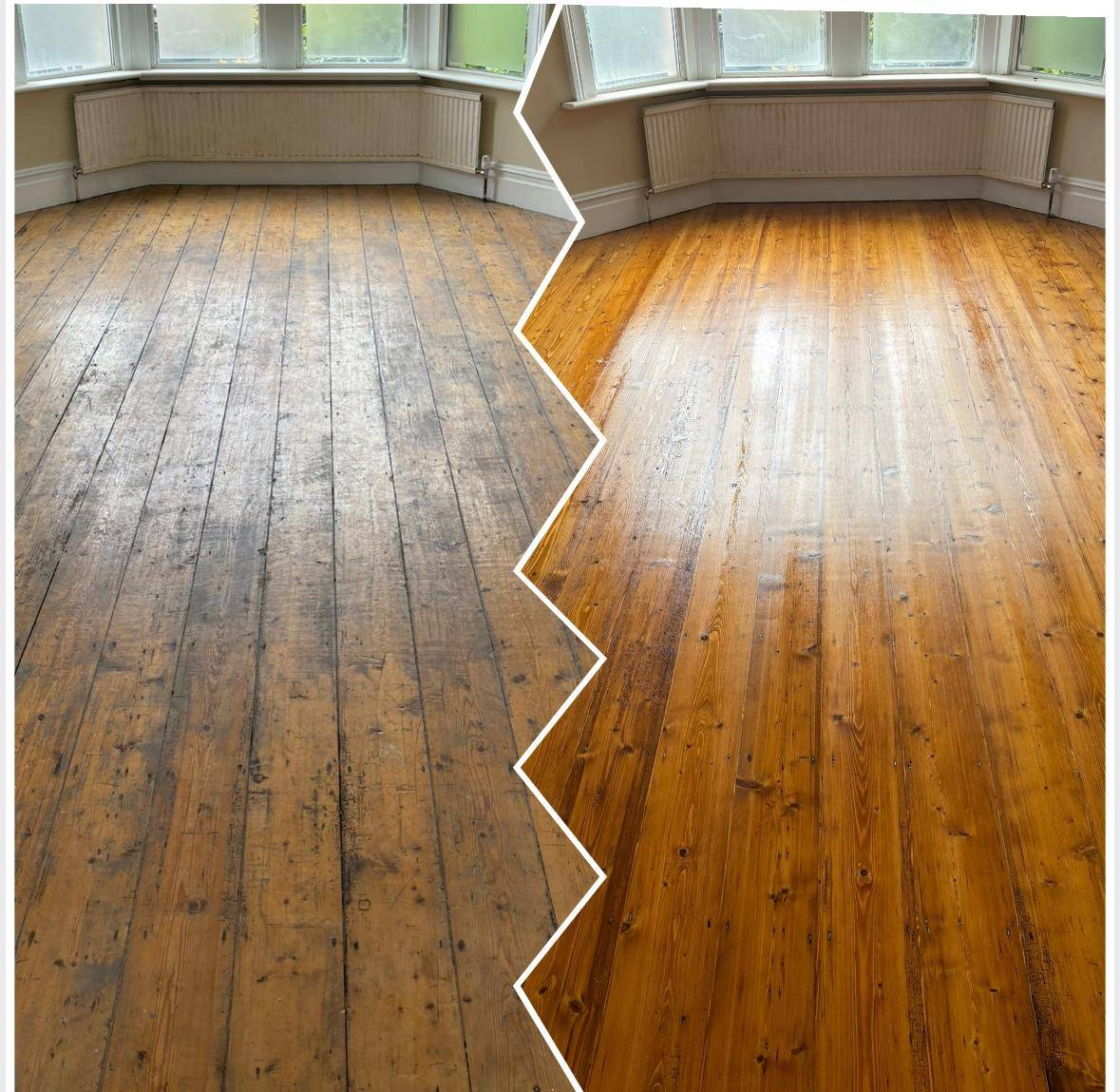
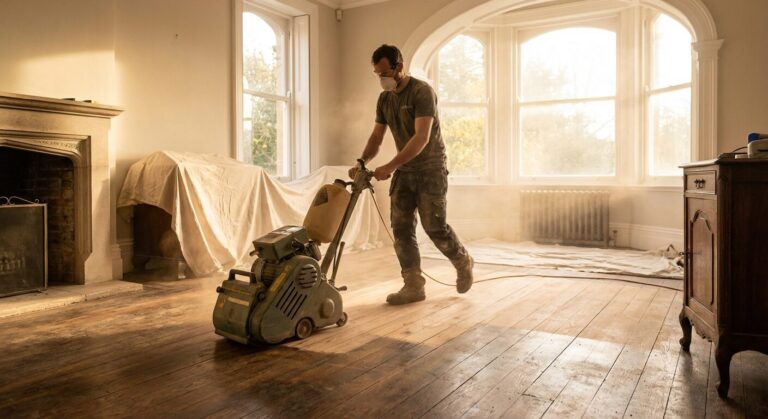
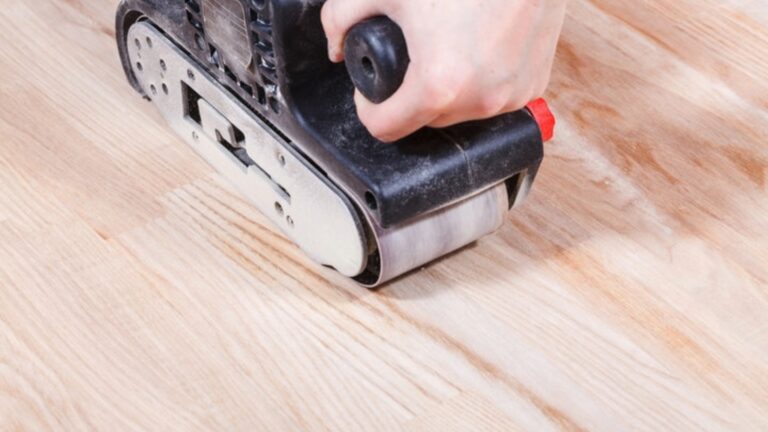
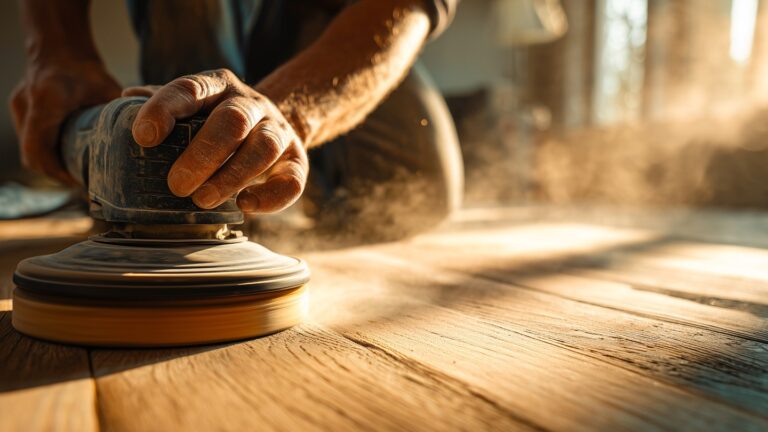
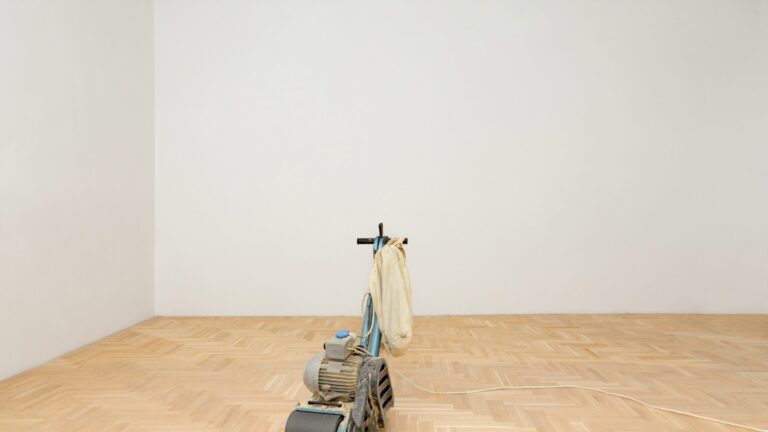
Once you know the plan, it’s time for the actual work. Sanding is usually a big part of it. You’ll want to get rid of old finishes, any gunk, and smooth out the wood. Depending on the condition, you might use different grits of sandpaper. For really beat-up stairs, you might even need a floor sander, but for smaller jobs or detailed areas, a good orbital sander works wonders. After sanding, you’ll want to clean everything up really well. Dust is the enemy of a good finish. Then comes the refinishing. This could mean staining to get the color just right, or just applying a clear coat to protect the wood. The goal here is a smooth, even surface that’s ready for the next step.
Applying Protective Coatings
This is where you really seal the deal, literally. After sanding and refinishing, you need to put on a protective layer. This is what keeps your stairs looking good and protects them from all the wear and tear. For commercial spaces, you need something tough. Polyurethane is a popular choice because it’s durable. You might need a few coats, letting each one dry properly in between. This layer is what makes the stairs resistant to scuffs, spills, and heavy foot traffic. It’s the final shield that keeps your hard work protected and your stairs looking sharp for a long time. It’s all about making them functional and safe again.
Maintaining Your Newly Restored Stairs
So, you’ve gone and gotten your commercial staircases looking spiffy again, with that fresh anti-slip nosing and all. That’s awesome! But hey, don’t just forget about them now. Keeping them looking good and, more importantly, safe is the next big step. It’s not rocket science, but a little bit of regular attention goes a long way. Think of it like taking care of a new car – you wouldn’t just drive it and never think about oil changes, right? Same idea here.
Regular Cleaning Practices
This is probably the most straightforward part. You just need to keep things clean. What does that mean in practice? Well, it depends on where your stairs are, but generally, you’ll want to sweep or vacuum them regularly. If they’re in a high-traffic area, daily might be the way to go. For less busy spots, a few times a week could be fine.
- Sweep or vacuum: Get rid of loose dirt, dust, and debris. This stops grit from scratching the surface or getting ground into the anti-slip material.
- Damp mop: Use a damp mop with a mild cleaning solution. Avoid harsh chemicals, as they can sometimes damage the finish or the nosing material over time. Always check the manufacturer’s recommendations for your specific nosing.
- Deal with spills ASAP: If someone spills coffee, soda, or anything sticky, clean it up right away. Sticky stuff can attract more dirt and make the stairs slippery, defeating the whole purpose.
Inspection for Wear
Beyond just cleaning, you’ve got to keep an eye on how the stairs are holding up. Things get used, and stairs get a lot of use. You’re looking for any signs that the anti-slip properties might be fading or that the nosing itself is getting damaged.
- Check the nosing: Is it still firmly attached? Are there any chips, cracks, or signs of it peeling away? If the nosing is damaged, it’s not just an aesthetic issue; it can become a trip hazard.
- Look at the anti-slip surface: Does it still feel grippy? Has the texture worn down smooth in high-traffic spots? Sometimes, the grit can wear away, making the surface less effective.
- Examine the surrounding area: Are there any loose screws, damaged treads, or other issues that could affect the overall safety of the staircase?
Long-Term Care Strategies
For the really long haul, you might need to think a bit bigger picture. This is about making sure your investment in safe stairs pays off for years to come.
- Scheduled professional checks: Depending on how much traffic your stairs get, consider having a professional check them out once a year or so. They can spot issues you might miss and advise on any necessary repairs or replacements.
- Reapplication of coatings: If your stairs have a protective coating, it might need to be reapplied every few years to keep it looking good and protected.
- Replacement of worn nosing: If the anti-slip nosing is genuinely worn out and can’t be refreshed, it’s time to replace it. Don’t wait until someone slips! It’s better to be proactive and get it swapped out before it becomes a real problem.
Taking a few minutes each week to sweep and check your stairs, and then a bit more time for a deeper clean and inspection every few months, will make a huge difference. It keeps them looking professional and, most importantly, keeps everyone who uses them safe. It’s a small effort for a big safety win.
Keeping your newly fixed stairs looking great is pretty simple. Regular dusting and sweeping will stop dirt from scratching the finish. If you spill something, wipe it up right away. For a deeper clean, use a damp mop with a cleaner made for wood floors. Want to learn more about keeping your stairs in top shape? Visit our website for detailed guides and tips!
Wrapping It Up
So, there you have it. Making sure your building’s stairs are safe, especially in busy places, is a big deal. It’s not just about looking good, it’s about stopping people from taking a tumble. Following the BS 8300 guidelines and getting the right anti-slip nosing makes a real difference. It keeps everyone safer, from your employees to customers, and honestly, it just makes the place feel more solid. Don’t put it off; a little bit of work now can save a lot of headaches later. Your feet will thank you.
Frequently Asked Questions
What exactly is anti-slip nosing, and why is it a big deal for businesses?
Think of anti-slip nosing as those little strips you see on the edge of stairs. They’re designed to give your feet a better grip, stopping slips and falls. For businesses, this is super important because it keeps everyone, from customers to employees, safe. It’s all about preventing accidents and making sure your building is easy to use for all sorts of people.
How does BS 8300 help make stairs safer?
BS 8300 is like a rulebook that gives advice on how to make buildings more accessible and safer for everyone, including folks with disabilities. When it comes to stairs, it suggests things like having clear edges and good grip, which is where anti-slip nosing comes in. It’s more than just the basic building rules; it’s about making sure nobody has a tough time getting around.
When should a business think about fixing up its stairs?
You know your stairs need some love when they start looking worn out, maybe the edges are chipped, or they just feel slippery. Heavy foot traffic can really wear them down over time. If you notice people being extra careful on the stairs, that’s a big sign it’s time to get them checked out and possibly restored.
What are the different kinds of anti-slip stuff I can get for my stairs?
There are quite a few options! You can find them made from tough materials like metal, rubber, or even special plastics. Some are designed to be really durable and last a long time, while others might focus more on looking good with your building’s style. It’s good to pick something that’s tough and also fits the vibe of your place.
What’s the usual process for fixing up old business stairs?
Usually, someone will come and check out your stairs first to figure out what needs to be done. Then, they’ll likely clean them up really well and maybe do some sanding to get rid of old finishes or rough spots. After that, they’ll put on new protective layers and, of course, add the anti-slip nosing. It’s a bit like giving your stairs a makeover to make them safe and look great again.
After the stairs are fixed, how do I keep them looking good and safe?
Keeping them in shape is pretty straightforward. Regular cleaning is key – just sweep or mop them like usual. You’ll also want to keep an eye out for any new wear and tear, especially on the anti-slip strips. Doing these simple things will help your stairs stay safe and looking sharp for a long time.