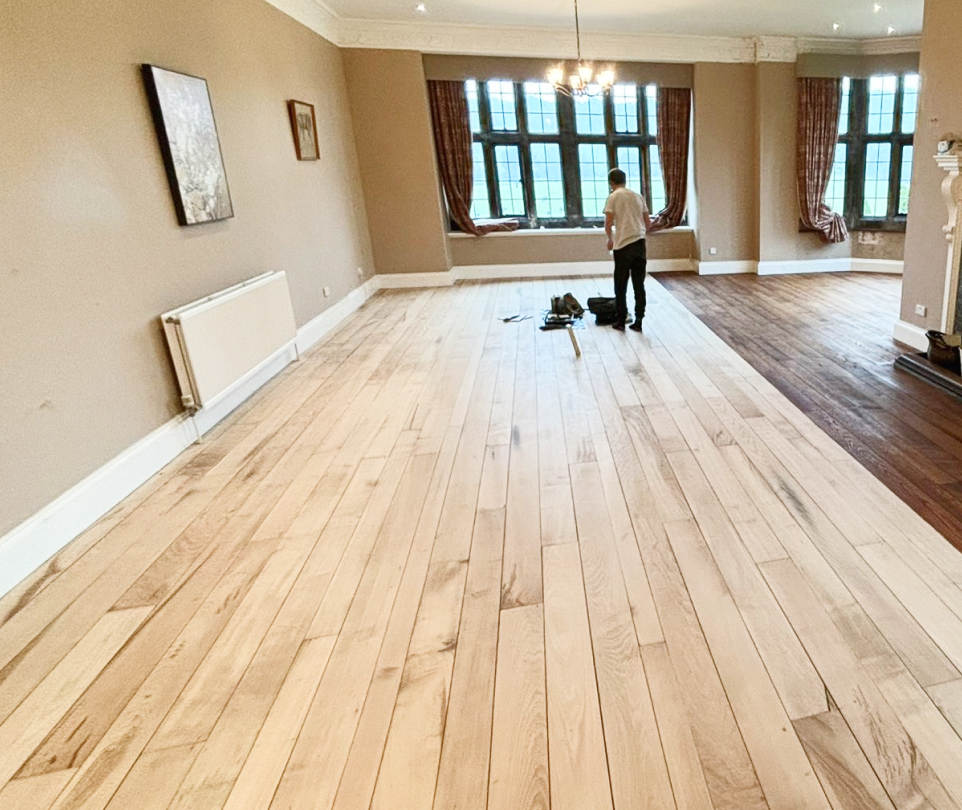
Restore Wood Floors Without Sanding

Bringing Tired Floors Back Without a Full Sand

QUICK QUOTATION

You May Not Need a Full Sand At All

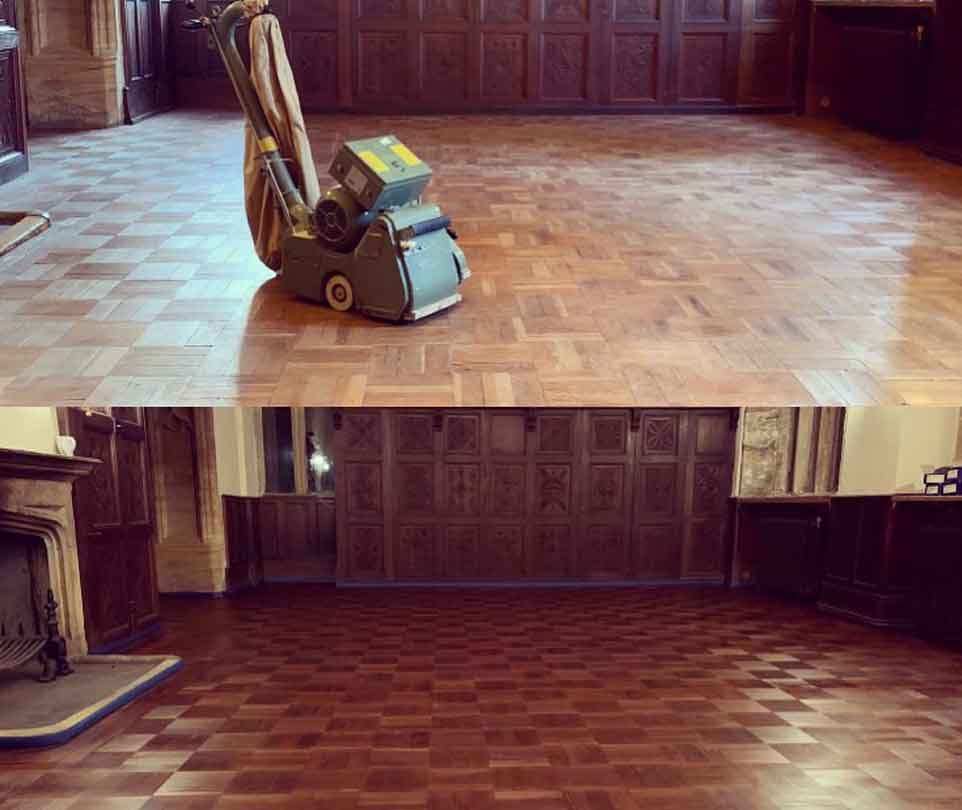
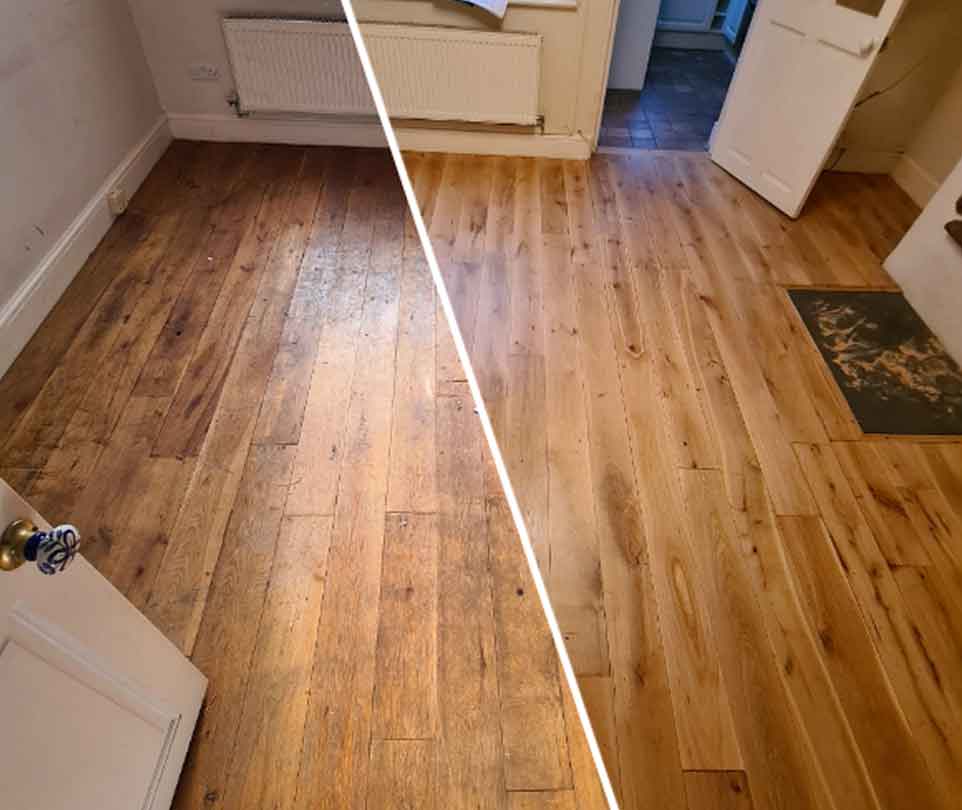
A fair number of the floors we are called out to look at do not need sanding. They need cleaning properly, then a fresh coat of finish. The customer has usually been quoted for a full sand elsewhere and is bracing themselves for the cost and the upheaval.

Here is the thing worth understanding. Sanding removes timber. On a solid board you might have five or six full sands in the floor’s whole life, and on engineered boards with a thin wear layer you may get one or two. Every sand you can avoid is one you are saving for when the floor genuinely needs it.

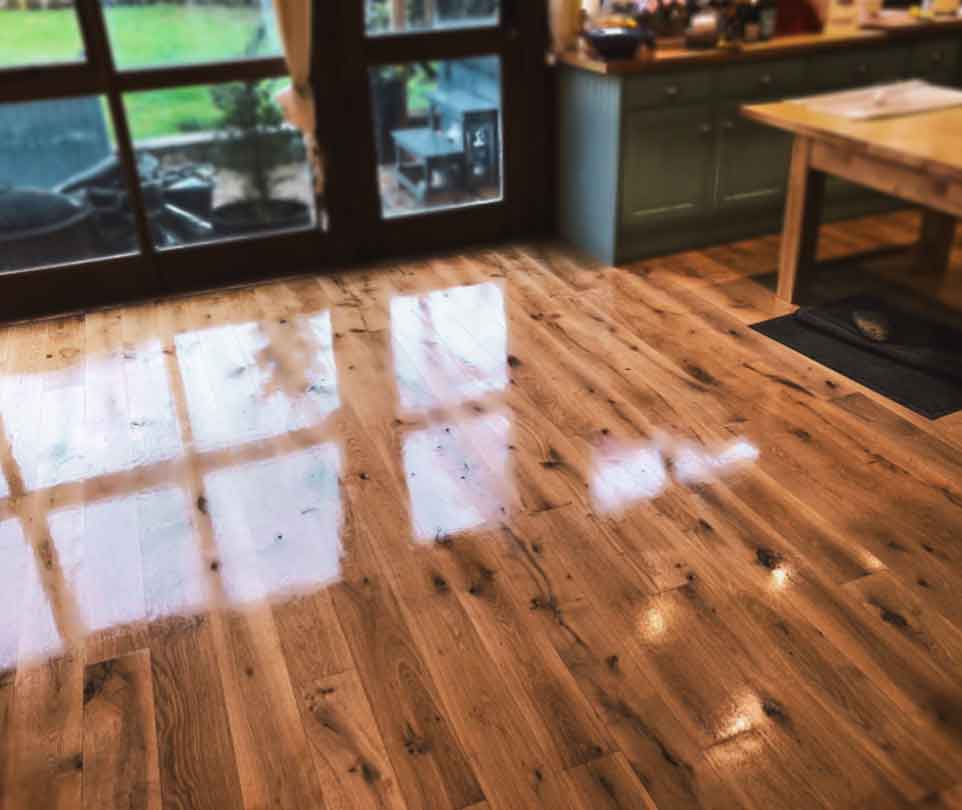
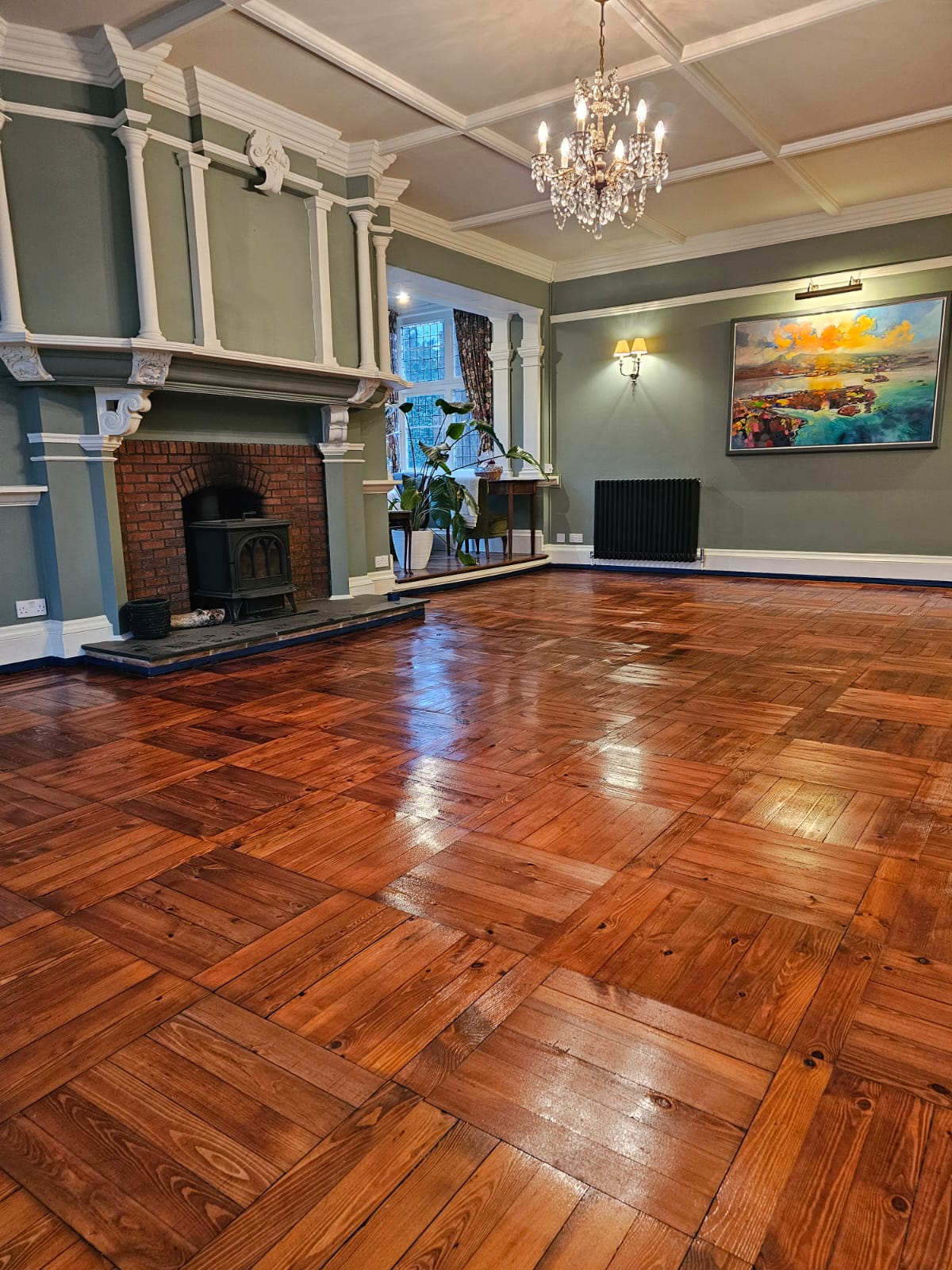
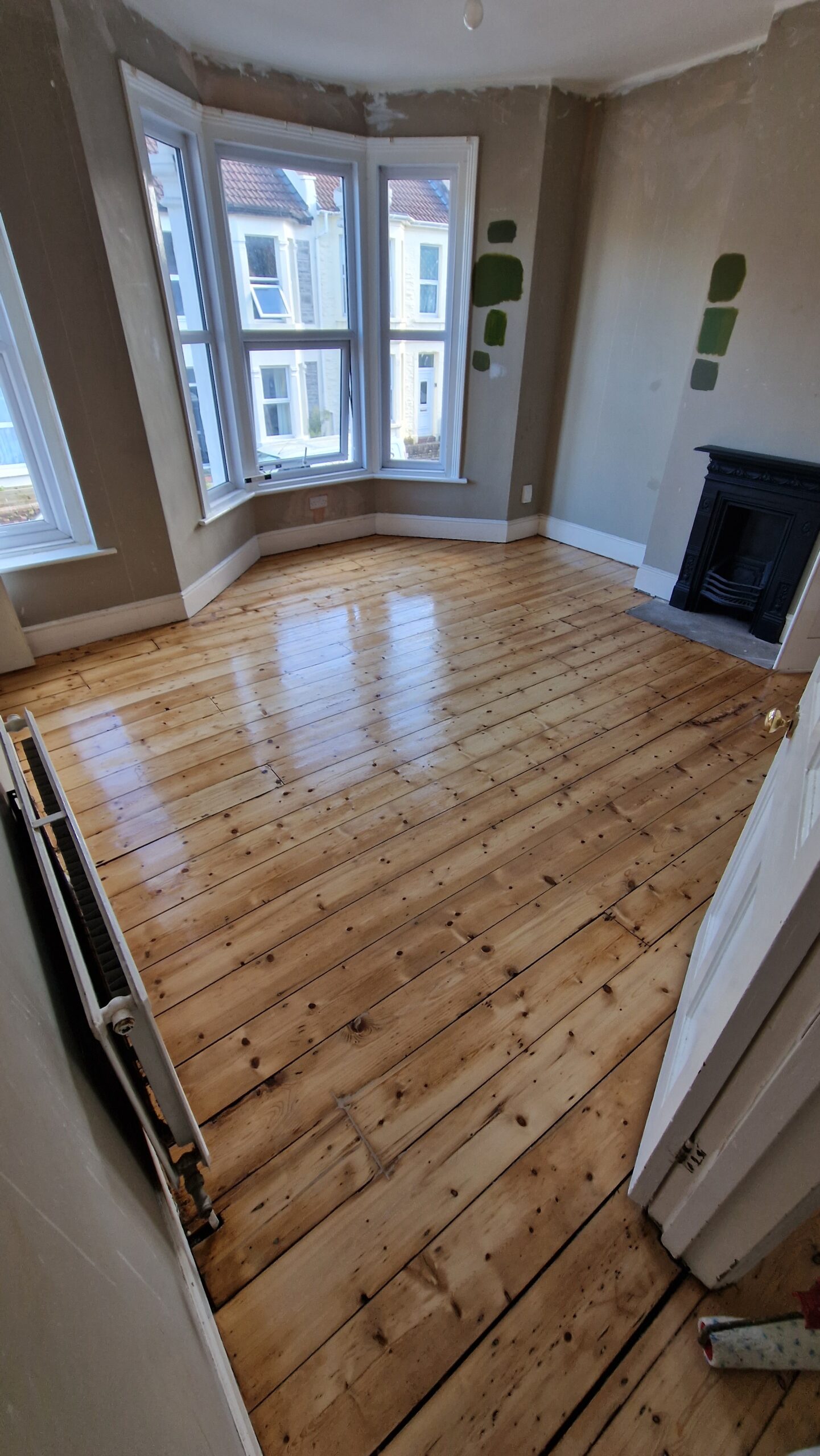
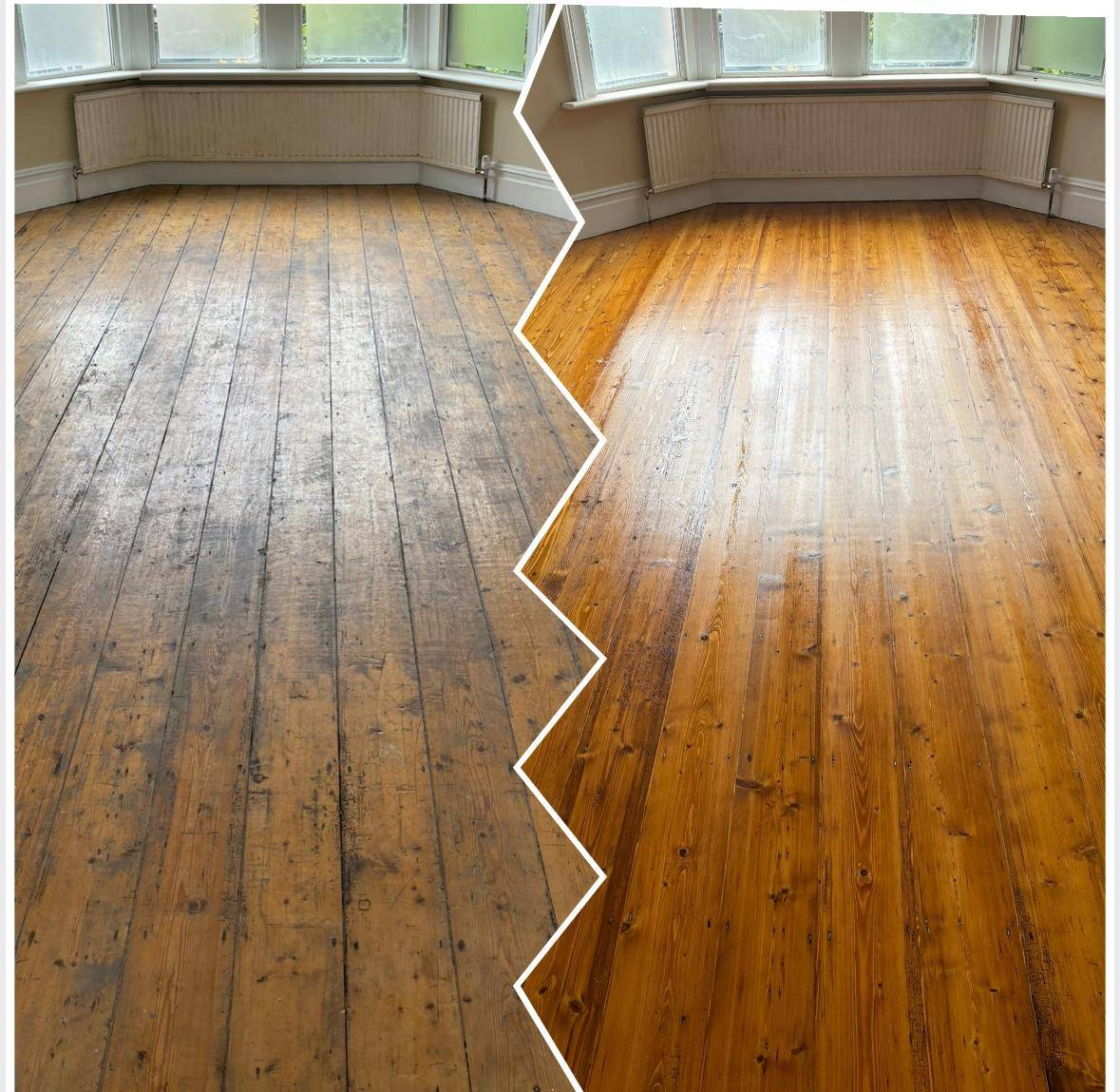
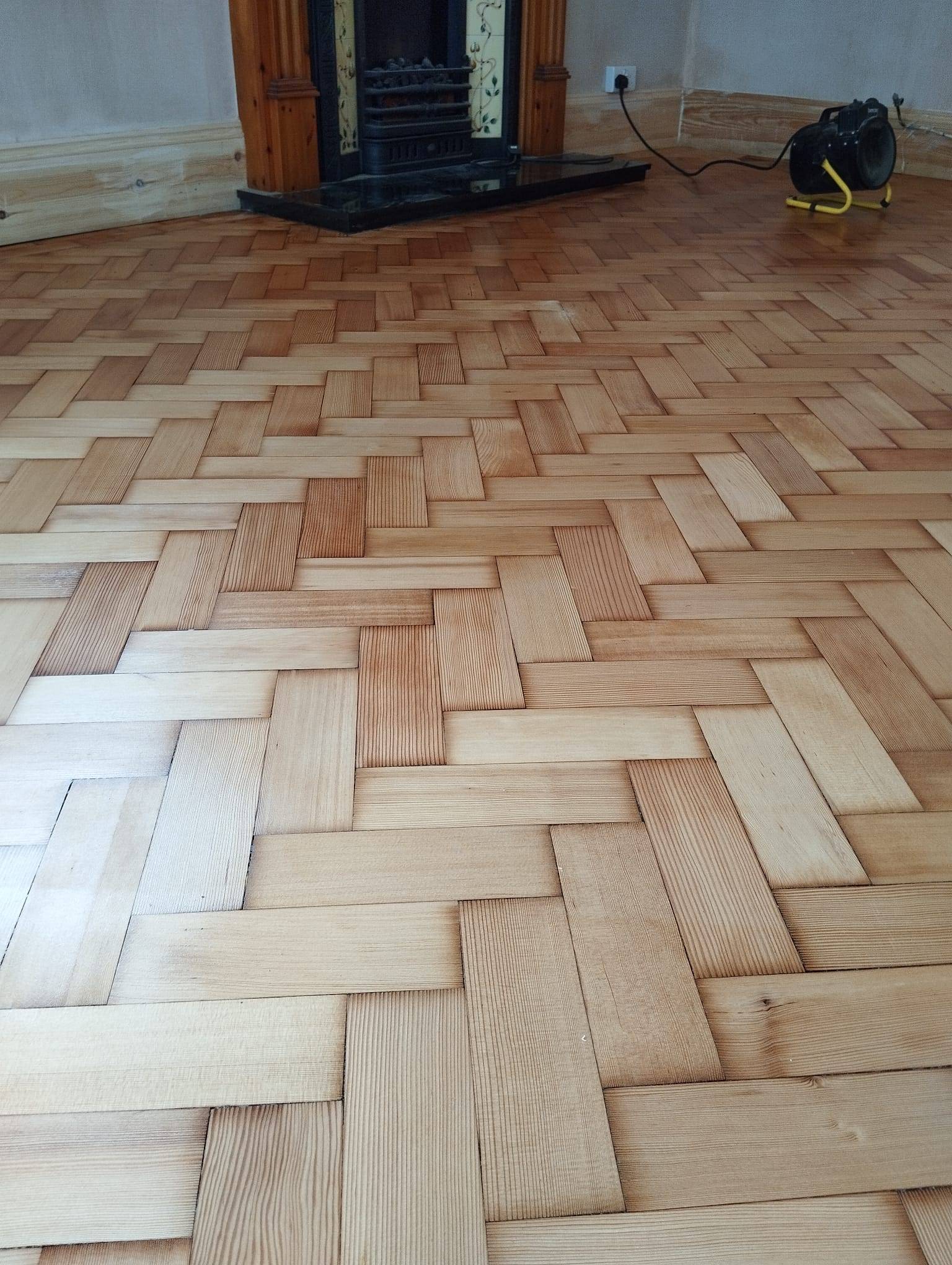
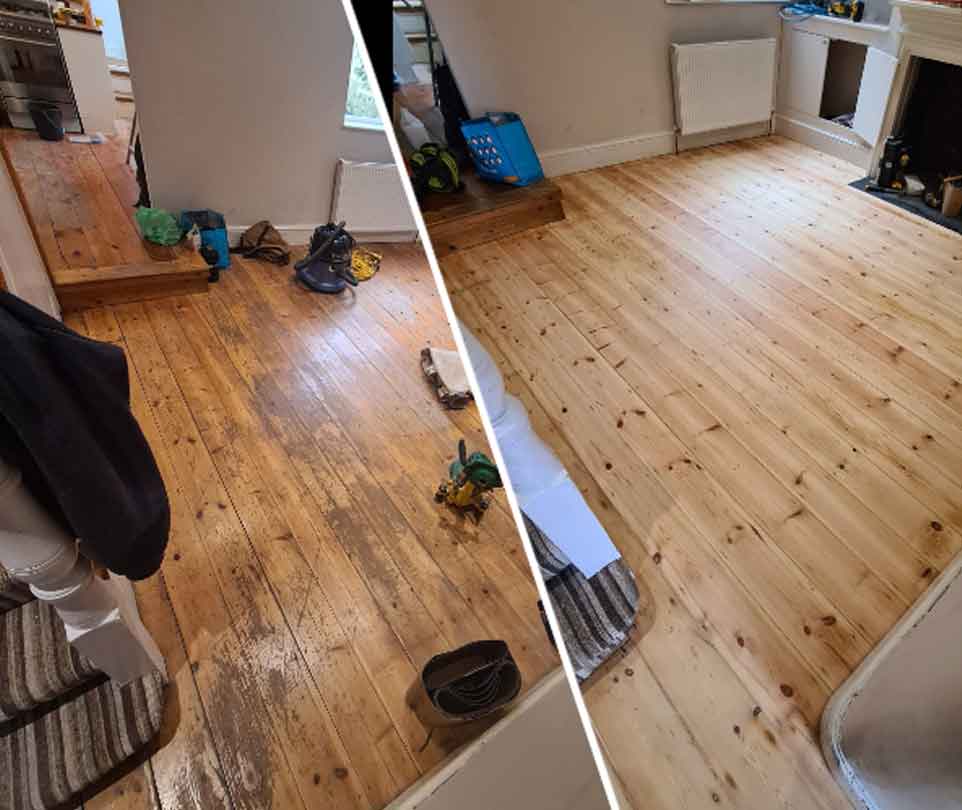
What most tired floors actually have is a worn finish, not worn wood. The lacquer or oil on top has dulled, picked up scratches and lost its protection, while the timber underneath is perfectly sound. Deal with the finish and the floor looks new again. It costs roughly a third of a full sand, takes a day or two rather than most of a week, and makes far less mess.
How to Tell Which One You Need

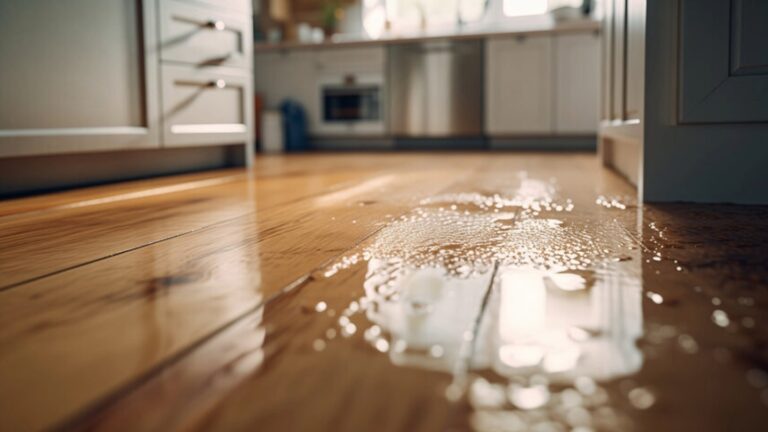
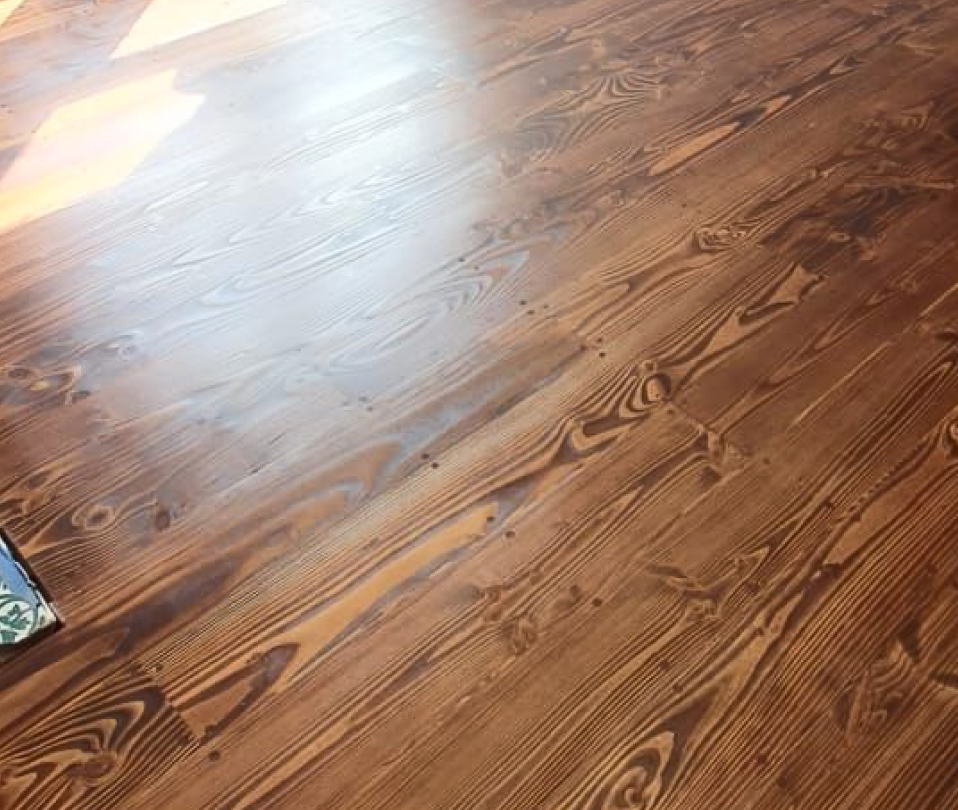
There is a test you can do yourself in about ten seconds. Find a worn area, usually a doorway or in front of the sofa, and put a drop of water on it. If the water beads and sits there, the finish is still doing its job and a recoat will work. If it soaks straight in and darkens the wood, the finish has gone through to bare timber and you are into sanding territory, at least in that area.

The other things to look at are colour and depth. Scratches that catch the light but disappear when you wet the floor with a damp cloth are in the finish, and will come out. Marks that stay visible when wet are in the timber. Dark grey or black staining usually means water has got in past the finish and reacted with the tannins, and that will not come out without sanding.

Cupping, where boards curve upwards at the edges, and any board that has lifted or split are separate issues again. Those need addressing before any finish goes anywhere near them.

If you are not sure, send us a photograph. We would genuinely rather tell you that you need the cheaper option.

Wood floor waxing

Screening and Recoating Explained

Screening, also called a screen and recoat or a buff and coat, is the main technique for refinishing without sanding. A rotary machine fitted with a fine abrasive screen, usually somewhere between 120 and 180 grit, passes over the existing finish. It is not cutting into the wood. It is scuffing the old coating just enough to give the new one something to key into.

Skip that step and the new finish sits on top like cling film and peels within months. That is the single most common reason DIY recoats fail.

Once the floor is screened we vacuum thoroughly, wipe down with a tack cloth, and apply one or two fresh coats of compatible finish. Compatibility matters — water-based lacquer will not bond over an oiled floor, and oil will not sit on a lacquered one. We identify what is already on there before we start, because getting that wrong means stripping the lot and starting again.

The whole job on a typical room takes a day, with the floor walkable in socks that evening.

Cleaning, Buffing and Re-Oiling

Oiled floors are different, and in most ways easier. Hard wax oil sits partly in the timber rather than forming a film across the top, which means it can be topped up in patches without the join showing. A floor that looks dry and thirsty often just needs a deep clean followed by a maintenance coat.

The clean matters more than people expect. Years of the wrong products — supermarket floor sprays, anything with silicone in it, or worse, steam mops — leave a residue that stops new oil penetrating. We strip that back with the proper solution before touching the oil.

Then the floor is buffed and the maintenance oil applied thinly and worked in. Too much oil is a genuine problem: it stays tacky, gathers dirt and eventually has to come off. The finish should look fed, not wet.

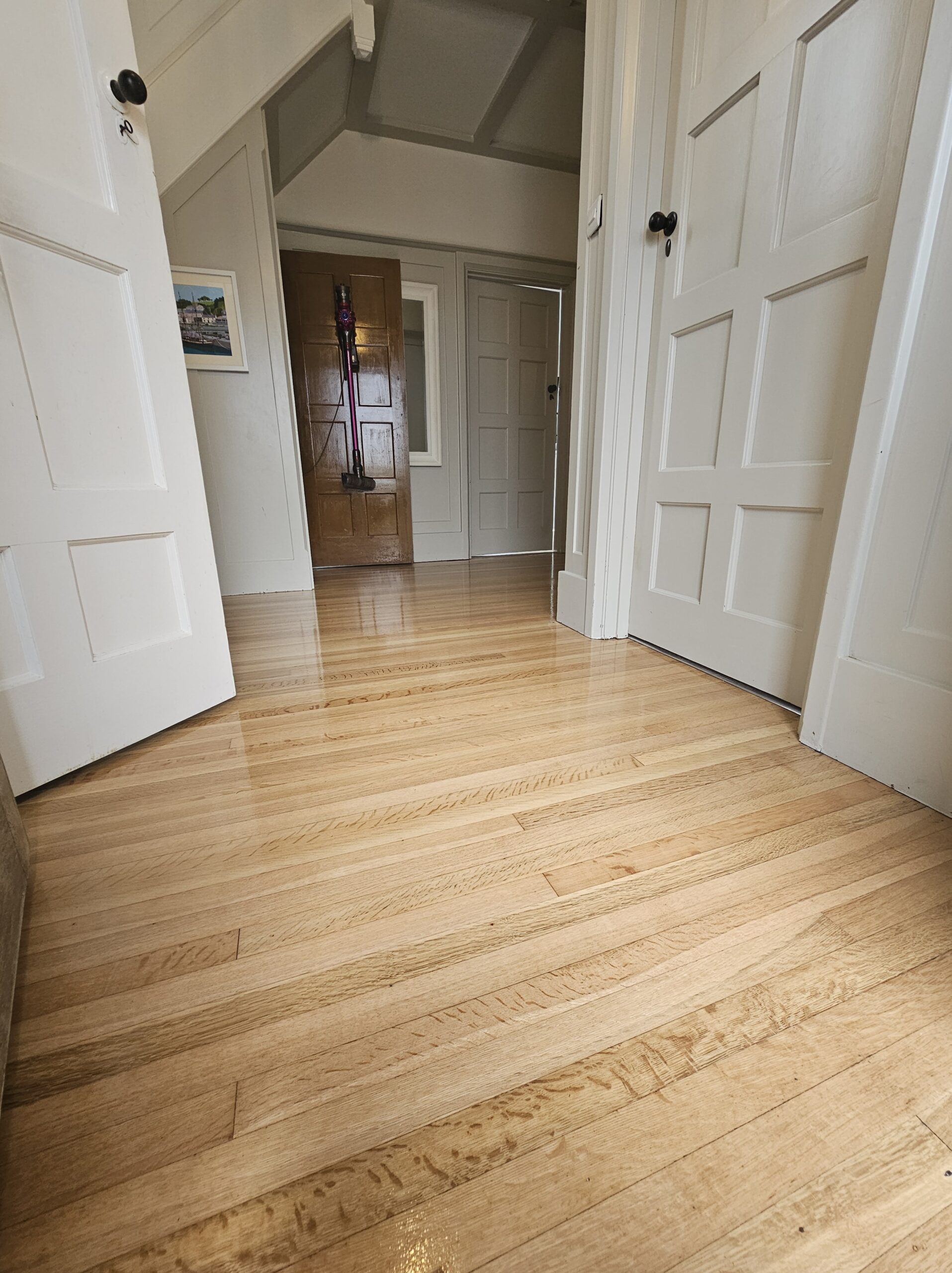
For lacquered floors that are only dull rather than damaged, a high-speed buff with the right pad will lift a surprising amount of the shine back without any new product at all.

Wood floor waxing
Wood floor waxing

Changing the Colour Without Sanding

This is the question we are asked most and the one with the most disappointing honest answer: you cannot properly stain a floor without sanding it first. Stain has to soak into open timber. On a sealed floor it sits on the surface, dries patchy and wears off in the traffic areas within months.

What you can do is change the tone. A tinted hard wax oil or a coloured maintenance product will shift a floor a shade or two, warmer or cooler, and that is often enough. Going from mid oak to a deep walnut, or lightening a dark floor at all, is not achievable this way.

The one exception worth knowing about is a floor finished in oil rather than lacquer, where a tinted oil can be worked in and does penetrate to a degree. Results vary with the timber, so we always do a test patch somewhere out of sight before committing to a whole room.

If the colour change is the whole point of the job, sanding is the honest route and we will say so.

Why Choose Ryans Restoration

More than forty-five years of doing this means we can usually tell what a floor needs from the doorway, and we have no reason to talk you into the more expensive option. A screen and recoat is a smaller job for us than a full sand. We recommend it because it is right, not because it is profitable.

That approach is also why we will tell you plainly when a recoat is a waste of money. Putting fresh lacquer over a floor with water damage or worn-through patches gives you a floor that looks slightly better for a few months, and you will be paying twice.

Every job runs with dust-free extraction, including screening, which throws up finer particles than people expect. We work across Somerset, Devon, Cornwall, Dorset, Bristol, Bath, South Wales, London and the Home Counties.

Wood floor waxing
Wood floor waxing

Book a Free Floor Assessment

Send us a couple of photographs and tell us what is bothering you about the floor. Try the water test first if you can — it tells us more than almost anything else, and it takes seconds.

We will tell you straight whether a recoat will do the job or whether the floor needs sanding properly, along with a price for each. There is no charge for the assessment and no pressure afterwards.

Call 01823 674562, email info@ryansrestoration.co.uk, or use the form on this page.

FAQ: Restoring Floors Without Sanding

Yes, provided the finish is worn rather than the wood. Screening and recoating scuffs the existing coating, keys it, and takes fresh finish over the top. It costs around a third of a full sand and removes no timber at all. It will not fix damage that has reached the bare wood.

Put a drop of water on a worn area. If it beads and sits, the finish is intact and a recoat will work. If it soaks in and darkens the timber, the finish has worn through and that area needs sanding. Send us a photograph if you would rather we looked.

A rotary machine with a fine abrasive screen, usually 120 to 180 grit, passes over the existing finish to scuff it so a new coat can bond. The floor is then vacuumed, tack-wiped and given one or two fresh coats. It is the standard way to refinish without removing wood.

Usually about a third of the cost. It is also considerably quicker — most rooms are done in a day rather than several — and there is far less disruption because no coarse sanding is involved.

Not properly. Stain needs to soak into open timber, and on a sealed floor it sits on top, dries patchy and wears off in traffic areas. A tinted oil can shift the tone a shade or two on an oiled floor, but going lighter, or from mid oak to walnut, needs sanding.

It depends where they are. Wet the floor with a damp cloth — scratches that disappear are in the finish and will come out with a recoat. Ones that stay visible are in the timber and need sanding. Most light surface scratching from day-to-day use is the first kind.

A solid board typically has five or six full sands in its lifetime. Engineered boards with a thin wear layer may only take one or two. That is the real argument for recoating whenever you can — you are keeping sands in reserve for when the floor genuinely needs one.

Almost always because the floor was not screened first. New finish applied straight onto an old sealed surface has nothing to key into, so it sits on top and lifts within months. The other common cause is incompatibility — water-based lacquer will not bond over oil.

Yes, and oiled floors are the easiest to maintain this way. Hard wax oil sits partly in the timber, so maintenance coats blend without visible joins. The floor needs a proper deep clean first, because household products leave residue that stops new oil penetrating.

Yes, and we see the results regularly. Steam drives moisture through the finish into the boards, which causes cupping and can lift the coating. Avoid them entirely on wood. A barely damp mop and a pH-neutral wood floor cleaner is all you need.

With a water-based lacquer, a few hours in socks and full use after a day or so. Furniture should wait three to four days, and rugs a fortnight, because a rug laid too soon traps solvent and leaves a permanent outline.

Some, and it is finer than the dust from coarse sanding, which means it stays airborne longer. We run full extraction on screening for exactly that reason, so the mess is minimal and none of it lands on the wet finish.

No. Dark staining means water has got past the finish and reacted with tannins in the timber. Coating over it just seals the mark in permanently. Those areas need sanding, and deep stains sometimes need the board replacing.

In a normal family home, every three to five years keeps the finish ahead of the wear. Hallways and kitchens go sooner. Doing it on that sort of cycle means you may never need a full sand again, which is the cheapest way to own a wood floor.

Yes, every time. Putting fresh finish over a floor with worn-through patches or water damage gives you a few months of looking slightly better and then you pay again. We would rather quote you correctly the first time.

If it does need sanding after all

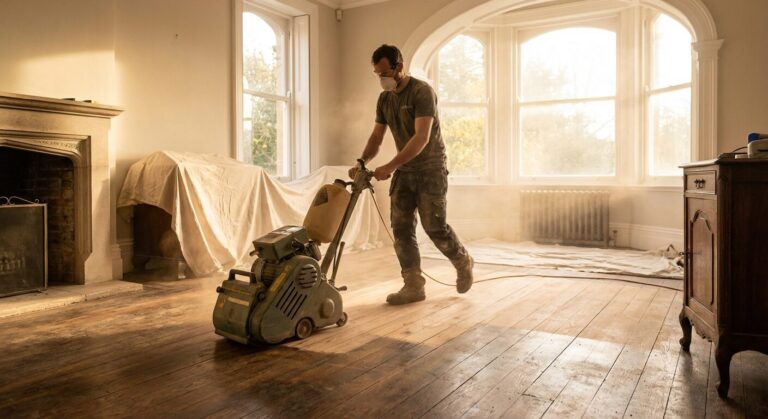
Sometimes a recoat will not save a floor. When that is the case the work is wood floor sanding or a full restoration, often with repairs and gap filling first. If it is only the finish that has gone, buffing and recoating, oiling or polishing will usually do it.

We work across the south west, including Taunton, Bristol, Exeter and Bournemouth, with every town listed on areas we cover. More on all of this in the guides.

Ryan's Restoration
4.9
Based on 114 reviews
×
js_loader