Floor Sanding Bristol

Floor Sanding and Wood Floor Restoration Across Bristol

QUICK QUOTATION

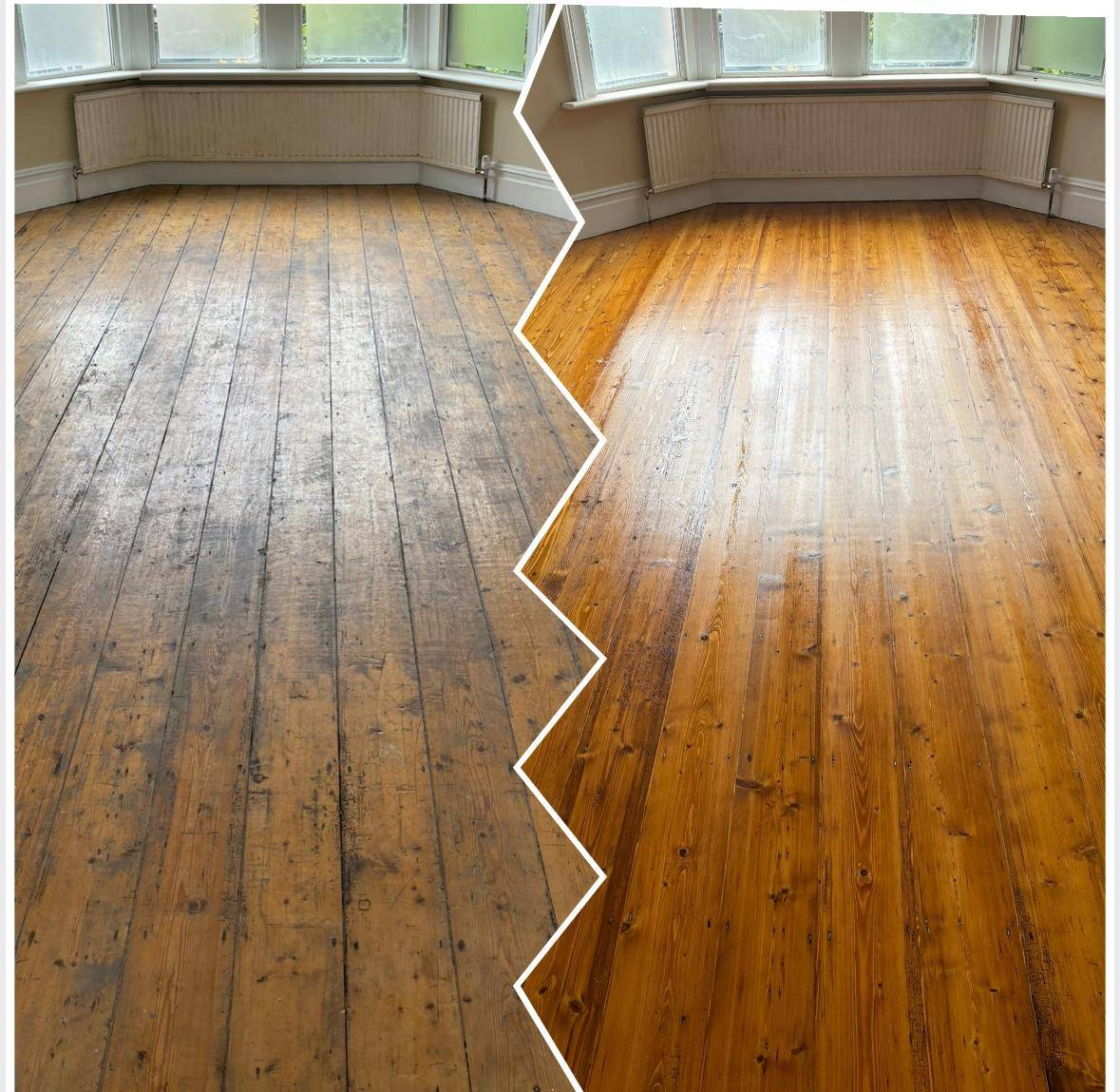
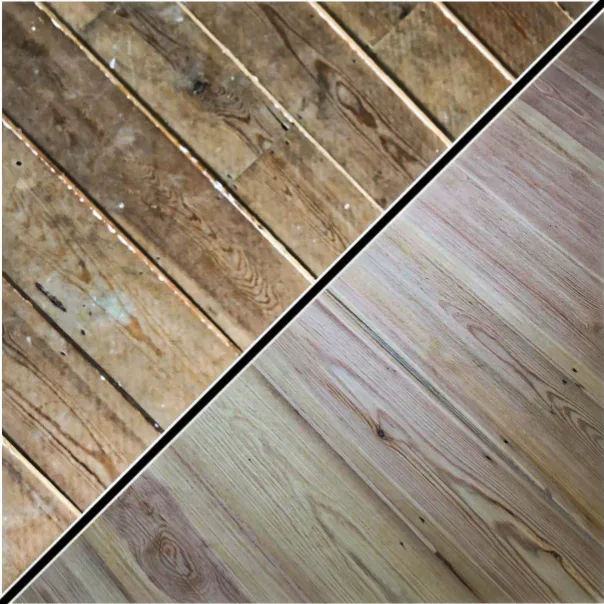
Floor sanding before and after

Floor Sanding Across Bristol and the Suburbs

Bristol is forty minutes from our workshop near Taunton and it is where a good share of our work has come from for years. We know the housing here properly — which streets have the wide Georgian boards, which have the narrow bylaw terraces, and which sit low enough near the Avon to have damp underneath.

We cover the whole city: Clifton, Redland, Cotham, Bishopston, Horfield, Henleaze, Westbury, Southville, Bedminster, Totterdown, Knowle, Brislington, Fishponds, St George, Easton, Montpelier and the Harbourside, plus Keynsham, Portishead, Clevedon, Nailsea, Thornbury and Yate.

We survey free of charge and usually within the week. On a Bristol job we would far rather come and look than price from a photograph, because two houses on the same terrace can be entirely different once the carpet is up.

Clifton Georgian, Bedminster Bylaw and Everything Between

Bristol’s housing splits into three broad types and each needs a different hand.

The Georgian terraces of Clifton, Kingsdown and Redcliffe have the best floors in the city — wide, well-cut boards over deep joists, often eight or nine inches across, cut from timber you simply cannot buy now. Most are in conservation areas and a good number are listed, so we work light: the finest grit that will lift the damage, hand work at the edges, and no chasing a factory-flat finish on a floor that has earned its undulations.

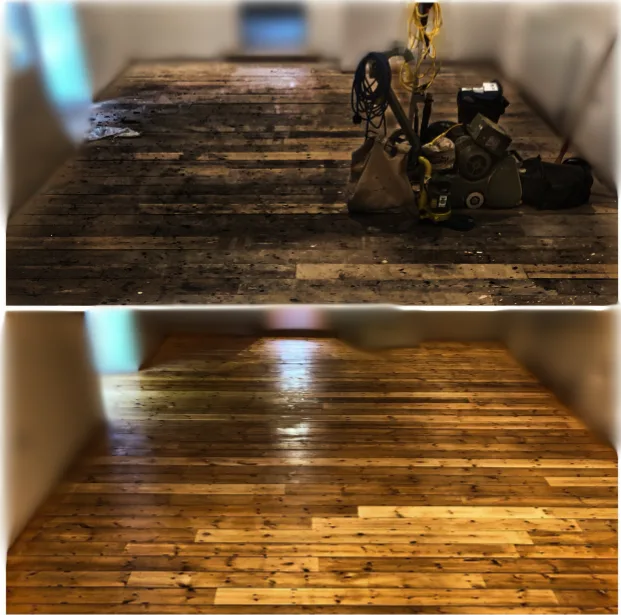
The Victorian bylaw terraces of Bedminster, Southville, Easton and Totterdown are narrower boarded, usually baltic redwood, built quickly for workers and thinner as a result. Many have been sanded once already. We measure remaining thickness before committing rather than starting and finding out halfway through.

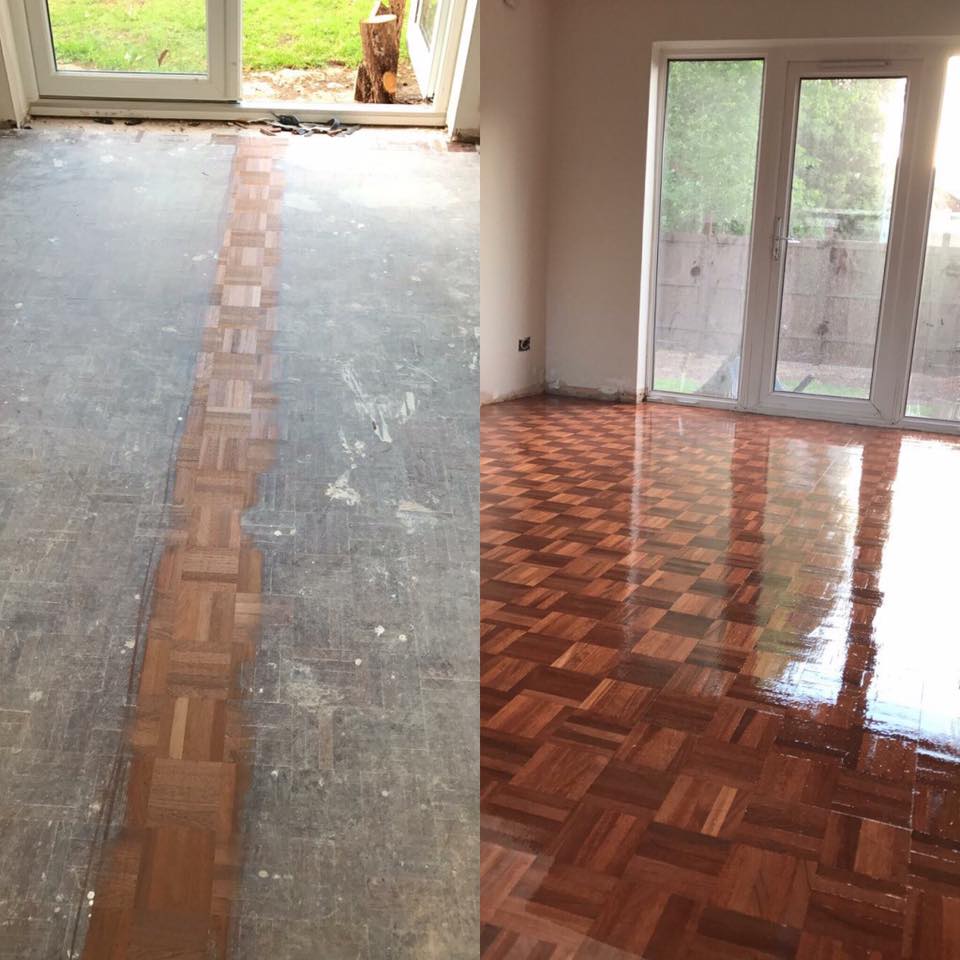
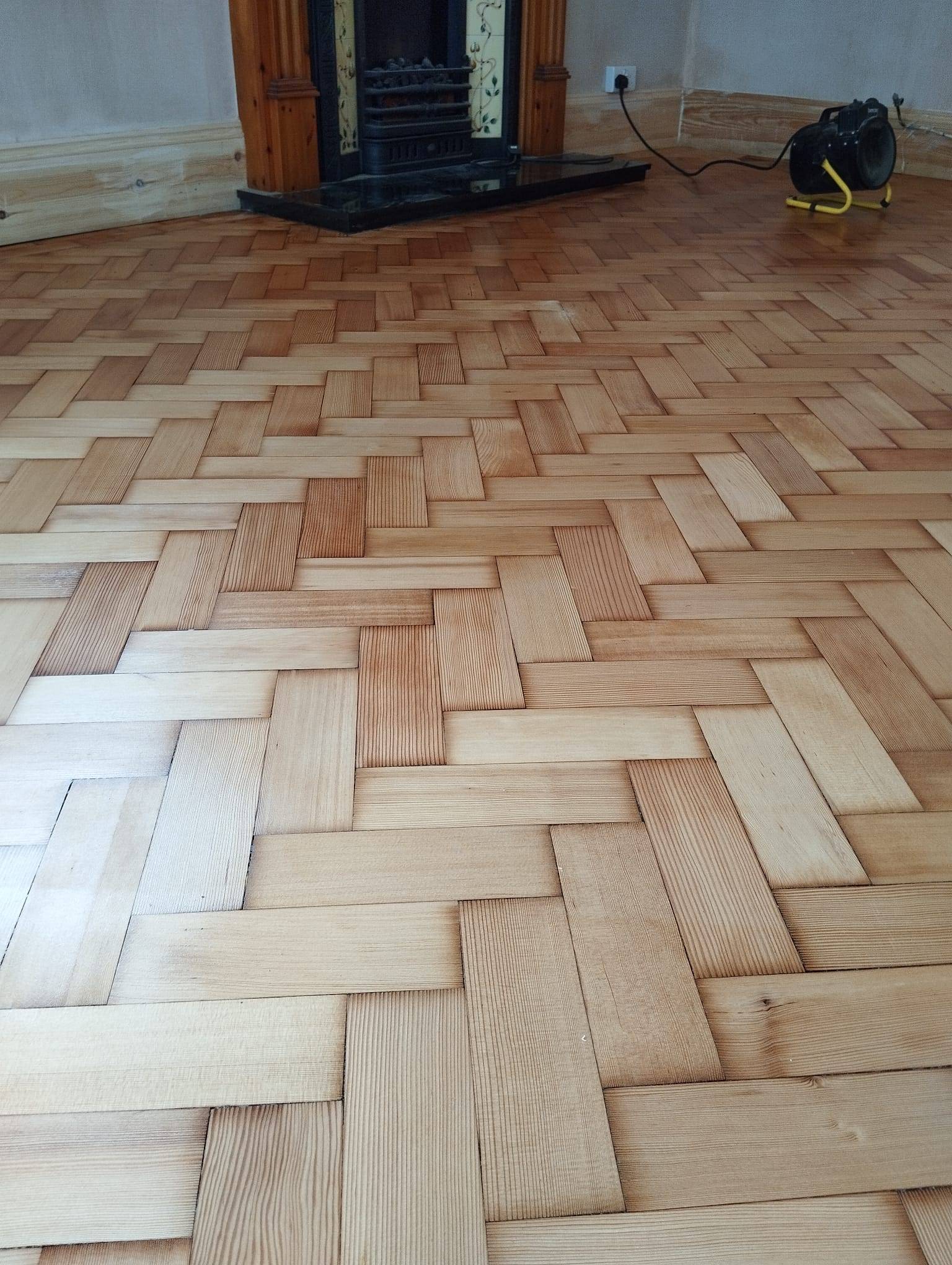
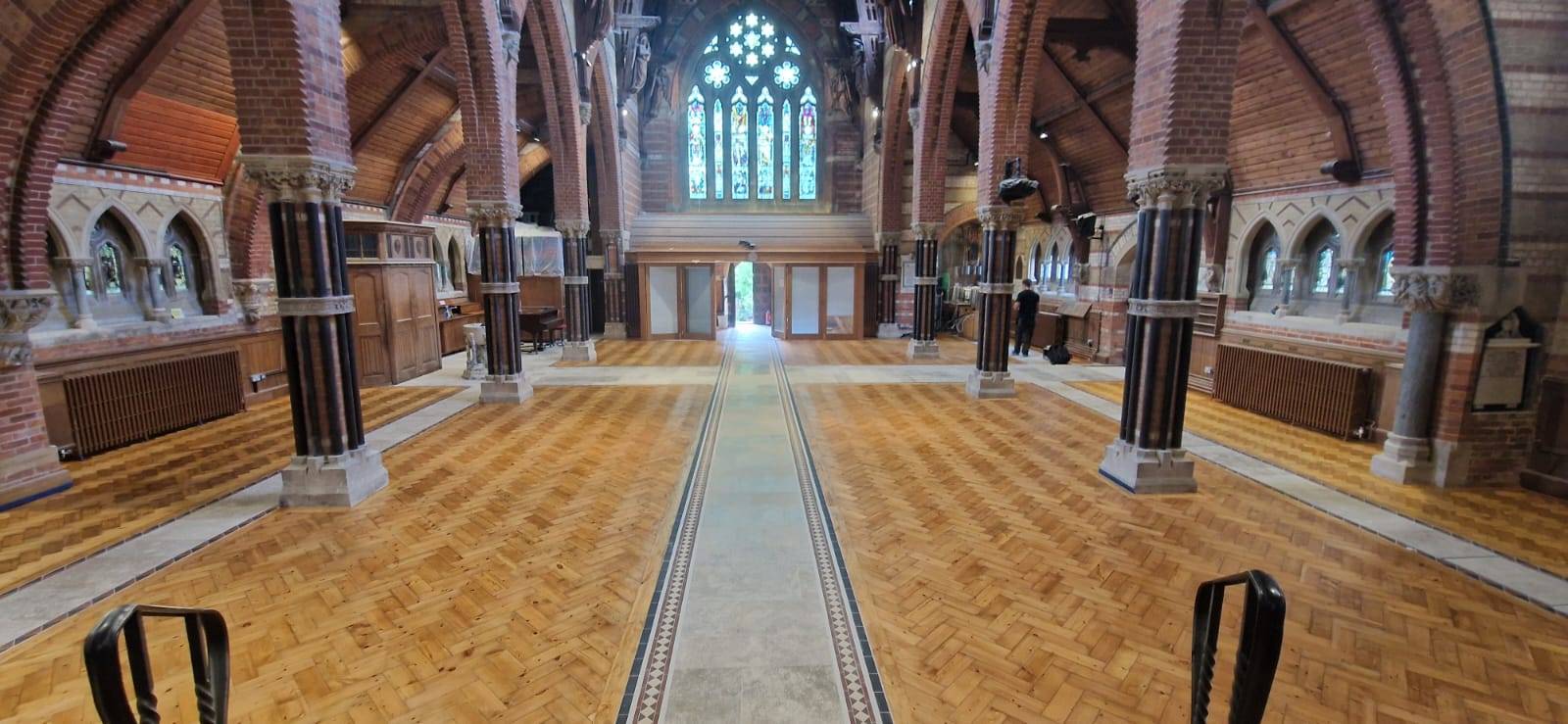
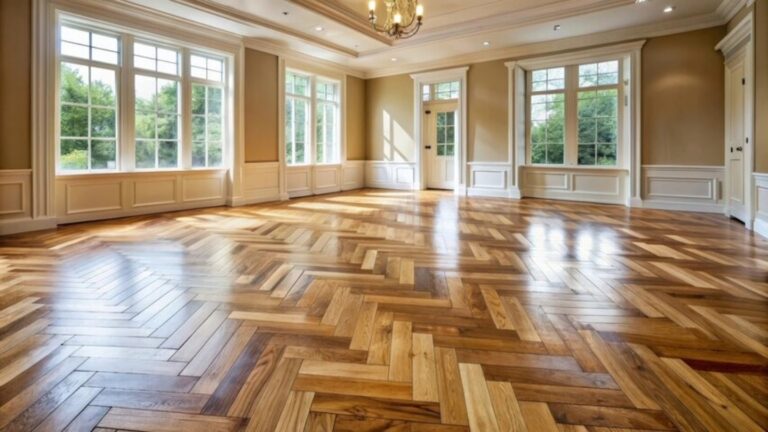
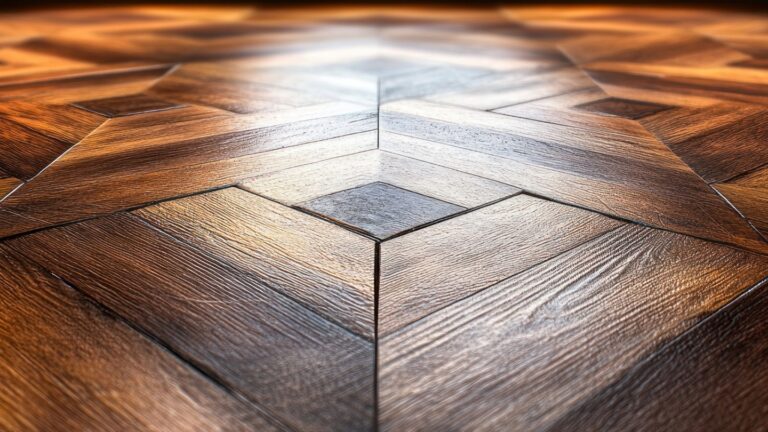
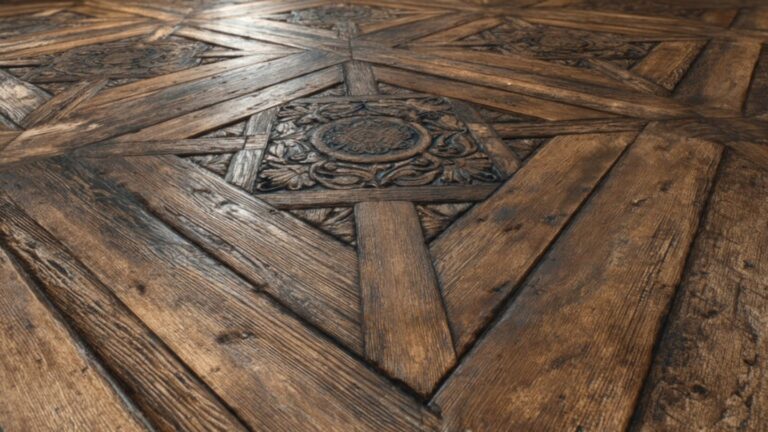
Then the Edwardian and interwar villas of Redland, Henleaze and Westbury, which frequently hide oak parquet under carpet in the hall and front room. Worth lifting a corner if you have never looked.

parquet wooden floor sanding
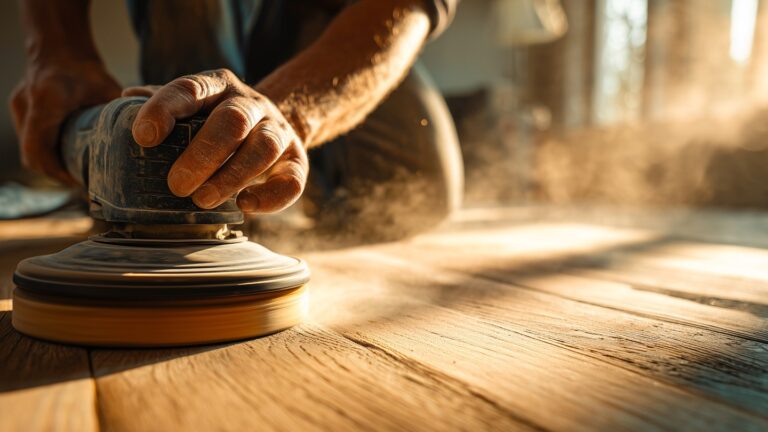
wooden floor sanding

Real Bristol Projects You Can Look At

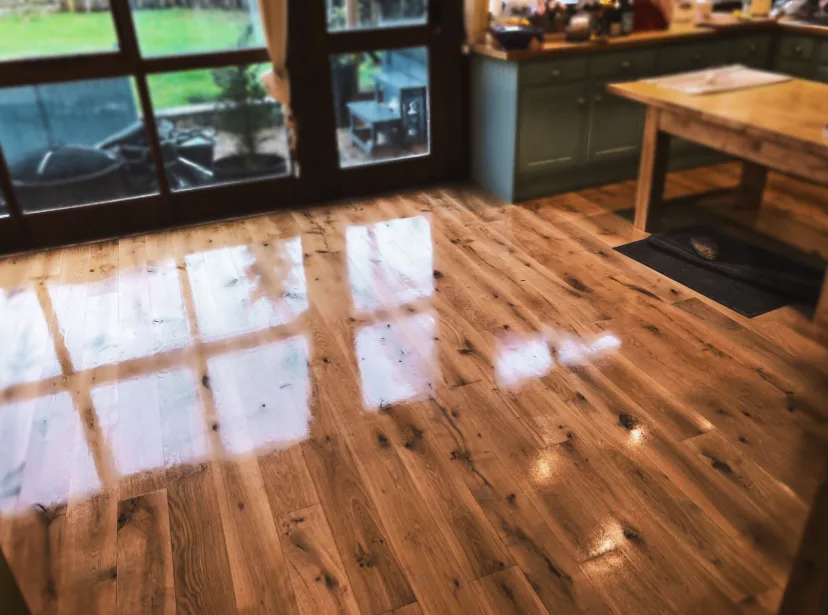
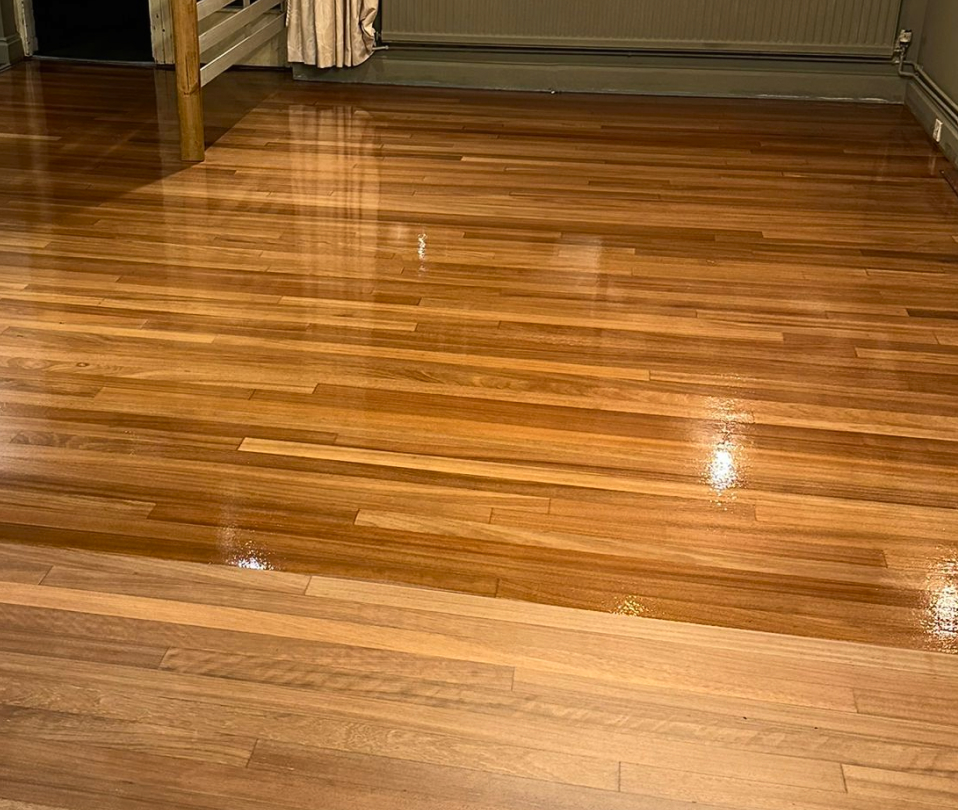
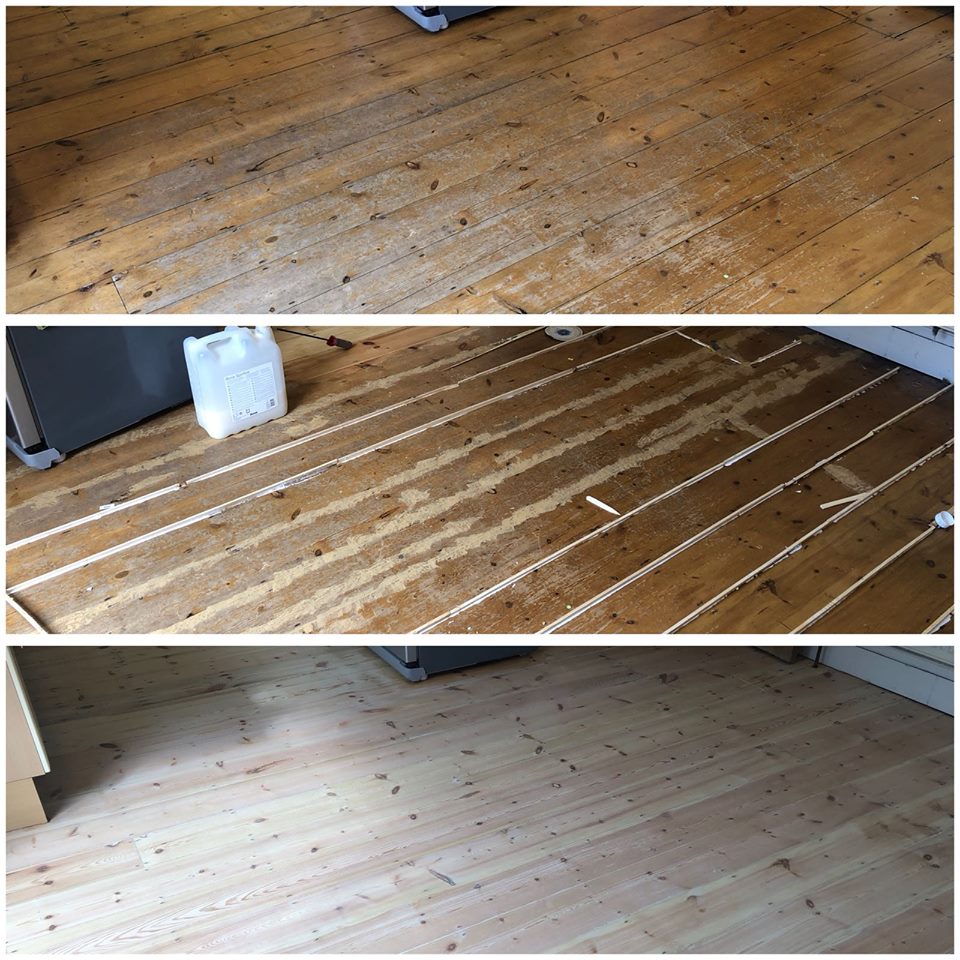
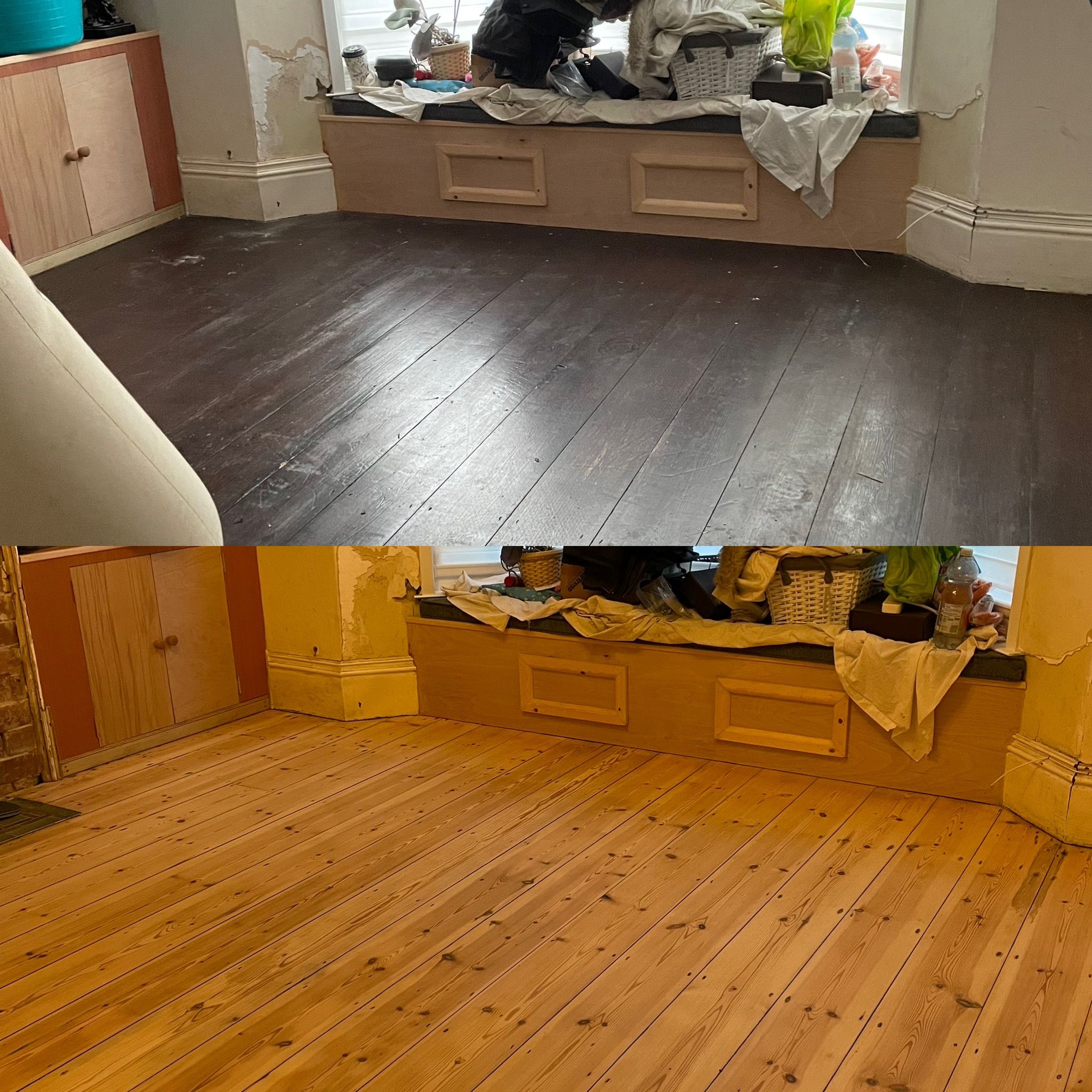
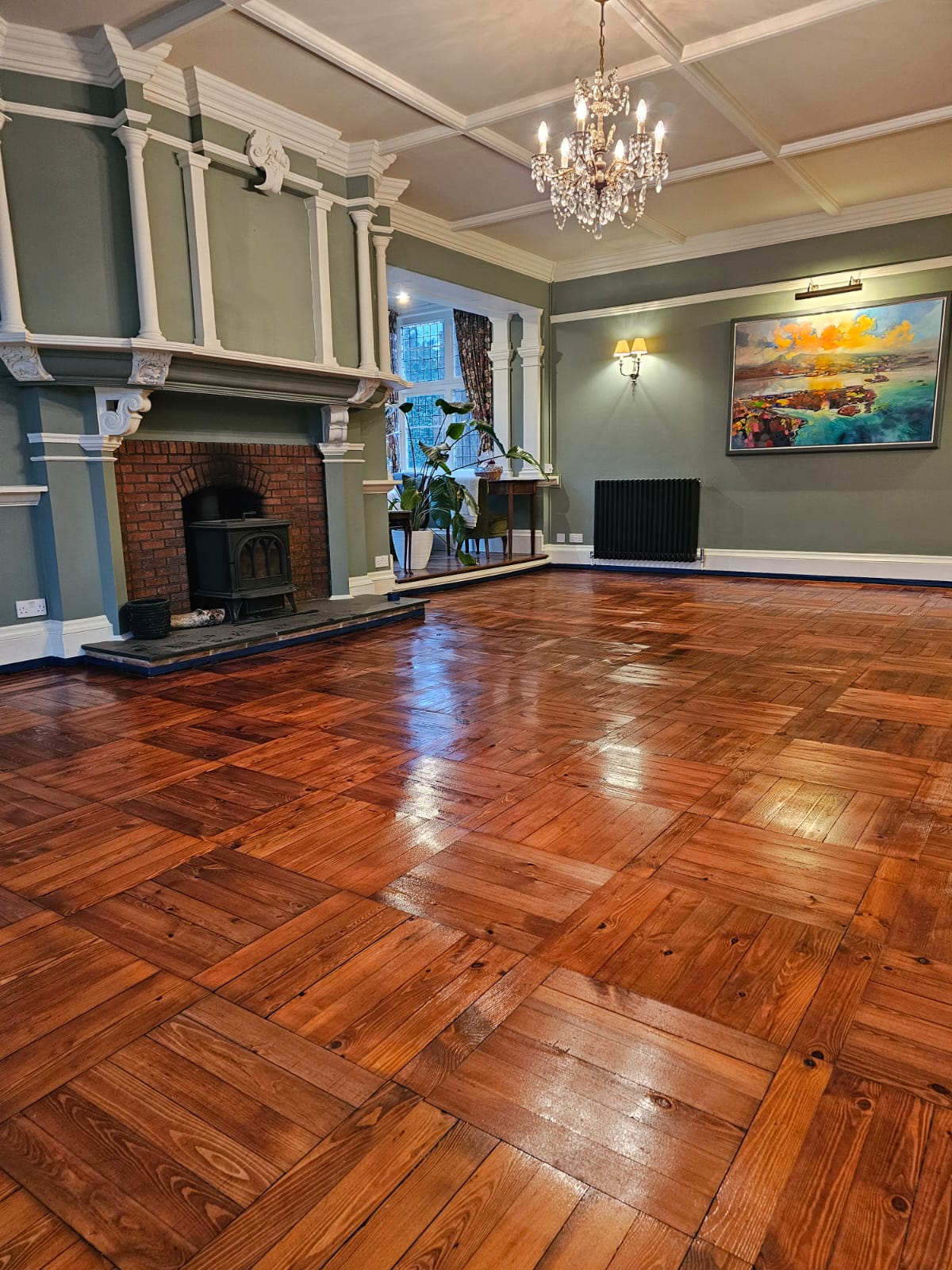
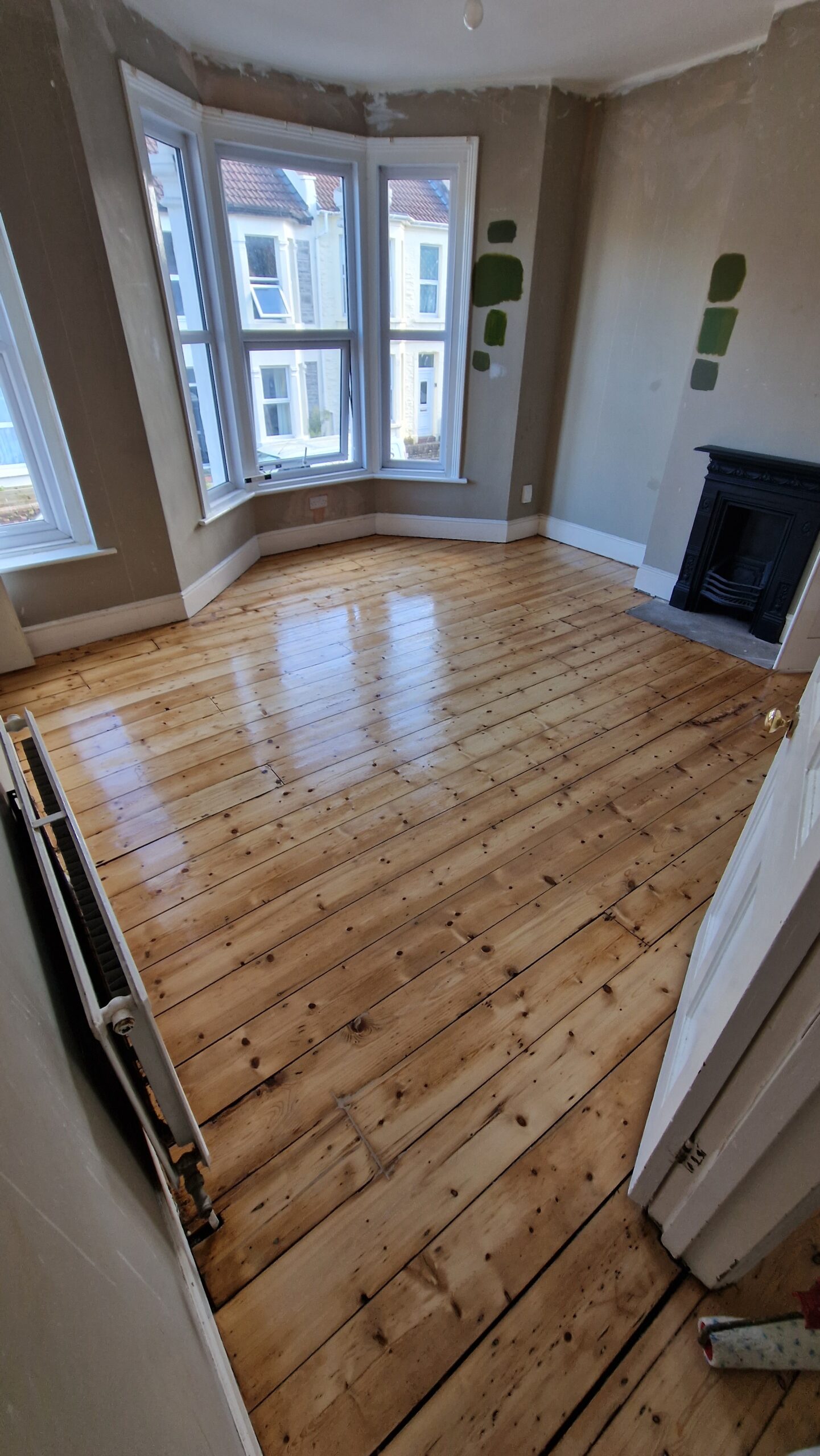
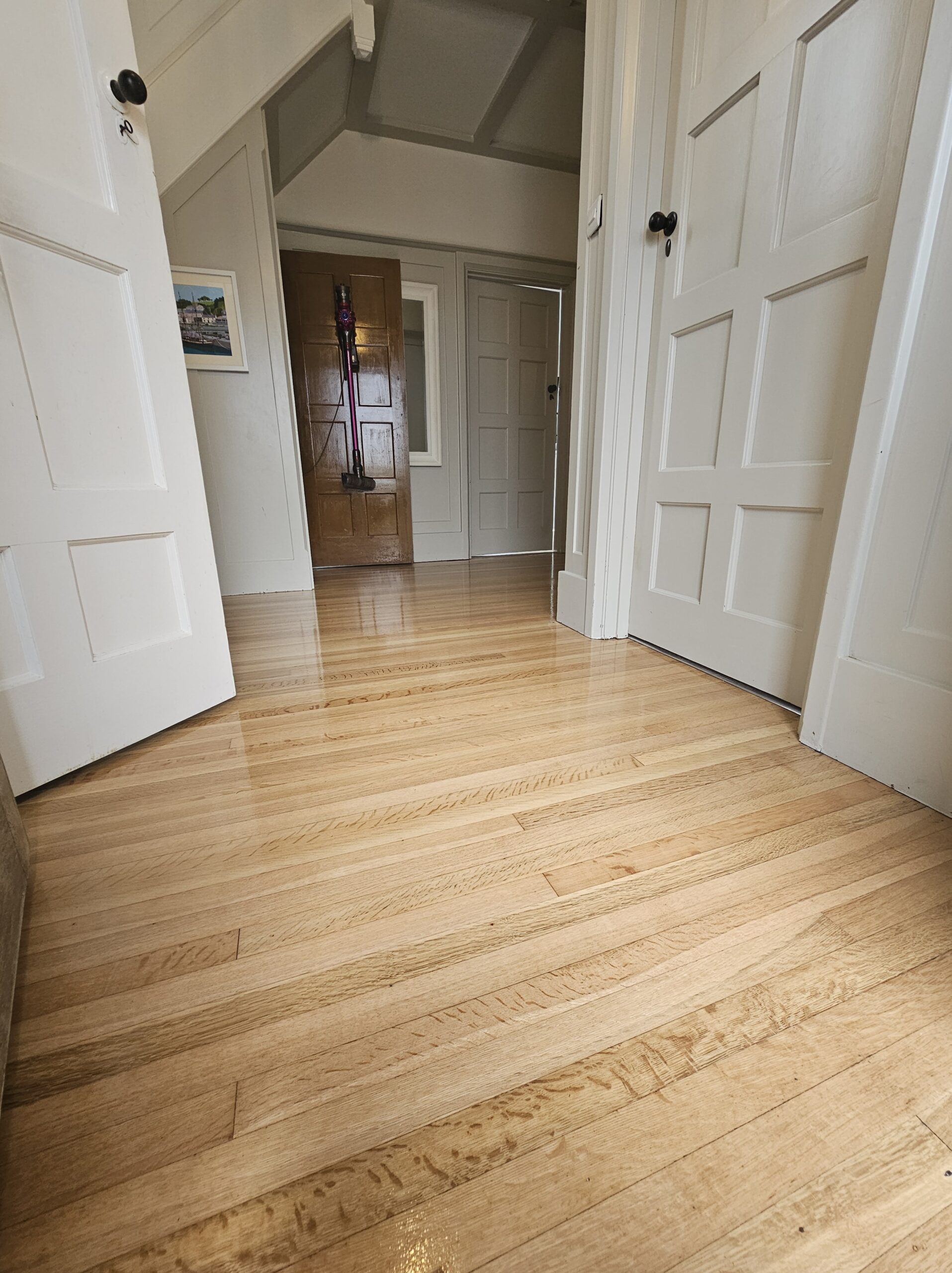
We would rather show you than tell you. These are all our own Bristol jobs, photographed before and after:

If any of those look like your floor, mention it when you get in touch and we will tell you what that job involved and what it cost.

The Avon, Steep Ground and Damp Underneath

Bristol has two damp problems that show up in floors more than most cities.

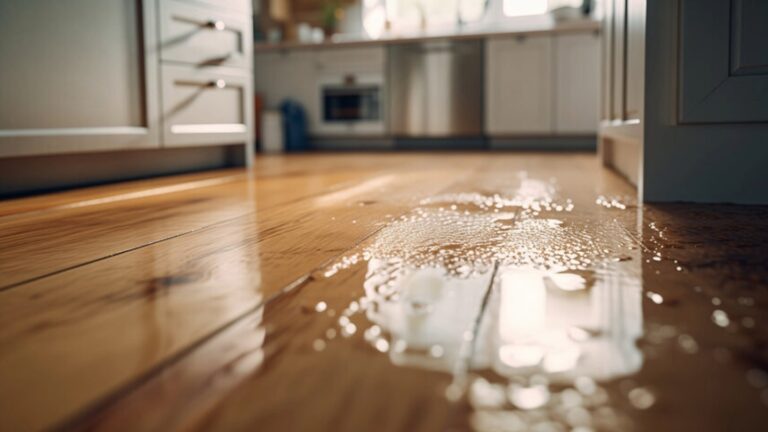
The first is low ground. Properties around Bedminster, Ashton, Redcliffe and the Harbourside sit close to the Avon and the old floodplain, and suspended timber floors there take up moisture from below. The symptom is cupping — boards curving up at the edges so the floor reads as shallow ridges underfoot.

The second is the hills. So much of Bristol is built into a slope that a great many houses have earth against one wall at ground-floor level, with little or no ventilated void on the uphill side. Add a rendered-over airbrick or a patio raising the ground level and the void stops breathing altogether.

Sanding a cupped floor flat while it is still wet ruins it — the boards flatten as they dry and end up thin down the middle. We take moisture readings before quoting. If they are high we will tell you to clear the airbricks and call us back in two months, which is the answer that leaves you with a floor worth having.

flooring sanding company

Student Housing, HMOs and Conversions

With two universities Bristol has an enormous rented and HMO sector, and that brings requirements a family home does not.

If you are licensing an HMO, Part E of the Building Regulations sets sound insulation standards between dwellings, and floor treatment is part of how you meet them. Sanding back to bare boards in a converted flat can also breach a lease that requires carpet or a specified acoustic performance — worth checking before we start rather than afterwards.

For landlords the practical questions are turnaround and durability. We work to changeover windows, and for heavy-traffic student properties we would generally steer you towards a commercial-grade lacquer rather than an oil, because it takes more abuse and is quicker to recoat between tenancies.

We are happy to talk to managing agents and to provide written specifications for licensing applications.

Why Bristol Customers Choose Us

Forty-five years of restoring wood floors, four decades of it within an hour of Bristol. We are not a national outfit sending a van down for the day — we have been back to some Bristol houses twice in a generation.

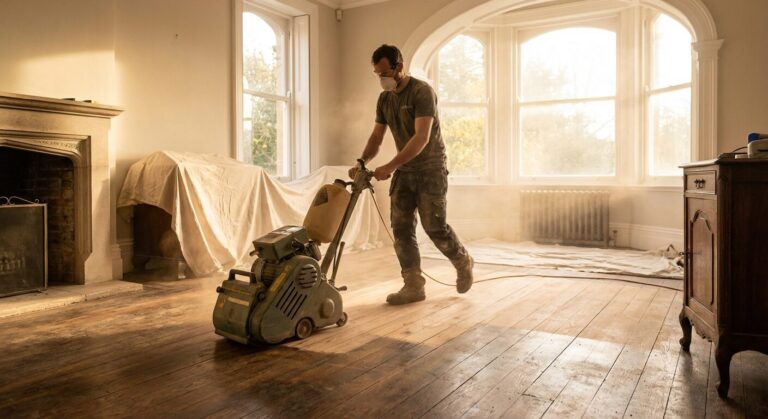
Every job runs with sealed dust extraction as standard, included rather than added on, so you can stay in the house while we work. Prices are fixed and written before we start. We move the heavy furniture, protect the rest of the property and take all the waste away with us.

Fully insured, comfortable with listed and conservation-area work, 4.9 stars from 114 Google reviews, and happy to give you Bristol addresses to go and look at.

Floor sanding taunton

Get a Free Bristol Floor Survey

Tell us where in Bristol you are and what you have got. Photographs help — one of the room from the doorway and a couple of the worst areas — and if the floor feels ridged underfoot, say so, because that changes the advice.

Surveys are free, usually within the week, and carry no obligation. We will tell you honestly if your floor needs a buff and recoat rather than a full sand.

Call 01823 674562, email info@ryansrestoration.co.uk, or use the form on this page.

FAQ: Floor Sanding in Bristol

All of it — Clifton, Redland, Cotham, Bishopston, Horfield, Henleaze, Westbury, Southville, Bedminster, Totterdown, Knowle, Brislington, Fishponds, St George, Easton, Montpelier and the Harbourside, plus Keynsham, Portishead, Clevedon, Nailsea, Thornbury and Yate.

Yes. We have four Bristol case studies with before and after photographs — Victorian pine restorations, oak sanding with natural sealing and a full room restoration. They are linked above, and we can give you addresses of recent work to look at in person.

Regularly. Original boards in a listed building are usually part of what is protected, so we take a minimum-intervention approach and can put our method in writing for your conservation officer if consent is needed.

Subfloor moisture. It is common near the Avon and on Bristol’s slopes, where houses built into a hillside often have little ventilated void on the uphill side. Usually the airbricks have been rendered over or blocked by a patio. The floor must dry and flatten before sanding.

On every job, as standard and at no extra charge. Sealed extraction captures the dust at the machine rather than blowing it round the room, so you can stay in the house and you will not be cleaning for weeks afterwards.

Yes. Floor treatment forms part of how sound insulation standards are met between dwellings, and we can provide written specifications for licensing applications. Do check your lease too, as many conversions require carpet or a set acoustic performance.

Often, particularly in the Edwardian and interwar villas around Redland, Henleaze and Westbury. Lift a corner in the hall or a cupboard and send us a photograph and we will tell you what you have.

Fewer than you might hope. The Victorian bylaw terraces were built with narrower, thinner boards and many have been sanded once already. We measure remaining thickness before committing, and where a floor has had its last sand we recommend a screen and recoat instead.

It depends on the size and condition of the floor, the timber and the finish. We give a fixed written price after surveying, broken down by element so you can see what each part costs. There are no surprises on the invoice.

Bristol is about forty minutes from us, so surveys are usually within the week and free of charge. Tell us roughly where you are and what you need when you get in touch.

Ryan's Restoration
4.9
Based on 114 reviews
×
js_loader