45 years’ experience  ·  Rated 4.9 on Google  ·  Family-run, from our workshop near Wellington

45 years’ experience · Rated 4.9 on Google · Family-run

Floor Sanding and Wood Floor Restoration in Bedminster Bristol

Pine boards in Bedminster’s Victorian terraces stripped, repaired and refinished, plus overnight floor work for cafes, bars and shops along North Street and East Street.

QUICK QUOTATION

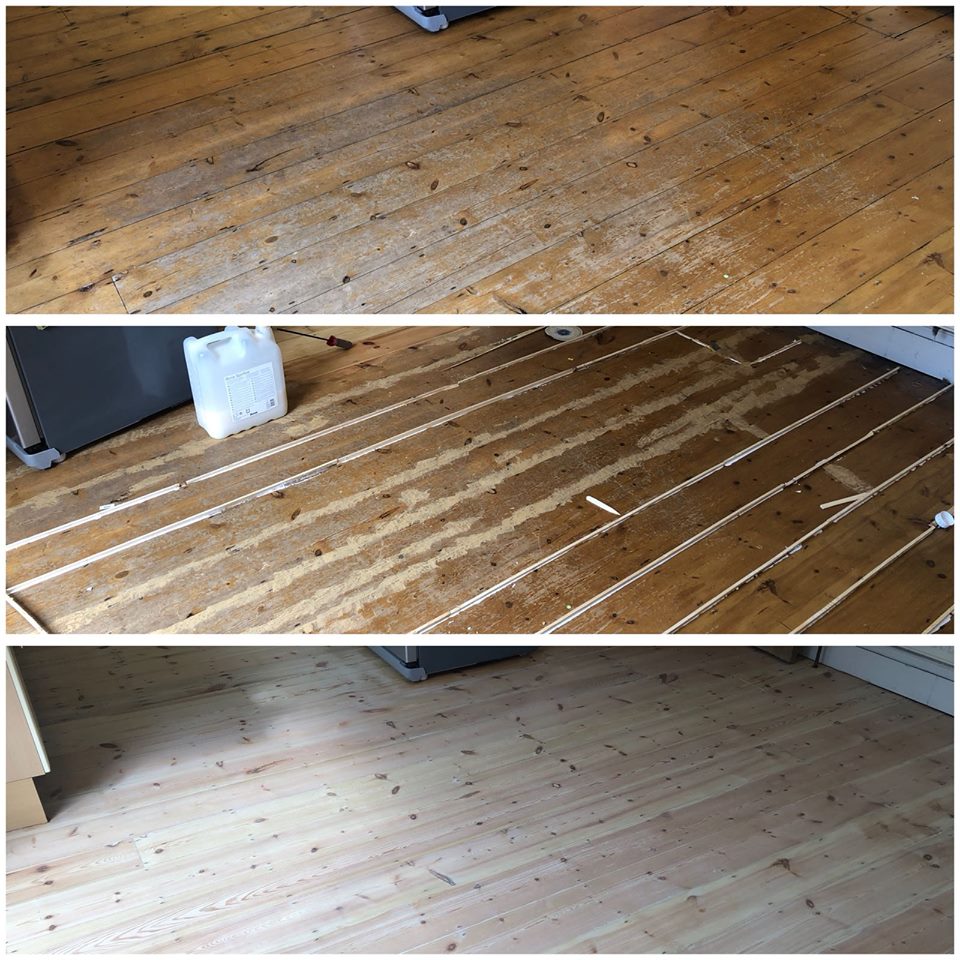
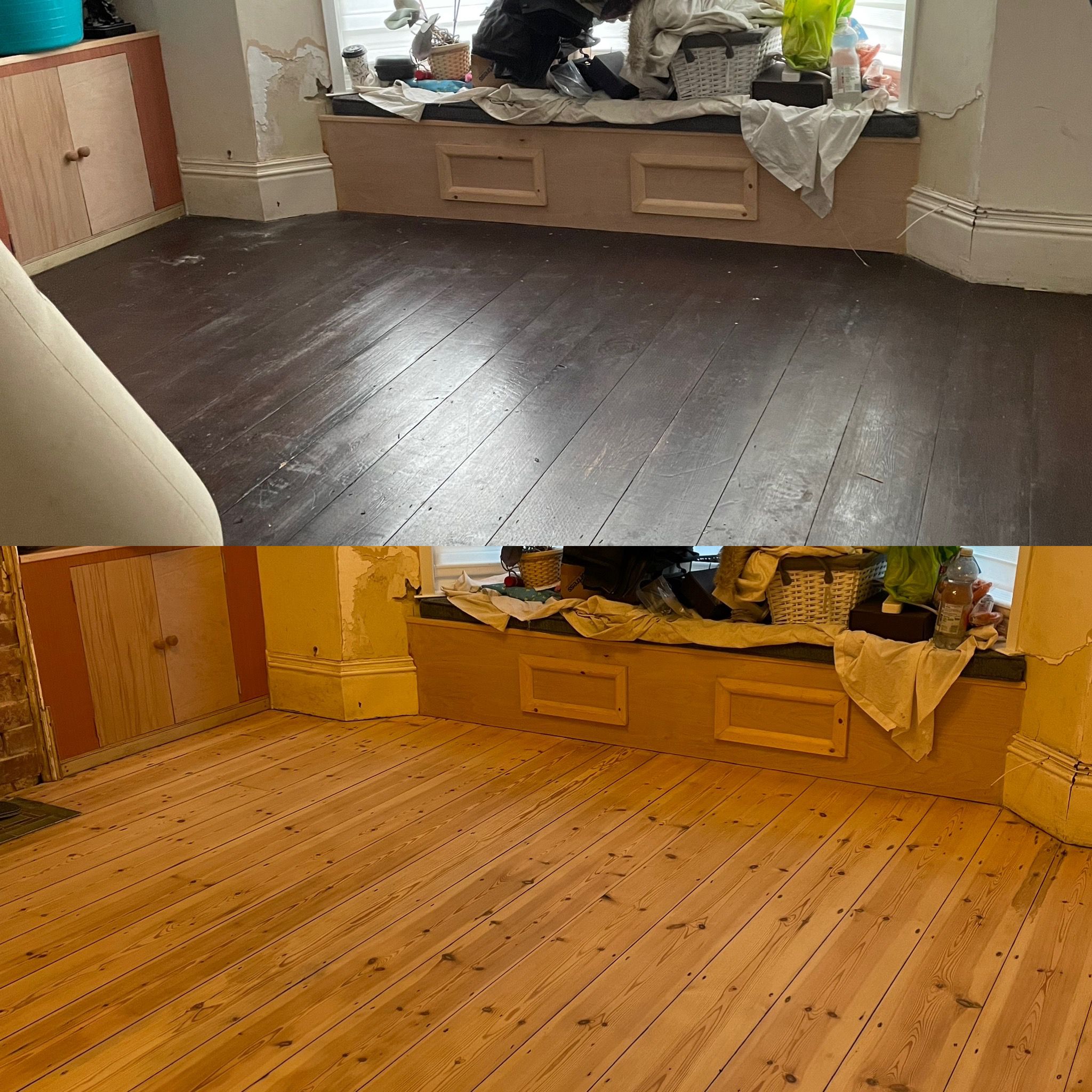
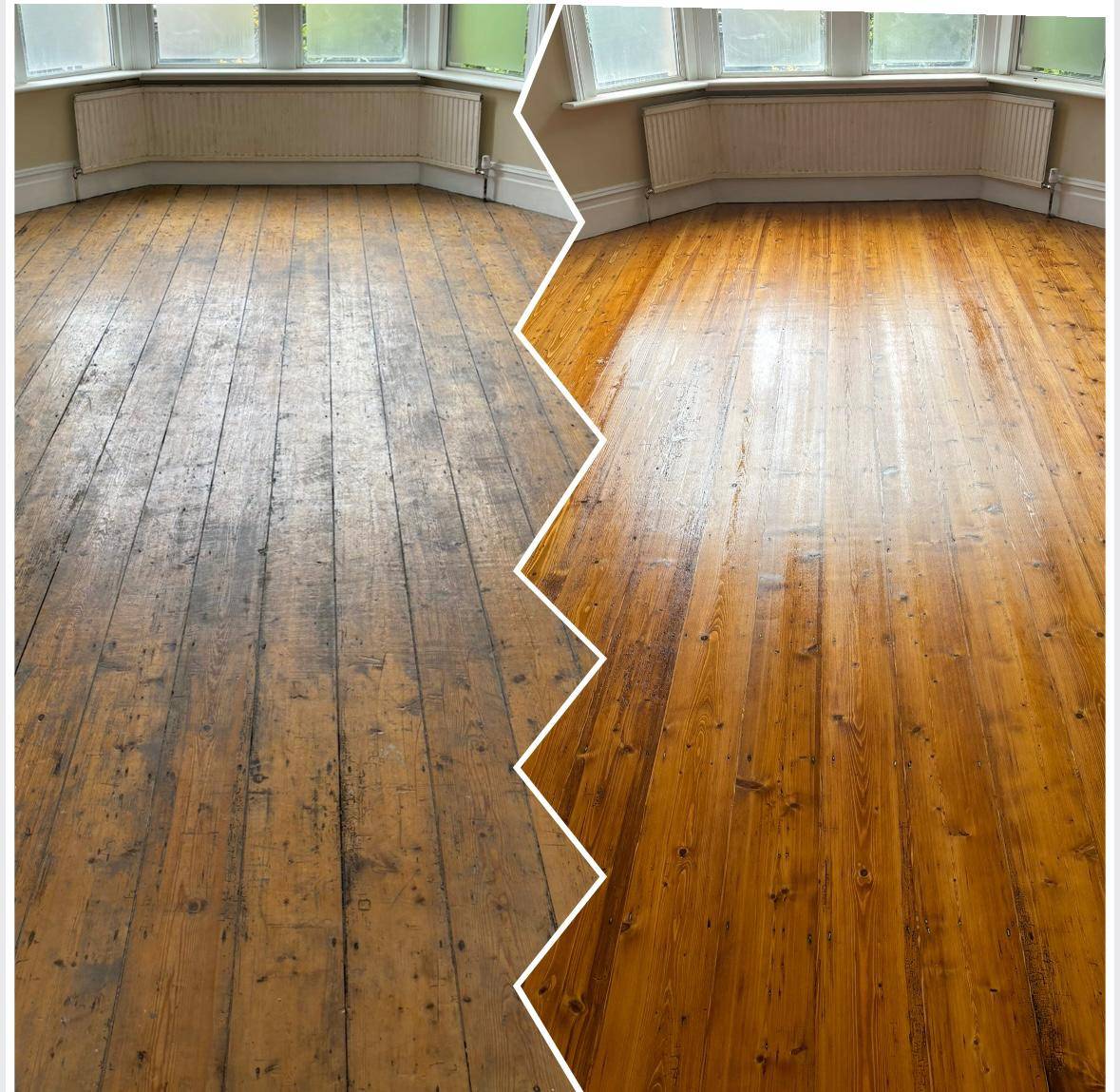
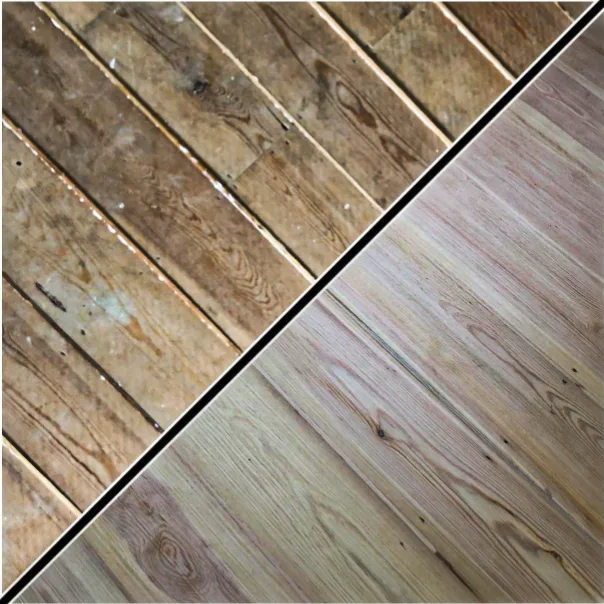
Floor sanding before and after

Floor Sanding in Bedminster Bristol's Victorian Terraces

Most of the timber floors we are shown in Bedminster sit inside Victorian terraced houses, from narrow cottages on the side streets to bay-fronted houses with a third bedroom above the back kitchen. Inside, the layout barely changes from one house to the next. The joists span between the party walls, so the softwood boards run from the front of the house to the back, usually somewhere between five and seven inches wide. The front room was the parlour and often got a painted or stained surround with a carpet square in the middle. The back room took the daily traffic, and the rear kitchen frequently ended up with a solid floor rather than timber.

That makes floor sanding in Bedminster Bristol predictable in outline and full of small surprises in the detail, because every owner across well over a century has left something behind. Lift the carpet and you may find gripper strips tacked round the walls, thousands of staples from an old underlay, hardboard sheets nailed down every few inches, patches of black adhesive from linoleum, and splashes of gloss from a hurried redecoration in the seventies. All of that has to come off before a sander can run. Hardboard is the slow one: each nail pulled by hand, because a pin left standing will tear a sanding belt in seconds.

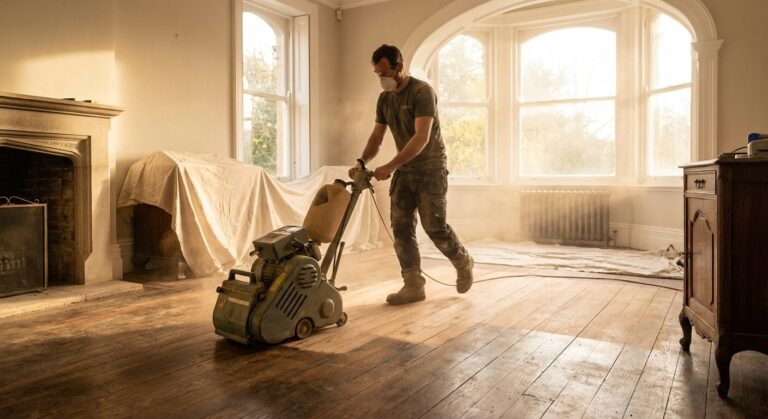
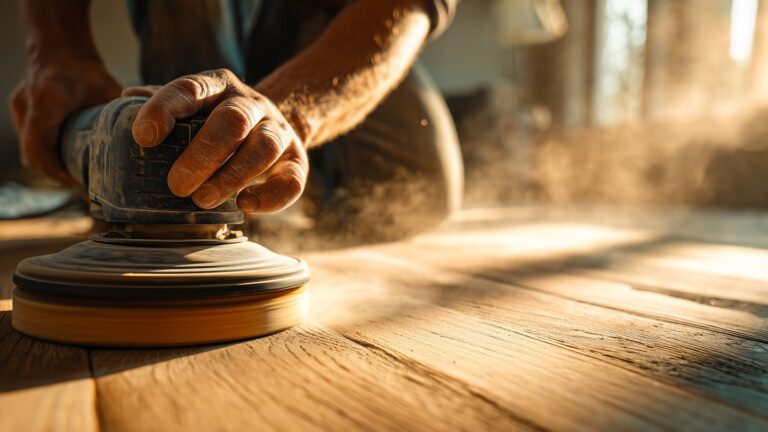
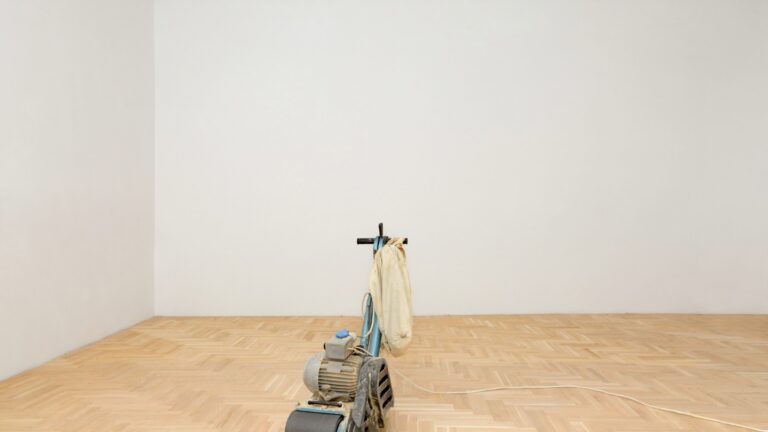
With the boards finally bare of nails and glue, wood floor sanding in a terrace front room begins on a rough belt that bites through the varnish and flattens any boards that have curled at the edges; each later pass uses a finer paper to wipe out the scratches of the previous grit. Pine is soft, so too heavy a hand at the start digs ruts that take a lot of fine sanding to remove.

A terrace has one front door, one hall and usually one staircase, so every machine and every bag of waste goes through the same narrow route. Hoses from each sander feed a sealed collector, which is why we describe the job as dust-free floor sanding; a fine film can still land on a skirting board or two, but the narrow hall that every terrace funnels its traffic through is spared the grey coating that old bag sanders used to leave. Bedminster is part of the city we work in week in, week out, and the wider picture is on our main Bristol floor sanding page.
Painted Borders and Old Coatings: Wood Floor Restoration in Bedminster Bristol

Wood floor restoration in Bedminster Bristol very often starts at the edges of the room, not the middle. Victorian and Edwardian householders framed the parlour carpet with a band of dark varnish stain, brown paint or a glossy black finish, and later generations added their own layers on top. Those bands are thick, gummy and stubborn. A sanding belt meeting them clogs within a few seconds, so the heaviest of the old coating is better scraped or stripped off before the machines get near it.

Paint on floors this old needs one precaution that is easy to forget. Older paints can contain lead, especially the lower layers, and sanding them dry throws fine lead dust into the air and into the house. Test kits from a hardware shop give a quick indication. Where lead shows up, general good practice is to avoid dry sanding and burning off, soften or strip the paint chemically or scrape it wet, bag the waste carefully, and keep children and anyone pregnant out of the rooms while that stage is done. Only when the paint is gone should the floor be sanded normally.

Beneath the paint there is a second problem. Stain applied straight to bare pine soaks deep into the open grain, so even when the surface coat is gone, a dark ghost of the border can remain. On boards with plenty of thickness, extra passes along the margin usually clear it. On thinner boards there is a choice to make: accept a faint frame as part of the floor’s history, stain the whole room slightly darker so the border disappears, or stain the border deliberately in a crisp, even band. Our wood floor restoration service covers each of these routes.

One of the floors we restored elsewhere in the city shows what is possible with boards of this age; the Victorian pine floor we brought back in Bristol began with much the same mix of old coatings, wear and patching that turns up in many Bedminster front rooms.

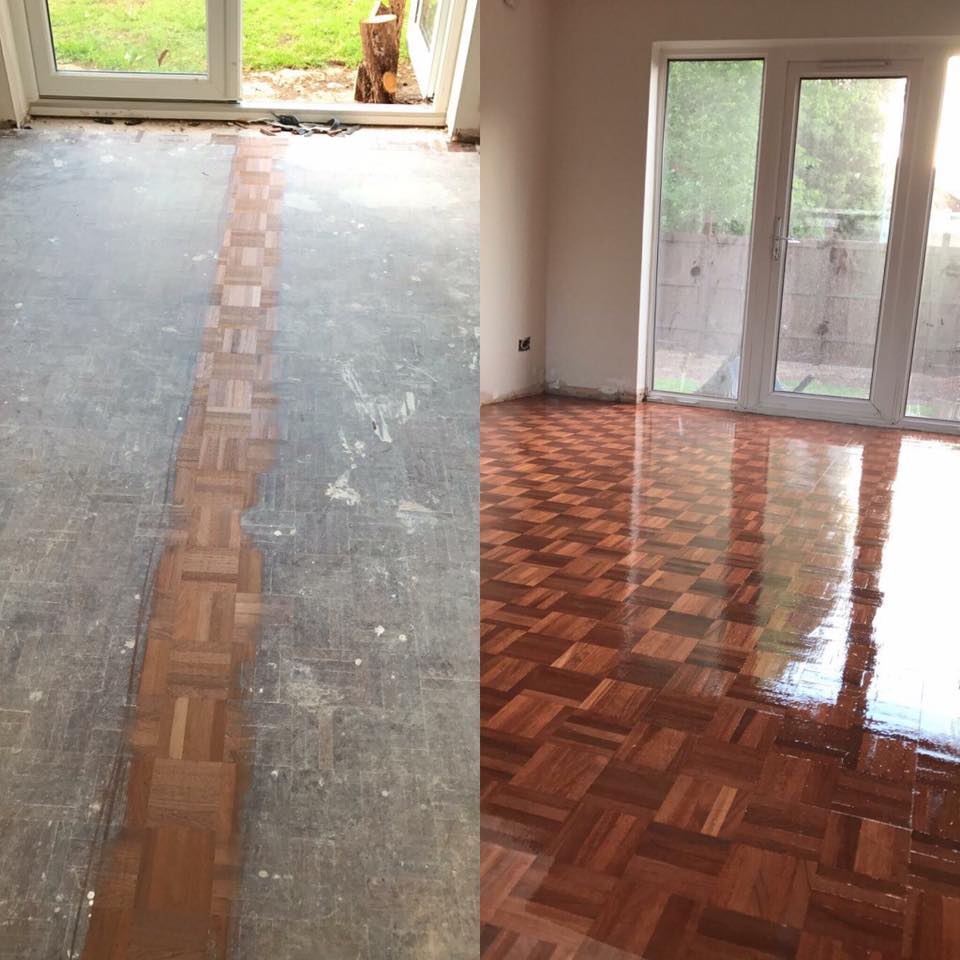
parquet wooden floor sanding
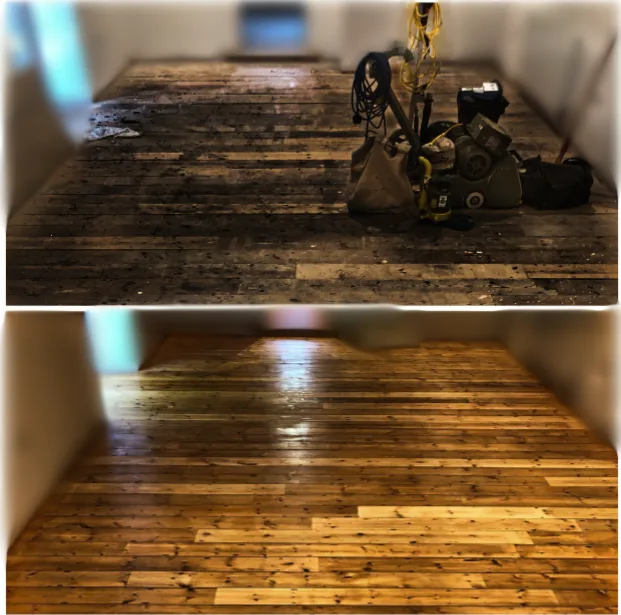
wooden floor sanding

Pine Colour, Stains and Sealers on Terrace Boards

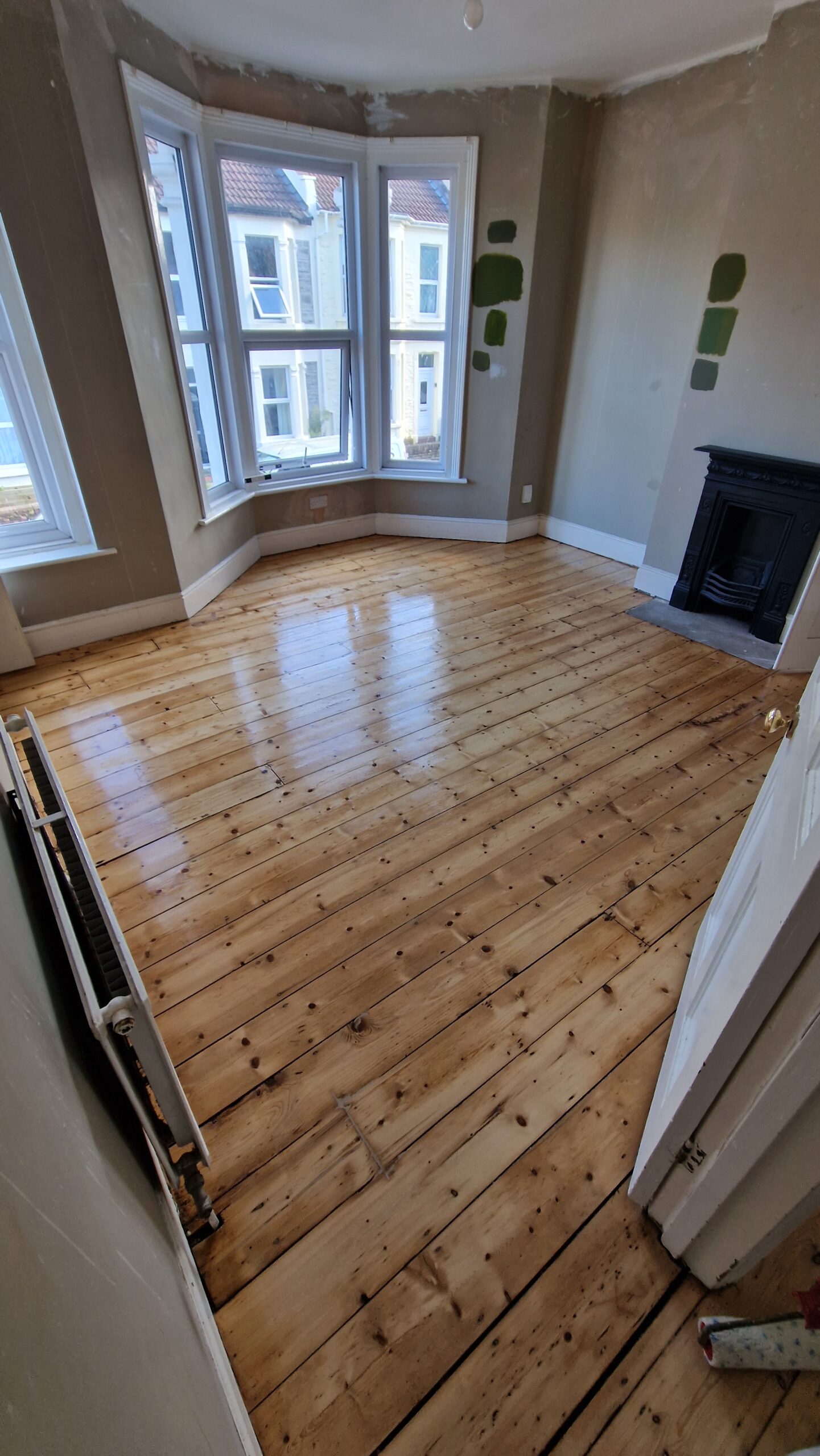
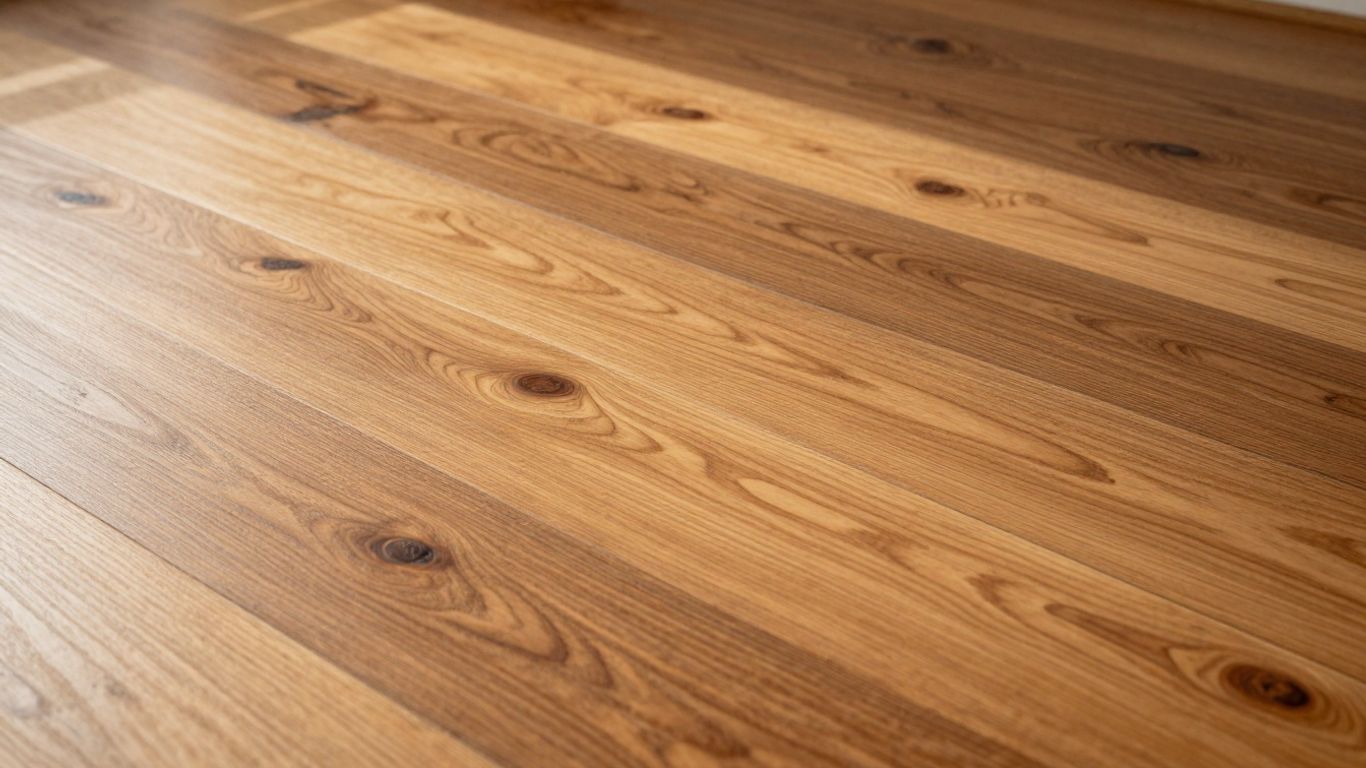
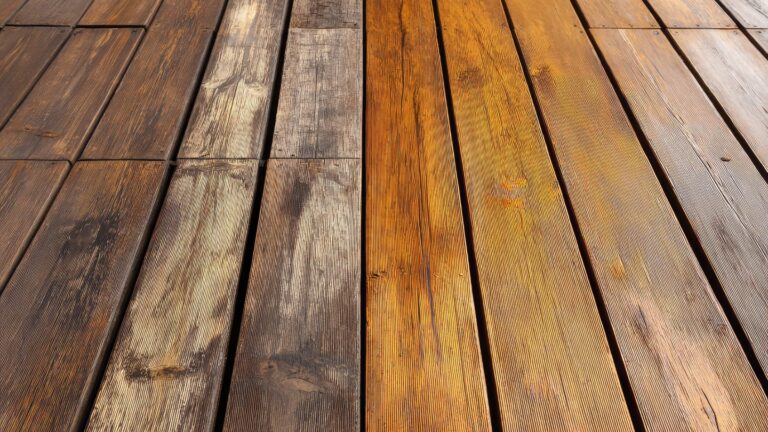
Freshly sanded Victorian pine surprises people. It comes up pale, almost creamy, with a faint pink cast in places, and it looks nothing like the orange floor they remember from the before photos. That does not last for ever. Pine darkens with light, and an oil-based finish speeds the process, so within weeks the boards drift towards honey and, over years, towards a deeper amber. Knowing this before choosing the finish saves disappointment.

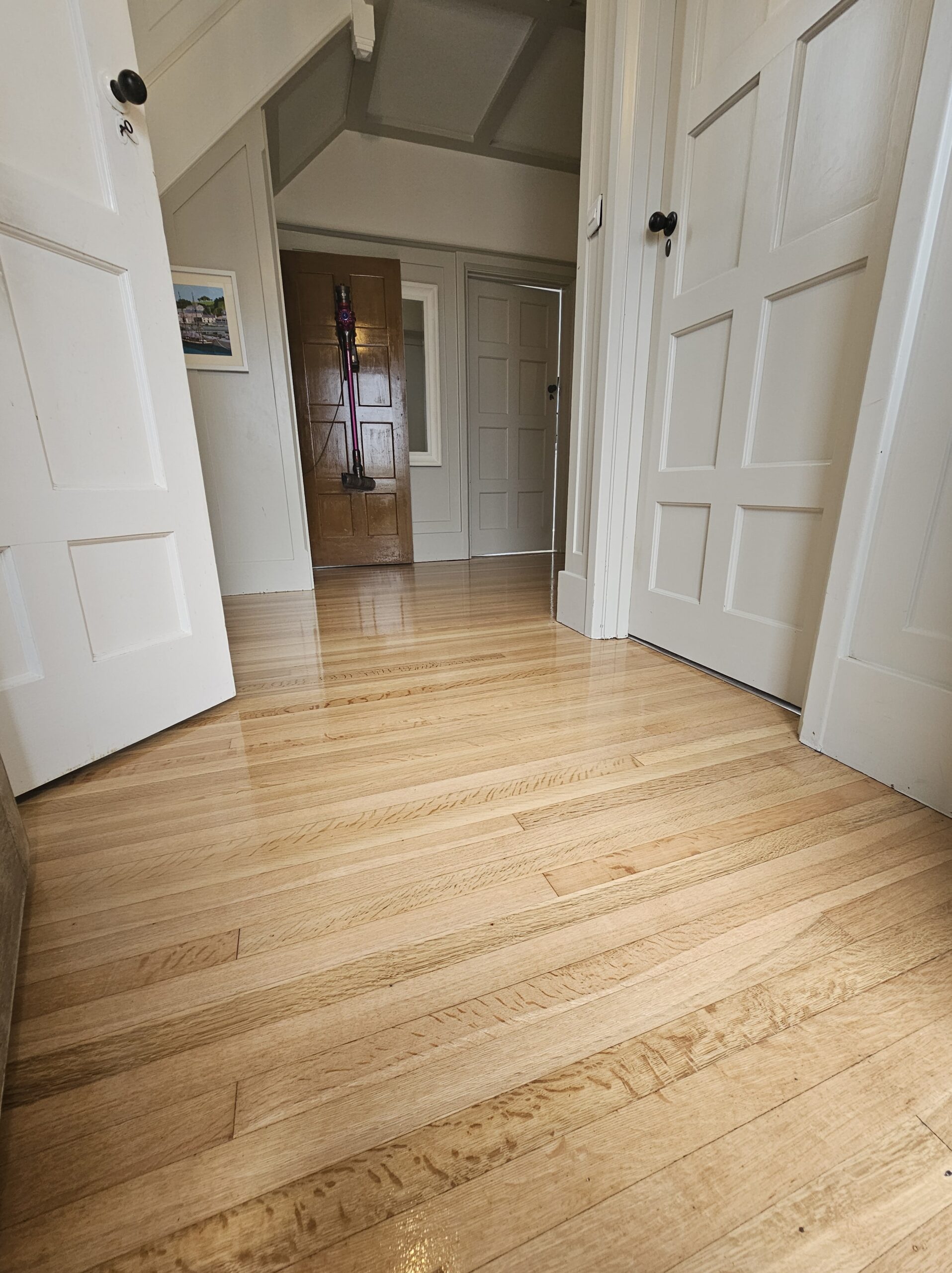
If you want the floor to stay close to that just-sanded colour, a water-based lacquer is the usual answer, and some products carry a slight white tint to counter yellowing. Our floor sealing service uses water-based lacquer for rooms like that, oil-based lacquer where warmth is the goal, and a tougher two-component lacquer for a hall that takes buggies and bikes every day.

If you prefer a softer, more natural look, oiling the boards with a natural oil or hard wax oil lets the grain and the knots show without a plastic sheen, and small worn areas can be topped up in a few minutes. Traditional floor waxing remains possible for anyone who enjoys the ritual, though wax marks easily with water and has to be stripped right back before any lacquer could follow.

Colour changes need care on pine. The soft spring growth drinks stain, the hard summer bands resist it, and resinous knots barely take it at all, so a dark walnut or grey can come out blotchy. Grey and whitewashed looks tend to work better than very dark stains on these boards. Every staining job begins with a sample on your own timber, worked through the full finish, so you judge the true colour. For more on pine as a timber, see pine floor restoration, and the Victorian floorboard refinishing project in Bristol shows boards like these after sanding and sealing. A floor that only needs its shine brought back may suit floor polishing instead of any of the above.

Commercial Floor Sanding in Bedminster Bristol: Cafes and Bars Through the Night

North Street and East Street are lined with independent shops, cafes and pubs, and plenty of them trade from converted Victorian shop units with timber floors under the tables. Commercial floor sanding in Bedminster Bristol therefore revolves around trading hours: the floor gets done when the doors are locked, and it has to be fit to walk on when they open again.

A typical overnight sequence runs like this. Chairs, tables and stools are cleared once the last customers have gone. Any loose boards are fixed and old repairs checked. The floor is sanded and edged, vacuumed thoroughly and wiped down, and a fast-curing lacquer is laid in thin coats with drying time between them. By the time staff arrive the surface can take careful foot traffic, though furniture should be set down, not slid, for the first few days while the coating finishes hardening. A bigger room can be tackled in halves on consecutive nights, leaving tables available in one part while the other cures.

Cafes and bars bring a problem that houses rarely have: contamination. Spilled syrup around the coffee machine, beer near the pumps, cooking grease carried out of the kitchen doors on shoes, and years of cleaning products all soak into the timber. They clog abrasives quickly, and any residue left behind can stop a new lacquer bonding, so those zones are scrubbed and degreased before sanding. For cafe, bar and restaurant floors a two-component lacquer is usually chosen because it resists chemicals and scuffing far better than a single-pack product. Slip matters too, especially near a door on a wet evening, so a matt sheen and, where suitable, an anti-slip additive are worth discussing.

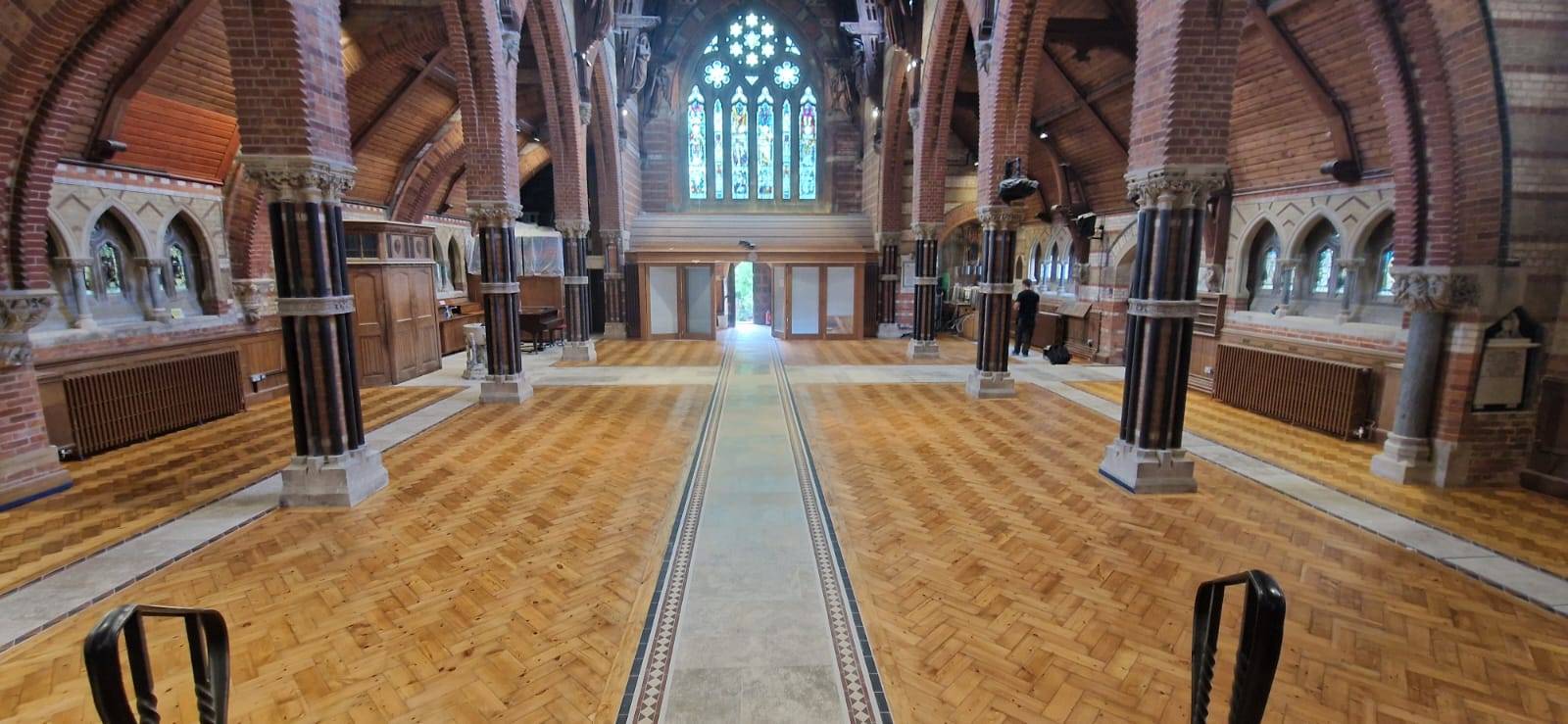
For retail, shop floor sanding focuses on the strip from the door to the till, which grit from the pavement grinds down fastest. A unit used as a studio has different needs again, and sanding and finishing dance floors deals with grip under bare feet and soft shoes. Method statements and insurance details are available for landlords and managing agents who ask for them, and our full range of commercial sanding work is set out separately.

flooring sanding company
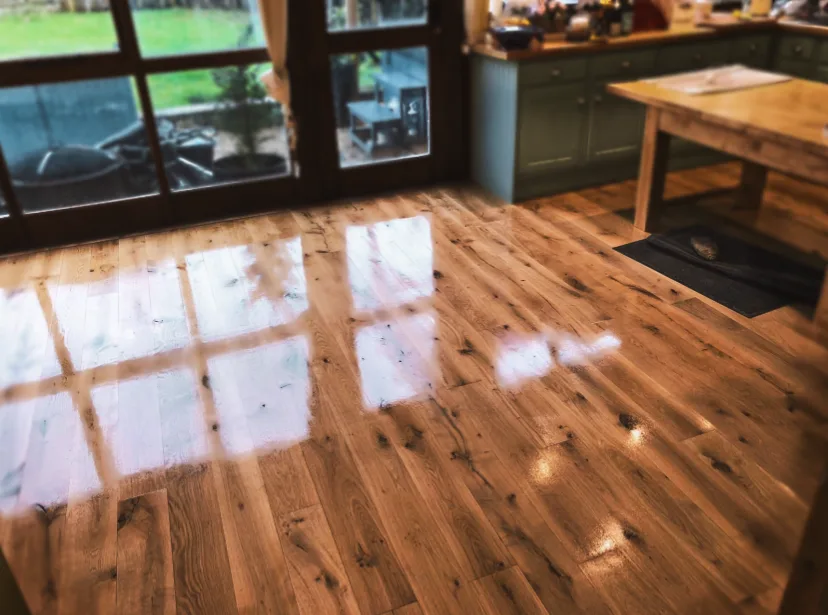
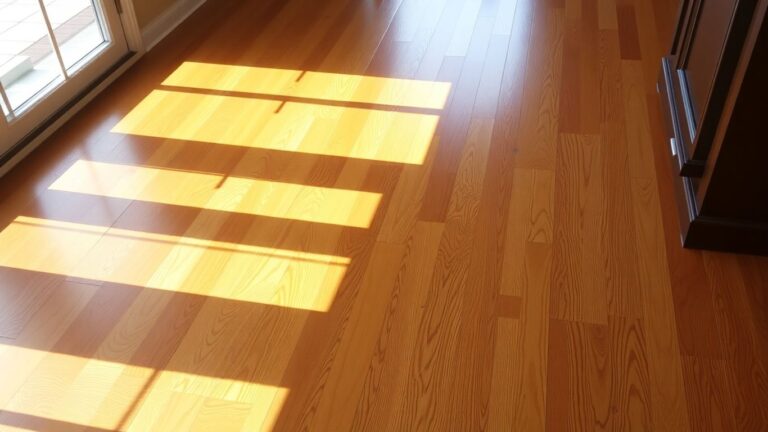
Sunlight across freshly lacquered wooden floorboards

Knocked-Through Rooms, Lost Hearths and Draughty Gaps

Almost every second terrace seems to have had the wall between the front and back rooms taken out at some point. Where it stood there is now a strip of something else: a timber plate, a run of short offcuts, a band of chipboard or a gap stuffed with mortar. The two rooms may also have been boarded at different times, with slightly different widths or even boards running in different directions. Making one room out of two means filling that strip with timber that looks as though it was always there.

We keep a stock of reclaimed softwood for this, so infill boards arrive already aged and close in width and thickness, not bright new pine that will glow for a decade. Missing hearths are similar. When a fireplace was removed, the stone or tiled hearth often went with it and the hole was filled with concrete or a square of board, which can be cut out and replaced with reclaimed lengths to carry the floor through. Our floorboard replacement covers these infills along with boards split by plumbers, and wooden floor repairs deals with broken tongues, loose ends and soft joist ends.

Gaps are the other big complaint in Bedminster terraces. A suspended timber floor relies on airbricks in the front and rear walls to keep the void dry, which is good for the joists and bad for your ankles in January, because cold air rises through every open joint. Filling those joints makes a real difference to comfort. Gap filling can be done with thin softwood slivers glued into the wider joints or a resin mixed with fine sanding dust in the narrow ones. The airbricks themselves should stay clear; blocking them to stop draughts invites damp and rot under the floor.

Creaks usually come from boards lifting off their nails or rubbing on each other as you walk, and they often cluster around doorways and the line where the wall was removed. Fixing them into the joists below, as described under curing squeaky floorboards, is done before sanding so the floor is quiet as well as smooth. Deep scratches from furniture often go in the sanding, and isolated damage can sometimes be dealt with locally through repairing scratches in wood floors.

Steep Terrace Stairs and the Odd Parquet Hallway

Stairs in a Bedminster terrace are rarely generous. They tend to be steep, enclosed between two walls, with winders turning the corner at the top or bottom, and the treads usually tell a clear story: paint or dark stain at the edges, bare worn timber up the middle where a runner sat, and a line of tack or stair-rod holes along each nosing. Winders wear unevenly because people tread on the wider end, so the outer edge of each one is often dished.

Working on stairs like these is almost entirely hand work. The edges are scraped first, then sanded with small detail machines, and the inner corners where tread meets riser are finished by hand. Holes from rods and grippers are filled with a coloured filler or small timber plugs. Because there is only one staircase, the household needs a way up and down, so the finish has to dry fast and the order of work has to be planned. Our stair sanding work covers treads, risers and handrails, and a runner can be fitted afterwards by your carpet supplier if you want one back.

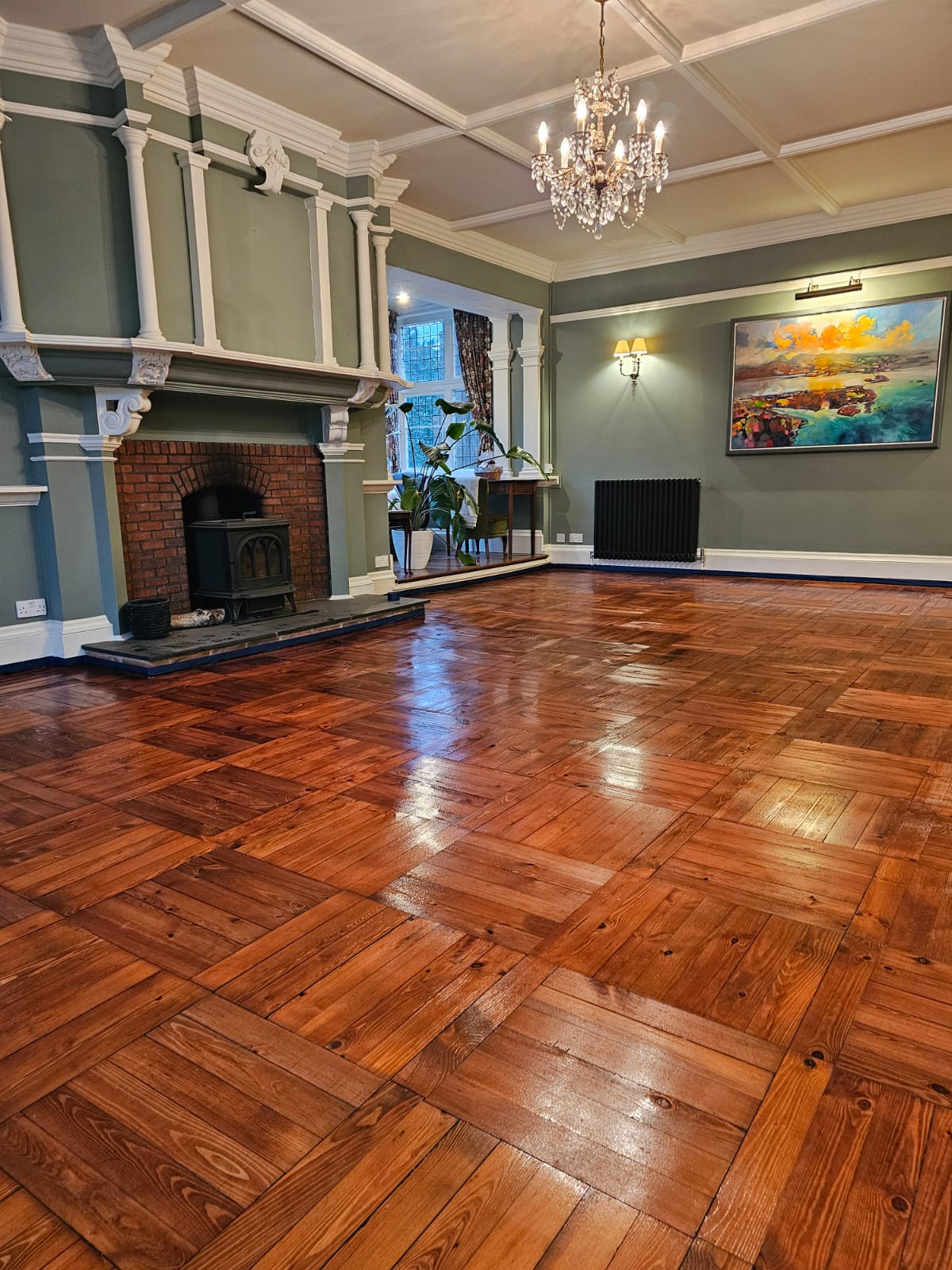
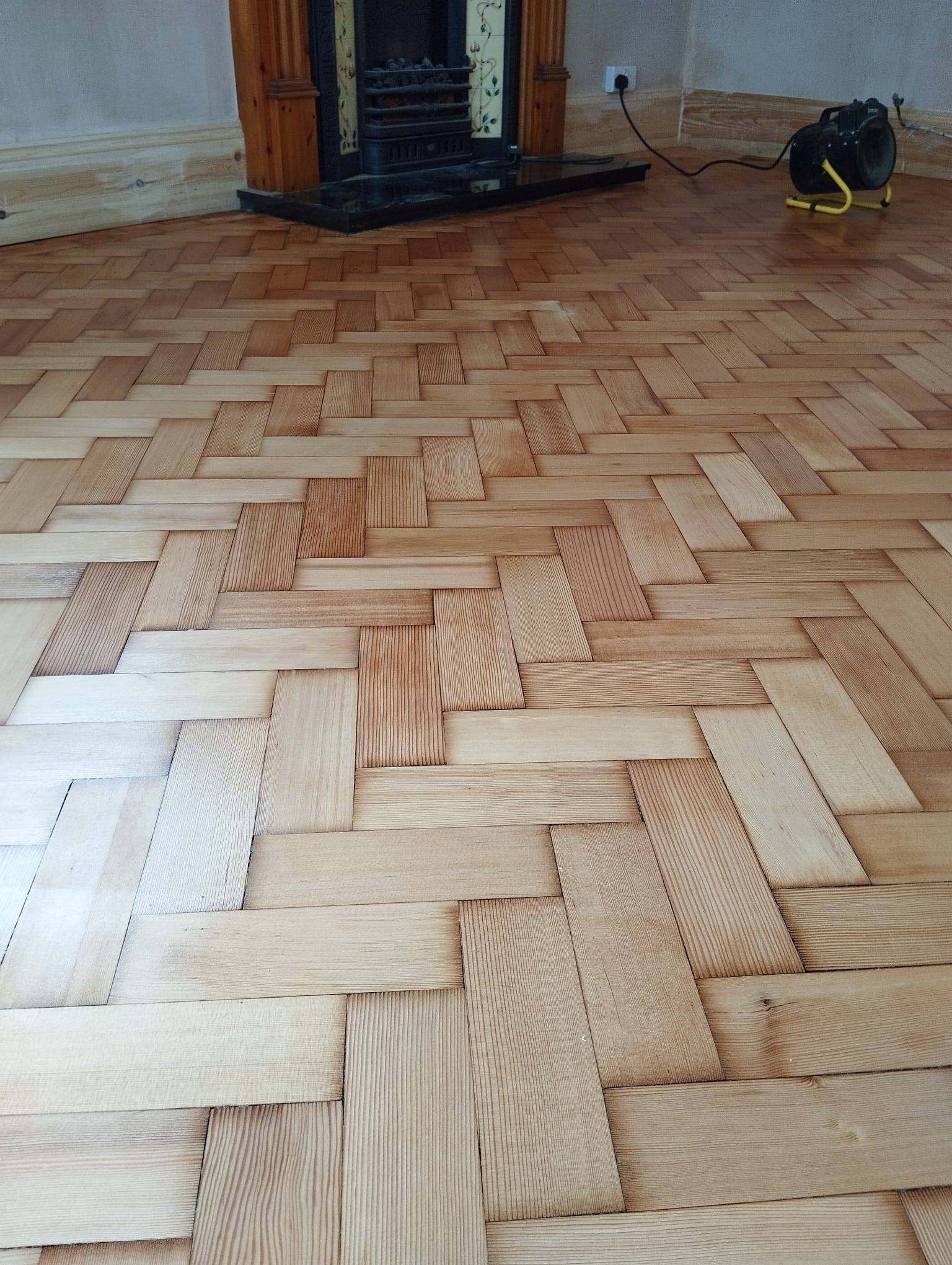
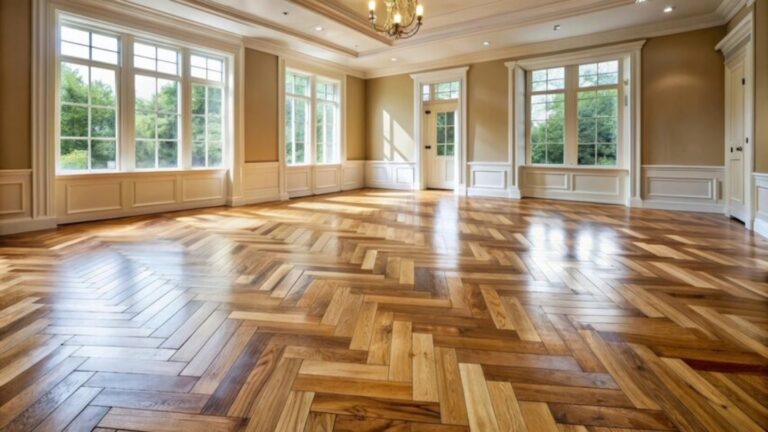
Parquet turns up less often in a Victorian terrace, but it does appear: in houses rebuilt or altered between the wars, in some converted shop and hall interiors, and occasionally laid over the original boards in a hallway. Woodblock floors of that era were usually set in black bitumen adhesive. Over time the bitumen dries and lets go, so blocks loosen and sound hollow underfoot. Those blocks need lifting, cleaning back and bonding down again before the floor is sanded, otherwise they rock and break up under the machine.

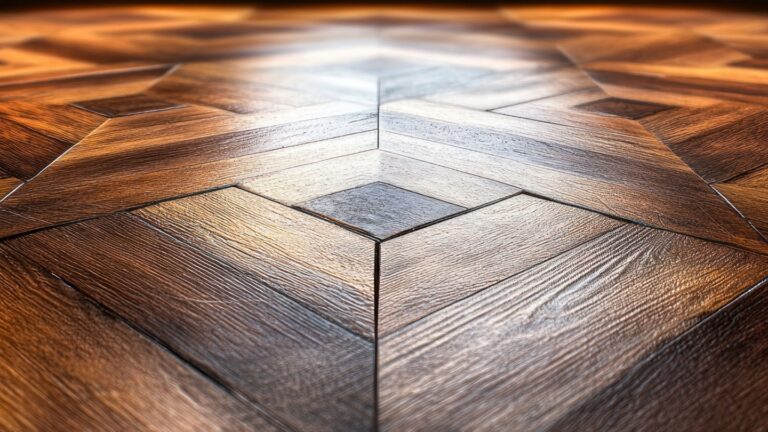
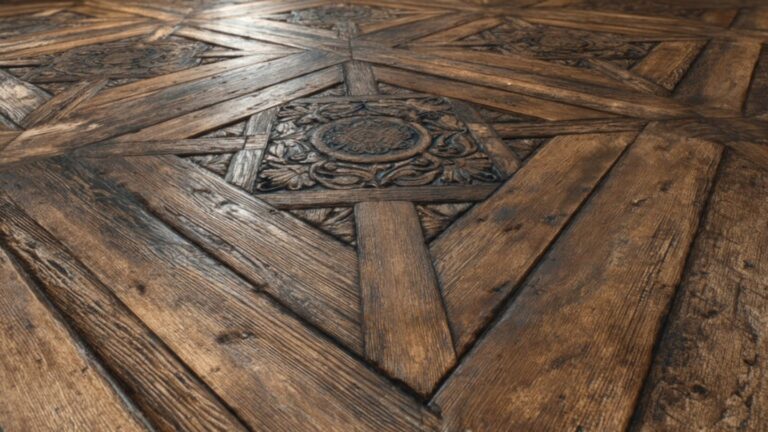
The sanding itself works diagonally across a herringbone or basket-weave pattern first, then straight, so that blocks running in different directions are levelled together. Our parquet floor sanding service includes re-bonding loose blocks and replacing any missing ones with reclaimed stock of a similar species and size.

Wood floor sanding company
Floor sanding taunton

Keeping a Bedminster Bristol Floor Looking Good, New Boards and Getting a Quote

The first two or three days after finishing decide a lot. Walking about in socks is fine after roughly a day, but rugs, heavy furniture and anything with castors are best kept off for two or three days, because the coating carries on curing well after it feels dry. In a cafe, set the tables down gently instead of dragging them back into place.

Day to day, the main enemy of a refinished pine floor is grit, which acts like sandpaper underfoot. A good mat at the front door catches most of it. Felt pads on chair feet stop the scratching, and a damp, not wet, mop with a pH-neutral cleaner keeps the lacquer clean without softening it. Avoid steam mops and strong household cleaners. Looked after this way, the boards in a family terrace tend to go eight or nine years, sometimes ten, before the machines come back, whereas a cafe with a queue out of the door most weekends will want attention roughly twice as often. Between sandings, a tired surface can often be brought back by keying the lacquer and adding a fresh coat, which is what buffing and recoating is for.

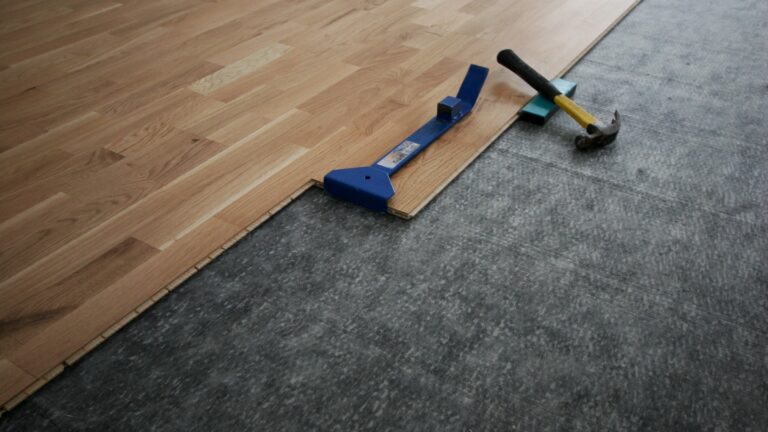
Some terraces now have rear extensions with a concrete slab where the old kitchen was, and owners want timber to carry through. Our new wood floor installation can be supplied and fitted or supplied only, with ranges including Junkers and Bona, and the new floor can be finished in a tone that sits comfortably beside restored pine in the front rooms.

To get a quotation, start with two photographs: one wide shot showing the whole room, and one close shot of the worst area of the boards. Attach them to a message addressed to info@ryansrestoration.co.uk. If you would sooner describe the house out loud, the number is 01823 674562 on weekdays. The next step is a free visit, normally around thirty minutes, when we look at how thick the pine is, take moisture readings, check that the airbricks front and back are open, and note what earlier owners have patched. Afterwards a written quotation arrives with the repairs, sanding and finish shown as separate lines. Homes over the river can find our work in floor sanding in Clifton, and you can also get in touch through our contact page.

Bedminster Floor Sanding Questions

Yes, though it takes longer than the rest of the room. The paint is scraped or stripped first because sanding through thick paint clogs the abrasive. Paint from before the 1960s may well have lead in it, so a quick test comes first, and a positive result means wet stripping and careful bagging instead of the sander. Any stain soaked into the grain beneath is then sanded out as far as the board thickness allows.

Pine naturally darkens with light, and older oil-based varnishes and lacquers yellow as they age, so the two together push the colour towards orange. Sanding removes the old finish and exposes paler timber. A water-based lacquer then keeps it nearer to that fresh colour for much longer, while an oil-based finish will let it warm up again gradually.

In most cases, yes. Work starts after closing, the floor is sanded and coated with a fast-curing lacquer, and it is ready for careful walking by the time you open. For a larger room the job can be spread across several nights. When a lot of boards need replacing beforehand, shutting for one full day sometimes makes the whole thing easier.

Usually it can. The strip where the wall stood is filled with reclaimed boards of a similar width and colour, and any old patches are replaced at the same time. After sanding and finishing, the join becomes very hard to spot. If the two rooms have different board widths, the infill is planned so the change looks deliberate.

Filling the gaps between boards does not affect ventilation of the void beneath, which comes from the airbricks in the outside walls. It simply stops cold air coming up into the room. The important thing is to keep the airbricks clear and unblocked, as they keep the joists and the underside of the boards dry.

Yes. Steep and enclosed stairs are mostly worked by hand with scrapers and small sanders, so the shape of the stair makes little difference. The main question is access, because the household still needs to get up and down. One answer is to coat alternate treads first, so everyone can step up on the dry ones, then finish the remainder once those have hardened.

Our sanders are connected to sealed extraction, which collects most of the dust as it is made. Some fine dust can still settle, especially around the edges of a room and on the stairs, so it is sensible to close doors to other rooms and cover anything delicate. In practice, a terraced house is left much cleaner than with older open-bag machines.

Yes. Grey and whitewashed finishes are often more successful on pine than very dark stains, because pine absorbs colour unevenly. A sample is made on your own boards first and finished in the same way as the full floor, so you can see the true shade before deciding. The stain is then applied to the whole room and sealed.