45 years’ experience  ·  Rated 4.9 on Google  ·  Family-run, from our workshop near Wellington

45 years’ experience · Rated 4.9 on Google · Family-run

Floor Sanding and Wood Floor Restoration in Yate

Lifting, re-bonding and sanding the parquet and strip floors in Yate’s post-war houses, and refinishing hard-worked shop and pub floors around the town.

QUICK QUOTATION

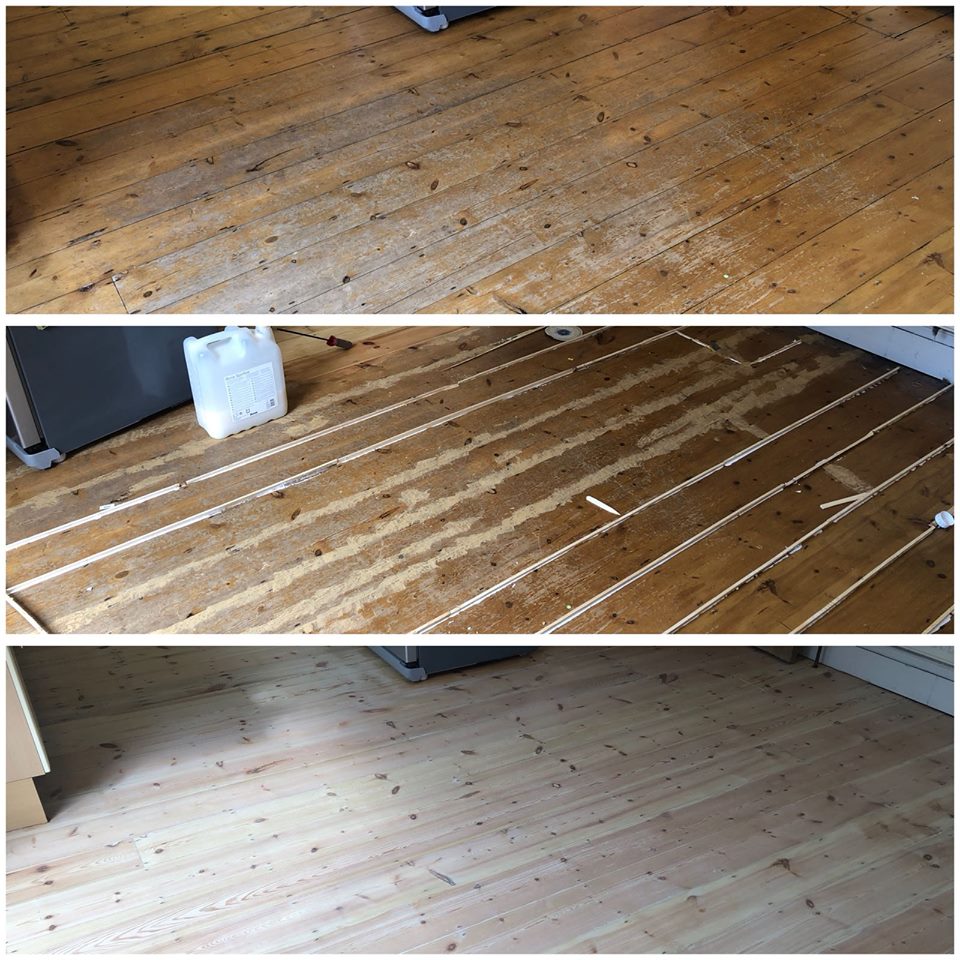
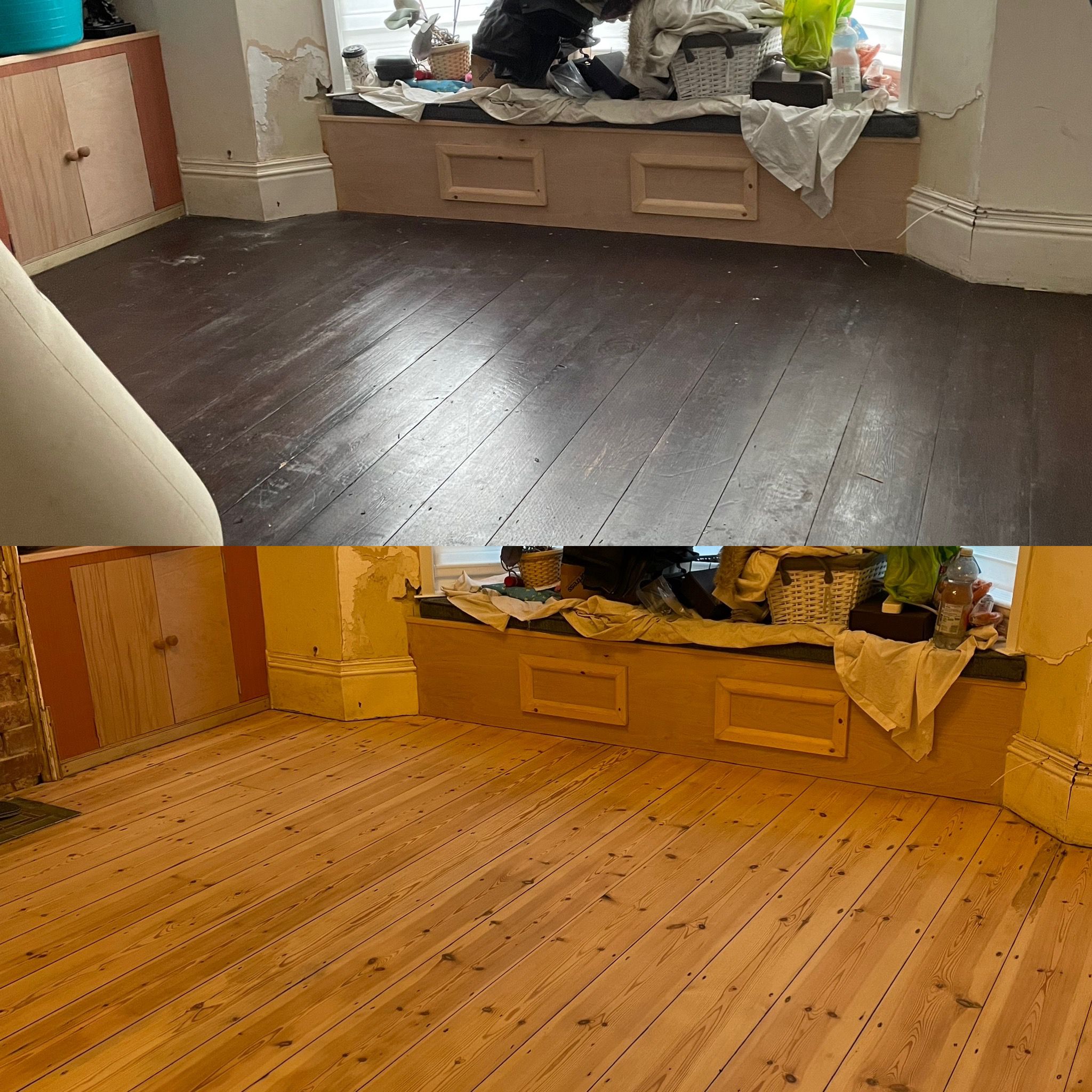
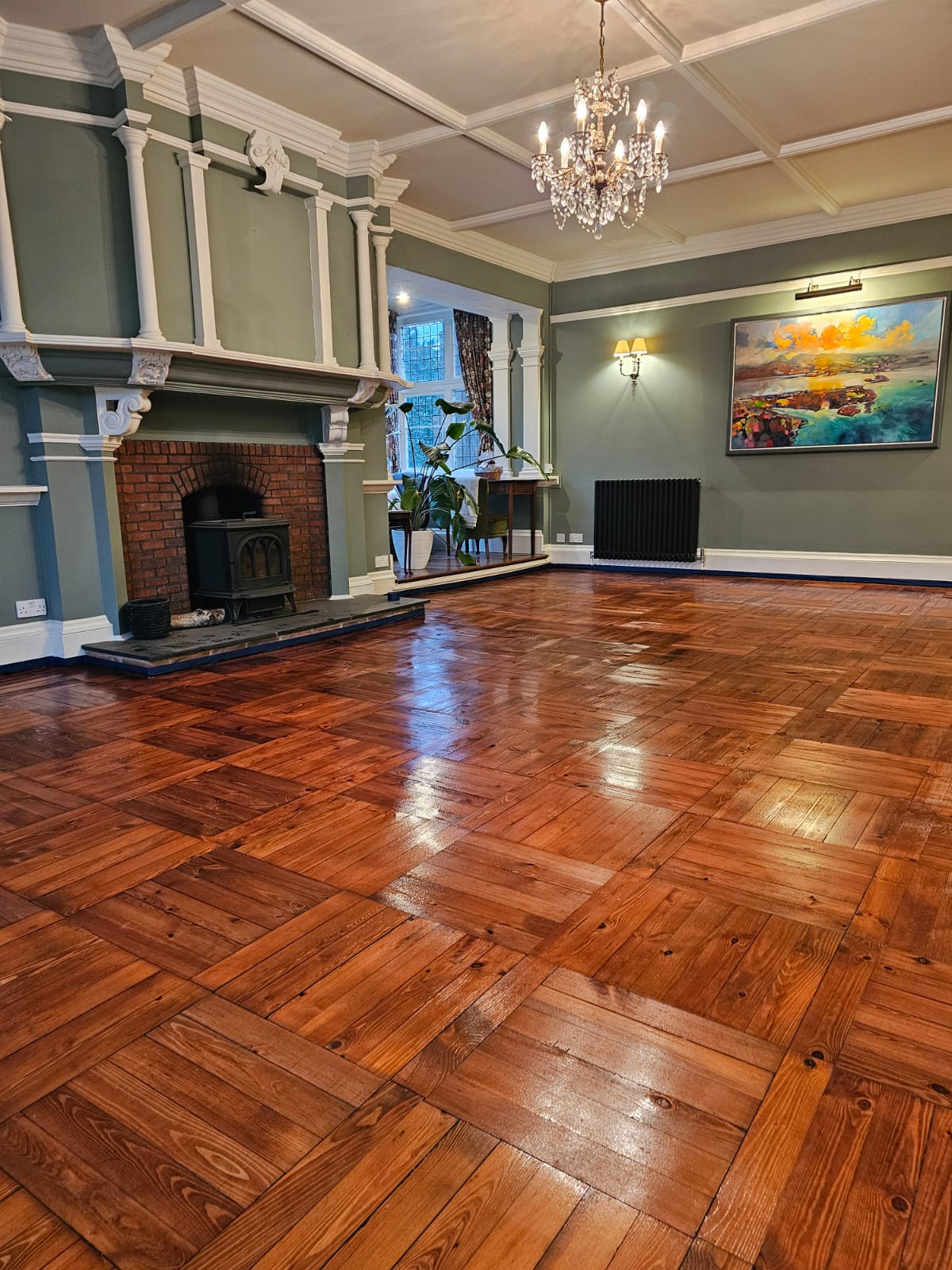
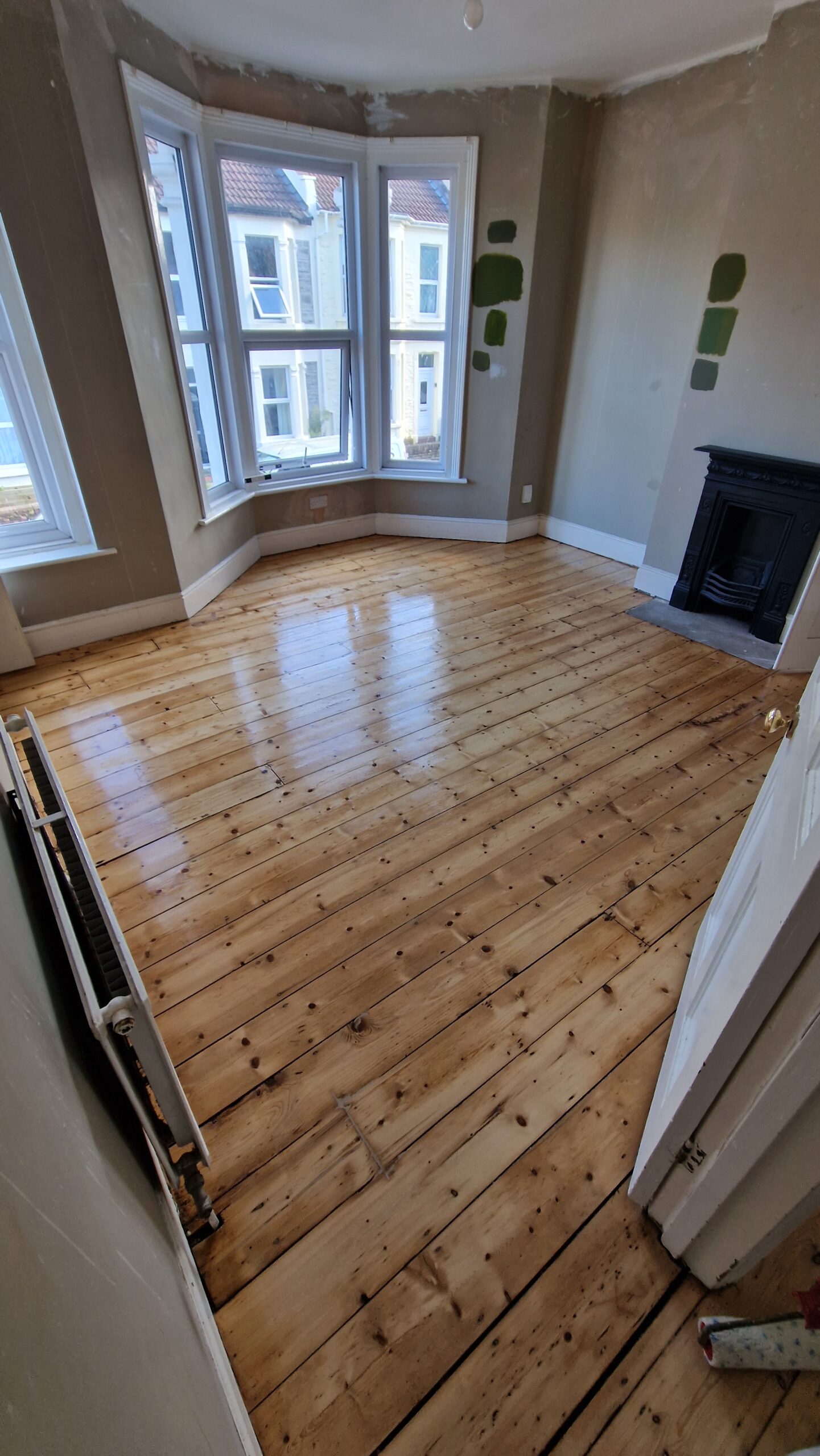
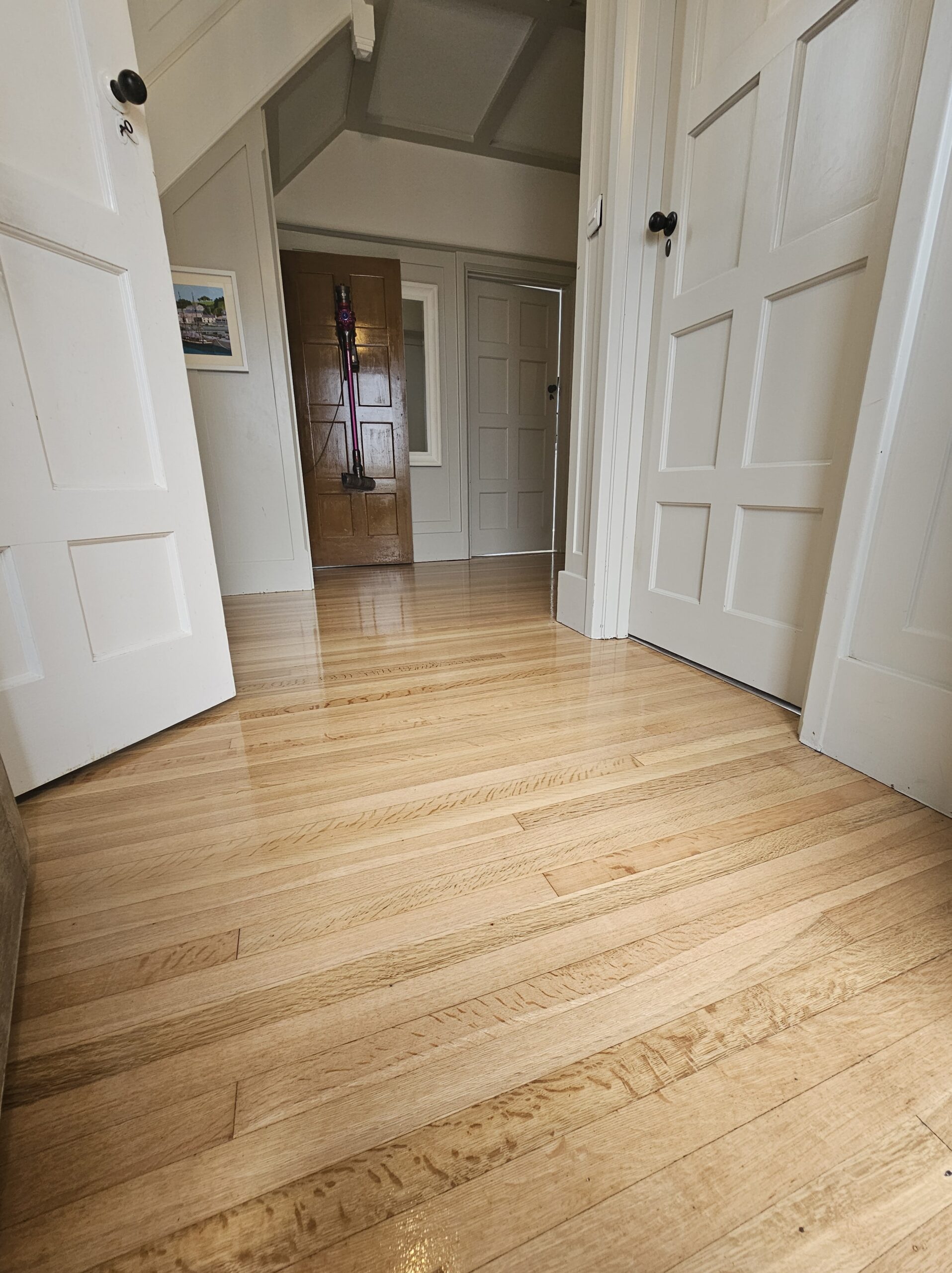
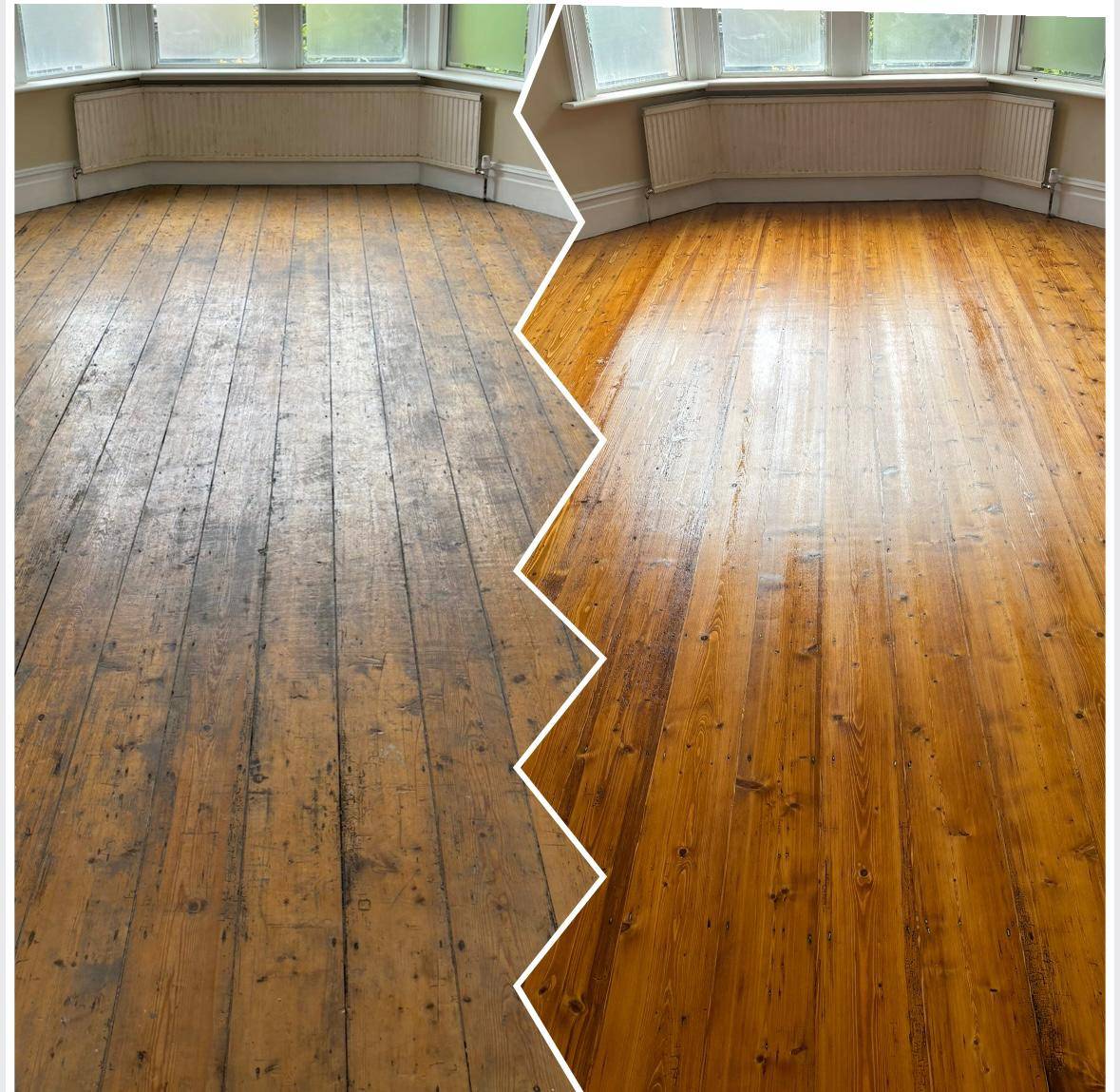
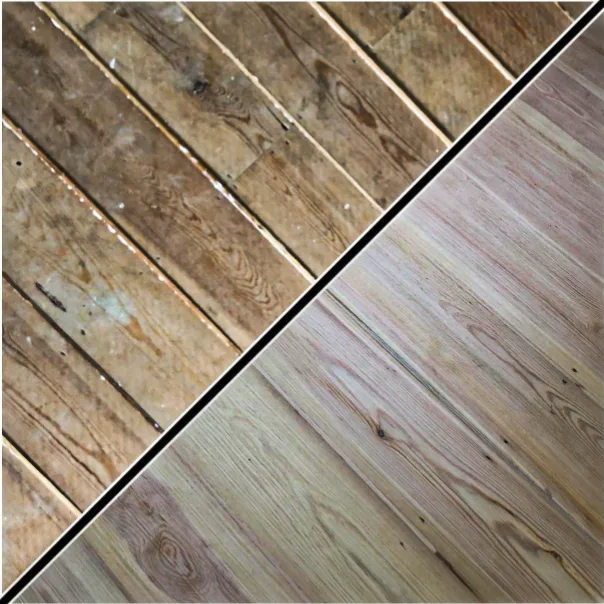
Floor sanding before and after

Floor Sanding in Yate's 1960s and 1970s Houses

Yate was designated for expansion in the 1960s, and a large share of its homes date from the building boom that followed, with more estates added towards the north of the town later on. That gives floor sanding in Yate a particular flavour. Houses of that era were often built with a concrete ground floor, and the fashionable finish to lay on top of it was hardwood: woodblock parquet in a herringbone or basket weave, mosaic panels made of small fingers of timber, or narrow strip flooring glued straight down. Upstairs there are usually softwood boards or sheet decking on timber joists.

Much of that original timber has spent forty or fifty years under fitted carpet. When it comes back to light it is normally dirty, coated in an amber varnish that has darkened with age, scattered with gripper holes around the walls and, quite often, loose in places. A woodblock floor that clicks or rocks under your foot is a sign that the adhesive below has given up, and that has to be dealt with before any sanding.

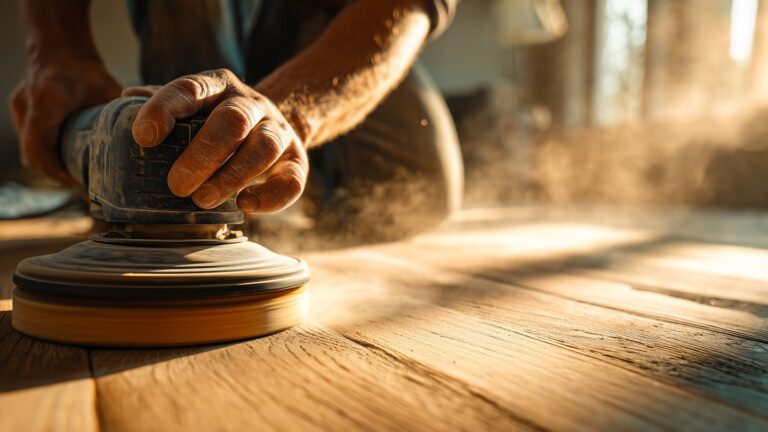
The sanding itself depends on what the floor is. Solid blocks of oak or a tropical hardwood typically carry plenty of wear above the tongue and can take a thorough cut. Mosaic panels are thinner, often around eight to ten millimetres, so they need a gentler approach and fewer coarse passes. Our wood floor sanding runs from a coarse grit that removes the old varnish through to a fine finishing grit, with the edges worked carefully so the border matches the middle of the room.

In the southern part of the town, many houses follow the Radburn idea, with front doors opening onto footpaths and cars parked in courts behind. On those streets, kit is often carried a fair way from the van to the door, so we plan the load accordingly. Parquet sanding produces a surprising volume of fine hardwood powder, so every machine feeds a sealed collector; that set-up is what dust-free floor sanding refers to, and while the odd skirting top may want a wipe, the lounge curtains will not need washing. We are in and around Yate and Chipping Sodbury as a matter of routine, and the towns we visit most are gathered on our Bristol and South Gloucestershire floor sanding page.
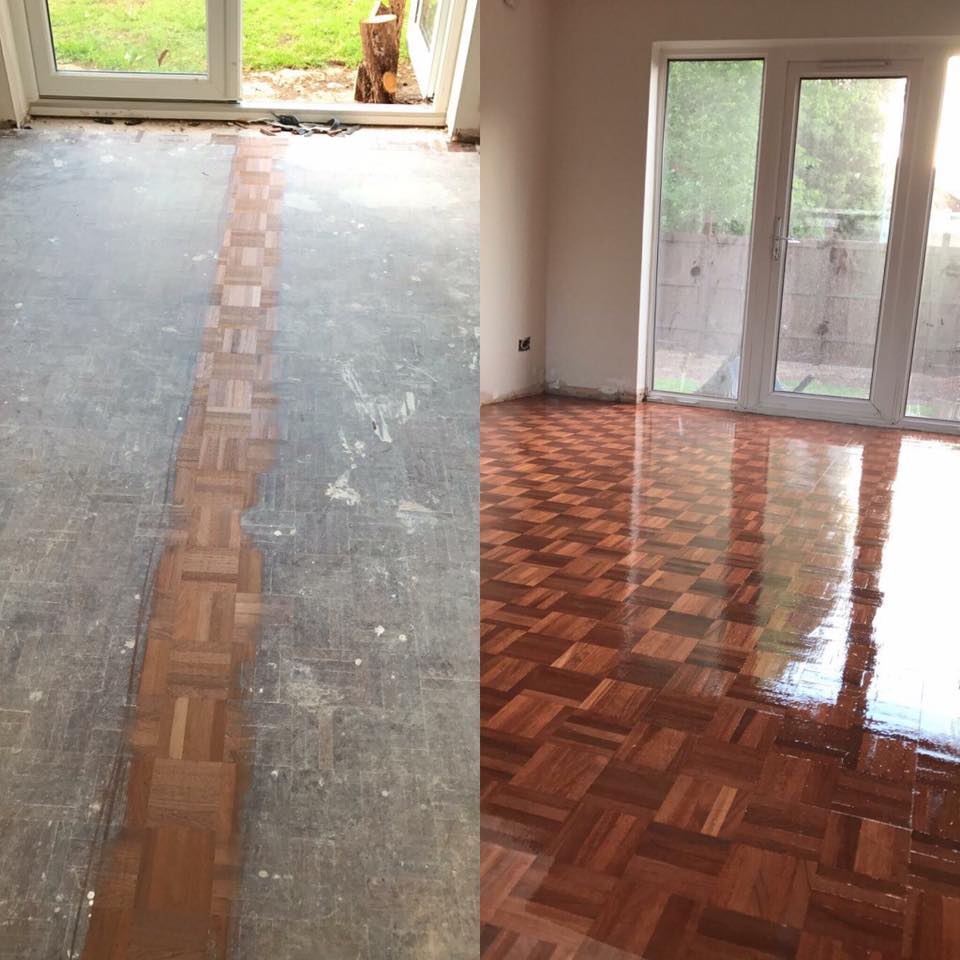
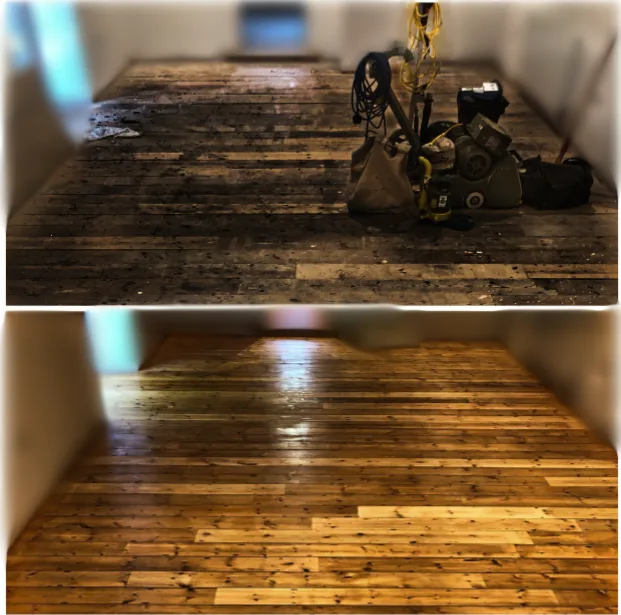
Parquet Re-Bonding and Old Bitumen: Wood Floor Restoration in Yate

The single most common problem we expect with wood floor restoration in Yate is loose parquet. In the decades after the war, woodblock was often laid into black bitumen adhesive spread over the screed. Bitumen stays slightly flexible for years, then gradually dries, cracks and loses its grip, particularly where damp has worked up through the slab or a radiator has cooked one corner of the room. The first sign is usually a hollow sound when you tap a block, then a faint rattle, and finally a block that lifts out in your hand.

Sanding loose blocks is pointless. The drum catches their edges, chips them and can fling them across the room, and the floor will keep moving afterwards. So the loose areas are found first, by tapping across the whole room, and those blocks are lifted carefully and numbered so they go back in the same place. The old bitumen is scraped from the underside of each block and from the screed beneath until both are clean and flat. The blocks then go back down in a modern flexible parquet adhesive suitable for laying over old bitumen residue, pressed firmly into place and left to cure before anything else happens.

Two cautions come with old black adhesives. Some bitumen products made in the middle of the twentieth century contained asbestos, so if there is any doubt it is sensible, as general guidance, to have a sample tested before scraping or sanding through to the adhesive. And bitumen softens with heat and clogs abrasives in seconds, which is why the sanding is set to stay in the timber and never reach the glue line.

Gaps where a block has split or vanished are filled from our reclaimed stock. That is worth doing properly in a sixties house, because a new block bought today is often a few millimetres longer or thinner than the originals and shows up straight away in the pattern. Mosaic panels are trickier, as single fingers have to be cut and fitted by hand. Our parquet floor sanding service covers all of this, and the broader approach is set out under wood floor restoration.

parquet wooden floor sanding
wooden floor sanding

Herringbone Parquet, Tropical Hardwoods and Colour on Older Block Floors

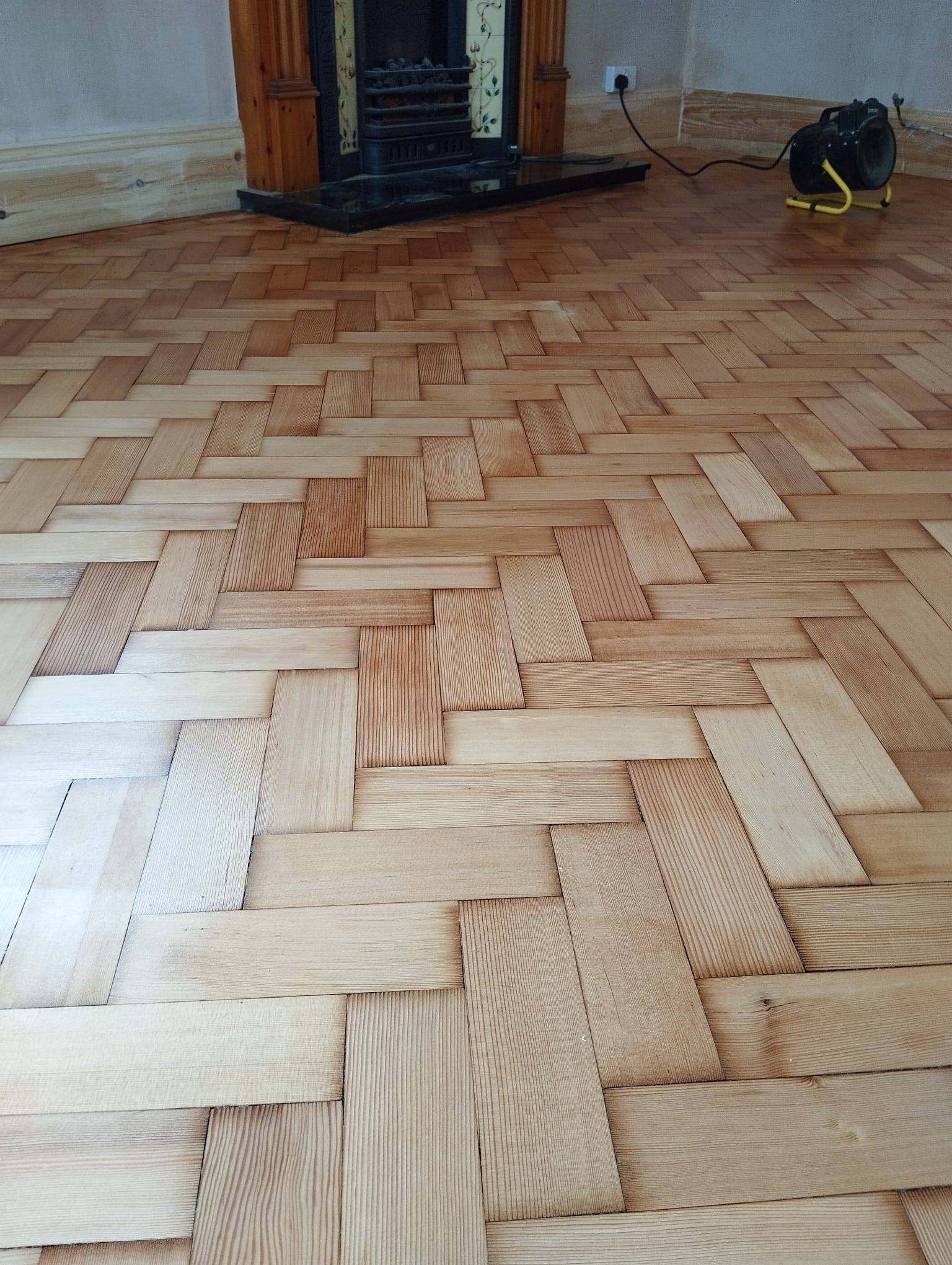
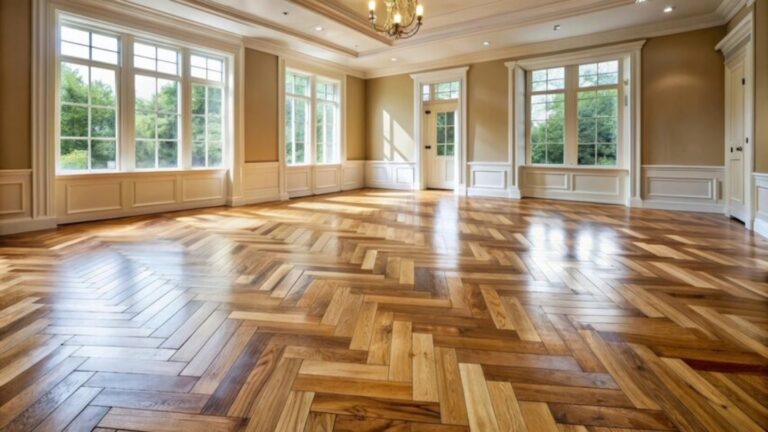
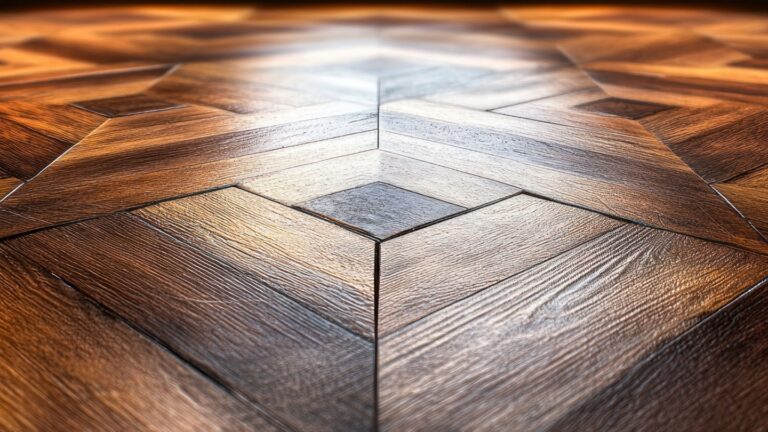
Herringbone parquet is the pattern most people picture, but floors from this era come in several layouts: double and triple herringbone, basket weave, brick bond and the small square tiles of mosaic panels. Whatever the pattern, the grain runs in more than one direction, so the sander cannot simply follow the boards as it would on a strip floor. The first cuts are made diagonally across the room, which levels blocks of every orientation at once. Later passes come back along the length of the room with finer grits, and the final stage uses a multi-disc or rotary machine to soften the scratches that would otherwise show across the grain of half the blocks.

The timber is not always oak. In the sixties and seventies, parquet was frequently made from tropical hardwoods such as iroko, sapele, merbau or teak, alongside oak and beech. These species behave differently once they are sanded. Iroko and teak are naturally oily, and as general guidance that oil can slow the drying of some finishes, so a compatible primer or a solvent wipe may be needed first. Merbau can bleed dark colour into a water-based finish. Beech moves noticeably with changes in humidity. Knowing what the floor is made of shapes the sanding sequence and the choice of finish, and our page on oak floor restoration covers the most familiar of these timbers.

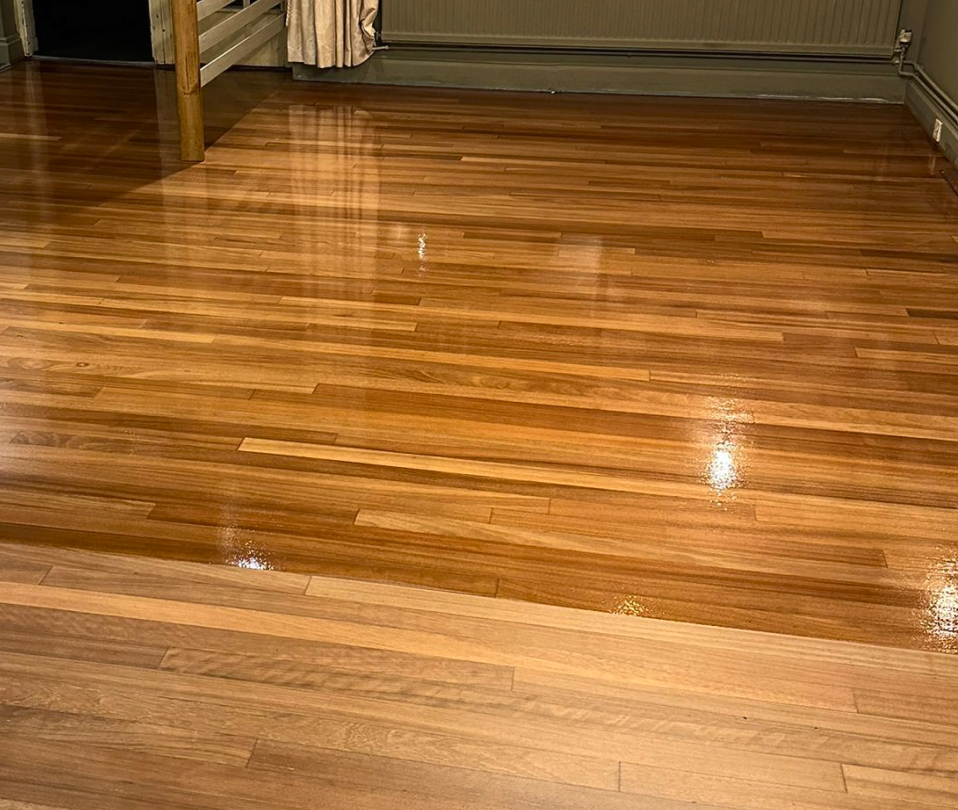
Colour is where these floors often surprise people. After decades under orange varnish and carpet, freshly sanded parquet is usually far paler and more varied than anyone remembers, with each block showing a slightly different shade. Some owners love that patchwork. Others want a more even, calmer look, which a carefully chosen wood floor staining can give, tested first on a few blocks in a corner. Tropical hardwoods tend to deepen again with light over the following months, while oak stays closer to its new colour under a water-based finish.

A hallway or landing may also have its original stairs nearby, and a lot of houses of this age were built with open-tread staircases. Those can be sanded too, with each tread worked by hand; our stair sanding service covers both open and closed stairs.

Commercial Floor Sanding in Yate: Shops, Pubs and Footfall

Commercial floor sanding in Yate brings a different set of priorities. The town grew around a pedestrianised shopping centre, and between the retail units, pubs, cafes, offices and community halls there is a fair amount of timber flooring taking constant traffic. Commercial floors are not damaged in the same way as domestic ones, so the work is planned differently.

In a shop, wear concentrates in very particular places. The entrance takes grit carried in from the walkway, which acts like sandpaper on any finish. The route to the till and the spot in front of it are scuffed by queues and shuffling feet. High heels concentrate a person’s weight onto a tiny point, enough to dent softer timbers. Trolleys, cages and pallet trucks roll heavy loads over the same narrow lines and can crush the edges of boards or blocks. The answer is usually a hard two-component lacquer, which resists scuffing and chemicals much better than a domestic coat, combined with a large entrance mat to stop the grit getting in at all. Our shop floor sanding work looks at those wear patterns when recommending a finish.

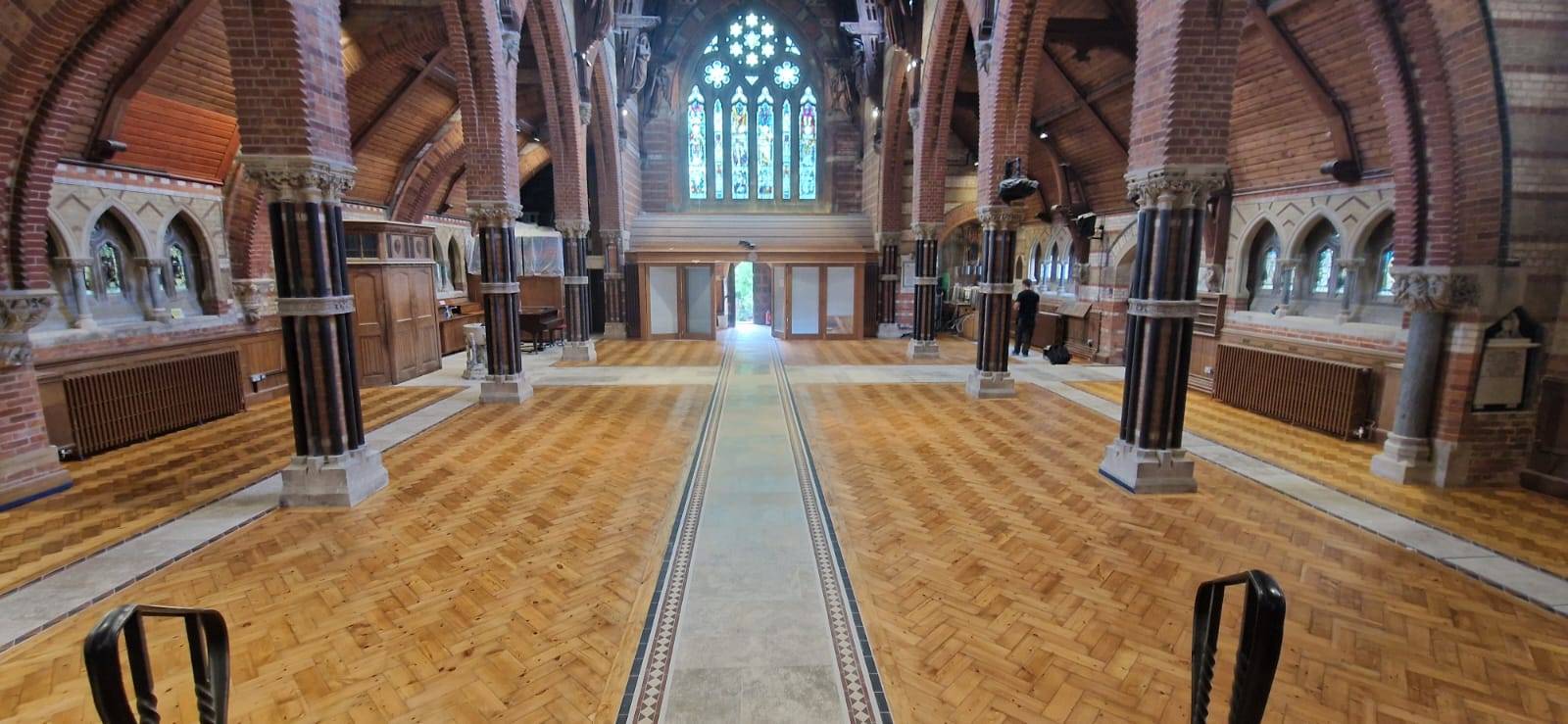
Timing is the other half. For a unit off the precinct, the work can start when the shutters come down and a quick-curing lacquer can be dry enough for staff to open up at the usual time. Larger units can be split into areas so trading continues in part of the shop. Pubs follow the same pattern after closing, though spilt drinks and cleaning products soaked into the timber need scrubbing out first so the new finish bonds; restaurant and pub floor sanding covers that preparation. Halls belonging to schools and churches tend to be booked for the long summer break, and if badminton or netball lines are needed, our team paints them to the sport’s own published layout; school floor sanding has more on this.

For managers who need documentation, method statements and insurance certificates can be sent before the work is booked. The full range of premises we handle is on our commercial floor sanding page.
flooring sanding company
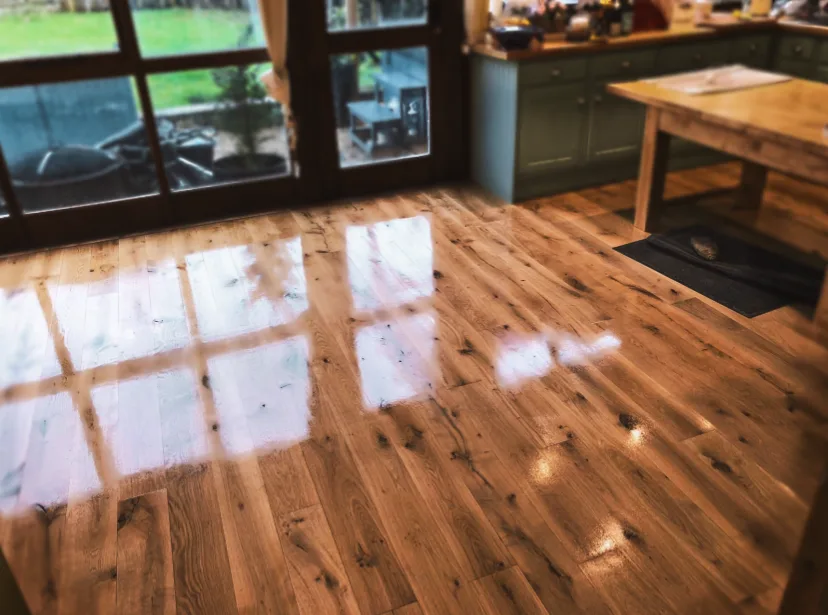
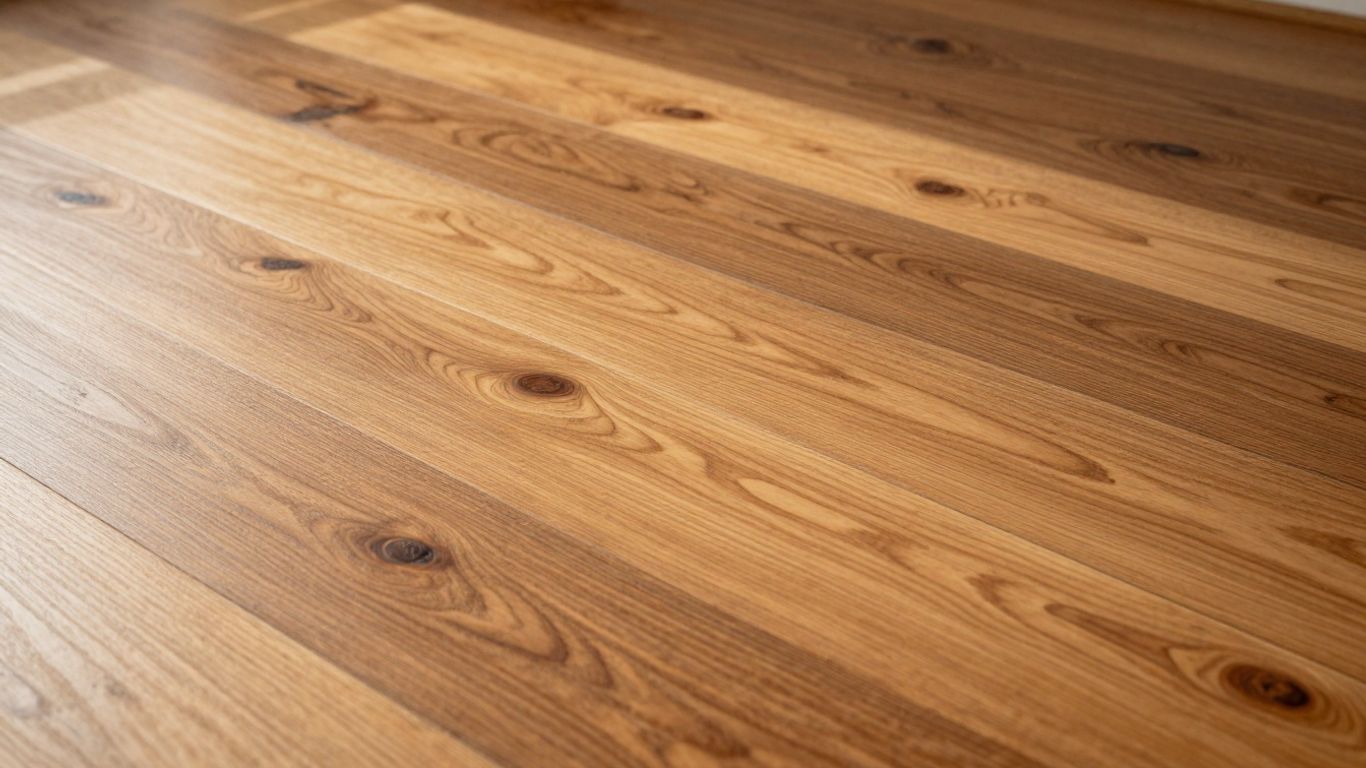
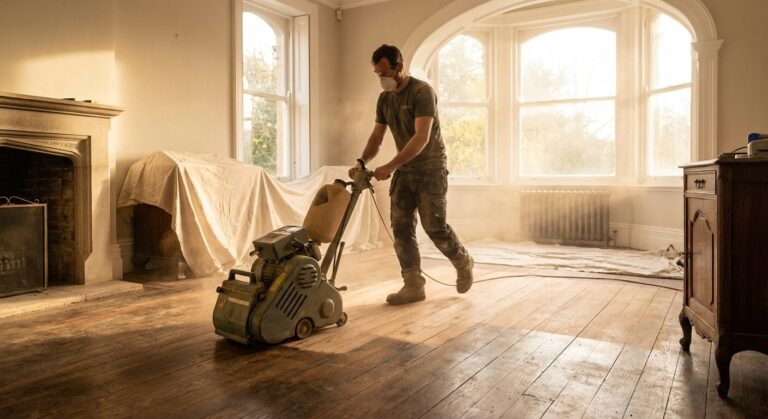
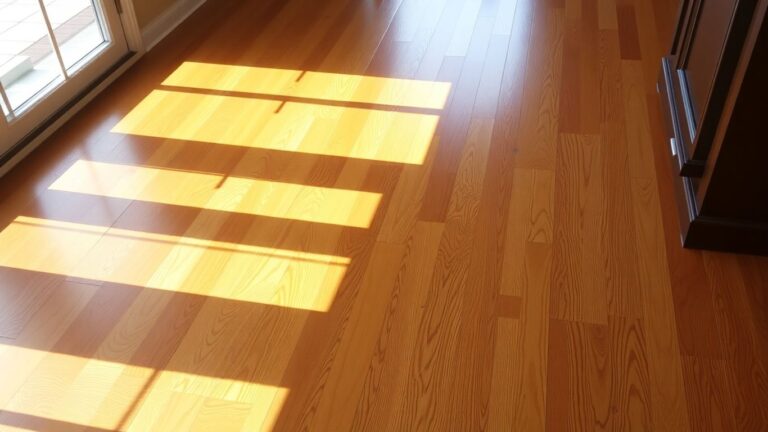
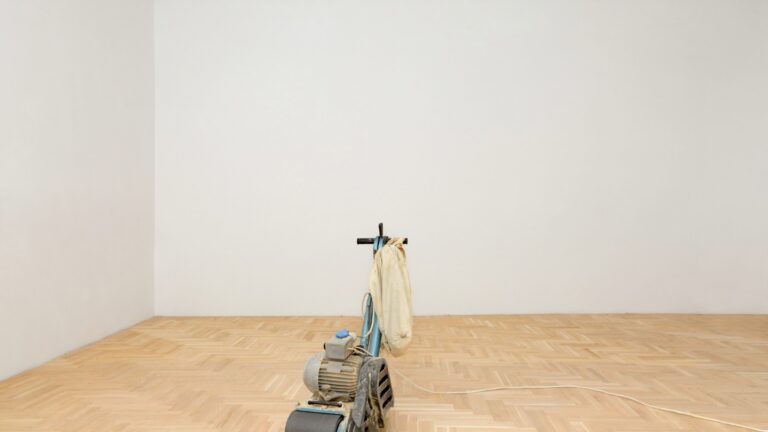
Sunlight across freshly lacquered wooden floorboards

Creaking Landings, Damaged Boards and Open Joints

Upstairs in many Yate houses the floor is a different animal. Softwood boards or chipboard sheets sit on timber joists, often with a carpet that has hidden their condition for decades. When those floors are exposed, they tend to show the marks of plumbers, electricians and central heating installers, all of whom cut boards to reach pipes and cables and then screwed or nailed them back down in a hurry. Before sanding, those patches are checked, refixed where loose and replaced where cracked or too short to sit on a joist.

Where boards are beyond saving, our floorboard replacement uses timber of a similar width and thickness, drawn from reclaimed stock where an older board needs matching. Chipboard decking is a separate case. It cannot be sanded as a finished floor, but it can be fixed down firmly and used as a base for a new timber floor laid on top.

Creaking is common on landings, where foot traffic is concentrated and the boards are often short sections around the stairwell. The cause is usually a board moving on its nails or rubbing against its neighbour, and the fix is to secure it firmly to the joist below, as explained under squeaky wood floor repair. On a parquet floor, a creak or click usually means a loose block, which takes us back to re-bonding.

Gaps between boards and blocks open for different reasons. Floorboards shrink in dry, centrally heated winters and swell in damp summers. Parquet blocks can open up when the adhesive has failed and the blocks have crept. Gap filling uses fine resin mixed with sanding dust for narrow joints, or slim timber strips glued into wider ones, but a gap caused by loose blocks needs re-bonding first, otherwise the filler cracks out within weeks. Other damage, such as split boards or burns by a hearth, is handled through our wooden floor repairs, and light surface marks can sometimes be dealt with locally using wood floor scratch repair.

Lacquer, Oil or Wax on a Restored Block Floor

Most parquet and strip floors laid in the sixties and seventies were finished with a solvent-based varnish that has turned deep amber with age. Once that coat is sanded off, choosing the new finish is as much about how the floor will be used as about how it should look.

Lacquer is the practical choice for hallways, kitchens and family rooms. It forms a tough, clear film over the wood. Pick a water-based product if you want the blocks to stay close to the pale shade they show straight after sanding. Pick an oil-based one if you miss the honeyed tone the floor had in the seventies. And where a hall carries school bags, football boots and a Labrador, a two-pack lacquer is the tougher option. Our wood floor sealing page explains the differences.

Oil gives a softer, more natural look. Rubbed into each block, a natural oil or hard wax oil brings out the variation between pieces of timber, and when the patch in front of the sofa dulls, you re-oil those few blocks and leave the rest alone. Oily tropical woods such as teak and iroko can take oil-based finishes better than some water-based lacquers, which is one more reason to know the species first. Wood floor oiling goes into the maintenance involved.

Paste wax was how many woodblock floors were kept before varnish took over. It looks rich, but a dropped glass of water leaves a white ring, it needs buffing up regularly, and any lacquer in future means taking every trace back off. Wood floor waxing suits a quiet sitting room better than a busy kitchen. A parquet floor that is flat, tight and merely dull may only need wood floor polishing instead of a full sanding.

Sheen also matters. A matt or satin finish hides scratches and dust far better than gloss and is less slippery when the floor is damp, which is worth thinking about in a hallway leading in from the garden.

Wood floor sanding company
Floor sanding taunton

After the Last Coat: Upkeep, New Floors and a Free Survey in Yate

A re-bonded and freshly finished parquet floor needs a few days of gentle treatment. The adhesive under any re-laid blocks needs time to cure, and so does the finish on top. Walking across it in socks is fine the next day. The sideboard, the rug and the office chair can wait until the third day, when the glue under the relaid blocks and the coating above have both had time to harden; carry things in, never drag them.

After that, the routine is straightforward. A good doormat stops grit at the threshold. Felt pads protect against chair legs. Parquet hates standing water. Hundreds of joints mean hundreds of ways in, so cleaning means a mop wrung almost dry with a neutral wood cleaner; a steam mop or a sloshing bucket can undo the re-bonding within a winter. In a home, a full resand is usually needed somewhere around the eight to ten year mark; a busy shop floor will need it sooner, typically every four or five years. Between sandings, wood floor buffing with a light abrade and a fresh coat can keep a lacquered floor looking crisp.

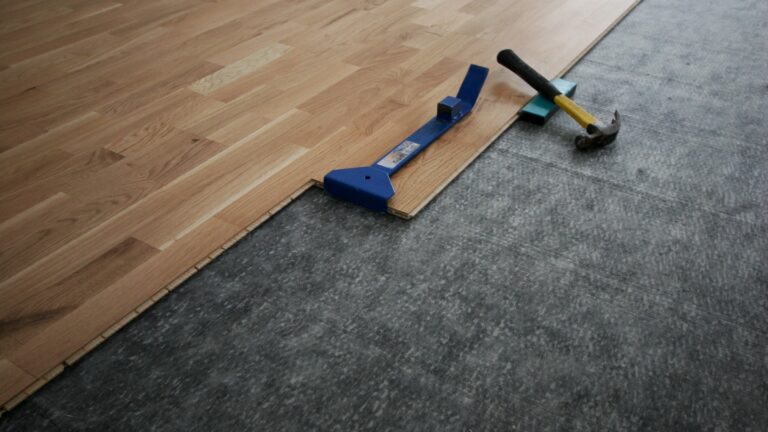
If part of the house has lost its original floor, perhaps under a kitchen refit or a new extension, a new timber floor can be fitted to sit alongside the restored parquet. With wooden floor installation we can supply the boards alone or fit them too, and the colour of the new floor can be picked to sit happily beside the original blocks.

The first step towards a quote is two pictures. A wide one taken from the door shows us the layout and pattern; a close one of a loose or worn patch tells us how much work the blocks need. Send them over to info@ryansrestoration.co.uk. If explaining is easier than photographing, ring 01823 674562 instead. A free half-hour visit comes next. We walk the floor tapping for hollow blocks, test the slab for moisture and look at past patching, and the quotation that follows sets out re-bonding, sanding and finish as separate items. For neighbouring towns, see floor sanding in Thornbury, or reach us through our contact page.

Yate Floor Sanding Questions

Very often, yes. Solid woodblock from the sixties and seventies is usually thick enough to sand, and once the old amber varnish is removed the timber can look very different. The main questions are how many blocks are loose and how many are missing. Both can be dealt with by re-bonding and fitting reclaimed blocks, and the survey tells you how much of each is involved.

Most woodblock floors of that era were laid in bitumen adhesive, which dries out and loses its grip over time. Damp coming up through the concrete, heat from radiators and years of foot traffic all speed this up. Any block that has let go has to come up, have the old black glue scraped off it and go back down in fresh adhesive before a sander touches the room; otherwise the drum snatches it and splinters the edges.

Usually it is bitumen, which is messy but not hazardous in itself. However, some black adhesives used in the middle of the twentieth century contained asbestos. As general guidance, if there is any doubt it is sensible to have a small sample tested before the adhesive is scraped or disturbed. Normal sanding stays within the timber and does not reach the adhesive.

Oak is common, but floors from the sixties and seventies were frequently laid in tropical hardwoods such as iroko, sapele, merbau or teak, and sometimes beech. Each sands and takes finish slightly differently, and the oily species need extra preparation. The timber is identified during the survey so the right sanding sequence and finish can be chosen for it.

In most cases, yes. Work begins after the shop shuts for the evening, or on its closed day, and the coating used hardens quickly enough for the morning shift to walk in. Larger units can be split into sections so part of the shop stays open. Fixing the dates weeks ahead gives you time to warn regulars and move deliveries.

Two-pack lacquer is normally the one we would recommend, since it cures far harder than a household coat and stands up to the floor cleaners a busy bar uses every night. A matt or satin sheen hides wear and is less slippery when wet, and an anti-slip additive can be used where needed. Equally important is a deep mat inside the door, catching the sand and grit from the car park before it reaches the timber.

Usually, but carefully. Mosaic panels are made from small fingers of hardwood and are thinner than full woodblocks, often around eight to ten millimetres. They take fewer coarse passes and a lighter touch, and loose fingers need gluing back before sanding. Where panels are badly damaged or missing, individual fingers can be cut and fitted by hand.

Light traffic in socks is fine roughly a day after the last coat. Furniture, rugs and anything on castors should wait two to three days so the finish can harden and any re-bonded blocks can set. Lift furniture into place rather than sliding it, and put felt pads under the legs before it goes back.