Floor Sanding Exeter

Floor Sanding and Wood Floor Restoration in Exeter

QUICK QUOTATION

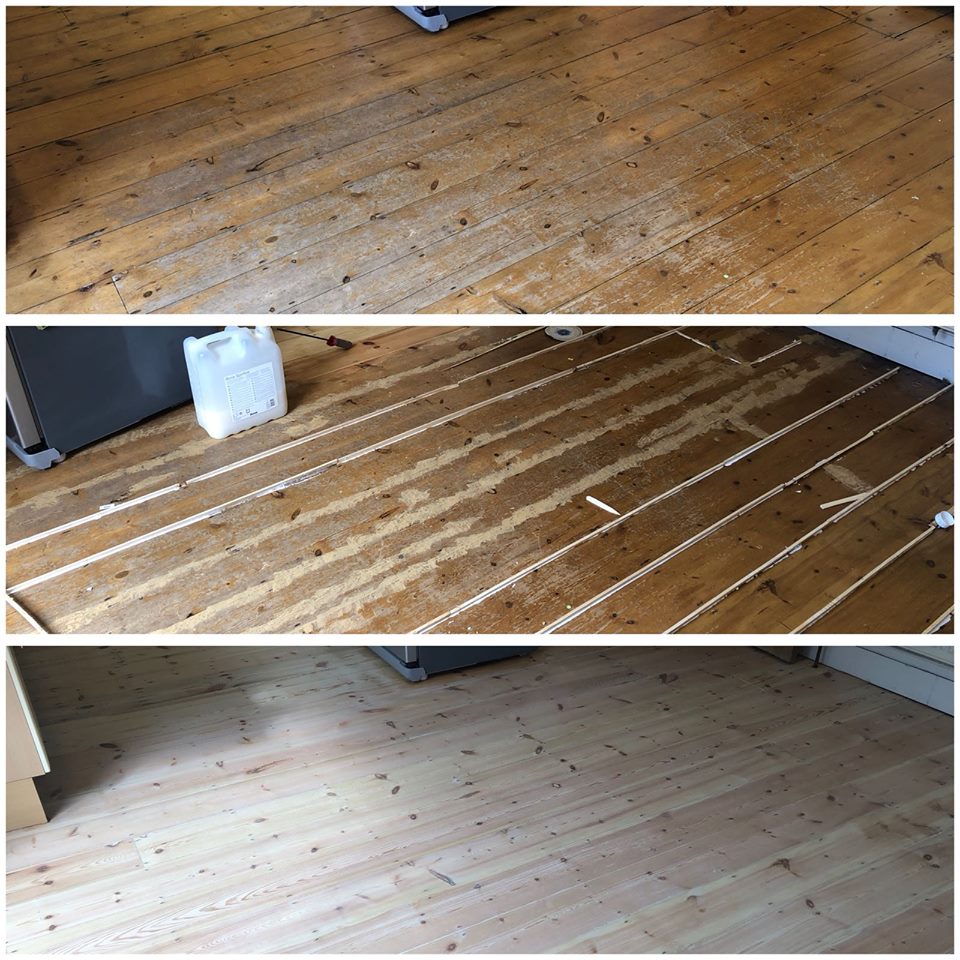
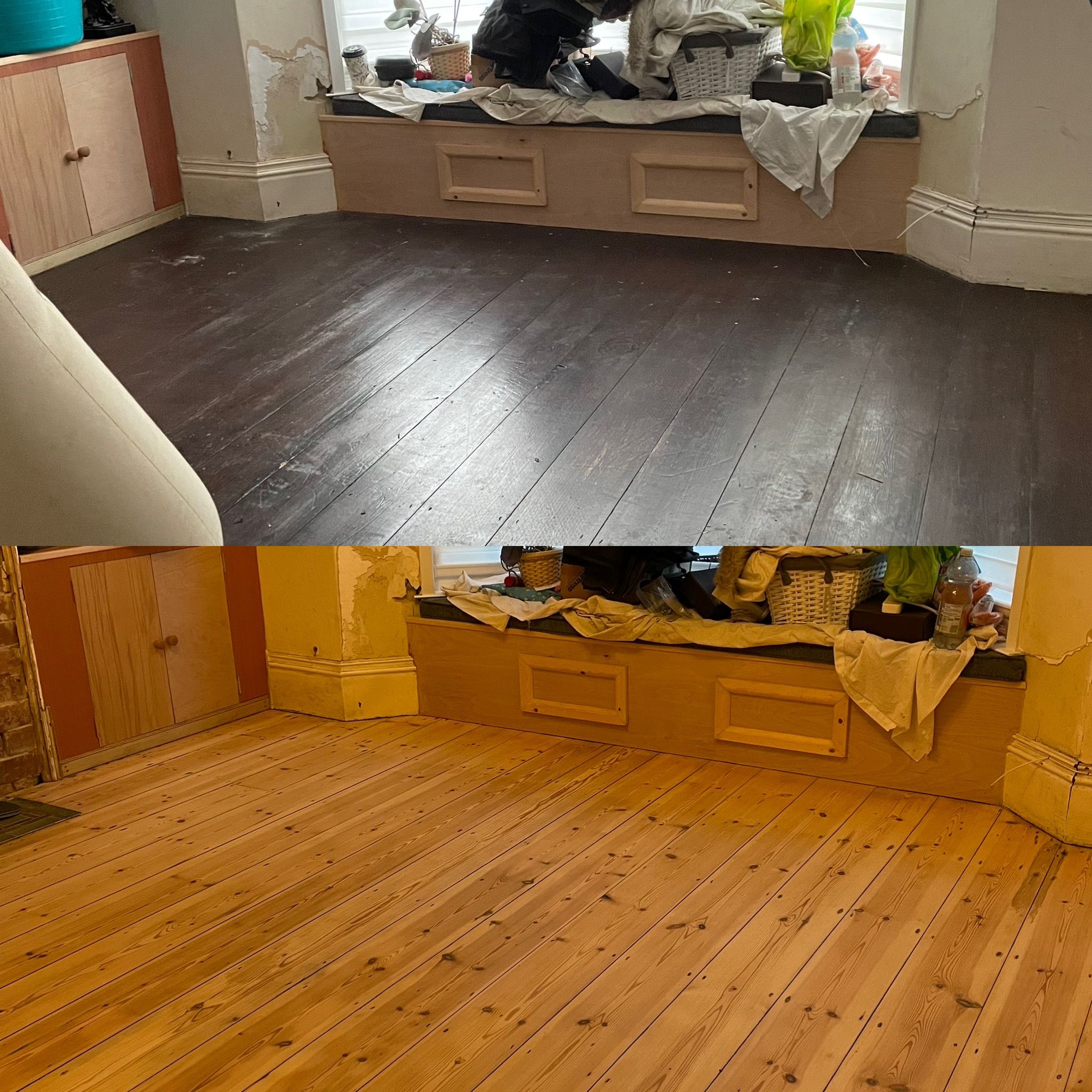
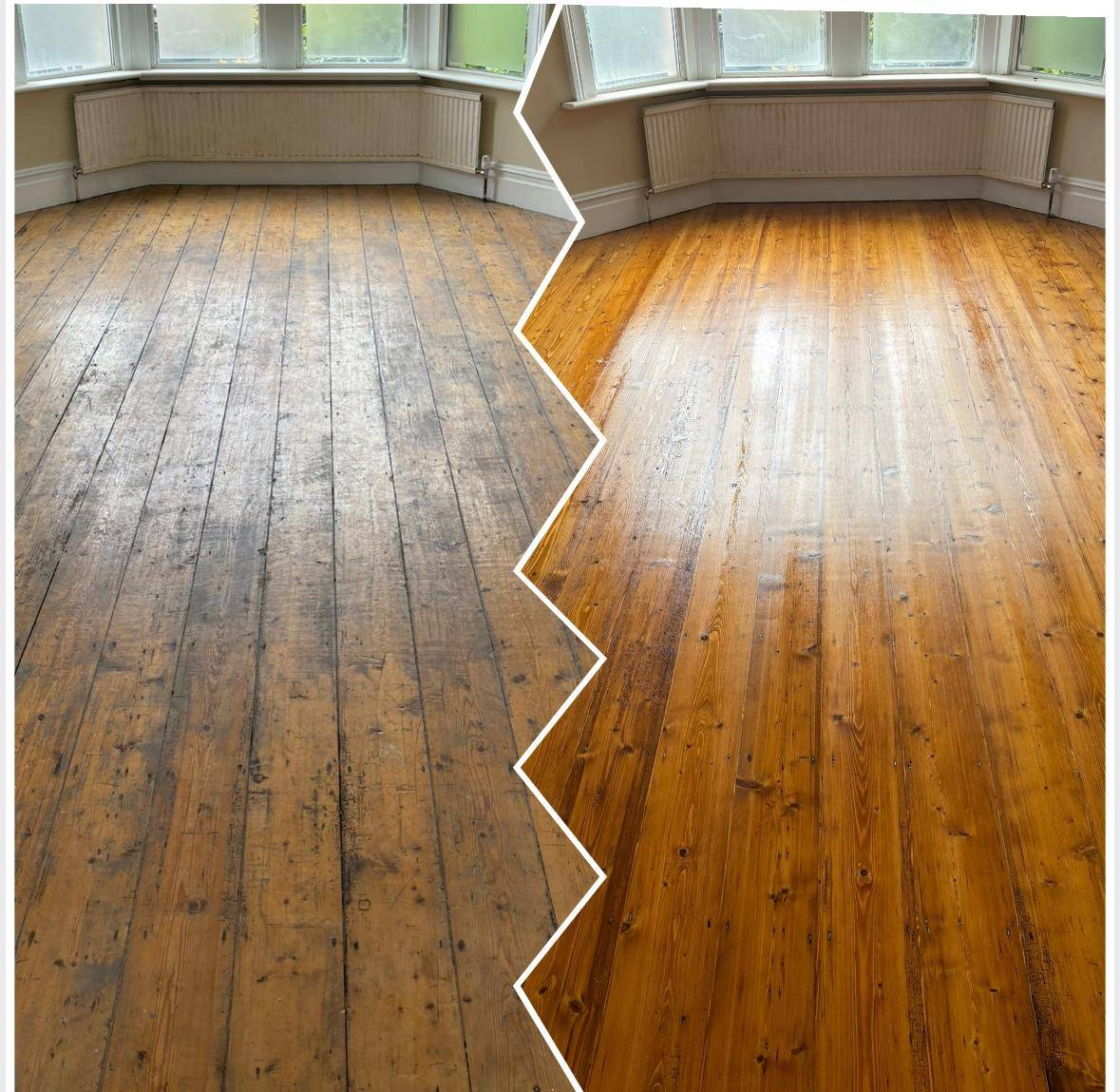
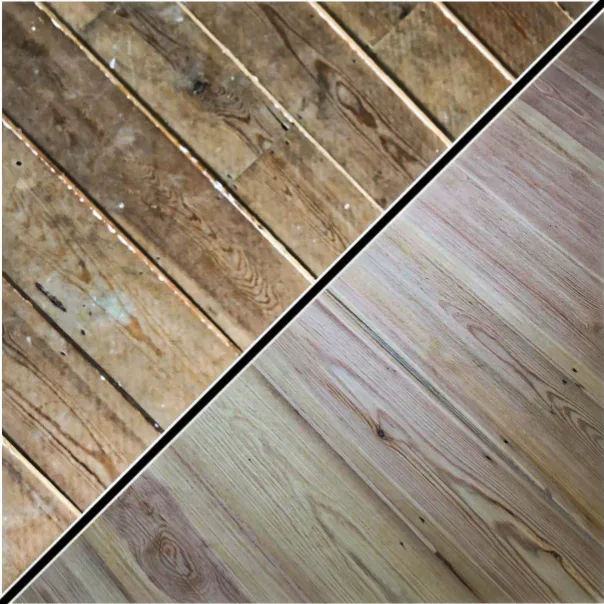
Floor sanding before and after

Floor Sanding in Exeter

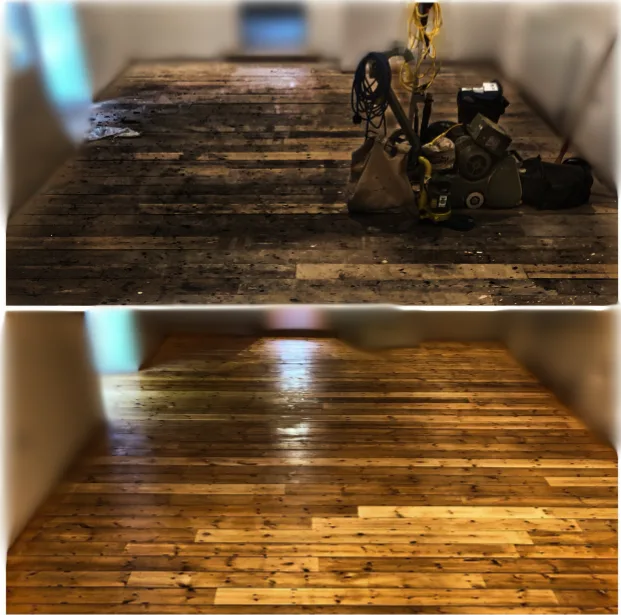
We provide complete wood floor sanding across Exeter, from wide Georgian boards around Southernhay and St Leonards to Victorian pine in Heavitree and St Thomas. Every job follows the same sequence: we assess the timber, carry out any repairs, sand the floor flat through progressively finer grits, then apply the finish you have chosen.

Our machines run sealed dust extraction that captures the overwhelming majority of dust at source, so rooms stay usable and clean-up is minimal. If a floor only needs reviving rather than a full sand, we will say so — see restoring wood floors without sanding.

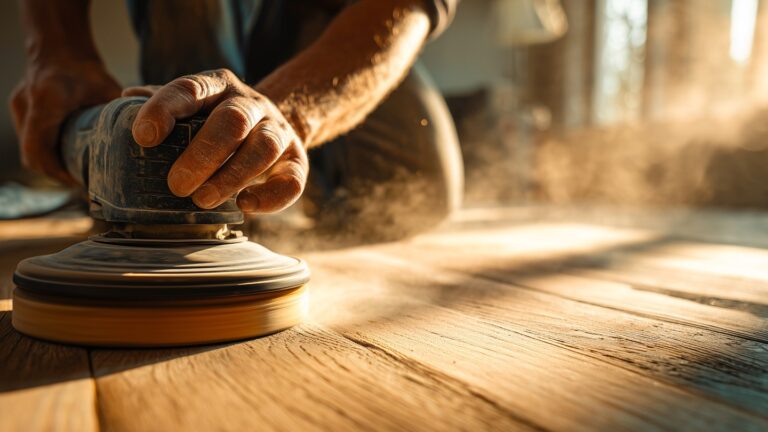
A full sand is staged rather than done in a single pass. We open up with a coarse abrasive to cut through the old finish and level any cupped or uneven boards, work through the medium grits to erase the coarser scratch pattern, and stop at a fine grit that leaves the timber smooth enough to seal. Before the first cut, every exposed nail head is punched below the surface — it protects the abrasives, the machine drum and the flatness of the finished floor.

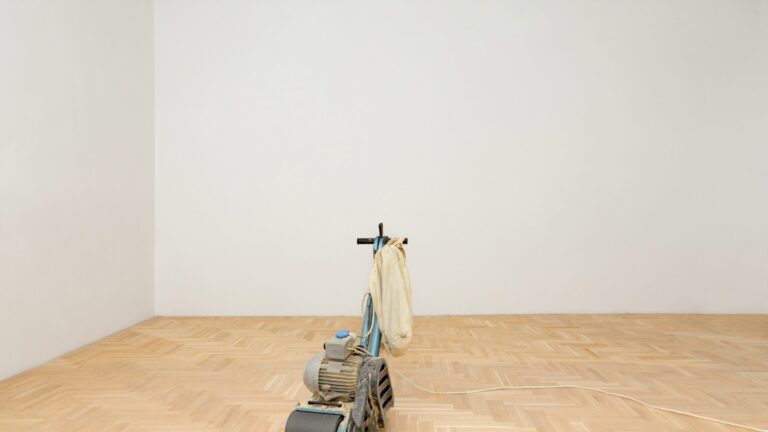
The belt machine handles the open field of each room, a purpose-built edger works the perimeter, and corners, thresholds and pipe surrounds are finished by hand. Between the final passes the whole floor is vacuumed and wiped over with a tack cloth, so no stray grit gets trapped beneath the seal. Sanding always runs with the grain on plank floors; going across it leaves scratches that only show up once the finish goes on.
Commercial Floor Sanding in Exeter

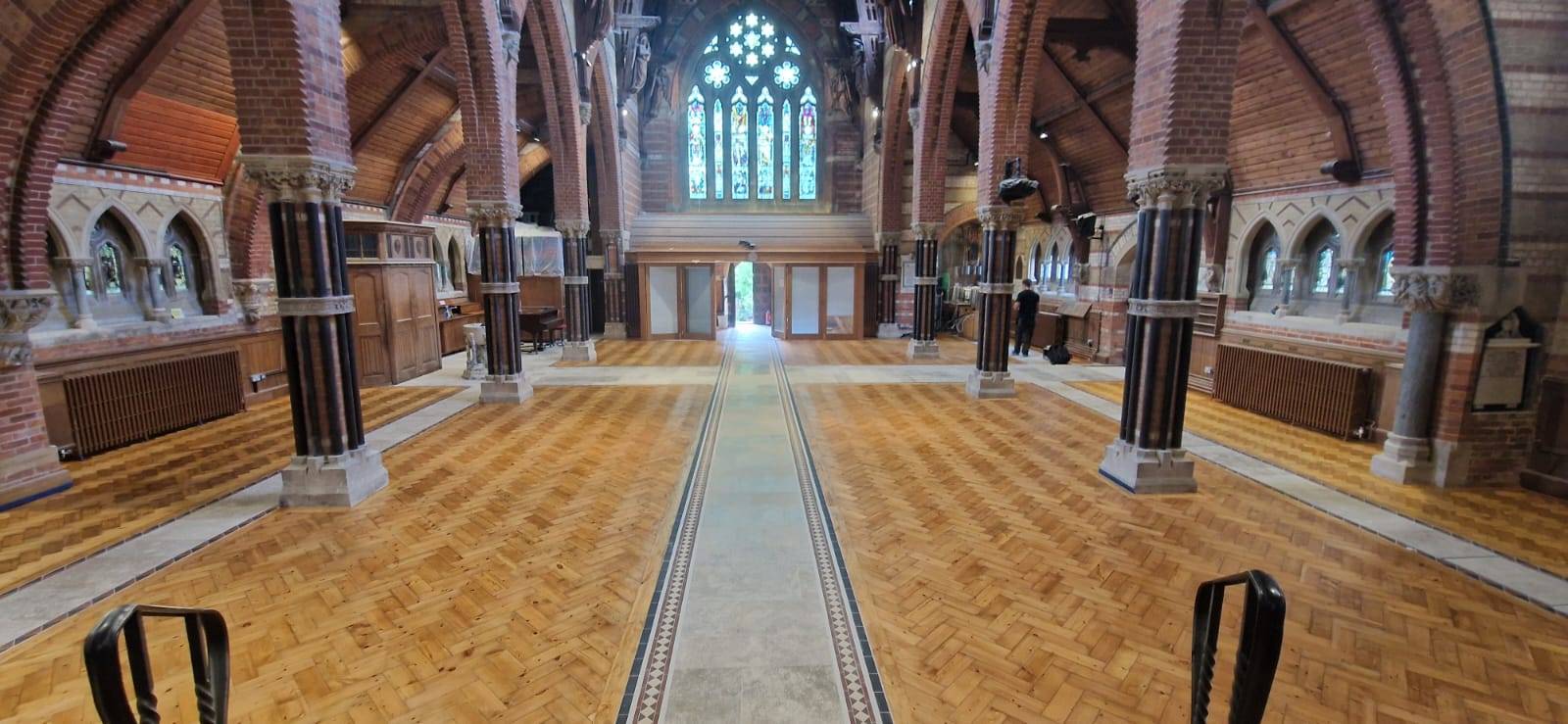
Our commercial floor sanding service covers shops, restaurants and pubs, schools, hotels and sports halls throughout the city. We work overnight and at weekends so trading is not interrupted, and we supply method statements and insurance documentation for site sign-off.

Sports floors can be line marked to governing body specification. Exeter’s large rented sector suits our way of working too: hard-wearing lacquer systems for student lets, phased to tenancy changeover dates so the property is ready for the new intake.

Commercial jobs begin with a pre-start survey. We measure the areas involved, check the condition and thickness of the timber, agree access and power arrangements, and identify anything that needs isolating before machines arrive. The method statement we then issue covers working hours, dust extraction, the products being applied with their data sheets, and how each area is barriered off while coats dry.

Cure times drive the programme. A water-based commercial lacquer will normally accept careful foot traffic the next morning, but full hardness takes days longer, so we schedule furniture, mats and heavy trolleys back onto the floor only once the coating can take them. For food-service floors we specify seals with appropriate slip resistance, and phased working lets one section trade while the next is closed off behind barriers.

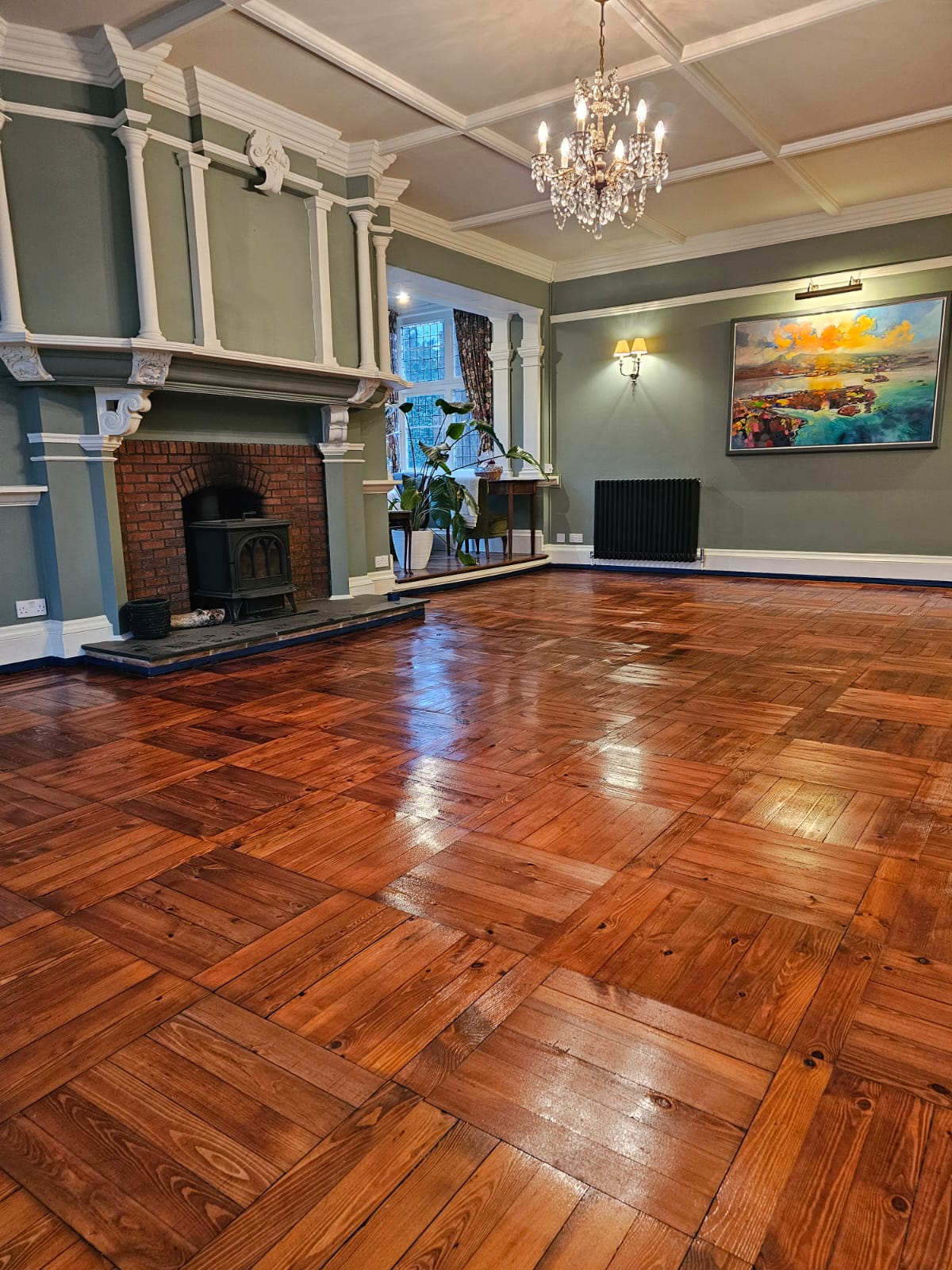
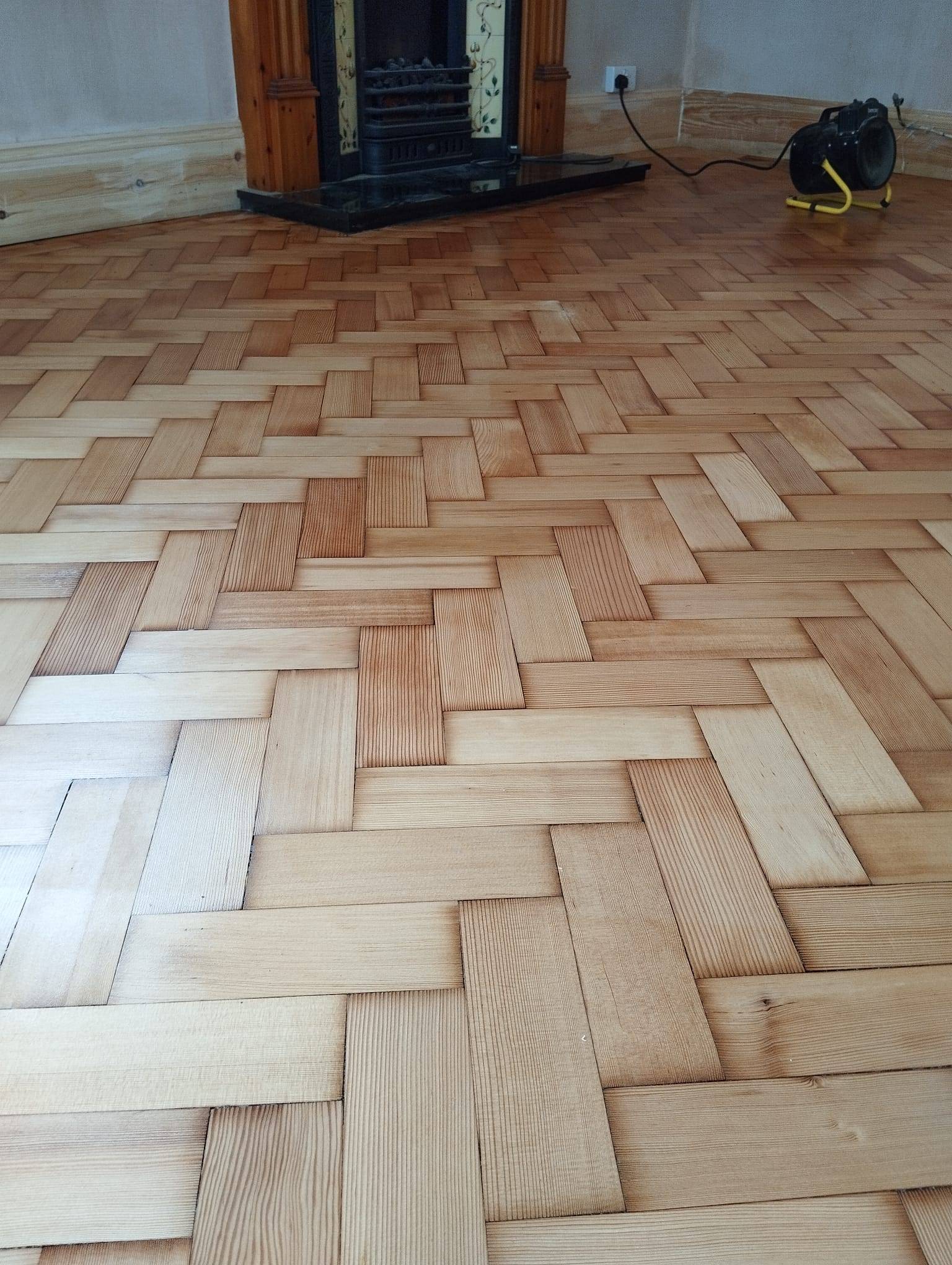
parquet wooden floor sanding
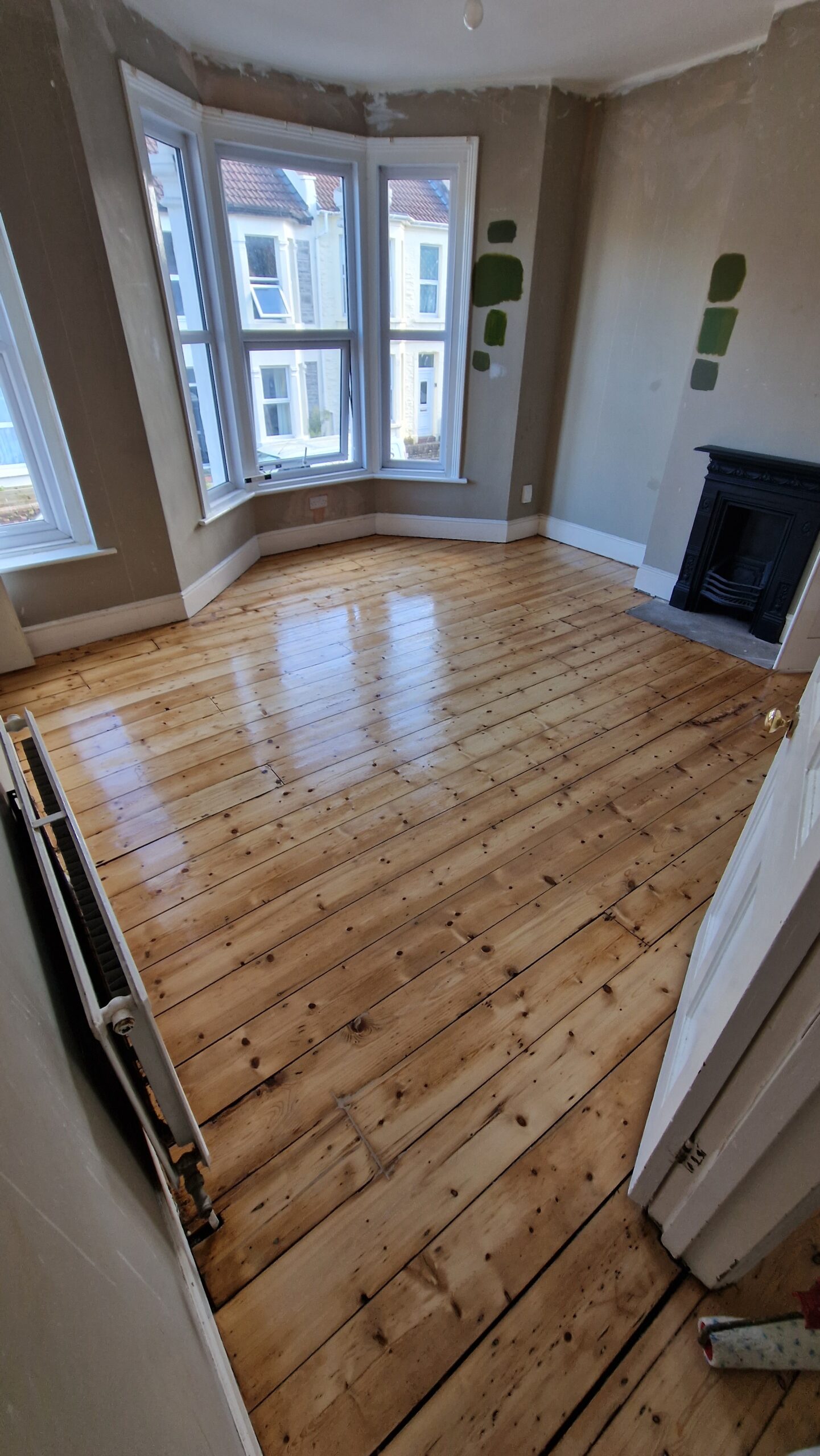
wooden floor sanding

Wood Floor Repairs and Floorboard Replacement

Sanding only succeeds on a sound floor, so wood floor repairs come first. We re-fix loose boards, deal with squeaks by securing movement at the joists, and carry out scratch repair on localised damage that does not justify a full sand.

Where boards are split, rotten or beyond saving, our floorboard replacement service uses reclaimed timber from our own stock, matched for species and width so the new board takes the finish like its neighbours.

Squeaks are traced, not guessed at. We walk the floor board by board, find where timber is moving against a joist or where a fixing has lost its grip, and secure that movement directly — usually without lifting anything. Where damage is confined to part of a board, piecing-in a section of matching timber is often better than replacing the whole length, because it keeps more of the original floor intact.

We are equally candid about limits. Boards sanded thin by previous restorations, timber with active woodworm, or joist ends softened by damp need proper remedial work first, and we will say so at the survey rather than part-way through a sand. Replacement stock is matched not just for species and width but for thickness, so the new board sits flush without packing.

Gap Filling Between Floorboards

Draughts between boards are one of the most common reasons Exeter customers call us. Our gap filling service offers two approaches. Resin mixed with fine sanding dust suits floors with modest, stable gaps. Tapered timber slivers, glued in, planed and sanded flush, suit older floors with wider gaps and more seasonal movement, because the sliver flexes with the boards instead of cracking out. We recommend whichever will actually last on your floor and put the reasoning in the quotation.

The choice between the two methods comes down to gap width and how much the floor moves through the year. As a working rule, narrow and consistent gaps suit resin, while anything wide enough to lose a coin down calls for slivers. On suspended ground floors we also check that filling will not block ventilation the floor structure relies on — airflow below the boards matters as much as draught-proofing above them.

flooring sanding company
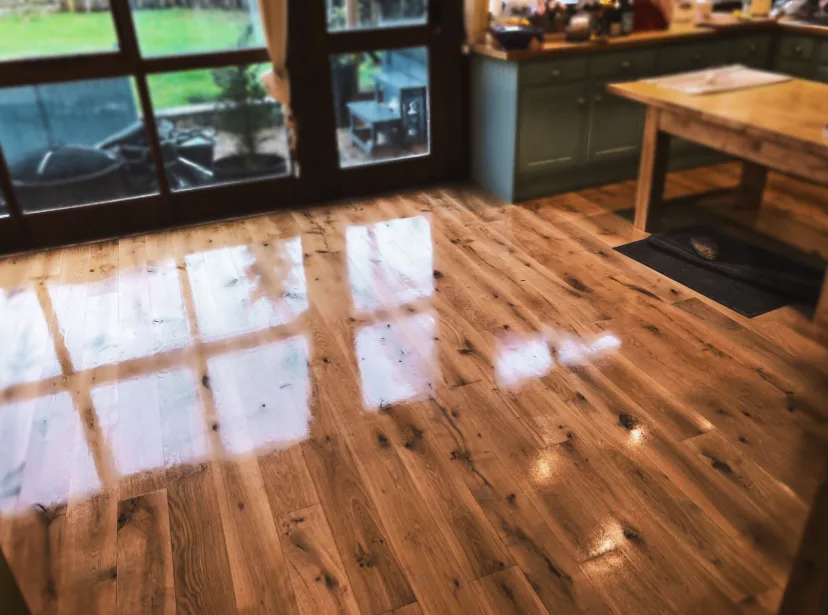
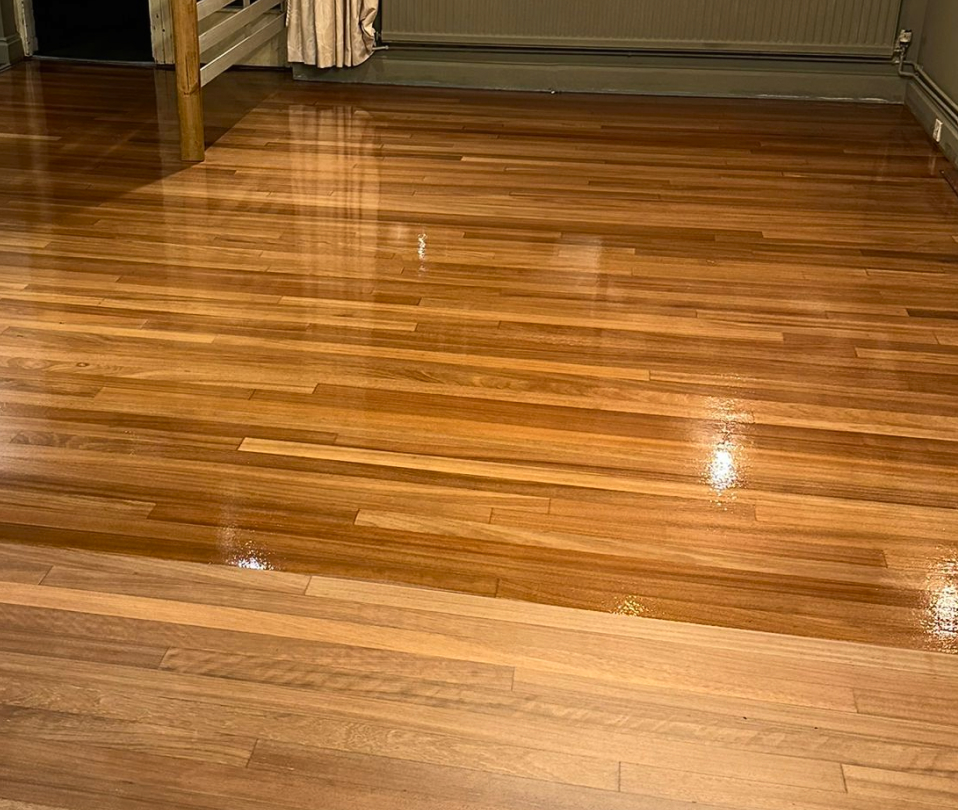
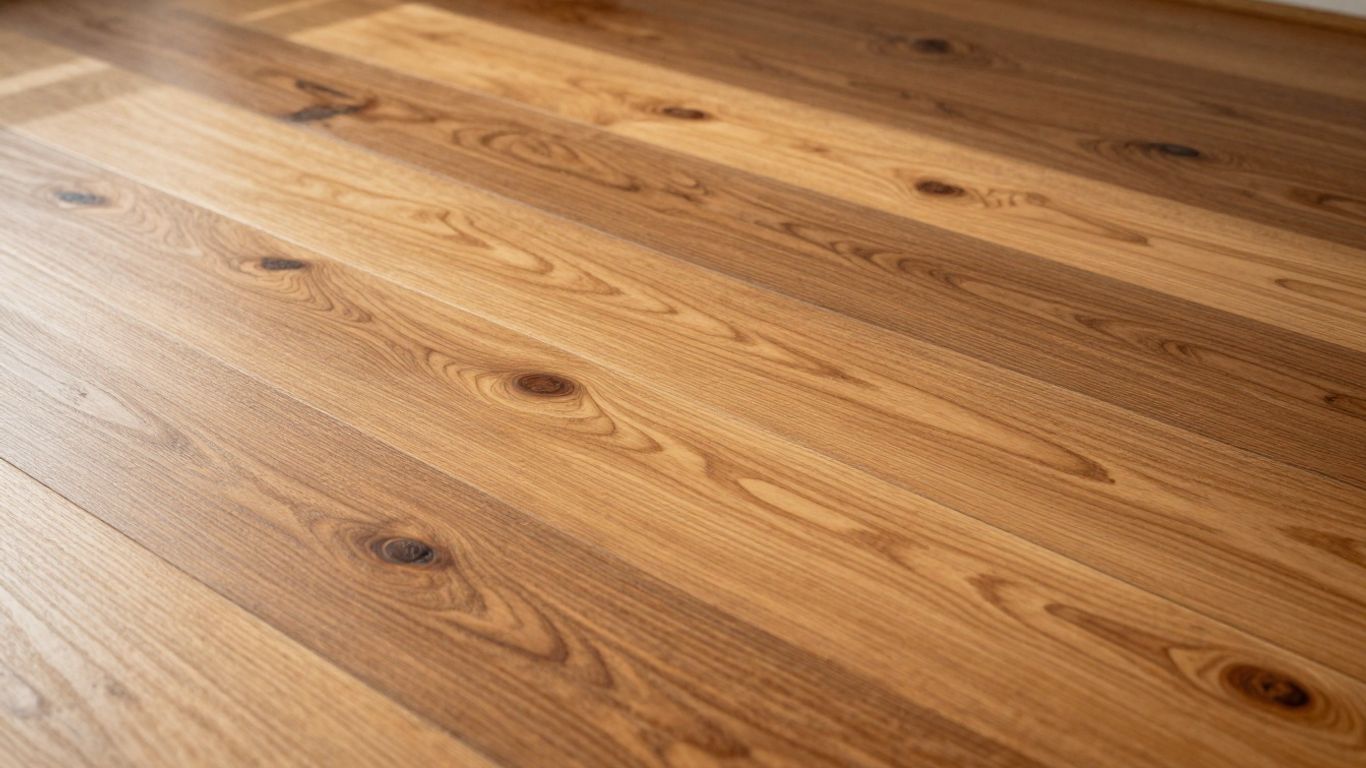
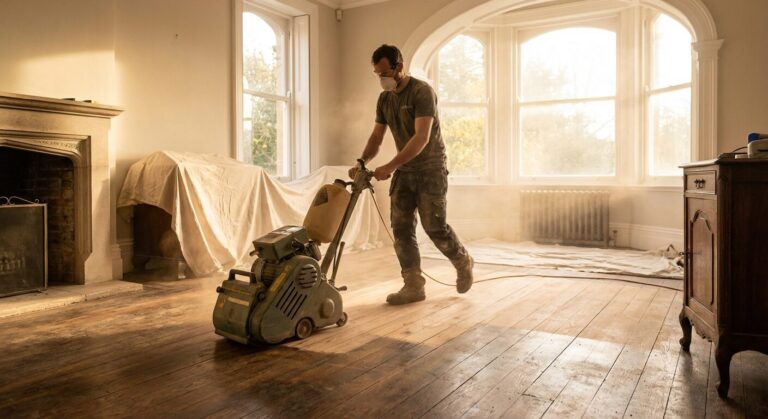
Sunlight across freshly lacquered wooden floorboards

Parquet Floor Restoration

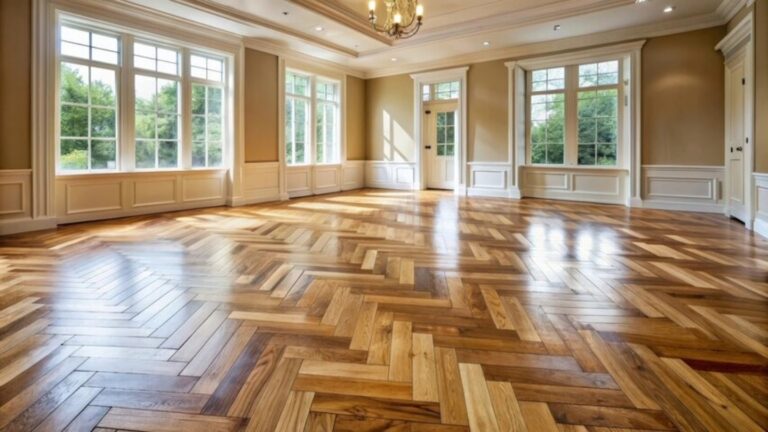
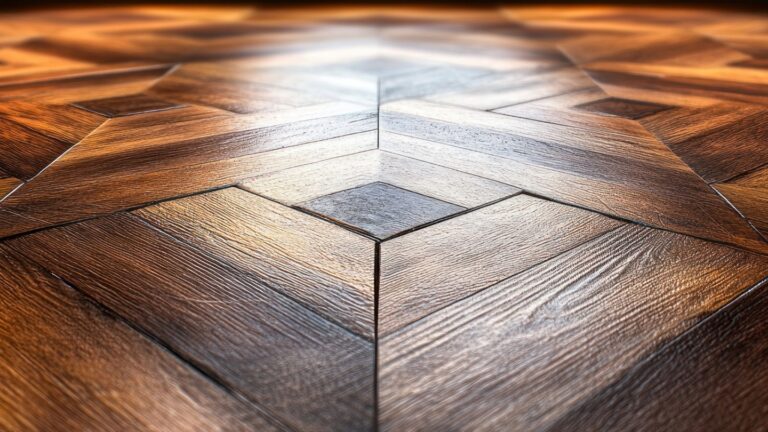
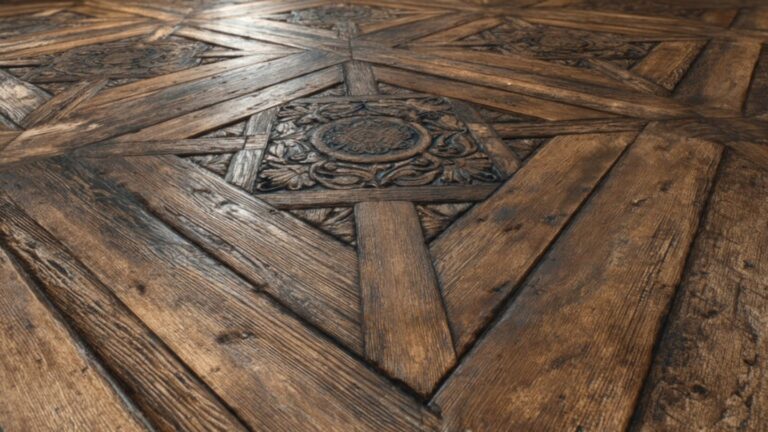
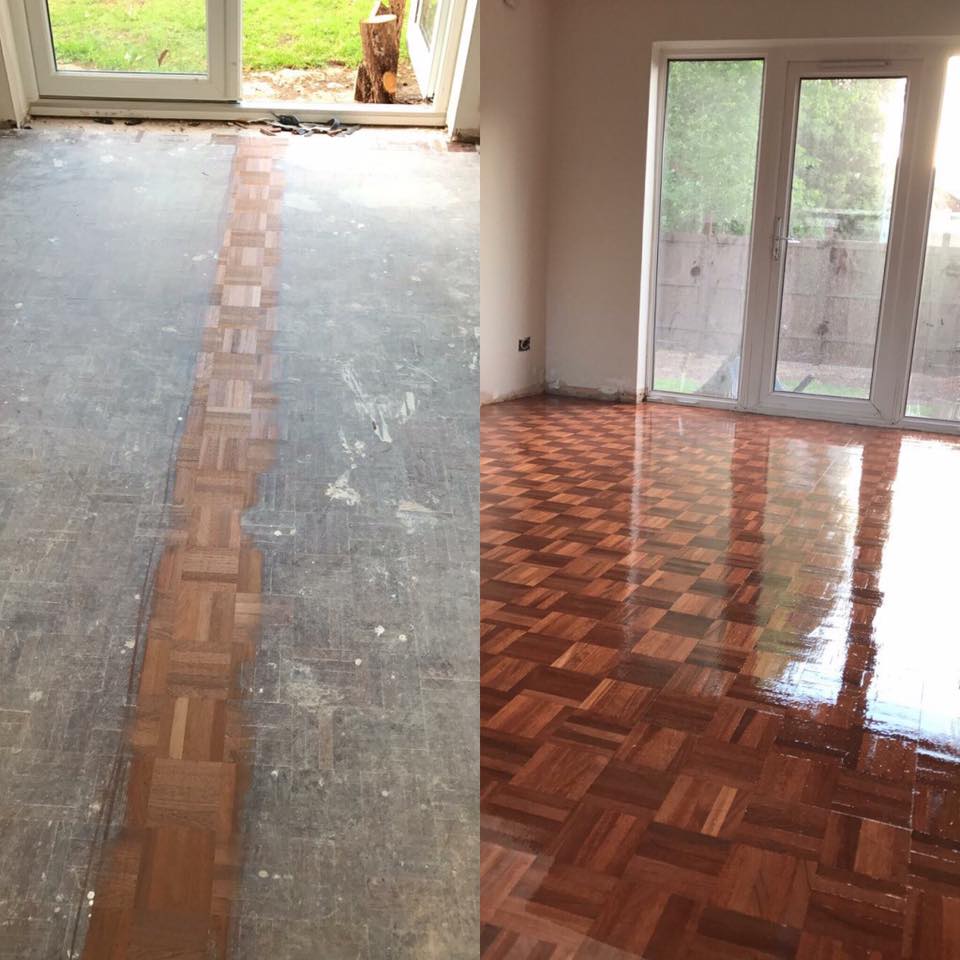
Exeter’s post-war housing and older public buildings hold plenty of parquet, often hidden under carpet. Our parquet floor restoration service lifts and re-bonds loose blocks, replaces missing ones from reclaimed stock, then sands the whole floor flat across the pattern with multi-directional machines before sealing. Herringbone, basketweave and brick-bond layouts are all familiar work for us. If you suspect blocks under an old floor covering, lift a corner and send a photograph.

Mid-twentieth-century blocks were almost always bedded in bitumen, and old adhesive left on the underside of a lifted block stops it ever sitting flat again. We scrape each block clean before re-bonding it with a modern flexible adhesive that copes with seasonal movement far better than the original bed did.

Once the pattern is sanded flat, the joints between blocks are filled with resin mixed from the floor’s own fine sanding dust, so the filler takes stain and seal exactly as the surrounding timber does. Only then is the finish applied across the whole surface in one continuous operation.

Staining, Sealing, Oiling and Waxing

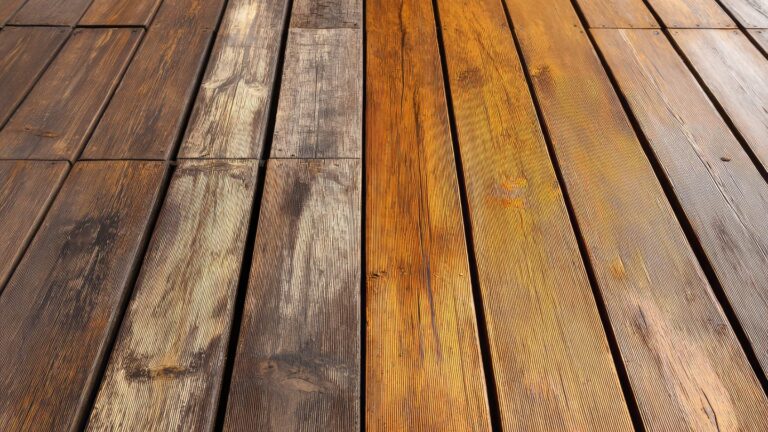
The finish decides how the floor looks and how it wears. We apply hard-wax oils and penetrating oils for a natural, repairable surface, tough water-based and commercial lacquers through our floor sealing service, traditional wax finishes for period interiors, and floor staining where you want the colour changed before sealing.

Later on, buffing and recoating or a fresh coat of polish keeps a finished floor in good order for years between sands. We also carry out stair sanding and new wooden floor installation.

The practical differences between systems are worth understanding before you choose. Water-based lacquers keep the timber close to its natural colour, have little odour and dry quickly between coats; oil-modified alternatives bring a warmer amber tone and a slightly longer working life in some settings. Hard-wax oil sits in the wood rather than on it, so worn patches can be re-oiled locally without sanding — the trade-off is a maintenance coat every year or two in busy rooms.

Sheen is a separate decision from product: matt hides wear and small scratches best, satin gives a soft glow most customers choose, and gloss shows the figure of the timber but also every footprint. Stains are always tested on your own sanded boards first, because species, age and old treatments all change how colour takes. Remember too that drying and curing are different things — a floor you can walk on tonight may still need several days before rugs go down.

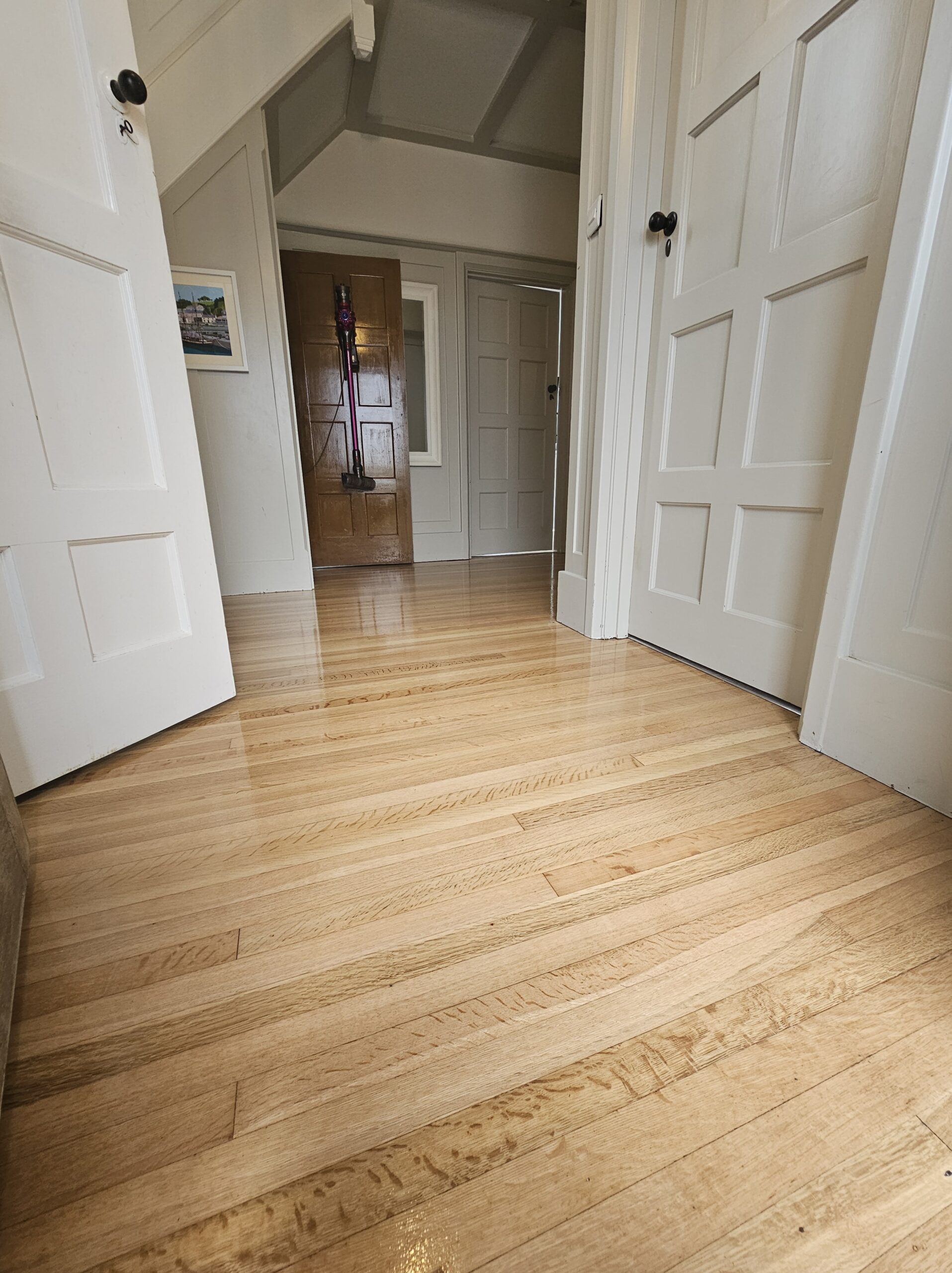
Wood floor sanding company
Floor sanding taunton

Get a Floor Sanding Quote in Exeter

Send us two photographs of your floor — one of the whole room, one close-up of the worst area — and we will give you an honest opinion and a fixed written quotation. We also offer a free, no-obligation site survey anywhere in Exeter, usually within the week.

Call 01823 674562, email info@ryansrestoration.co.uk, or use the form on this page.

All services available in Exeter: floor sanding, commercial floor sanding, wood floor repairs, floorboard replacement, gap filling, parquet restoration, staining, oiling, waxing, stair sanding and floor installation.

Nearby areas we also cover: Crediton, Cullompton, Dawlish and Exmouth. There is a page for each, and the full list of towns is on our areas we cover page.

FAQ: Floor Sanding in Exeter

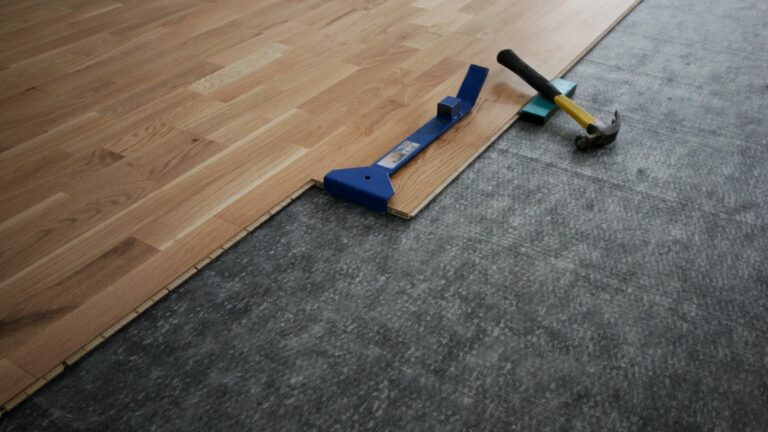
Everything to do with wooden floors: sanding and restoration, repairs and board replacement, gap filling, parquet work, staining, sealing, oiling, waxing, stair sanding, buffing and recoating, and new floor installation.

In most cases, yes. We schedule overnight and weekend shifts around your opening hours, and phased working lets a shop, pub or school stay open while the floor is done in stages.

Often. Loose fixings, squeaks and surface damage are usually repairable in place. Where a board is split or rotten we replace it with reclaimed timber matched to your floor.

Yes. We re-bond loose blocks, source period-matched replacements from our reclaimed stock, sand across the pattern and seal. Herringbone and basketweave layouts are regular work.

Yes. Staining before sealing can take a floor darker or shift its tone, and we test sample patches on your own boards first so you approve the colour before we commit.

Engineered boards usually can, once or twice, depending on the thickness of the wear layer — we check it before quoting. Laminate cannot be sanded; we can advise on replacement.

Our machines run sealed extraction that captures the overwhelming majority of dust at source. There is no fog of dust through the house, and most customers stay in during the work.

Photograph the floor twice — whole room and worst patch — for an honest opinion and a fixed written quotation, or arrange the free survey; there is never any obligation. 01823 674562 or the form here.

A single average room is typically sanded and sealed inside two days, with larger or multi-room jobs planned room by room so you keep use of most of the house. The survey confirms a timescale for your floor before work starts.

You can usually walk on the floor in socks the day after the final coat, but lacquers and oils keep hardening for several days afterwards. We advise waiting before sliding furniture back, fitting felt pads under legs, and leaving rugs off until the finish has fully cured.