Floor Sanding in Exmouth, Where the Beach Comes Indoors
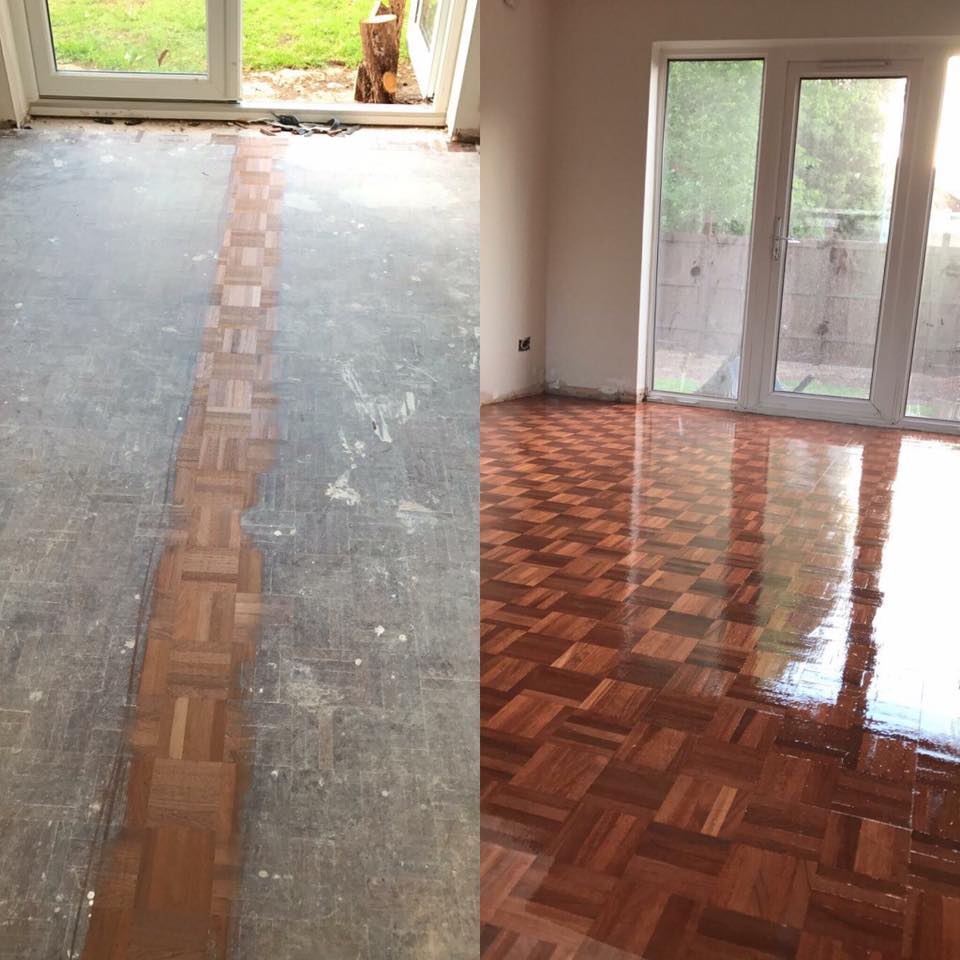
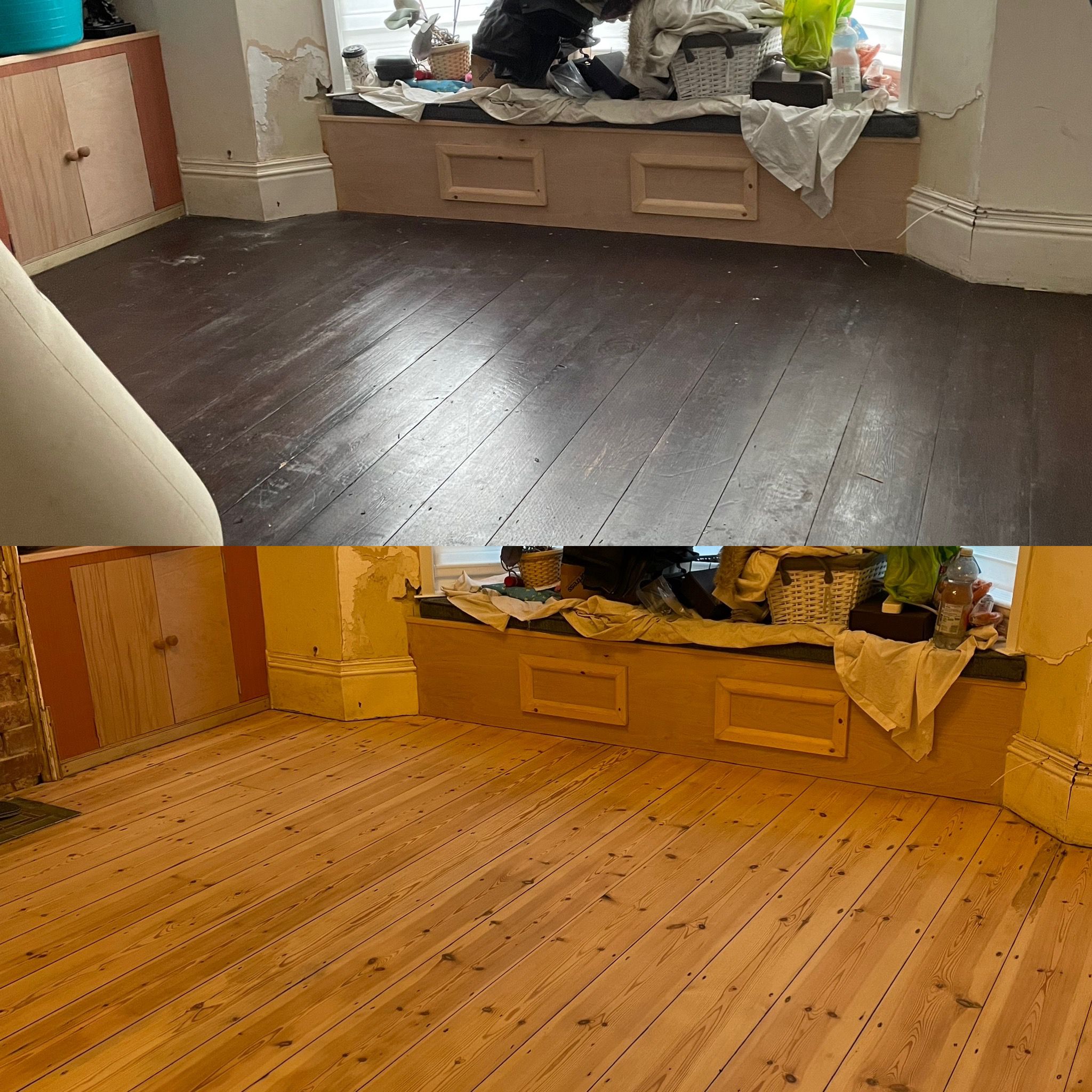
Exmouth has two miles of sand on its doorstep, and a good deal of it ends up in the town’s hallways. That is the single biggest factor in how floors wear here. Fine sand behaves like loose sandpaper: every step grinds it a little further into the finish, and a lacquered hall that would last ten years inland can go grey along the walking line in three. So most requests for floor sanding in Exmouth start the same way, with a front room or hall that has lost its shine in a band from the door to the kitchen while the corners still look new.
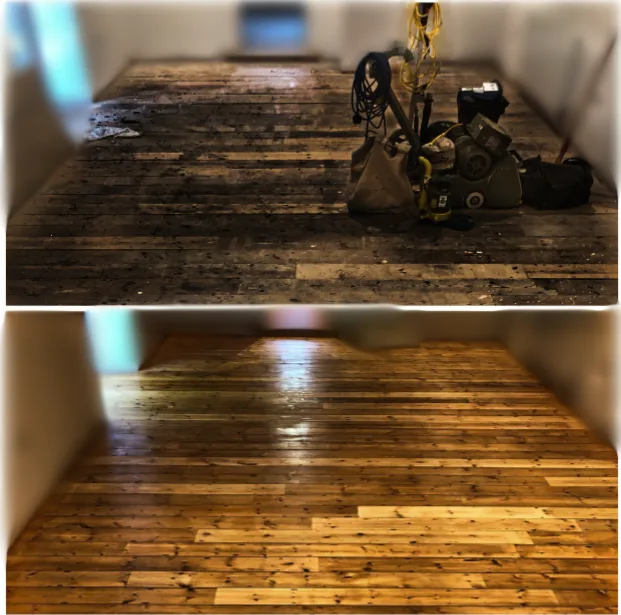
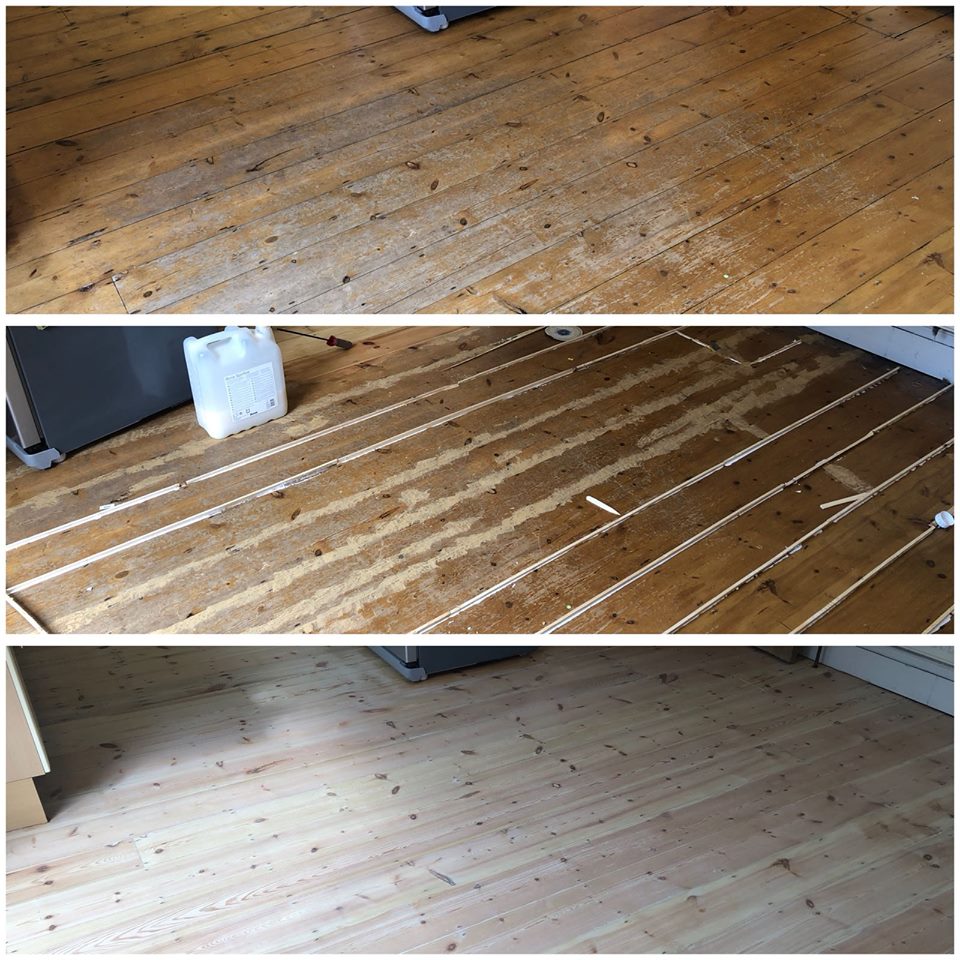
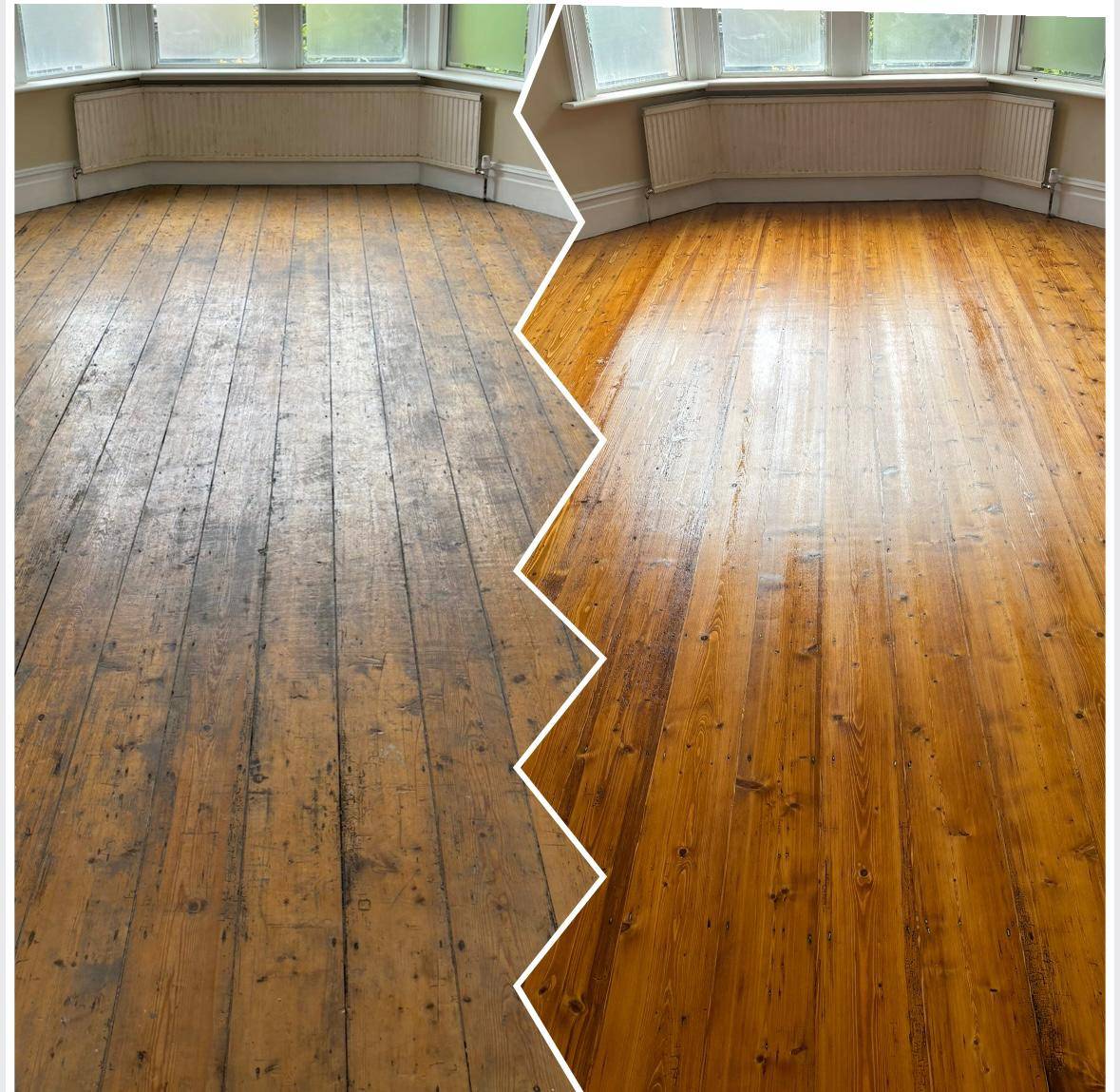
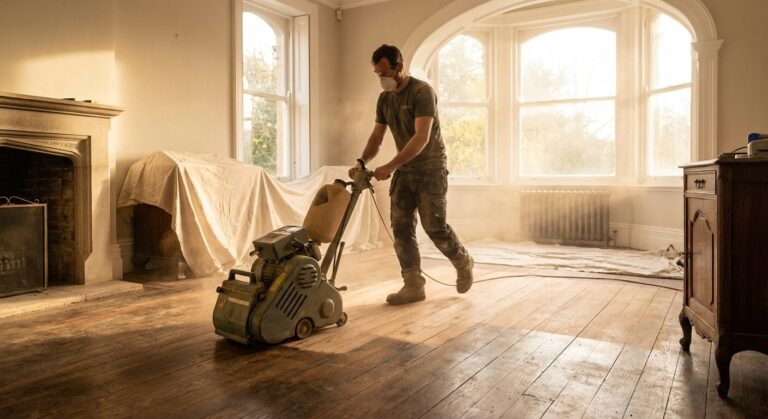
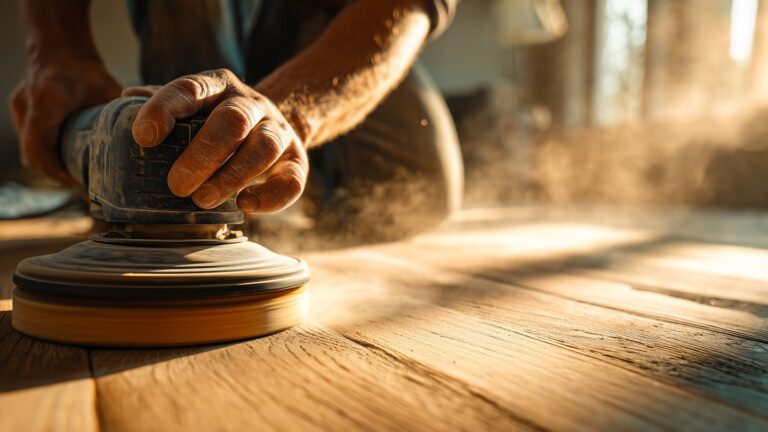
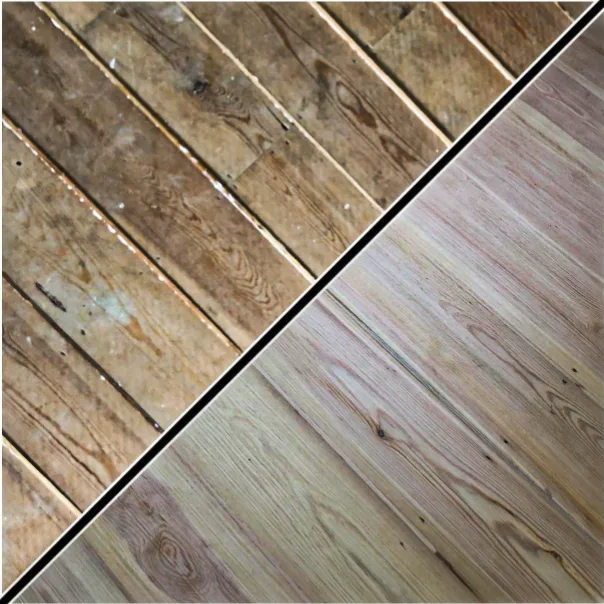
The cure is a proper sand back to fresh timber rather than another coat over the top. A heavy belt machine takes the open floor through several grits, each finer than the last, until the scratched and worn layer has gone and the boards are even again. Along the skirting an edging sander does the same job, and a rotary machine then runs over the whole surface to merge the two areas and remove any marks. It is a sequence that rewards patience: rushing the middle grits is the usual cause of swirls that only show up once the first coat catches the light.
Hoses from every machine feed a closed extraction unit, so the fine timber dust, and the old beach sand shaken loose from the joints, goes into a sealed bag instead of onto the sofa. We call that dust-free floor sanding; in practice that means very clean rather than perfect. Our page on wooden floor sanding covers the process in more general terms, and other towns in the county are on the Devon floor sanding page.
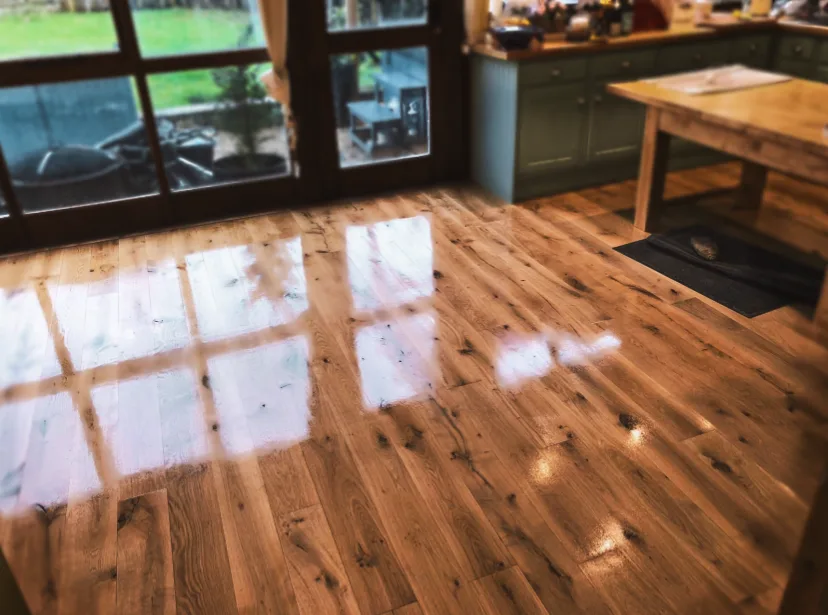
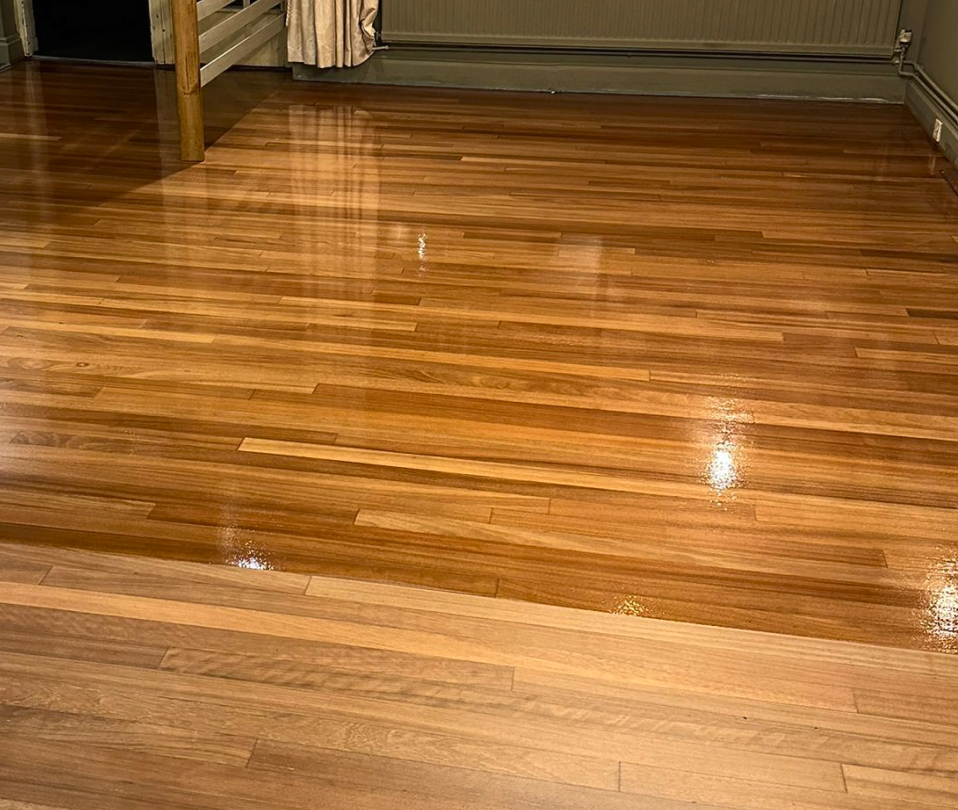
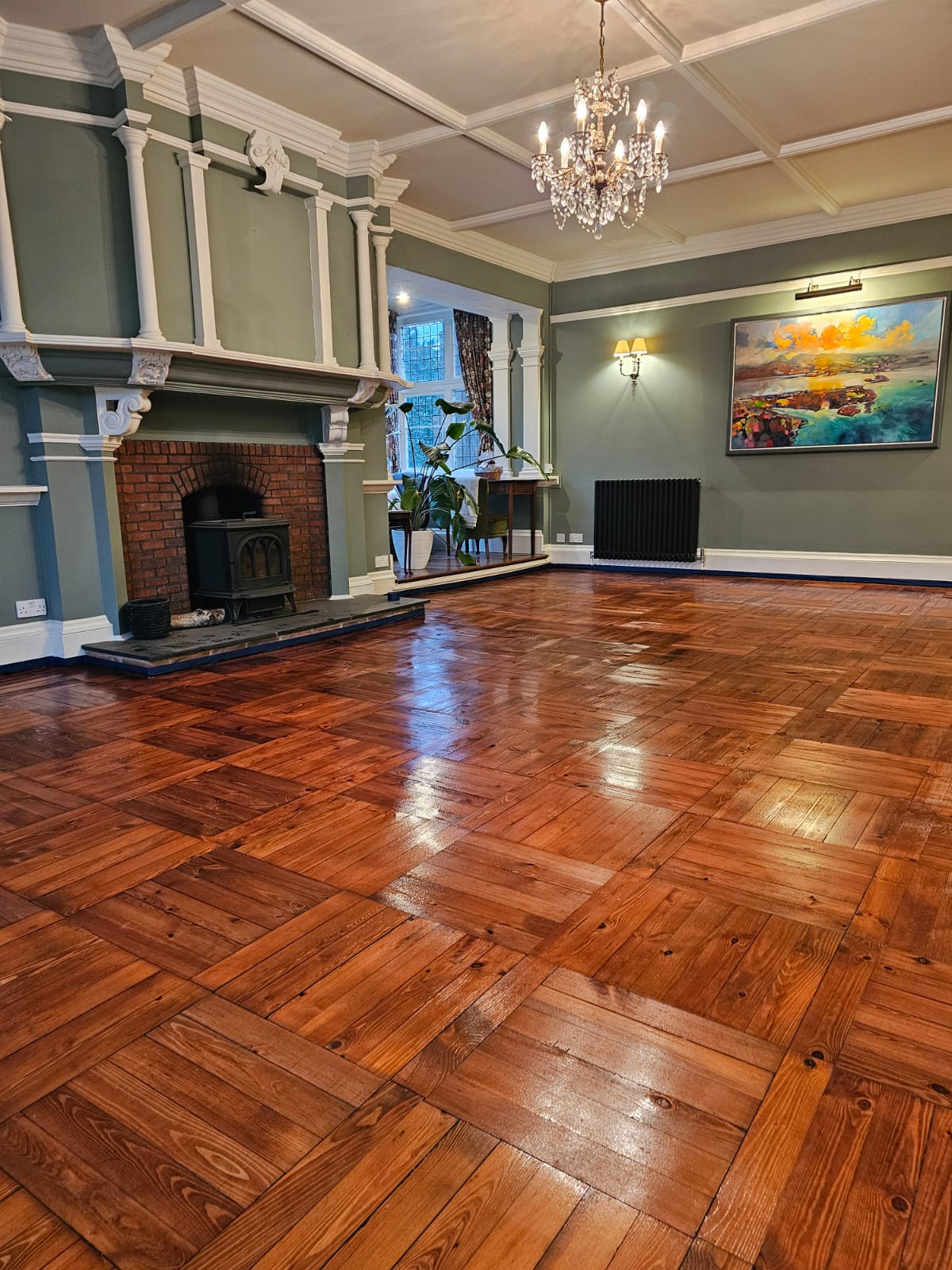
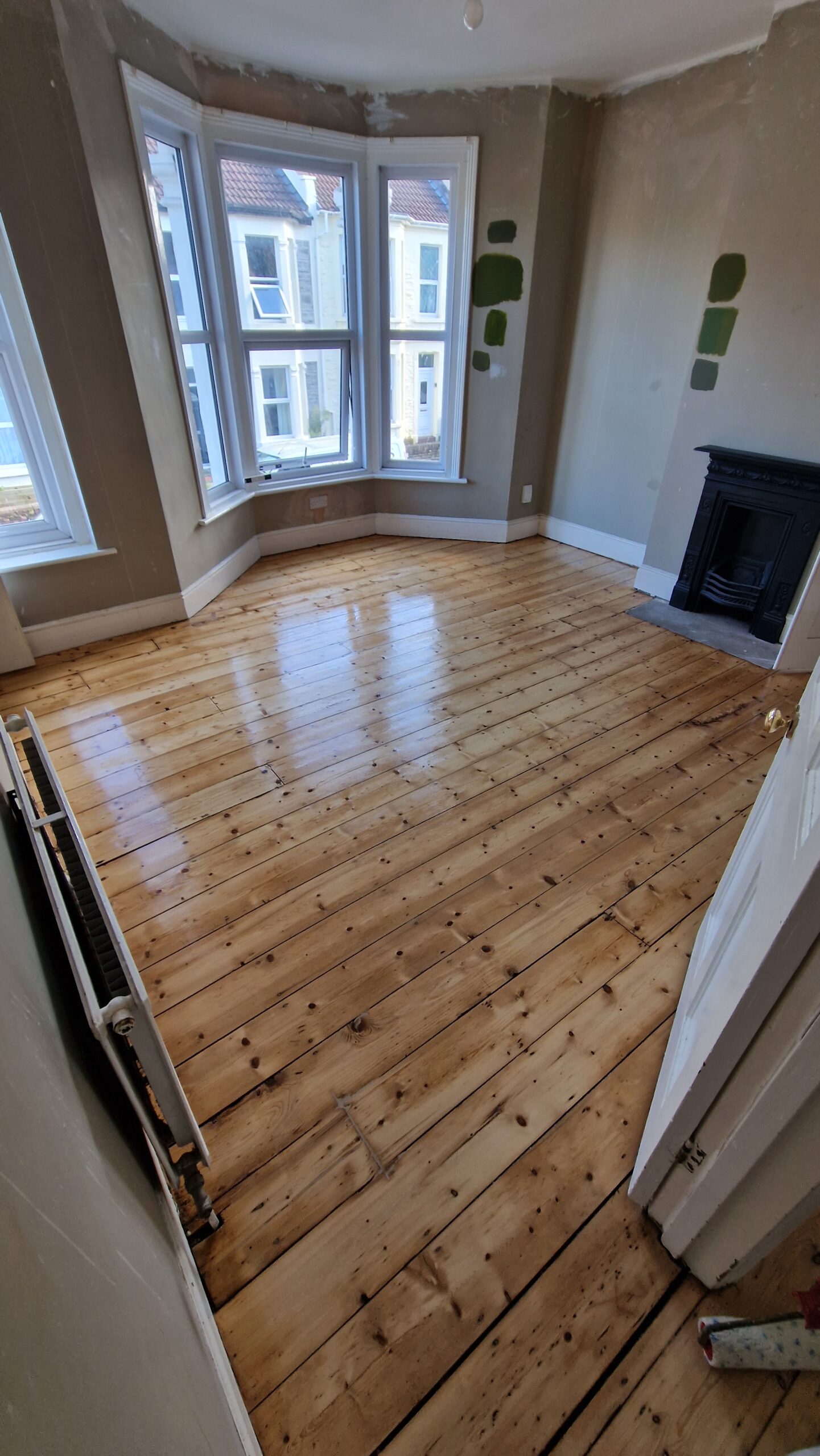
What really separates an Exmouth job from one further inland is what happens after sanding. Finish choice, matting and a cleaning routine built around sand make far more difference to the life of the floor than anything done with the machines, and those are covered in the sections below, along with the two other things we are asked about most here: dogs, and pubs and cafes that cannot close.