45 years’ experience  ·  Rated 4.9 on Google  ·  Family-run, from our workshop near Wellington

45 years’ experience · Rated 4.9 on Google · Family-run

Floor Sanding and Wood Floor Restoration in Budleigh Salterton

Steady, low-disruption floor sanding in Budleigh Salterton, with grippy finishes on stairs and halls and sensible planning around rugs and furniture.

QUICK QUOTATION

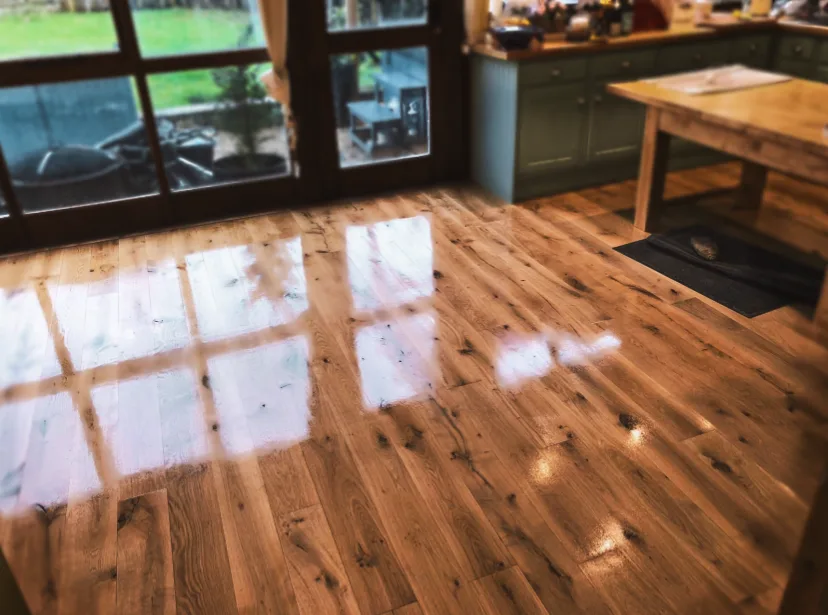
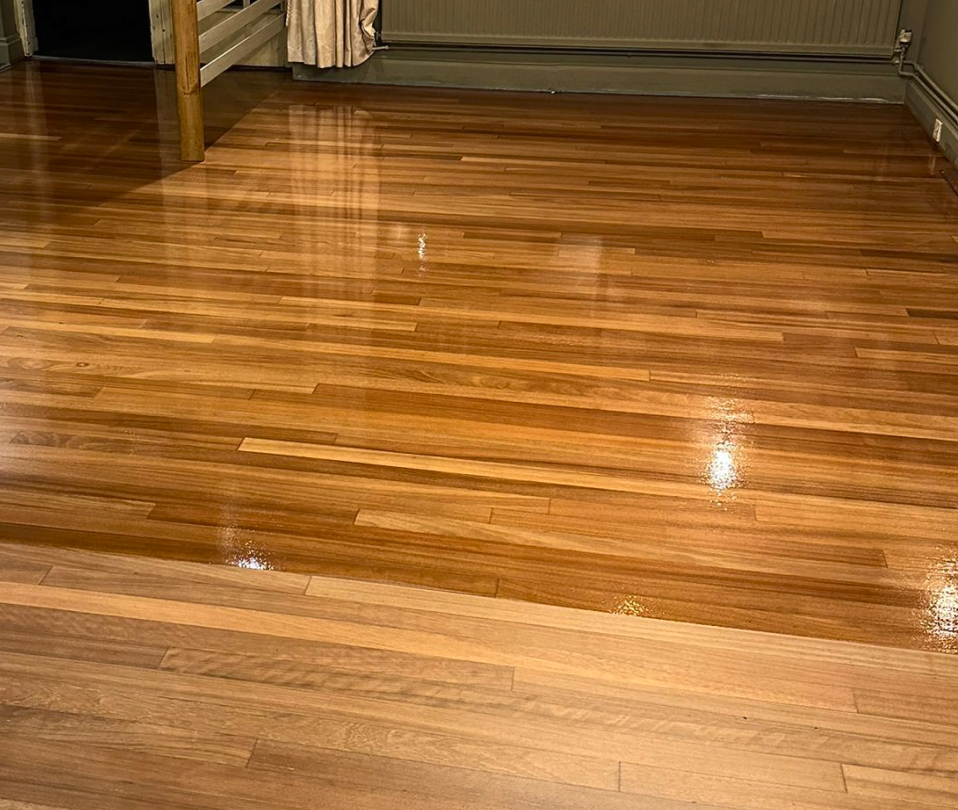
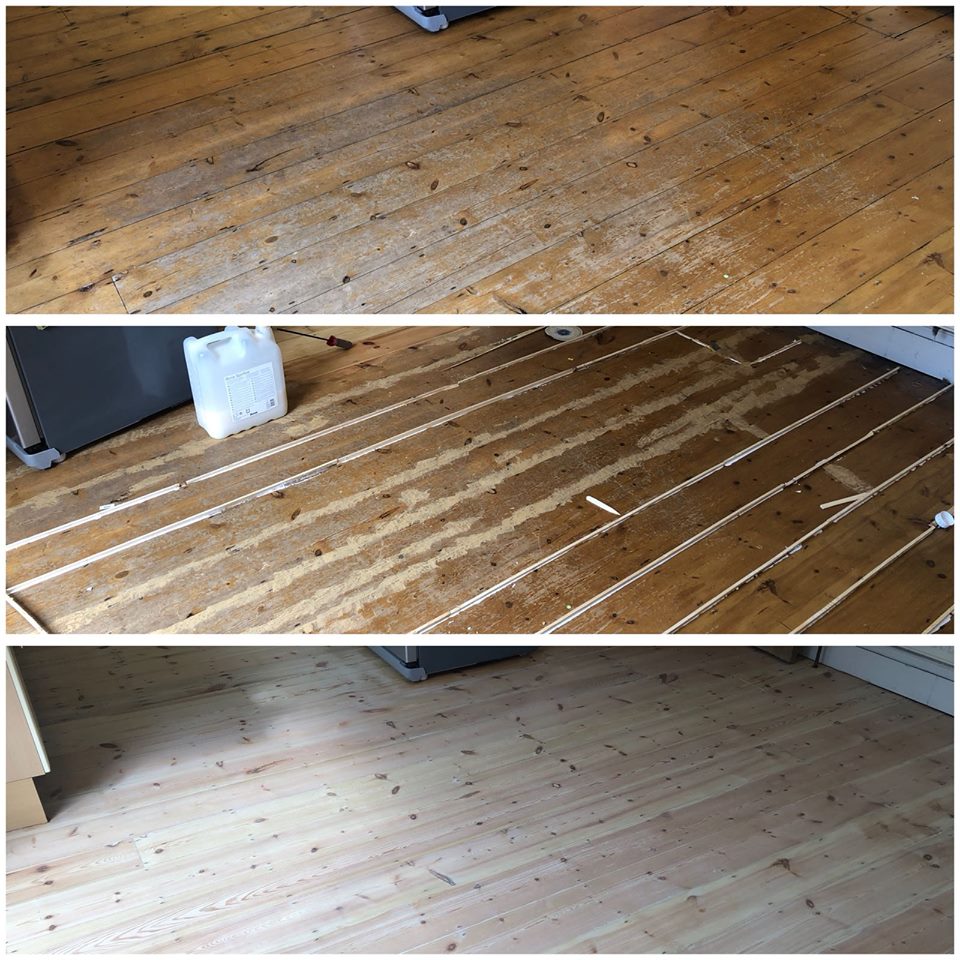
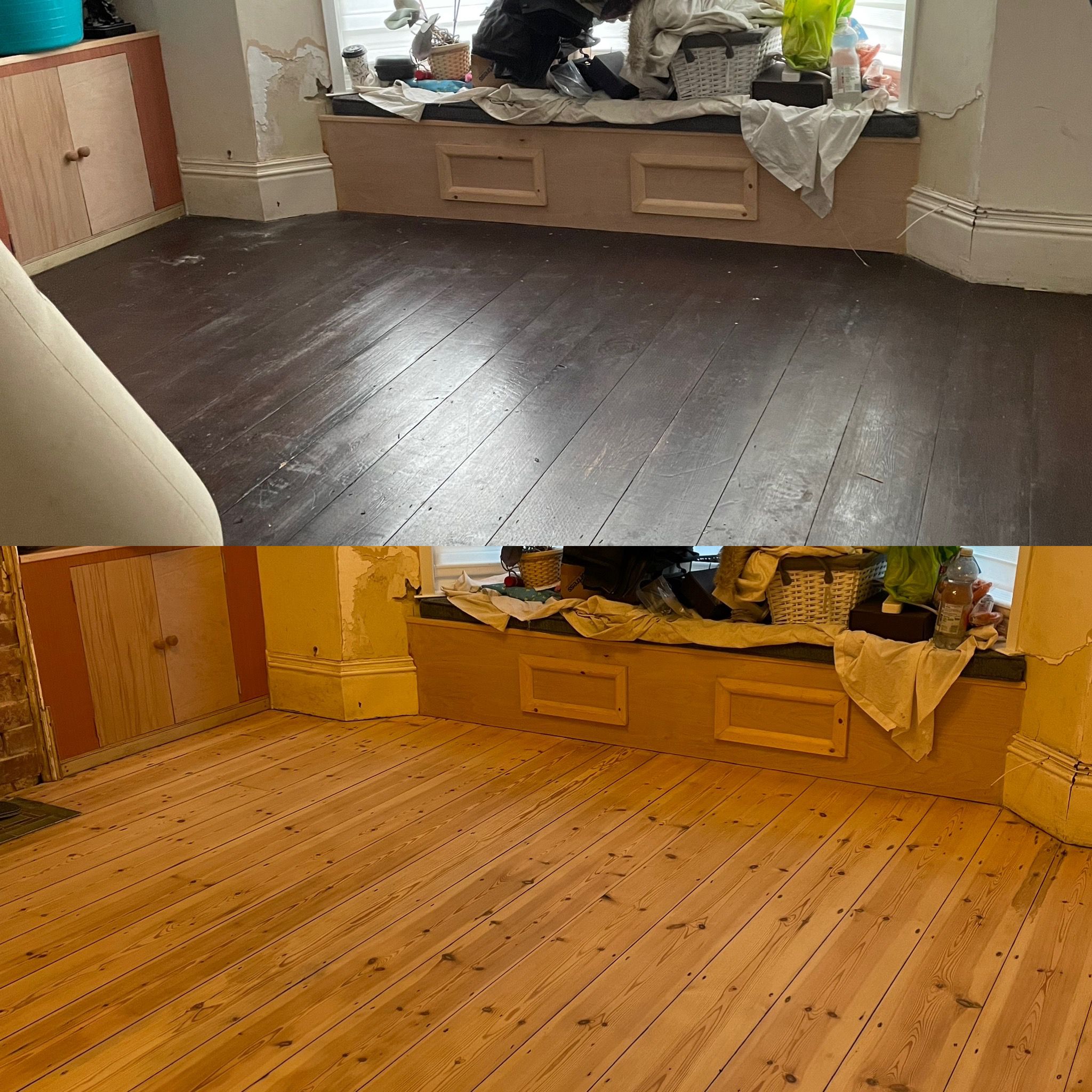
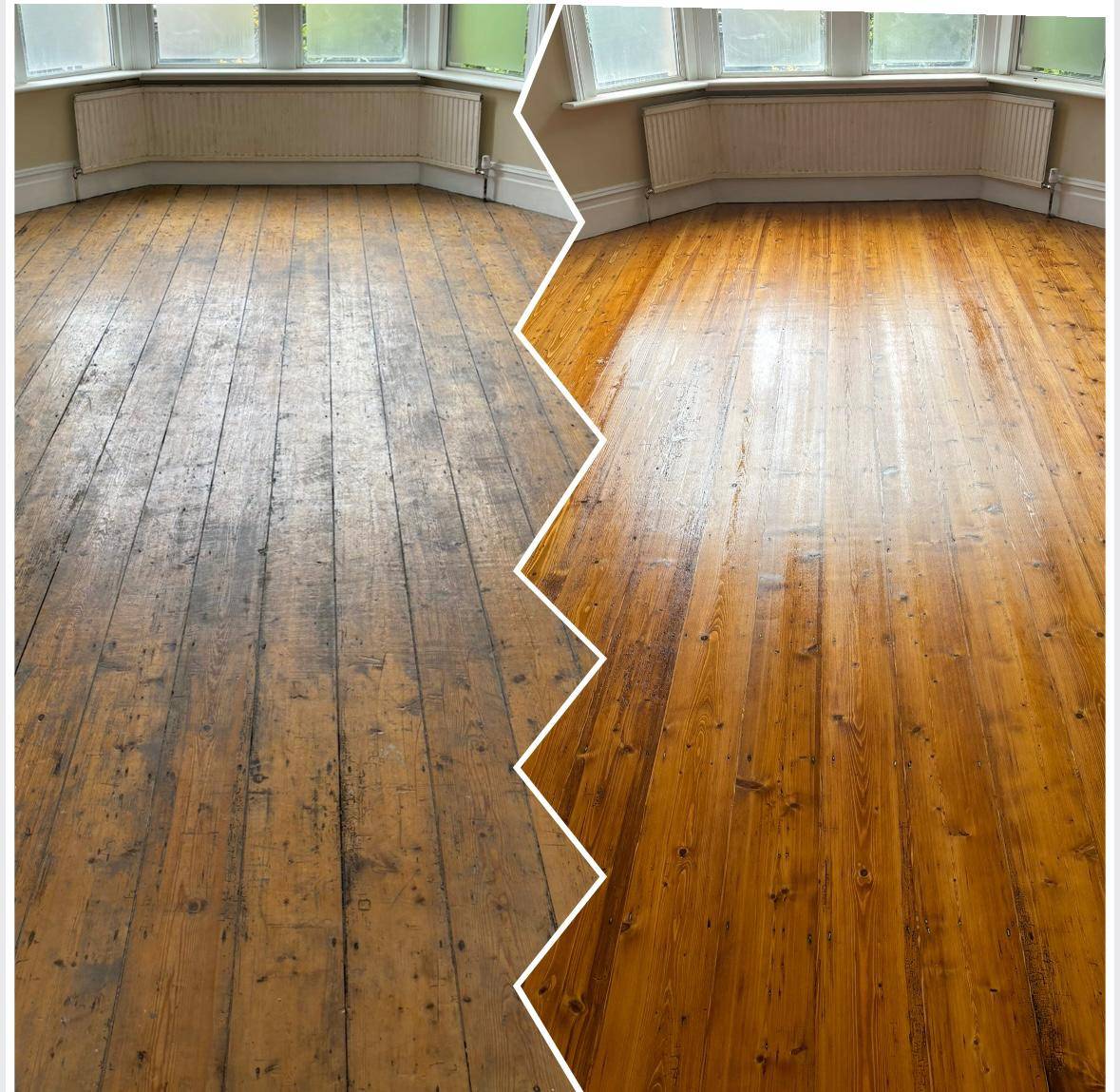
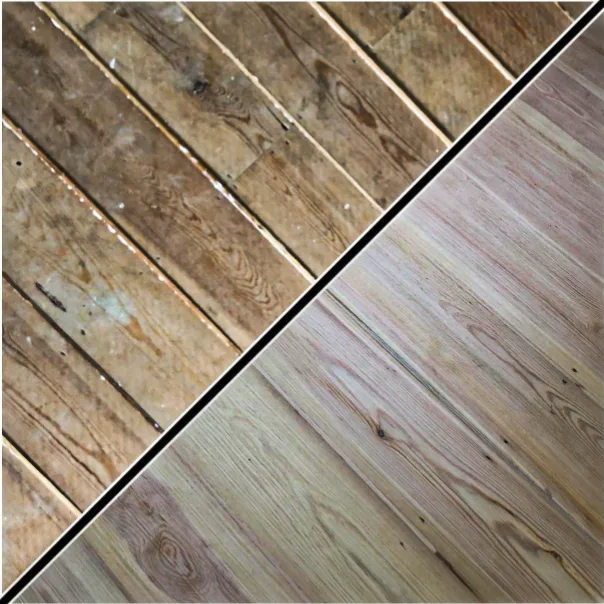
Floor sanding before and after

Floor Sanding in Budleigh Salterton for Homes People Plan to Stay In

Many of the people who ask us about floor sanding in Budleigh Salterton have lived in their house for a long time, or have moved to the town to retire and intend to stay. Census figures show that close to half of the parish’s residents are aged 65 or over, which is far above the national picture. That has a practical bearing on the work. The questions we hear are less about fashionable colours and more about whether the floor will be safe on the stairs, whether a frame or a stick will grip on a new lacquer, where the furniture will go while the room is out of action, and whether the house will be filled with dust.

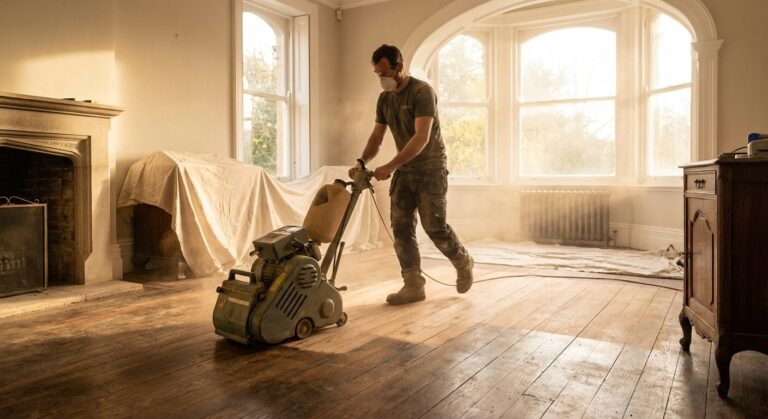
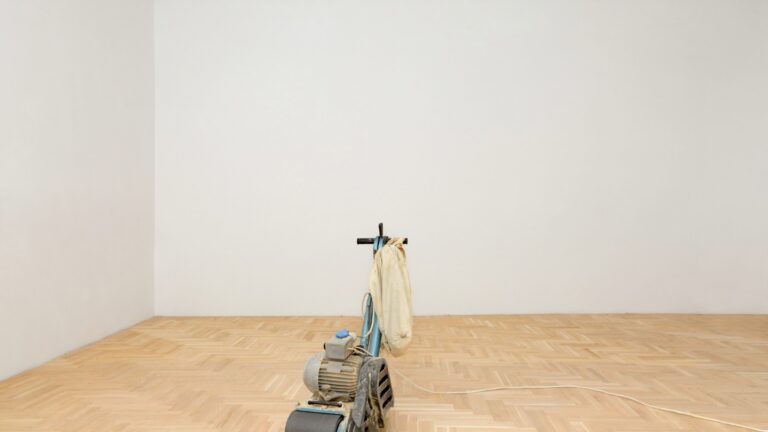
Those are fair questions, and they shape how a job is planned. The sanding process itself is the standard one: a heavy machine for the open floor, a smaller edging machine along the skirting, and a rotary sander to blend the two and take out any marks, working up through finer and finer abrasive until the surface is ready for its first coat. What changes in a house where someone is living through the work is the order of rooms, the route through the house, and the choice of finish at the end.

Dust is usually the first worry. Every sander we run is coupled to a sealed extraction unit, so the dust is pulled away at the abrasive and bagged rather than drifting through the hall. That is why the service is described as dust-free floor sanding. A small amount still finds its way out on a long job, so closing doors to the rooms not being worked on helps, and anyone with a chest condition may prefer to spend the main sanding day elsewhere, returning once the coats are going on.

Anyone curious about the machinery in more depth will find it on our wood floor sanding page, and the towns we cover across the county are listed on the Devon area page. The sections below look at what matters most in Budleigh homes: safe stairs, finishes that keep their grip, and living comfortably with rugs and furniture once the floor is done.
Wood Floor Restoration in Budleigh Salterton's Villas and Bungalows

The town grew a great deal in the Victorian and Edwardian decades, with villas, guest houses and small hotels, and much of the newer housing since then has been bungalows and detached homes. That spread of building ages gives a mix of floors. Older villas mostly have pine boards on timber joists, often with a hall laid in woodblock or tiles. Inter-war and post-war bungalows may have narrow oak or maple strip, sometimes hidden under carpet for decades, while some later houses have engineered boards with a real oak top layer.

Good wood floor restoration in Budleigh Salterton begins by identifying which of these you have, because each takes sanding differently. A villa’s solid pine generally has enough thickness for a good few more sands. Old strip flooring is thinner and needs a lighter hand. With engineered flooring it all hinges on the oak lamella glued to the backing, and where that is very thin, a light scuff and new coat is the safe limit.

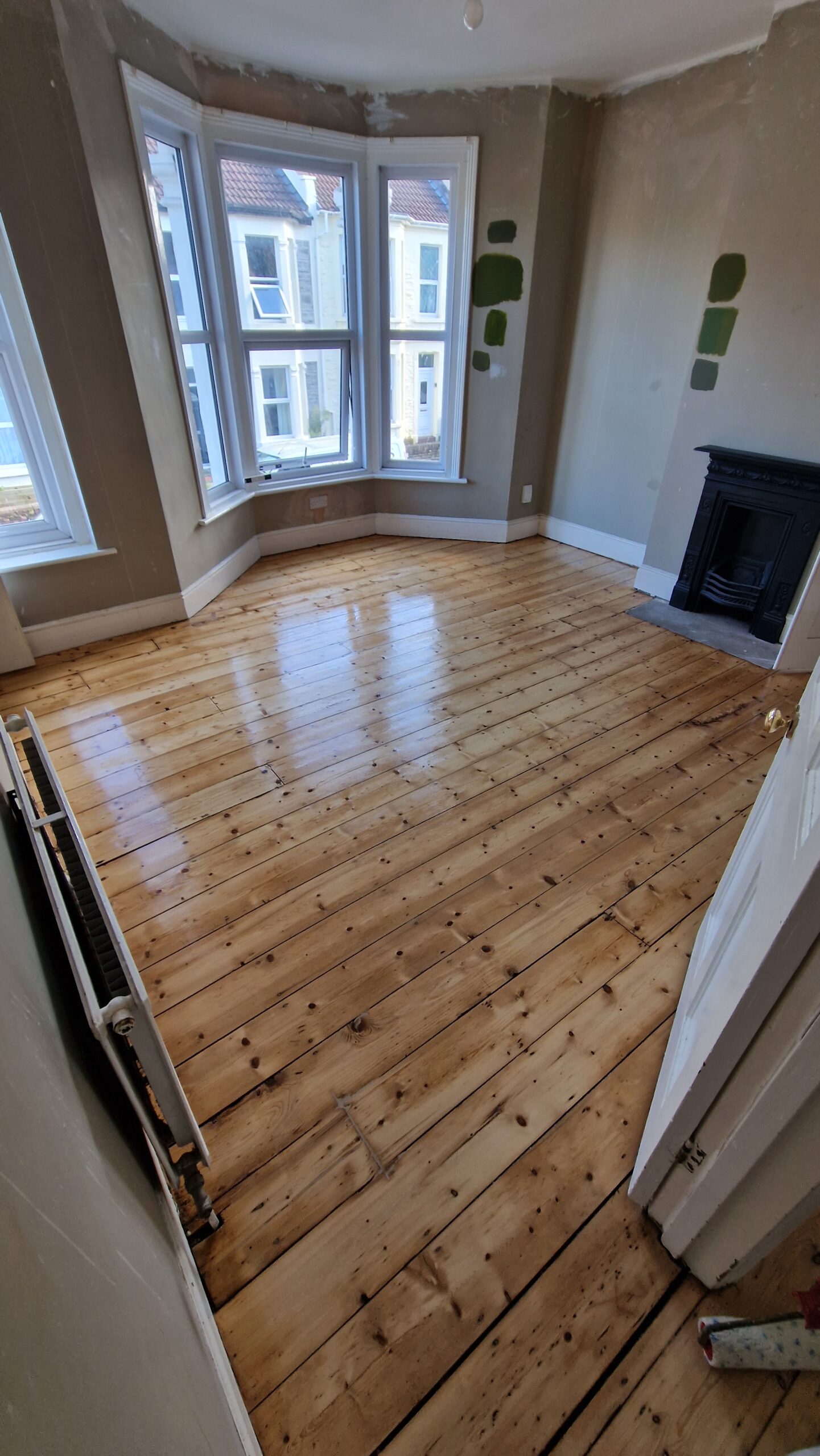
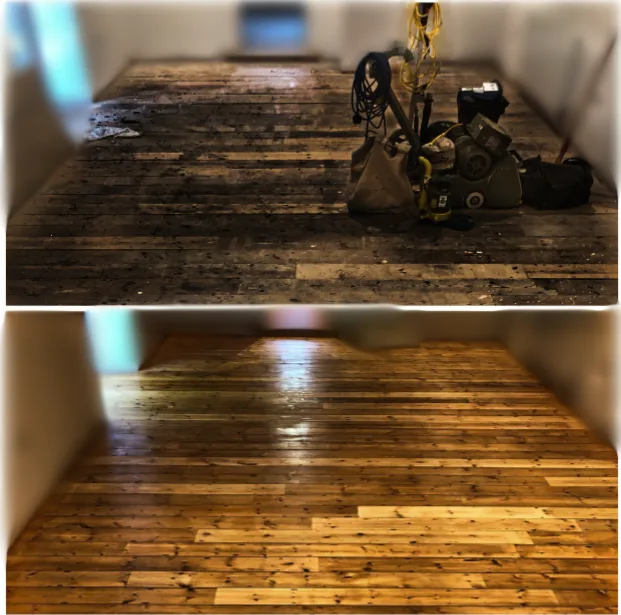
Pine in these houses is often under a brown or orange varnish, and the colour beneath is surprisingly pale once that layer comes off. Keeping it light means a water-based lacquer; letting it warm up again means an oil or oil-based product. The choice is set out on our pine floor restoration page. Oak strip and oak boards generally come up very well, though water marks round plant pots and pet bowls can be stubborn, and the darkest of them sometimes need a short section replacing. Restoring oak floors explains why some marks sand out and others do not.

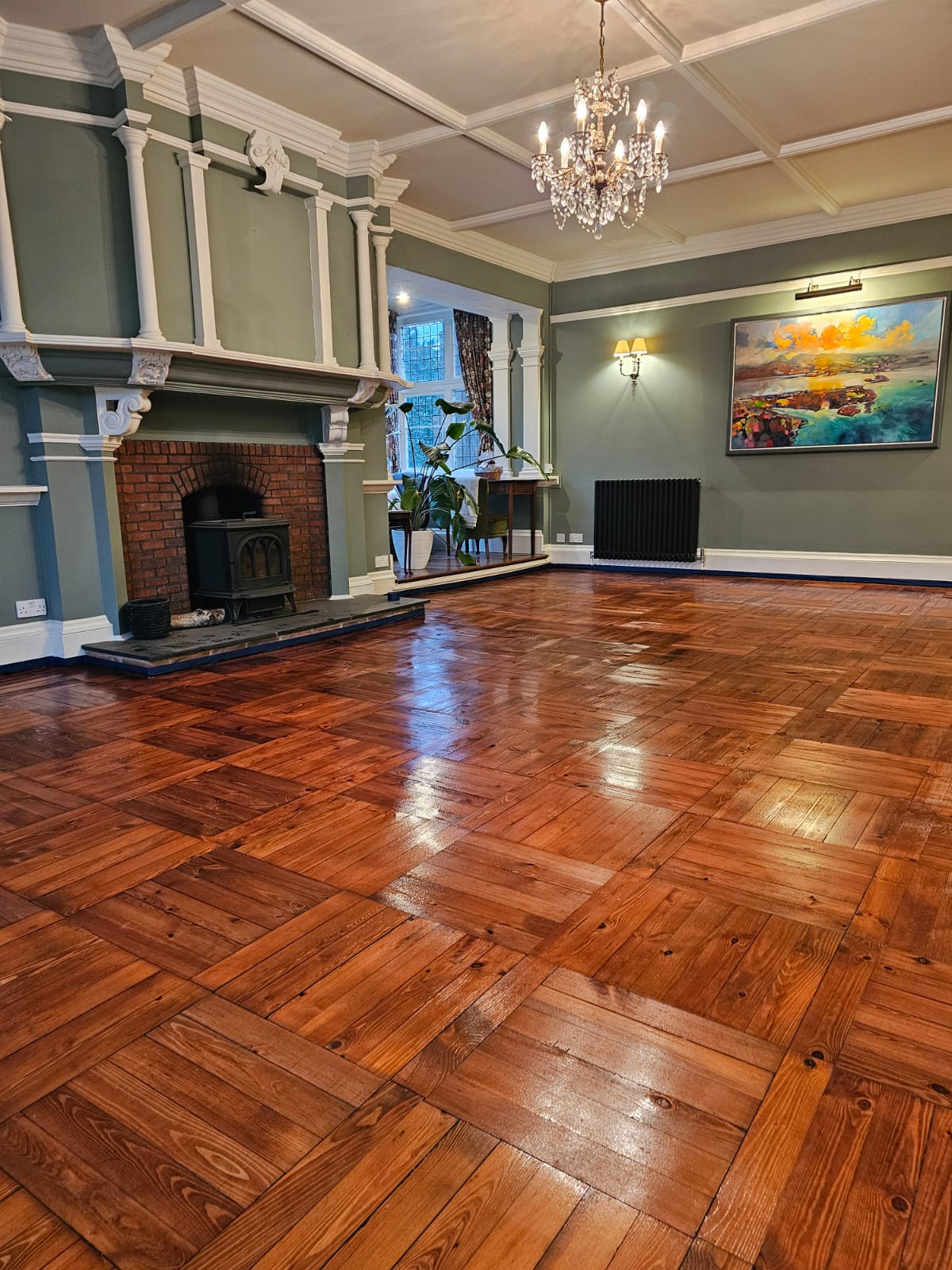
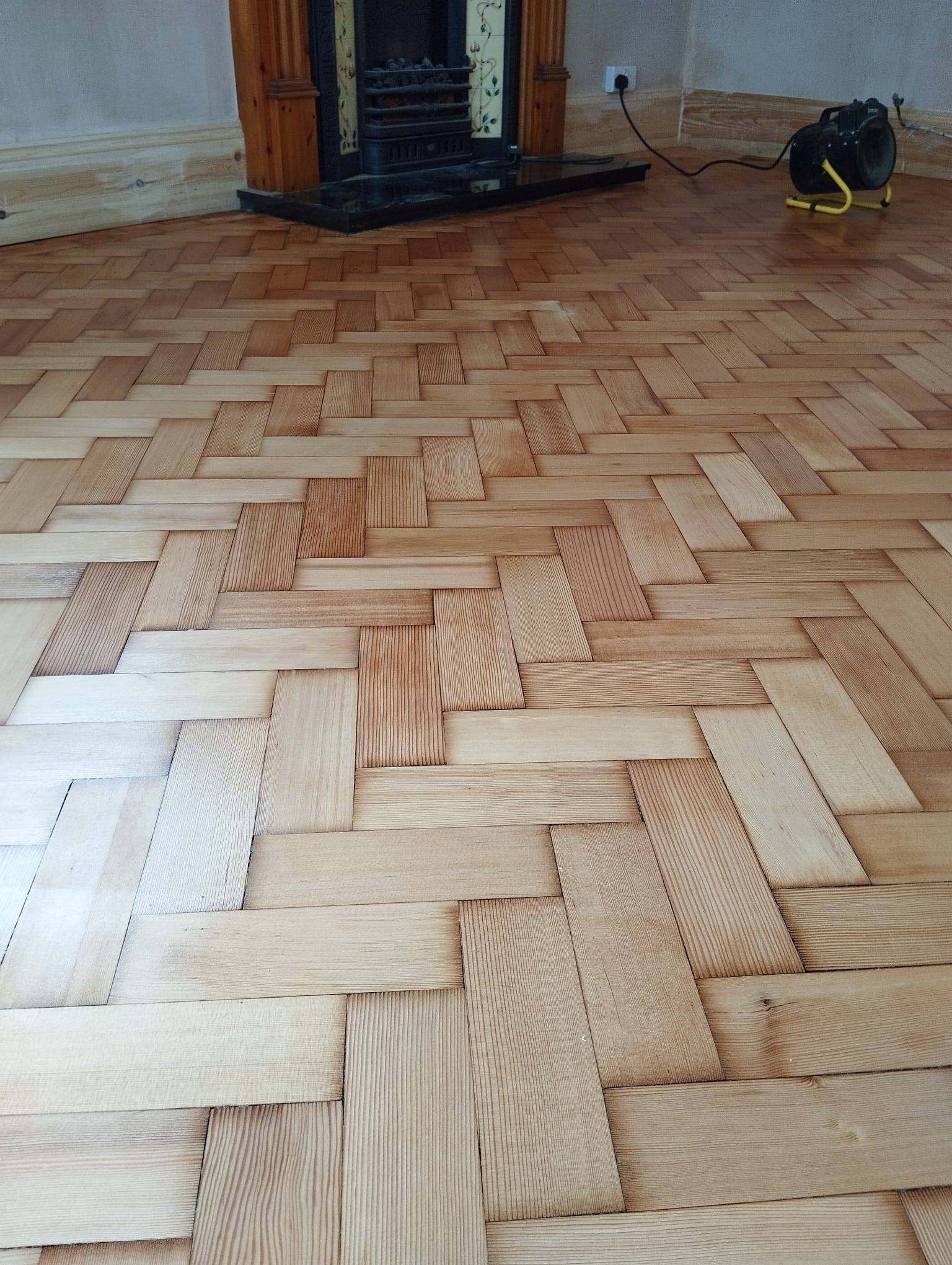
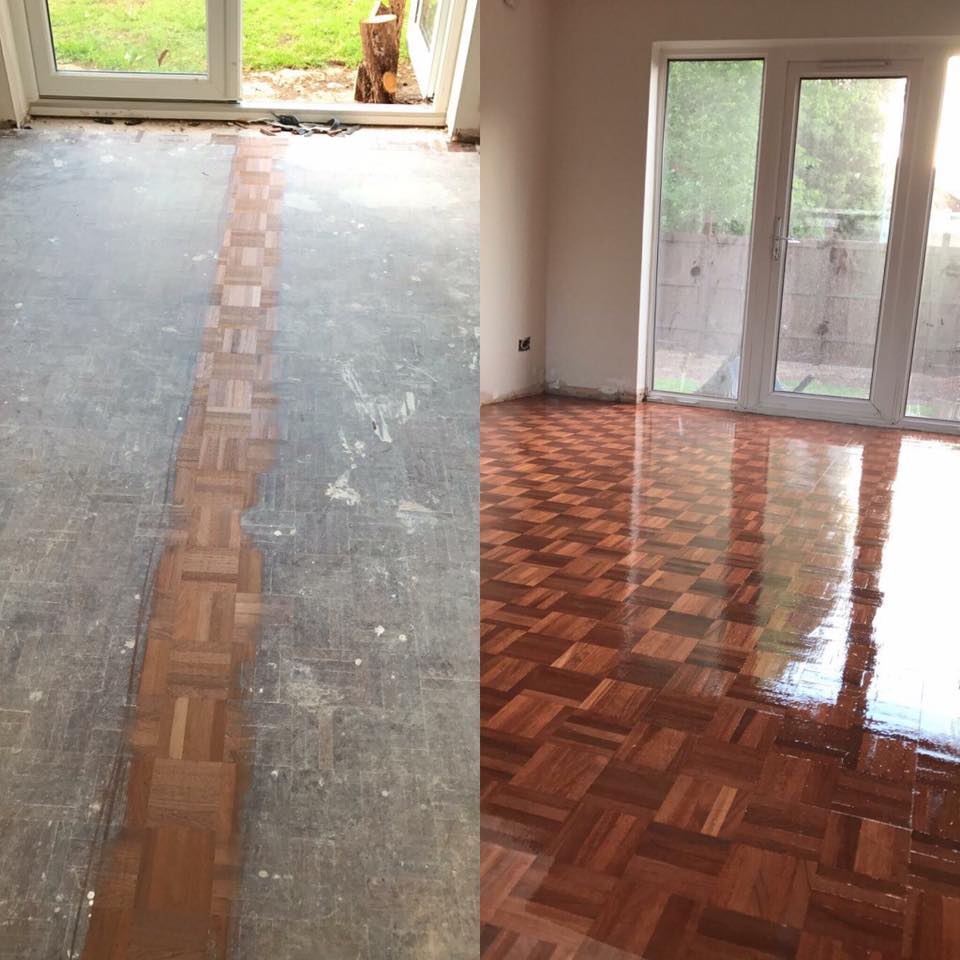
Woodblock halls are worth particular mention. Many have been under carpet or vinyl for decades, and some blocks will have come loose from the original bitumen adhesive. Before parquet floor sanding can begin, each loose block is lifted, cleaned and stuck down on a modern adhesive. Holes where blocks went missing during old alterations are filled with old blocks of a similar species from our reclaimed store. Once sanded, a block hall is one of the most hard-wearing floors in the house, and it suits the heavy traffic of a front door.

Our sanding and sealing project at East Anstey is an example from elsewhere in Devon, and the full process is set out under wood floor restoration.

parquet wooden floor sanding
wooden floor sanding

Stairs, Nosings and Grip Underfoot

Stairs are where a floor finish matters most for safety, and they are a large part of the work we are asked about in this town. Plenty of houses have a timber staircase that has been carpeted for years, and once the carpet comes off the owners would like to see the treads in natural wood. That can look excellent, but a bare timber stair needs thought.

The nosing, the rounded front edge of each tread, takes the most wear and is where a foot either lands securely or slips. After decades under carpet, the nosings are often scarred by gripper rods and staples, and sometimes split along the grain. They should be repaired or rebuilt so each one is sound and well defined. A rounded, worn nosing is harder to judge going down, especially for anyone with less than perfect eyesight.

Sanding a staircase is mostly handwork. The treads and risers are too small for the big machines, so they are done with compact sanders, scrapers and abrasive by hand, paying close attention to the corners where the tread meets the riser and the string. The rail deserves as much care as the treads. A sticky or flaking rail is unpleasant to hold, and people tend to grip it less firmly as a result.

The finish on the treads is the key decision. Ordinary lacquer, even in a matt sheen, can be slippery under socks or smooth-soled slippers. There are lacquers made with an anti-slip additive, a fine grit within the coating that gives a slightly textured surface. On stairs we would generally suggest one of these for the tread surfaces at least. Oiled stairs are also less slick than glossy lacquered ones, and many people find them comfortable underfoot. Wax, by contrast, is a poor choice for treads.

The practical problem with a staircase in a lived-in house is that it is also the only way up to bed. The usual answer is to coat every second tread one day, so there is always a dry step to use, then do the remaining treads the next. A carpet runner down the centre, with exposed timber either side, is another popular option that gives grip and cushioning where feet land most often.

Finishes That Hold Their Grip in Budleigh Salterton Homes

People often ask for the least slippery finish without realising the answer depends on what is on the floor as much as the floor itself. A new lacquer is not particularly slippery when clean and dry. It becomes so with polish residue, water from a wet umbrella, or talcum powder in a bathroom. That said, finishes do differ, and in a home where a fall would be serious, the choice deserves some care.

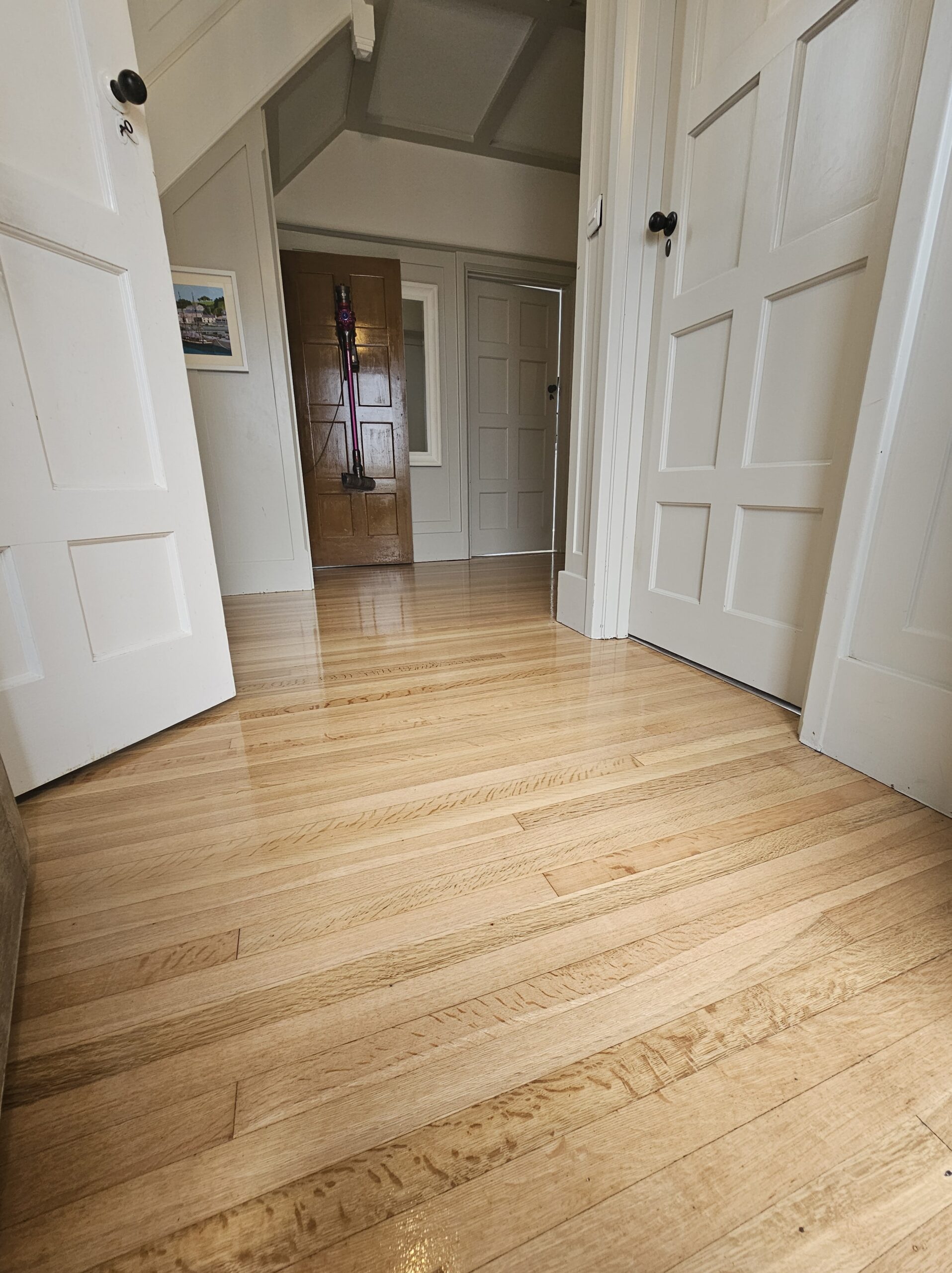
Lacquers form a film on the timber. Water-based versions dry clear and keep pale wood pale; oil-based versions add warmth. Two-component lacquers, which harden by chemical reaction, are the toughest of all and suit halls and kitchens with heavy traffic. All of them come in different sheens, and a matt or satin finish gives a softer look and shows scratches less. For particular areas, a lacquer with an anti-slip additive is available, and our floor sealing page compares the options.

Oil-based finishes such as hard wax oil are absorbed by the timber and set inside its surface fibres. They leave a natural, low-sheen surface that most people find very comfortable to walk on, and worn areas can be patched individually. Oiled floors need a little more care over time, with a maintenance product every so often.

Wax is the traditional finish for old floors, and it gives a beautiful deep glow. It is also the one we would be most cautious about in a home where anyone is unsteady on their feet, because freshly buffed wax can be slippery and it needs regular renewal. Floor waxing explains how to get the best from it if you do choose it. The same caution applies to some shop-bought polishes that leave a shiny film: a product meant for wood floors and a damp mop is safer. Bringing up a deeper shine is covered under floor polishing.

For a change of tone, a wood floor stain is applied after sanding and before the protective finish. Samples go on a sanded board in a corner, usually somewhere a sofa will later hide it, so you judge the real shade in your own light.

flooring sanding company
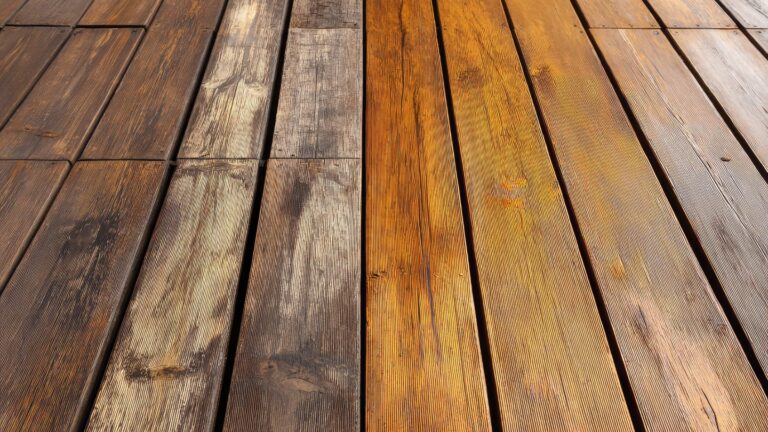
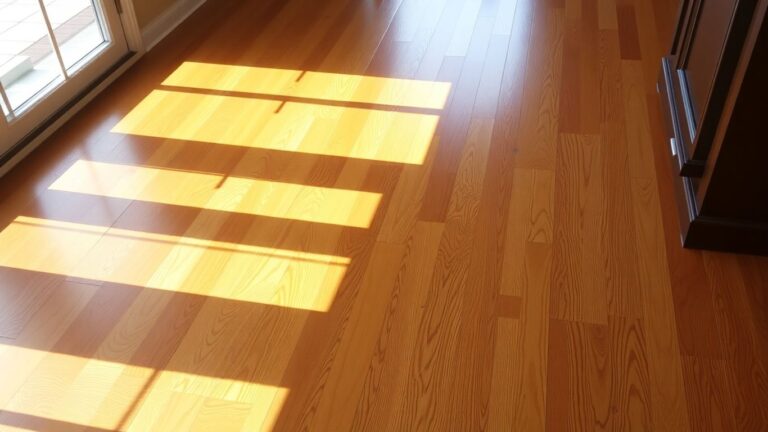
Sunlight across freshly lacquered wooden floorboards

Commercial Floor Sanding in Budleigh Salterton

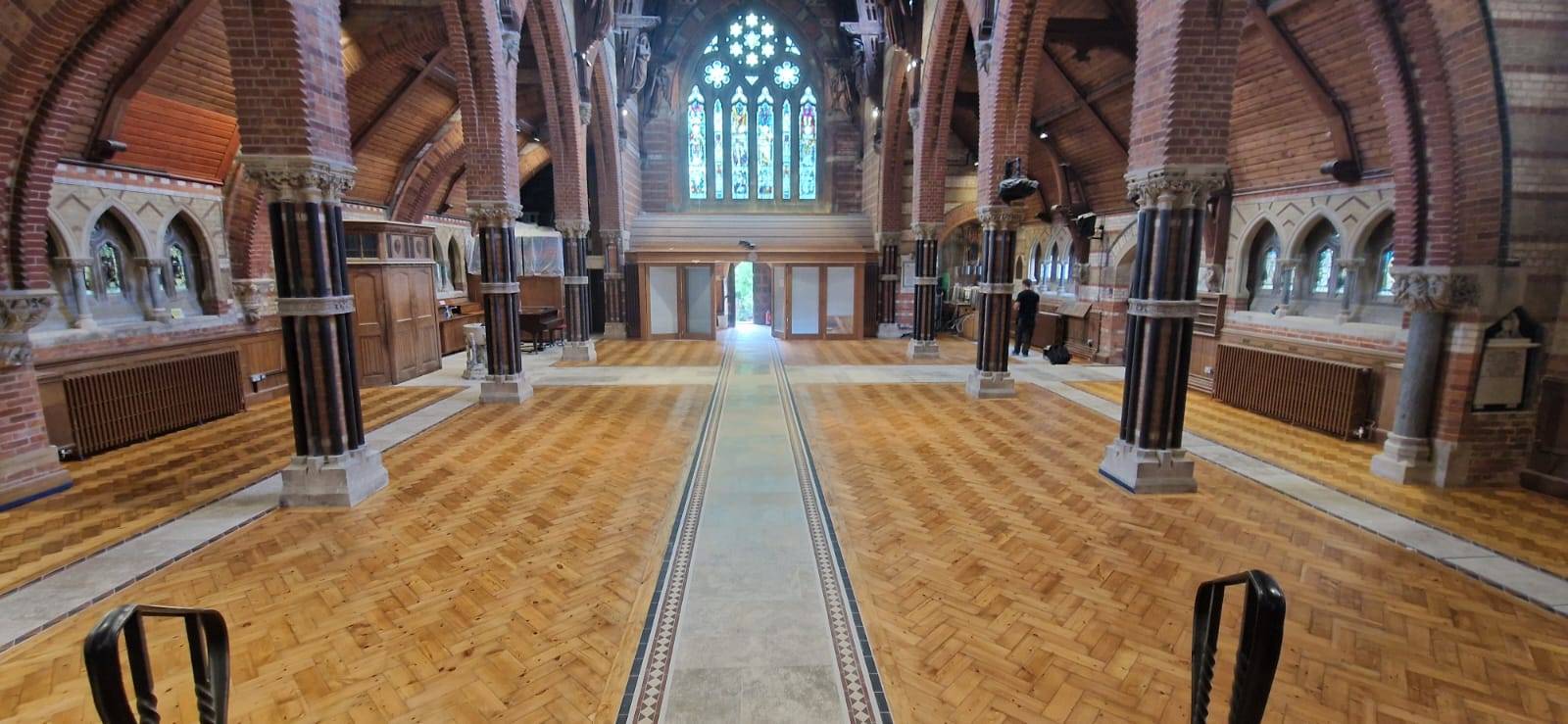
The town’s businesses are mostly small: shops, cafes, guest houses and small hotels, as well as church halls and community rooms. Commercial floor sanding in Budleigh Salterton therefore tends to involve modest floor areas with high foot traffic, and the main concern is usually how to do the work without closing for long.

For a shop or cafe the usual window is after closing time, or the one day in the week the door stays locked. The floor is sanded, any repairs made, and a fast-curing commercial lacquer applied so that trading can resume quickly. Tea rooms wear hardest in the queue at the till and between the tables, so a reactive two-pack lacquer is normally specified there. Shop floors see grit carried in on shoes, so a good mat at the entrance is as important as the finish. Our shop floor sanding page goes into the details.

Guest houses and small hotels face the same planning problem as a home with someone living in it, but with paying guests. Rooms are done in sequence, often in the quieter months, and public areas are scheduled around breakfast and check-in times. Our notes on guest house and hotel floors go further, and the full range of business work is described under commercial floor sanding.

Premises where many of the visitors are older or less mobile, such as community halls, surgeries or residential settings, may want a finish chosen with slip resistance in mind. That is worth discussing early, because it affects the product, the sheen and sometimes the cleaning regime the staff will need to follow. Committees and practice managers often need a written method, evidence of insurance and references to approve a contractor; all three can be sent, and the dates are fixed far enough ahead to give everyone notice.

Trip Edges, Creaks and Open Joints

A floor that looks fine from a standing height can still have hazards for someone walking carefully. Boards that have lifted slightly at the ends, a nail head standing proud, a threshold strip that has worked loose, or a gap at a doorway where two floors meet at different heights are all things we look for before sanding. In a house where someone uses a walking frame or a stick, a small lip can matter a great deal.

Loose and lifting boards are fixed down, usually with screws countersunk below the sanding depth. Proud nails are punched down. A board that creaks loudly is not just an annoyance at night; it often means the board is moving on its joist, and the fix is covered on our squeaky floor repair page. Changes in level at doorways can sometimes be eased with a bevelled timber threshold that ramps gently from one floor to the next instead of a sharp step.

Damaged boards are replaced. That might be a board split by a heavy piece of furniture, one softened by a long-ago leak under a radiator, or one cut badly when the heating was installed. We use reclaimed timber that has already aged and shrunk, so the new piece sits level and behaves like its neighbours. The floorboard replacement page has more detail.

Gaps between old boards collect dirt and let in draughts. Hairline joints get a paste of binder mixed with that floor’s own dust, while the wider ones take tapered strips of pine. Gap filling explains which suits which floor. Scratches and dents, such as those left by a dragged chair or a dropped saucepan, can sometimes be repaired in isolation, as covered by scratch repair. All of this falls under wooden floor repairs, and it is completed before sanding so the finished floor is even and safe.

Wood floor sanding company
Floor sanding taunton

Rugs, Furniture and Keeping the Floor Good in Budleigh Salterton

Getting furniture out of a room is often the biggest worry for older homeowners, particularly where there is a piano, a heavy dresser or a riser-recliner chair. It helps to plan the order of rooms with that in mind, so that the contents of the sitting room can go into the dining room, and then come back before the dining room is done. Where help is needed to move heavy pieces, it is worth arranging that before the start date.

Patience in the first few days pays off for years. Light walking in socks is fine after around a day. Furniture should not go back for two or three days, and it should be lifted, not dragged. Put felt pads on chair legs and table feet before they return; a chair dragged daily across a floor will wear a pale arc in the finish in months. Heavy items such as beds on castors and riser chairs benefit from cups or larger pads to spread the load.

Rugs need more patience. Lacquer goes on curing for a fortnight or so after it feels dry, and covering it early slows that process and can mark it. Leave rugs off for at least a week if you can. Avoid rugs with a rubber or latex backing, which can mark some finishes. Use a proper rug underlay, which also stops the rug sliding, an important point in a house where slips are a concern. A rug that rucks up or slides is a serious trip hazard on a smooth floor.

Routine care is simple enough to hand over to a cleaner or carer. Stop grit at the doors, use the hard-floor head on the vacuum, and go over the boards with a mop wrung almost dry. Steam mops should not be used on wood. Years down the line, if the sheen has gone but the timber itself is still covered, a buff and recoat is a much smaller job than a full sand, and far less disruptive for anyone living in the house.

Lifting old carpet in a bungalow sometimes reveals nothing but screed or chipboard. In that case we can lay new wooden flooring, or simply supply it to a joiner of your choosing.

Plenty of people in the town would rather speak to someone than send an email; ring 01823 674562 in office hours, Monday to Friday. Relatives organising the work from out of the county tend to use info@ryansrestoration.co.uk; a couple of phone pictures, the room as a whole plus that worrying stair or loose board, let us give first advice without a visit. A bigger job starts with a free, unhurried visit of about half an hour to check the timber depth, moisture, ventilation and any earlier patching, and to talk through the order of rooms. An itemised quotation is then put in writing, and it will not move unless the work agreed does. Saturday visits can be arranged if relatives want to be there. You can also use our contact form. We also cover nearby Exmouth and Sidmouth.

Questions From Budleigh Salterton Homeowners

A lacquer with an anti-slip additive gives the most grip on treads, because the fine particles in the coating give the surface a slight texture. A natural oil finish is also comfortable and less slick than a high-sheen lacquer. Wax and glossy polish are the poorest choices for stairs. A central carpet runner is another good option for extra grip.

Yes, most people do. The rooms being worked on are out of use for a few days, and the order is planned so you always have somewhere to sit, sleep and cook. Dust extraction keeps the house clean, though anyone with breathing problems may prefer to be out on the main sanding day. Stairs are done in alternate treads so you can still get up and down.

Ideally after a week or more, as the finish continues to harden even when it feels dry. A rug laid too early can leave an impression or trap moisture. Use a good underlay to stop the rug sliding, and avoid rubber-backed rugs, which can mark some finishes. A slipping rug is a common cause of falls on wooden floors.

Fit felt pads to all chair and table legs before the furniture goes back, and replace them when they wear thin or pick up grit. Use castor cups or wider pads under heavy items such as beds and riser chairs. Always lift furniture rather than dragging it, especially in the first few weeks while the finish is still curing.

Our machines run with sealed extraction, which captures most dust at the point where it is made, so the air stays far cleaner than with older methods. Some fine dust can still escape, though. If you have asthma or a similar condition, it may be sensible to be out of the house while the main sanding takes place and to return when the coating stage begins.

Often, yes. Where two floors meet at different heights, a bevelled timber threshold can ramp gently from one level to the other instead of leaving a sharp edge. Loose or lifting threshold strips can be refixed. These small changes are worth raising at the survey if anyone in the house uses a walking aid.

Usually, yes. Many bungalows have solid strip or board floors under the carpet that sand up very well. The first step is to check what is there and how thick it is. If it turns out to be chipboard or a thin veneer, we can discuss alternatives, including fitting a new wooden floor.

Most rooms take one to three days, depending on size, repairs and finish. Stairs take longer because they are largely done by hand. Socks are fine on a newly coated room the next day; chairs and tables can come back after a couple more.