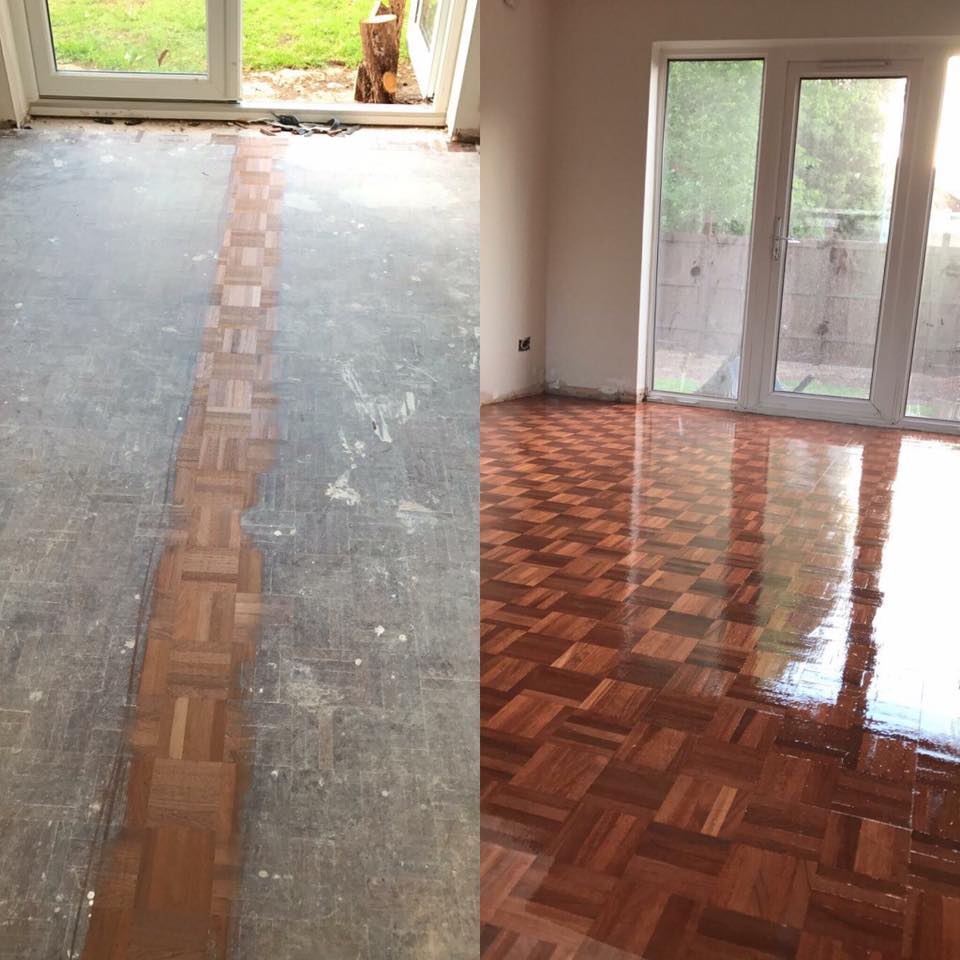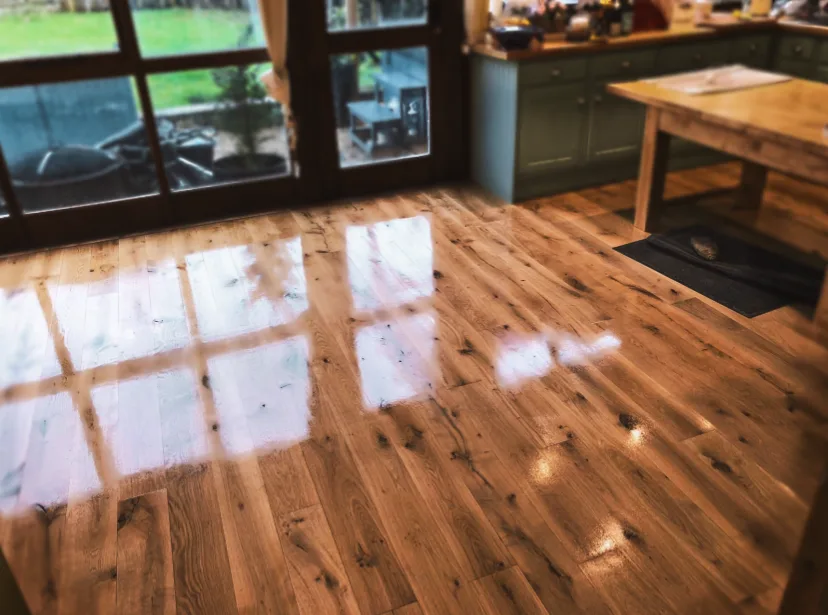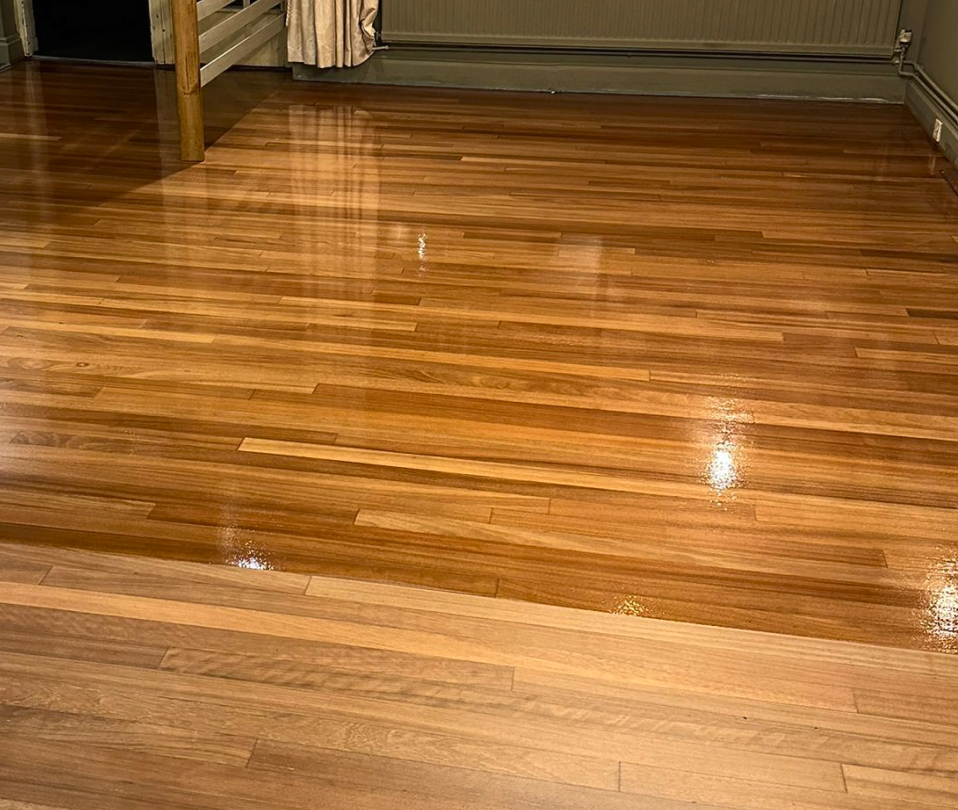
Floor Sanding in Sidmouth's Period Houses and Flats
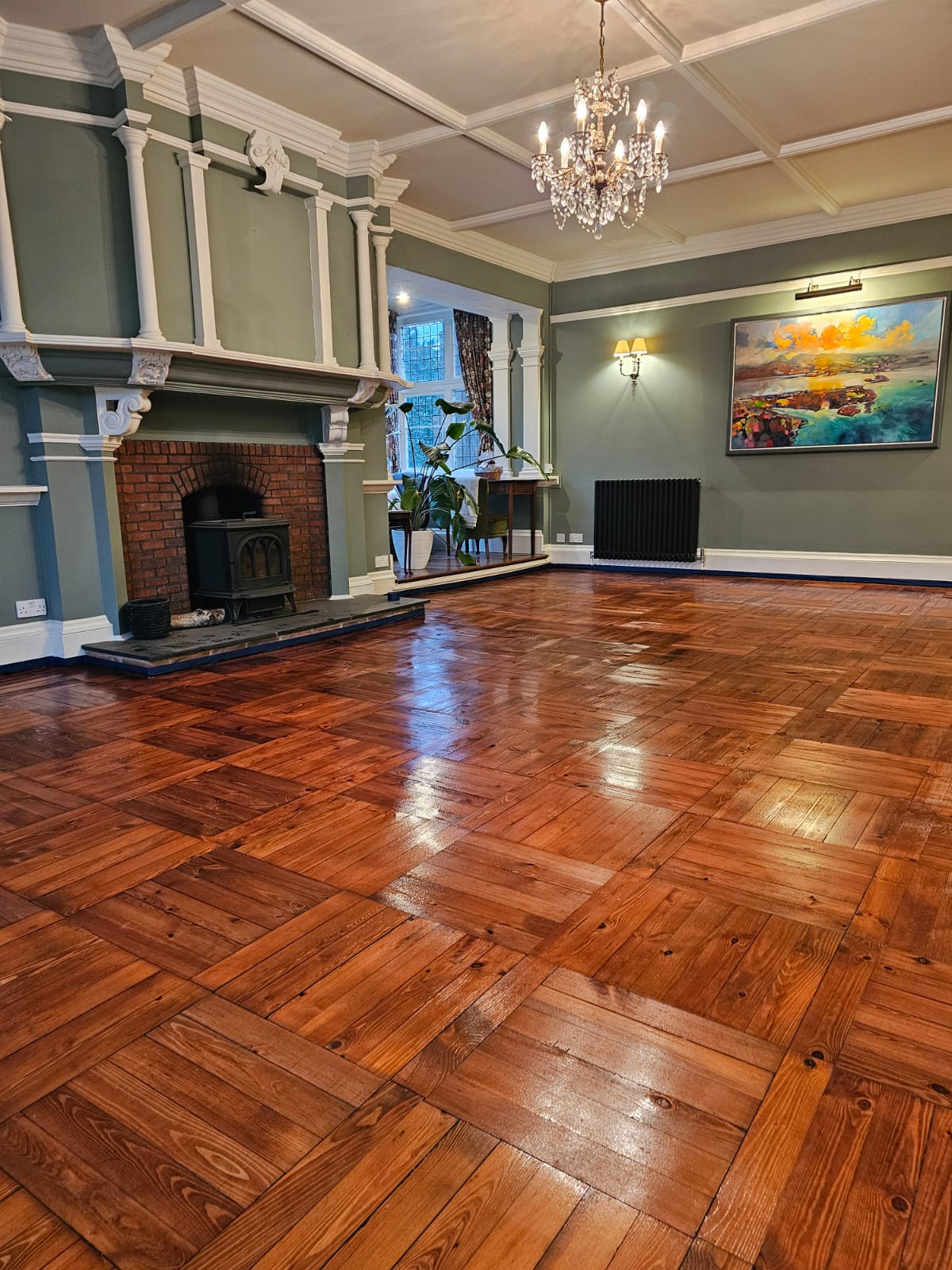
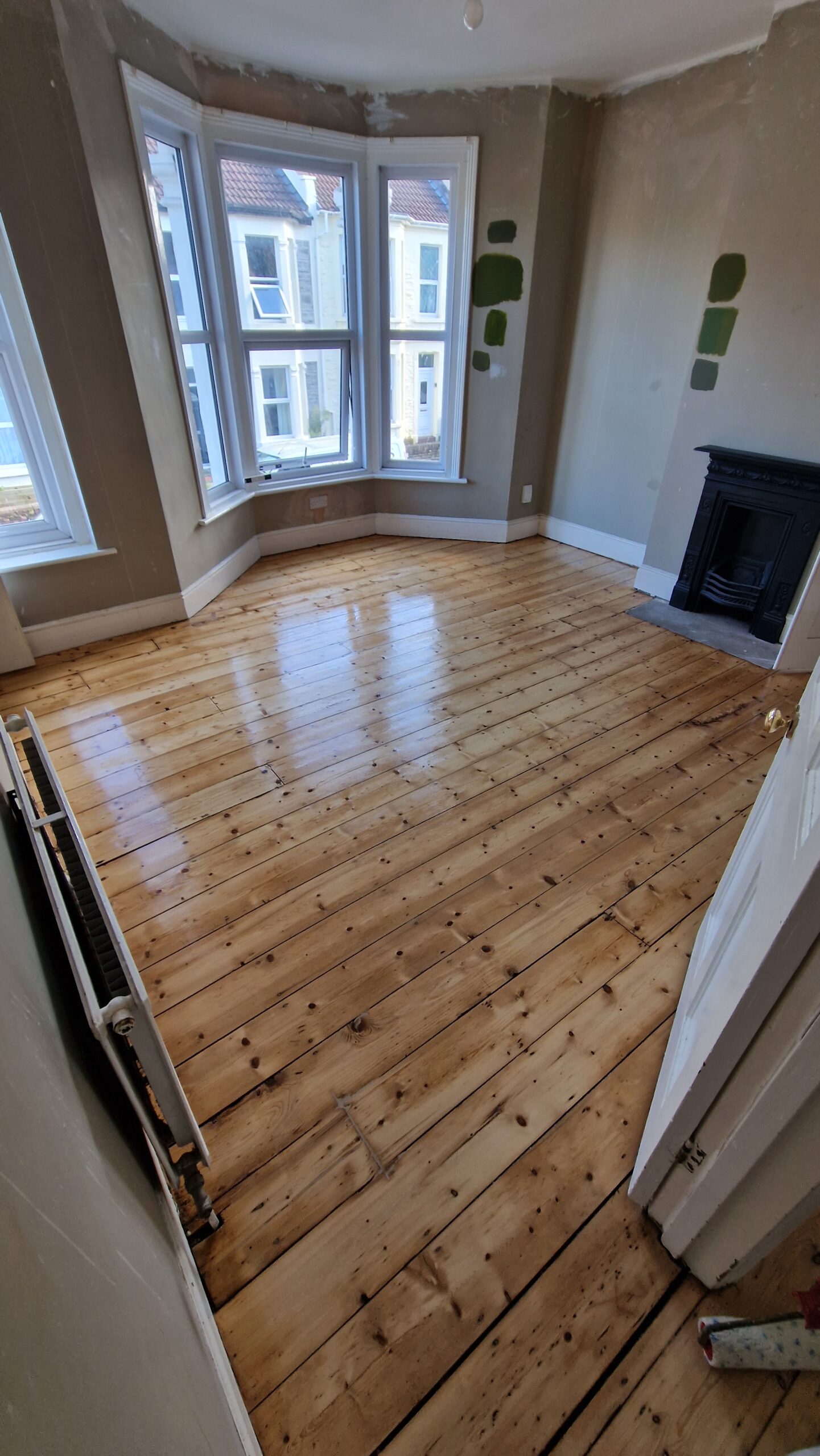
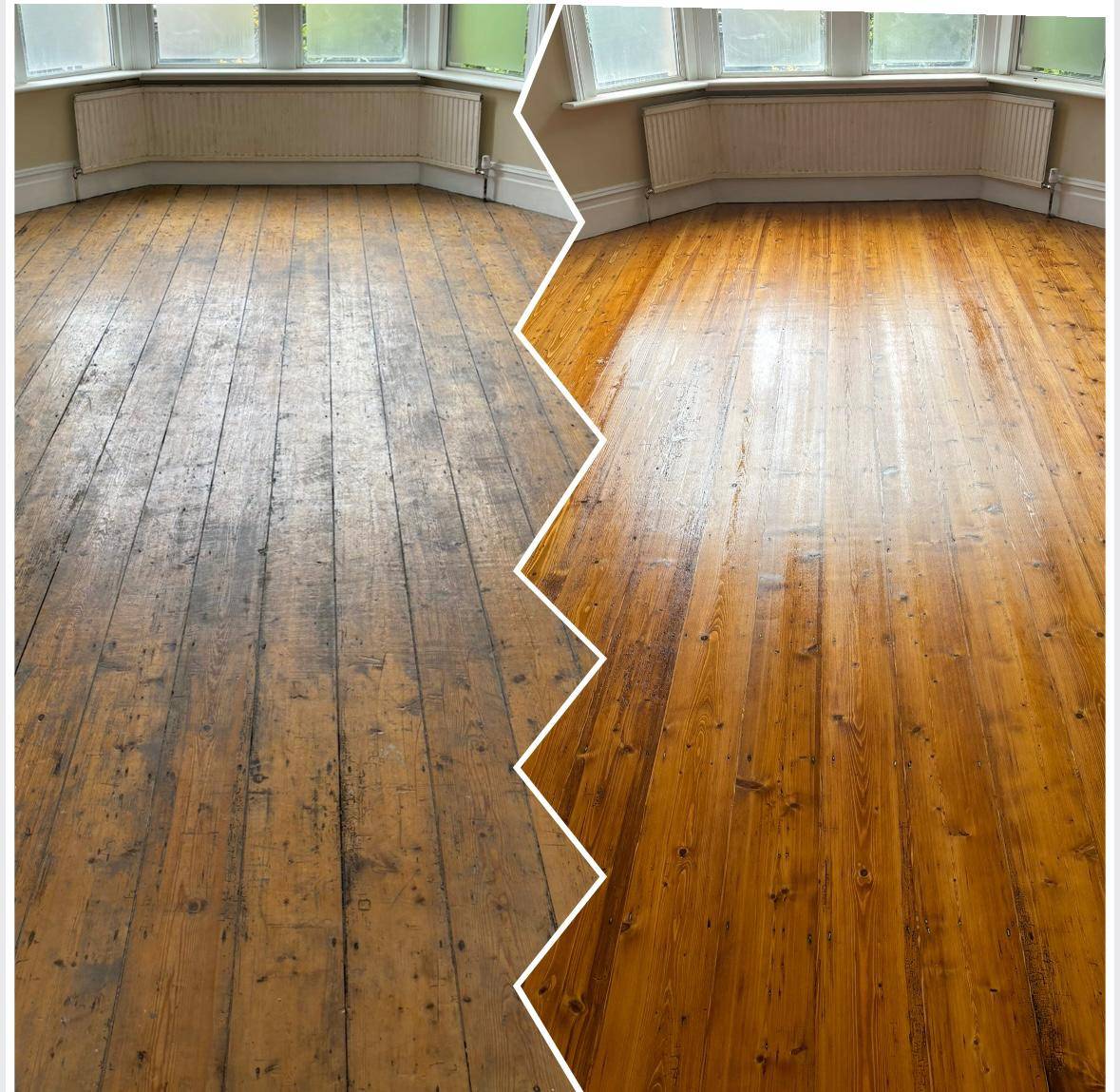
Sidmouth has more than five hundred listed buildings, and a large share of the town’s older houses date from its years as a fashionable resort in the late Georgian and Regency period, with plenty of Victorian building after that. For anyone booking floor sanding in Sidmouth, that history matters for one practical reason: a lot of the floors are old, and old floors have to be handled differently from a modern oak strip laid ten years ago. Boards in a house of that age may be wide, hand-cut, uneven in thickness and fixed with nails that have been working loose for two centuries. Many have been sanded before, sometimes more than once, and there is only so much timber left above the tongue.
So the first thing we do is look rather than sand. Easing up one board beside the skirting, or the short trap cut years ago for a radiator pipe, tells us what depth of pine remains and whether it is held by cut nails, wire nails or screws. If a floor has been taken down hard by a previous sander, the plan changes: lighter abrasives, fewer passes, and an acceptance that some character marks will stay. Chasing every dent out of a two-hundred-year-old board can leave it paper thin.
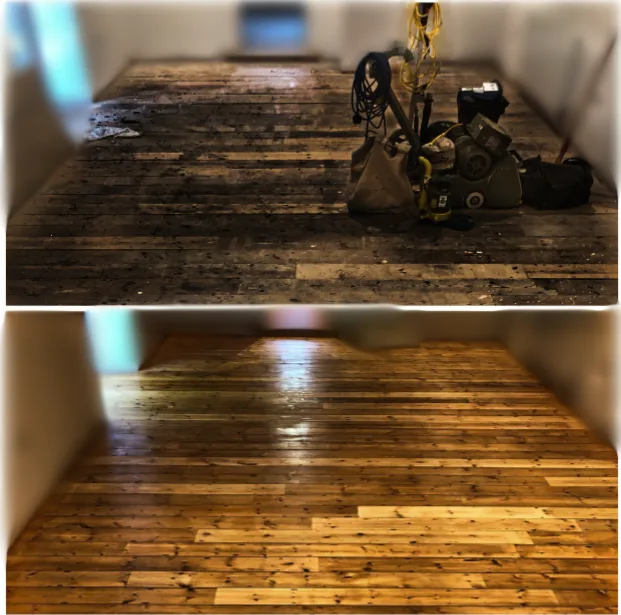
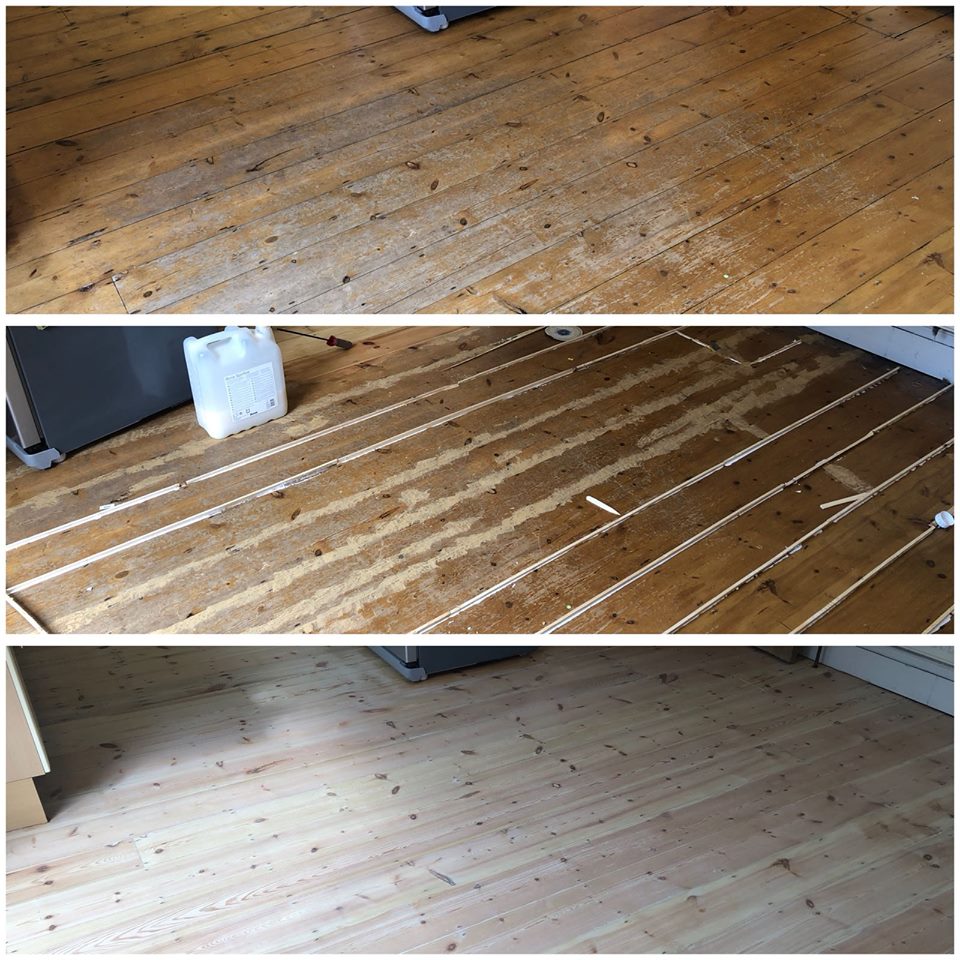
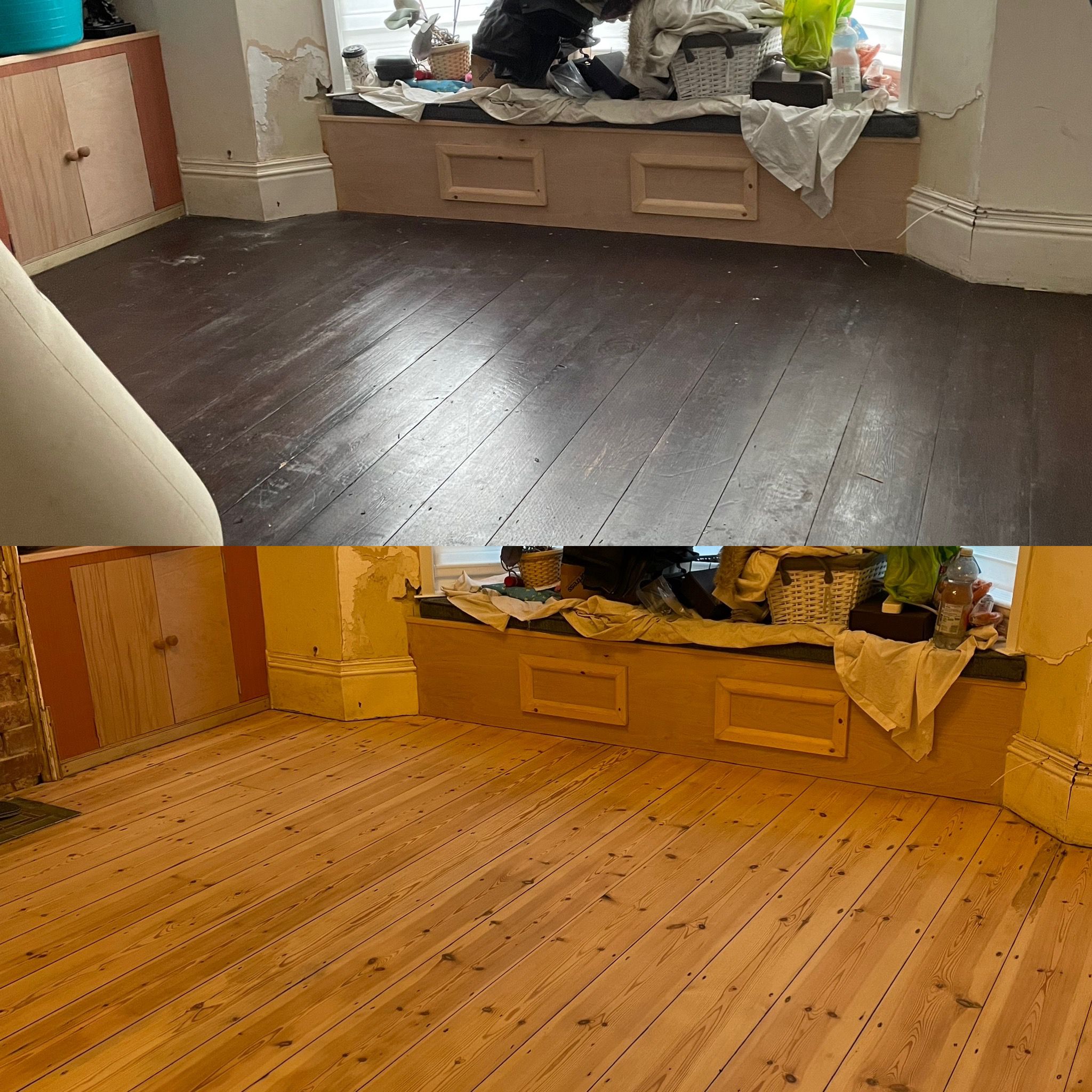
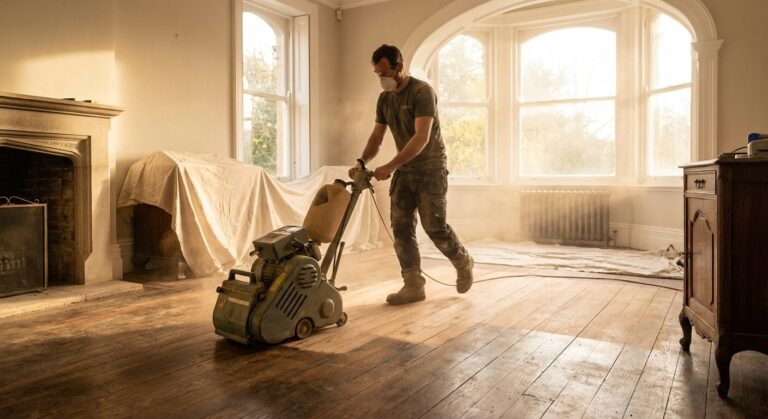
The machines are the same ones used on any floor, a heavy belt sander for the open area, an edger for the margins and a rotary machine to blend the two, but on a period floor the operator lets the old surface lead. Where boards have cupped or dipped, the machine follows them more gently rather than levelling them flat. Our general approach to sanding wooden floors is set out separately, and the wider county picture sits on the Devon floor sanding page.
Dust is a real concern in houses with original cornices, ceiling roses and decorated plaster. Each sander is coupled by hose to a sealed collection unit, and that is the basis for calling the service dust-free floor sanding. It is not absolutely perfect, so in a room with fine plasterwork or a valued painting it still makes sense to cover or move anything delicate, and to keep doors to other rooms closed while the machines are running.