45 years’ experience  ·  Rated 4.9 on Google  ·  Family-run, from our workshop near Wellington

45 years’ experience · Rated 4.9 on Google · Family-run

Floor Sanding and Wood Floor Restoration in Crediton

Older Crediton floors checked for woodworm and rot, repaired with matched reclaimed boards, then sanded and finished by a family-run team.

QUICK QUOTATION

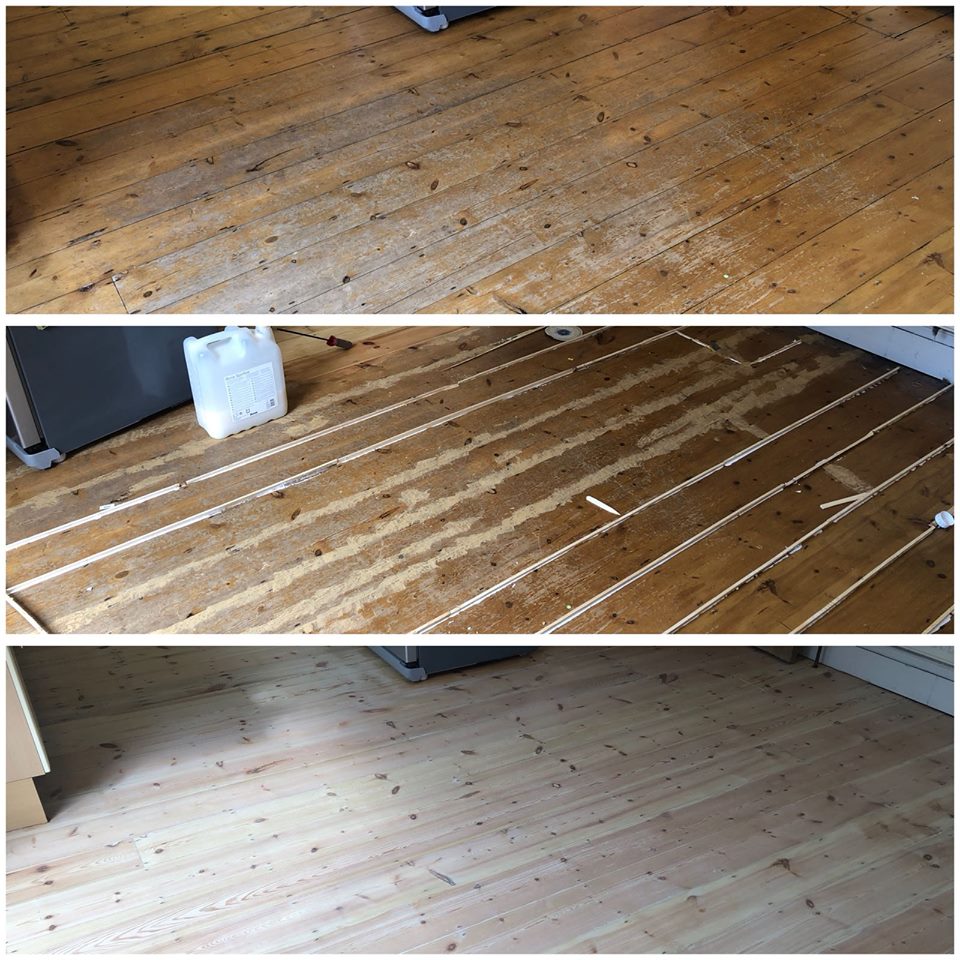
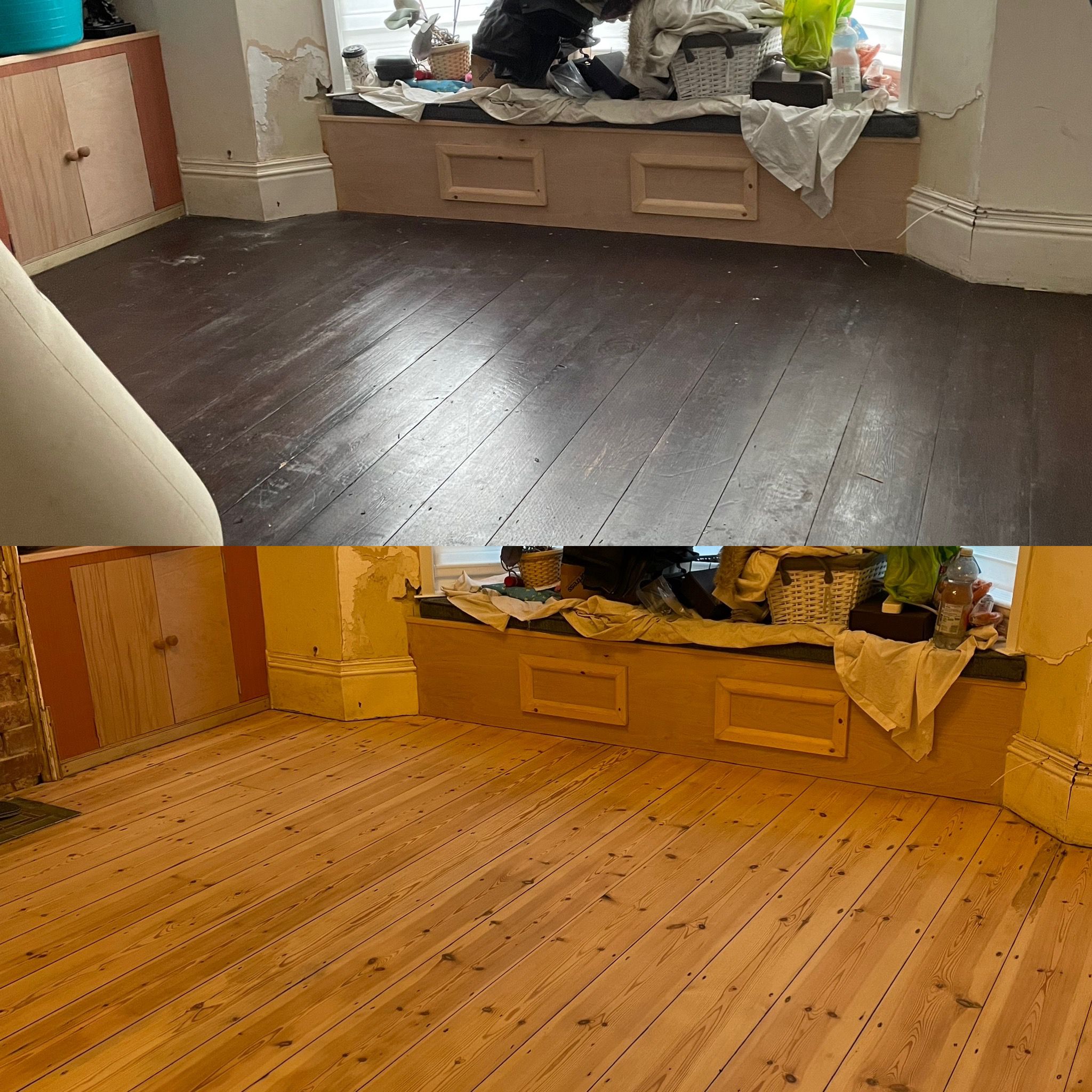
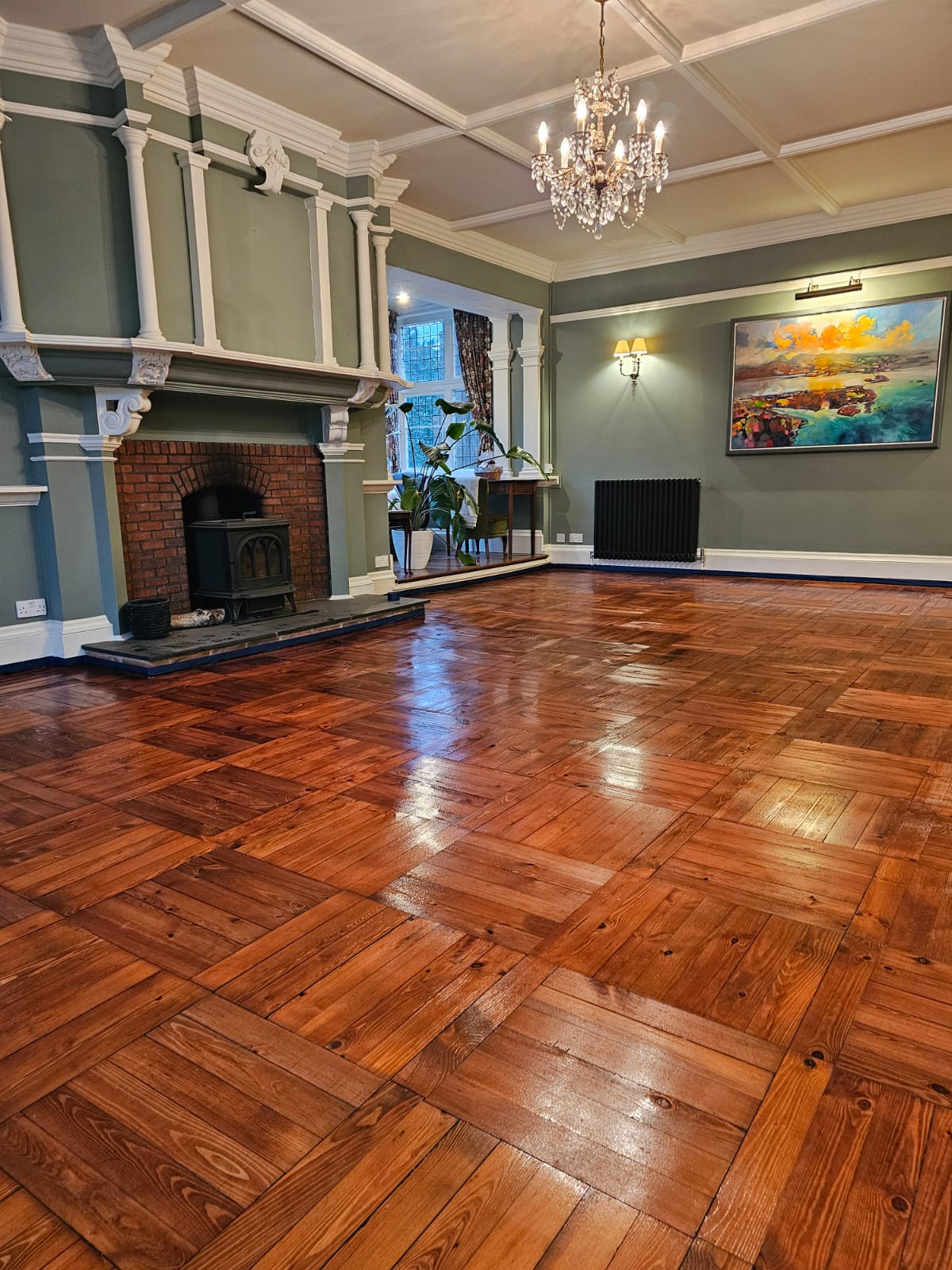
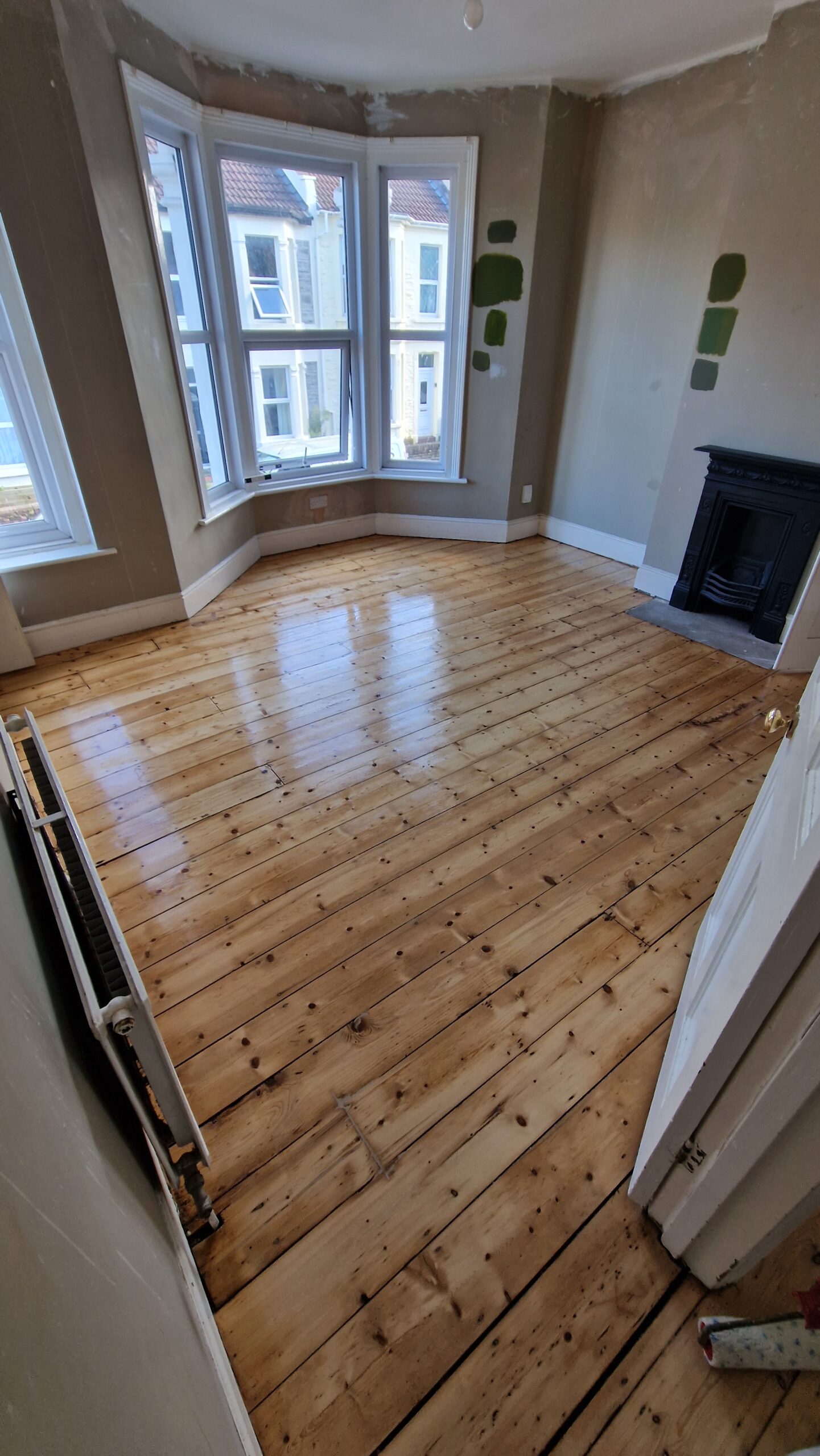
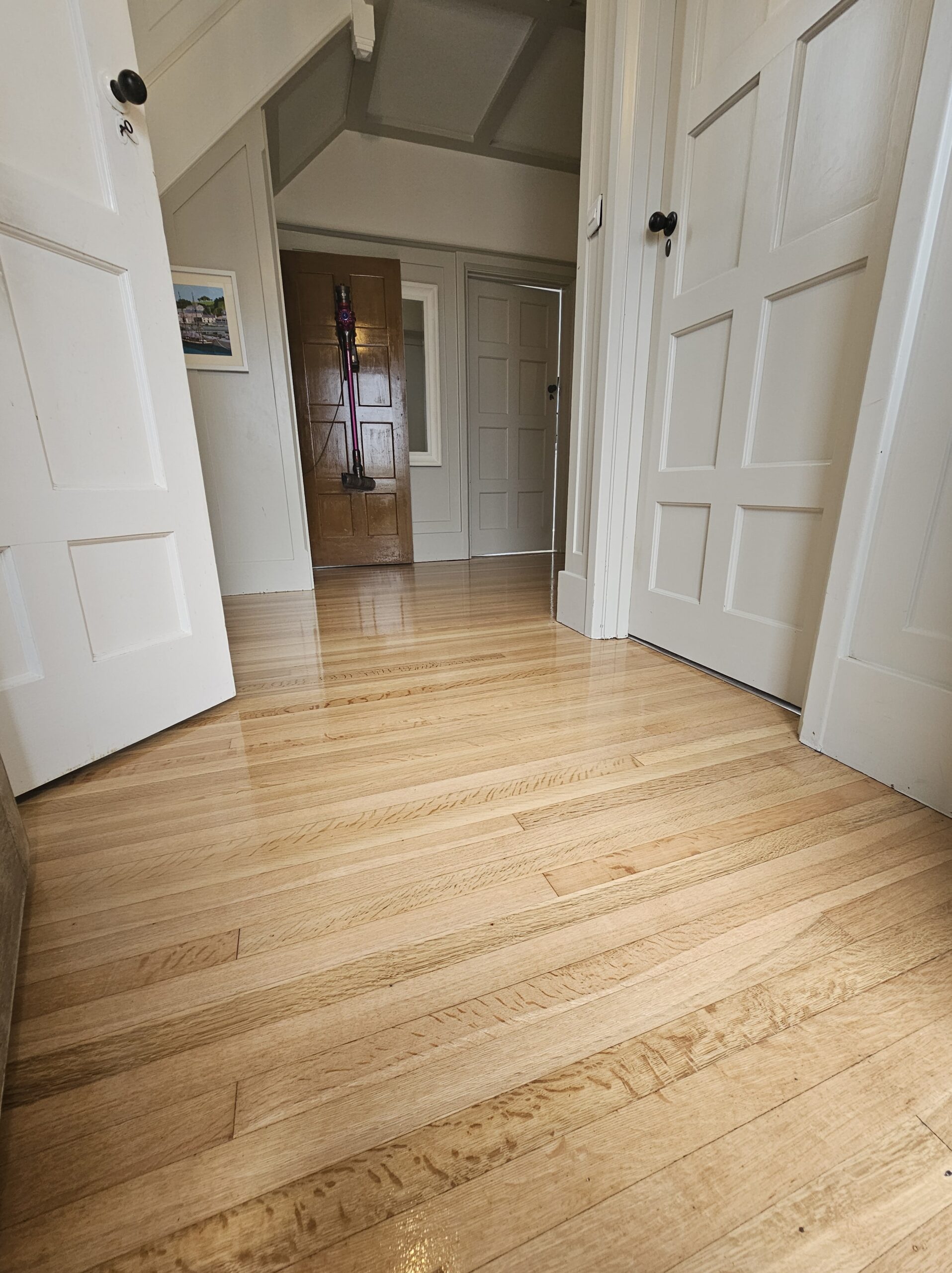
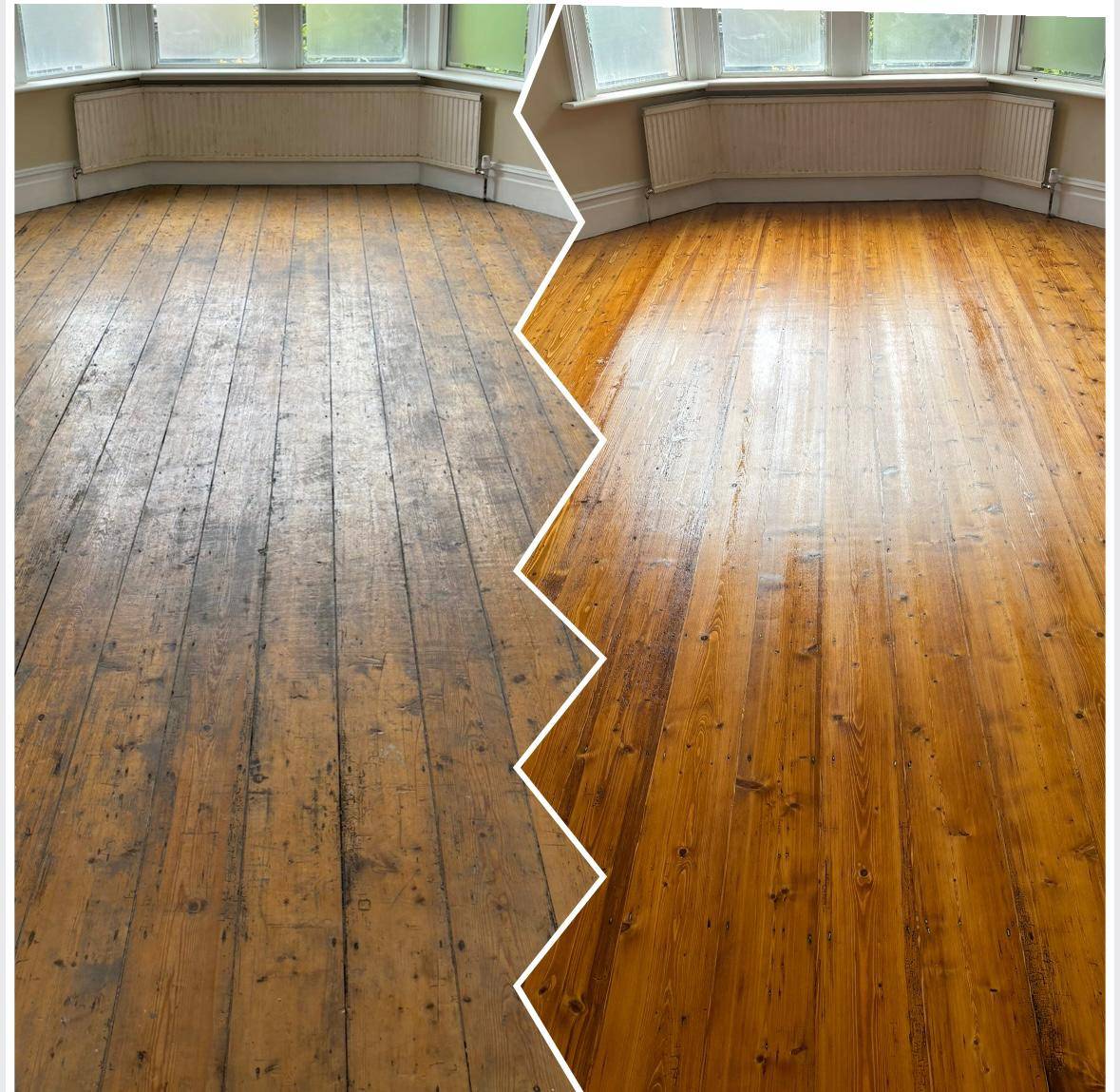
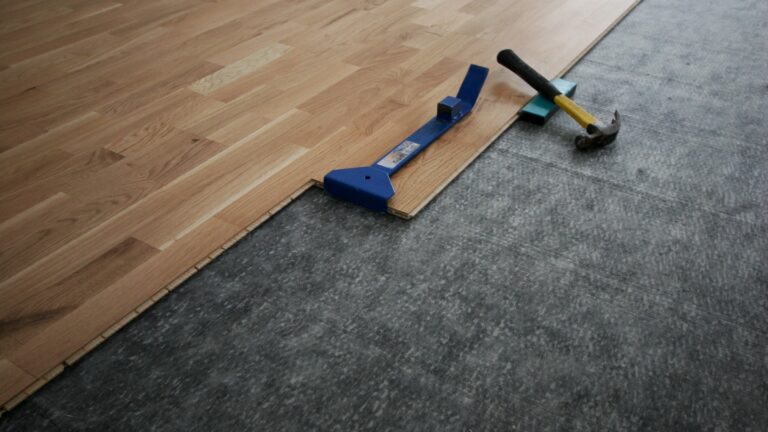
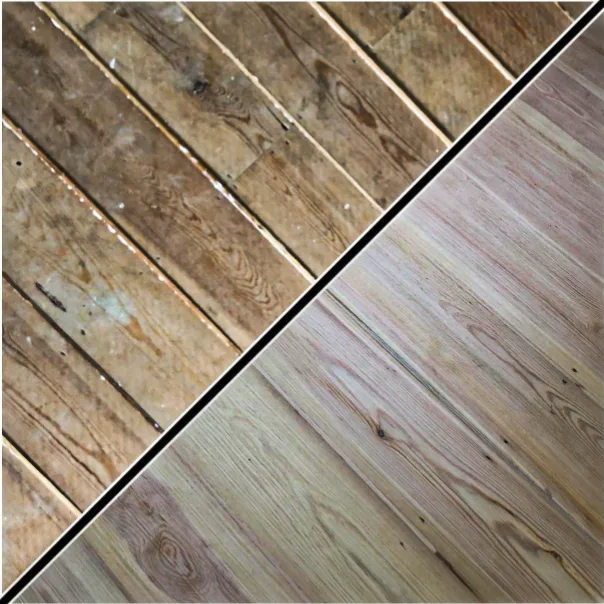
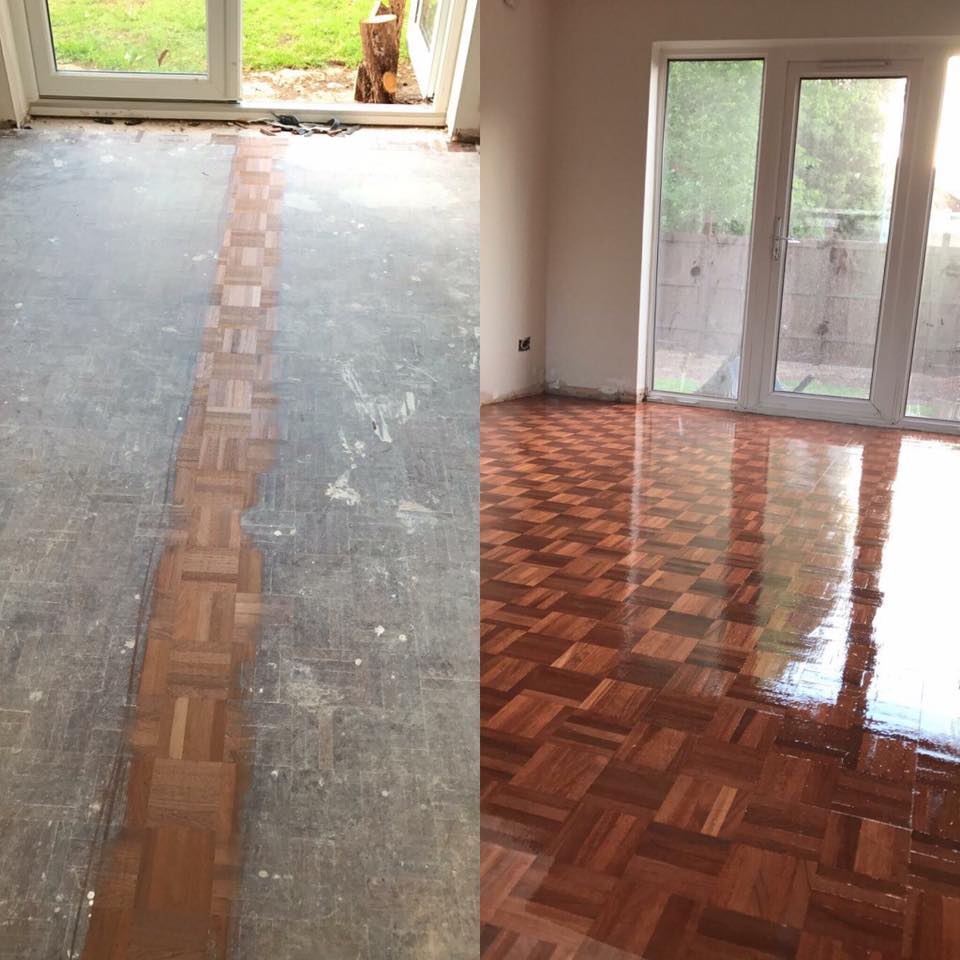
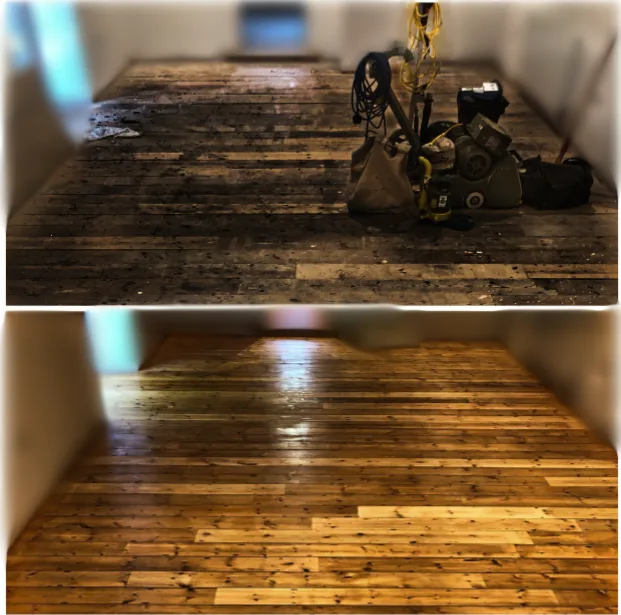
Floor sanding before and after

Floor Sanding in Crediton: Look Hard Before the Machines Go In

A good deal of the floor sanding in Crediton that reaches us is in houses with a long record of repairs. The town has buildings from many periods, and the parishes round about are full of farmhouses and cottages, a good number with cob or stone walls that hold moisture very differently from modern brick and block. Floors in places like these have usually been patched by plumbers, hidden under three generations of carpet and occasionally neglected in a back bedroom that nobody heated. By the time someone pulls the carpet up and decides the boards deserve better, there may be woodworm holes, a soft board beside the outside wall and a few earlier replacements that never matched.

So the first part of a Crediton job is often inspection rather than sanding. Boards near external walls and under old radiators get tapped and probed with a blade, holes are examined for any sign of recent beetle activity, and earlier repairs are checked to see how well they were fixed. Anything found at this stage is simple to put right. Anything found after the first coarse pass, when a drum has opened up a line of tunnels or dipped into a soft patch, is far harder to disguise.

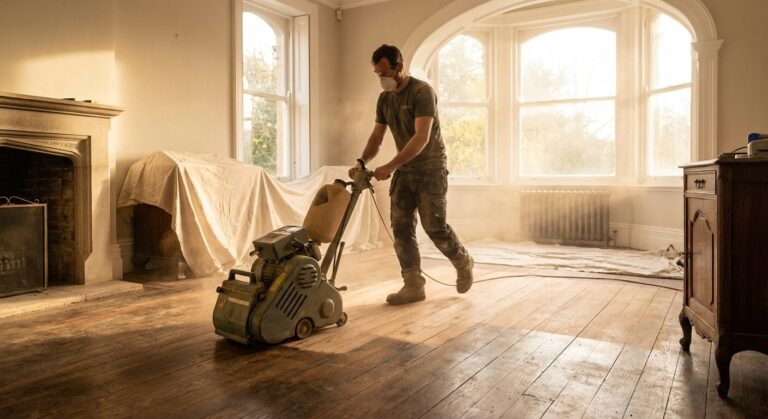
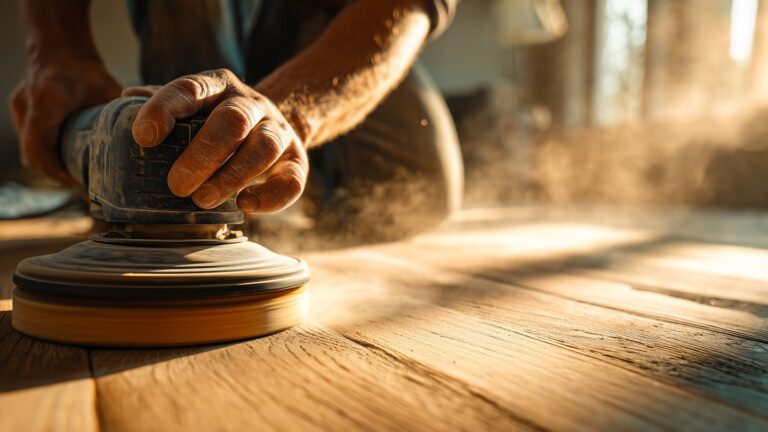
Only when every board is firm and free of soft spots does the drum come out. From there the work follows our usual wood floor sanding routine, cutting the old varnish off with a rough grade, refining in stages, and bringing the strip beside each skirting into line with the edger. Dust is pulled through each machine into a sealed collector, the principle behind our dust-free floor sanding, though the finest particles can still drift onto a picture rail or a high shelf, so delicate things are best taken down beforehand.

Crediton is part of our core working area, and a typical room is finished within one to three days once its repairs are complete. The rest of the county is on our Devon floor sanding page, and owners with a second property to the north may find our notes on floor sanding in Tiverton useful.
Woodworm Exit Holes and Rot Under Crediton Floors

Small round holes are the commonest worry we hear about in older Crediton houses. Most are the work of the common furniture beetle. Its larvae spend several years tunnelling inside the timber, feeding mainly on the sapwood, before chewing their way out as adult beetles, usually between late spring and the end of summer. The exit holes are round and roughly one to two millimetres across. A floor peppered with them is not necessarily a floor in trouble, because a great many infestations died out decades ago, once central heating dried the boards below the moisture level the larvae need.

The skill lies in telling old holes from new. Holes from an infestation that has finished tend to be dark inside, often packed with dirt or old polish, with edges rounded off by years of feet. Fresh holes look crisp, with clean, pale wood inside, and are often accompanied by little heaps of fine, gritty powder called frass on the floor or on ledges below. Fresh holes plus frass, particularly in a damp back room or a cupboard under the stairs, suggest an active infestation, and that needs assessing by a timber treatment specialist before any sanding. Sanding does not kill beetle, and lacquering over a live infestation only hides the evidence.

There is a second thing sanding can reveal. Larvae often tunnel just under the surface, so once the top fraction of a millimetre comes off, galleries can open up as grooves full of powdery frass. A few can be filled. A board riddled with them, or one that has lost its strength, is better replaced.

Rot is a different problem, always driven by persistent moisture. Wet rot shows as dark, soft timber that cracks along the grain, typically at board ends against a damp wall, under a radiator valve that wept for years, or by a door where rain blows in. Dry rot is rarer but more serious: it produces cracking in cube-like pieces, white or grey strands and sometimes rust-coloured spore dust, and it can travel through masonry, so specialist treatment must come first. In both cases the moisture source has to be stopped. Blocked airbricks under suspended floors are a frequent cause, as is garden soil or a patio built up above the damp-proof course. That is why the free survey includes moisture readings and a look at ventilation.

With the cause dealt with, damaged boards come out through our floorboard replacement service, and lesser defects are handled as wooden floor repairs.

parquet wooden floor sanding
wooden floor sanding

Wood Floor Restoration in Crediton: Matching Reclaimed Boards

Taking out a damaged board is easy. Making its replacement disappear is not, and that is the part of wood floor restoration in Crediton houses that takes the most patience. Older floors were laid in imperial sizes, with boards perhaps five, six or seven inches wide and close to an inch thick, and a metric board from a timber merchant rarely matches either measurement. A new board a few millimetres too thin sits low and leaves a step; one that is too wide means planing off an edge and losing the tongue. Even when the size is right, new softwood is usually fast-grown plantation timber with wide, pale growth rings, whereas Victorian and earlier pine was often slow-grown, with tight, dark rings. Lay the two side by side and the newcomer shouts.

That is why reclaimed timber is kept at our workshop. Old boards have the right dimensions, a similar ring pattern and a century or more of colour in the wood itself, not just on the surface. When a board has to go, the search is for one with similar width, thickness, grain and tone, and the tongue may be trimmed or the underside rebated so it sits flush with its neighbours. Joints need planning as well. Board ends should finish over a joist, or on a bearer screwed to the side of one, and the ends of replacements should be staggered so the repair does not create a straight line across the room.

Where several boards are needed in the middle of a sitting room, one useful approach is to take sound original boards from somewhere unseen, perhaps inside an airing cupboard or beneath a built-in wardrobe, lay them where they will be looked at every day, and put the reclaimed pieces in the hidden spot.

Gaps get the same treatment. Wide gaps in a stable floor can be closed with thin slivers of old timber glued into place, so the strips age with the floor around them, while narrow or seasonal gaps may suit resin or no filler at all, as explained on our gap filling page. Creaks from loose boards are cured in the same visit through squeaky floor repairs, and the complete process of restoring a wooden floor has a page of its own.

The species changes the approach. Pine floor restoration is the most common work in the town’s older houses. Oak, found in some larger houses and later floors, is harder and usually needs fewer repairs, though matching the figure of old oak takes time, as our oak floor restoration page describes.

Toning Repairs In: Stain, Oil and Lacquer on a Patched Floor

Even a well-chosen reclaimed board will look a little different from its neighbours when the floor is first sanded, because every board carries its own history of sunlight, polish and wear. The finish is the last chance to bring them together, and good wood floor refinishing on a repaired floor is as much about blending as about protection.

Stain does the most. A dilute stain on a slightly paler repair can bring it closer to the boards around it, and a stain across the whole floor narrows differences further. The catch is that a board salvaged from another house may have been waxed, oiled or bleached by the sun in a different way, so it drinks in pigment at its own rate. So stains are tested on your own boards, reclaimed pieces included, before anything is applied across the room. The colours available are on our floor staining page.

Oil and lacquer each have their own effect. Anything oil-based, whether a natural oil, a hard wax oil or an oil-based lacquer, deepens and warms the timber, which tends to pull old and replacement boards closer together. Water-based lacquers keep wood paler, which can make a small difference more noticeable but suits a light, Scandinavian look. A two-component lacquer gives the hardest surface for kitchens, hallways and family rooms. The lacquer range is described under floor sealing, and oiled finishes have their own page, including how an oiled floor can be refreshed in one corner without redoing the room.

Wax remains an option on an old floor in a quiet room, giving a soft, low sheen and a feel that suits aged timber. It needs topping up and dislikes standing water, as our page on traditional floor waxing explains. Once a finish has fully cured, a soft polished lustre can be built up over it, which is covered under wood floor polishing.

Sheen affects how repairs read, too. Matt and satin diffuse light and play down small variations between boards, filled holes and patched areas. Gloss reflects light along the floor and exaggerates every dip, every filled beetle hole and every slight height difference between old and new boards. On a repaired floor in an older house, matt or satin is usually the wiser choice for that reason alone.

flooring sanding company
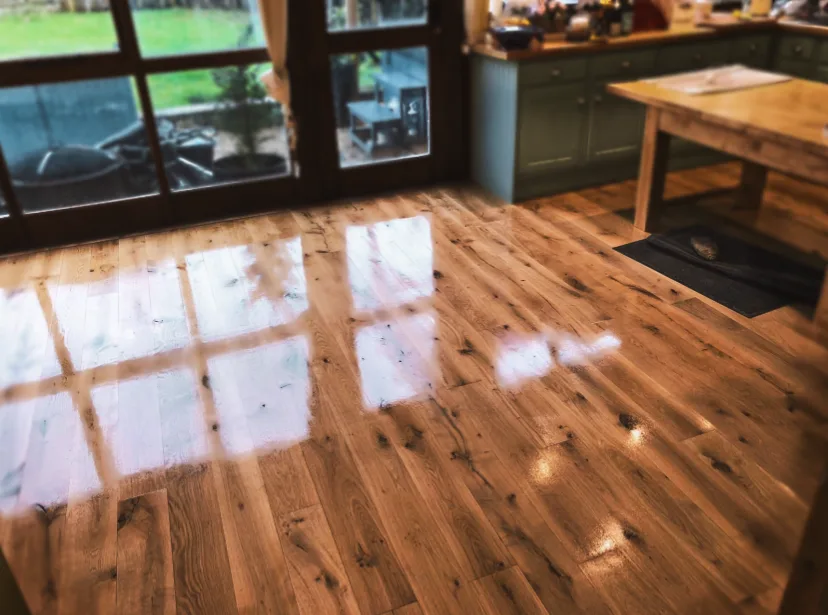
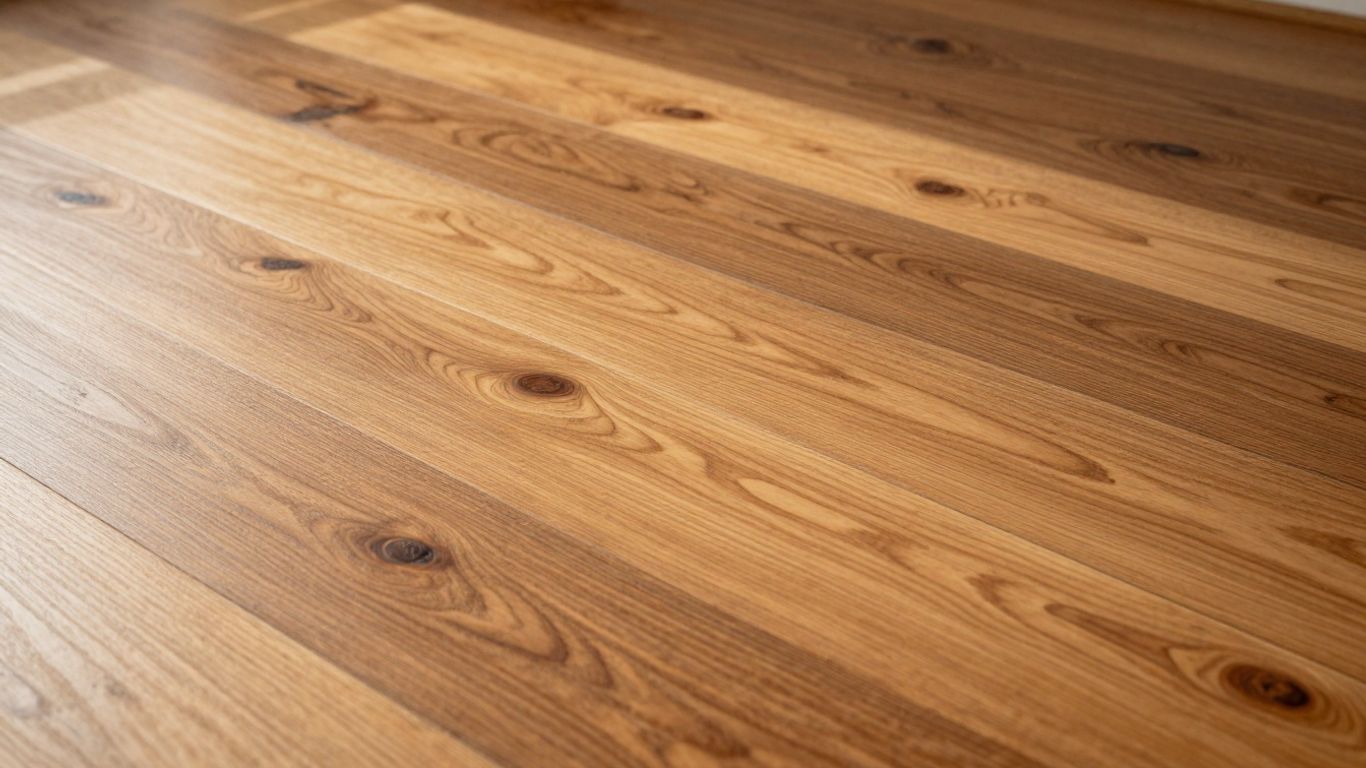
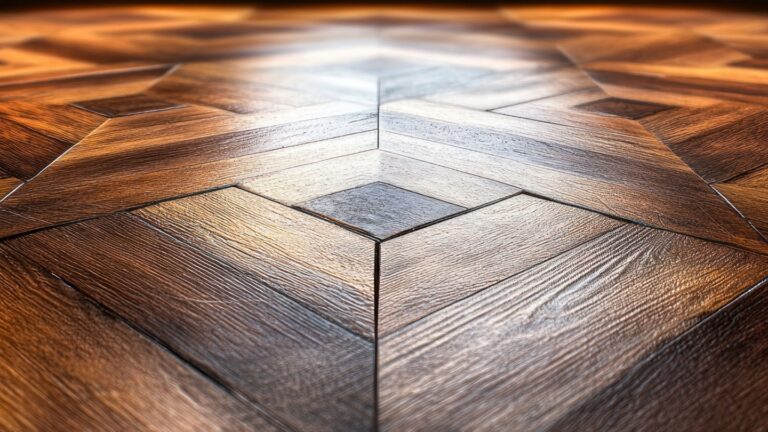
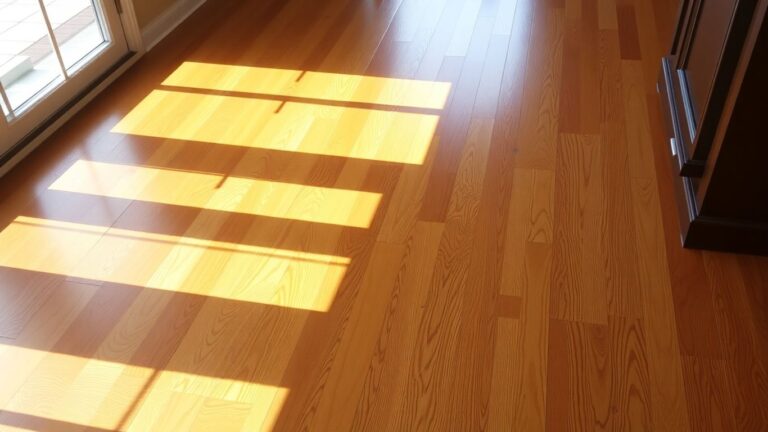
Sunlight across freshly lacquered wooden floorboards

Herringbone Blocks and Stair Flights in Crediton

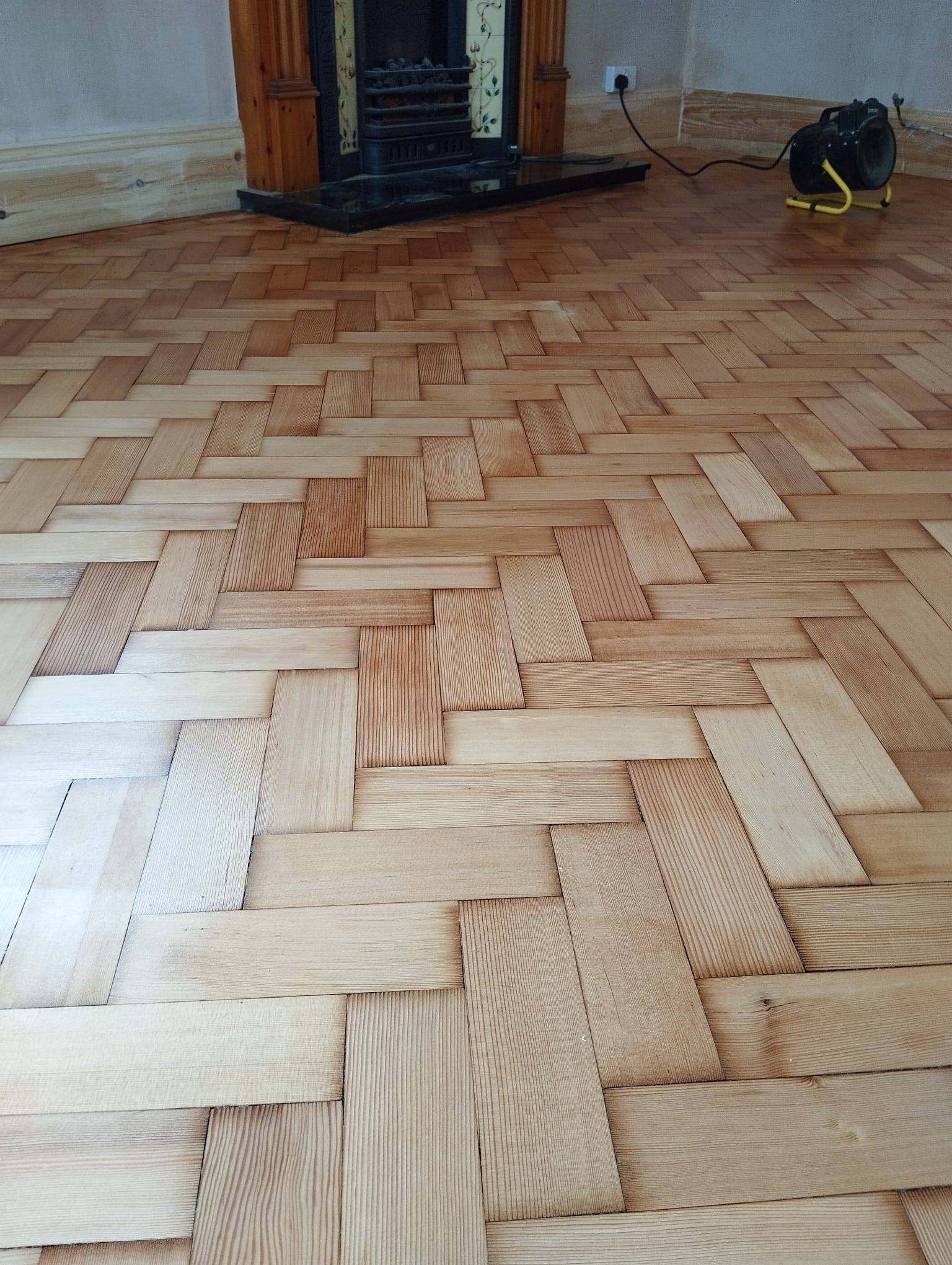
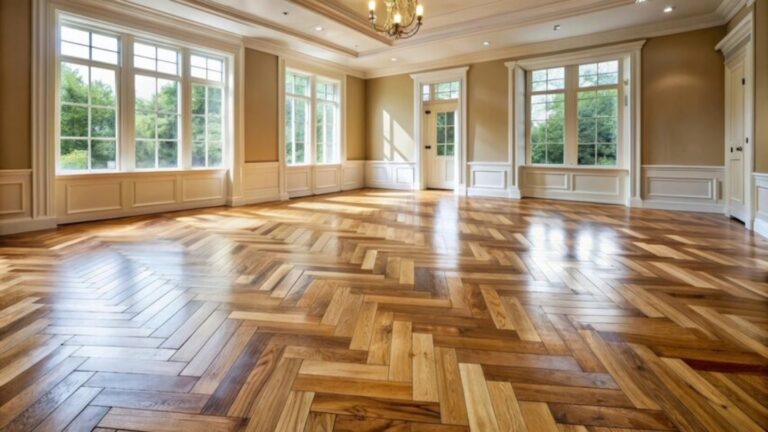
Parquet in the town is mostly mid-twentieth-century woodblock, laid in herringbone or basket weave and stuck to a concrete screed with bitumen. Two problems show up again and again. The bitumen dries out with age and loses its grip, so blocks rattle and lift. And any damp in the screed, perhaps from a failed membrane or an old leak, makes the blocks swell, press against one another and arch upward in a ridge. Woodworm can appear in parquet too, usually in the sapwood edges of individual blocks.

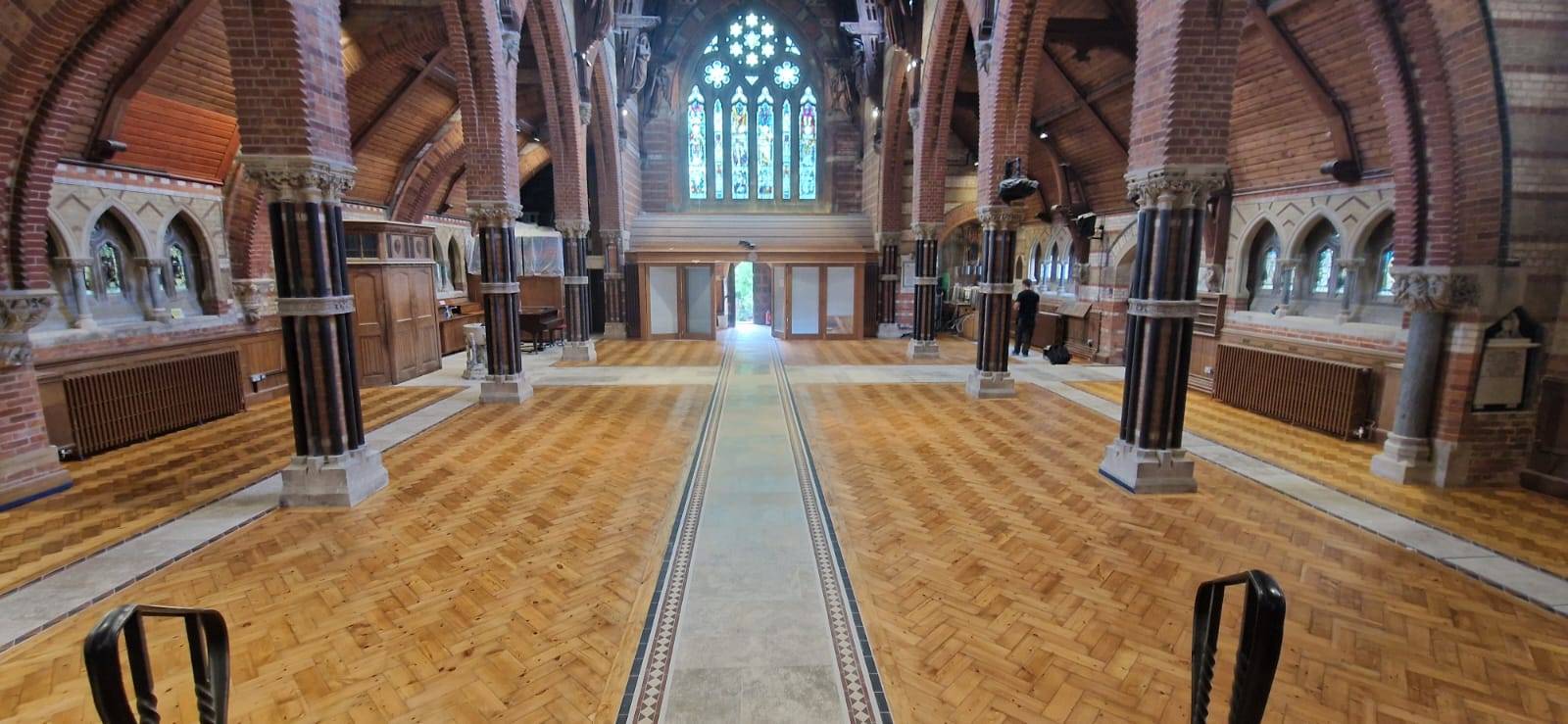
Parquet floor sanding therefore begins with a hands-and-knees session: any block that clicks under a heel is prised up, its old black glue chiselled away, and it is fixed again with modern adhesive. Any block that is riddled with flight holes or has blackened from water gets swapped for a salvaged one, ideally the same timber and the same dimensions. If damp is behind the movement, it has to be investigated first, because re-bonding blocks to a wet screed only postpones the problem. Herringbone parquet is then sanded with passes angled to the pattern, finishing on fine grits so no cross-grain scratches show through. More detail is on our parquet sanding page, and our Paignton parquet restoration shows a Devon block floor brought back.

Stairs in older houses around Crediton are often where woodworm is found first, because the underside of a stair and the cupboard beneath it are rarely heated or aired. If you can get under yours, look at the back of the treads and the strings with a torch. Where the timber is sound, stair sanding is mainly hand work. Each step is worked individually with small sanders and cabinet scrapers, and the paint line where a runner once stopped is dealt with along the way. Spindles and the rail can be added to the job. Our stair sanding page sets out the options, from a fully exposed flight to a carpet runner with sanded borders. A matt or satin finish on the treads gives better grip on the way down.

Commercial Floor Sanding in Crediton: Offices, Clinics and Restaurants

Commercial floor sanding in Crediton is usually smaller in scale than in a city: offices above shops, consulting rooms and practices, restaurants and cafés, and the occasional function room. What they share is that the floor belongs to a working business, so the job is planned around trading, appointments and staff, not the other way round.

Offices produce a distinctive kind of wear. Swivel chairs on hard wheels shuttle over one small patch all day, and the grit trapped under them wears a cloudy ring into the lacquer by every workstation. Specifying a 2K coating, and putting polycarbonate mats beneath the heaviest-used chairs, holds that wear back for years. Offices are usually best tackled over a weekend or a bank holiday, with computers and paperwork moved or covered first, so staff come back to a floor that is hard enough to work on.

Consulting rooms and clinics need a surface that copes with frequent wiping and disinfectant. Again, a two-component lacquer is normally the right answer, with a satin or matt sheen to cut glare under bright lighting.

Restaurants and cafés deal with spilt drinks, dropped food, scraping chairs and grit from the street. That work is done overnight or on closed days, with fast-curing finishes so tables can be laid again much sooner than a household product would allow. Our restaurant floor sanding page covers the approach, and small retail units are dealt with under shop floor sanding.

A busy office or dining room typically wants a full resand after four or five years, with a buff and recoat around the halfway mark, so it pays to agree that rhythm at the start. Dates are fixed well ahead to suit your diary. A practice manager or landlord who needs a risk assessment, proof of insurance or the names of previous clients only has to ask. The wider service is described on our commercial floor sanding page.

Wood floor sanding company
Floor sanding taunton

After the Last Coat: Care, Replacement Floors and First Steps

Roughly twenty-four hours after the last coat, the floor will usually take someone walking across it in socks. Furniture should wait until the finish has had between forty-eight and seventy-two hours, and it should be carried into place rather than slid, because a young finish scuffs easily even when it feels dry. Rugs are best left until the end of the first week so the finish beneath them can cure evenly.

For routine cleaning, lift grit with a soft-bristled vacuum attachment, then every week or two go over the boards with a cloth mop wrung almost dry in a neutral wood-floor soap. Keep the steam cleaner for tiles; on boards it forces hot vapour down between them. In a house with a woodworm or damp history, keep airbricks clear of leaves, plant pots and soil, and never block them up to cut draughts; a dry, ventilated void is the best protection the boards can have.

Lacquer that has dulled without wearing through can be given a buff and recoat, scuffed with a fine pad and recoated so the bare timber is never touched. In a home, a full resand is typically due every eight to ten years. If rot has taken too much of a floor to save, a new one can be laid instead: we supply and install wooden flooring or deliver boards for your builder to fit, with Junkers and Bona products among the choices.

A first opinion only needs a couple of phone snaps, a general view and a detail. If woodworm is the worry, make the close-up a sharp shot of the holes with a coin beside them for scale. They can be attached on our enquiry page or emailed to info@ryansrestoration.co.uk. Our phone, 01823 674562, is staffed through the working week from 8am until 6pm, and a Saturday visit can sometimes be fitted in. If the floor looks right for us, a free half-hour survey follows, measuring board thickness, taking moisture readings, checking ventilation and damp, and noting past repairs. You then receive an itemised written quotation that stays as it is unless the work changes.

Crediton Floor Sanding Questions

Look for fresh signs. Active holes have crisp edges and clean, pale wood inside, and there is often fine, gritty powder beneath them, especially between late spring and the end of summer when adult beetles emerge. Old holes are dark inside and often filled with dirt or polish. If in doubt, have a timber treatment specialist check before any sanding is booked.

Treating an active beetle infestation or dry rot is work for a timber treatment specialist, and it should be finished before any sanding. Once the timber is treated and the source of damp has been fixed, we can replace the damaged boards with matched reclaimed timber, make good the rest of the floor and sand and finish it.

A board with a scattering of old holes is usually sound and can be sanded, with the holes filled or left as part of its character. Sanding can open shallow tunnels just under the surface, though, and a board that is heavily tunnelled or has lost strength is better replaced. The survey looks at how badly affected each area is.

Old floors were usually laid in imperial sizes that modern boards do not match, so reclaimed timber is used, chosen for similar width, thickness, grain and colour. Where several boards are needed in a prominent place, original boards can be moved from a hidden spot, such as an airing cupboard, and the reclaimed pieces put there instead.

Usually because the bitumen adhesive has dried out and lost its grip, or because damp in the screed has made the blocks swell and push against each other. Loose blocks can be lifted, cleaned and bonded back down before sanding, but if damp is the cause, it needs investigating first, or the blocks will simply lift again.

A great deal can be done. Reclaimed boards matched for size and grain, stains tested on your own boards, and an oil-based or warm-toned finish all help repairs blend in. A matt or satin sheen also hides small differences far better than gloss. An old floor will always show some variation, which is part of its character.

Usually, yes. An office suite normally goes into a Friday-to-Monday slot or a long bank holiday weekend, and quick-hardening coatings let desks go back in before Monday morning. Larger premises can be phased, one area at a time. Dates are agreed well in advance, and risk paperwork and proof of insurance can be provided beforehand.

Yes. Sanding and finishing a floor that is still taking on moisture is wasted effort, because boards swell, finishes fail and beetle or rot can return. Common fixes include clearing blocked airbricks, lowering soil or paving outside, and repairing leaks. Our survey includes moisture readings and a ventilation check, so you know where things stand first.

Pick up the phone to 01823 674562 Monday to Friday. Alternatively, info@ryansrestoration.co.uk will take a general shot plus a close view of the worst patch, holes and all. From there, a free visit of about half an hour is booked, and the written figures we send afterwards stay put unless more work comes to light.