Floor Sanding Honiton

Floor Sanding and Wood Floor Restoration in Honiton, Devon

QUICK QUOTATION

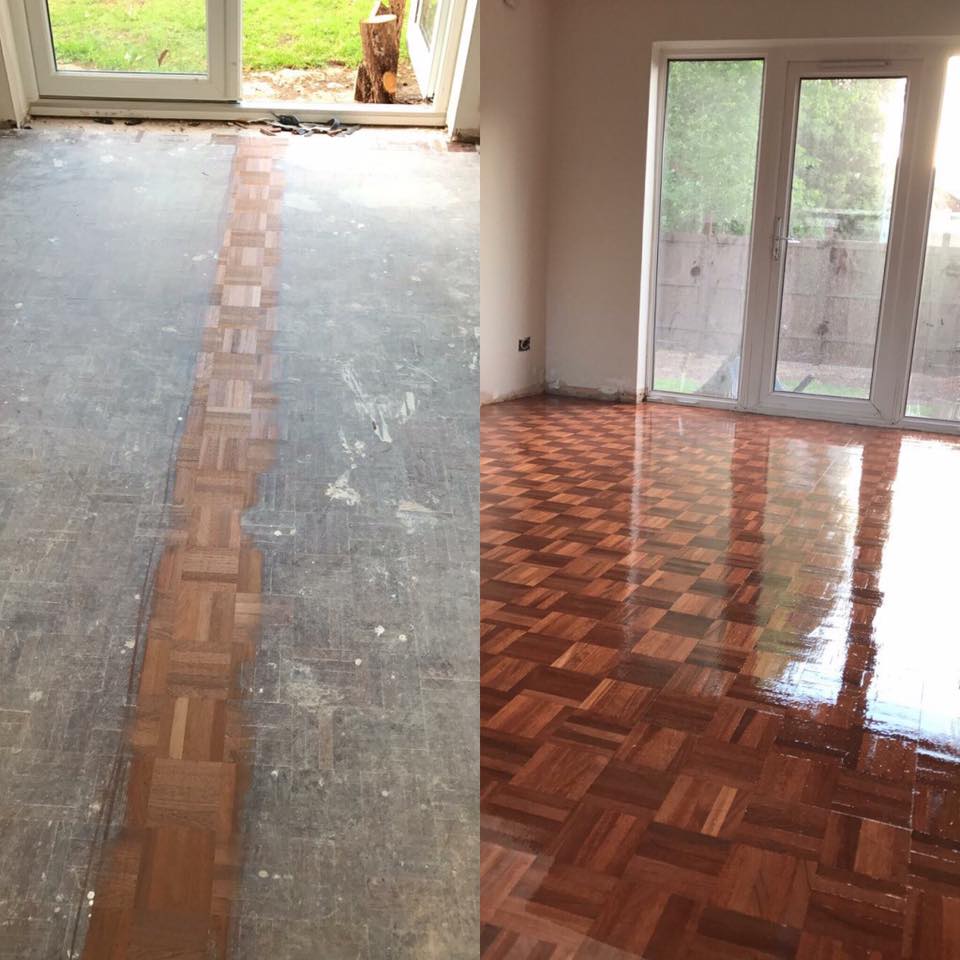
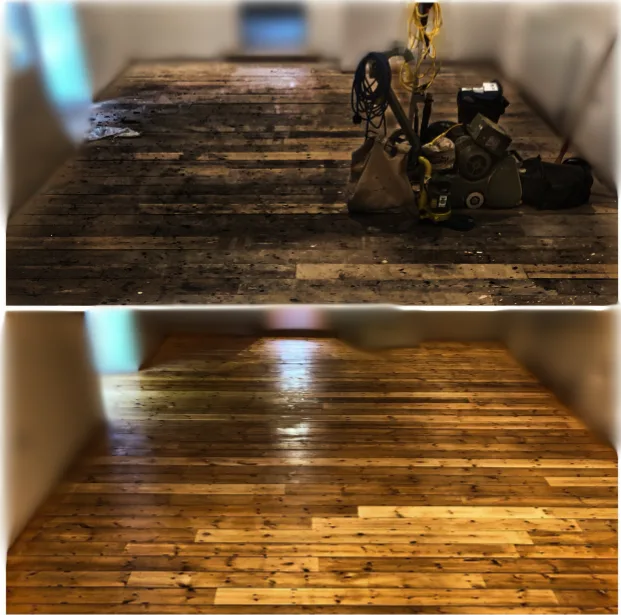
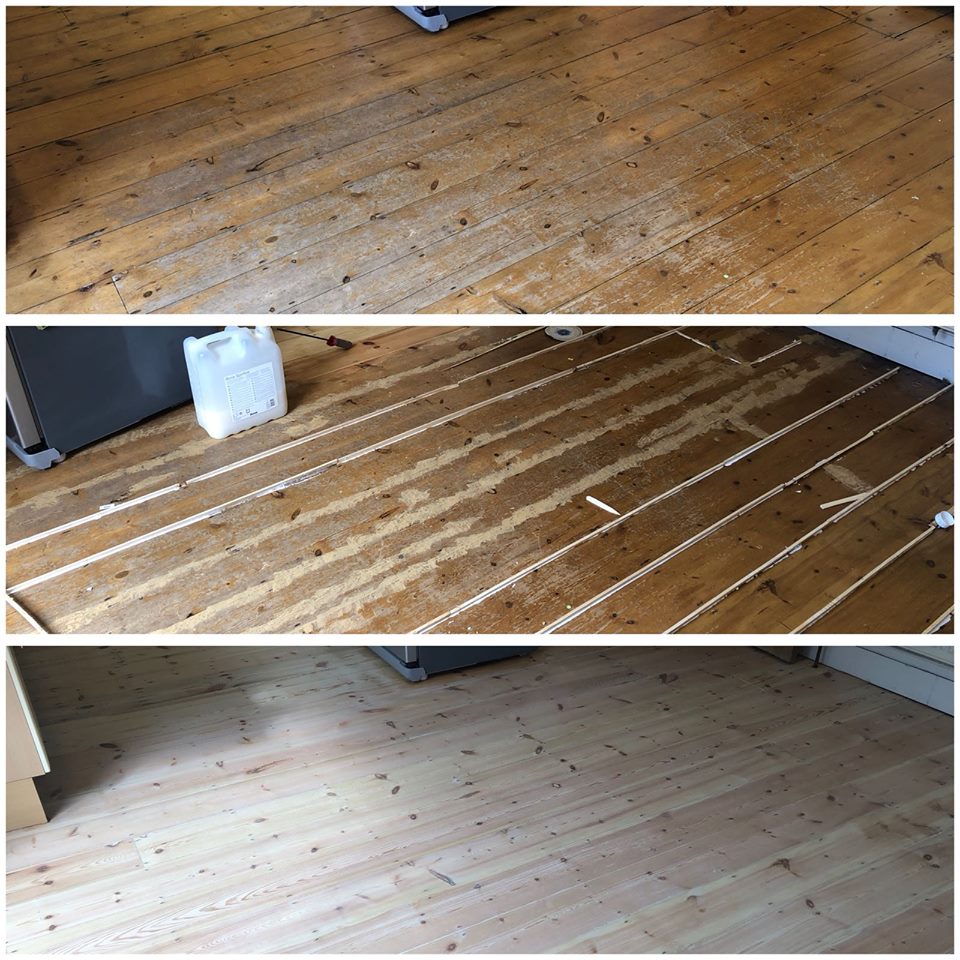
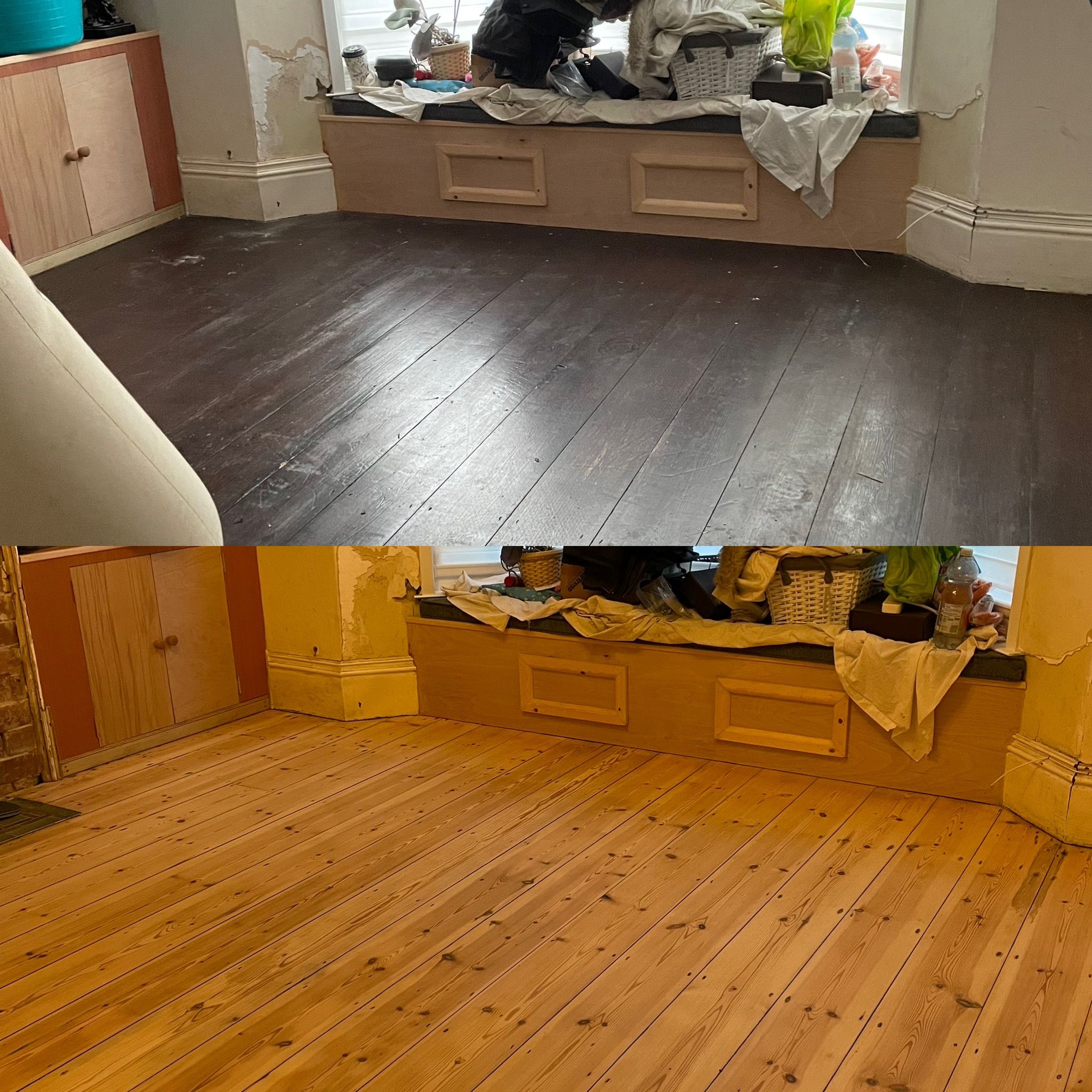
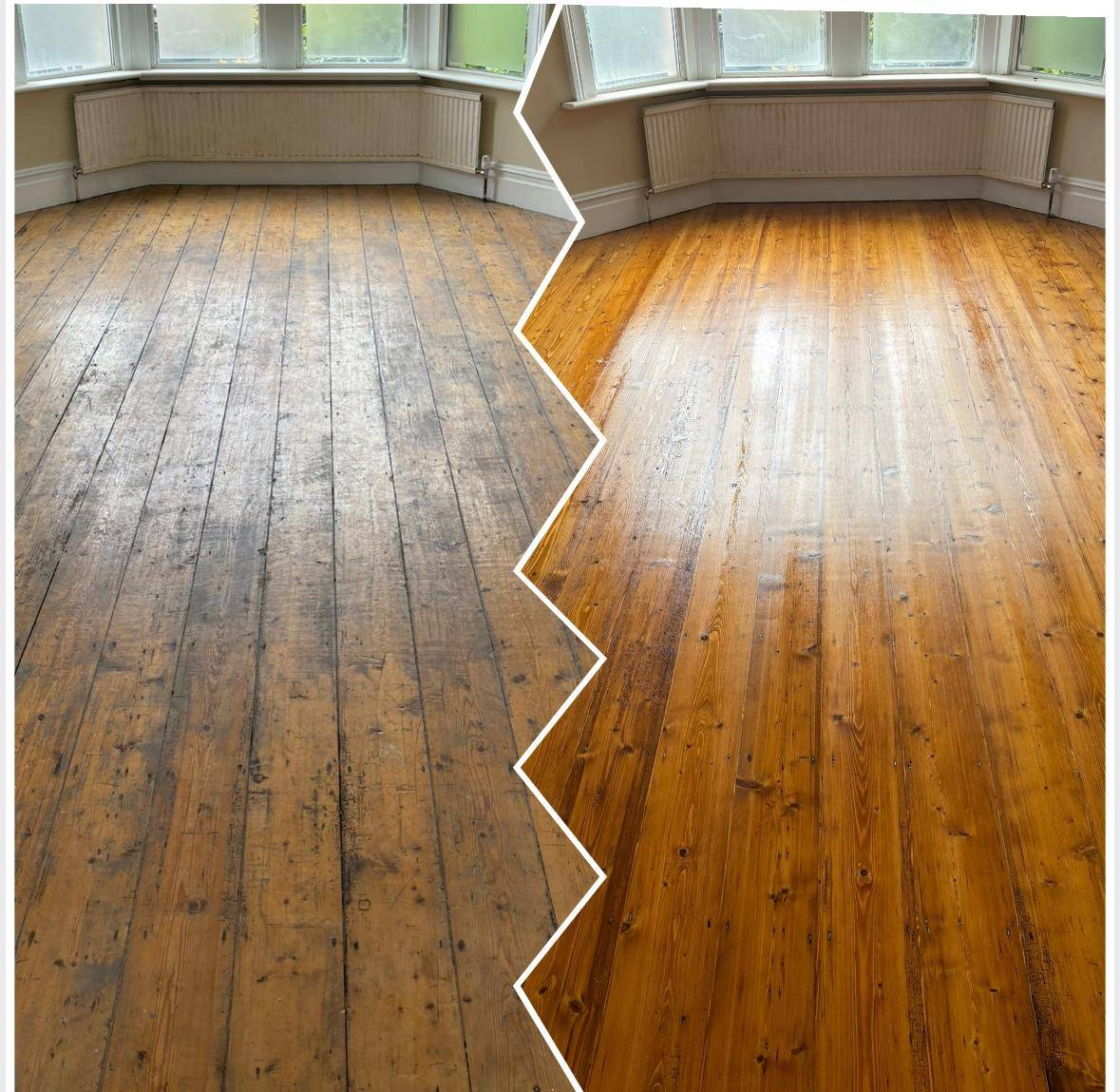
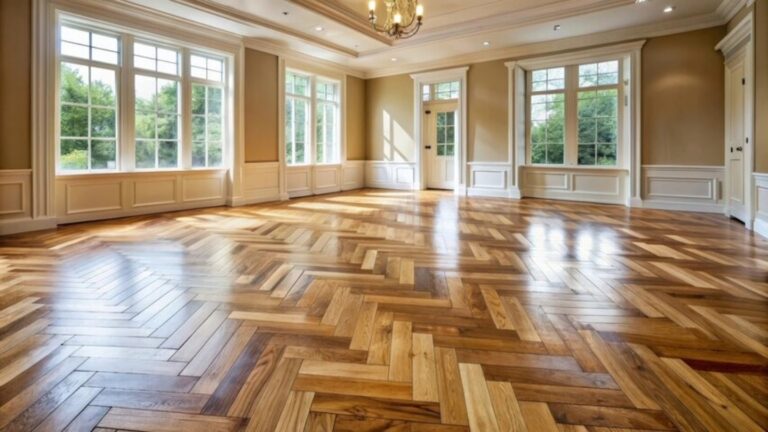
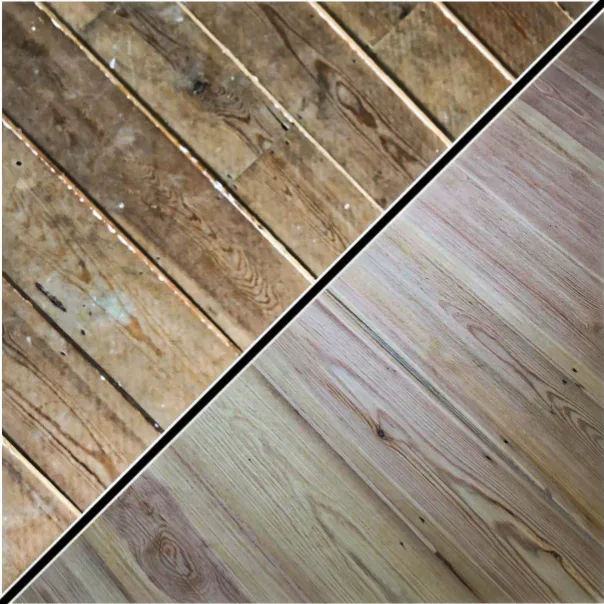
Floor sanding before and after

Floor Sanding Across Honiton and the Otter Valley

Honiton burned down twice in the eighteenth century and was rebuilt as one of the best Georgian streets in Devon. That fire is why the High Street looks the way it does, and it is why so many town centre floors date from a single narrow period.

Behind the main street the picture changes quickly. Cob and thatch in the villages, Victorian terraces built when the railway arrived, interwar and post-war housing towards Kings Road and Littletown, and modern development on the Exeter side.

We are forty minutes away in Wellington and on the A30 corridor most weeks, so Honiton surveys are usually within a few days.

We cover Honiton, Awliscombe, Gittisham, Combe Raleigh, Dunkeswell, Payhembury, Feniton, Ottery St Mary, Sidbury and Upottery, plus Axminster, Cullompton and Exeter.

Georgian Town Centre Floors

The High Street rebuild produced tall, narrow buildings with good quality pine floors, often wide boards laid across generous joists. Two and a half centuries later many are still there under carpet, lino or later boarding.

Much of the centre is listed or in the conservation area. Refinishing an existing floor is normally acceptable, but lifting boards, replacing timber or altering levels can need listed building consent from East Devon District Council, so it pays to ask before starting.

Our approach on old timber is minimum removal. Finer grits, more passes, and no attempt to chase a dead flat surface. Georgian boards have settled and moved for centuries and levelling them out means taking away material that is not coming back.

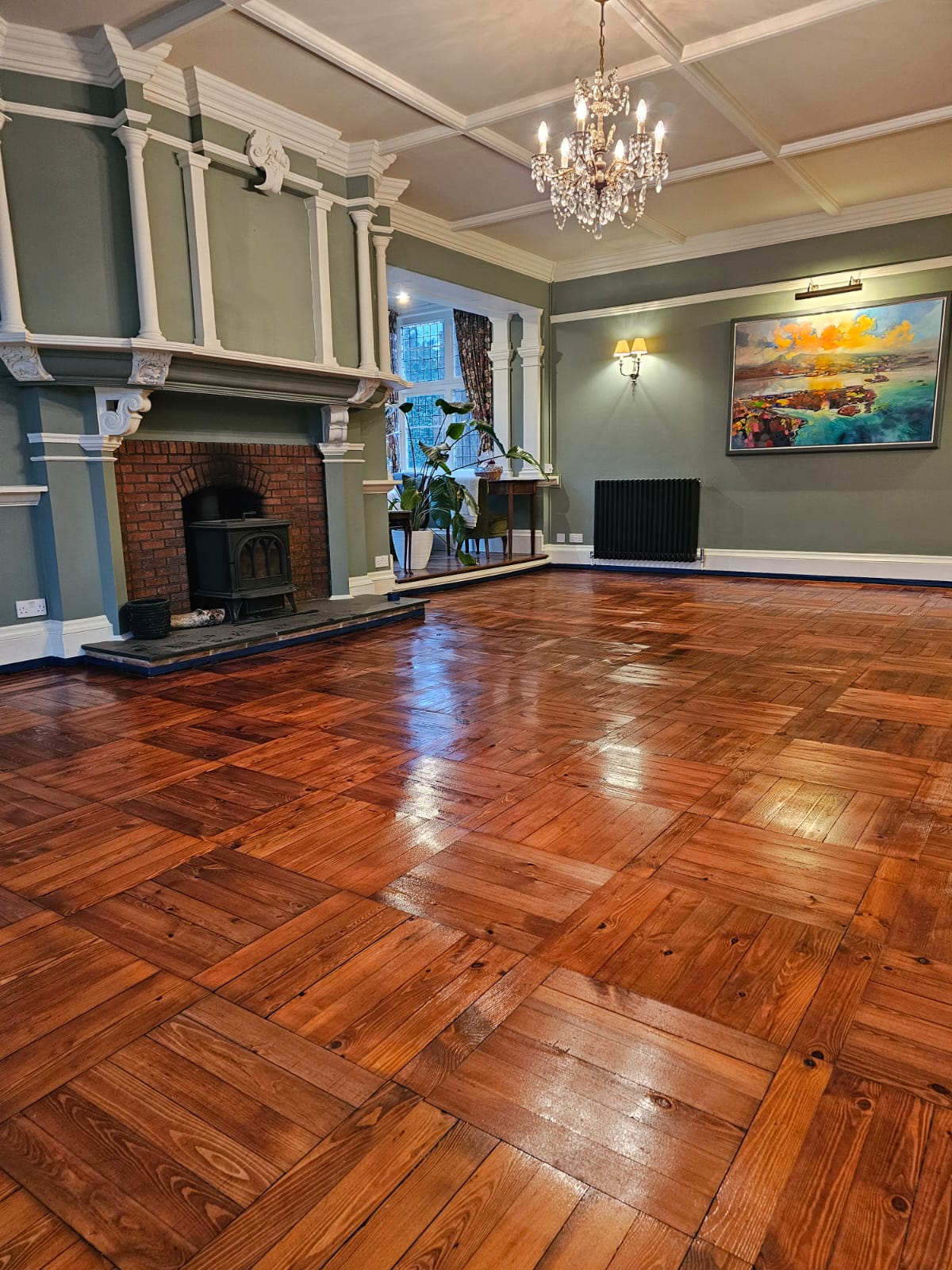
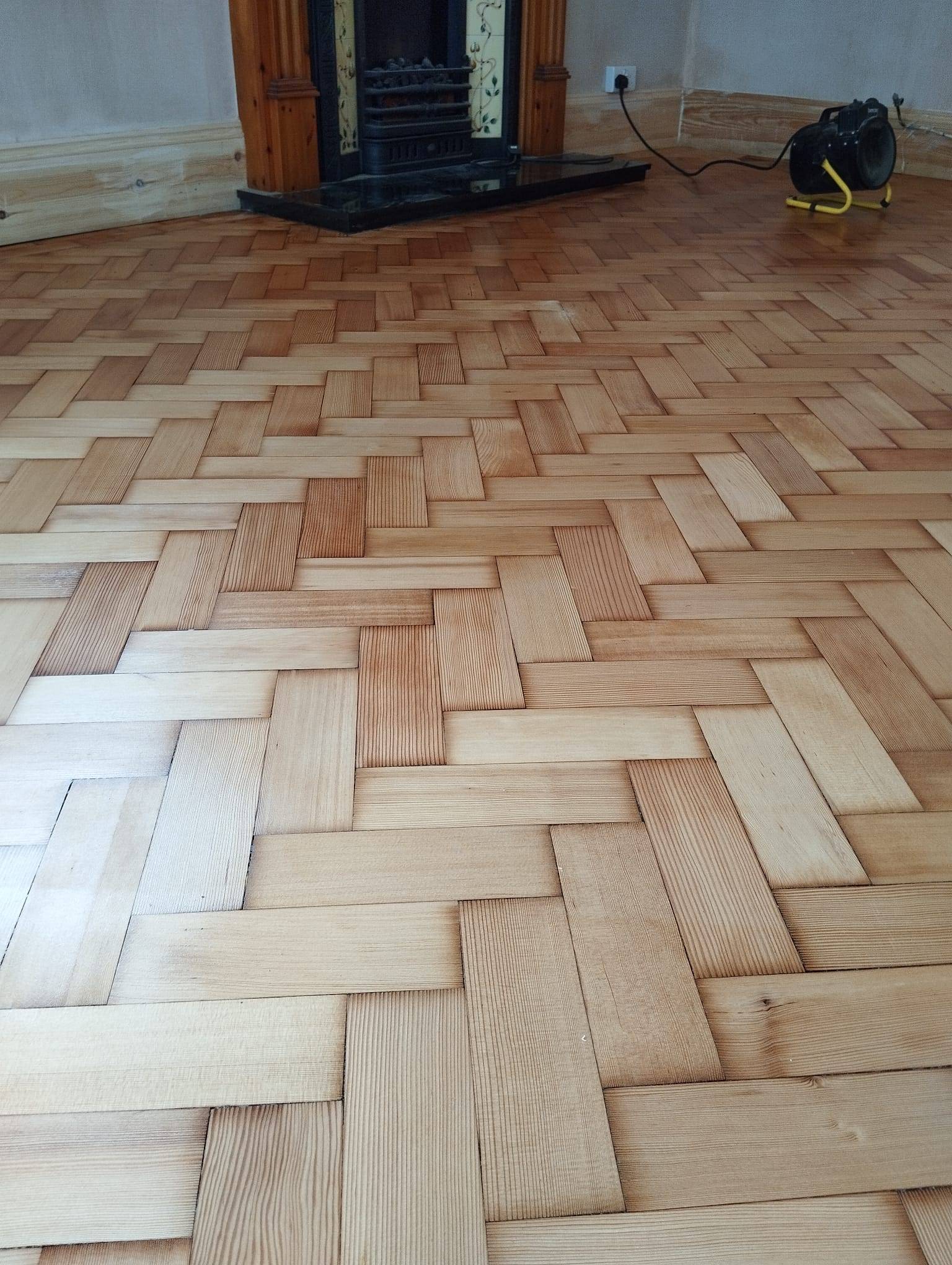
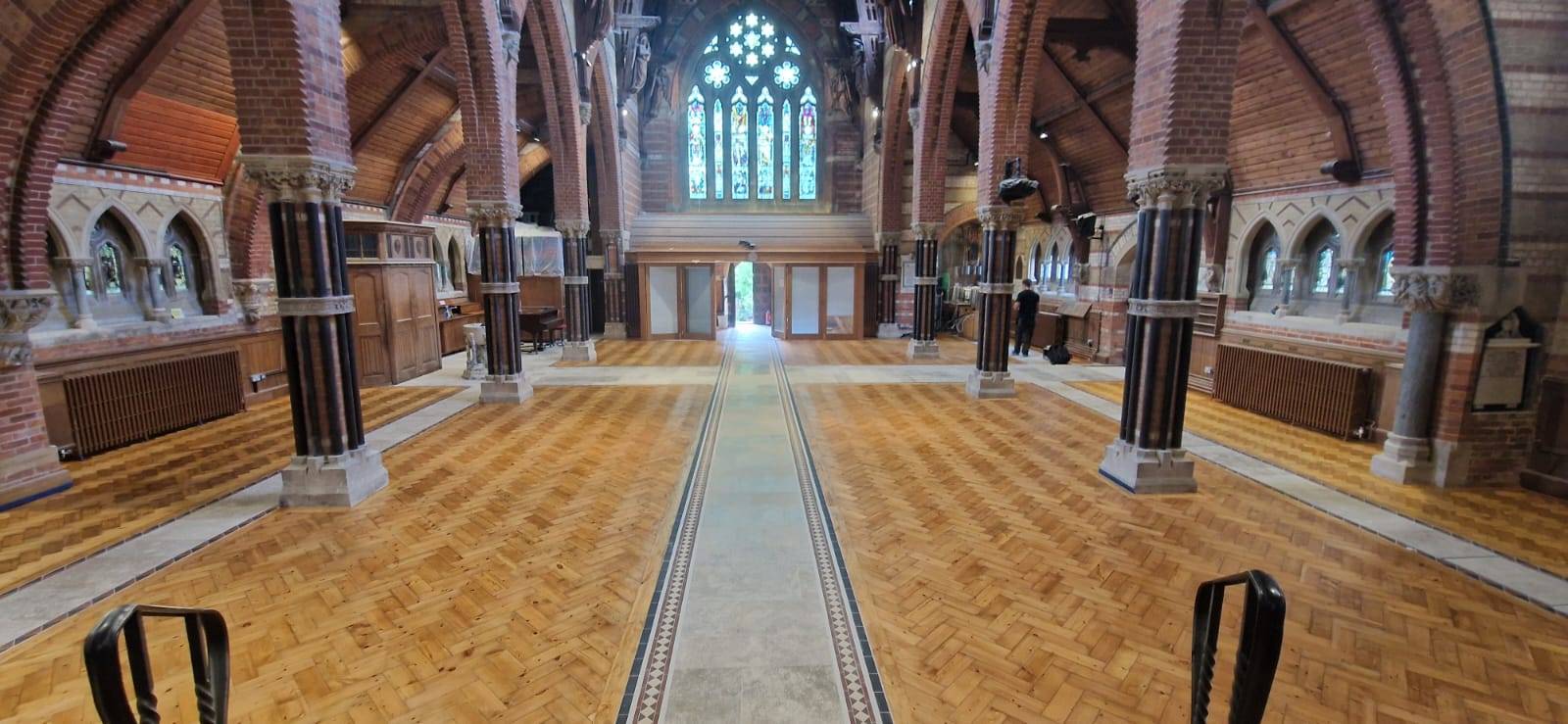
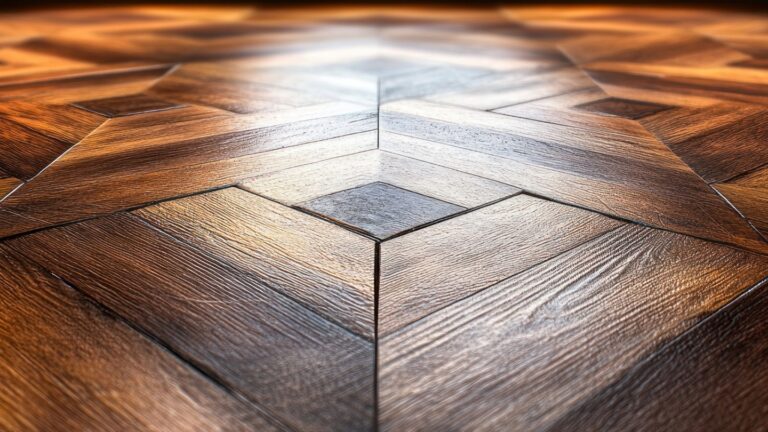
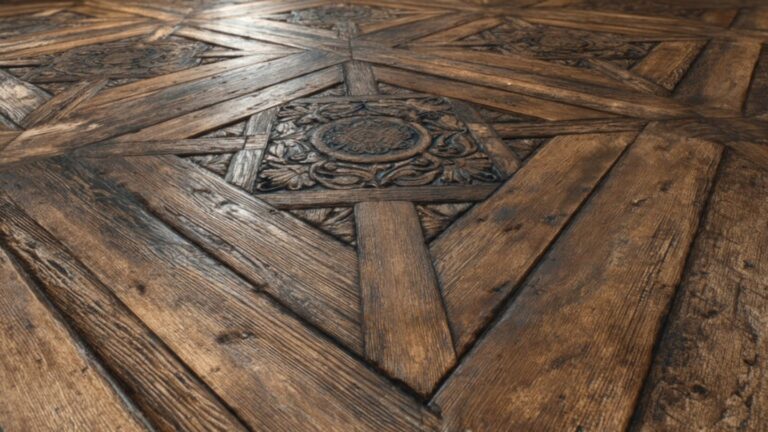
parquet wooden floor sanding
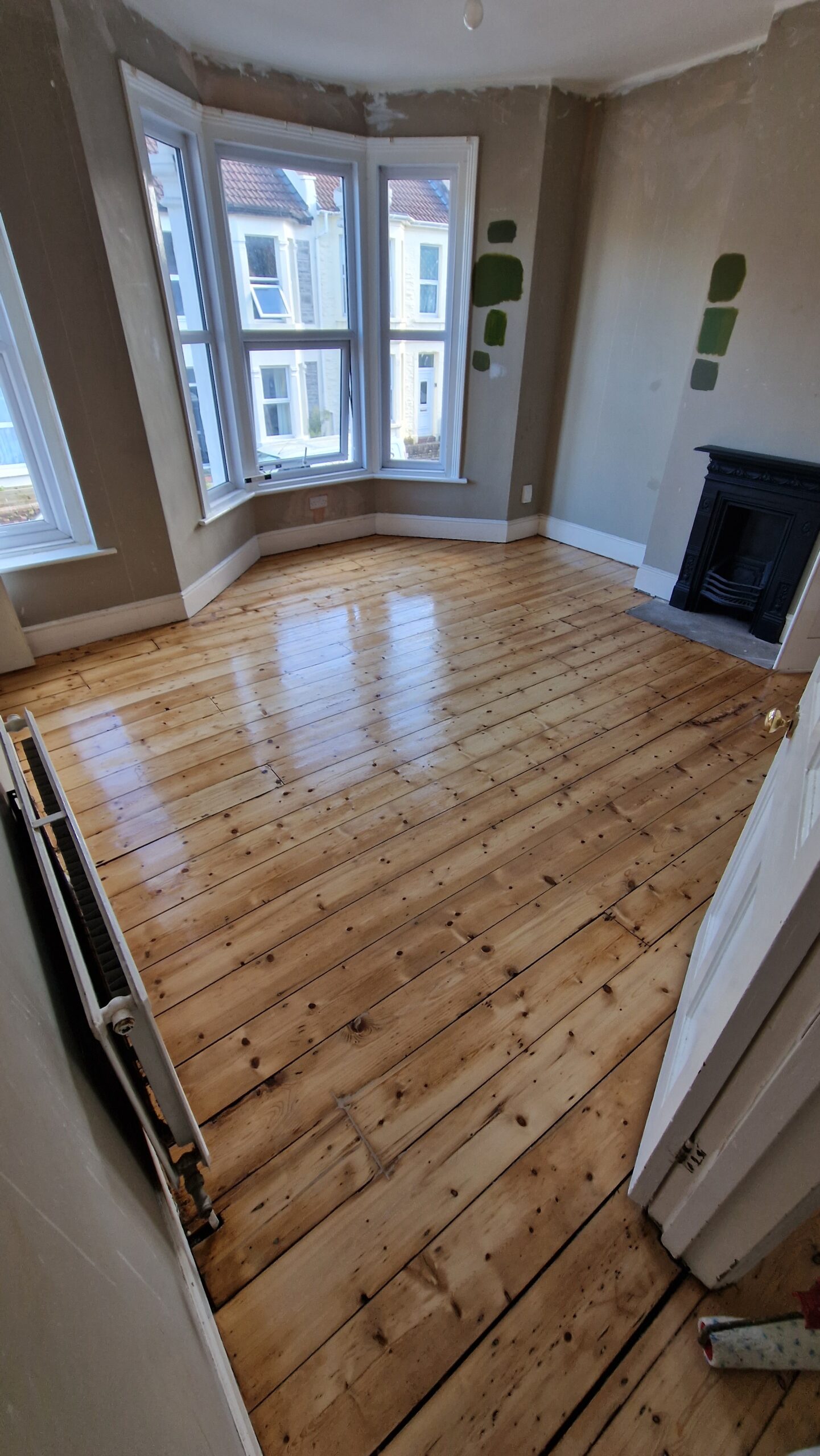
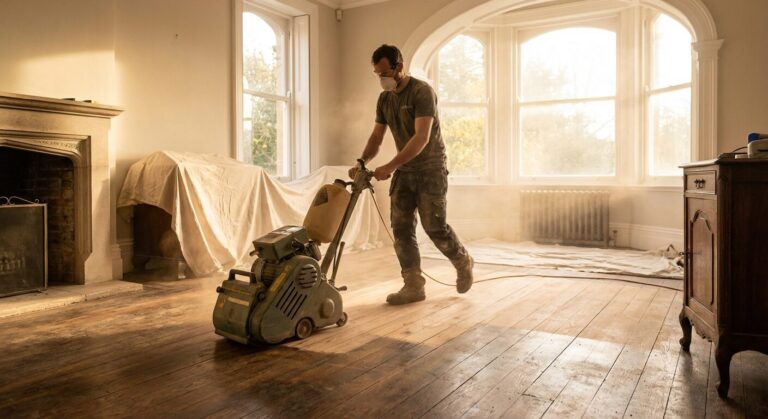
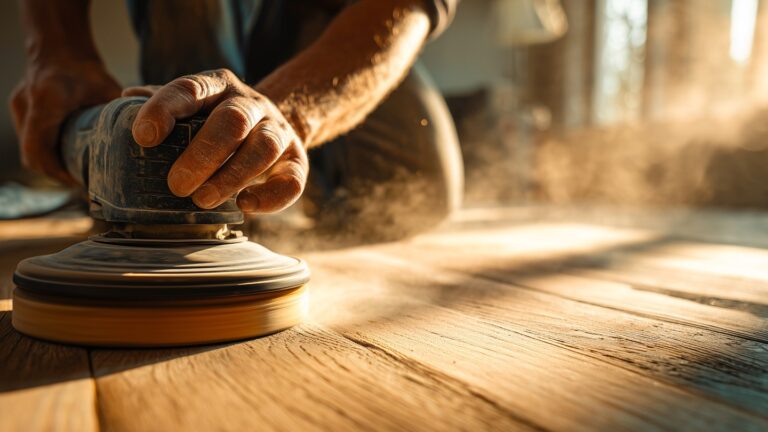
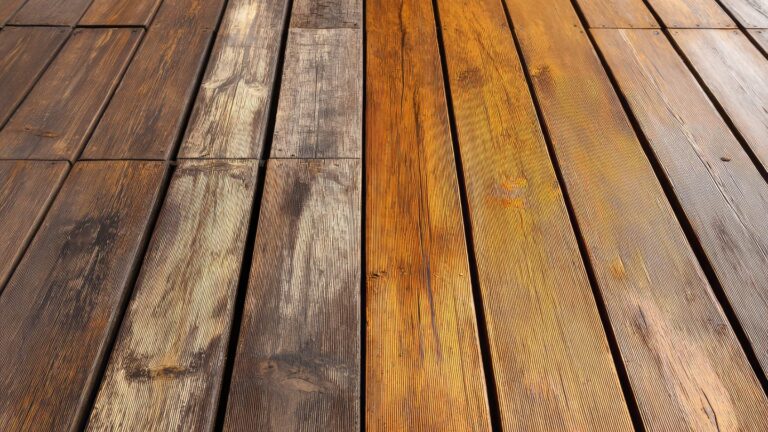
wooden floor sanding

Cob Cottages and Solid Ground

Out in the villages the older cottages are cob, and cob behaves quite differently from brick or stone. It relies on staying dry and on being able to breathe, and a great many have been damaged by impermeable cement render or modern paint applied with the best intentions.

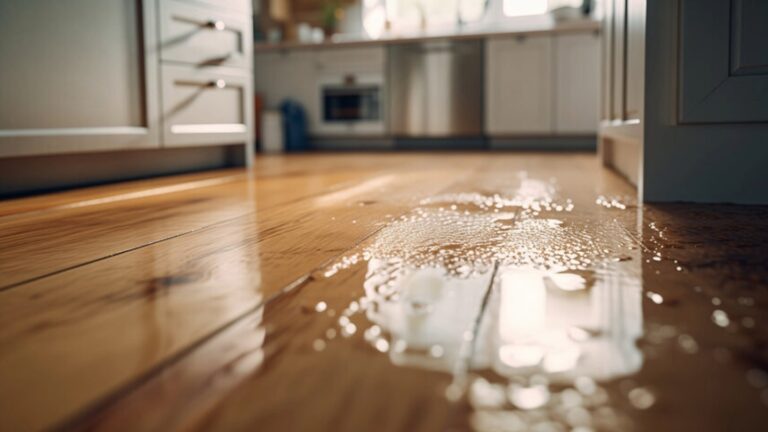
Where that has happened, moisture goes somewhere else, and often that somewhere is the floor. We find cupped boards, blown finishes and occasional rot at joist ends bearing into damp cob.

We take moisture readings before quoting and we will not sand a wet floor. Where cob is involved the fix is usually about breathability and ventilation rather than damp-proofing, and it is worth getting proper advice. Sanding first and fixing later simply wastes the money you spent on the floor.

Dust-Free Sanding While You Stay Put

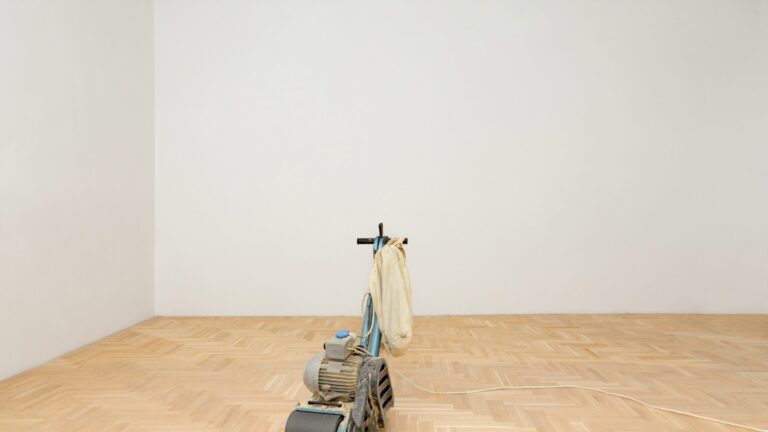
Our machines run to industrial extraction rather than the cloth bags fitted to hire equipment, which captures the great majority of dust at the point it is created.

In a tall Georgian High Street building with an open stair that matters a great deal, because dust generated downstairs will otherwise settle on every surface up to the top floor.

We sheet doorways, protect what stays in the room and clean as we go rather than leaving one large mess at the end. Nearly everyone stays in the property while we work, and we plan the room order so there is always somewhere usable.

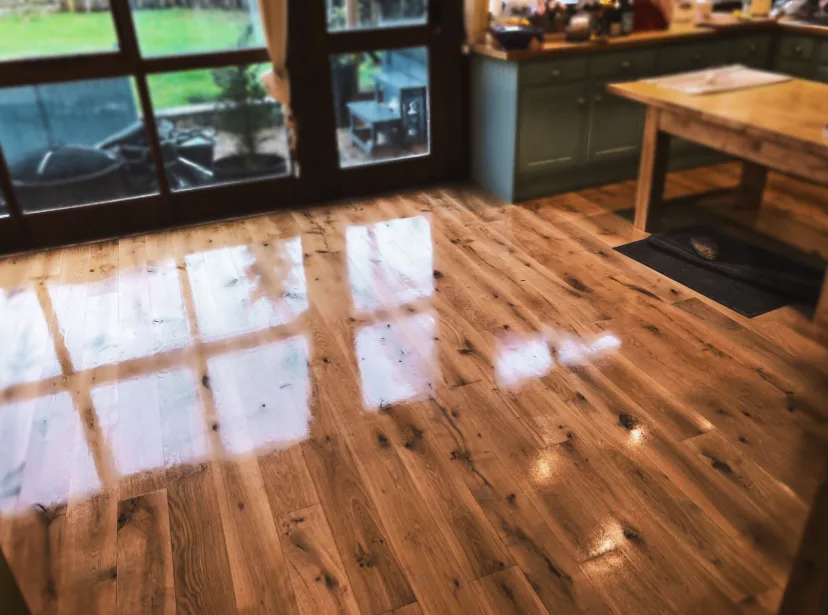
flooring sanding company

Commercial Floors in Honiton

Honiton has a busy independent retail and antiques trade, and shop floors take a hammering. We work for shops, galleries, pubs, restaurants, cafes and hotels in the town, plus church and village halls, schools, colleges, nurseries, gyms, dance studios and sports halls across east Devon.

Sports halls and dance floors are sanded back to clean timber, re-marked to the correct governing body specification for badminton, netball, basketball or five-a-side, then sealed with a proper sports system that keeps its grip rather than turning glassy.

Retail and hospitality work is done overnight, on closed days or during quiet weeks with fast-cure sealers so you lose one session rather than a week. School and college floors go into holiday windows, booked a term or more ahead.

Finishes and Colour

Hardwax oil is what we fit most often in period Honiton property. It penetrates the timber rather than forming a plastic film, which is the right behaviour in an old breathing building, and it keeps the grain visible instead of flattening it.

It is also repairable. A burn or a scratch in three years is dealt with locally rather than by sanding a whole room again.

For heavy traffic, a shop, a rental, a family hallway, a two-pack water-based lacquer is harder and cures faster, and it does not yellow the way old solvent finishes did.

Georgian pine takes colour unevenly. We lay trial patches on your own boards and leave them a full day so you can judge them in your own light before anything is committed.

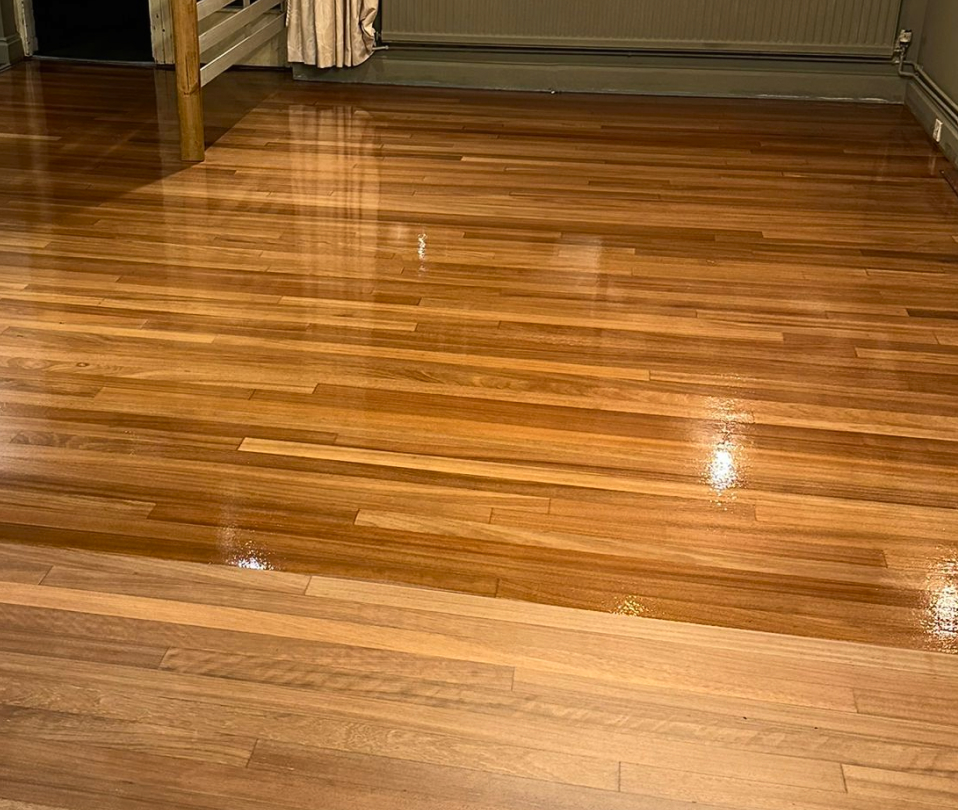
Wood floor sanding company
Floor sanding taunton

Costs, Timings and Booking

Sanding and sealing in Honiton generally runs twenty-five to forty pounds a square metre. Parquet is forty to sixty because it is slower and normally needs block repairs. Stairs are priced per tread and gap filling, board replacement and repairs are quoted line by line.

The survey is free and takes about half an hour. We measure the remaining timber, take moisture readings, check ventilation and tell you honestly what the floor needs, including when the answer is that it does not need doing yet.

Ring 01823 674562 or use the contact form. A wide photograph of the room and a close one of the worst patch will usually get you a realistic range straight away.

Nearby areas we also cover: Axminster, Cullompton, Exeter and Ottery St Mary. There is a page for each, and the full list of towns is on our areas we cover page.

FAQ: Floor Sanding in Honiton

Honiton, Awliscombe, Gittisham, Combe Raleigh, Dunkeswell, Payhembury, Feniton, Ottery St Mary, Sidbury and Upottery, plus Axminster, Cullompton and Exeter.

Refinishing an existing floor is normally acceptable, but lifting, replacing or altering historic timber can need listed building consent from East Devon District Council. Ask before starting.

Generally twenty-five to forty pounds a square metre for sanding and sealing, and forty to sixty for parquet. Stairs are per tread, repairs quoted separately. Survey and quote are free.

It can. Cob needs to breathe, and cement render or modern paint often pushes moisture into the floor instead. We take readings first and will not sand a floor that is still wet.

Rarely, and usually it should not be. Levelling old boards means removing a great deal of timber you cannot replace. We level what is safe to level and are honest about the rest.

We run industrial extraction which captures the great majority of dust at the machine. Not literally zero, but nothing like a hired drum sander, and it matters in a tall building.

A single room is around two days and a full downstairs three to four. Oil wants a day before light use and a week before rugs. Lacquer cures faster.

Yes. In Georgian and Victorian property we generally recommend timber slivers rather than resin, because the boards still move seasonally and slivers move with them.

Yes. We work overnight, on closed days or in quiet trading weeks and use fast-cure sealers so you generally lose one session rather than several days.

Yes, including full sanding, re-marking to governing body specification for badminton, netball, basketball and five-a-side, and a proper sports seal. Book holiday windows well ahead.

Ryan's Restoration
4.9
Based on 114 reviews
×
js_loader