Floor Sanding Hampshire

Wood Floor Sanding and Restoration Across Hampshire

QUICK QUOTATION

Floor Sanding Taunton

Floor Sanding Across Hampshire

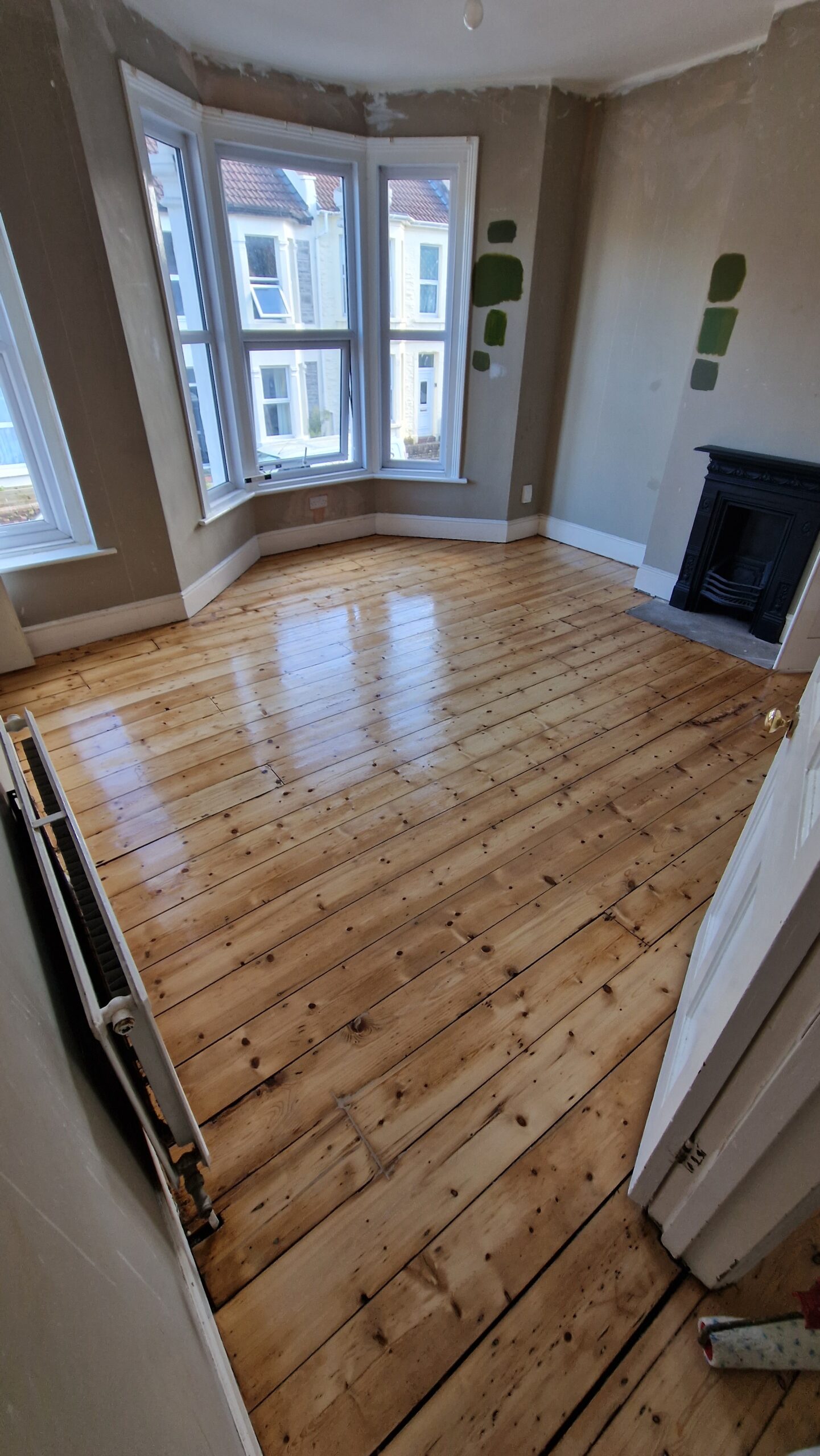
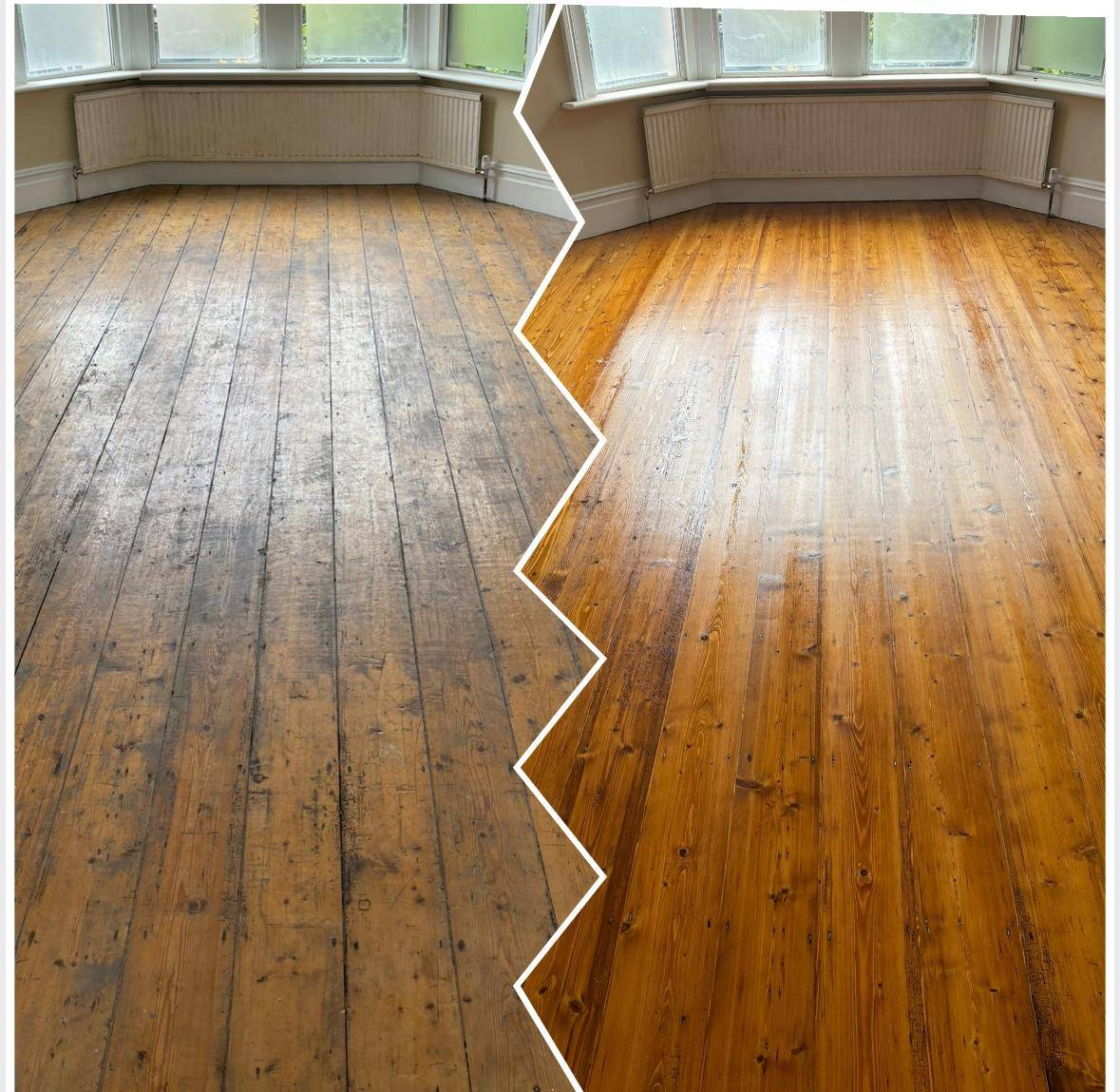
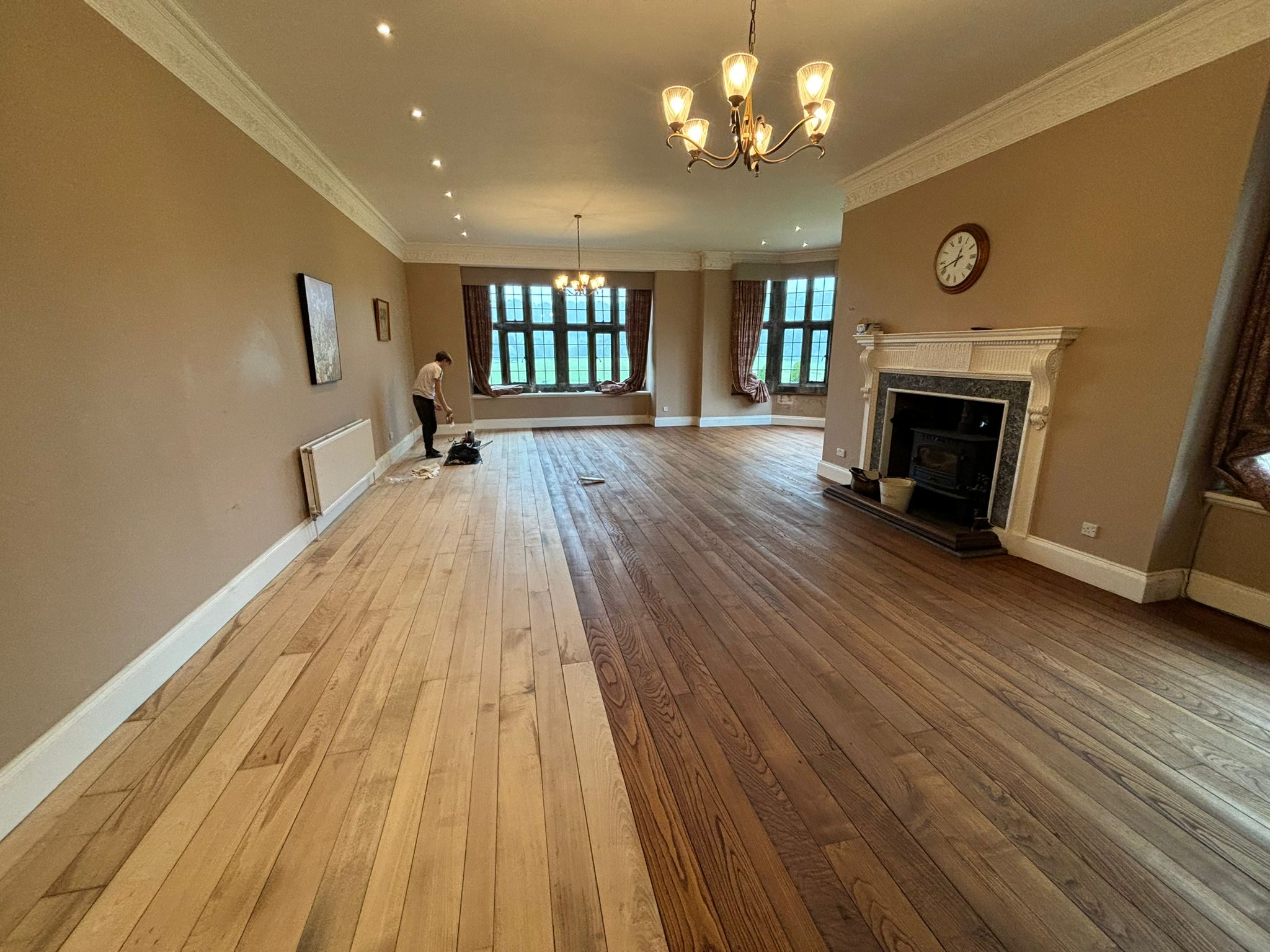
We deliver dust-free wood floor sanding across the whole of Hampshire, with dedicated local pages for Southampton, Portsmouth, Winchester and Basingstoke, and full coverage of Fareham, Gosport, Havant, Eastleigh, Romsey, Andover, Petersfield, Alton, Lymington and the New Forest. The service is consistent county-wide: assessment and repairs before any sanding, staged work through the grits with sealed extraction capturing the overwhelming majority of dust at source, and a finish specified for the room — all confirmed in a fixed written quotation. Hampshire work runs in efficient multi-day rounds down the M27 and A34, so dates come around quickly.

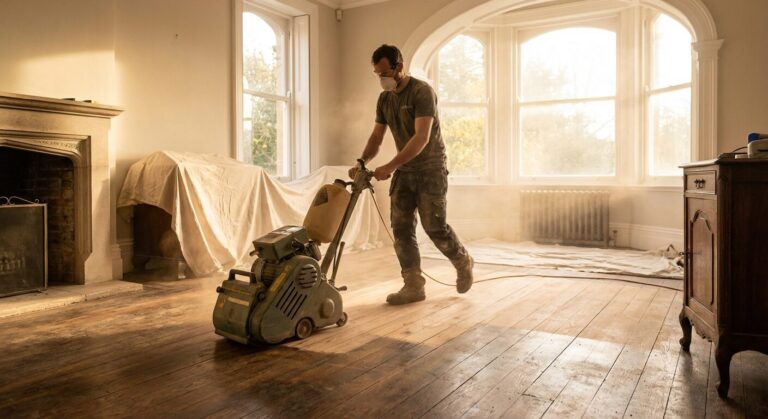
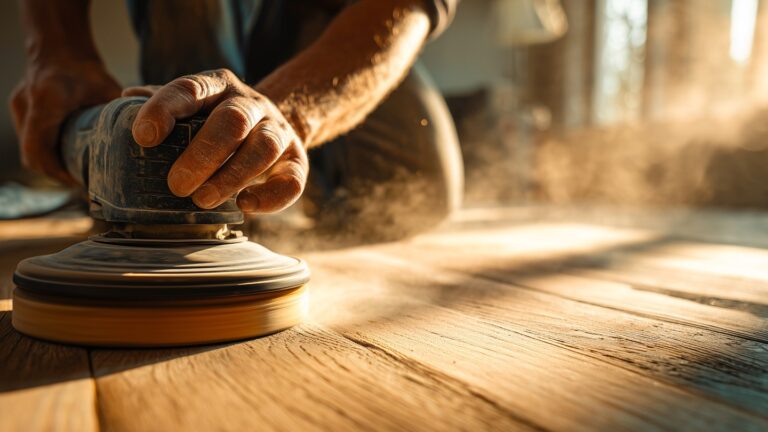
Three machines share every job, and each has a distinct role. The belt sander carries the main field of the floor, always driven along the grain so the abrasive cuts with the timber rather than across it. The edger — a smaller rotary machine — handles the strip the belt cannot reach against skirtings, and because it cuts in arcs its work is blended carefully into the main field so no halo shows at the room edge under side light. Corners, cupboard returns, pipe surrounds and stair nosings are taken back by hand and scraper, which is slow and entirely worth it.

Grit selection is a judgement made on the floor itself. Old varnish, paint splash or a heavy wax build needs an aggressive opening cut; a floor that was sanded within living memory usually does not, and starting coarser than necessary just throws away timber. Between every stage the floor is vacuumed and wiped over with a tack cloth, because abrasive grit carried from one pass into the next scores the surface the finer paper is trying to polish out.
Commercial Floor Sanding in Hampshire

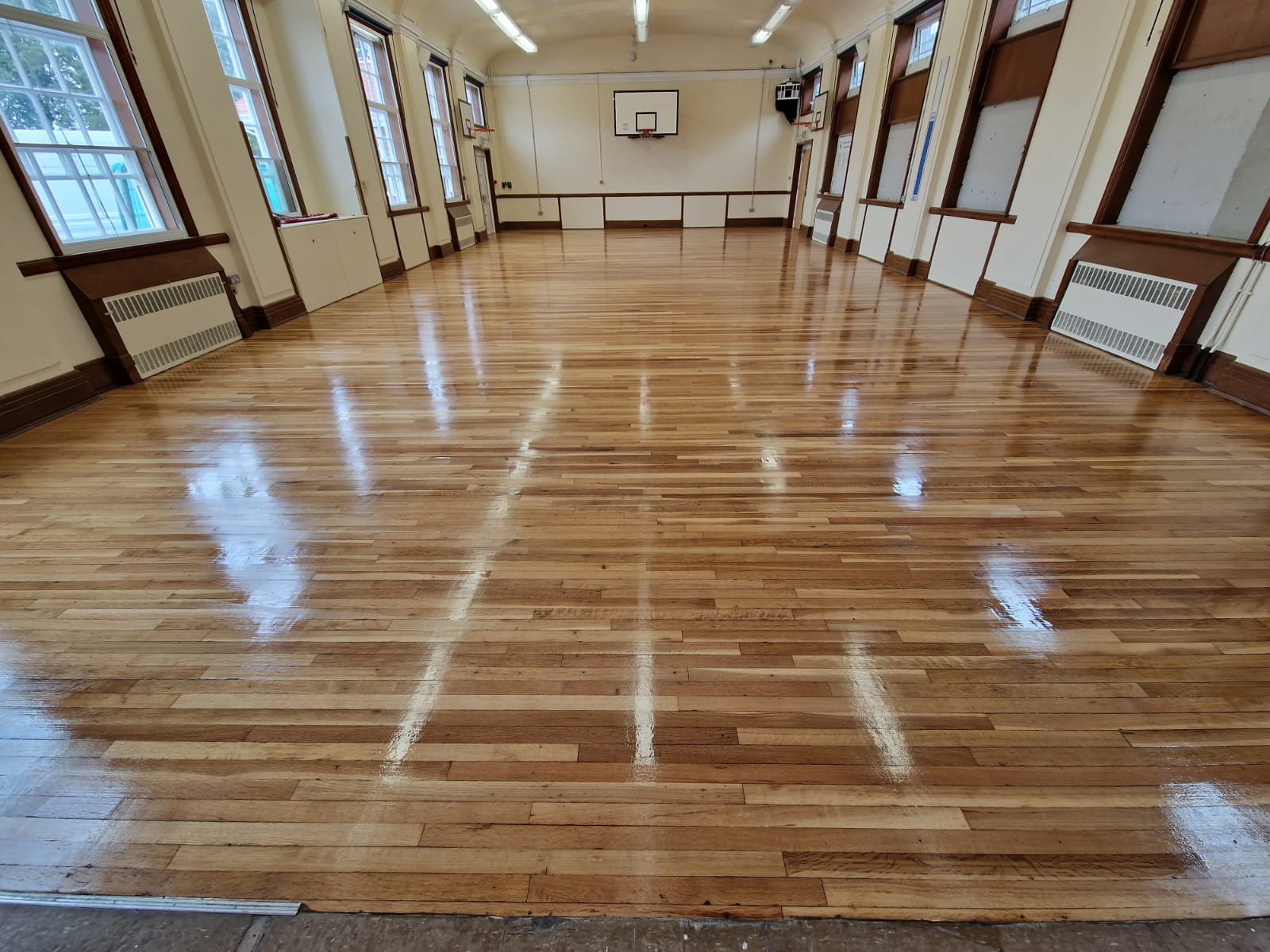
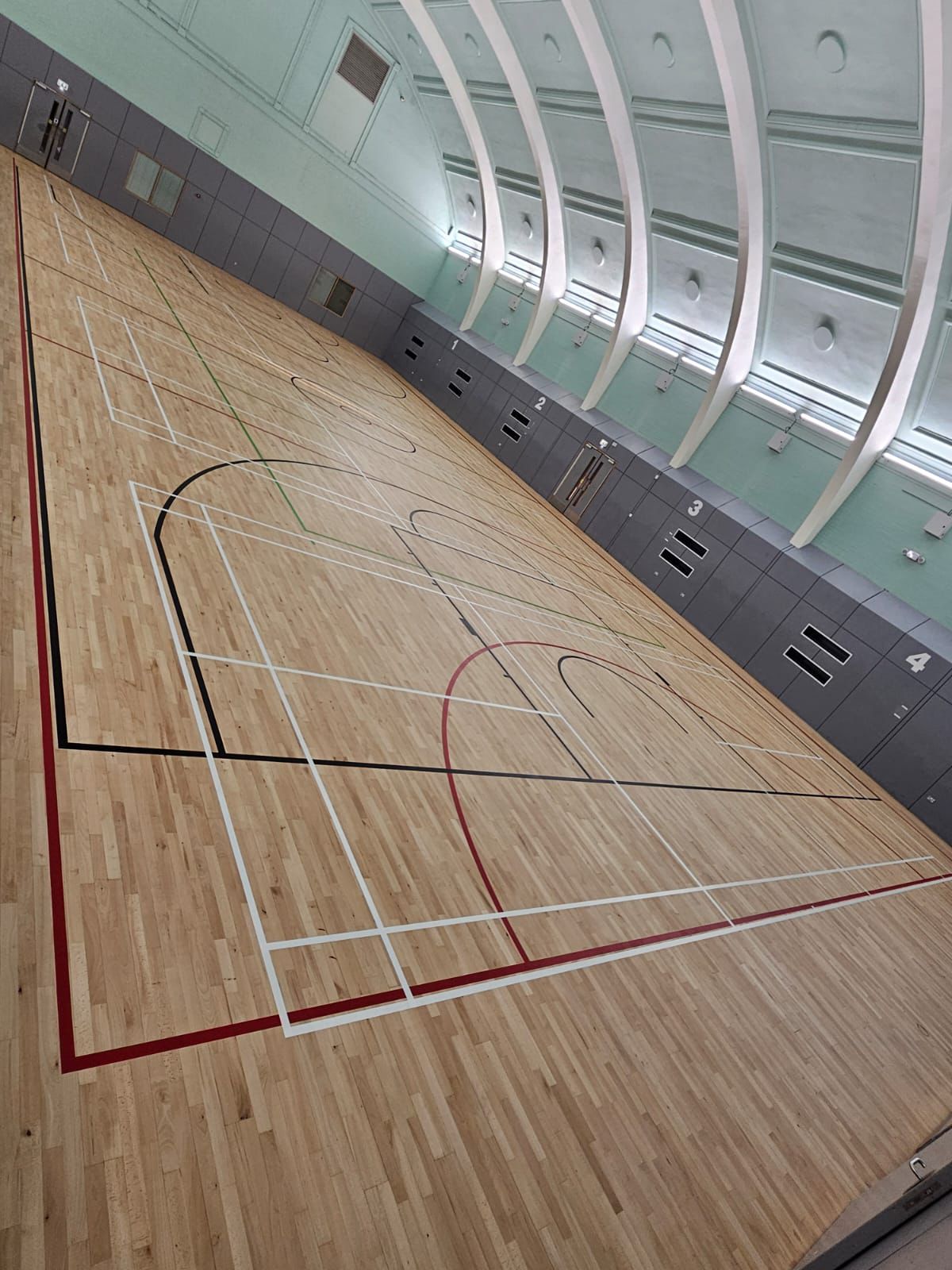
The Solent corridor is one of our busiest commercial floor sanding patches: pubs, bars and restaurants from Portsmouth to Southampton sanded overnight with fast-curing seals, retail floors phased behind barriers, offices and showrooms completed over weekends, marine clubhouses and waterside venues specified for wet-foot traffic, and school and college halls — Hampshire has many — booked into holiday windows with sports floor sealing and line marking to governing body specification. Method statements and insurance paperwork come as standard.

Before a commercial job starts, the paperwork is already with the client: a method statement setting out the sequence of work, machine and extraction arrangements, how cables and trailing leads are managed, and how each area is barriered and signed; a risk assessment covering dust, noise, finish odour and wet-floor stages; and current insurance certificates for the file. Facilities managers should not have to ask twice for any of it, and with us they do not.

Night working brings its own logistics — access and alarms arranged in advance, machine noise sequenced so the loudest work happens earliest, ventilation planned for the coating stage, and the site left clean, dry to foot traffic and signed before the morning shift arrives. On phased daytime jobs the working zone moves on a published schedule so a shop or office always knows which section is out of action and when it comes back.

Floor sanding south east London
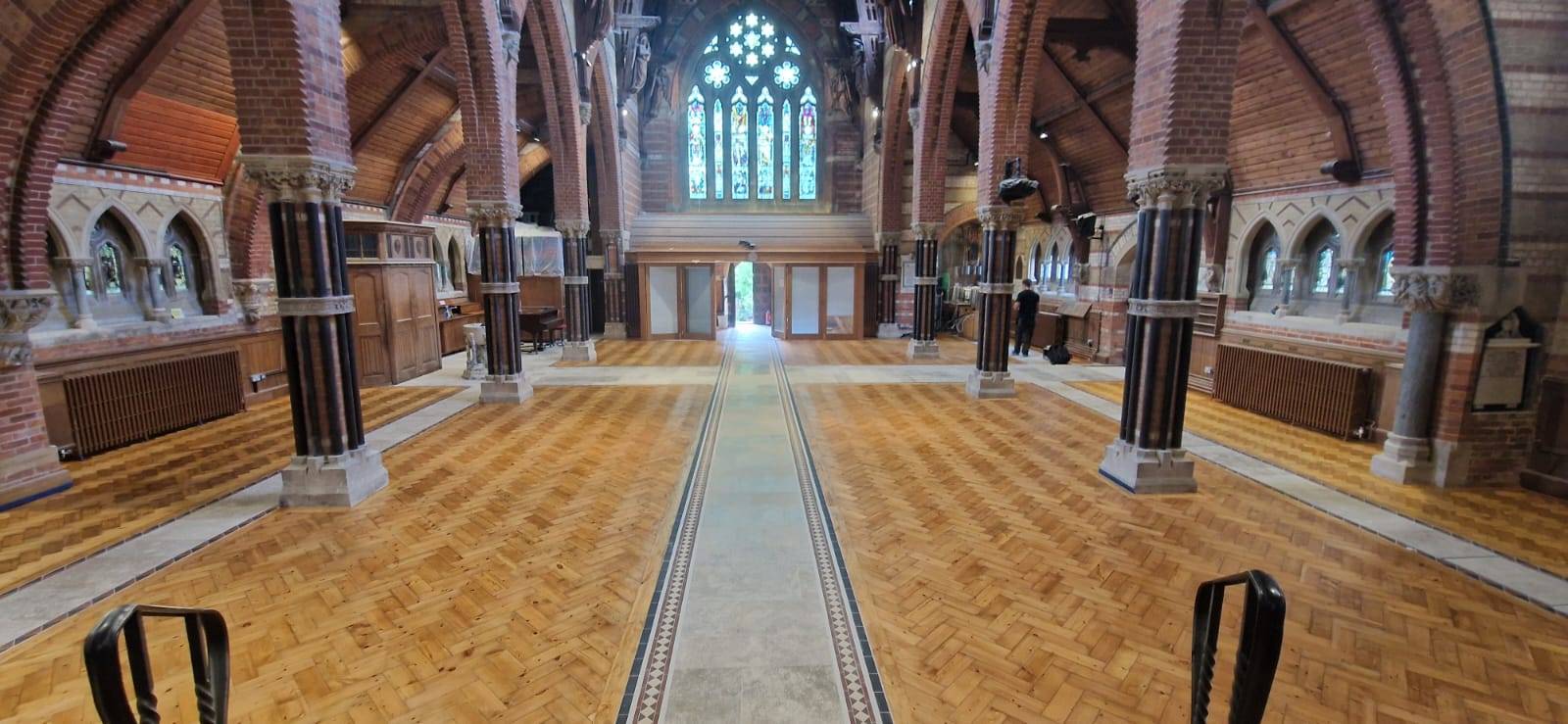
Commercial Hall Floor Refurbishment

Wood Floor Repairs and Restoration

Repair services underpin everything: wooden floor repairs, squeak and movement fixes, floorboard replacement with reclaimed timber matched for species, width and age, scratch and gouge removal and gap filling. Victorian terrace boards in the coastal cities, wide early boards in Winchester’s listed streets, New Forest cottage floors needing damp assessed first, and engineered boards in the newer towns — each gets its own specification, with wear layers measured and honest answers given before anything is agreed.

Squeaks earn their own diagnosis because they have several unrelated causes. Sometimes it is a board flexing on a nail that has lost its grip; sometimes two board edges rubbing; occasionally the noise comes from below — a joist that has shrunk away from its packing. We walk the floor, mark each noise, and fix the actual cause: screws replacing tired nails, lubrication or easing where edges bind, and packing or additional bearing where the structure has moved. Doing this before sanding matters, because refixing afterwards puts new fixings through a finished surface.

Engineered boards get particular care at survey. Only the hardwood wear layer above the tongue can ever be sanded, and that layer varies from generous to barely-there depending on the product. We measure it — at a heating vent, a threshold or a spare board if one survives — and give a straight answer: a full sand, a light buff and recoat, or in honesty neither. The same measured approach applies to old pine that earlier trades have already cut down twice.

Parquet Floor Restoration in Hampshire

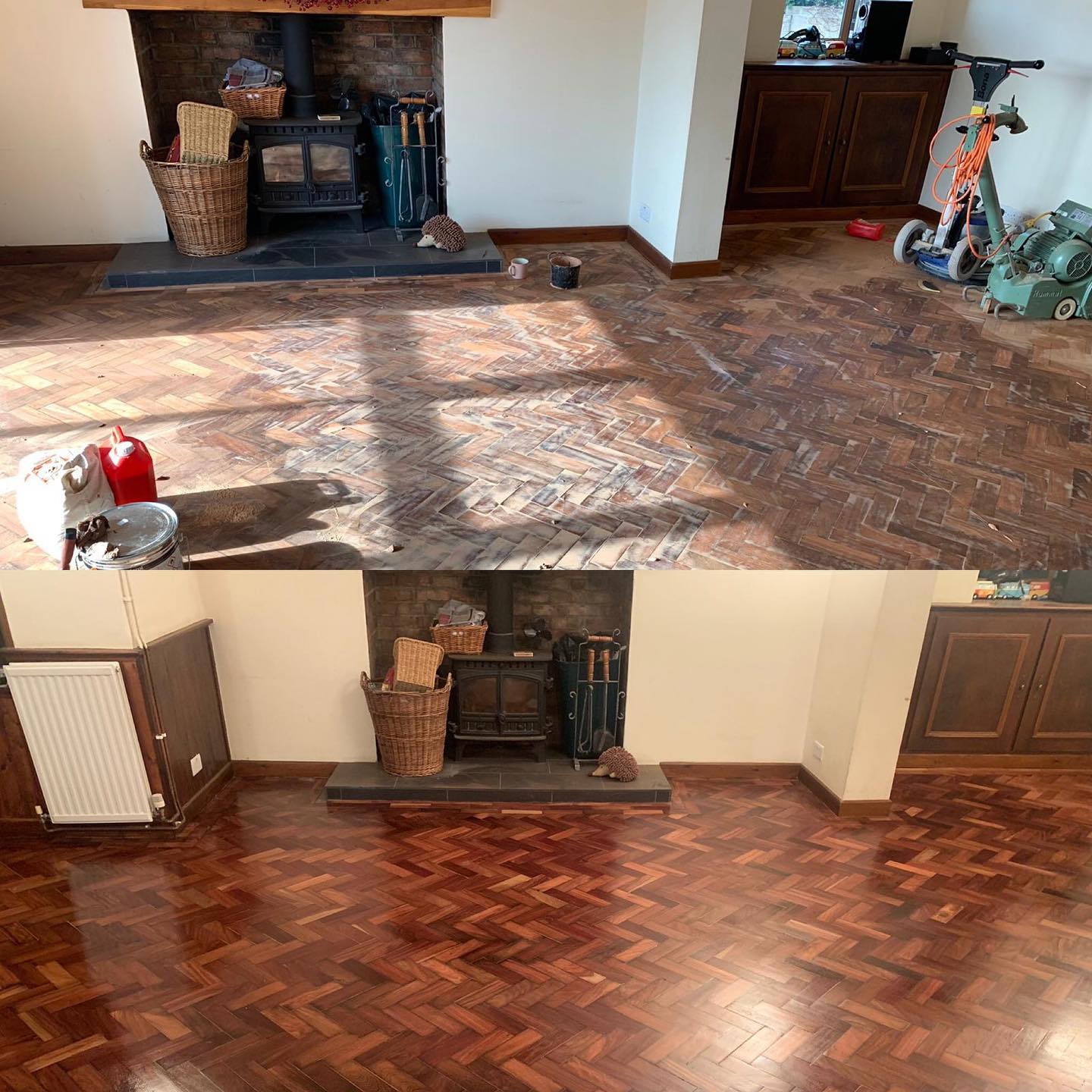
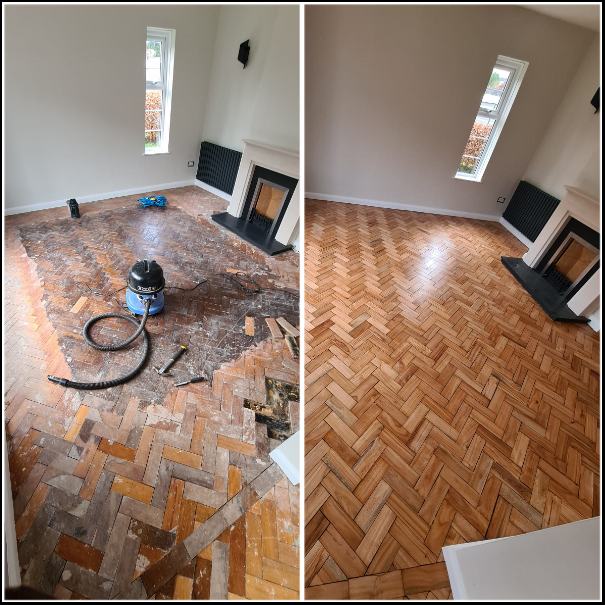
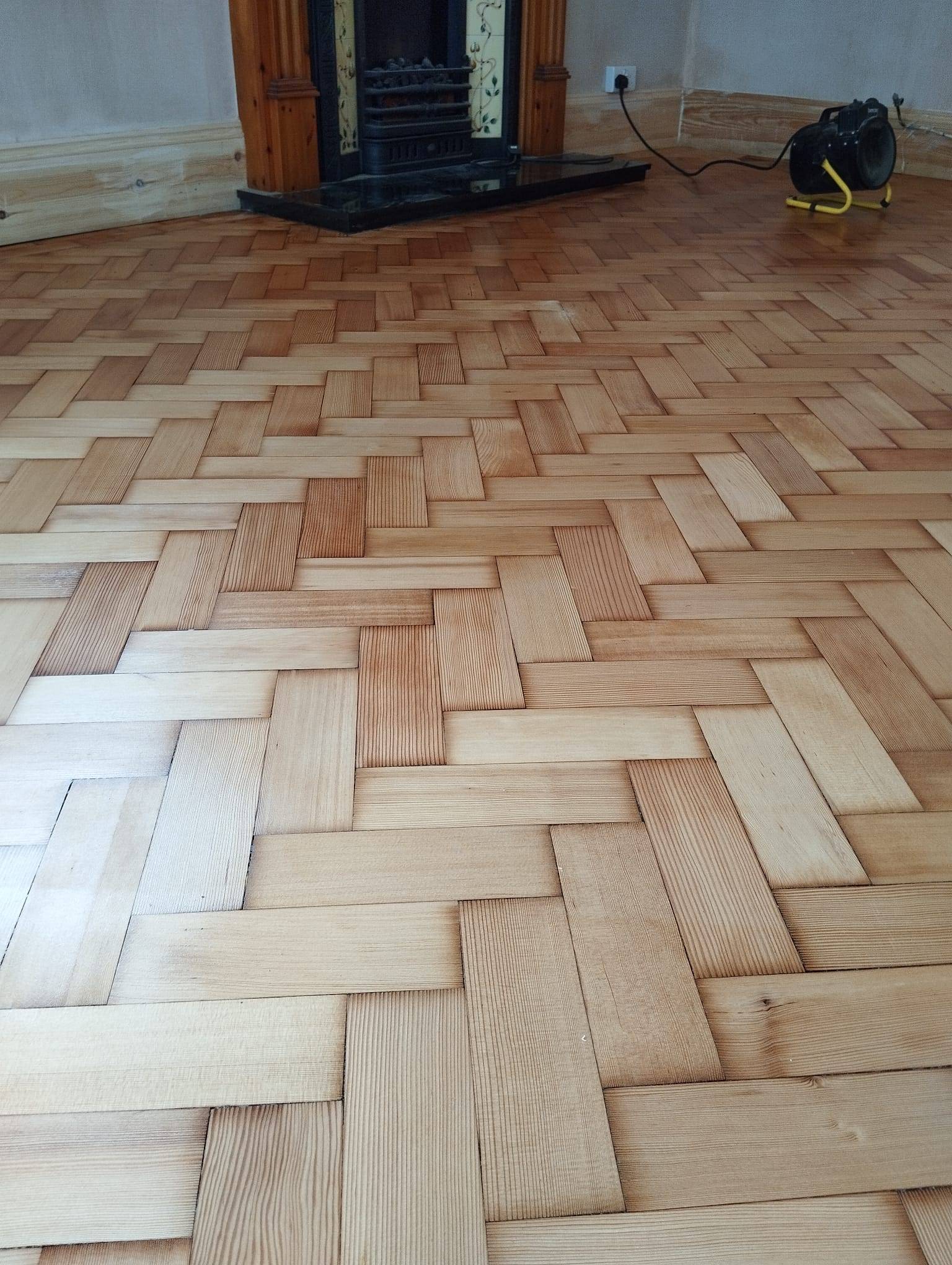
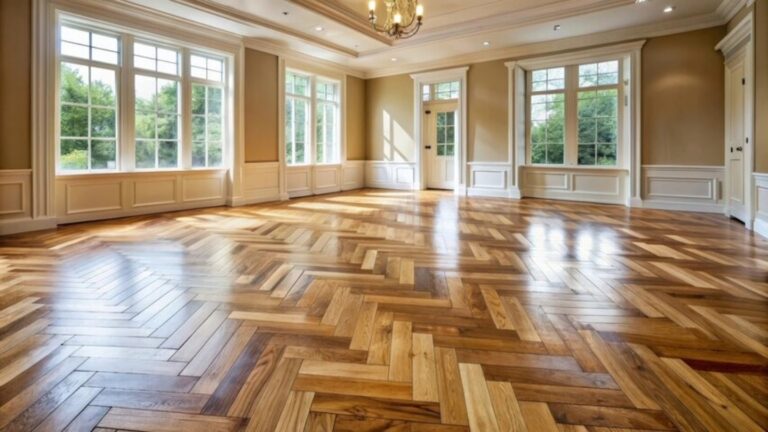
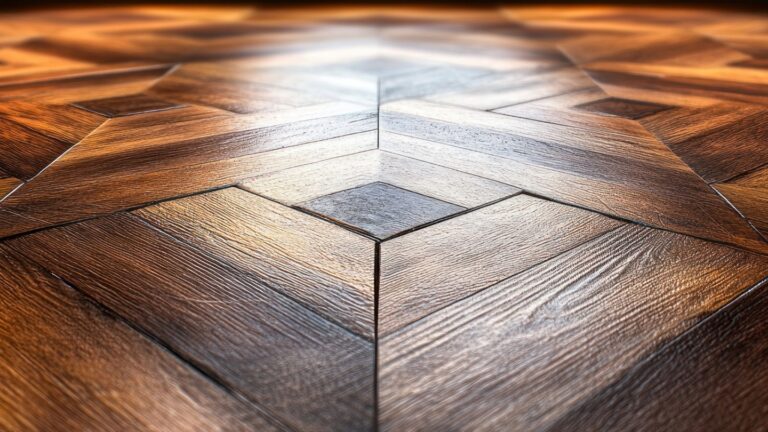
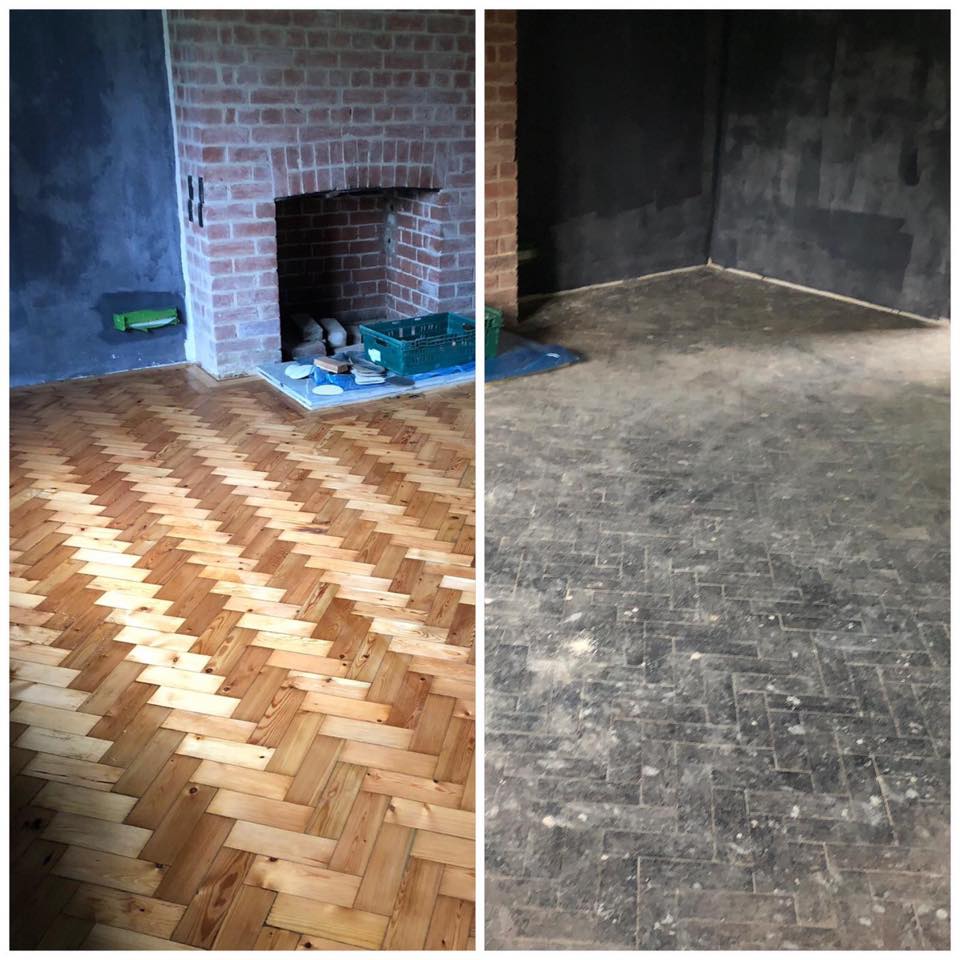
Parquet restoration covers the county’s herringbone halls, woodblock borders and institutional maple floors — the drill halls, old gymnasia and converted schools this military county left behind refinish superbly. Loose blocks are lifted and re-laid, missing ones matched from reclaimed stock, and floors sanded with the pattern before sealing. Edwardian block borders around former carpet centres restore like inlay when sanded as one surface.

Matching replacement blocks is where a parquet repair succeeds or fails. Our reclaimed stock lets us match on the four things that count: species, block dimensions, thickness and the character of the wear. Colour is deliberately last on that list — sanding brings old and new blocks to the same fresh surface, but a block of the wrong thickness must be shimmed or planed, and one of the wrong length breaks the bond pattern in a way the eye finds instantly.

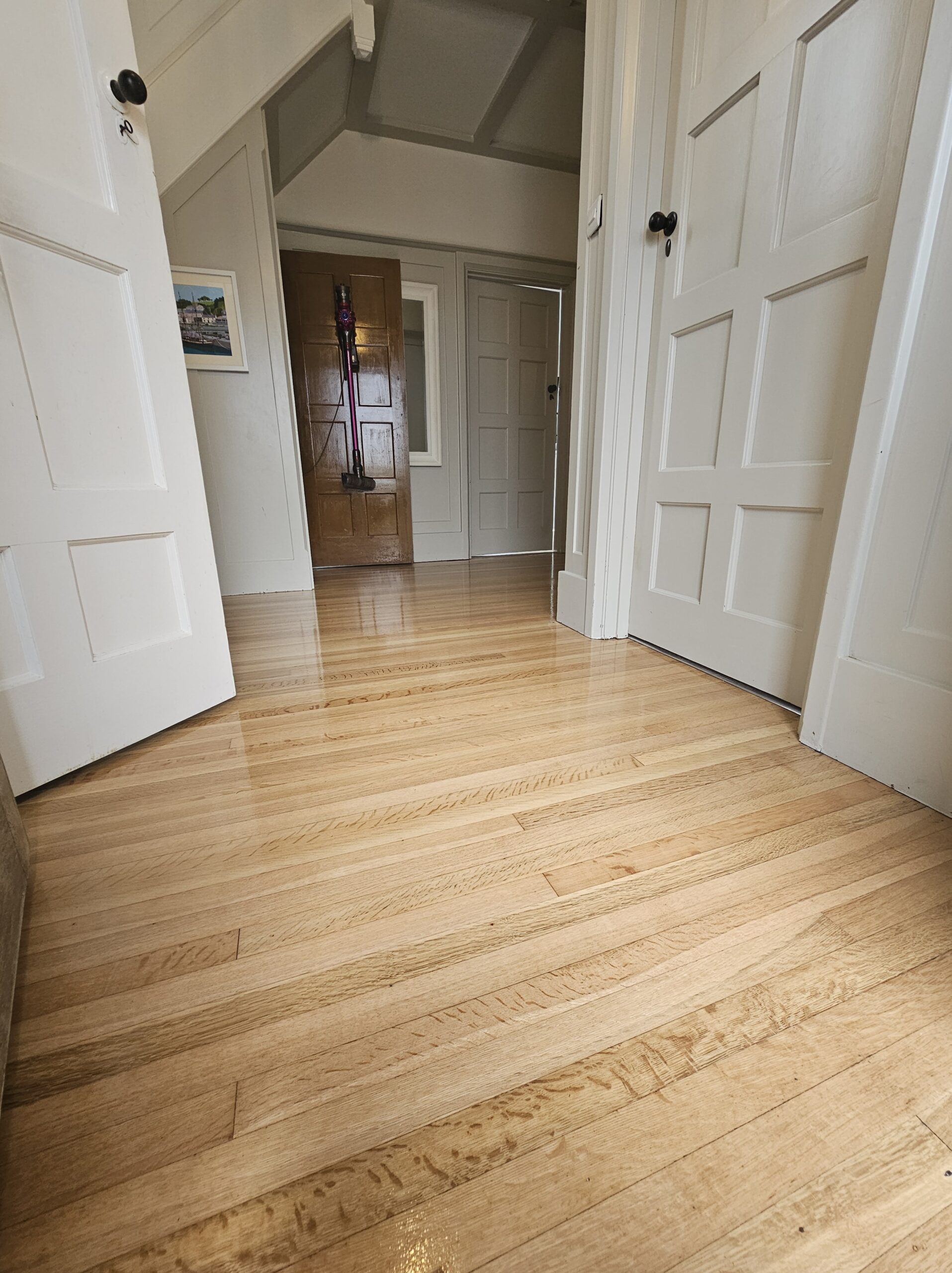
Institutional maple strip — common in Hampshire’s converted drill halls and old gymnasia — behaves differently from block parquet: it is hard, close-grained and unforgiving of coarse grits, so the sequence starts finer and steps patiently, and the pale timber shows every mark of a rushed job. Sealed with the right lacquer it repays the patience with a floor that looks the way those buildings deserve.

Floor Sanding Essex
parquet floor restoration near me

Staining, Finishes, New Floors and Maintenance

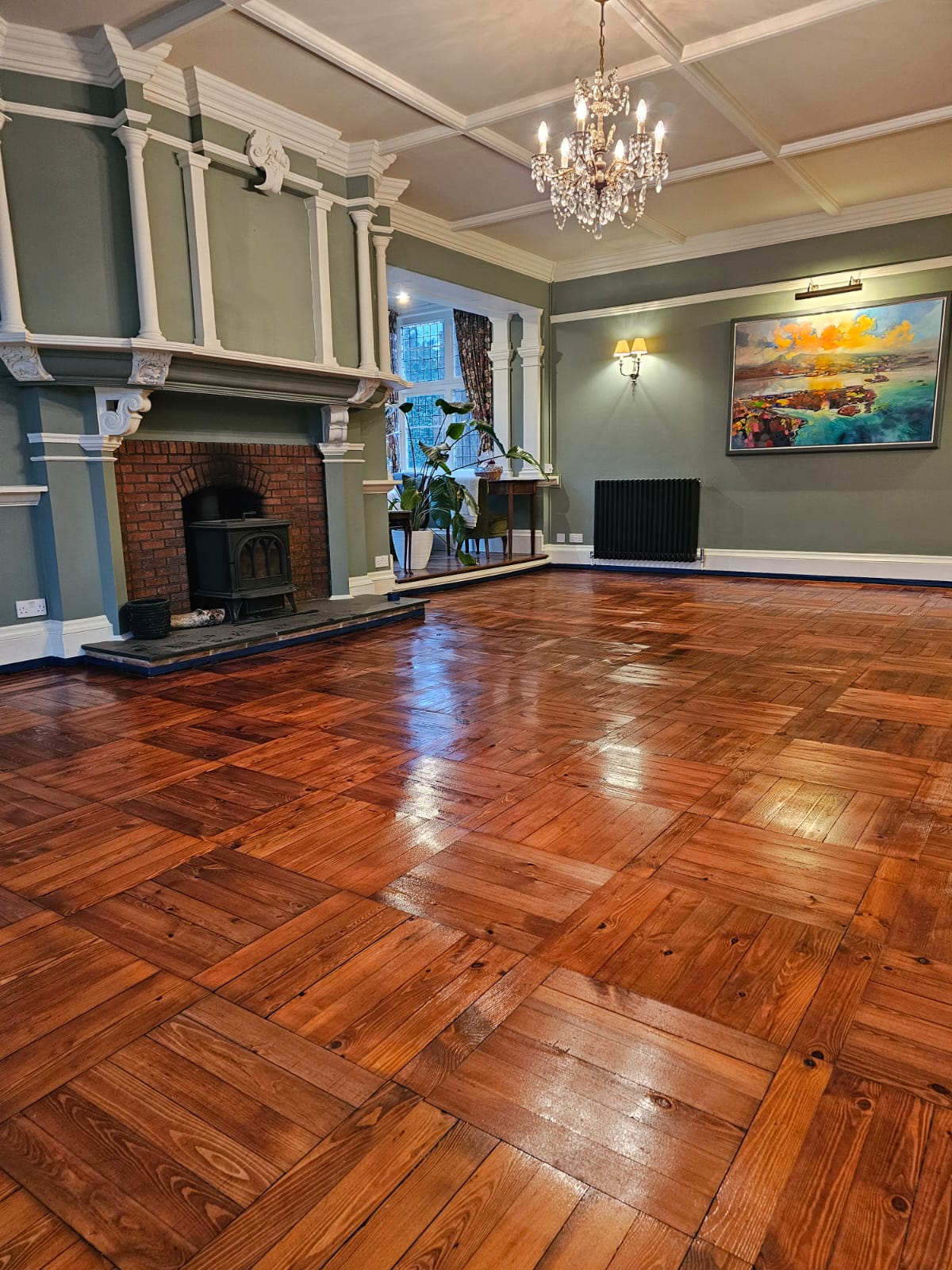
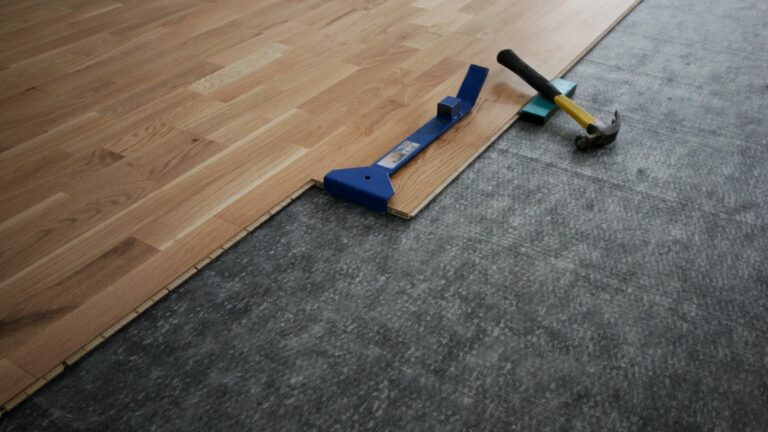
Finishing runs the full menu: wood floor staining tested on your own boards, hard-wearing lacquer seals, hard wax and natural oils and traditional wax, with abrasion-resistant specifications for sandy coastal hallways. New wooden floor installation supplies and fits solid, engineered, reclaimed and parquet floors; buffing and recoating refreshes sound floors in a day; and every job ends with practical aftercare guidance and recoat timing.

Stain work follows a strict order: samples of the shortlisted colours are applied to the actual floor after the first sanding passes, viewed in daylight and under the room’s evening lighting, and signed off before the full application. Timber species drives the result more than the tin does — the same stain reads differently on pine, oak and maple — and water-popping the grain before staining deepens and evens the colour on species that would otherwise take it patchily.

Where a new floor goes over underfloor heating, the specification is written around temperature discipline: an engineered construction rather than wide solid boards, the heating commissioned and cycled before fitting, surface temperature kept within the flooring manufacturer’s stated limit, and expansion gaps sized for the room. Timber is delivered ahead of fitting to acclimatise in the space it will live in, because wood fitted at the wrong moisture content moves later, and no finish can hold a floor flat against that.

Get a Floor Sanding Quote in Hampshire

Send two photographs — the room from the doorway and a close-up of the worst area — with your town for an honest opinion and usually a fixed written quotation. Larger houses, parquet and commercial premises get a free, no-obligation site survey anywhere in the county.

Call 01823 674562, email info@ryansrestoration.co.uk, or use the form on this page.

All services available across Hampshire: floor sanding, restoration, repairs, board replacement, gap filling, parquet, staining, installation, stairs and commercial floors.

Town pages: Southampton, Portsmouth, Winchester and Basingstoke.

Parquet Flooring Restoration

FAQ: Floor Sanding in Hampshire

Every service we offer: dust-free sanding, full restoration, repairs and board replacement, gap filling, parquet, staining, sealing and oiling, stair sanding, buffing and recoat, installation and commercial work.

The whole county — Southampton, Portsmouth, Winchester and Basingstoke have their own pages, plus Fareham, Gosport, Havant, Eastleigh, Romsey, Andover, Petersfield, Alton, Lymington and the New Forest.

That is bread-and-butter work in the coastal cities — boards lifted from under carpet, repaired, gap-filled, sanded and sealed, with replacements matched from reclaimed stock.

Yes — holiday-window booking with sports sealing and line marking to governing body specification. The popular summer weeks go first.

Usually once or twice depending on the wear layer, which we measure at survey — you get a straight answer before anything is agreed.

No — overnight and closed-day working with fast-curing seals means most hospitality floors are refinished without losing a single service.

Yes — institutional maple from Hampshire’s military-era buildings refinishes beautifully with patient grit sequences and the right seals.

Yes — solid, engineered, reclaimed and parquet, supplied and fitted county-wide, specified for subfloor and underfloor heating.

Two photographs and your town get a fast first opinion; a free, no-obligation survey and fixed written quotation follow before any work is booked.