Floor Sanding in Bishops Stortford: An Honest Word on Distance
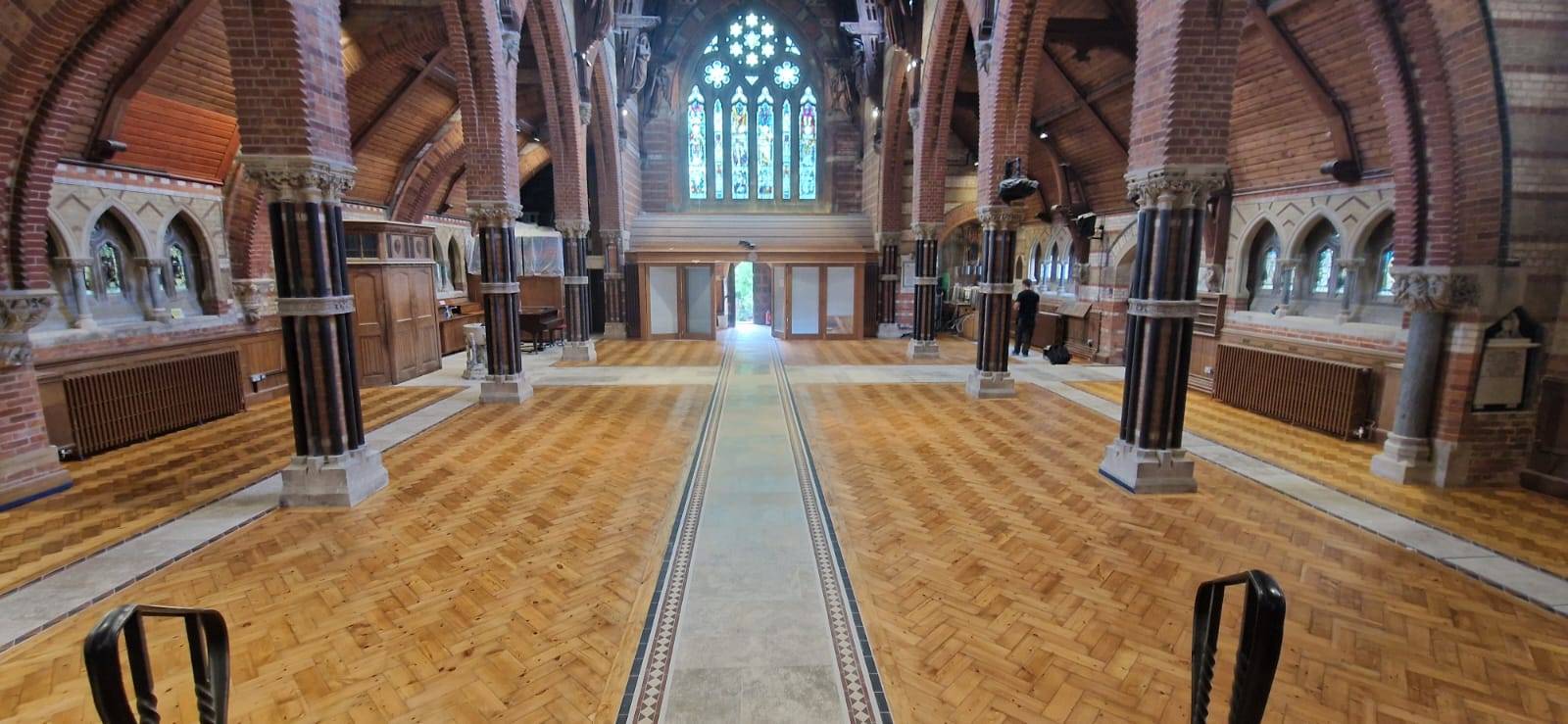
Ryan’s Restoration belongs to a single family, and every job starts from our workshop at Higher Poole on the edge of Wellington, deep in Somerset. Measured by road, that is about as far from the River Stort as a floor sander can sensibly travel. The town is not part of our regular week, and pretending otherwise would waste your time. The trips we do make to east Hertfordshire are for jobs with enough scope behind them: a terrace where every downstairs room and the hall are being done at once, a house full of boards that need serious repair before sanding, or a shop, café or office floor that has to be renewed without cutting into trading. For a single bedroom, a sander based closer to home is the better call.
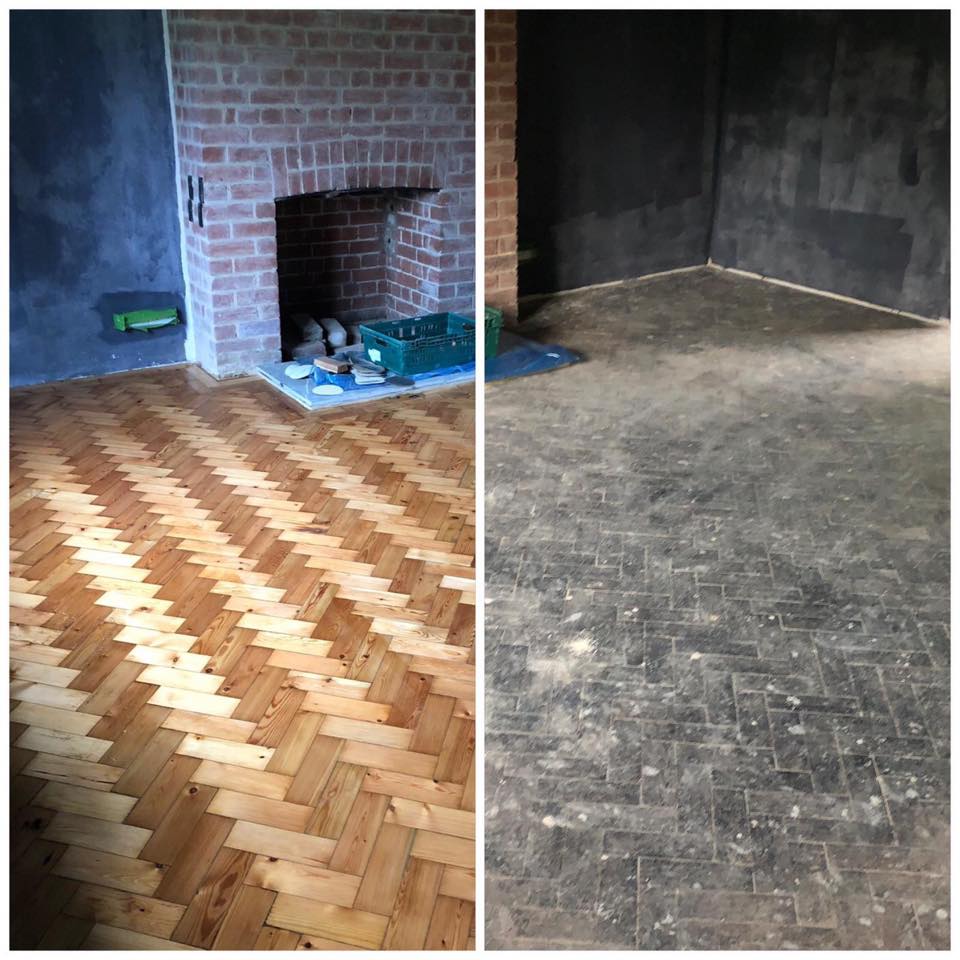
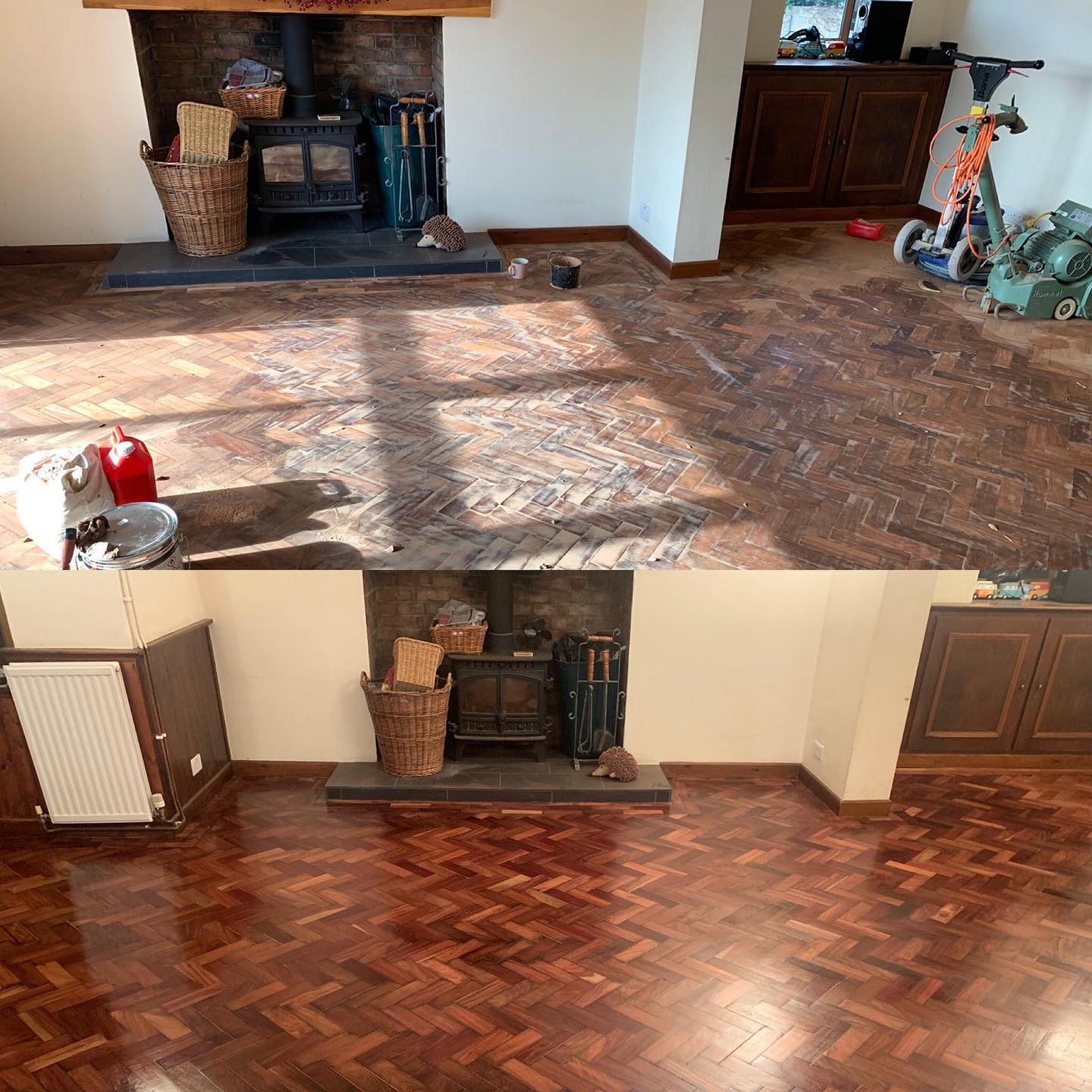
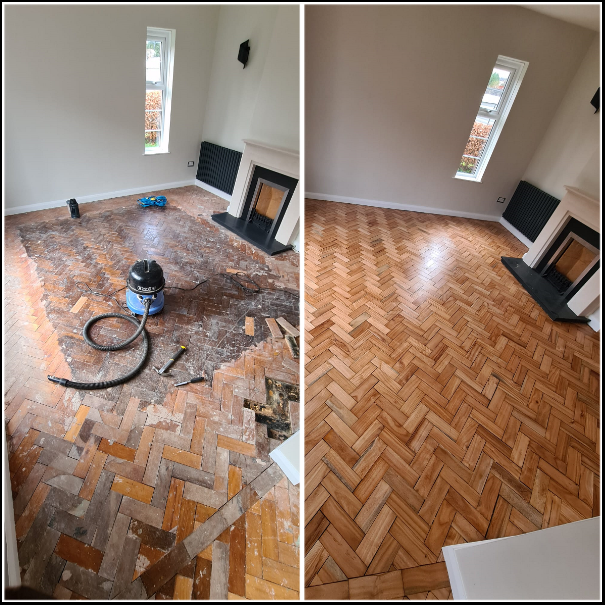
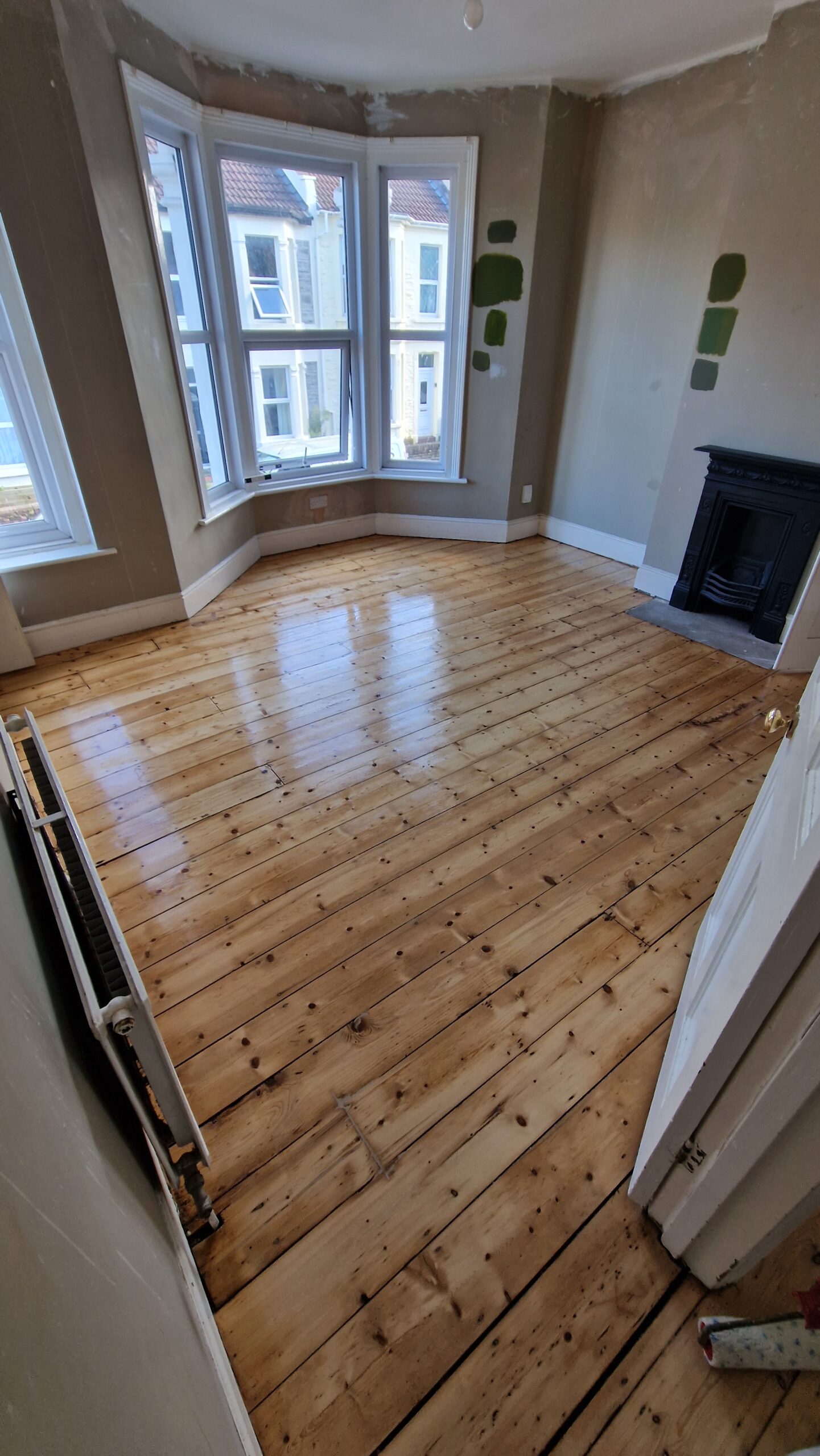
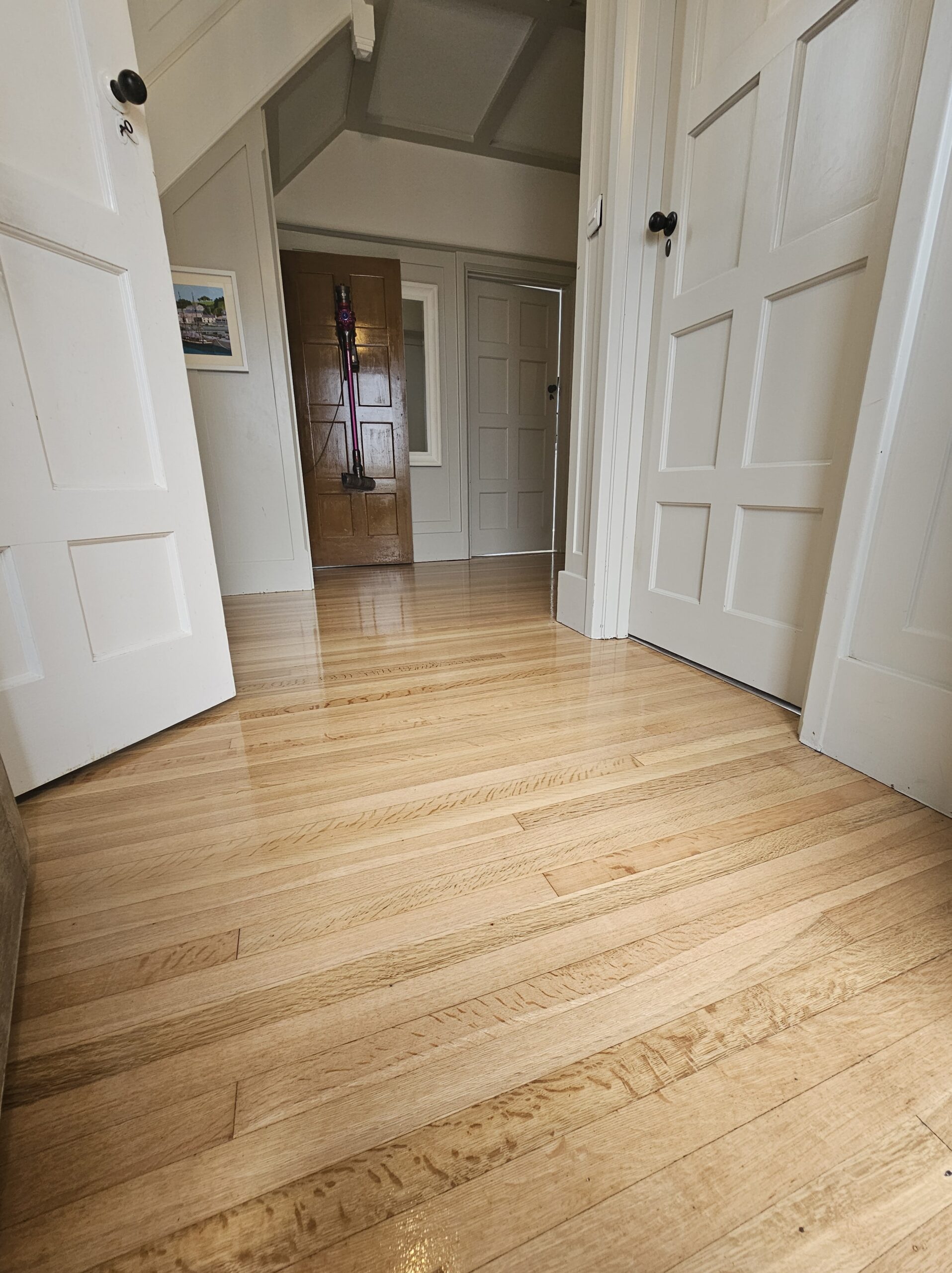
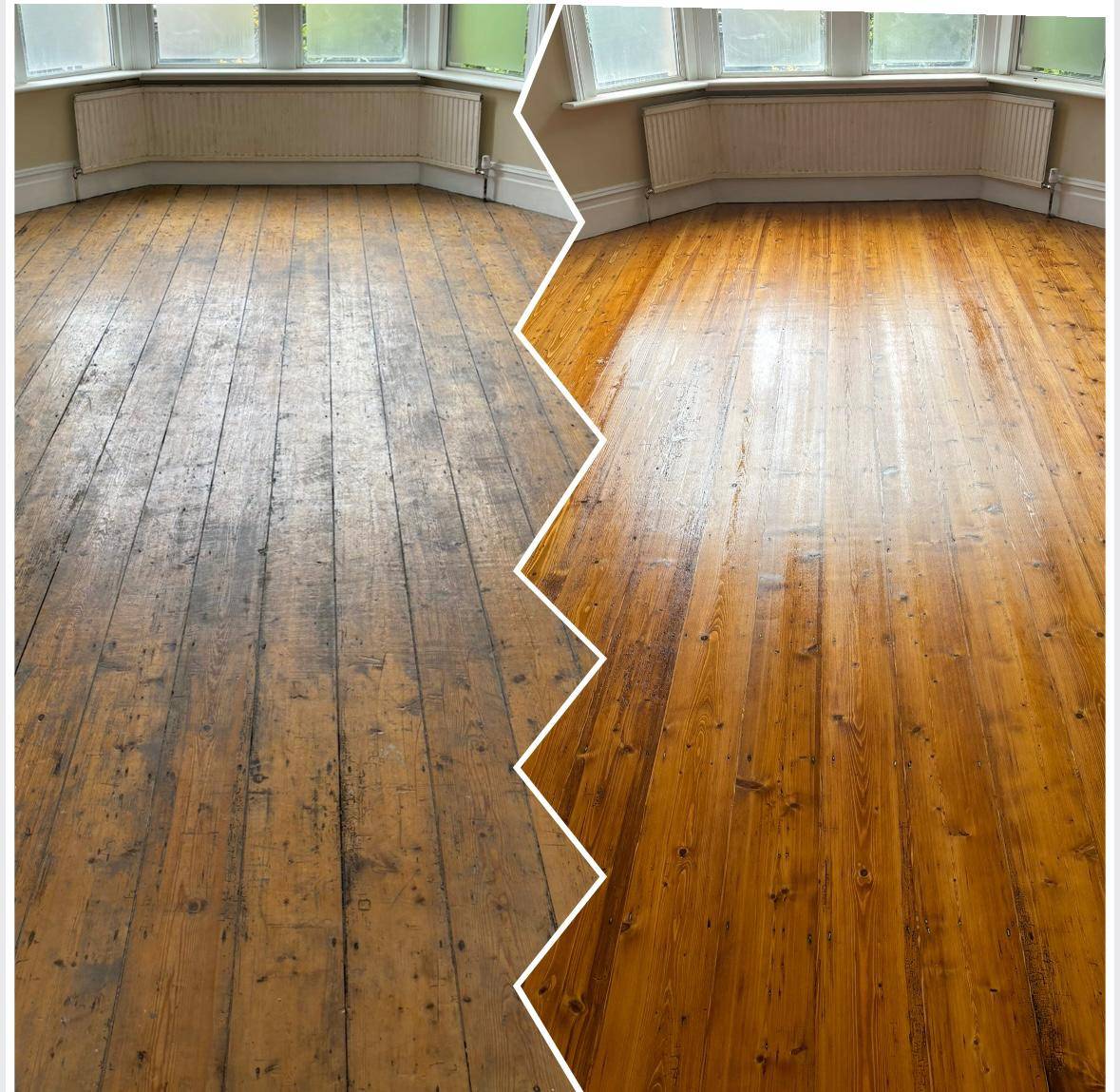
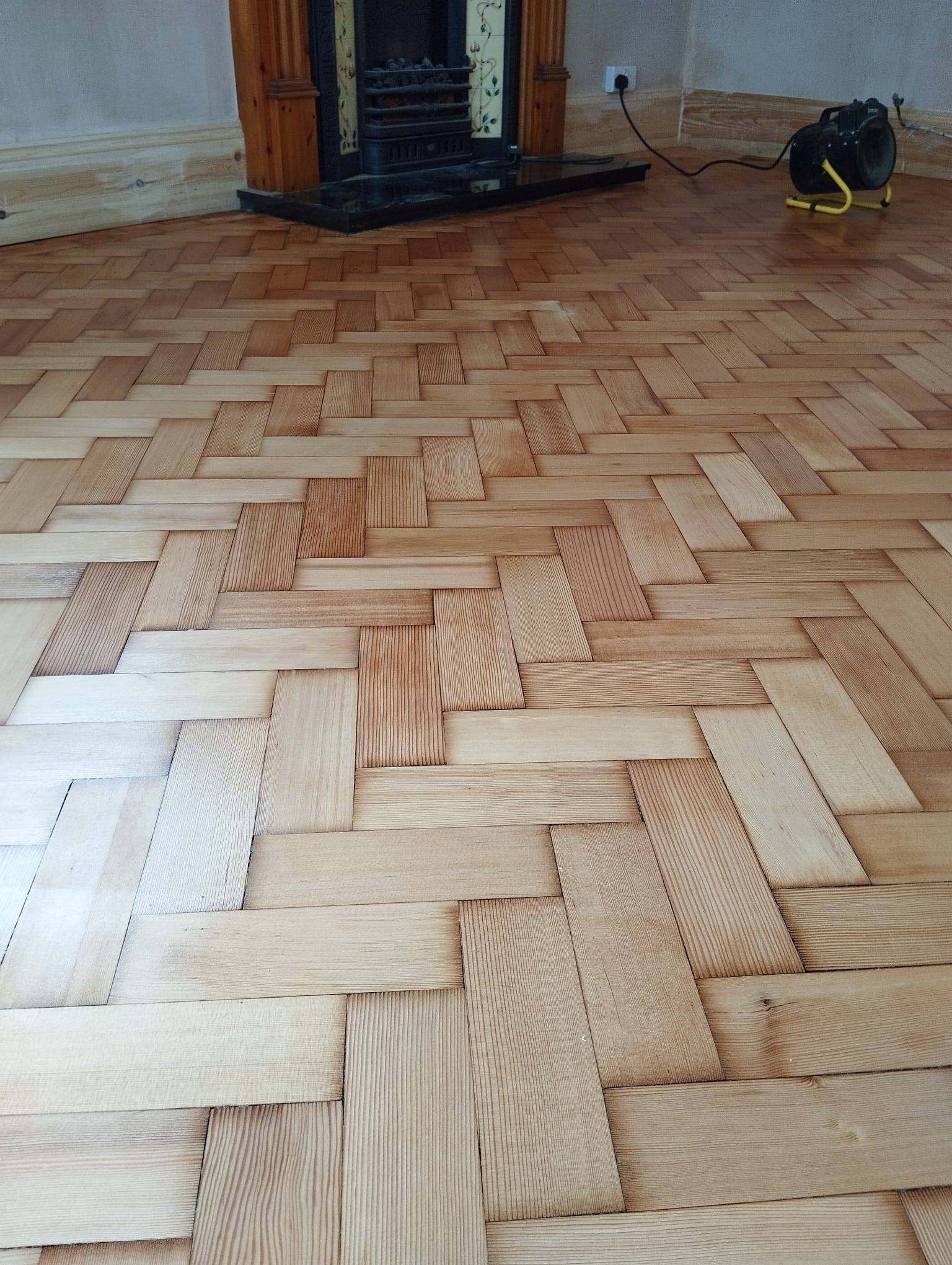
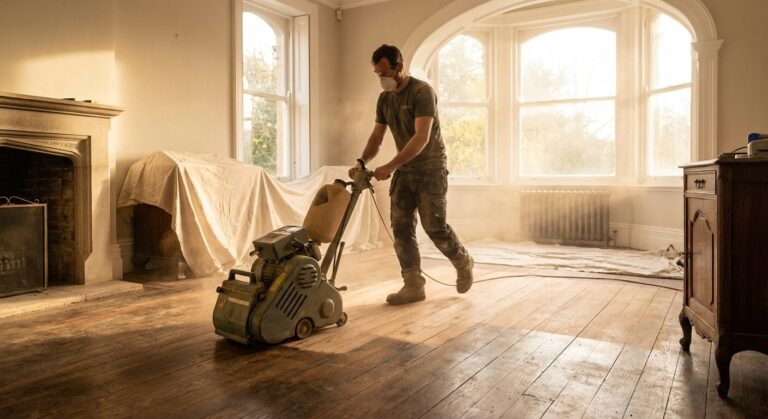
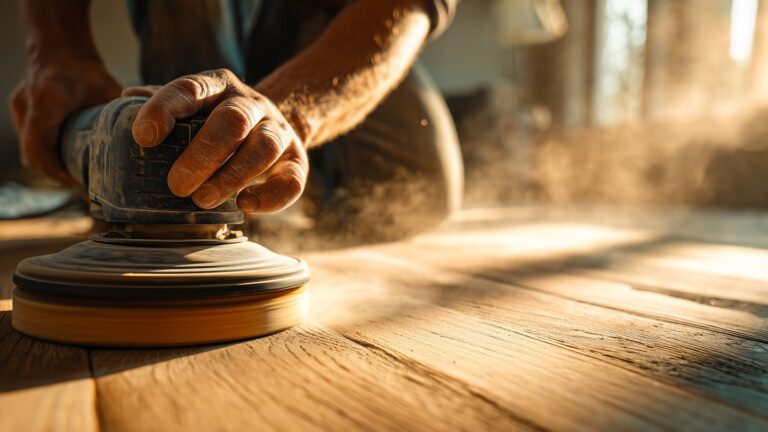
Floor sanding in Bishop’s Stortford on a Victorian floor is usually about two things: fixing what the last hundred years have done to the boards, then cutting them back cleanly enough for a new finish to look right. The cutting follows a fixed progression. A belt or drum machine goes over the open floor on a coarse abrasive to take off old varnish, stain and grime. Each finer grit after that has one job, removing the marks of the grit before it. Along the skirtings a spinning disc edger does the same work, a hand scraper reaches into the corners and round the chimney breast, and at the end a machine with several small rotating heads knocks the edge and field into one even texture. That process is laid out on our wood floor sanding page.
Old pine sands quickly, and that is both a strength and a risk. A heavy hand on the drum can dish the soft earlywood between harder grain, or leave a dip where the machine paused. Plenty of terrace floors have been sanded at least once before, and square-edged boards held by cut nails only have so much depth before the nail heads start to show; on those, every pass is a careful one.
Dust from pine is fine and resinous, and in a two-up, two-down it would reach every room in minutes. That is why the sanders run through sealed extraction units, collecting the dust at the abrasive and holding it in a closed container. A trace can still escape to a high shelf, so we never claim it is entirely dust-free, but extracted, low-dust floor sanding keeps a terraced house habitable while the work is going on. The rest of the county we reach is on our Hertfordshire floor sanding page.